



Photographing the BRDC Classic – Part 2
Silverstone
30 July 2026
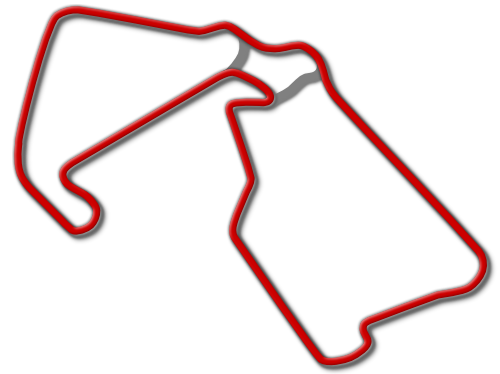
The BRDC Classic is a motorsports event held at the Silverstone race track. Previously known as the Silverstone Classic, the event combines historic racing, open paddocks, car clubs, and classic motorsport into a three-day celebration of ten decades of racing history.
Two members of the PistonClick team attended on the Saturday as paying spectators, while another covered the full weekend with media accreditation. This review focuses on what you can expect as a spectator photographer, shooting from behind the circuit fencing rather than from official media areas.
We were keen to see what had changed, if anything, from the original Classic. Between us, we had plenty of knowledge of the previous shows, as spectators and car club enthusiasts. I personally had been to the Classic many times, sometimes staying the whole weekend to show my car. This was the first time, however, I would attended as a spectator.
Arriving at the BRDC Classic
Silverstone has quite a bad reputation for access and departures when they hold a major event. The BRDC Classic was a little different. Yes, the queue to get in at just before 9 am was long, backing up onto the A43 and into Silverstone village. On a positive note, it was moving. What was frustrating was the reason there was so much traffic clogging up the road. The majority of the cars were show cars, not spectators.
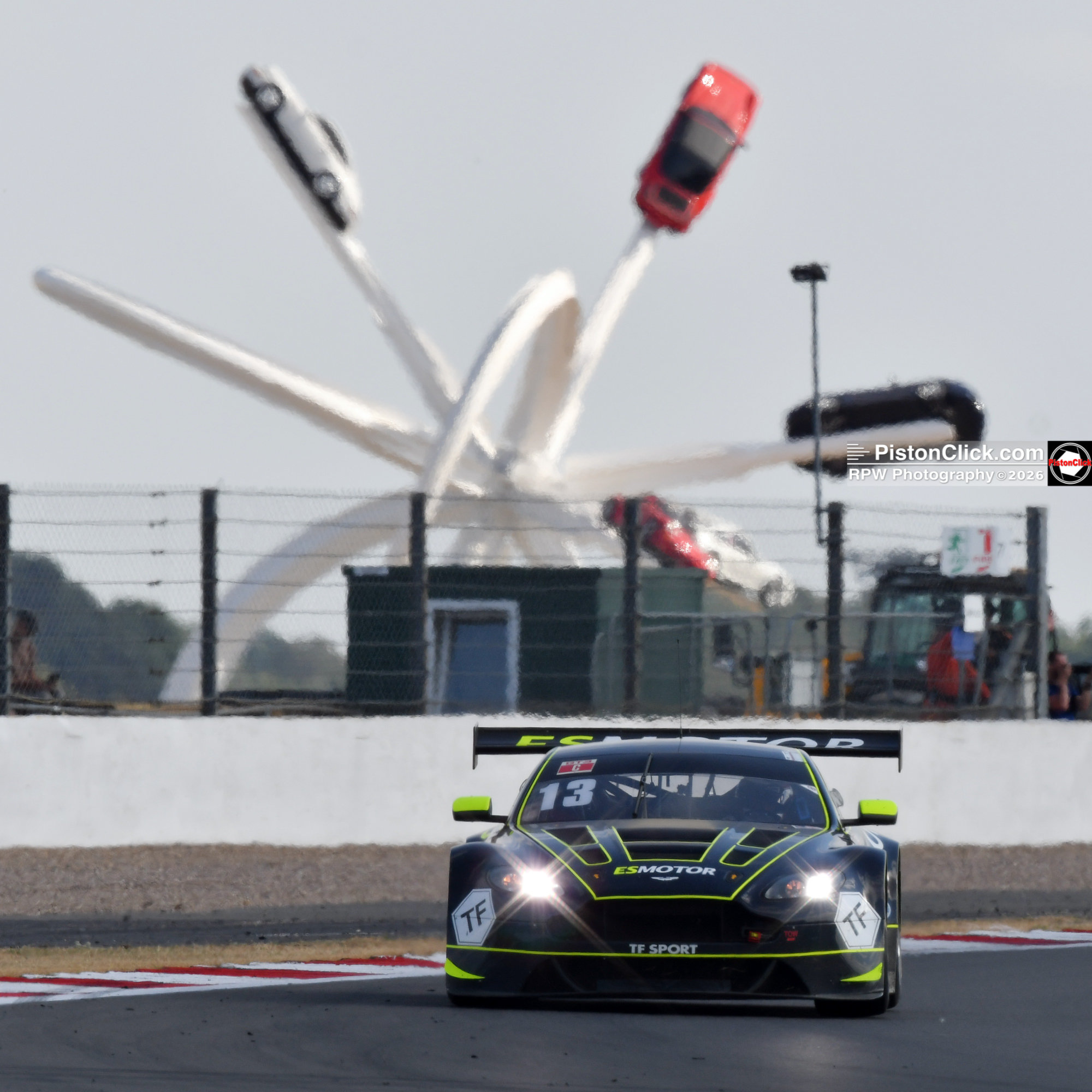
I’m sure when I used to attend, you had to be in early with a show car. This was previously explained as a safety measure. Hundreds of show cars being parked and driving around the show while the spectators are walking around is not ideal. Whatever the reason, once past the show car entrance, there were no delays and we were parked up quickly.
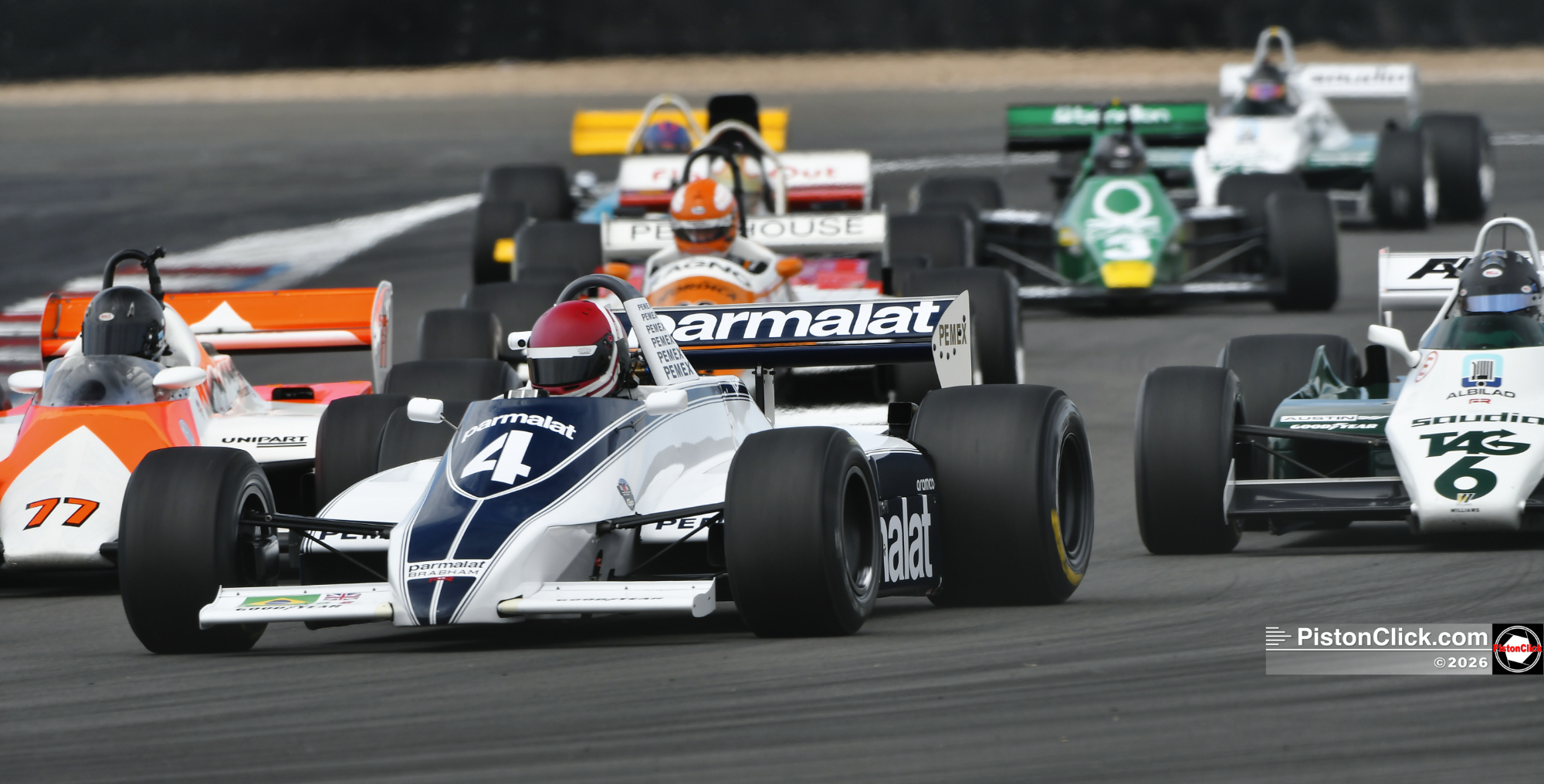
BRDC Classic – Exploring the Car Show
Walking into Silverstone, there was little sign of the car show stands. In previous years, the stands had used most of the grassed area near the entrance. The new, very smart-looking Kart track and associated buildings had taken out a large area next to the Luffield corner complex. The back of the Village area was also devoid of anything to do with the show.
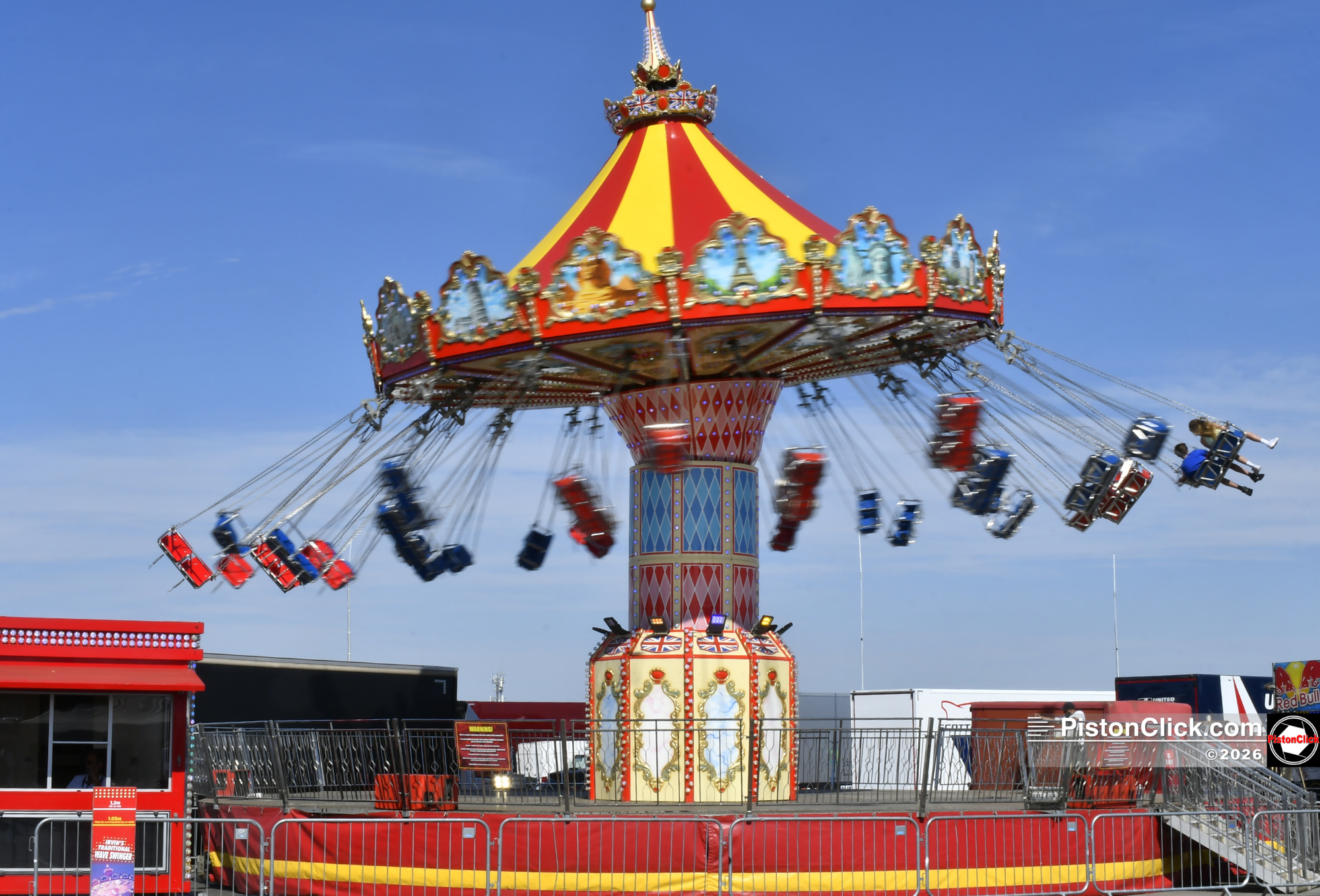
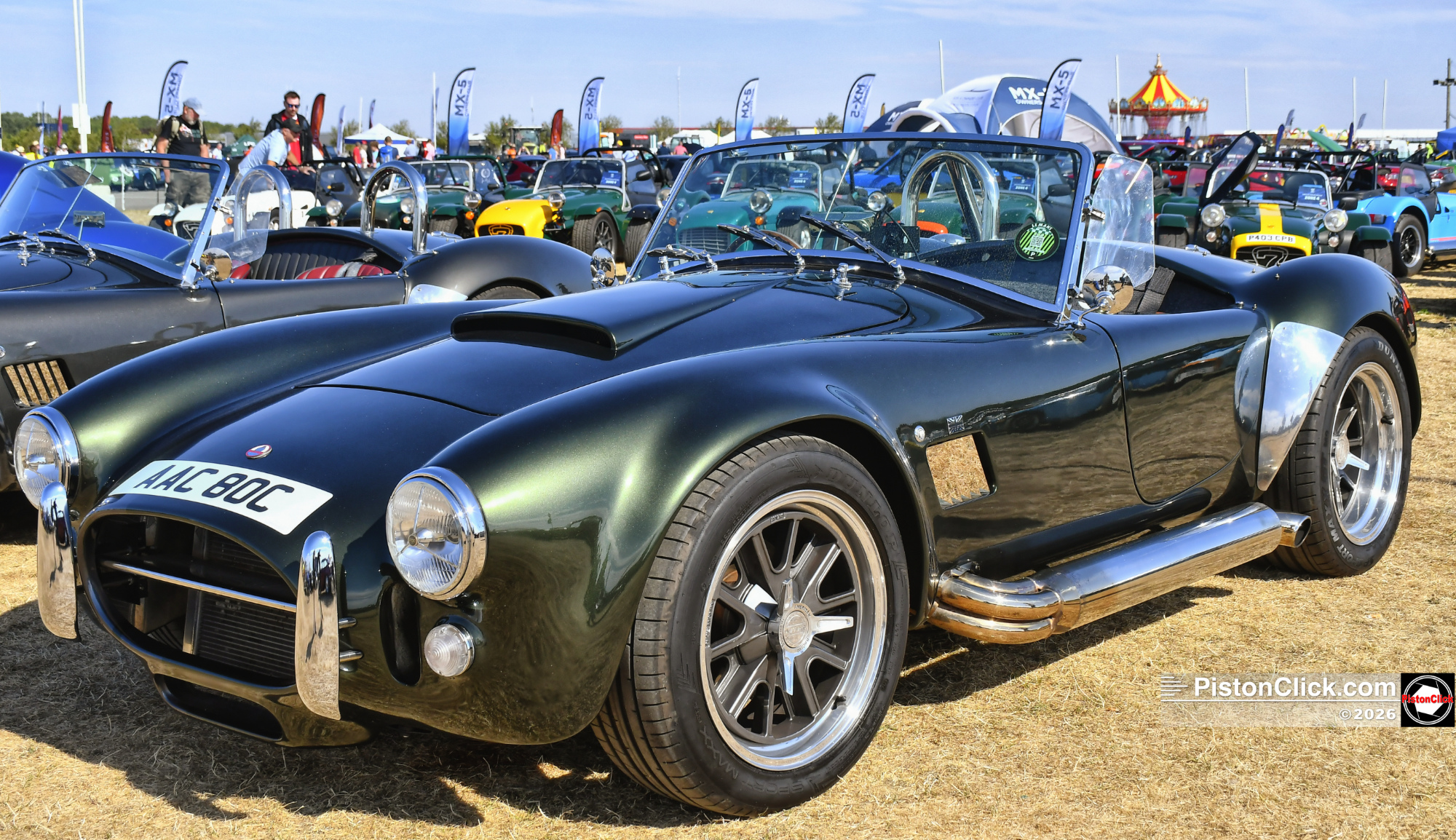
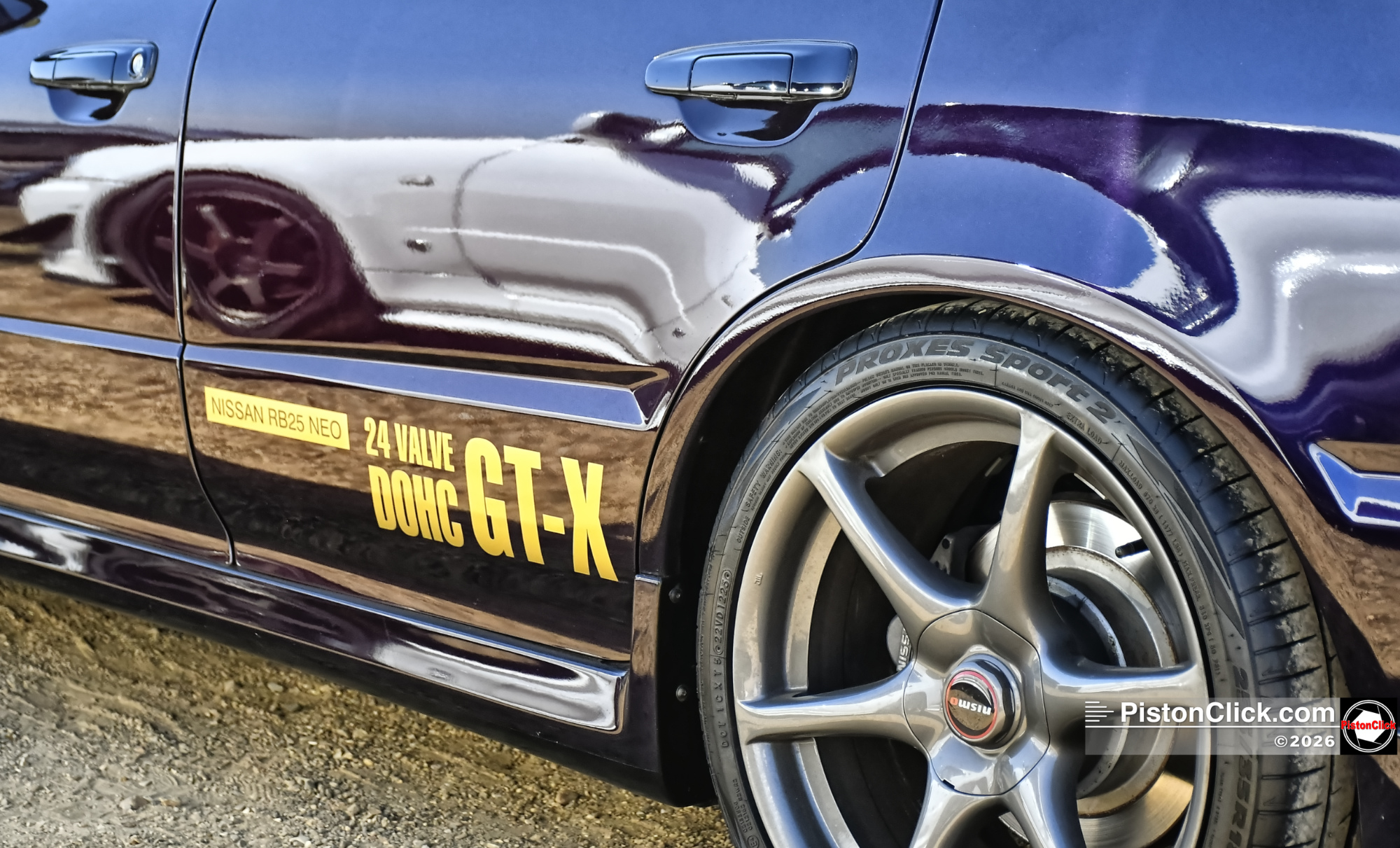
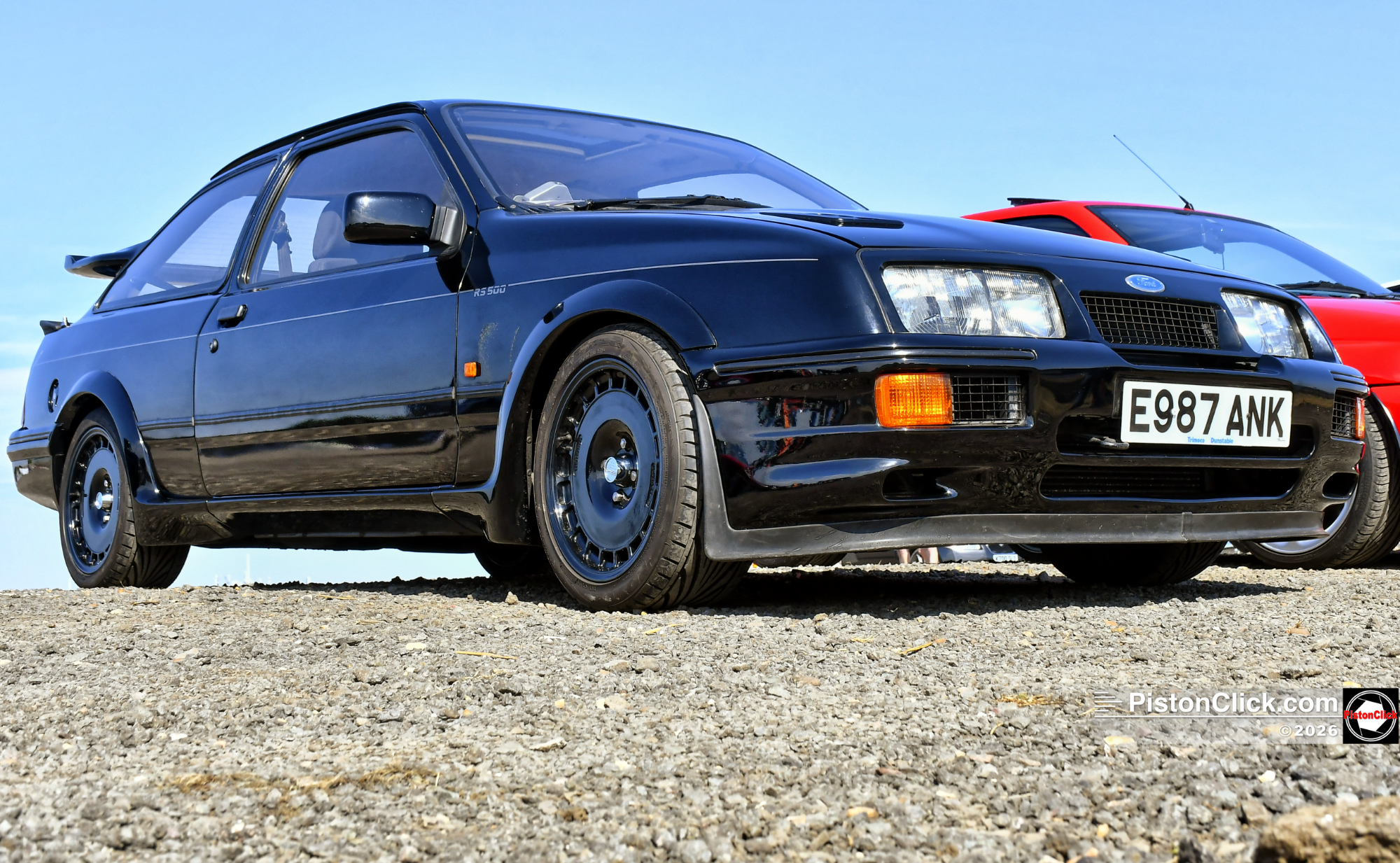
Crossing the bridge over the Wellington Straight was where the club stands were located. Although there were fewer clubs than in previous years, the display quality remained excellent, with everything from immaculate Lotus and MG models to Skylines and American muscle cars.
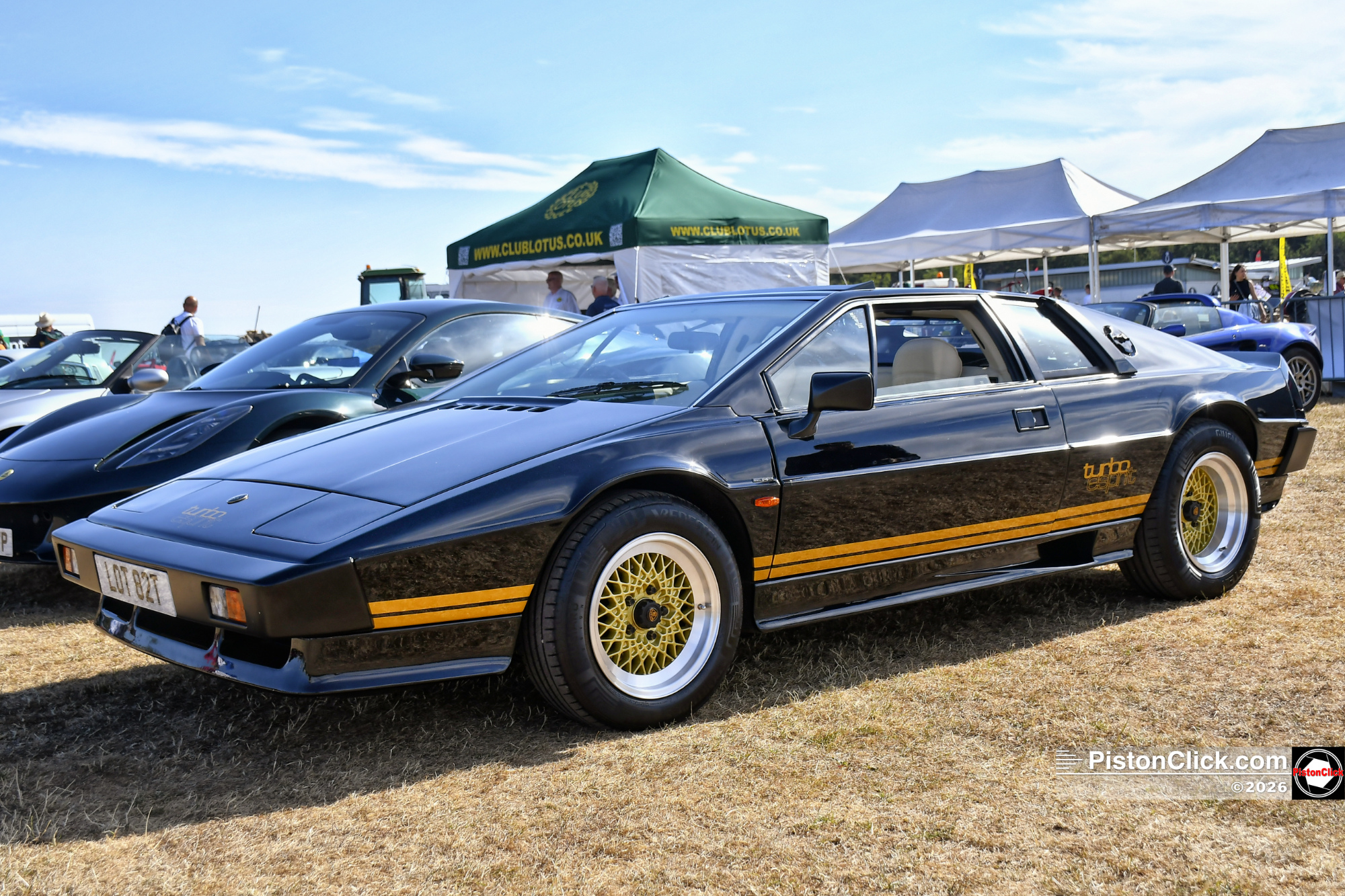
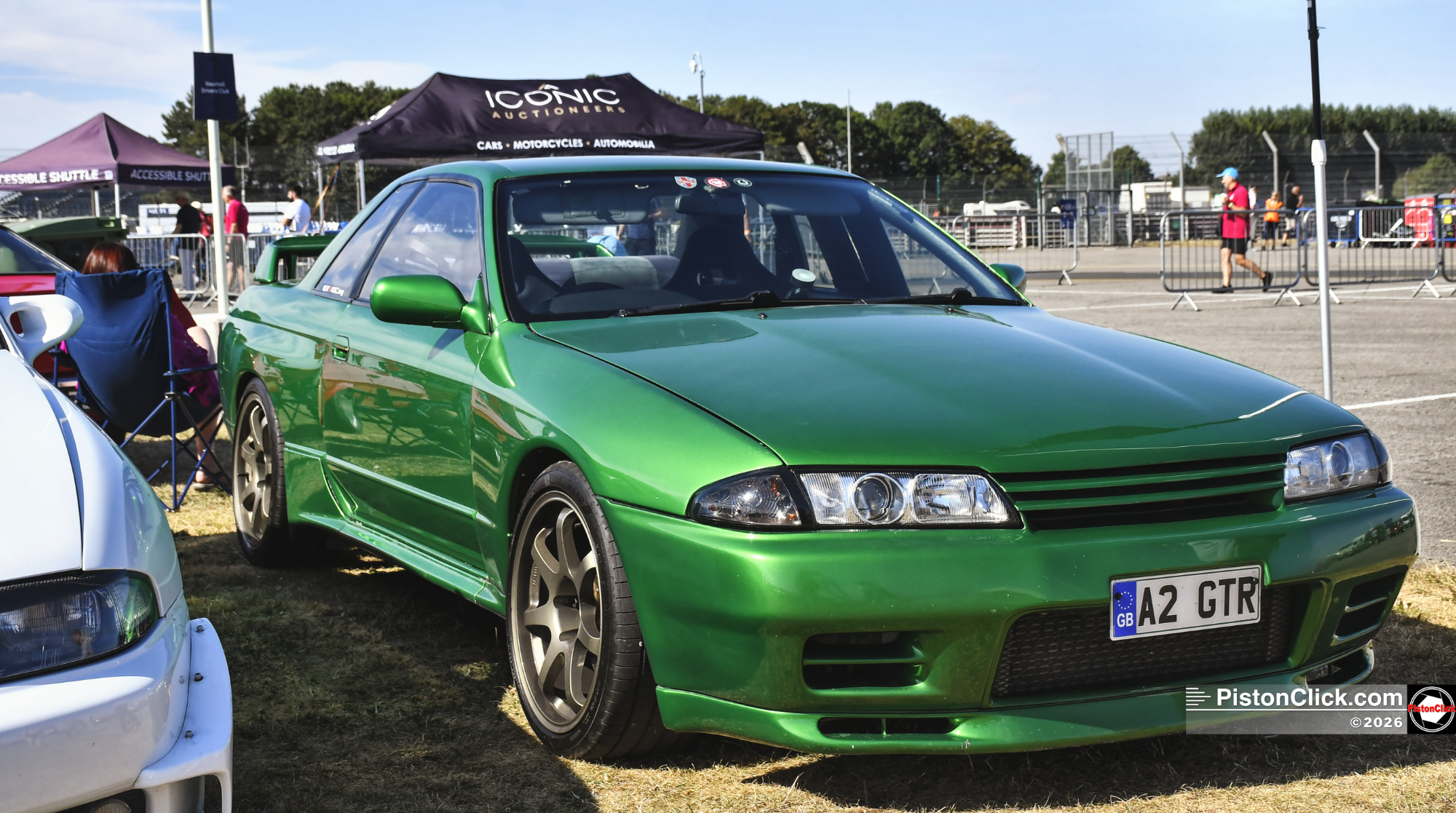
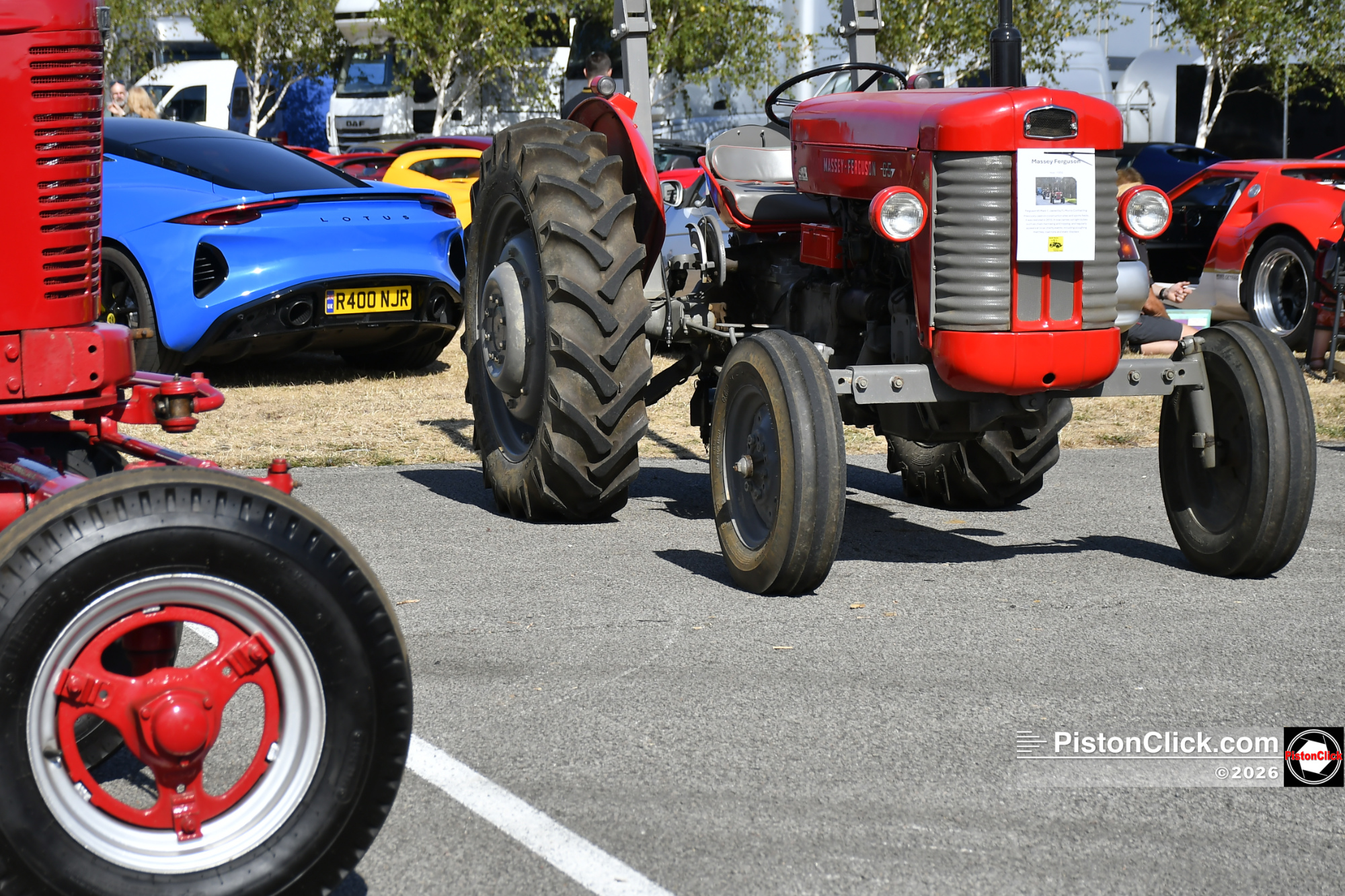
One odd stand was a collection of classic farm machines, which was a surprise distraction. As a team, we had decided to skip the morning track action and concentrate on the car show and the paddock. It didn’t take us that long to get round the club stands, so we headed for the paddock.
Behind the Scenes in the Paddock
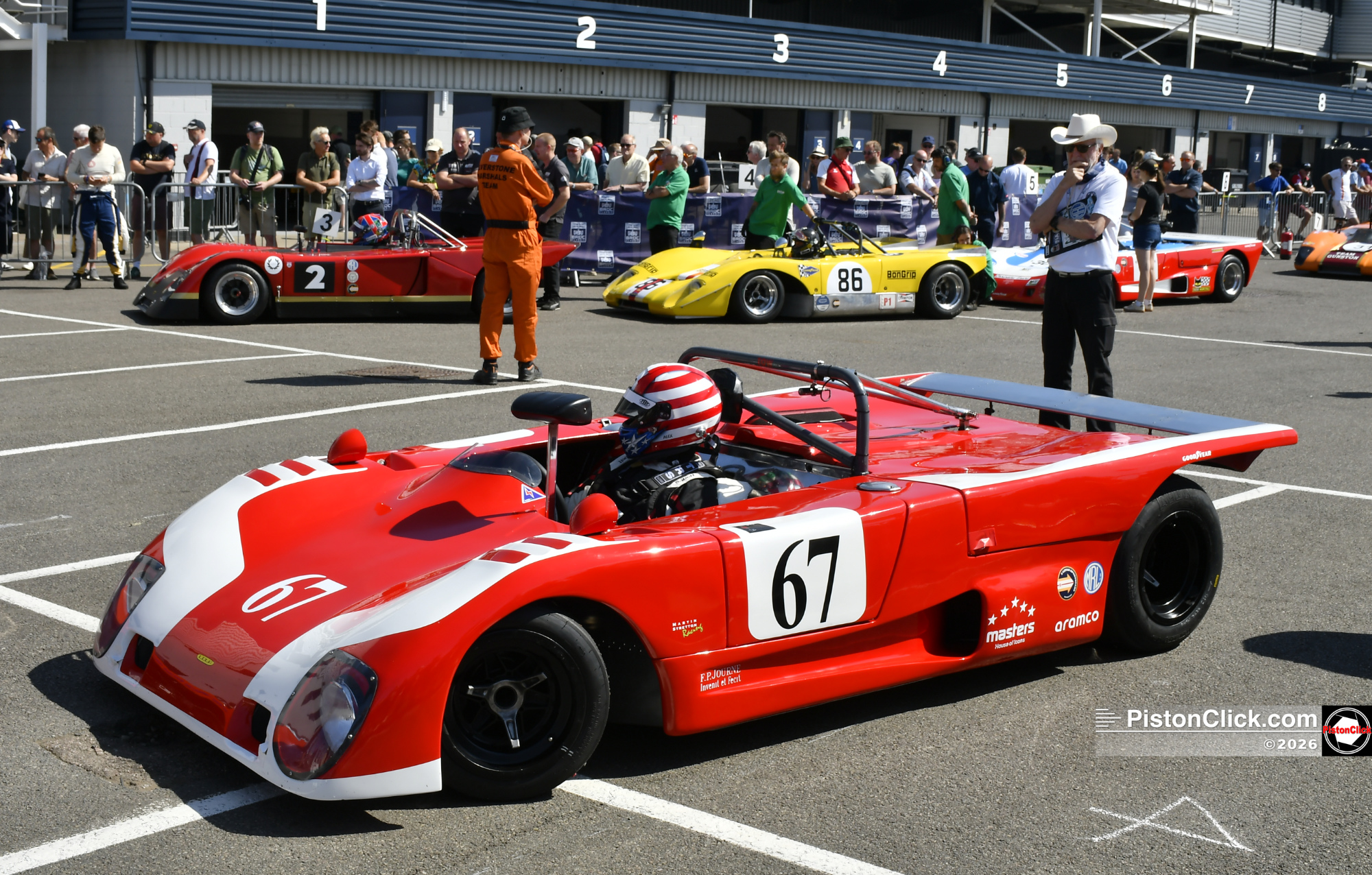
Open to the public, there was a vibe of the Goodwood Revival around the Paddock. The teams were working on the race cars, and the spectators were generally respectful as they looked around.
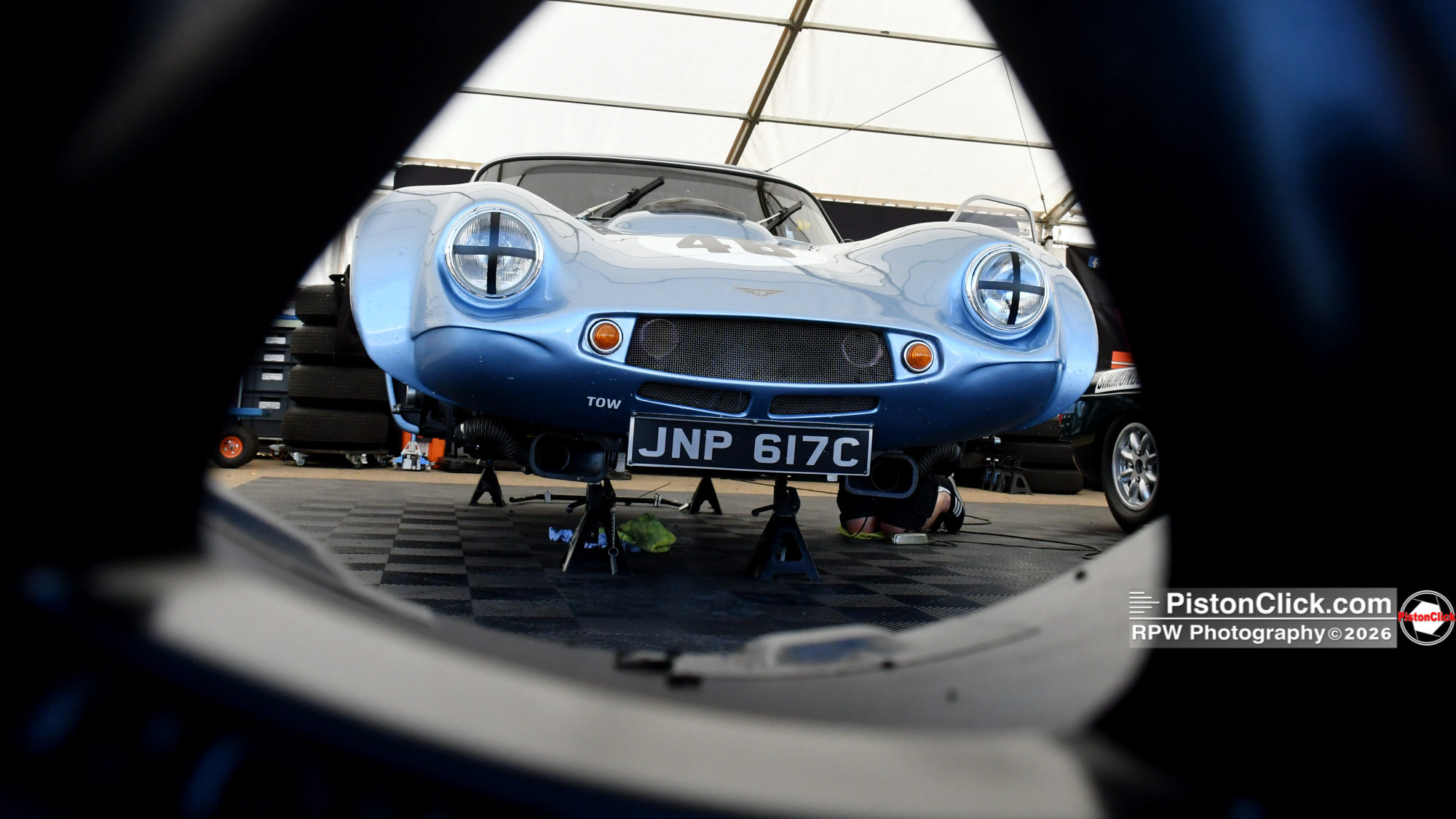
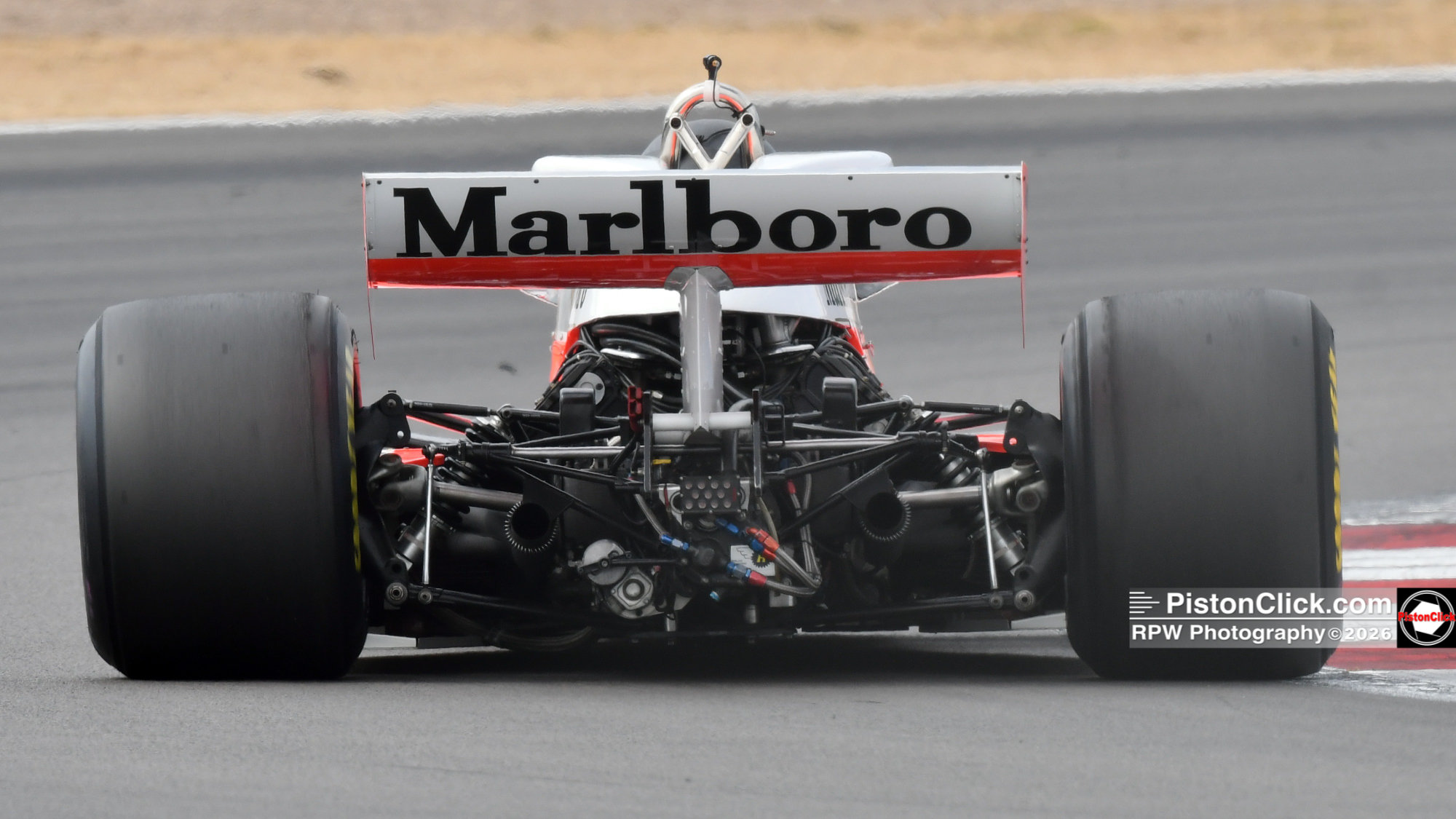
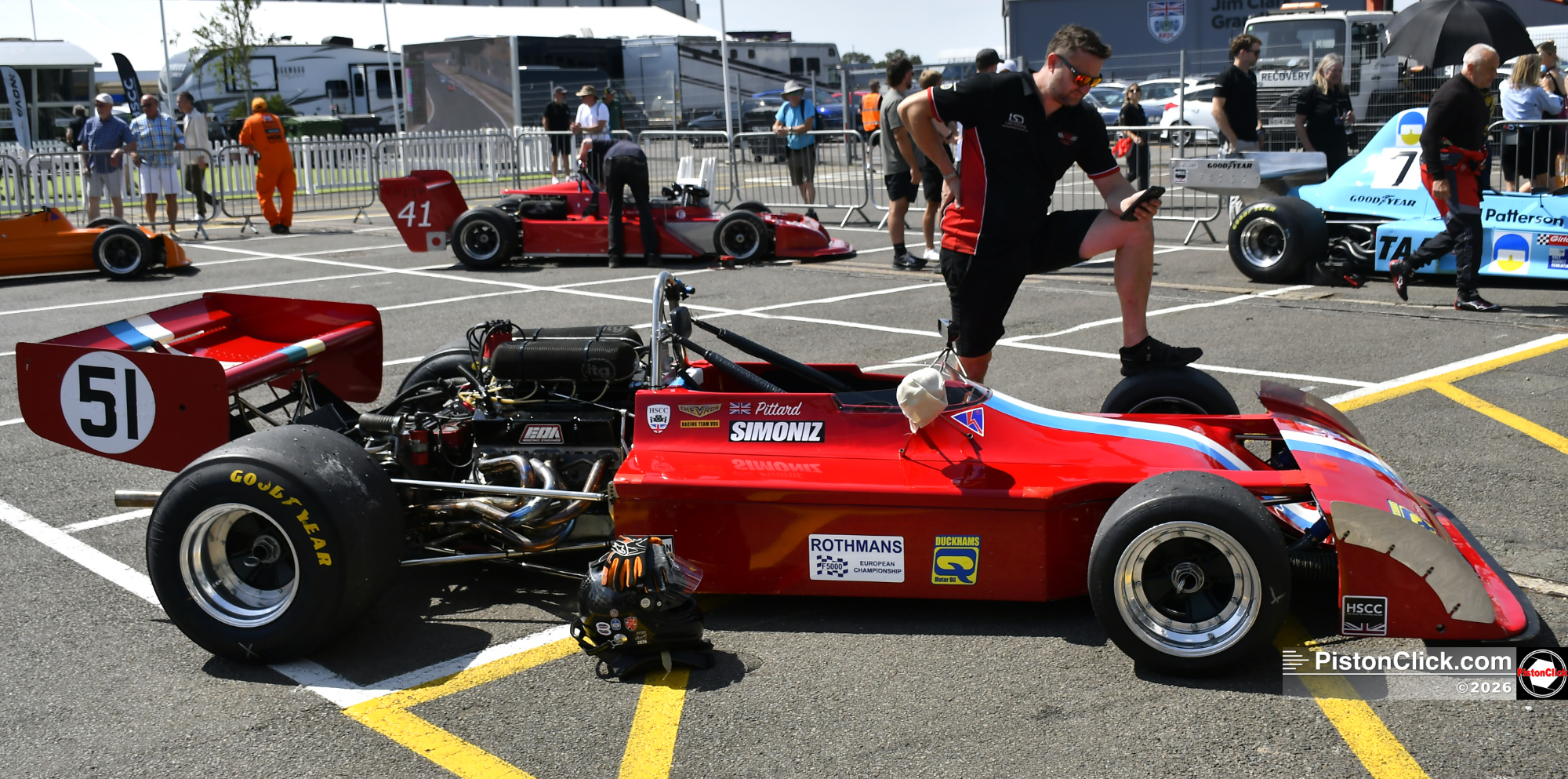
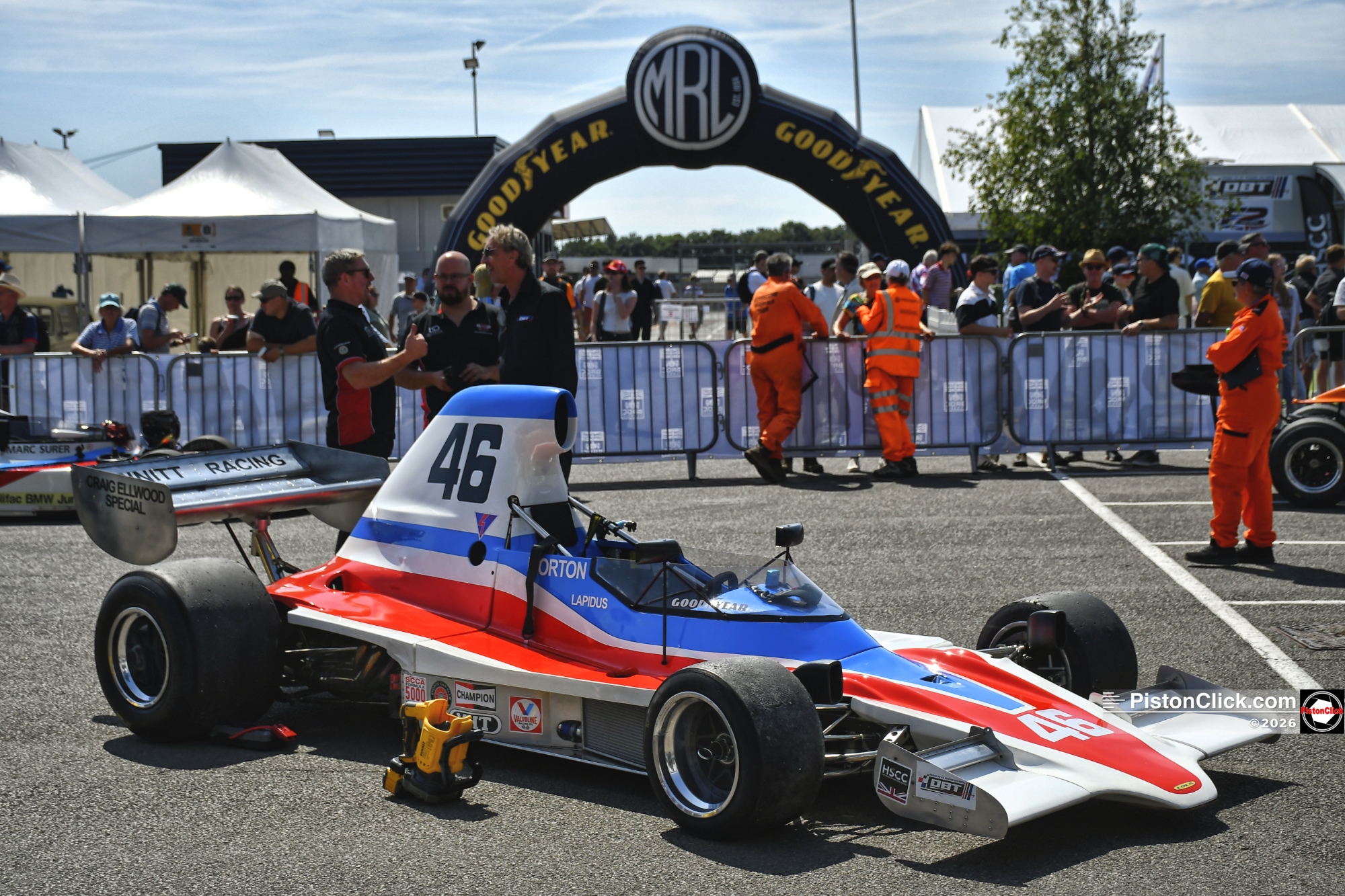
Getting up close to the cars is a privilege, especially the classic single-seat racers. Not a lot of driver protection was designed into these cars back in the day. With their bodywork removed, it’s amazing to see how little thought was given to the drivers’ safety. The restless quest for speed had a direct relationship between power and weight, I suppose.
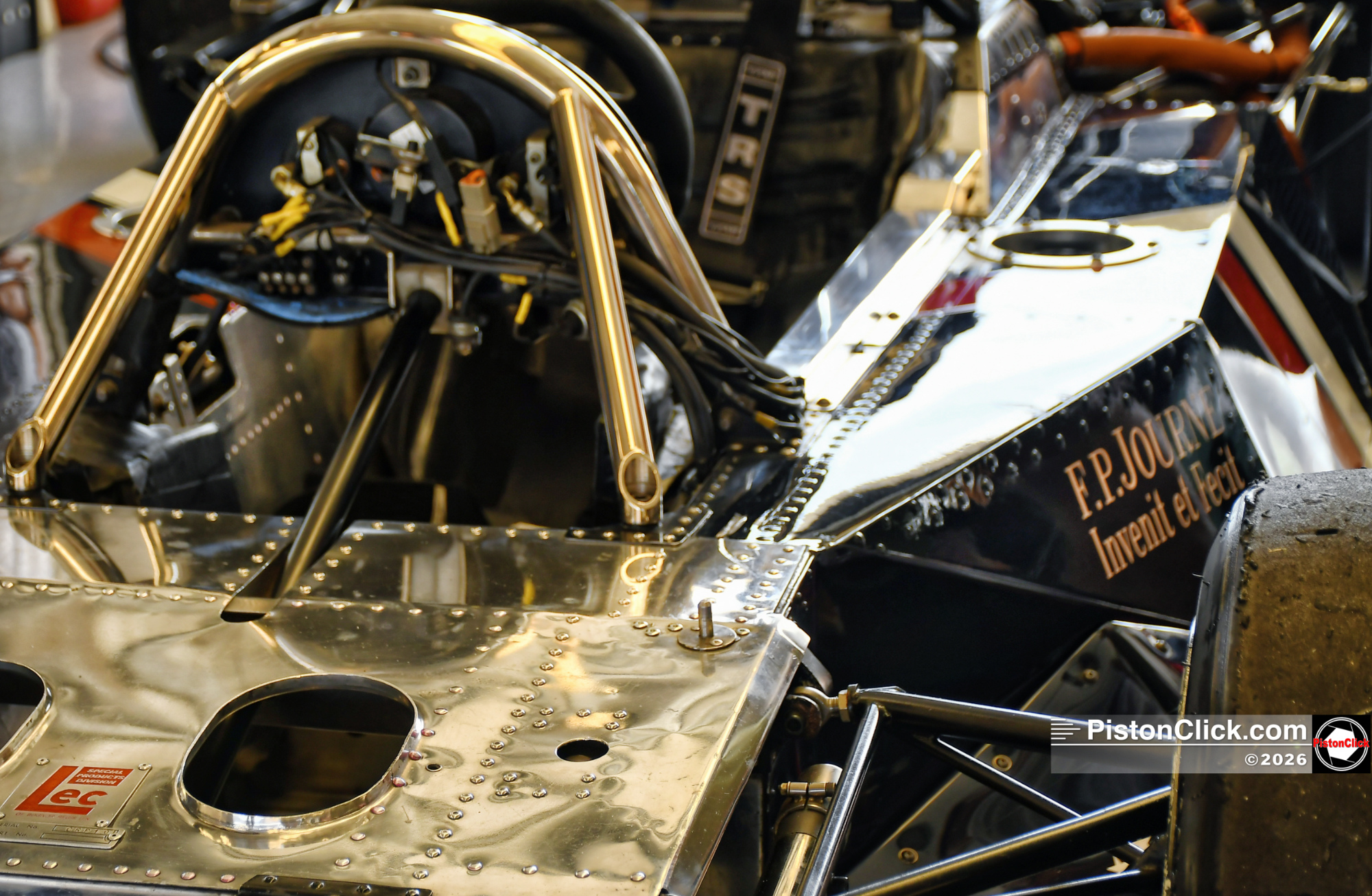
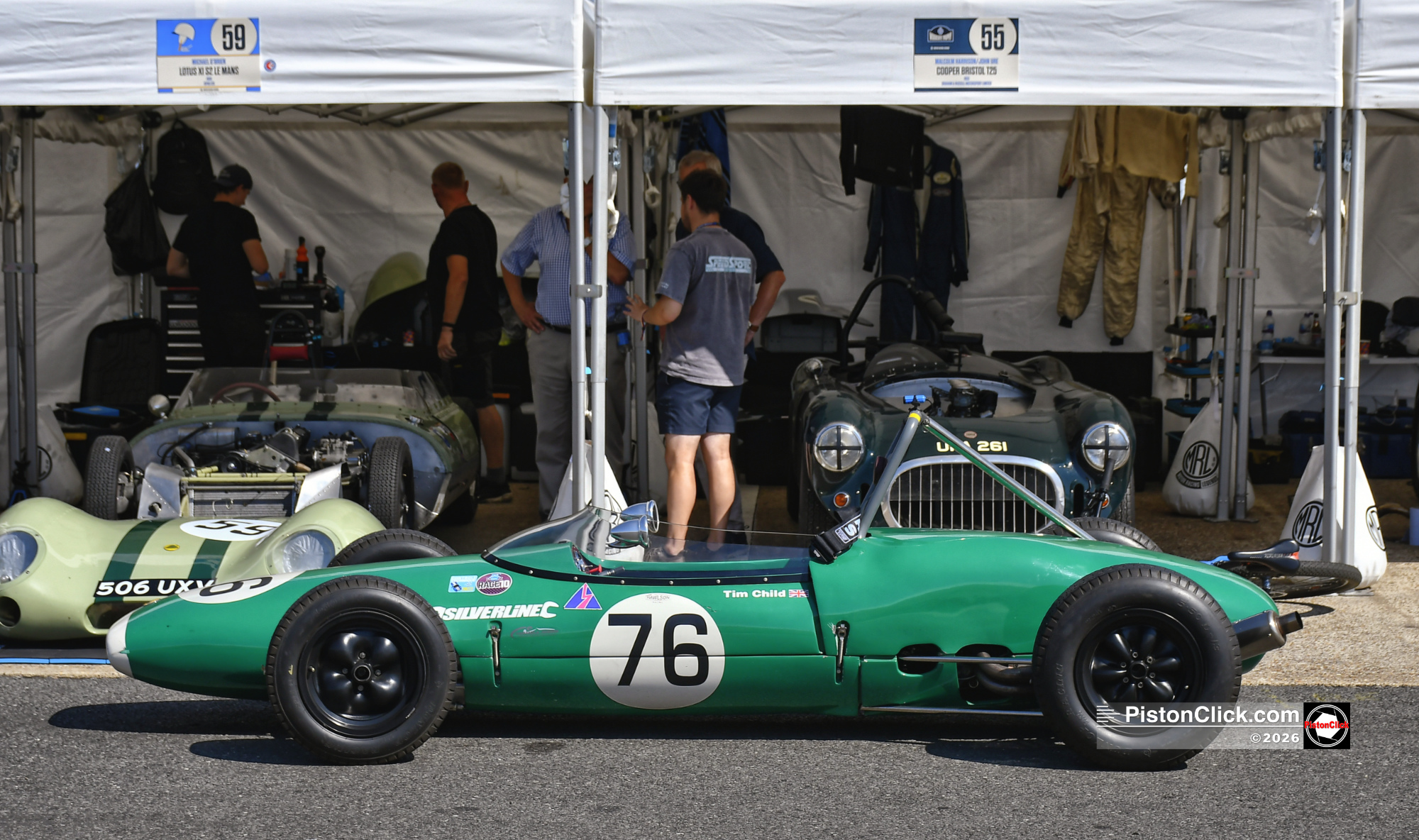
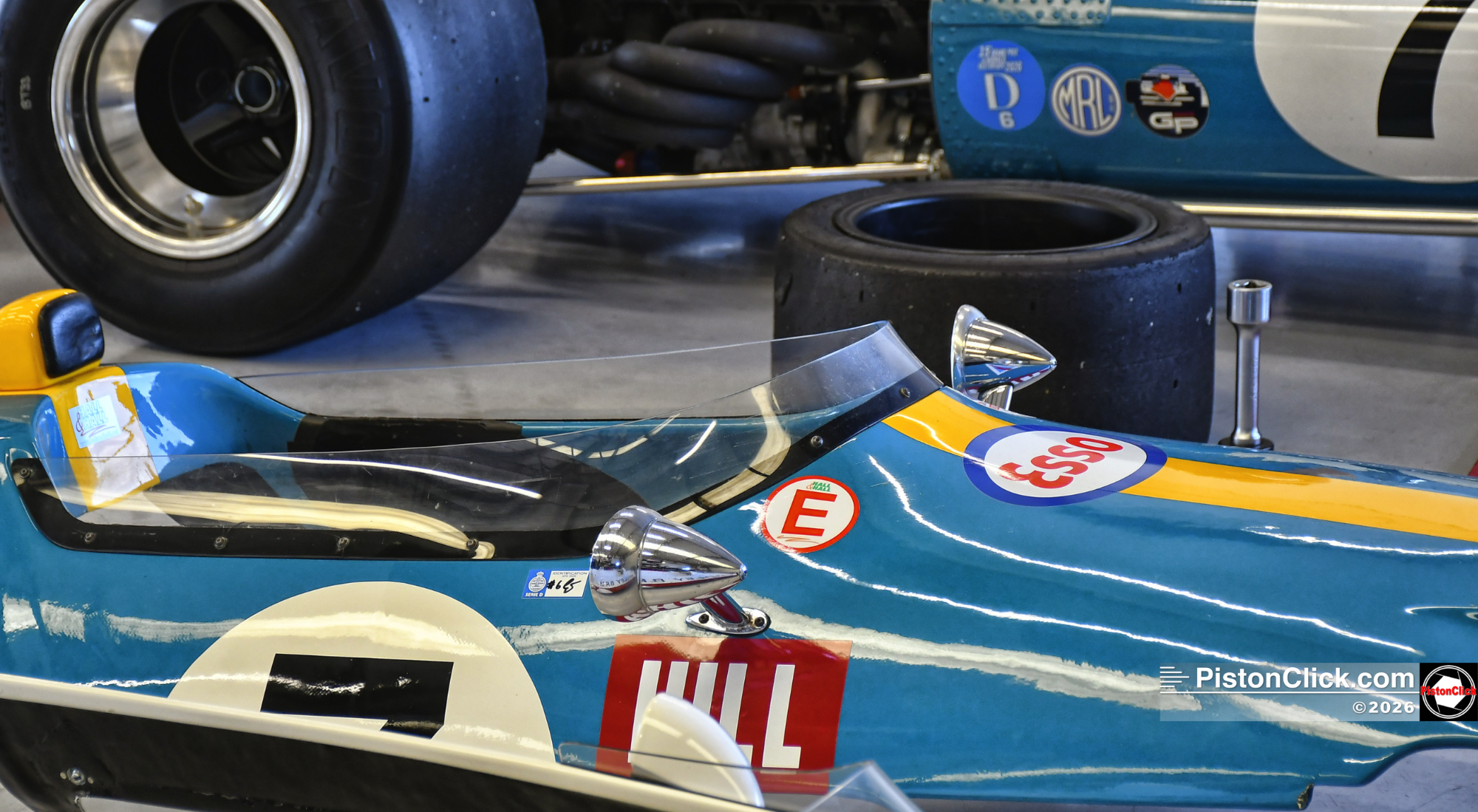
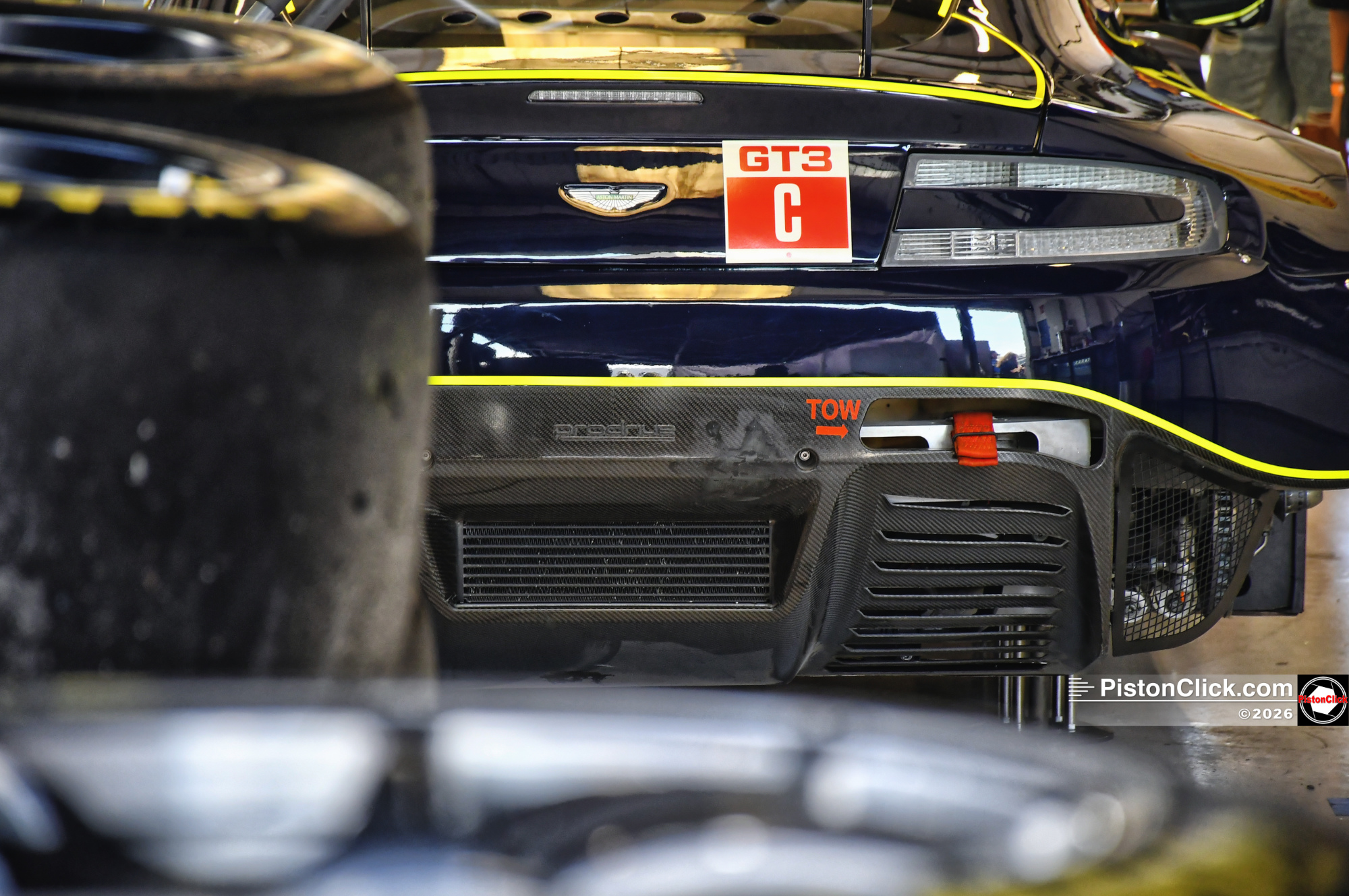
The garages were hosting the GT3 and Classic F1 race cars. They were packed in together like sardines, with little room to get a clear picture. With a little patience, it was possible.
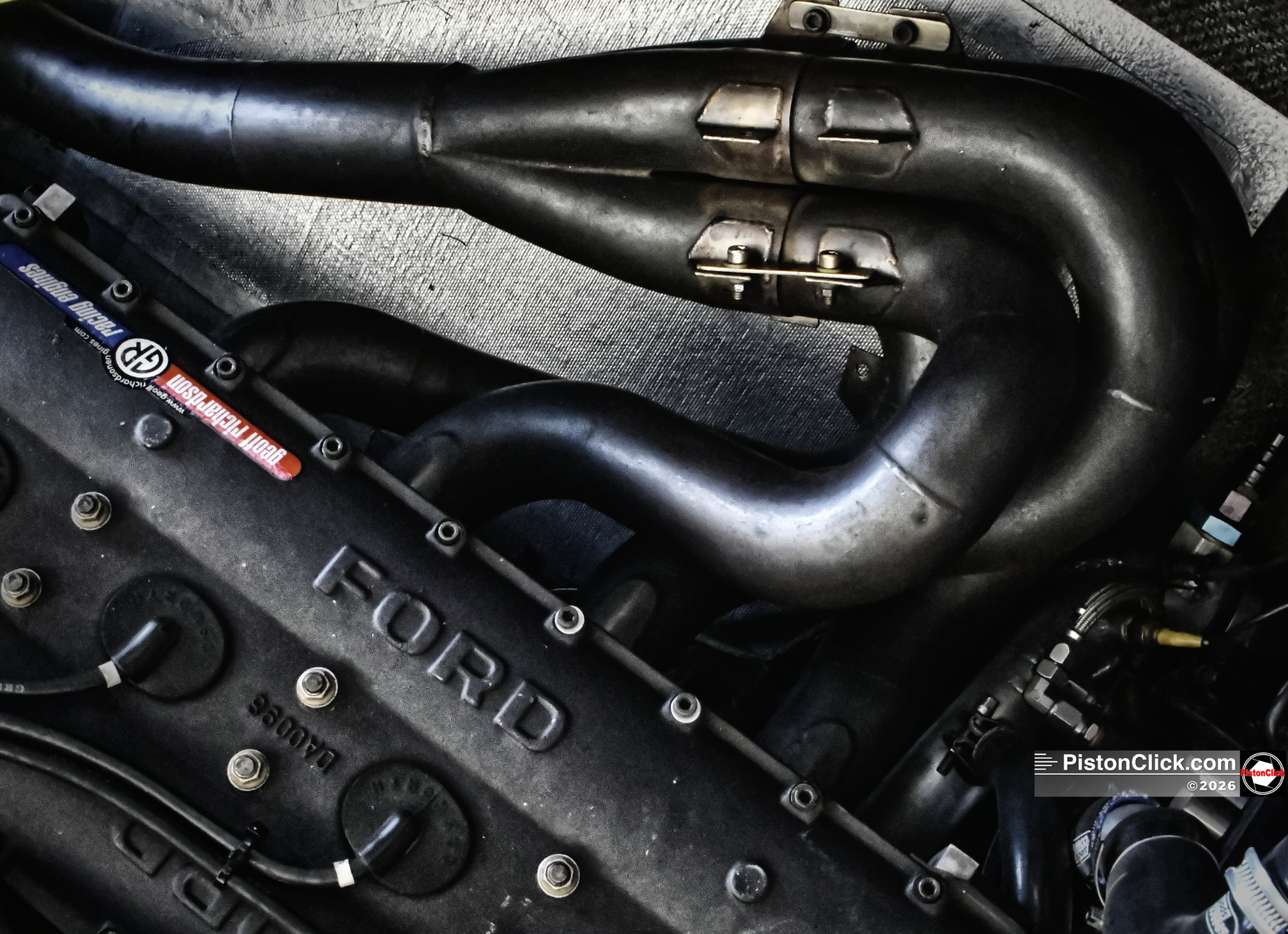
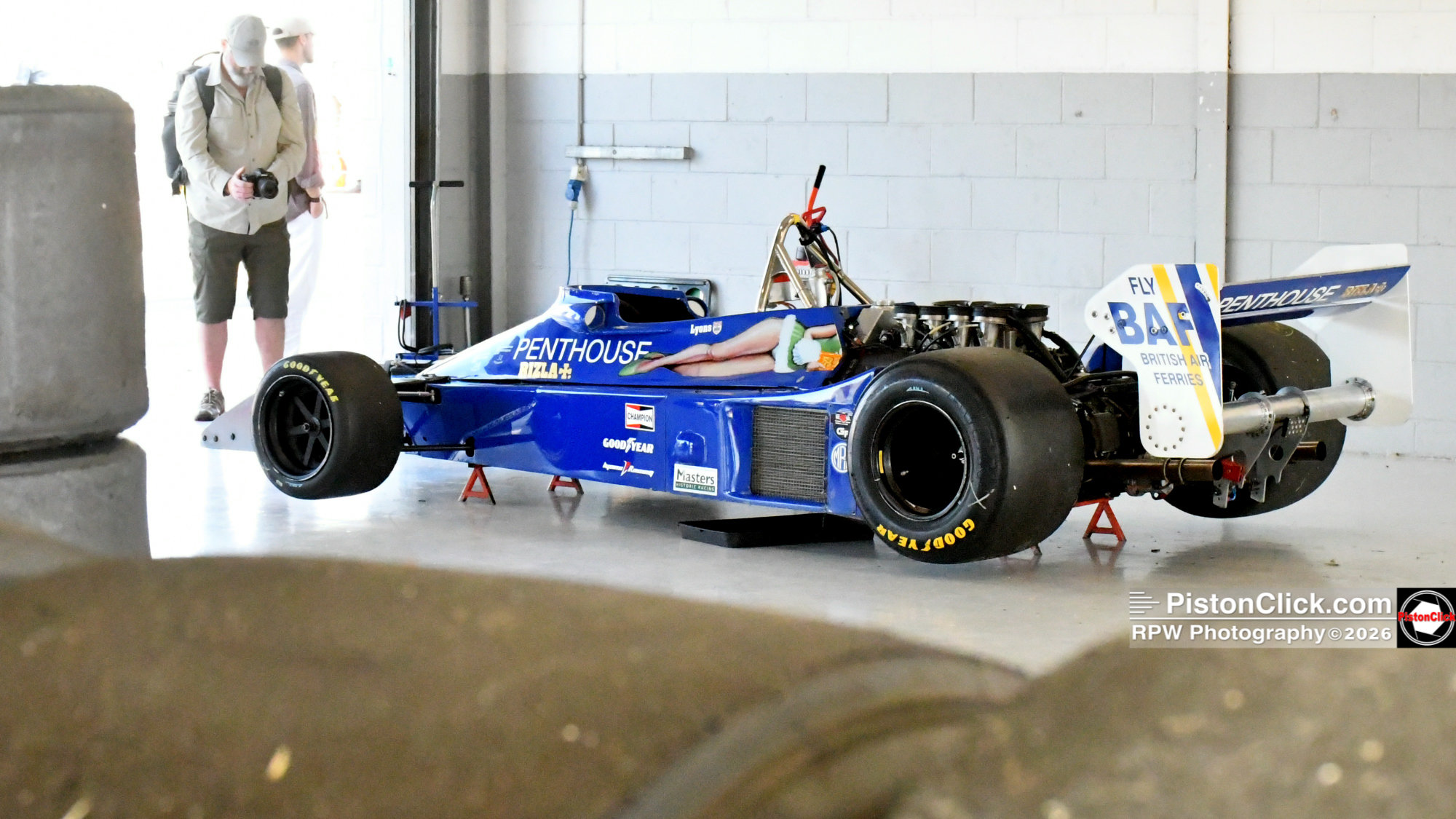
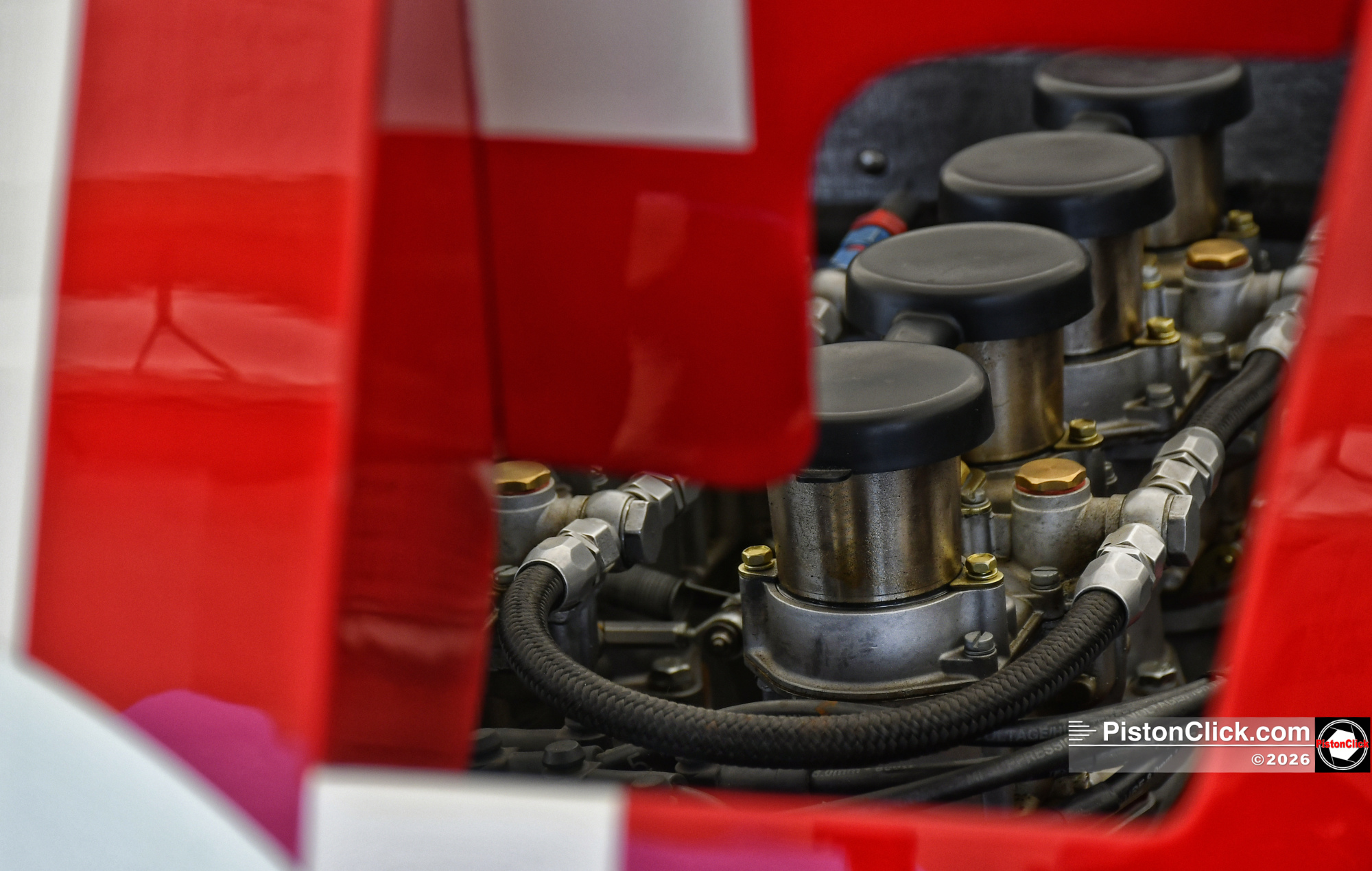
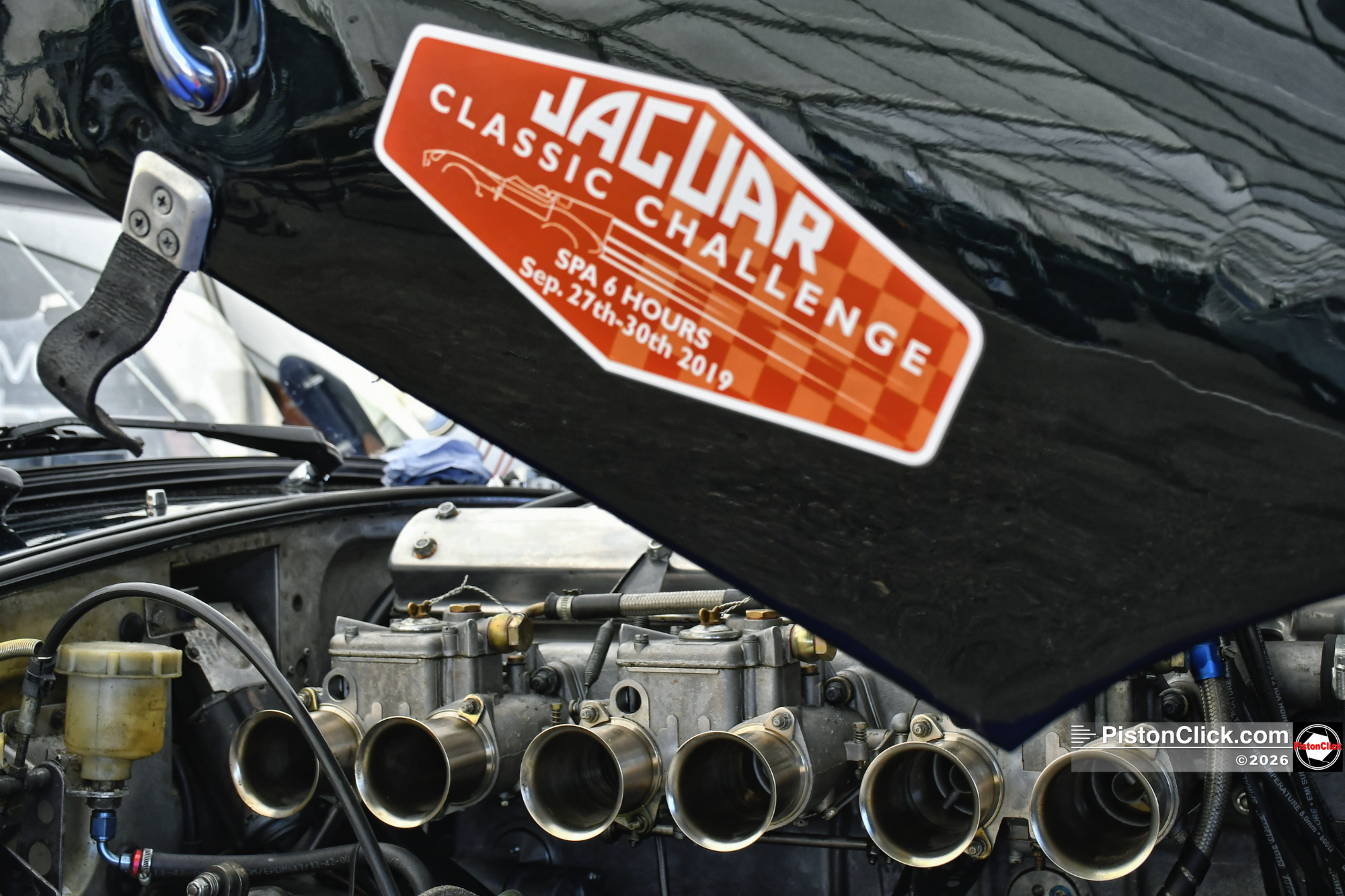
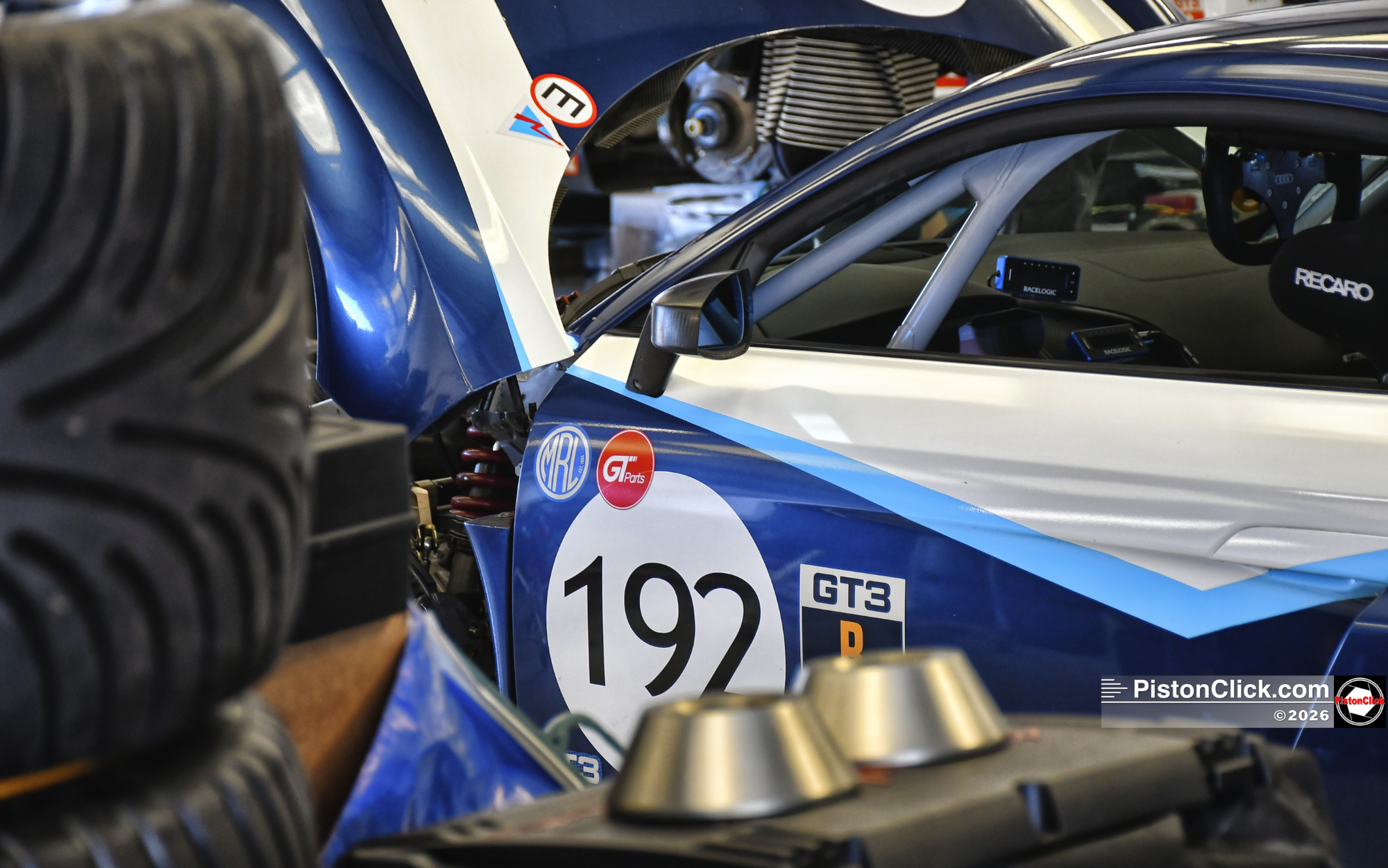
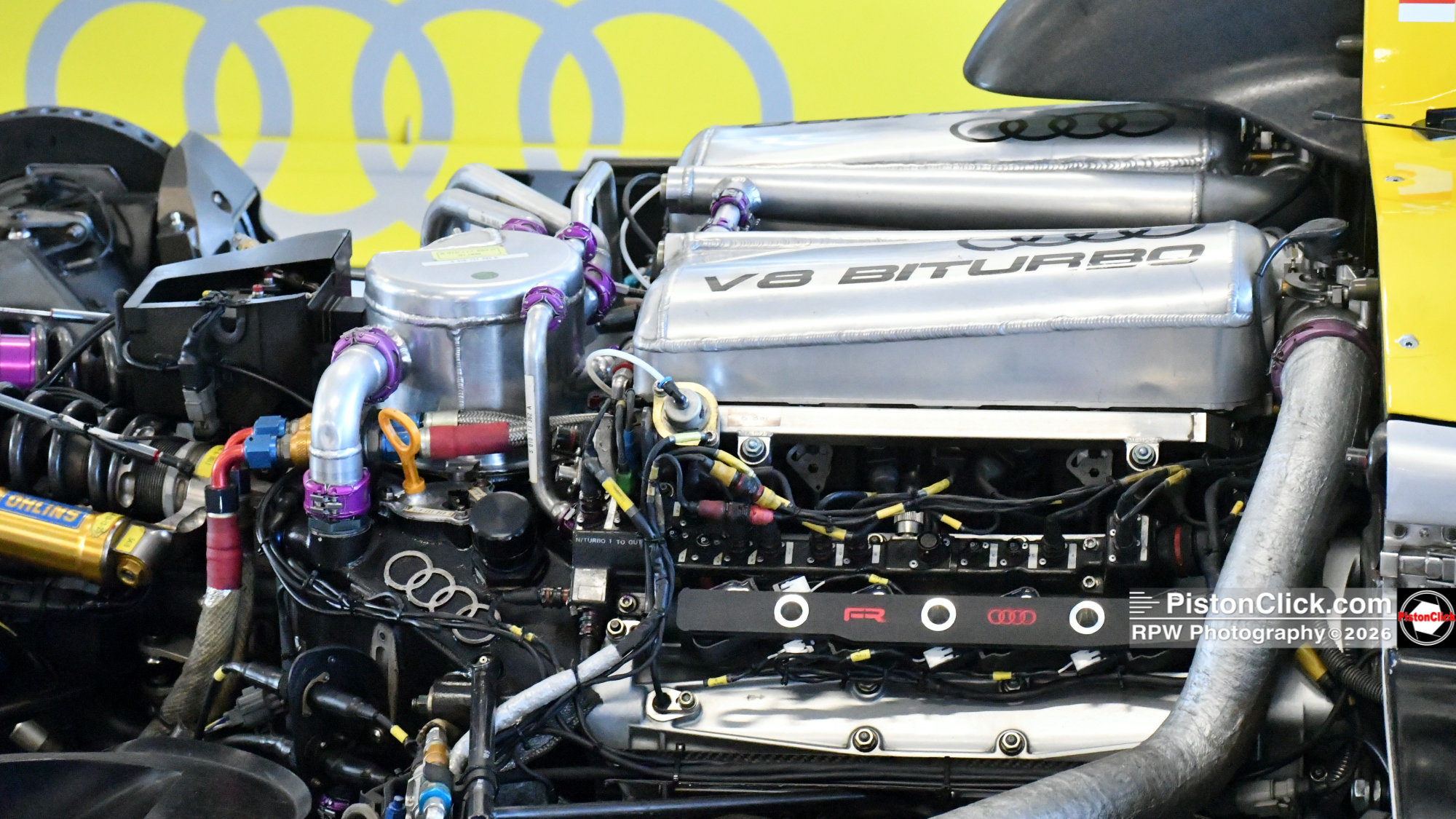
I do like a detailed arty shot, so I was happy with the images I captured. With a “little” bit of post production editing interesting results can be achieved!
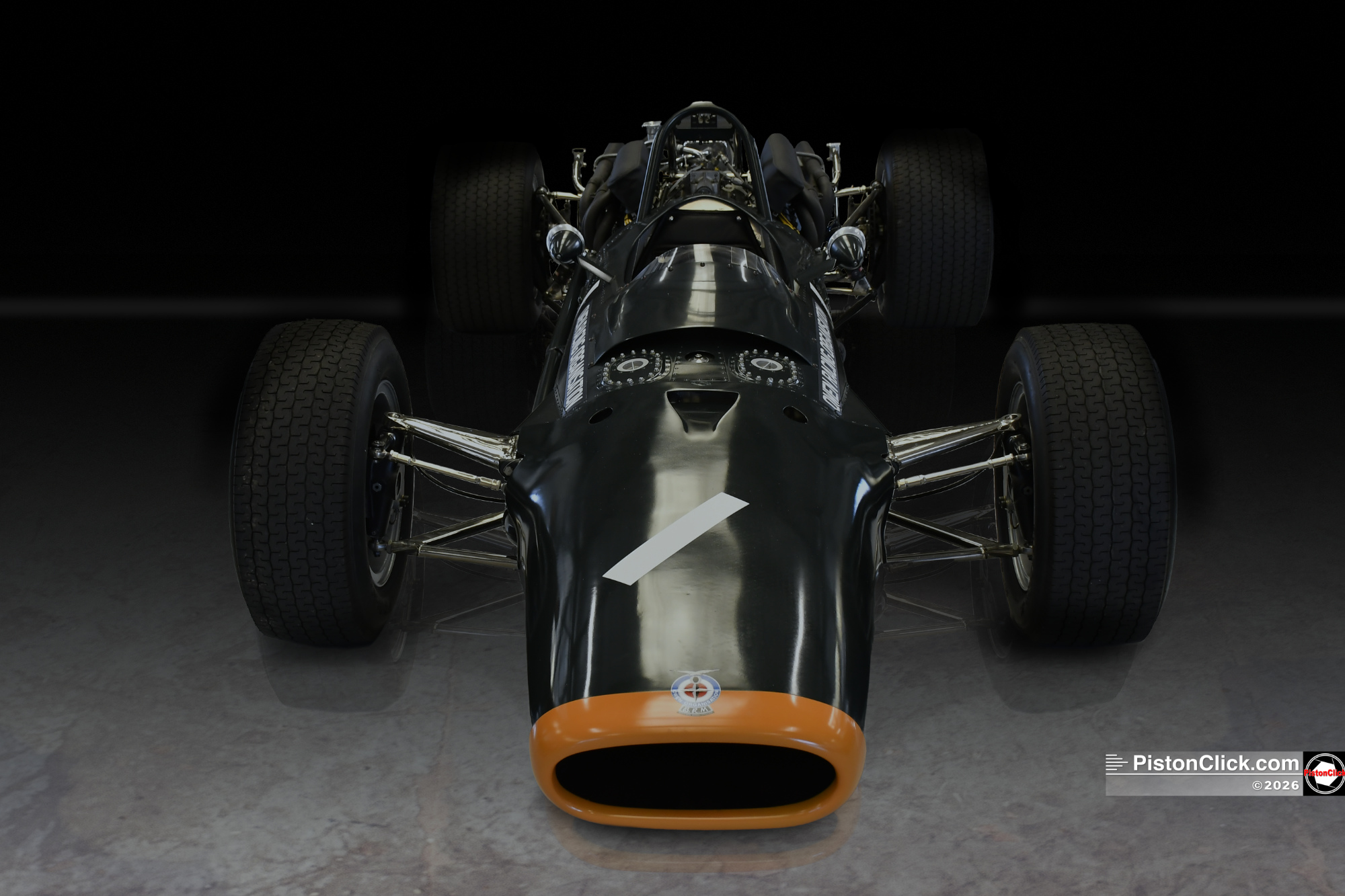
The bonus of garage access was being able to stand at the edge of the pit lane, watching the cars as they set off on their races. Quite a few of the race schedules had driver changes programmed in. This kept a flow of cars entering and leaving the pit lane, which was a pleasant distraction.
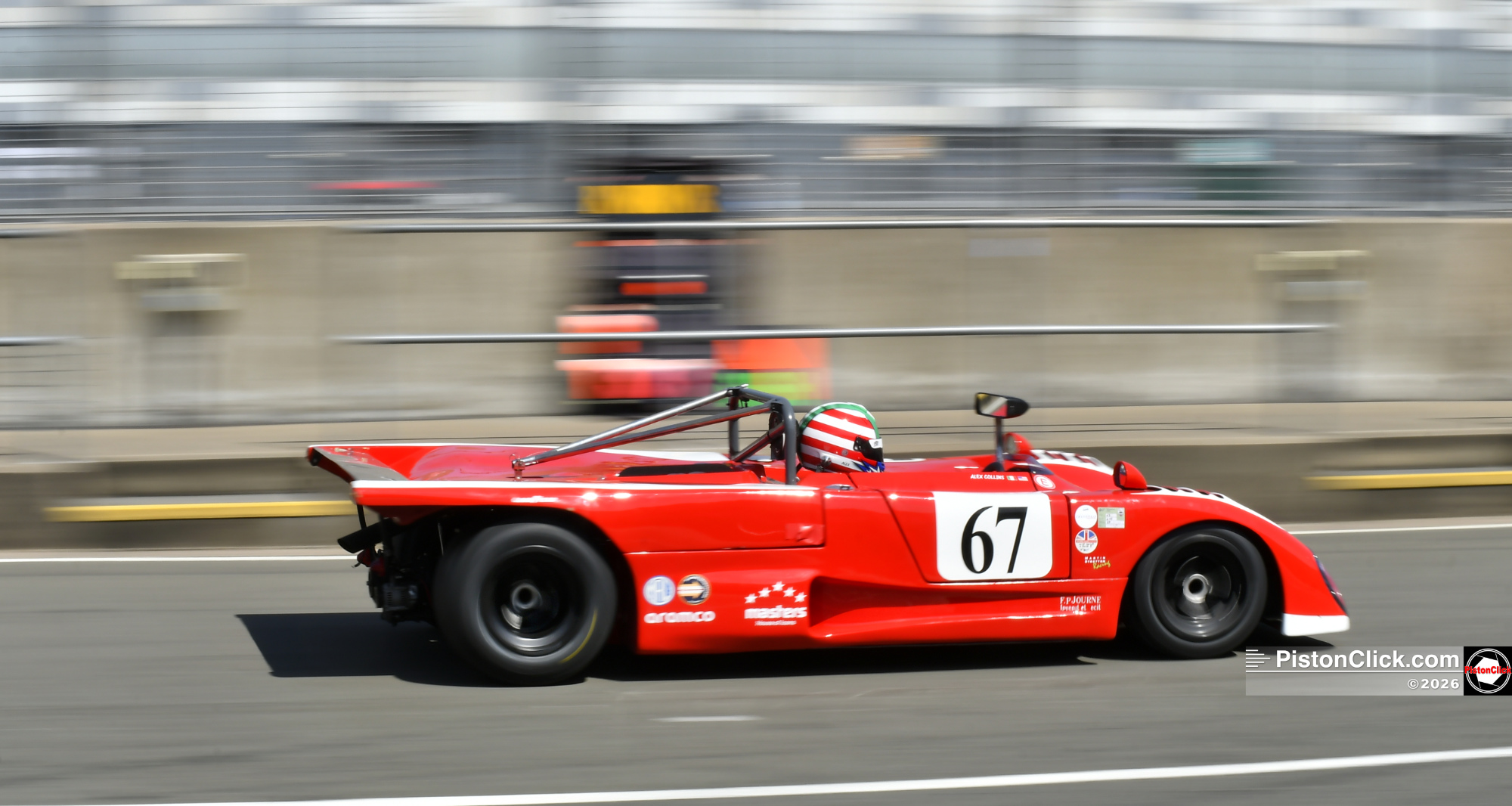
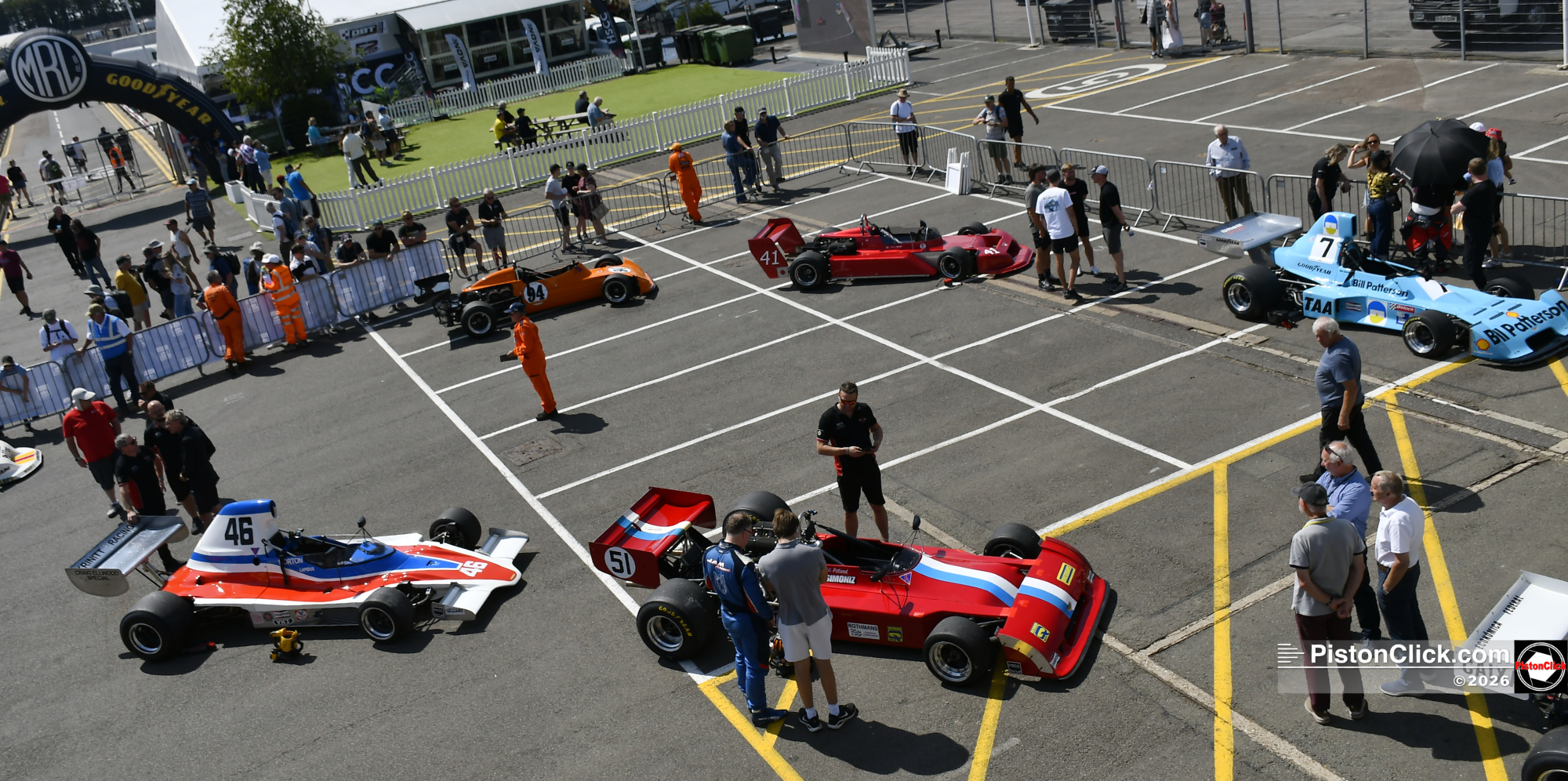
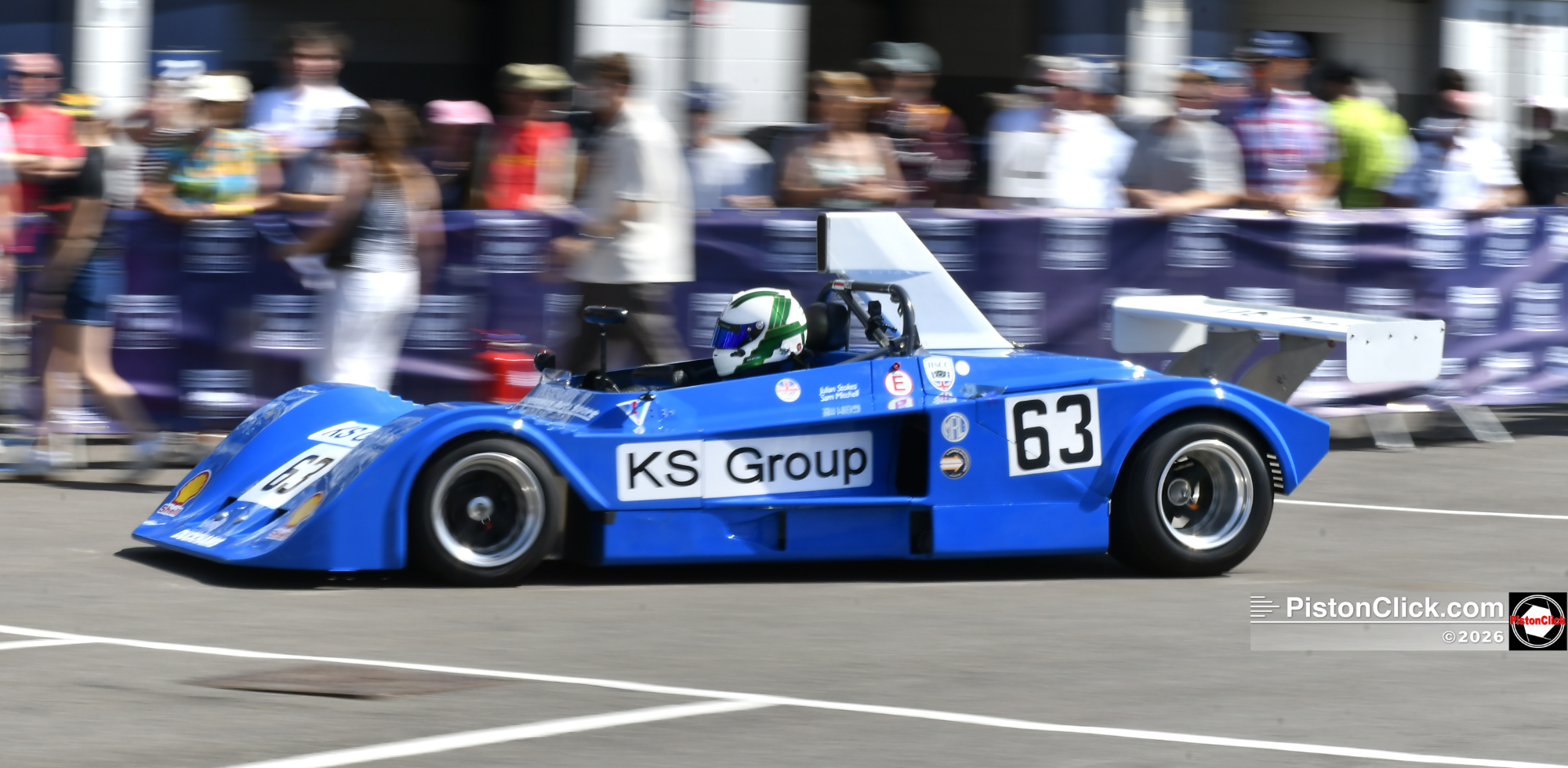
Located at the end of the paddock was the race assembly area. Holding the cars for the next race, the crowd was able to watch the final preparations before the races headed out onto the track. When the last race before lunch departed, we headed back over the bridge to Luffield for lunch under the trees and prepare for the afternoon track action.
Photographing the Racing
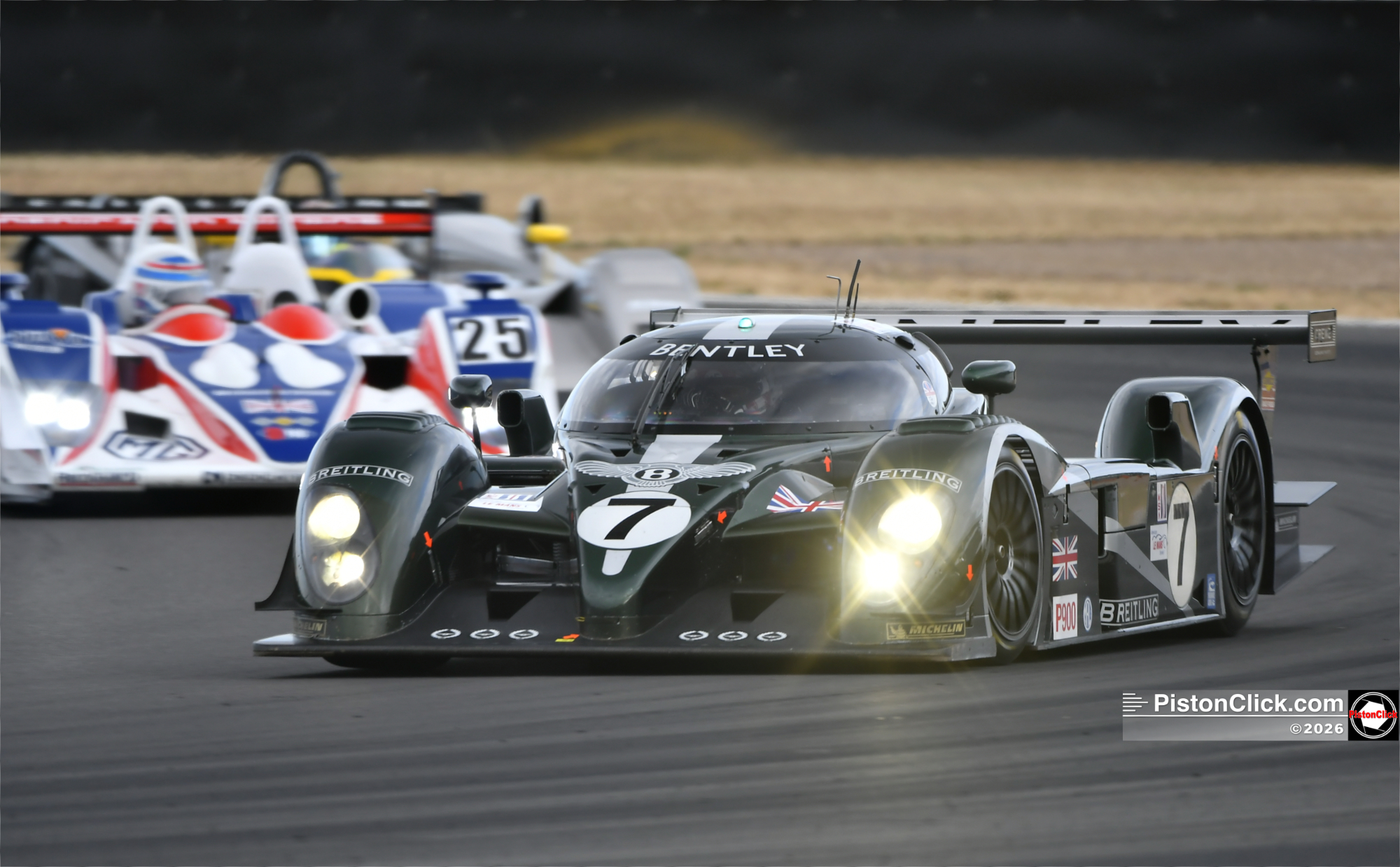
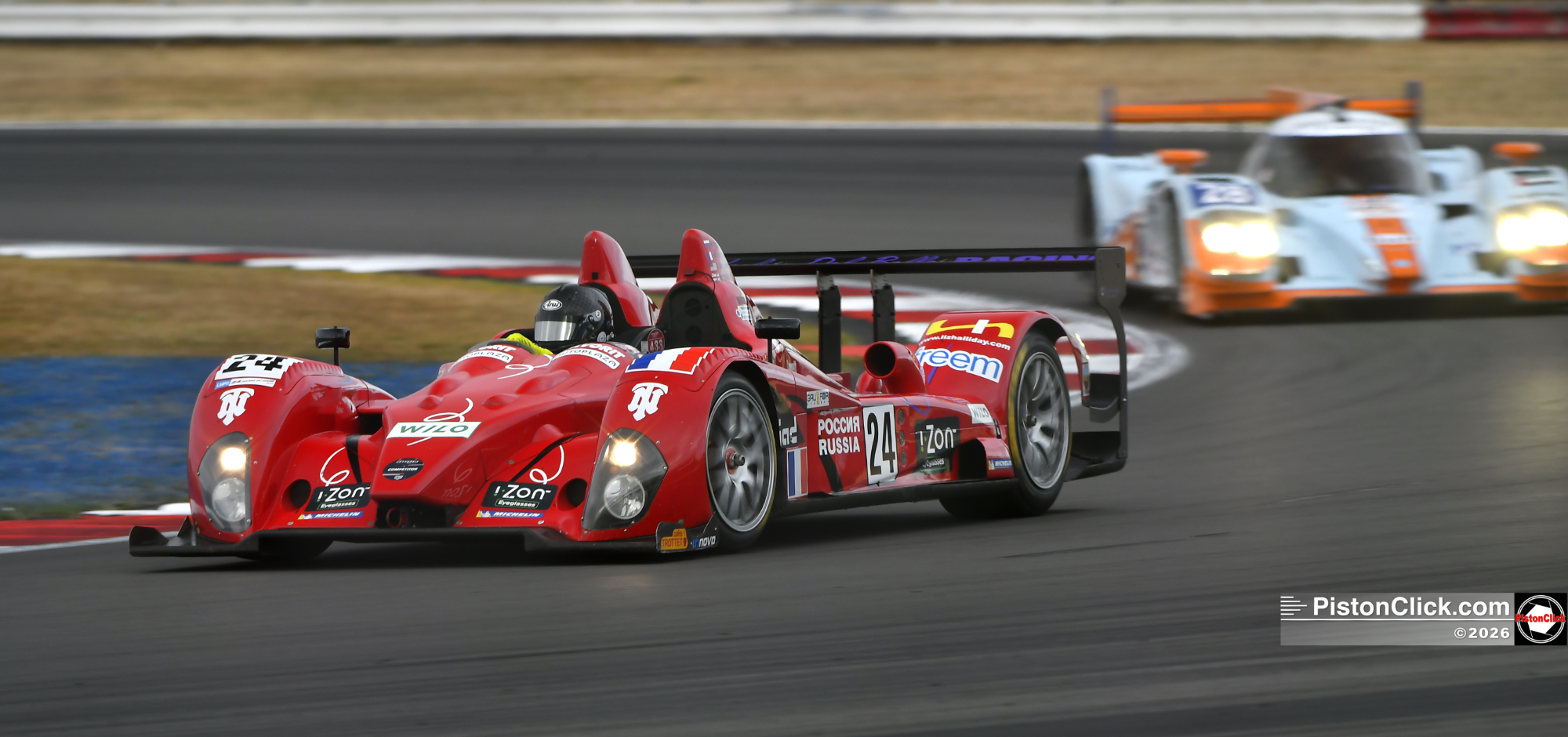
The race schedule covered ten decades of motorsport. Pre-war to modern classics, GT3 to Endurance racers were all on the race card. The afternoon’s racing focused on post-war with a nod to modern classics.
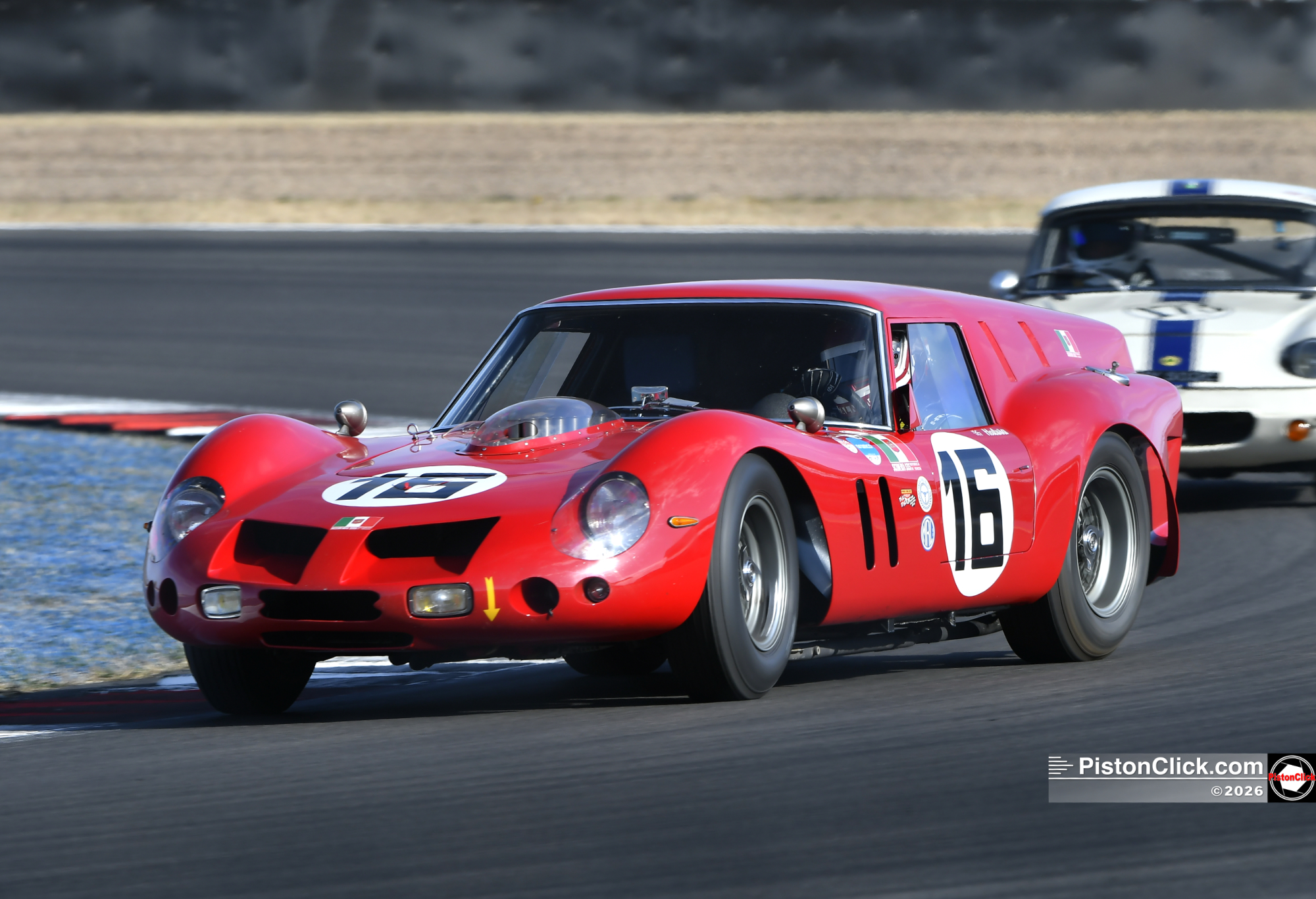
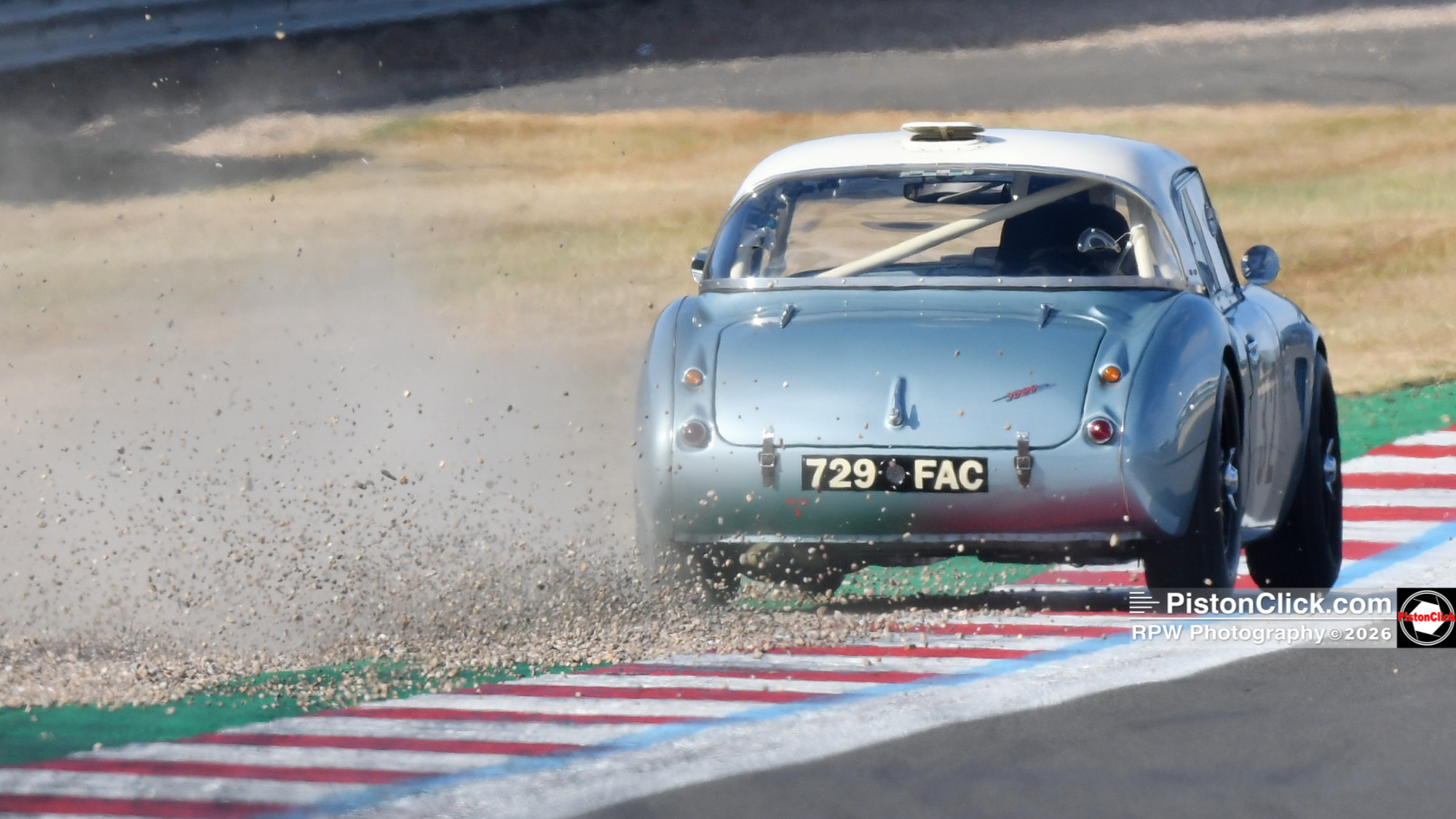
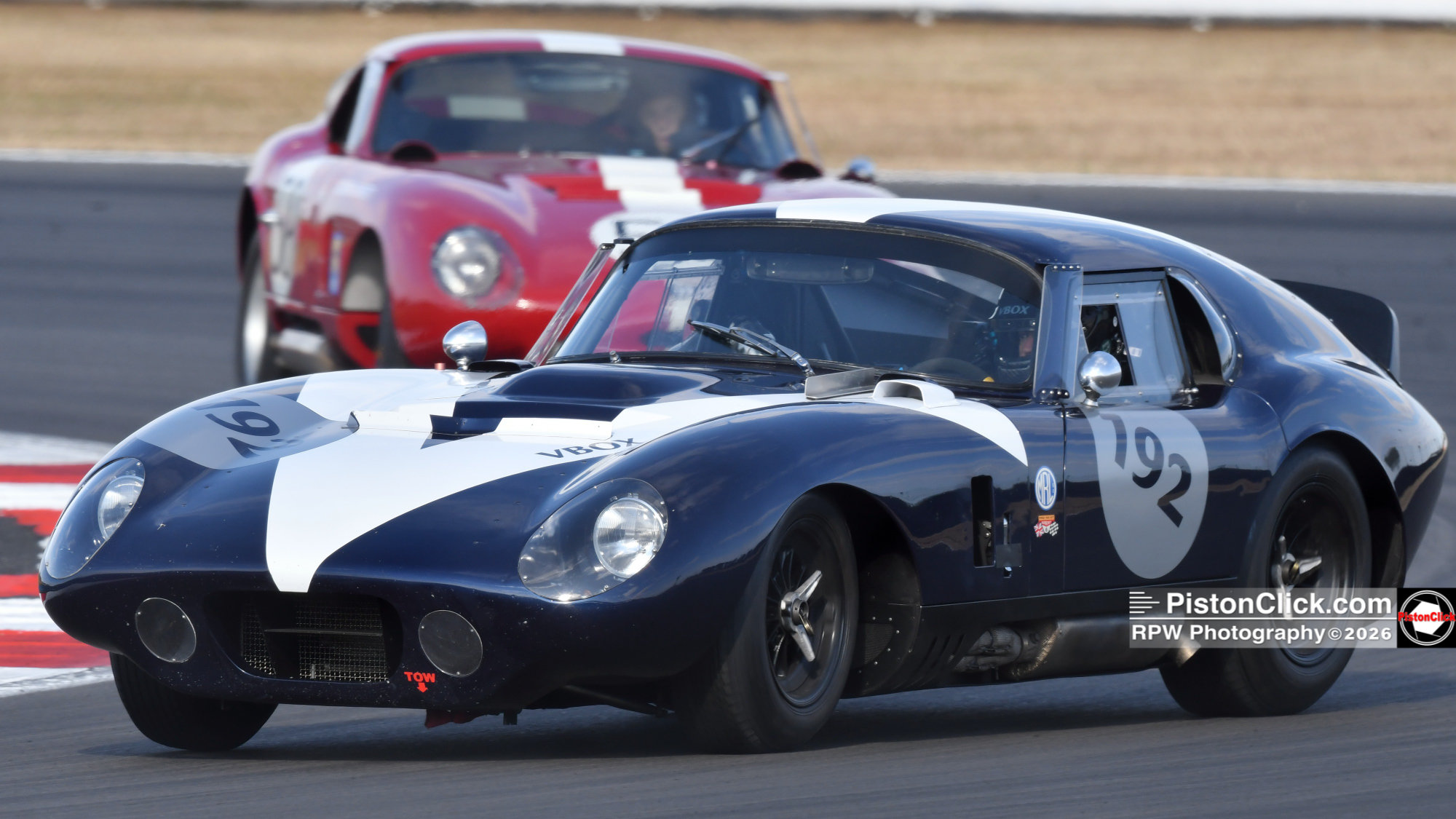
We would be taking our pictures from the side of the track. There were a few grandstands open that allowed you a shot over the safety wire, but they were a long way from the action. Not having many grandstands open is standard for an event of this size at Silverstone. The first cars out after lunch were mostly from the 1960s warming up for the afternoon’s entertainment.
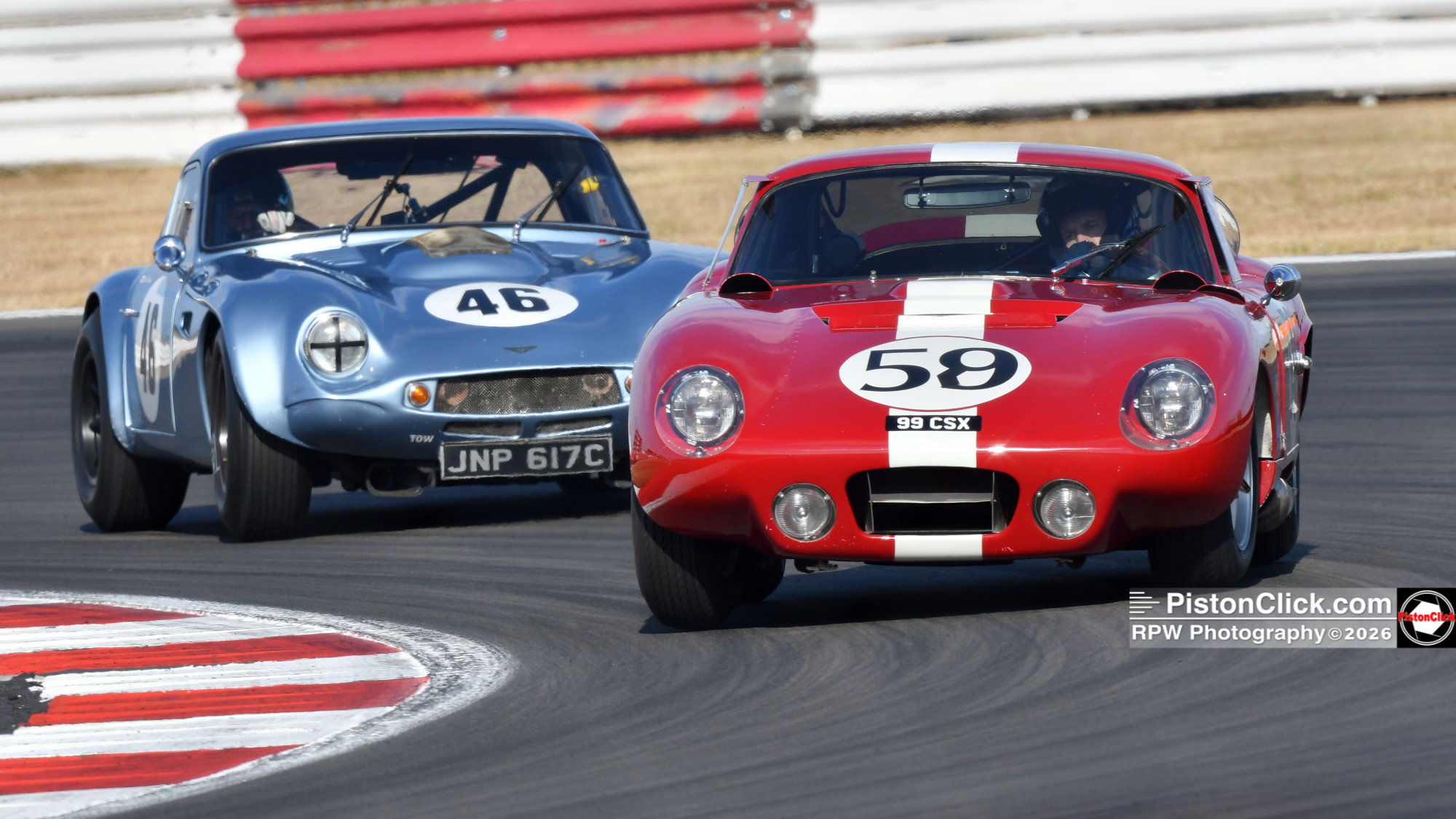
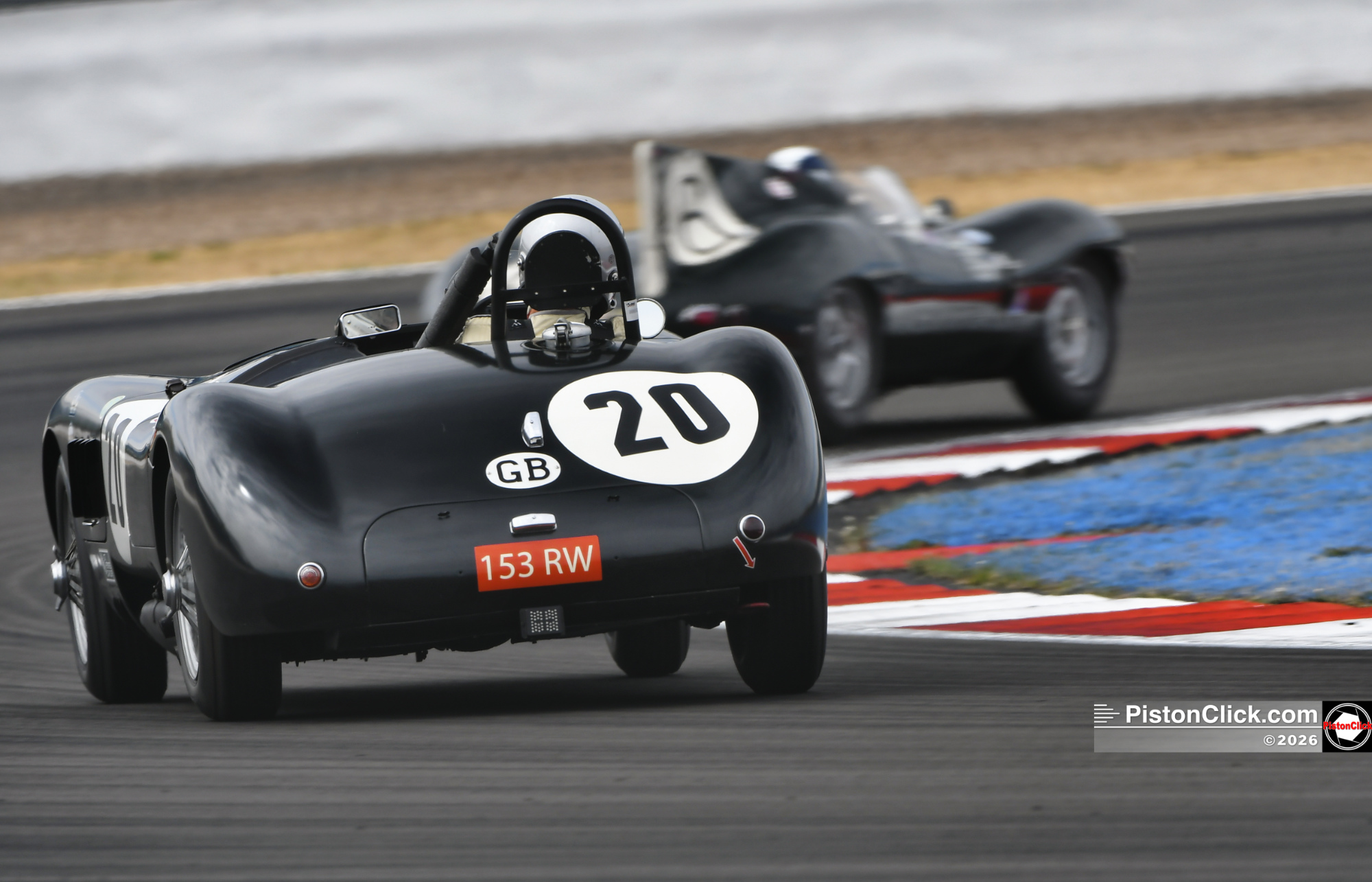
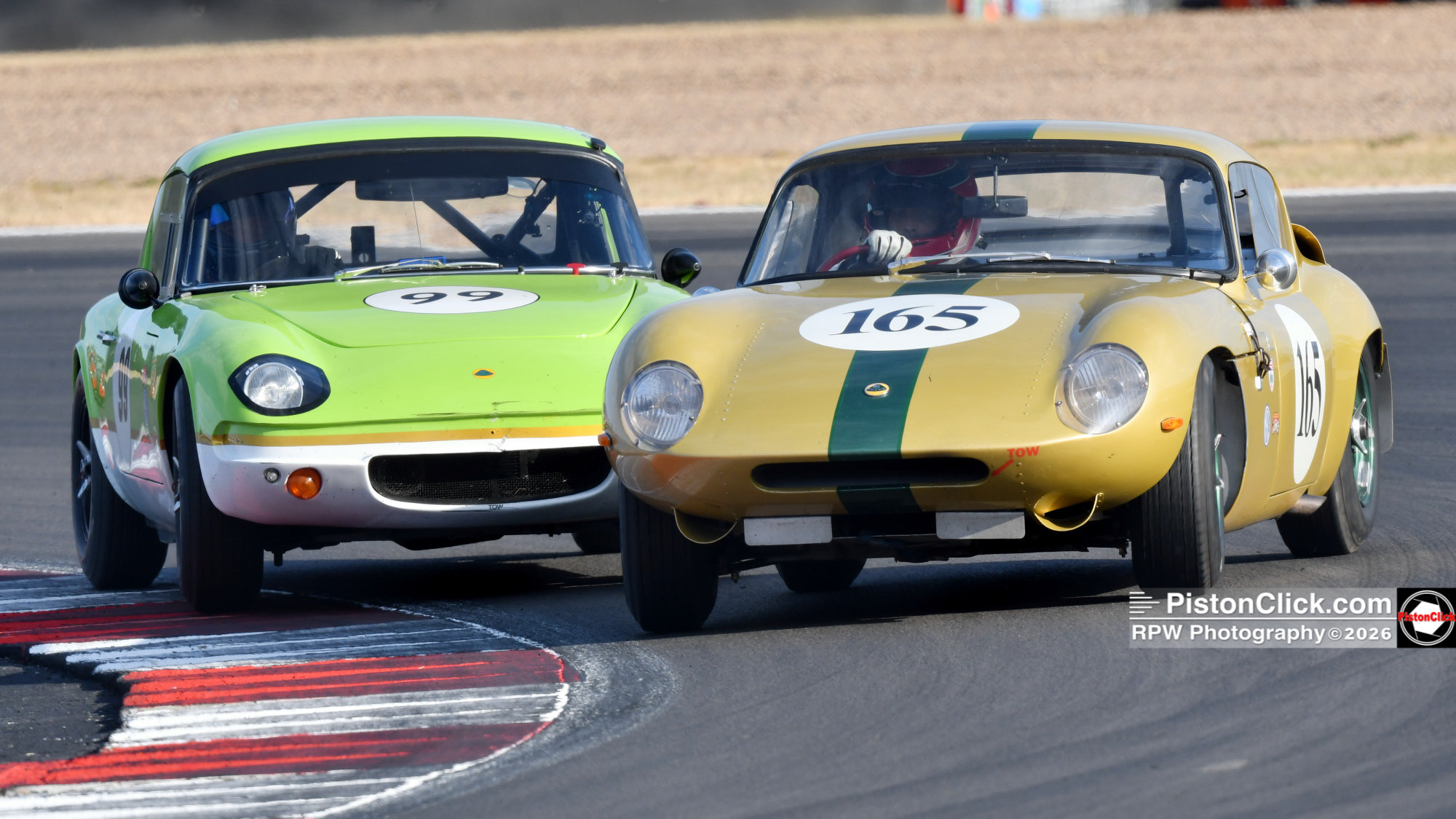
Historic Touring Cars
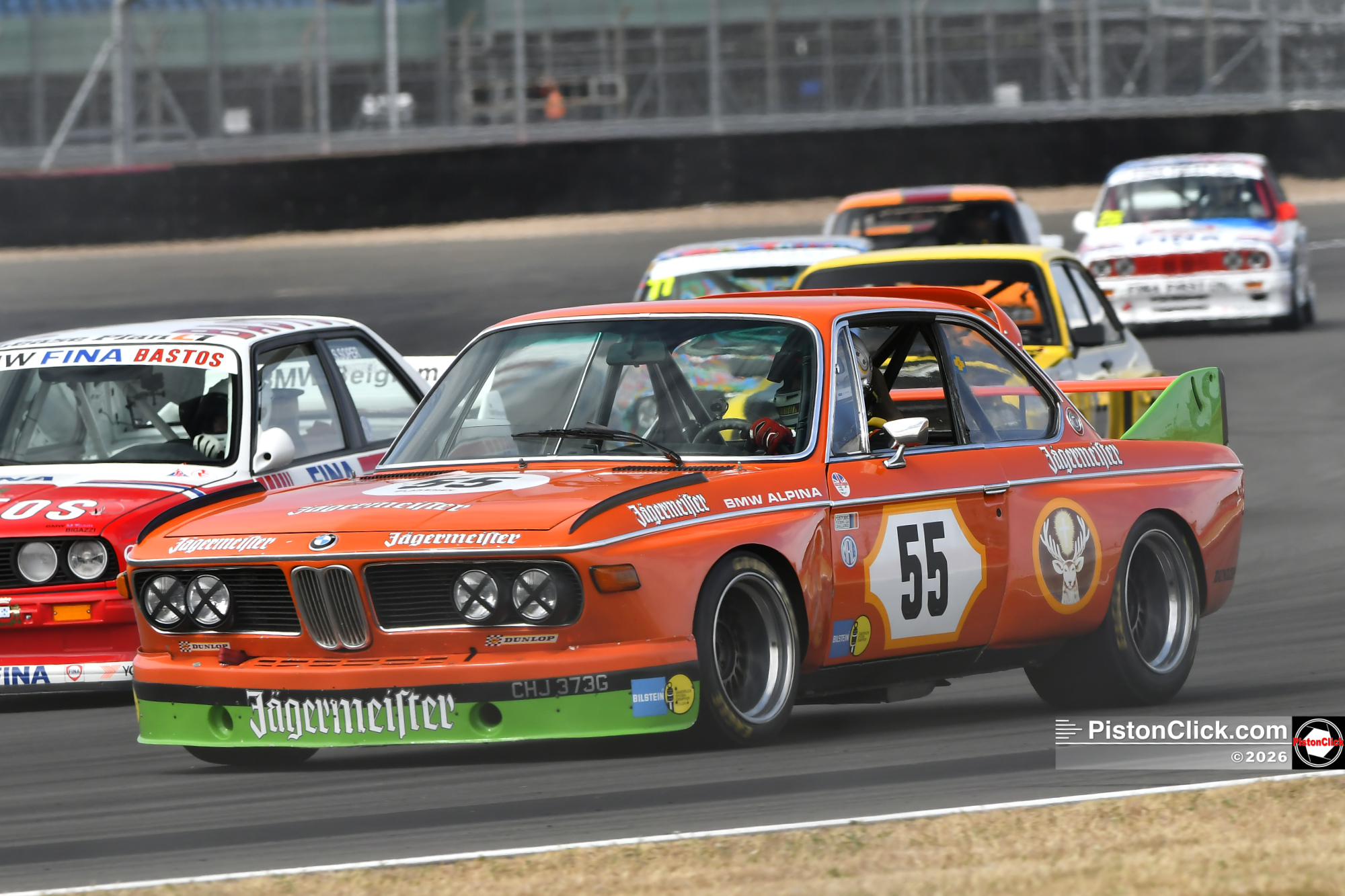
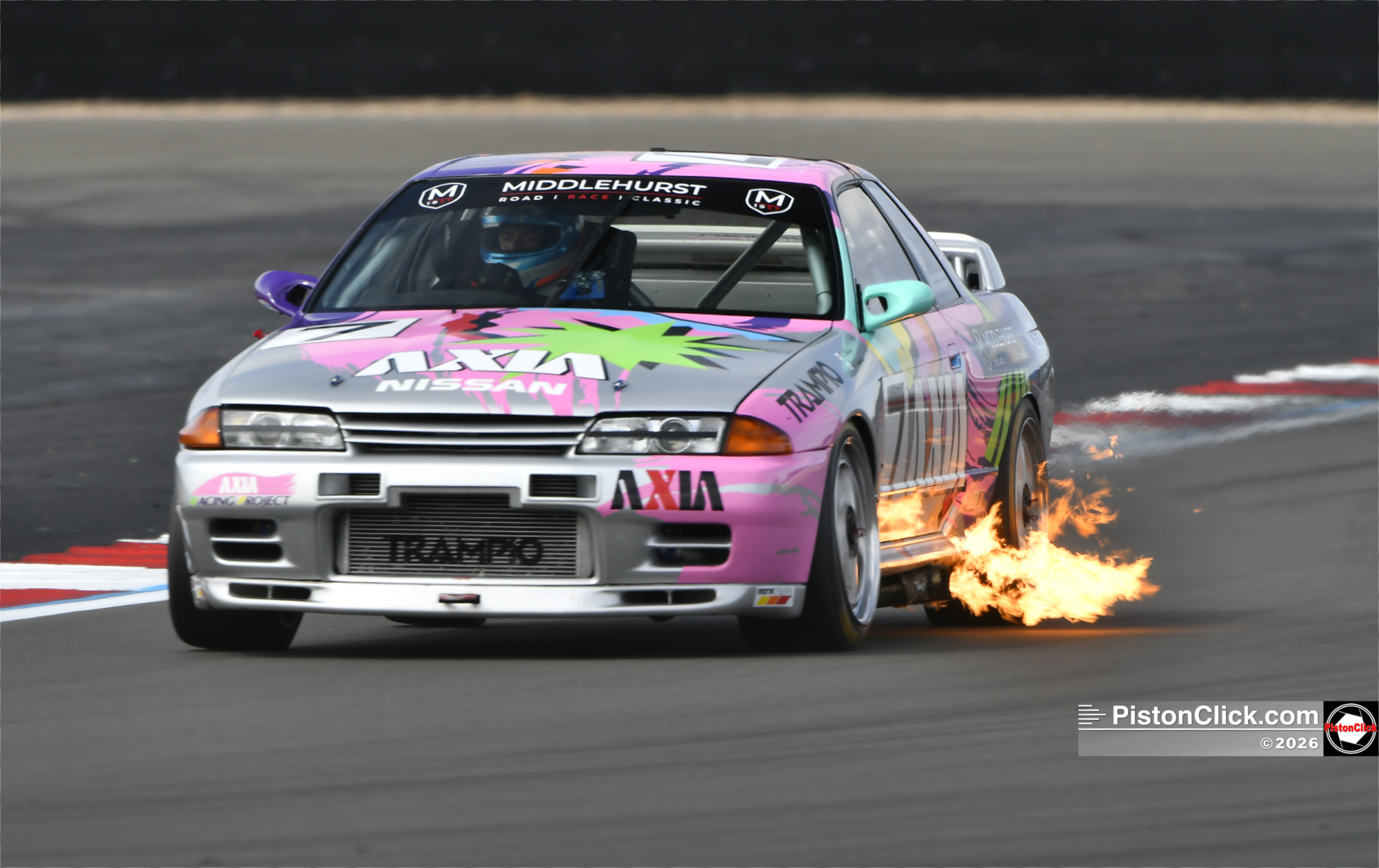
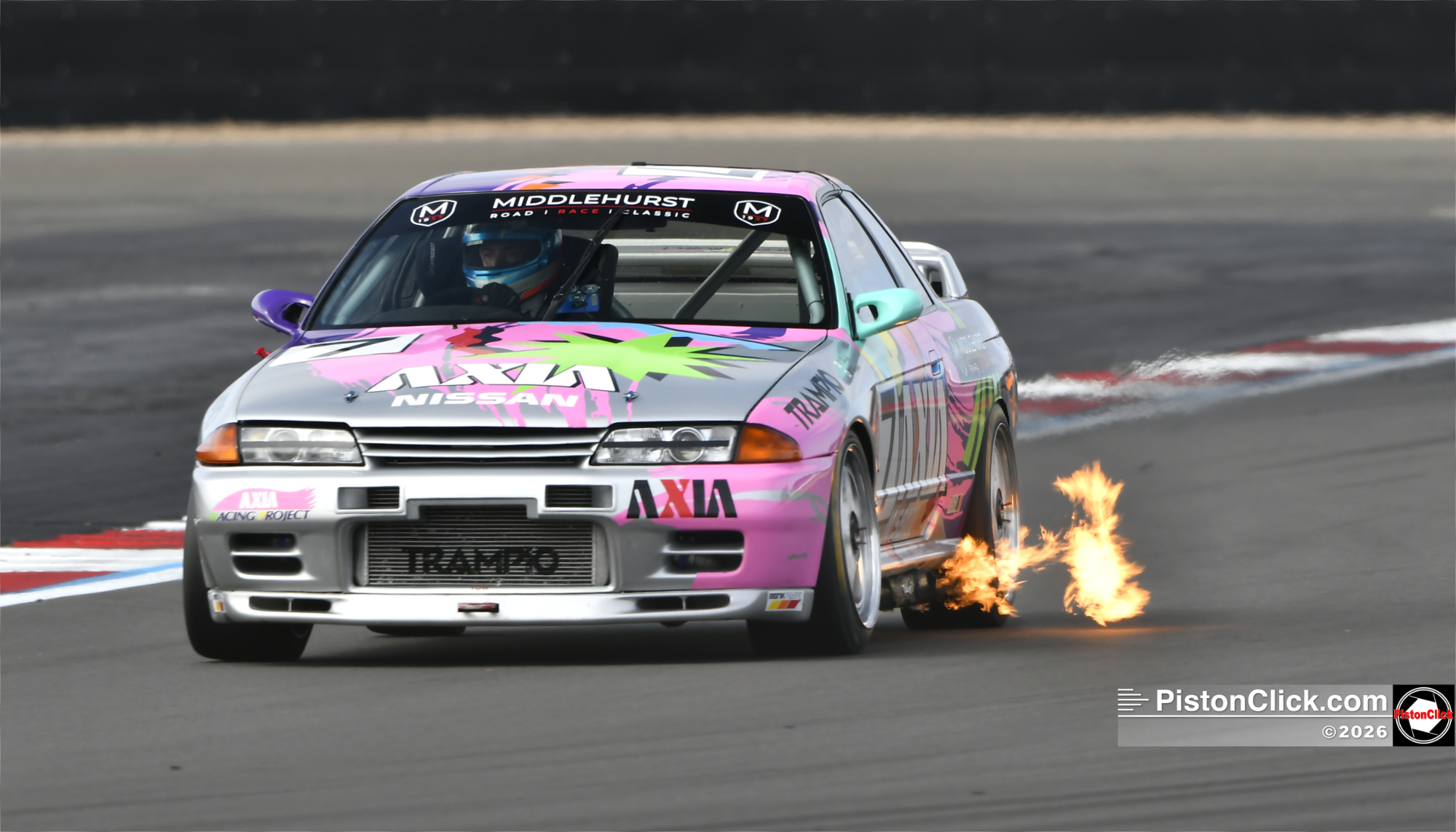
The historic touring cars were the first event I was looking forward to. These are the cars I would have in my garage given half a chance. Watching them properly going for it on the track was a treat. Watching Nissan Skyline GT-Rs spitting flames while battling Sierra RS500 Cosworths and BMW M3s was one of the highlights of the afternoon.
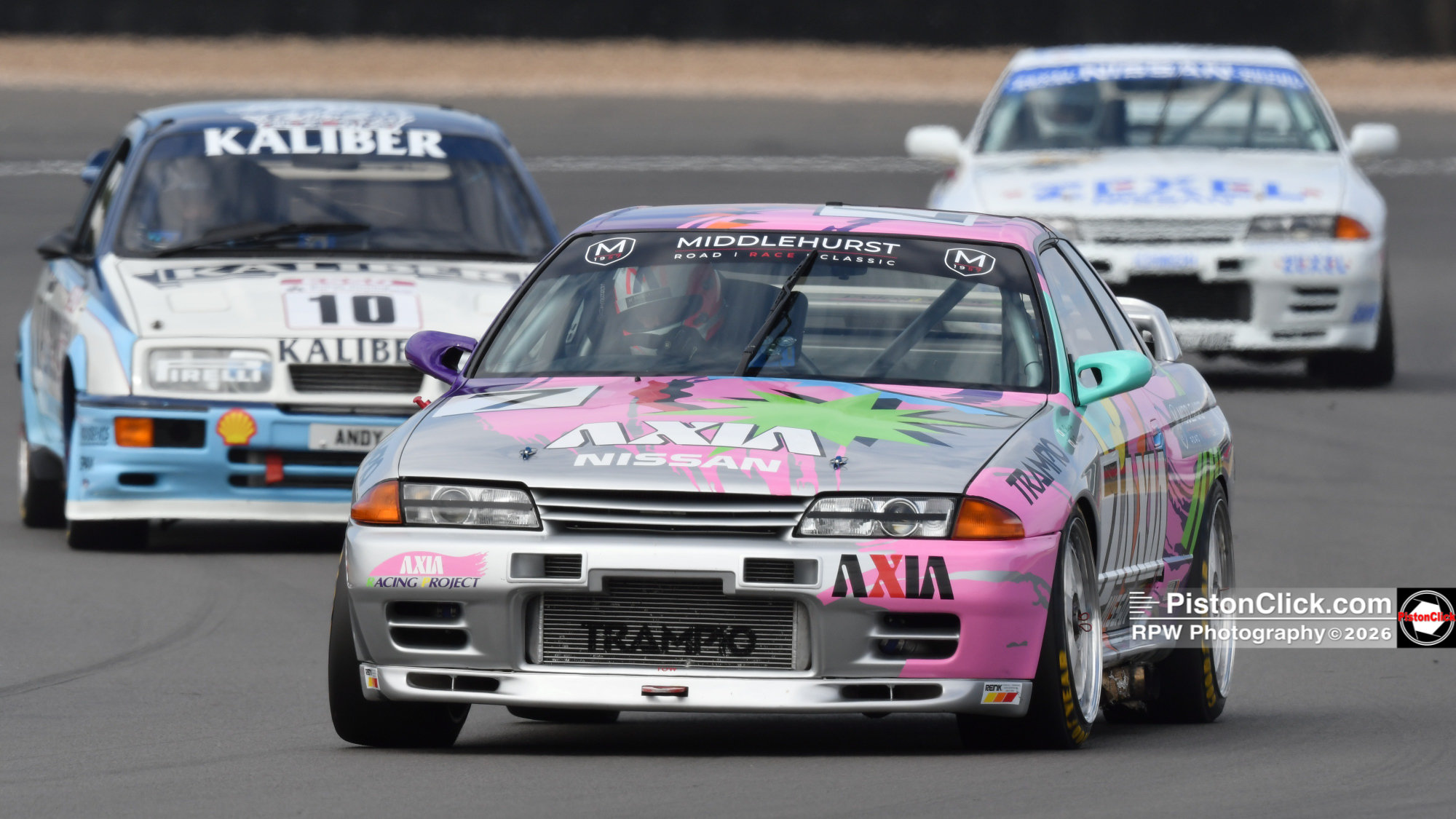
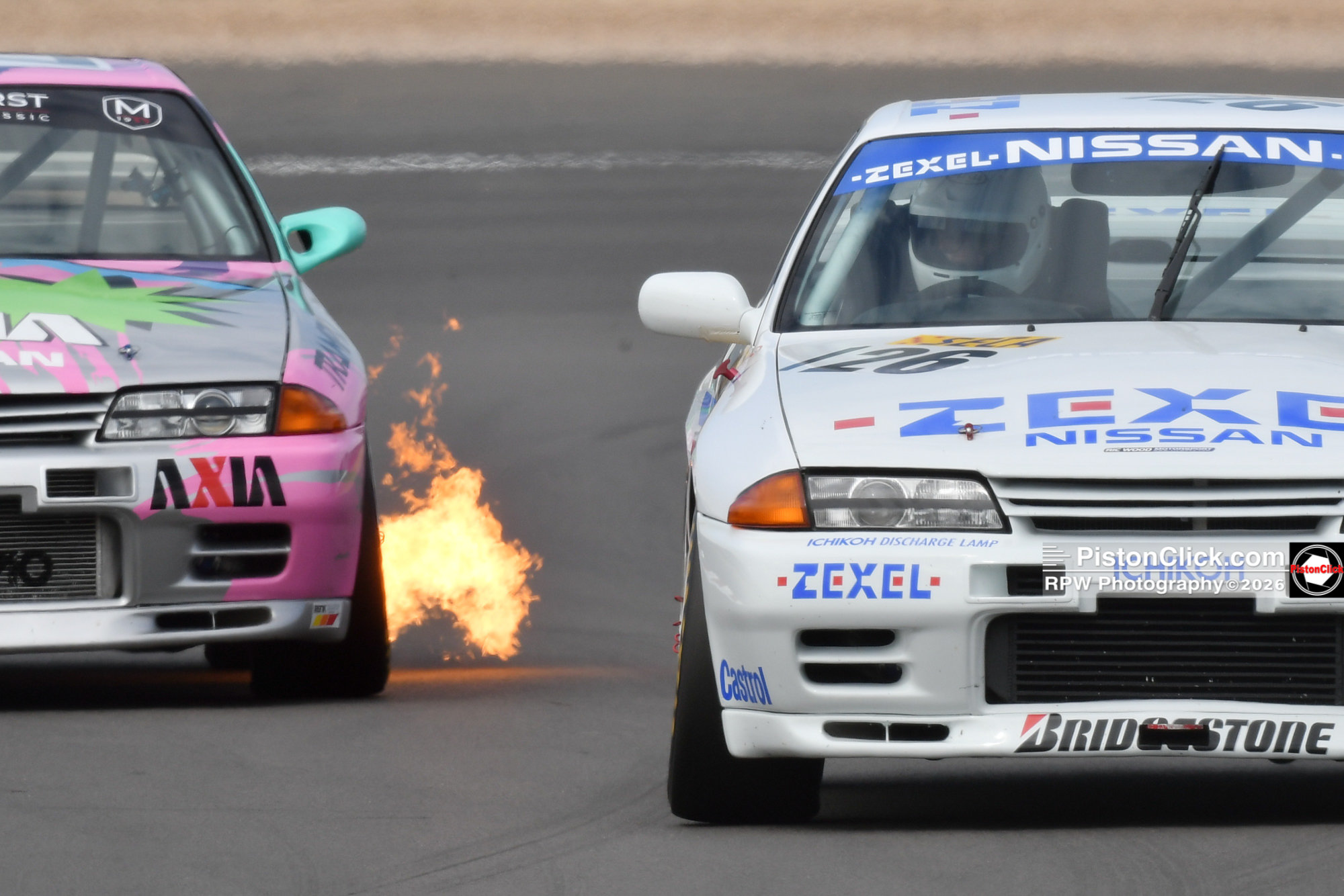
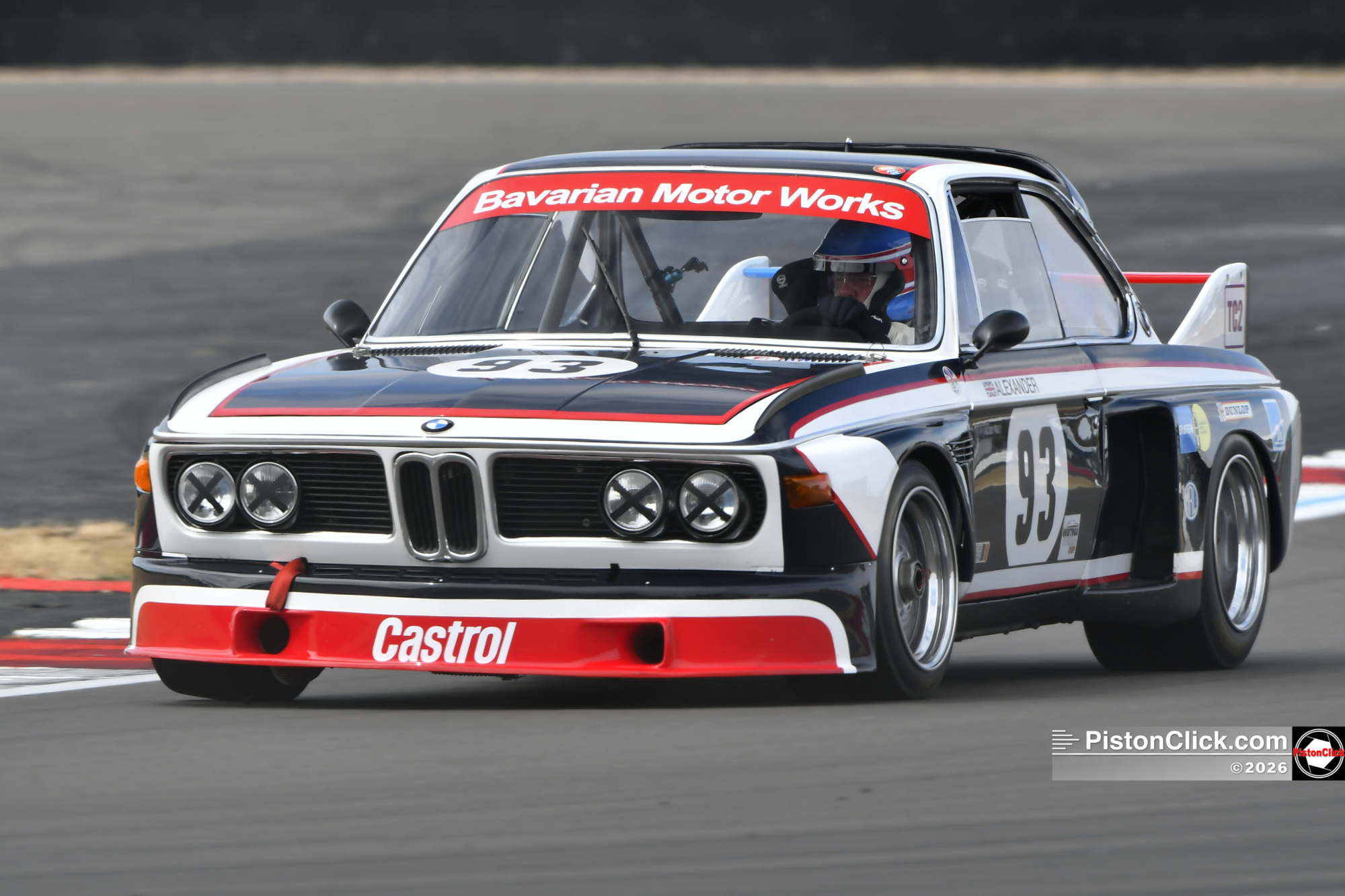
As a motorsports photographer you want to try and capture the best image you can at an event. This can be challenging when you are standing behind the safety wire with the rest of the spectators. I have watched Rick Woods superbly turned out R32 GT-R which his team build for customers who want to race. Every year there are more of these iconic cars taking to the track and I have had photographed them many times.
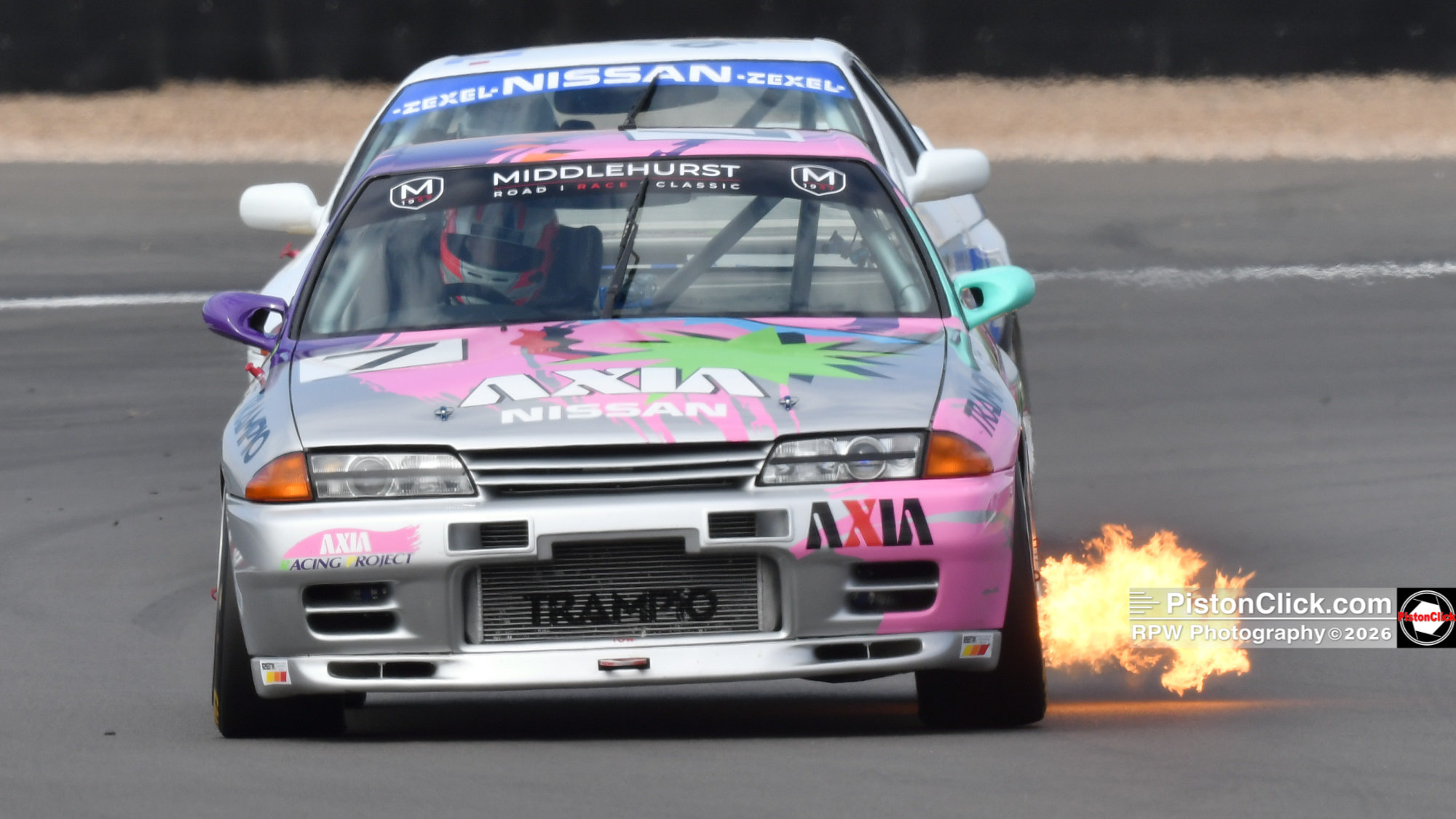
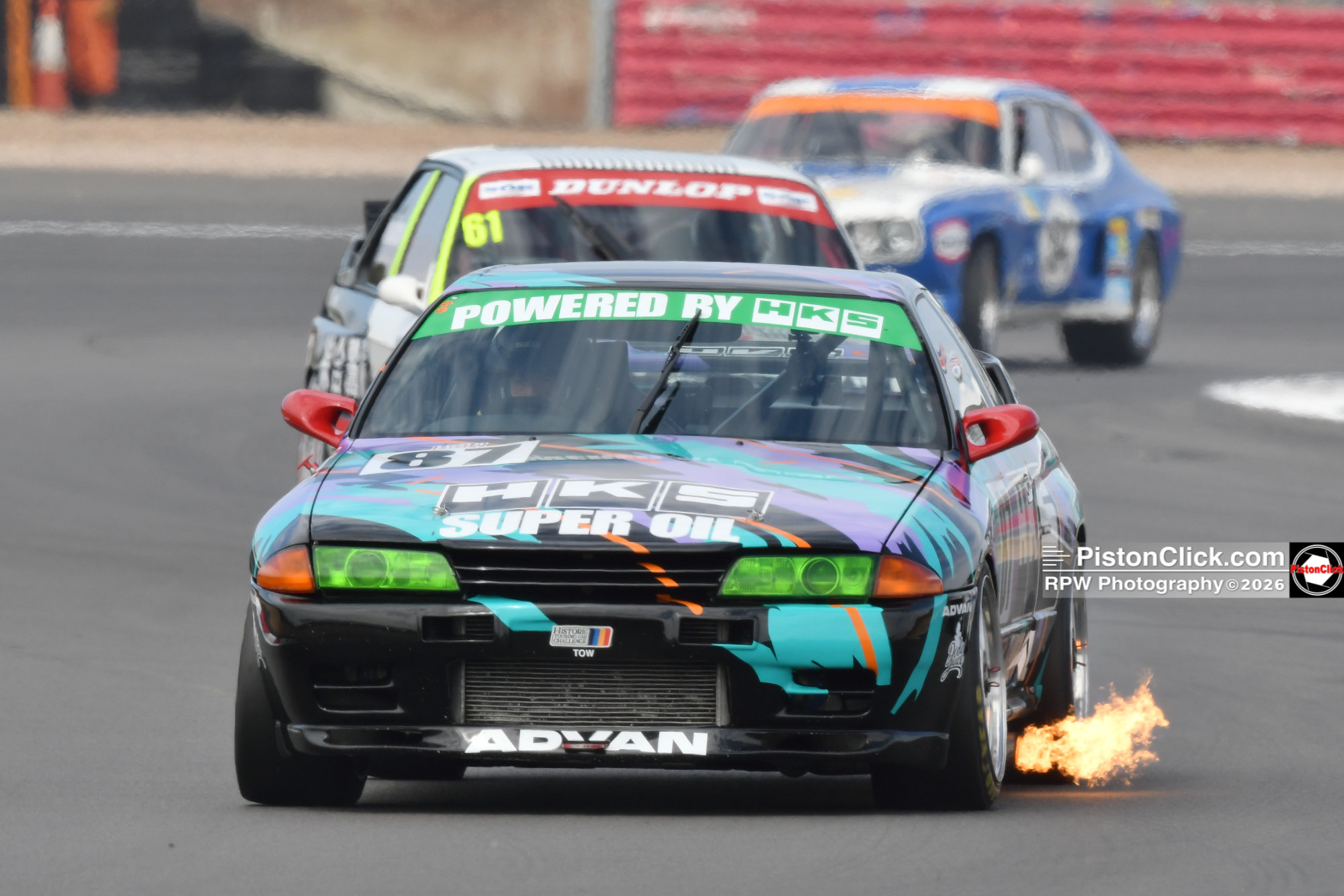
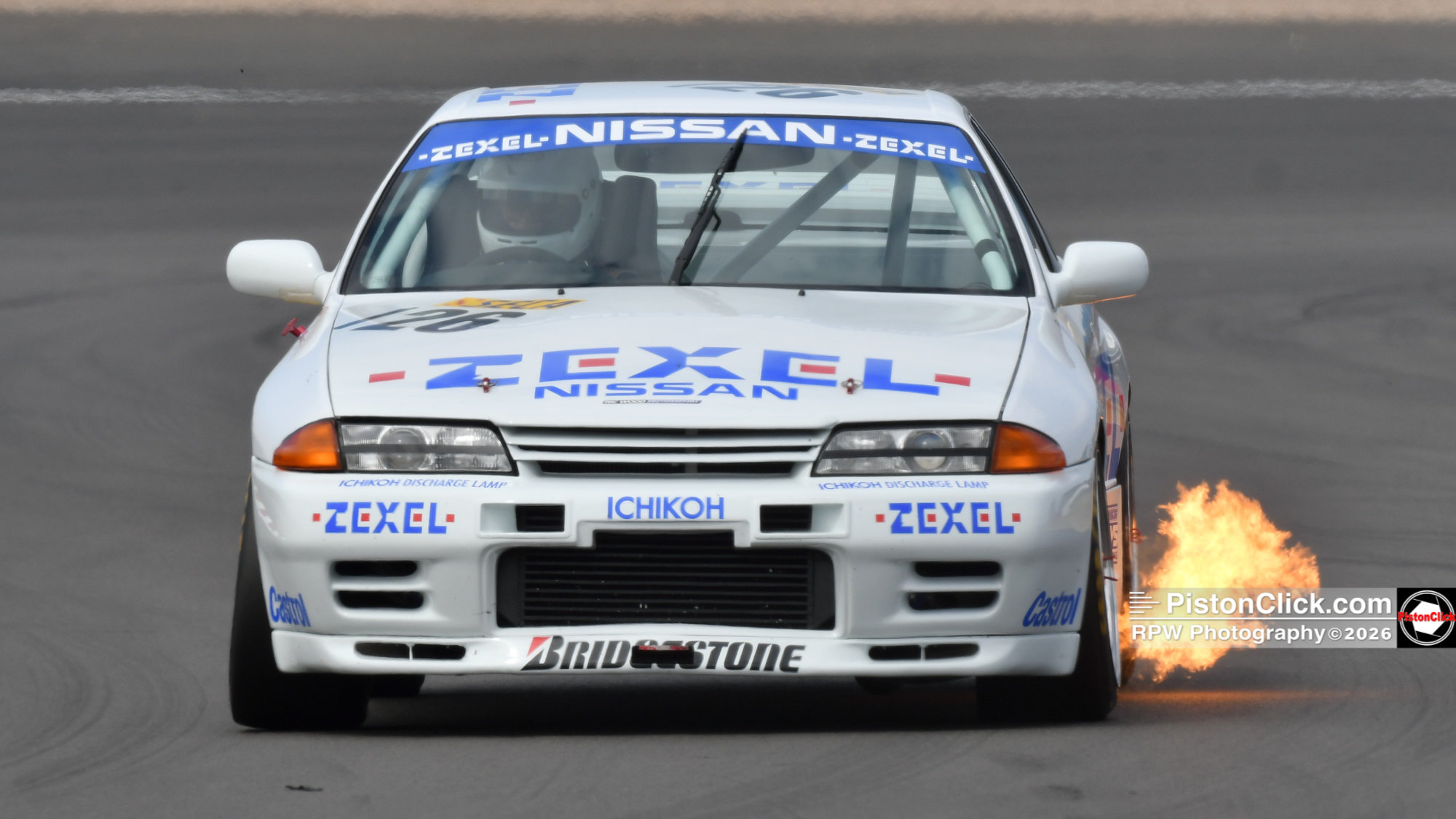
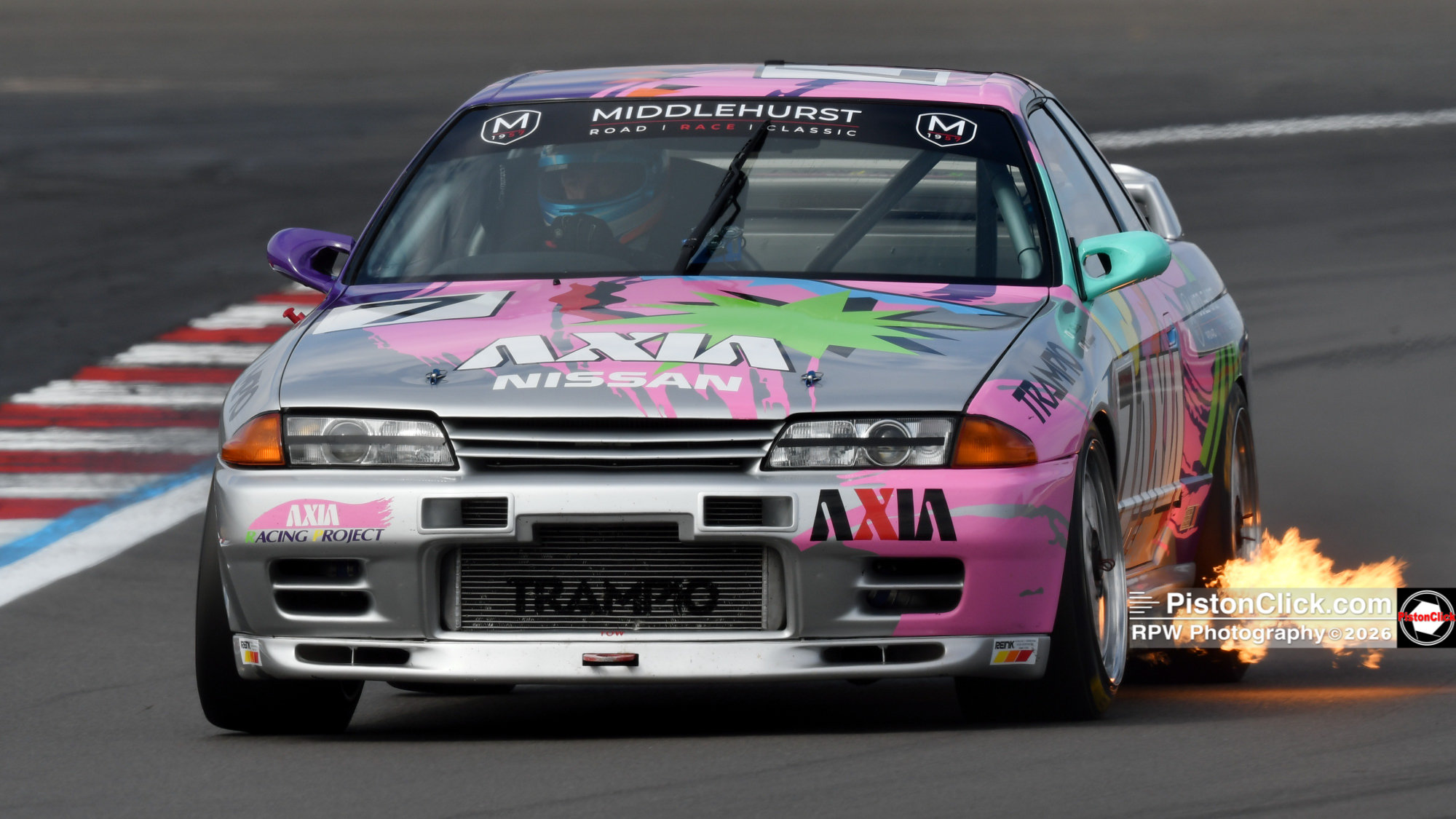
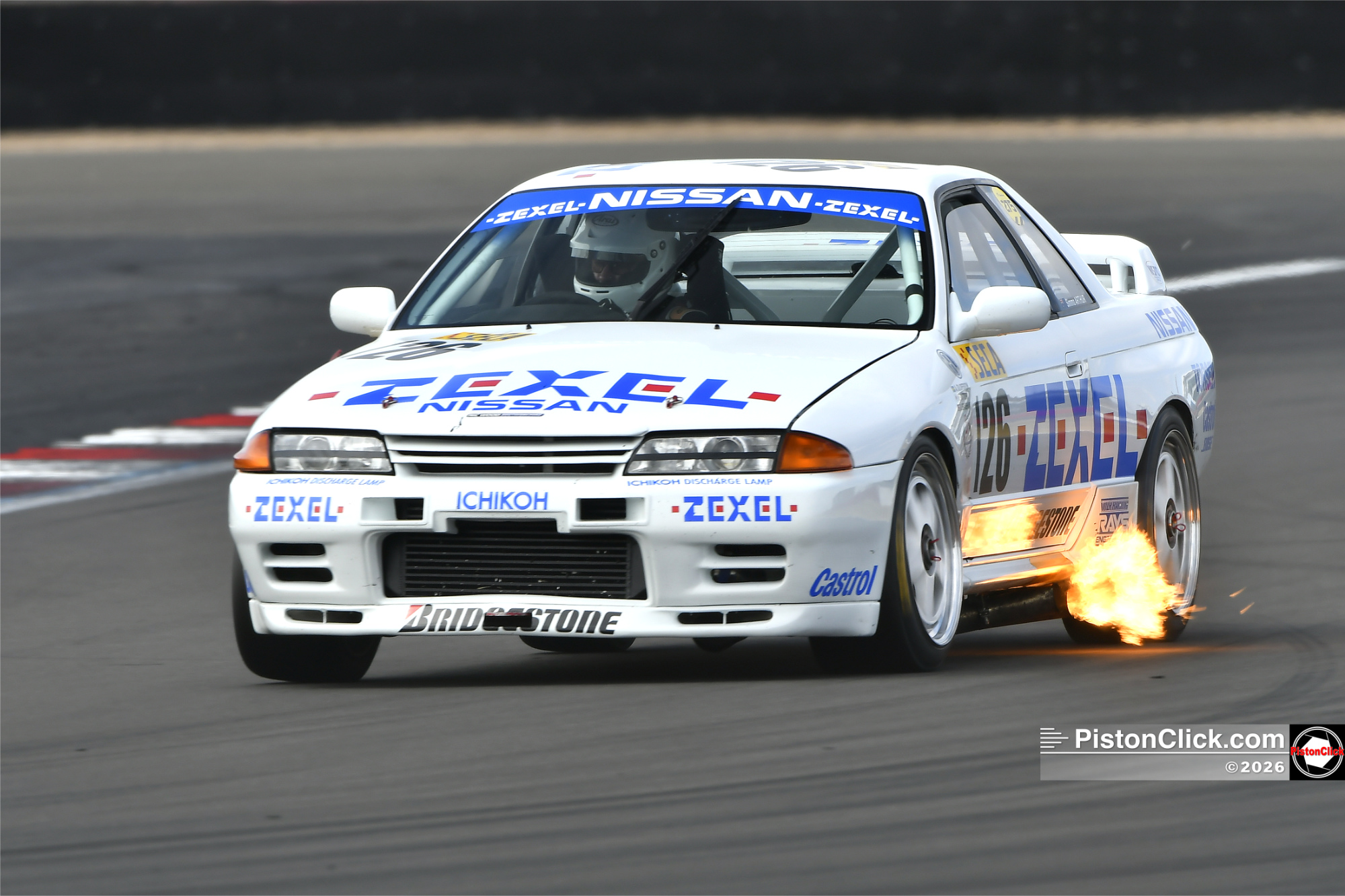
Knowing the Skyline’s exhaust exits on the left-hand side, I positioned myself to capture the flames. A few laps later the flame shot, well quite a few actually, appeared exactly as planned.
Grand Prix Icons
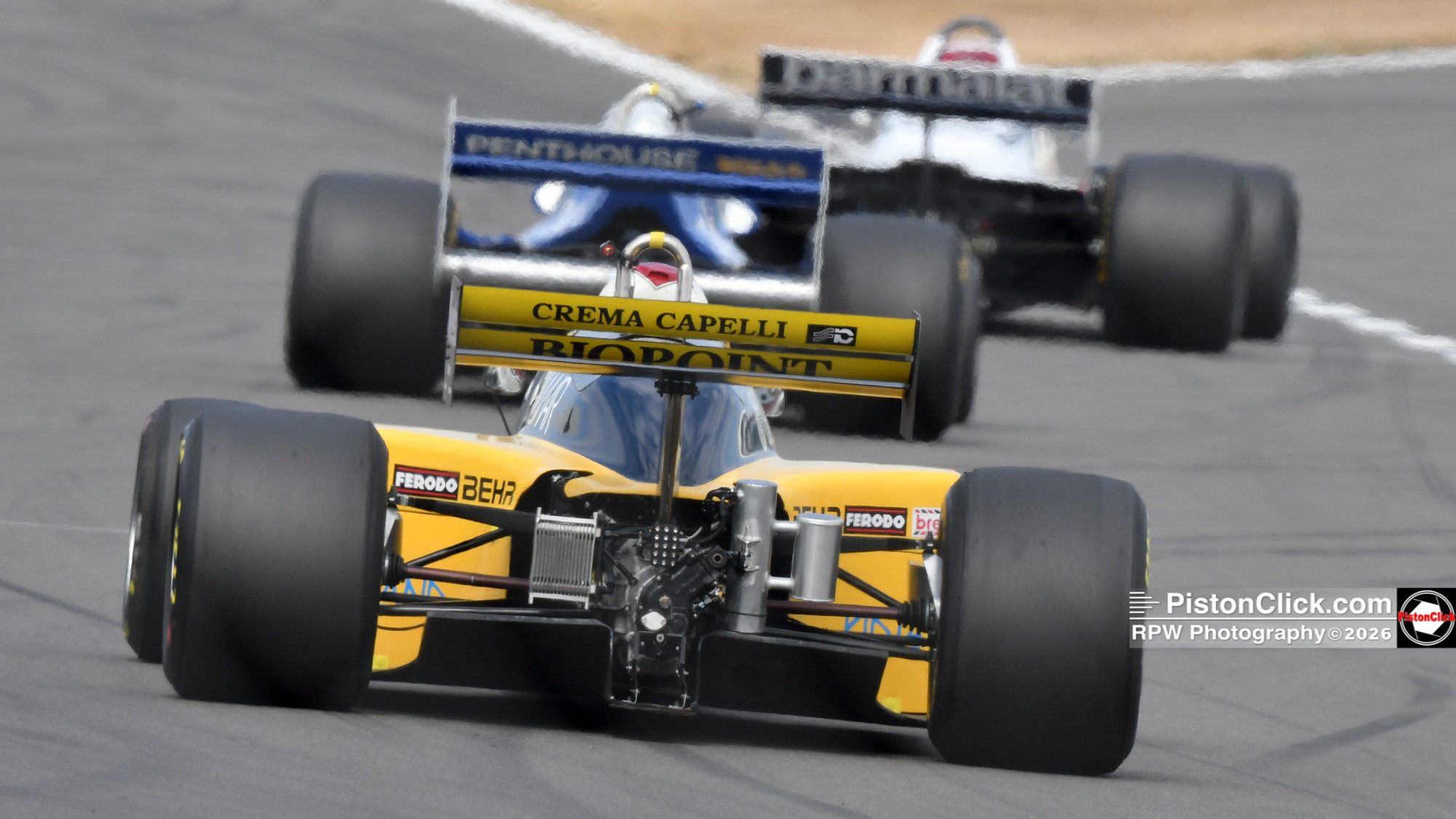
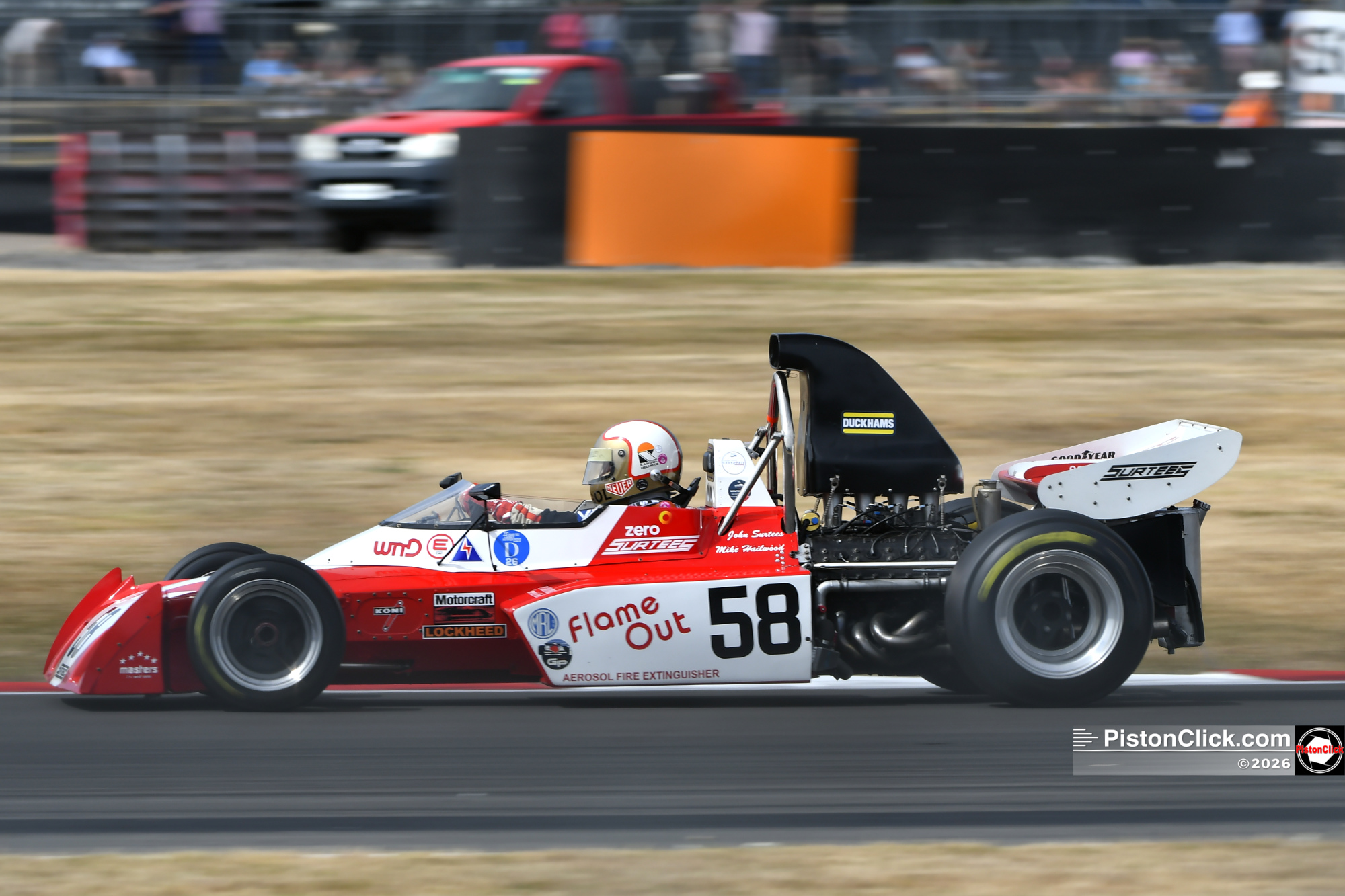
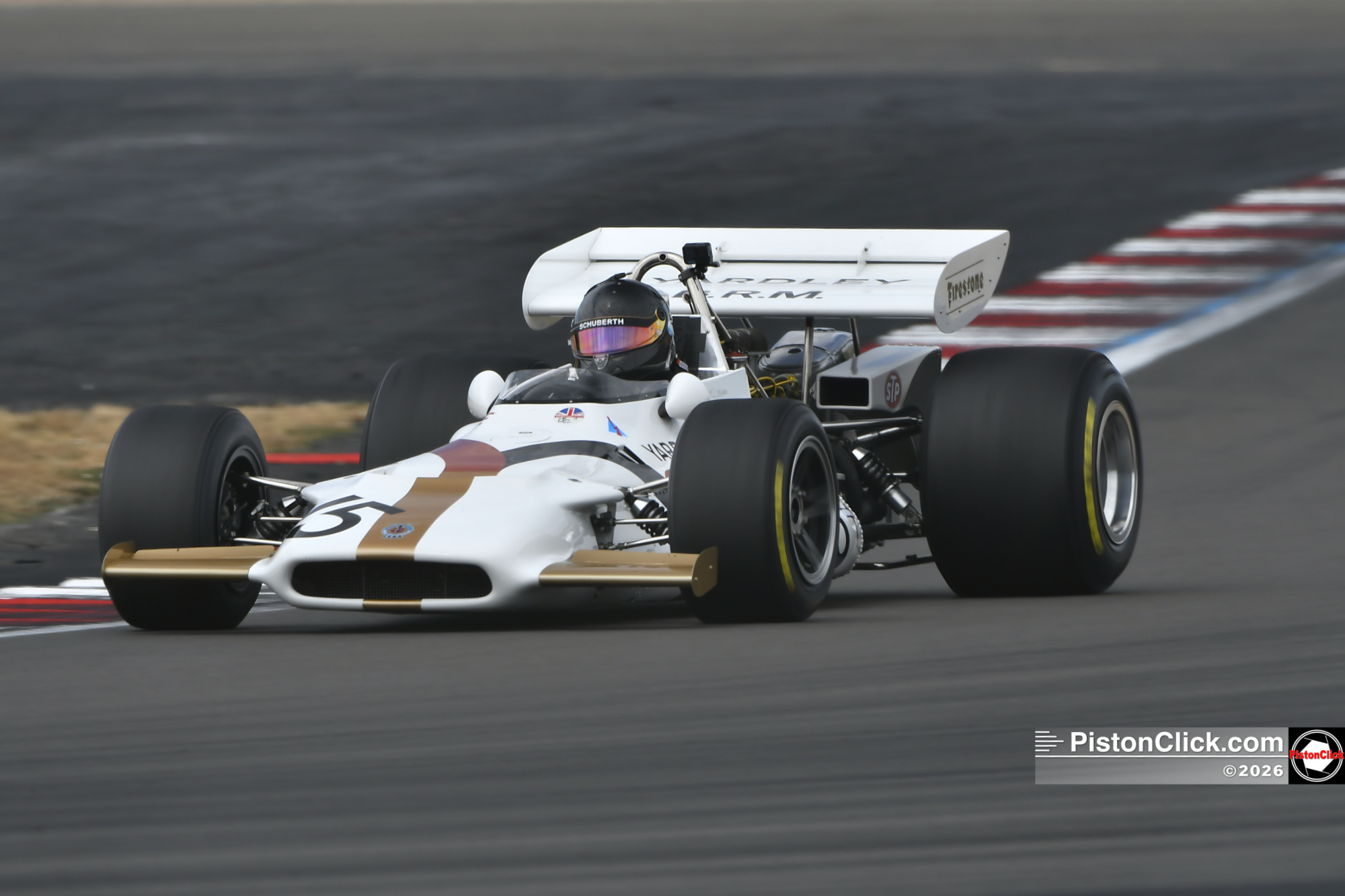
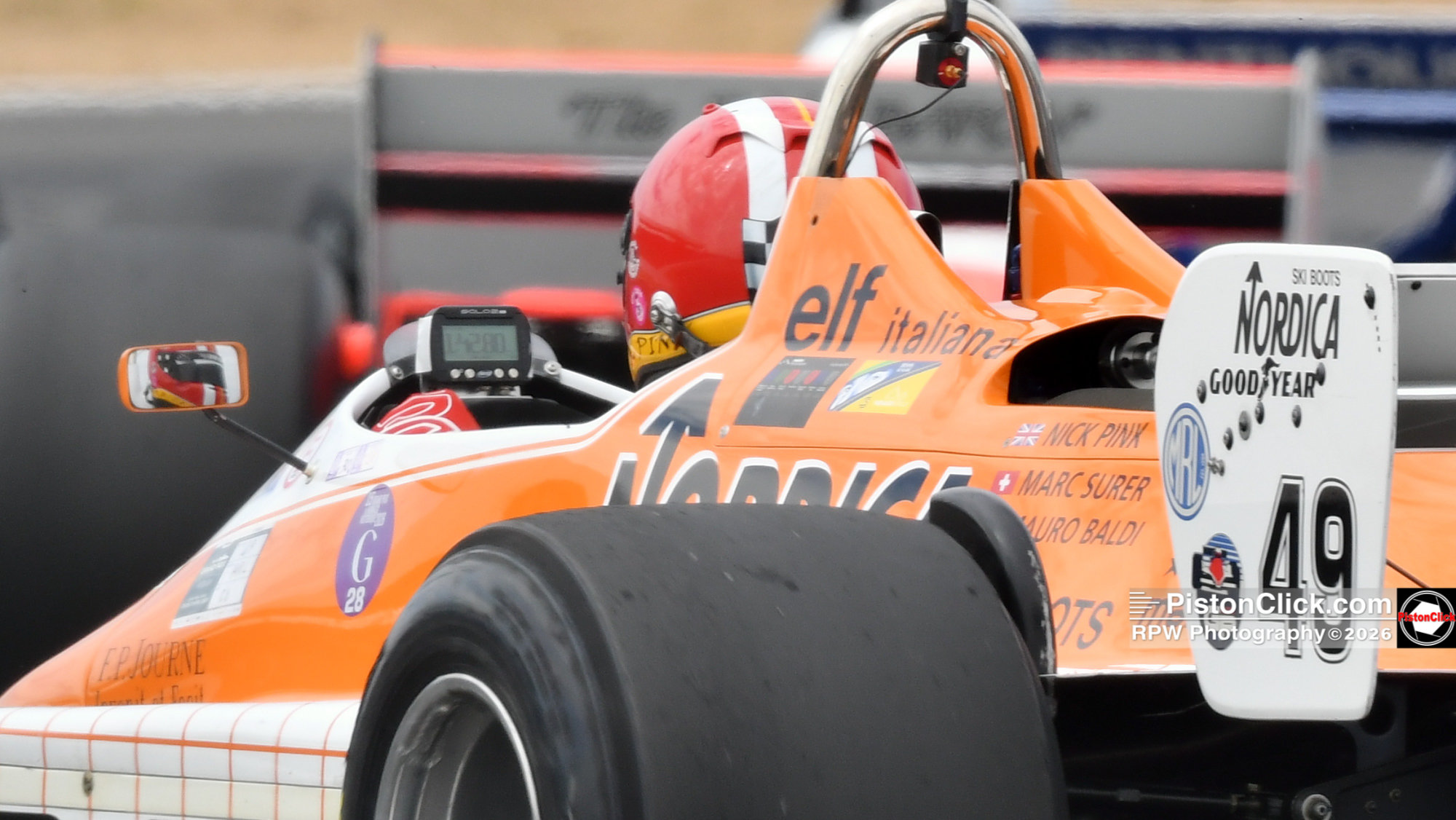
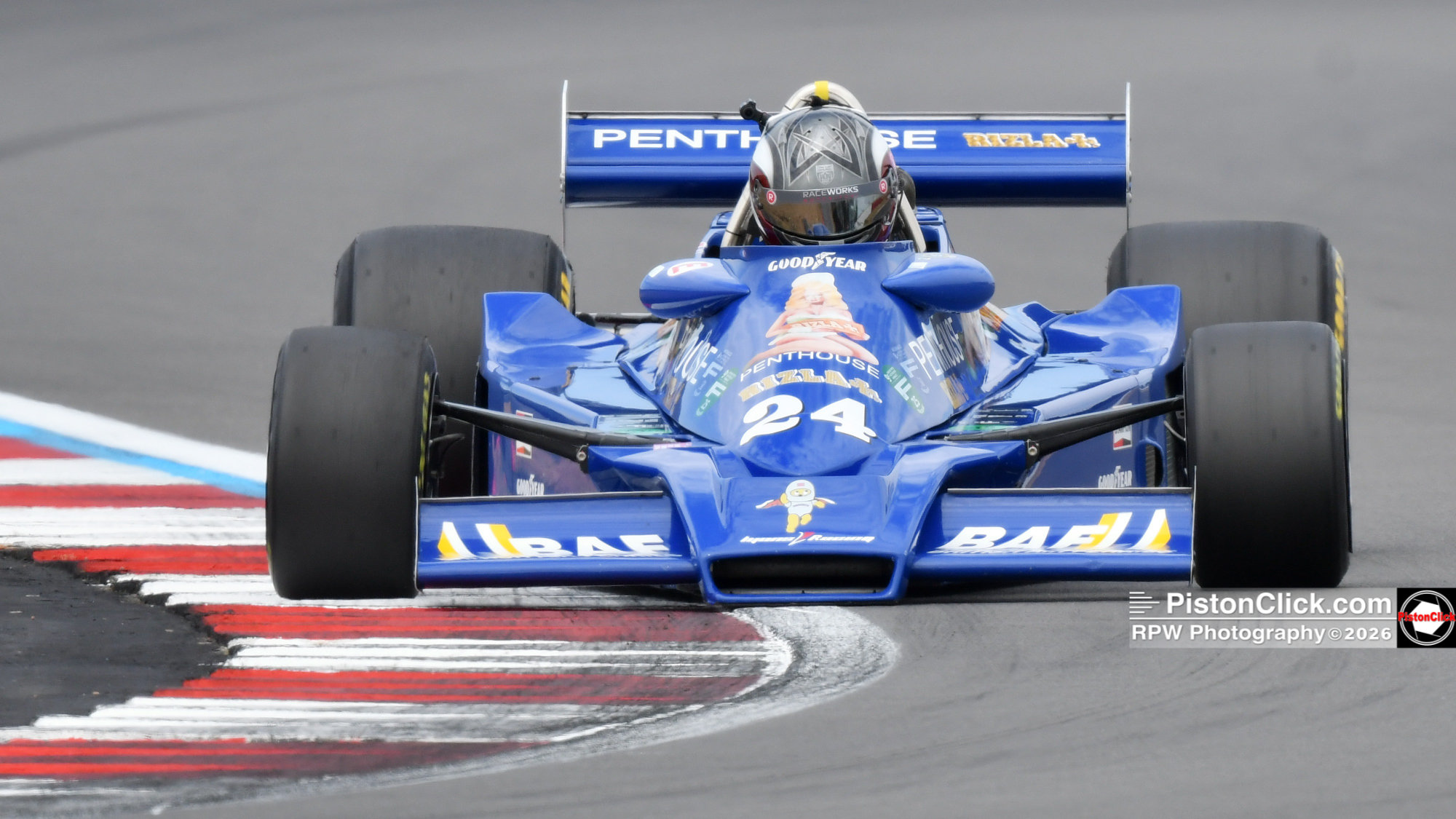
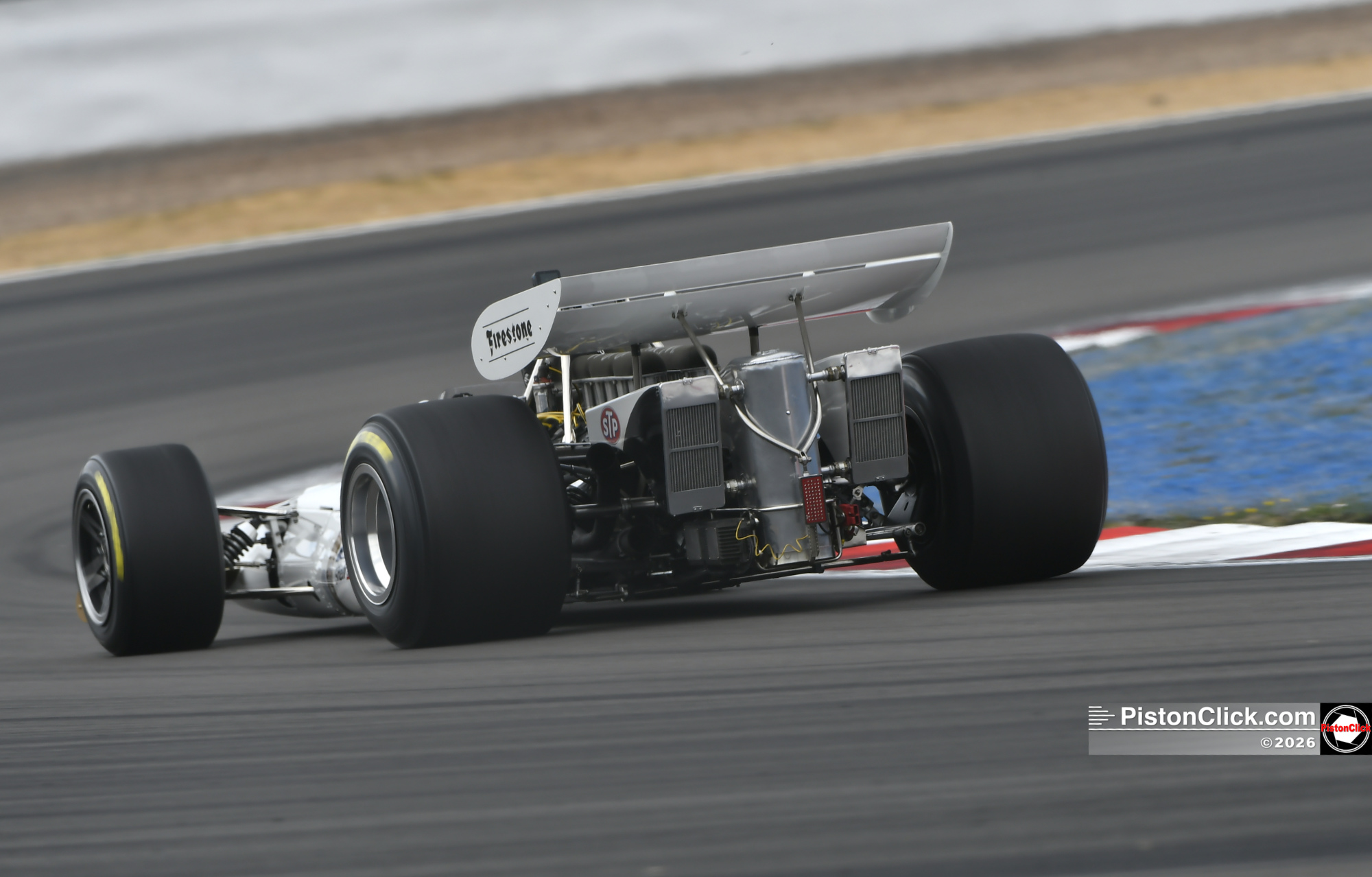
The GP Icons are not something you see every week in fact this was to be their first and only race this year. 16 entries representing 11 marques In 3-litre cars from 1966 to 1985 took to the track. I just watched and took in the spectacle of these great looking cars for the first few laps. Then I got down to why I had traveled to this event, capturing images of motorsport.
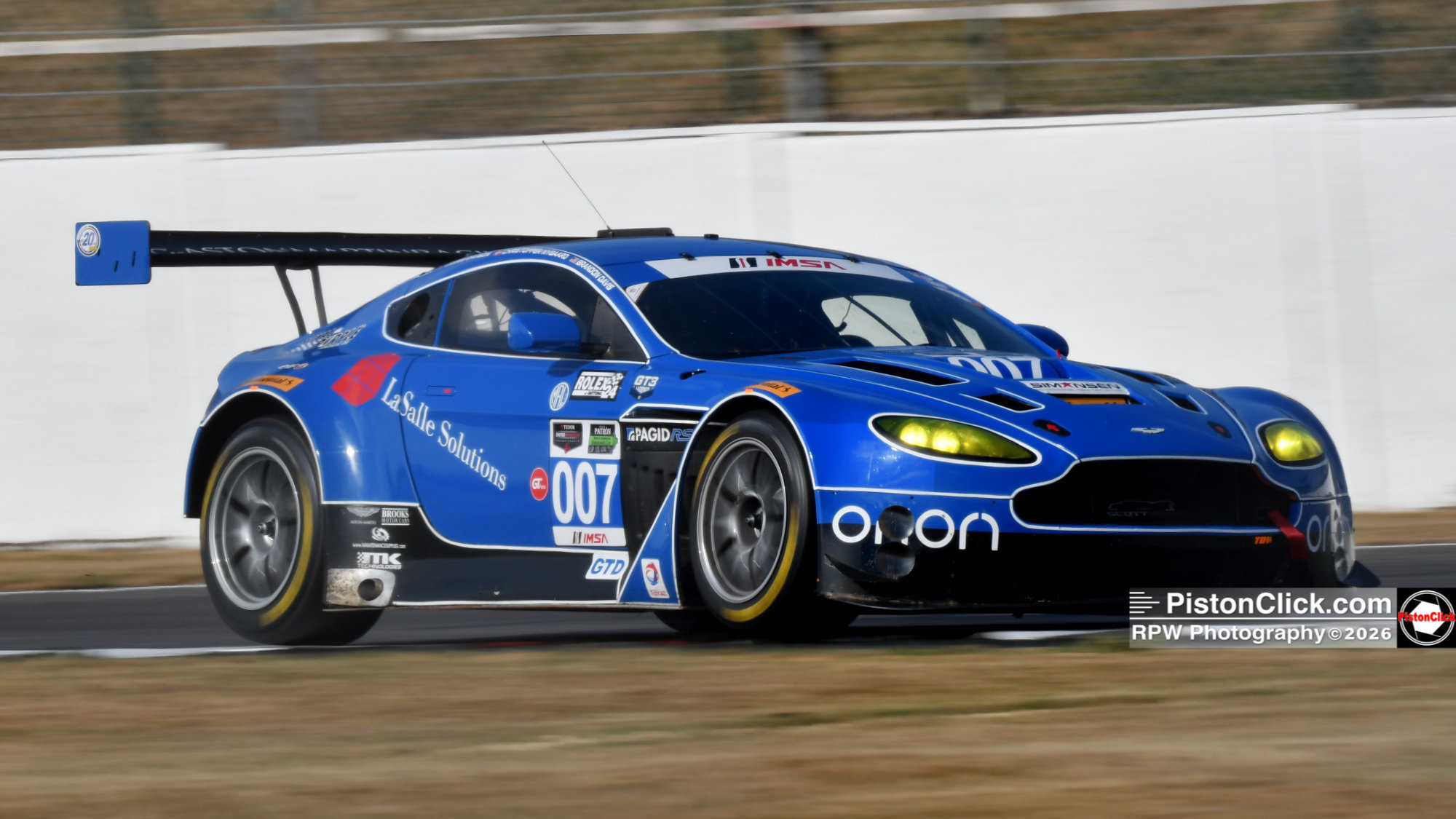
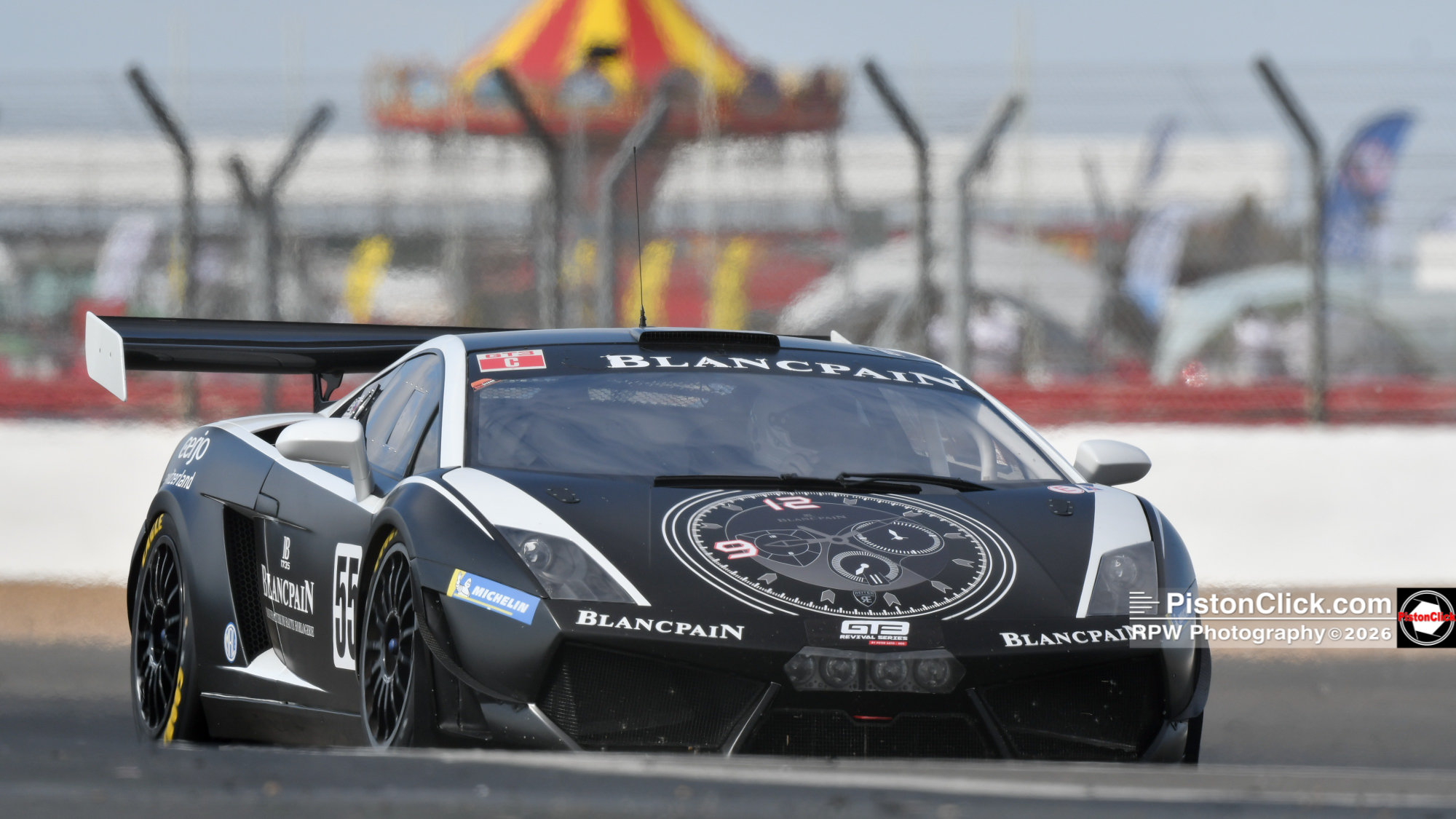
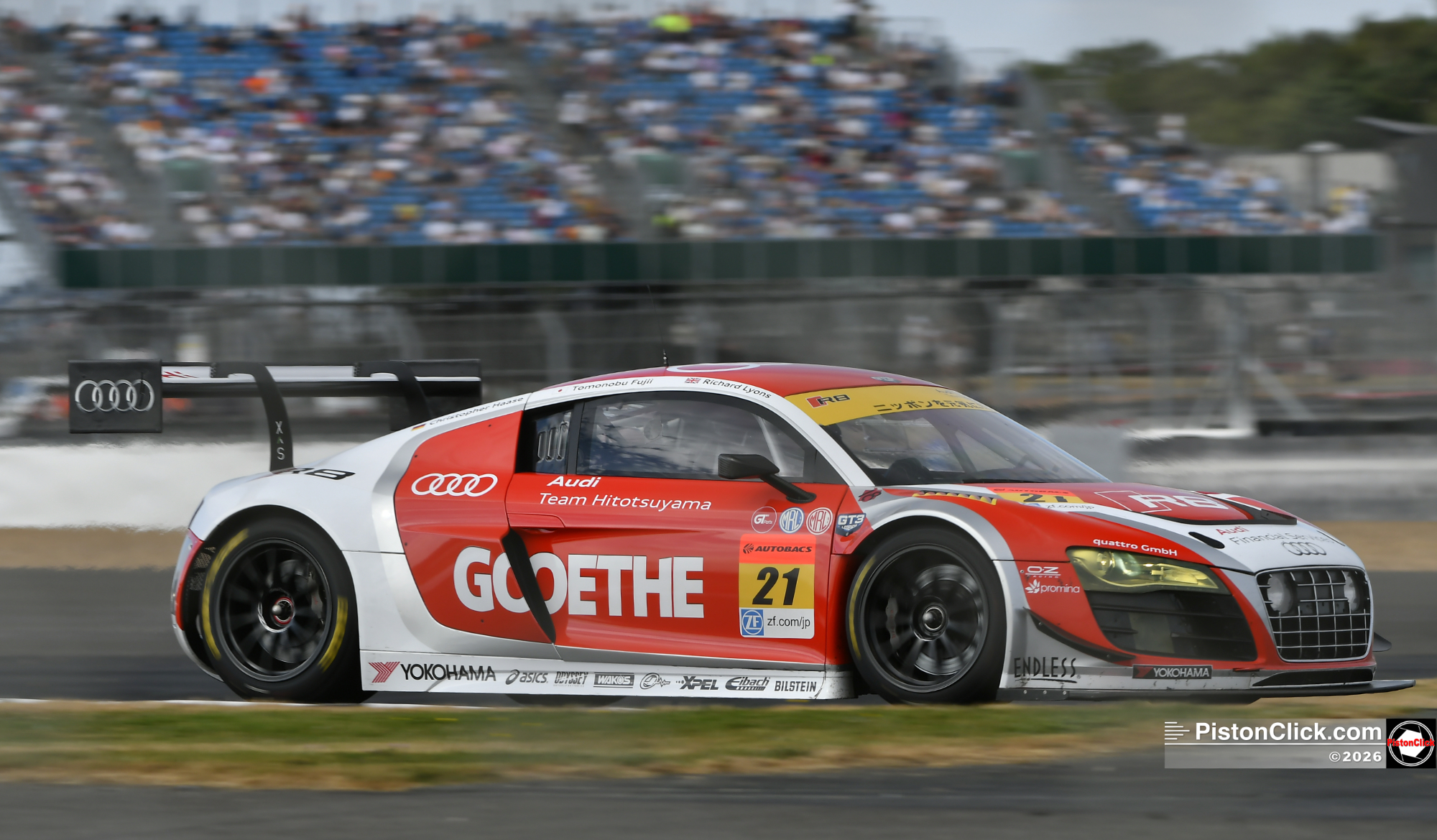
GT3 Legends
The next highlight was the GT3 legends so a quick change of location was required. There were classic buses running around the circuit to help you get around this large piece of real-estate. However, there were fewer of them than in previous years and we didn’t manage to catch one all day. My step count was quite high for this event. If you want to get a variety of images you have to put the effort in.
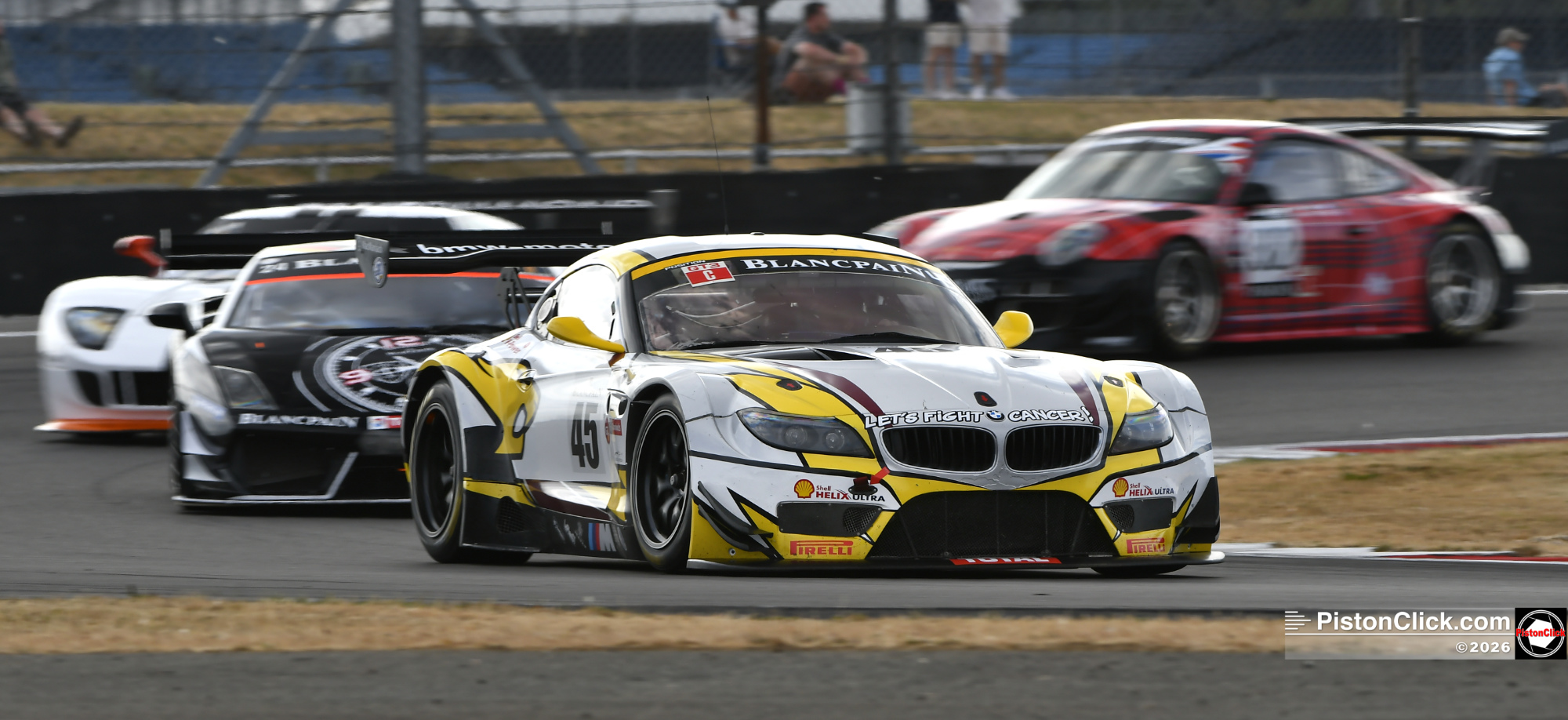
Vale and the Loop would do nicely for the GT3 legends. Not a location I would usually pick for motorsports photography in the afternoon at Silverstone. Keeping the sun at your back is an important rule for general Photography. For motorsport it is doubly important when shooting through fences. Anything that can reduce the glint and glare from the safety fences will help you get a clearer shot.
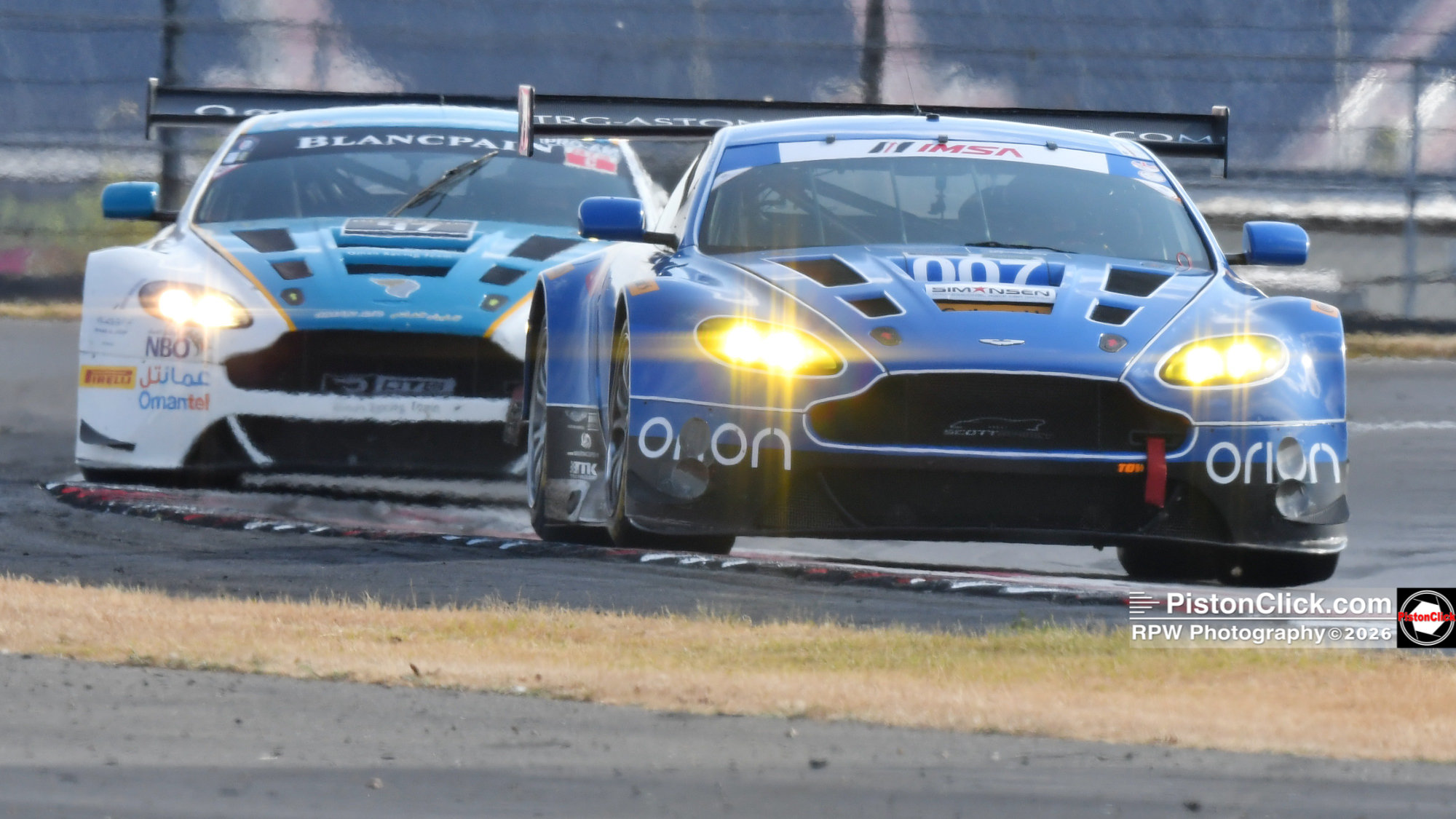
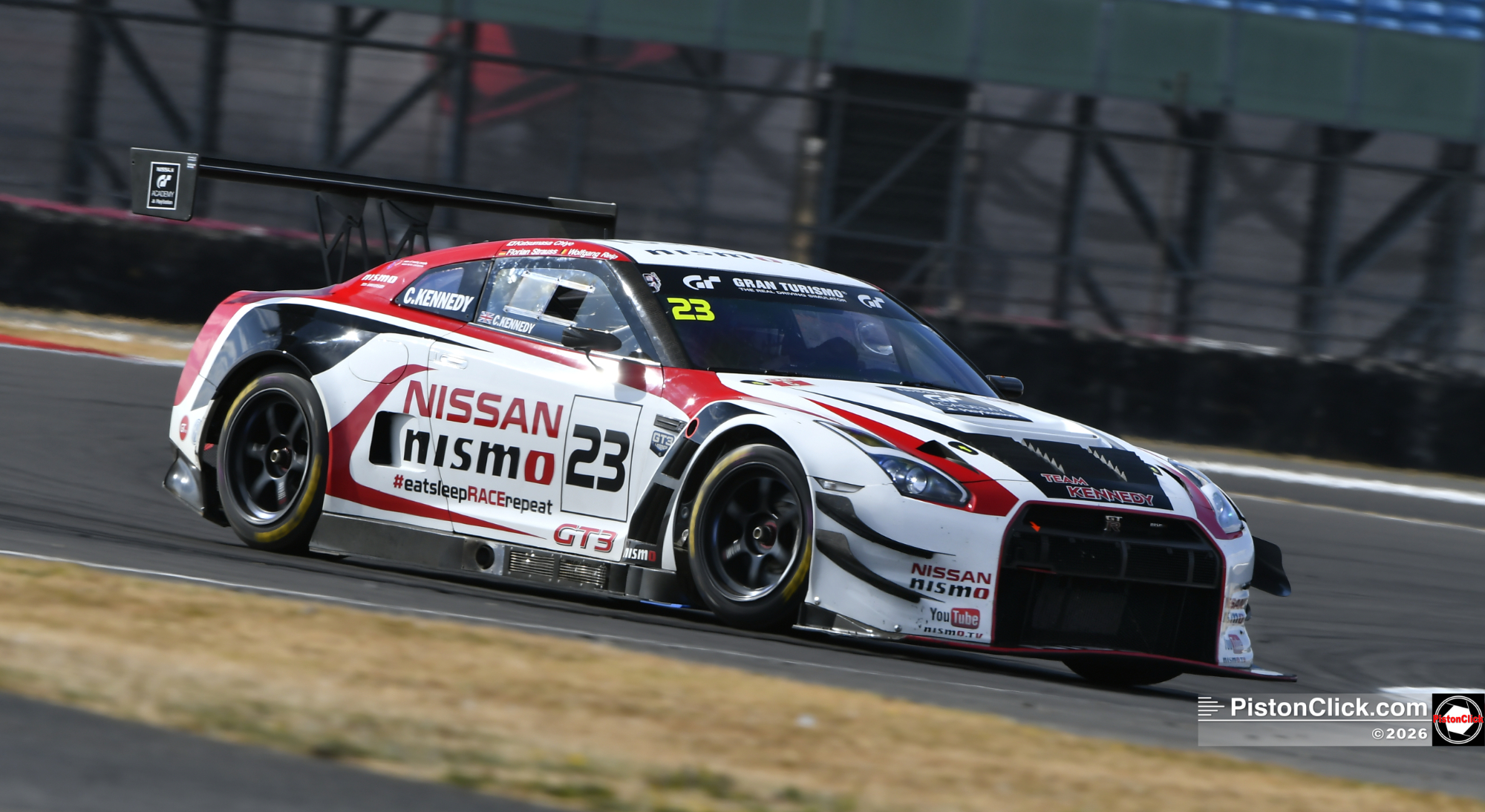
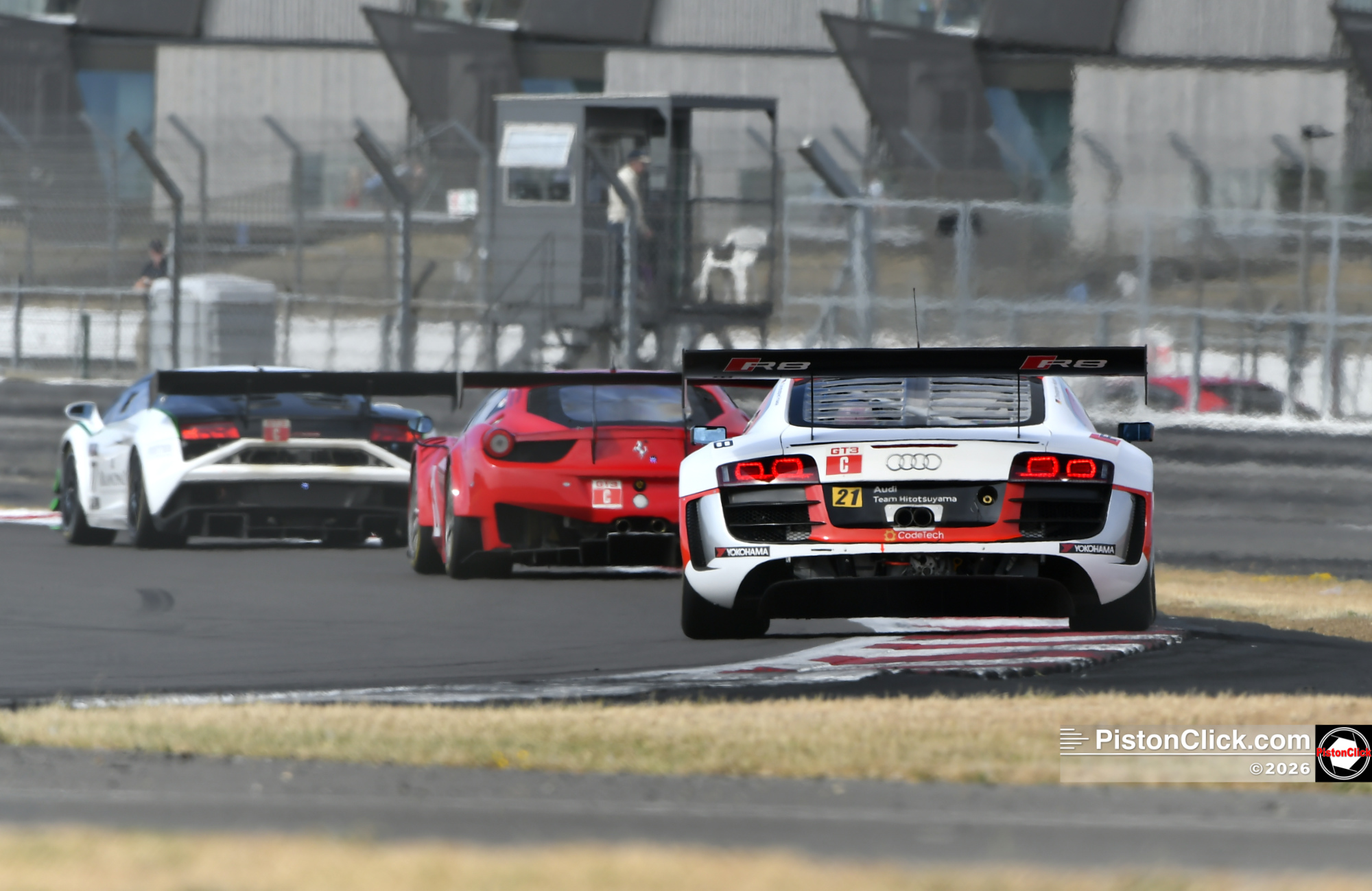
There was a bit of cloud cover in the afternoon so we could shoot from just about anywhere. The outside of the Vale and the Loop corner complex has two photographer cut-outs in the fencing which are accessible to the amateur photographer. As there were not professionals using them we made the most of these locations.
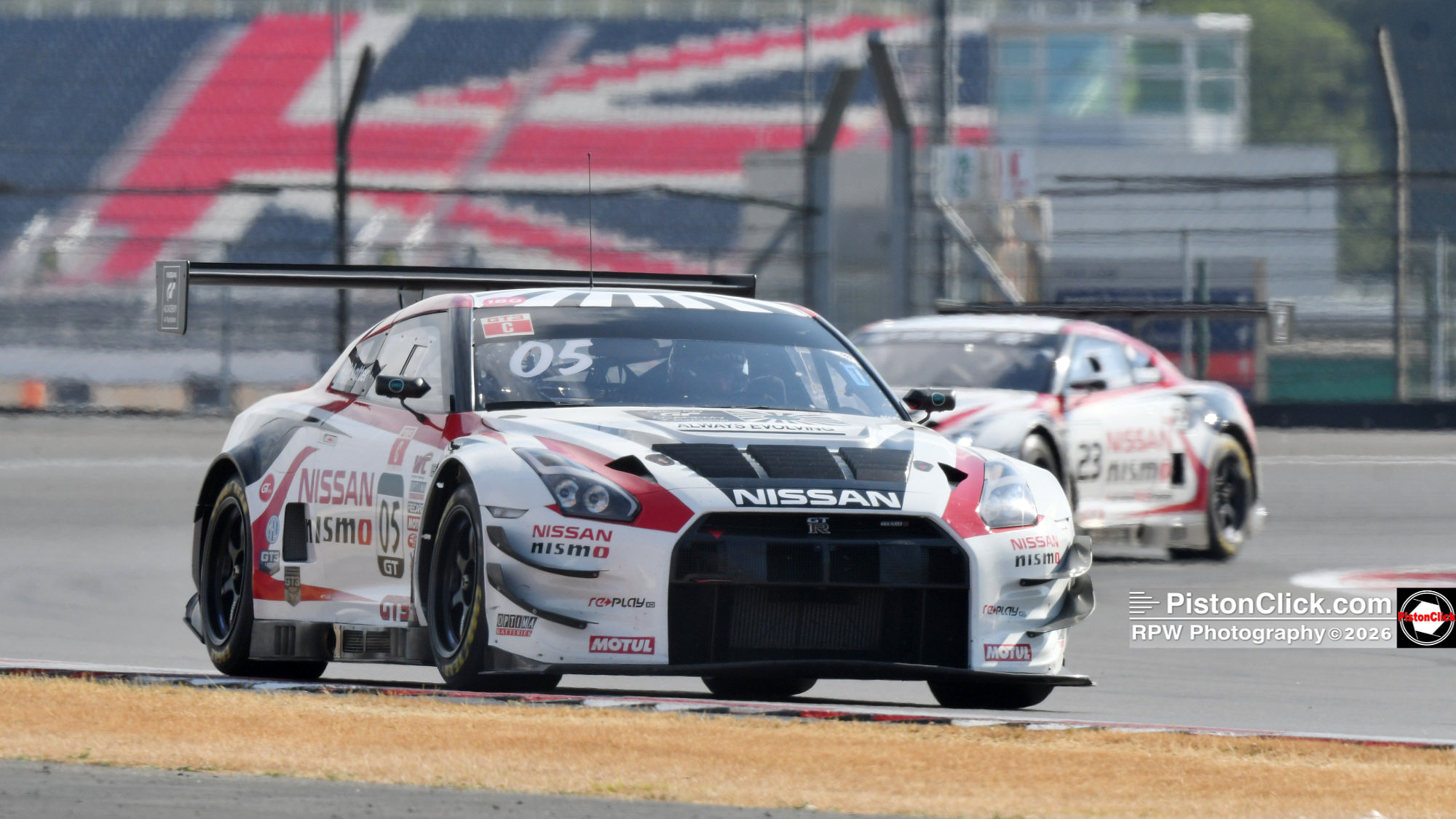
Endurance Icons
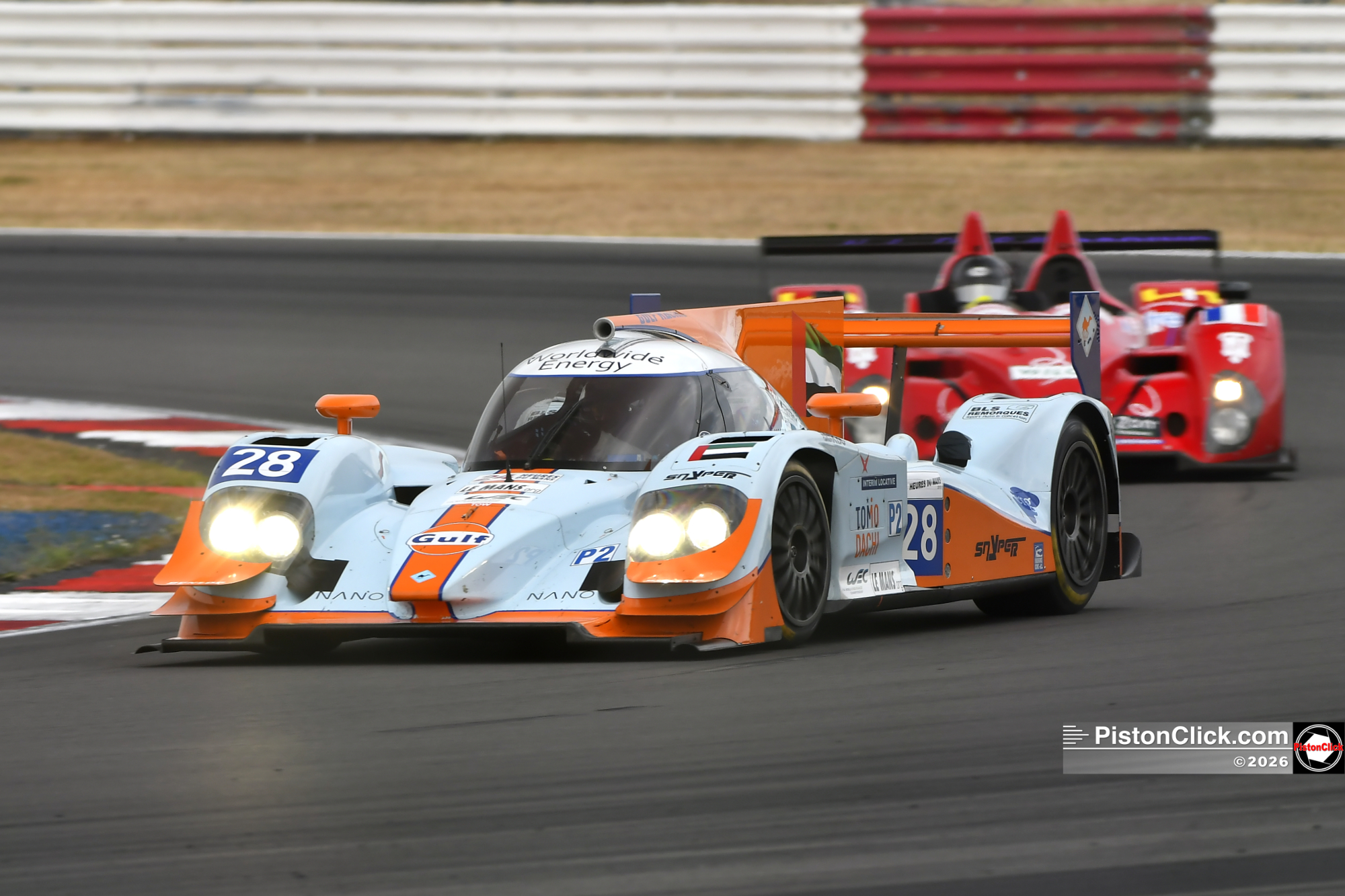
The final race of the day was the Endurance Icons. The plan had been to head to Club and Vale to capture these racing icons. A quick look around and that idea was canned quickly. New fences have been erected and access to the front of the grandstand was not available. Only a few grandstands were open during the BRDC Classic, Club was not one of them. The PistonClick team have a guide to taking photos at Silverstone which we will update on our next visit which will be the MotoGP.
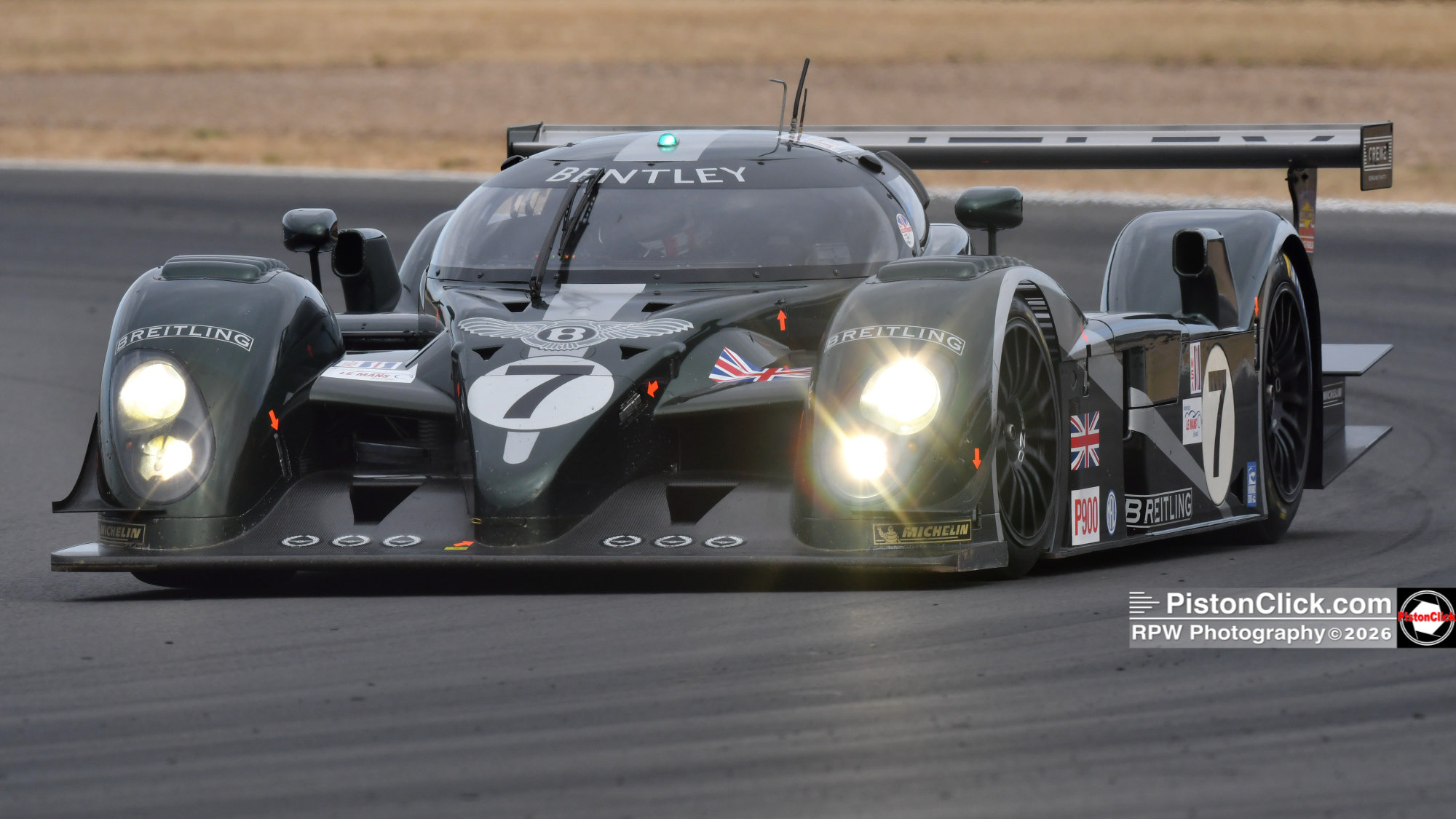
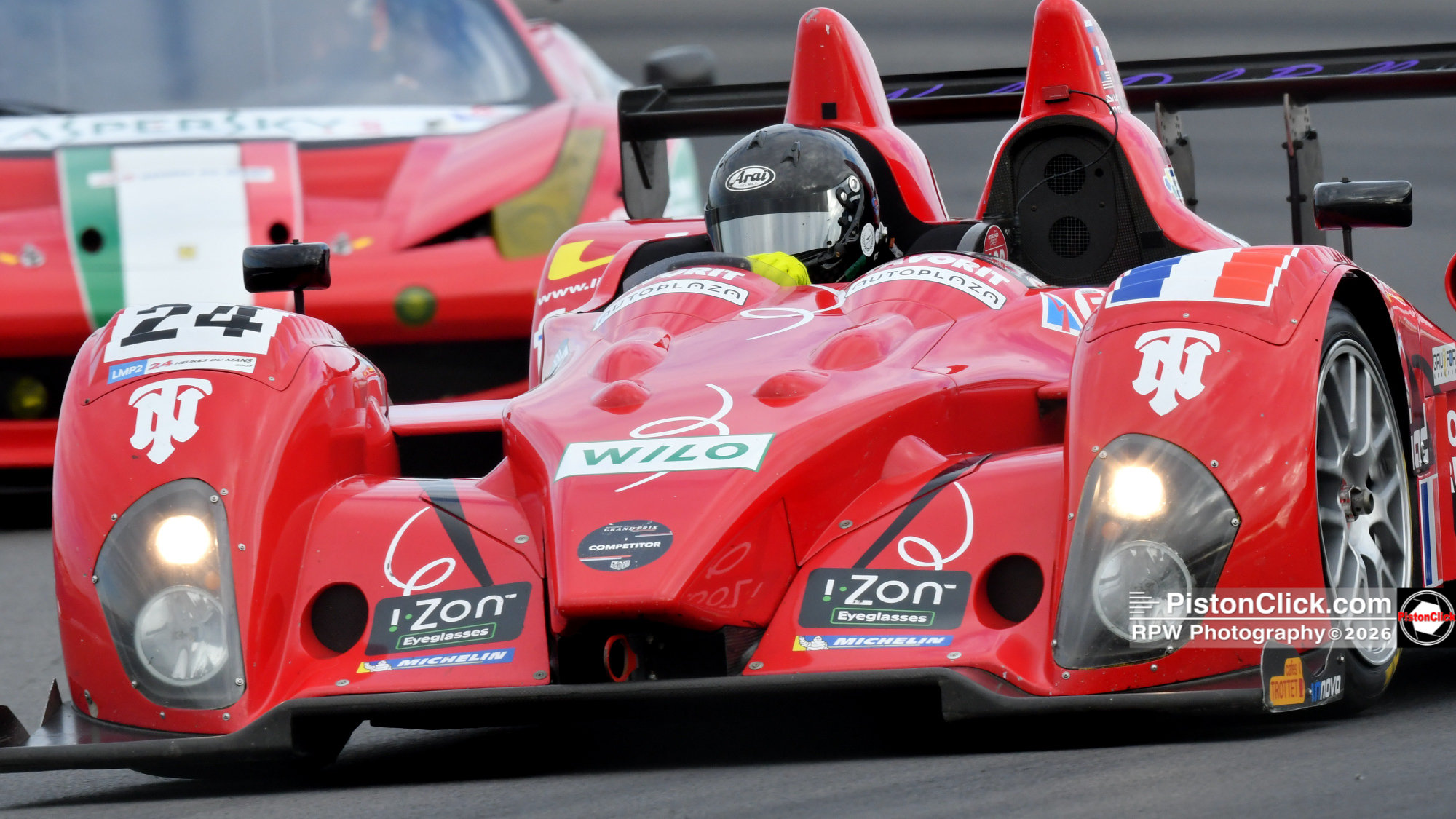
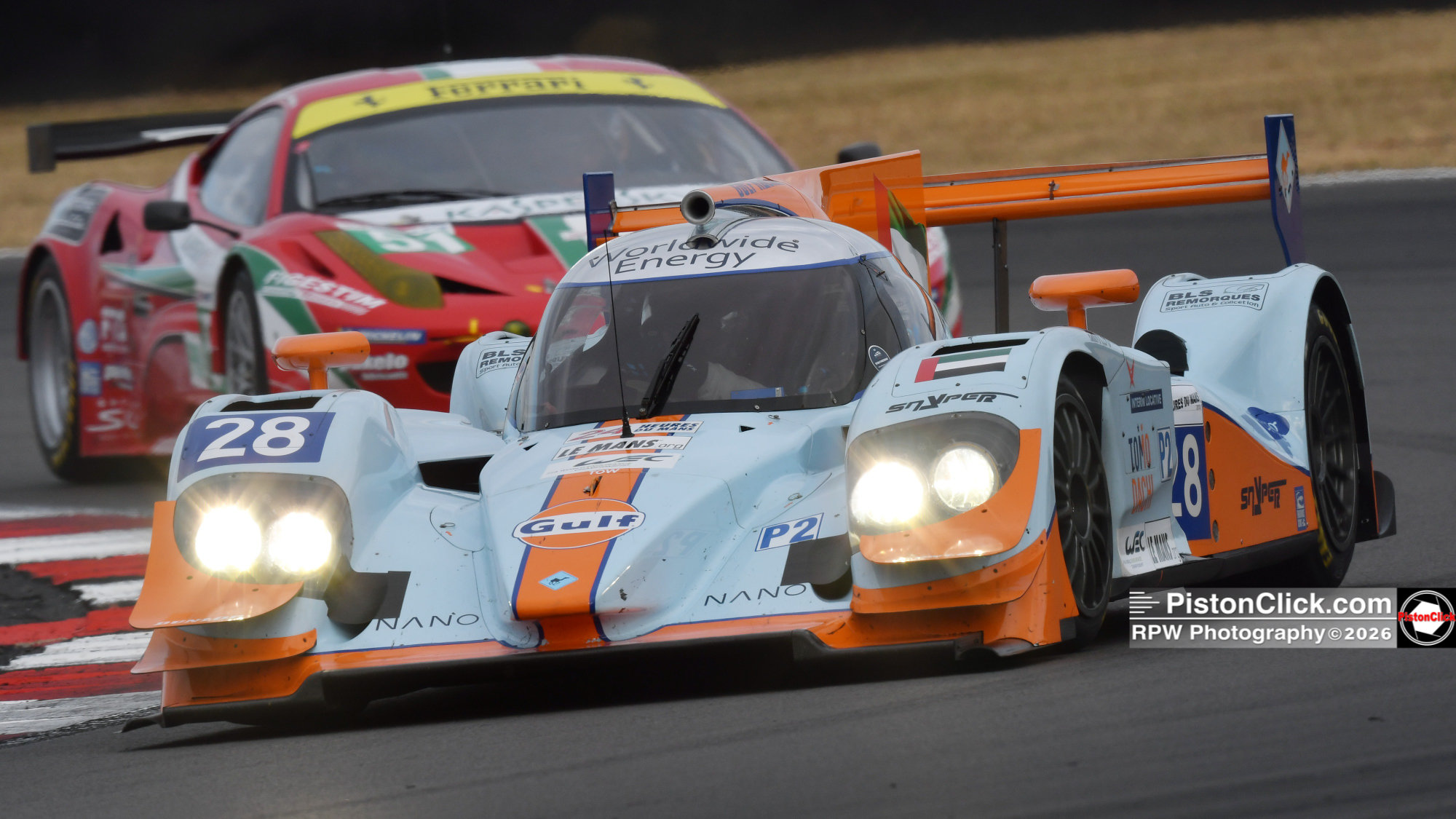
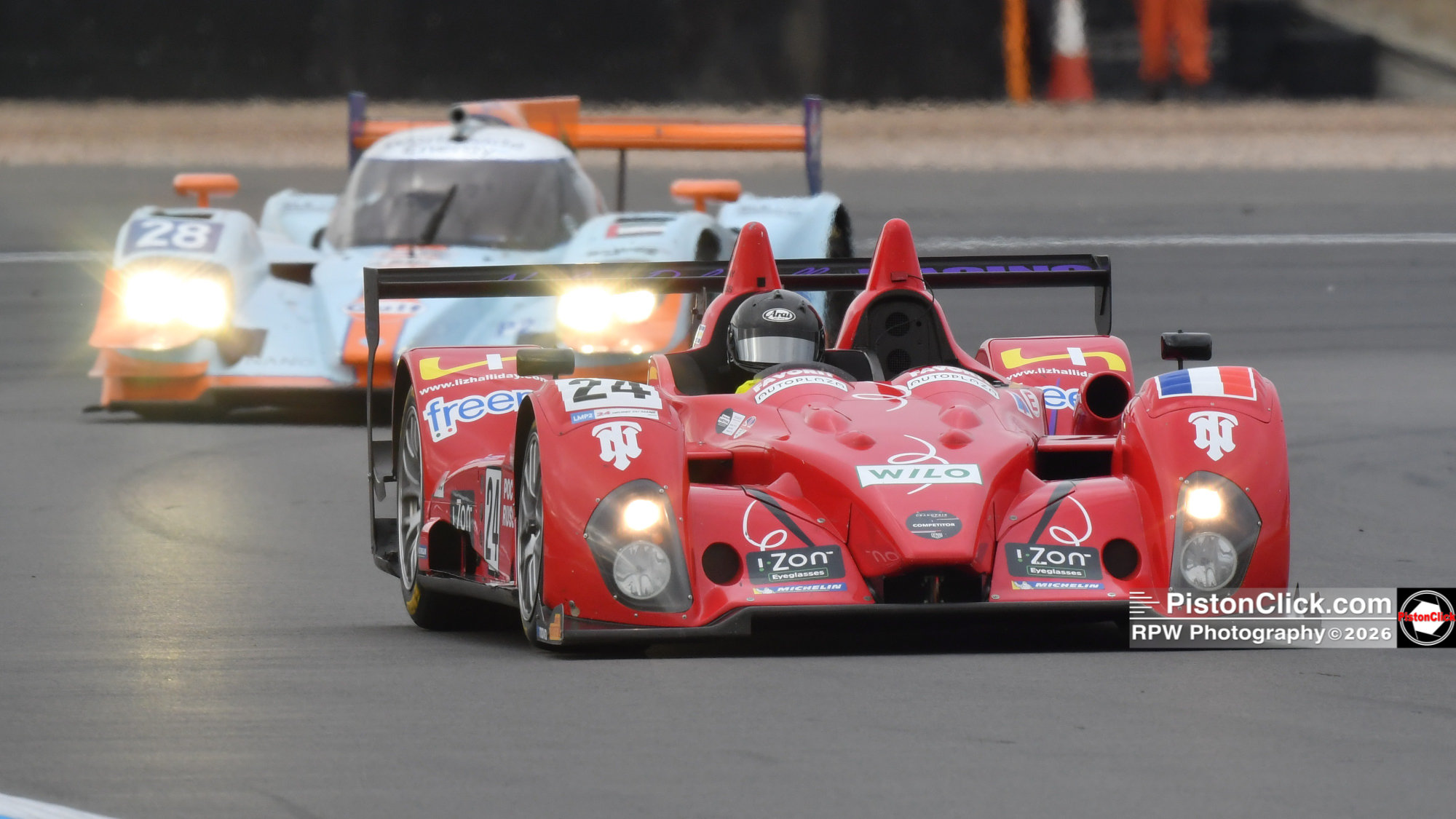
Luffield would be our final location for the day. Higher fencing had been installed here earlier in the year so the only option is to shoot through the fence. As the sun was now going down the grandstands through a shadow over the fences which helped. With little to no glare from the silver fences the wire all but disappeared enabling us to capture the endurance cars. If you are not familiar with how to take motorsports through fences our guide can be found here.
Is the BRDC Classic Worth Visiting?
The BRDC Classic ticked a lot of boxes for me as an amateur photographer. There was enough going on in the static elements of the show to hold my interest. The car clubs were smaller than in previous renditions of this event but of high quality.
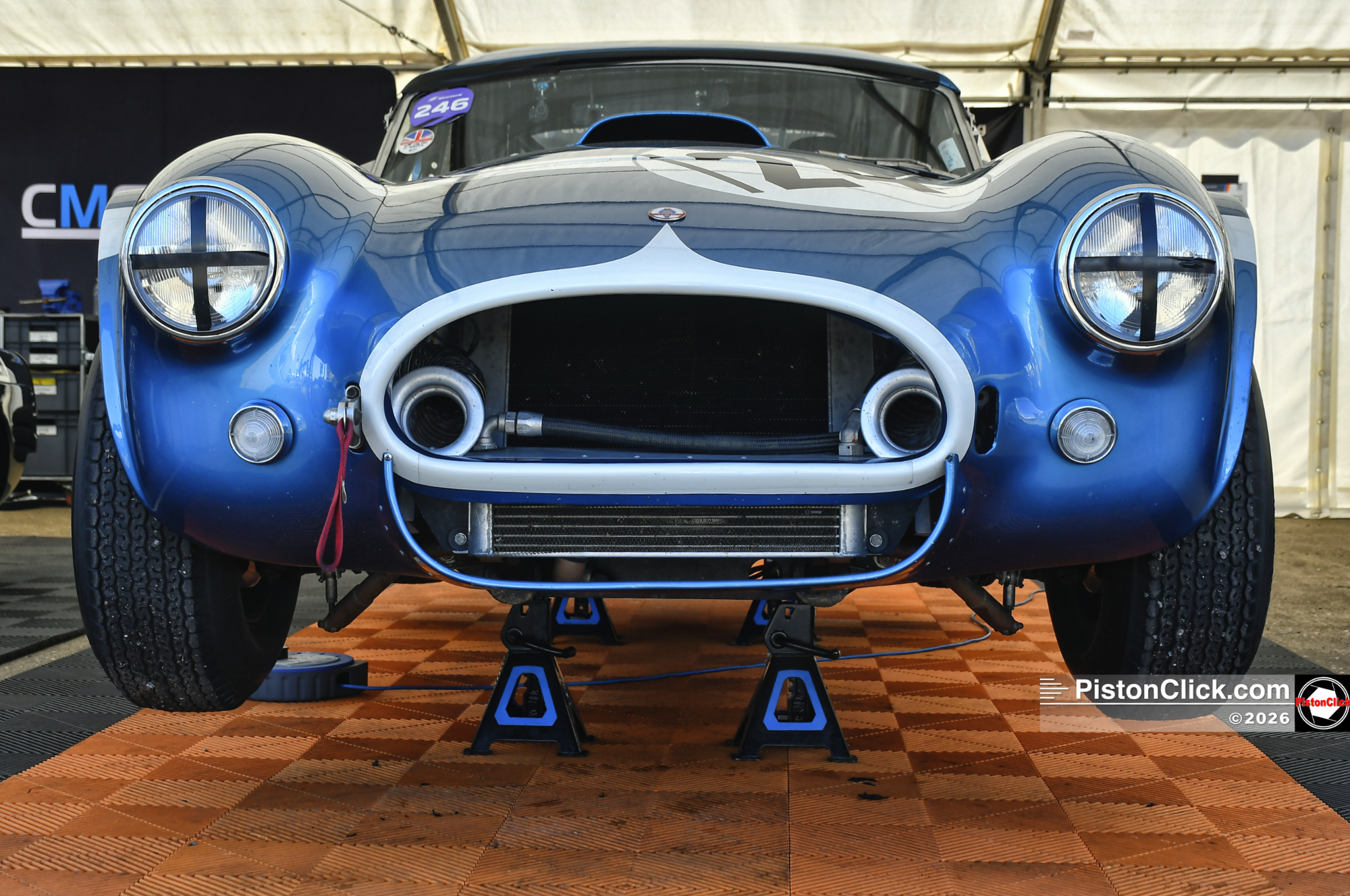
The paddock and garage areas are interesting if you are a motorsports enthusiast. We spent a long time here looking around the cars being prepared. Access to the working paddock was a treat and great for those detail shots of the cars. These shots add another dimension to your portfolio which is not always possible at other events.
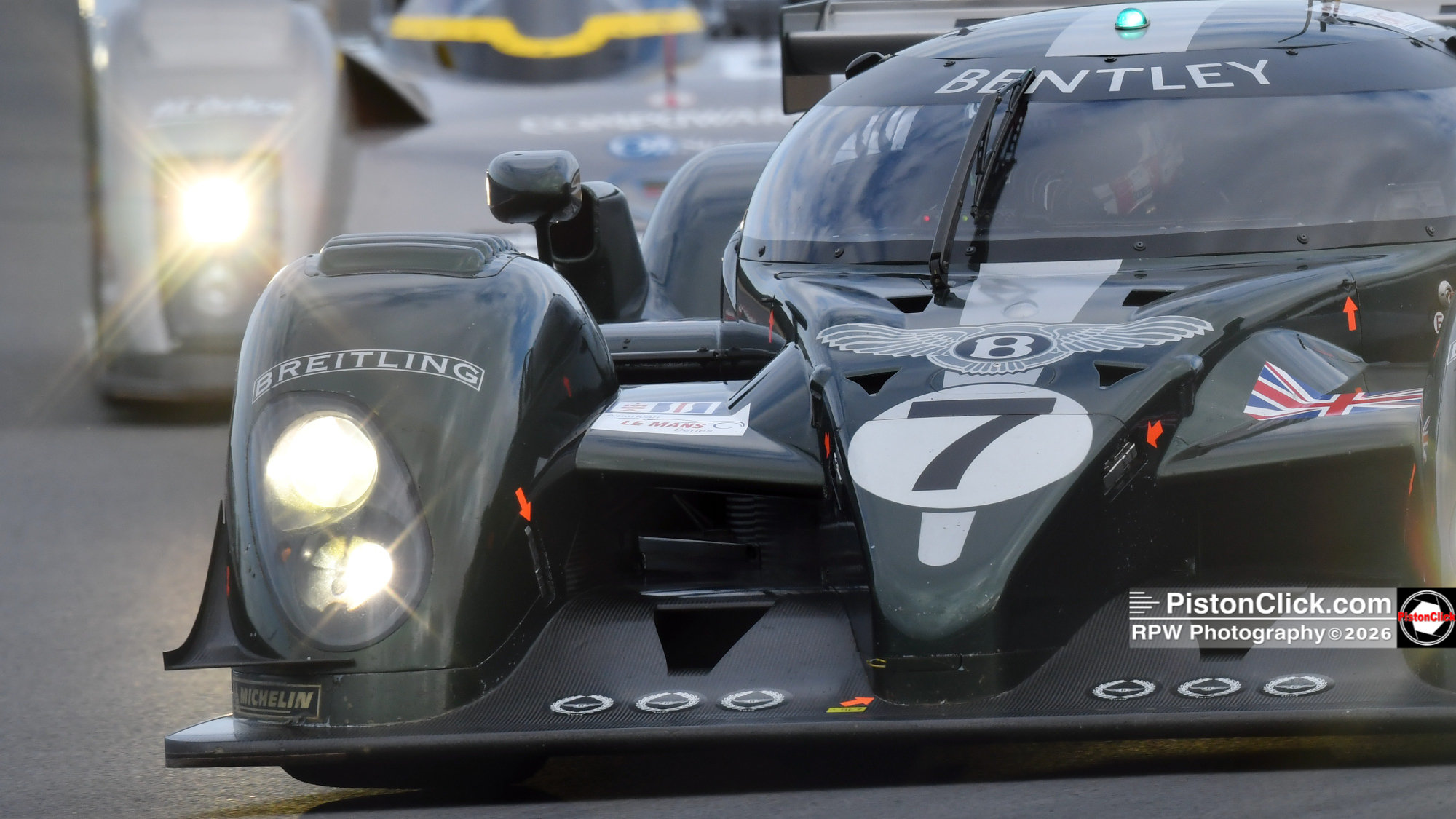
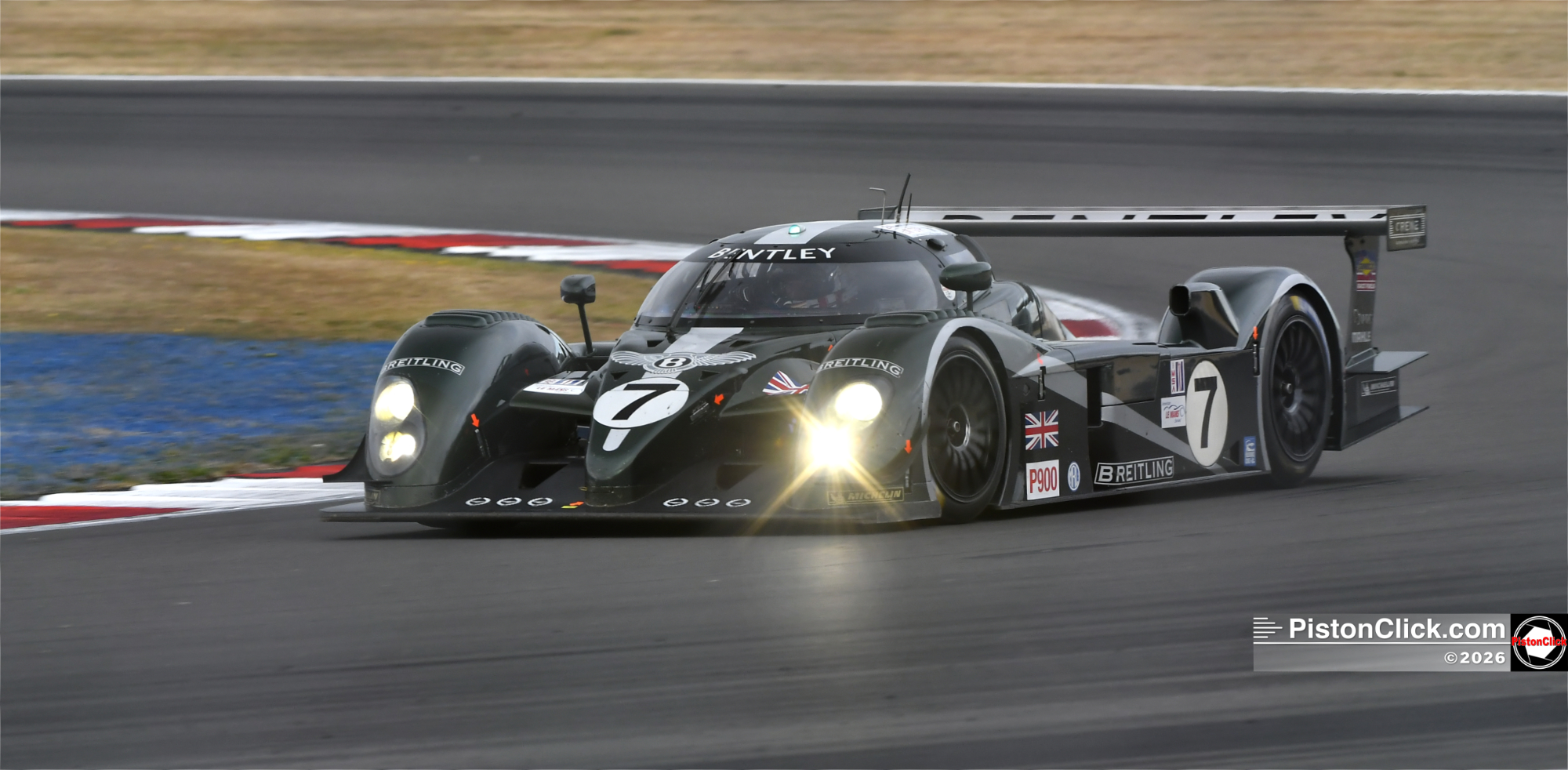
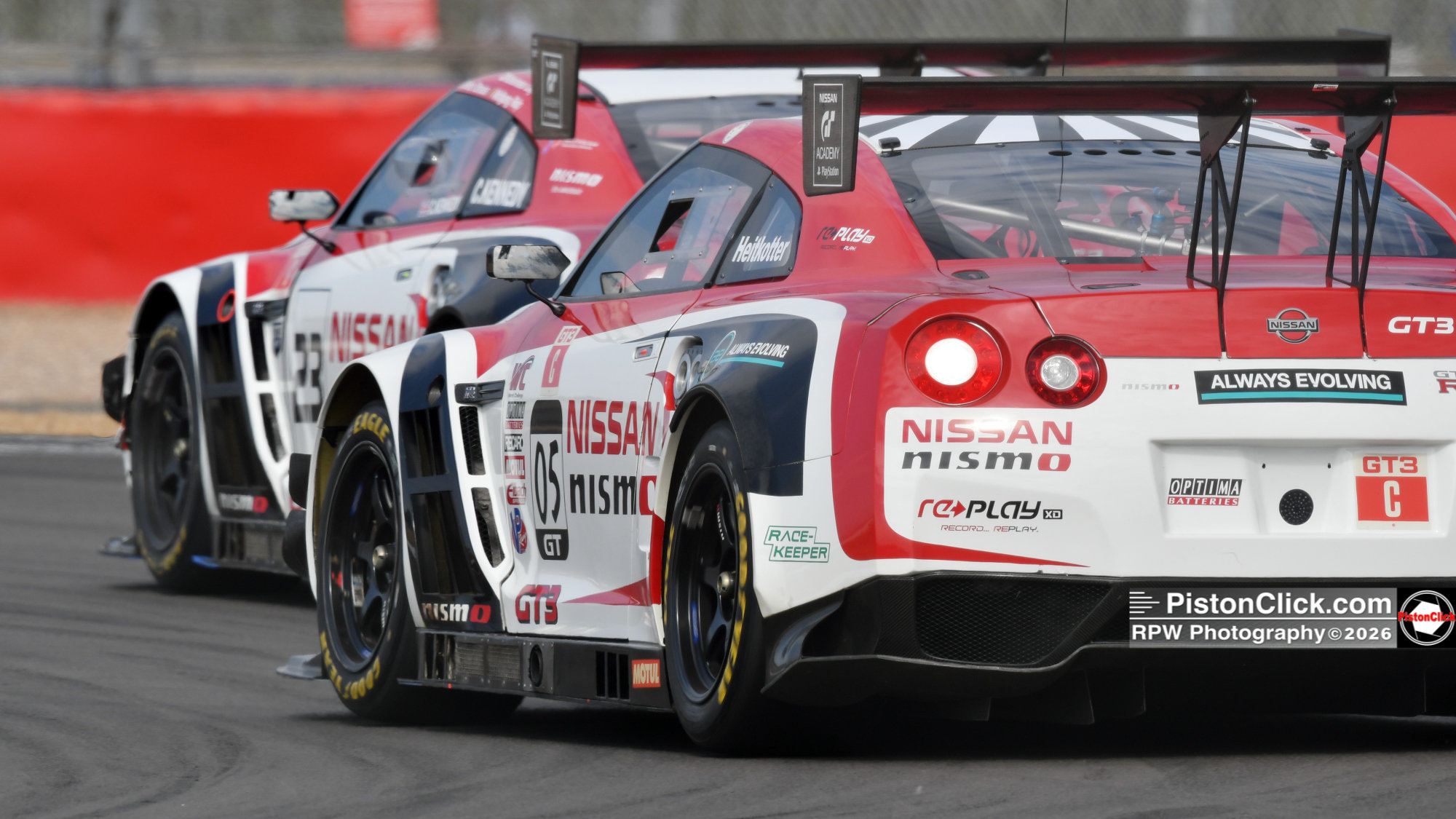
Racing at the BRDC Classic is the highlight. An eclectic mix of cars from pre to post war and modern classics it has something for everyone. Grand Prix Icons were arguably the main attraction. The iconic sound of these pure race machines screaming round Silverstone again was a great experience. Combined with the Historic Cars, GT3 and Endurance you have a good entertaining event with race cars you don’t get to see often.
Yes it’s not as big as the original Classic but I think that’s a good thing. Part of your ticket price for the original classic was for off track entertainment, like the evening music concerts. Not paying for this type of attraction has kept the ticket prices to a reasonable level.
Final Thoughts
While the BRDC Classic no longer matches the scale of the former Silverstone Classic, it arguably offers a better motorsport experience. The focus has shifted firmly back towards the racing, with unrestricted paddock access, an outstanding variety of historic machinery and a relaxed atmosphere that makes photography enjoyable. For anyone interested in classic motorsport or improving their motorsport photography, it remains one of the highlights of the British racing calendar.
Thanks to RPW Photography for the images used in this report. All other images are by the editor. Camera setting can be found by clicking on the information button after opening an image.
Camera: Nikon D500
Lens: Track action Nikon 500mm f/5.6 PF (RPW Photography) 200-400mm f/4 (Editor) Paddock Nikon 18-140mm f/3.5-5.6
