



Jaguar Breakfast Club – British Motor Museum Media Duty
Naveenkumar’s Photography
6 April 2026
We are living in an era where modern ways of living have taken over traditional ones, making life more convenient while striving to protect our planet. Yet, as progress accelerates, we are left holding onto only a handful of automotive classics. Deep down, it feels inevitable that within the next 10–20 years, the golden age of motorsport may exist only as nostalgia.
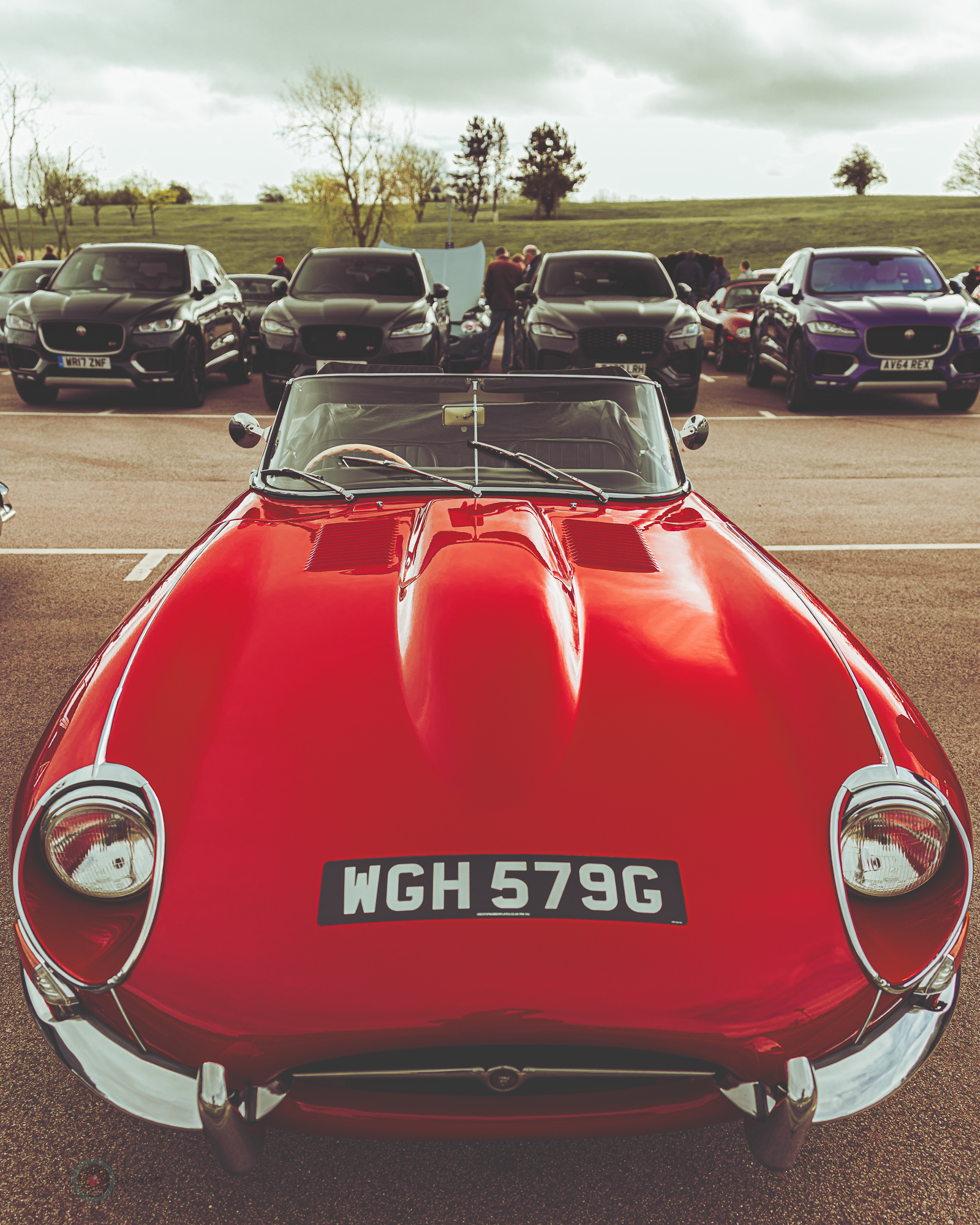
Against this backdrop, I had the incredible opportunity to perform media duties at the British Motor Museum. Capturing the spirit and legacy of Jaguar Cars at the iconic Jaguar Breakfast Club—an event that first originated here in 2016.
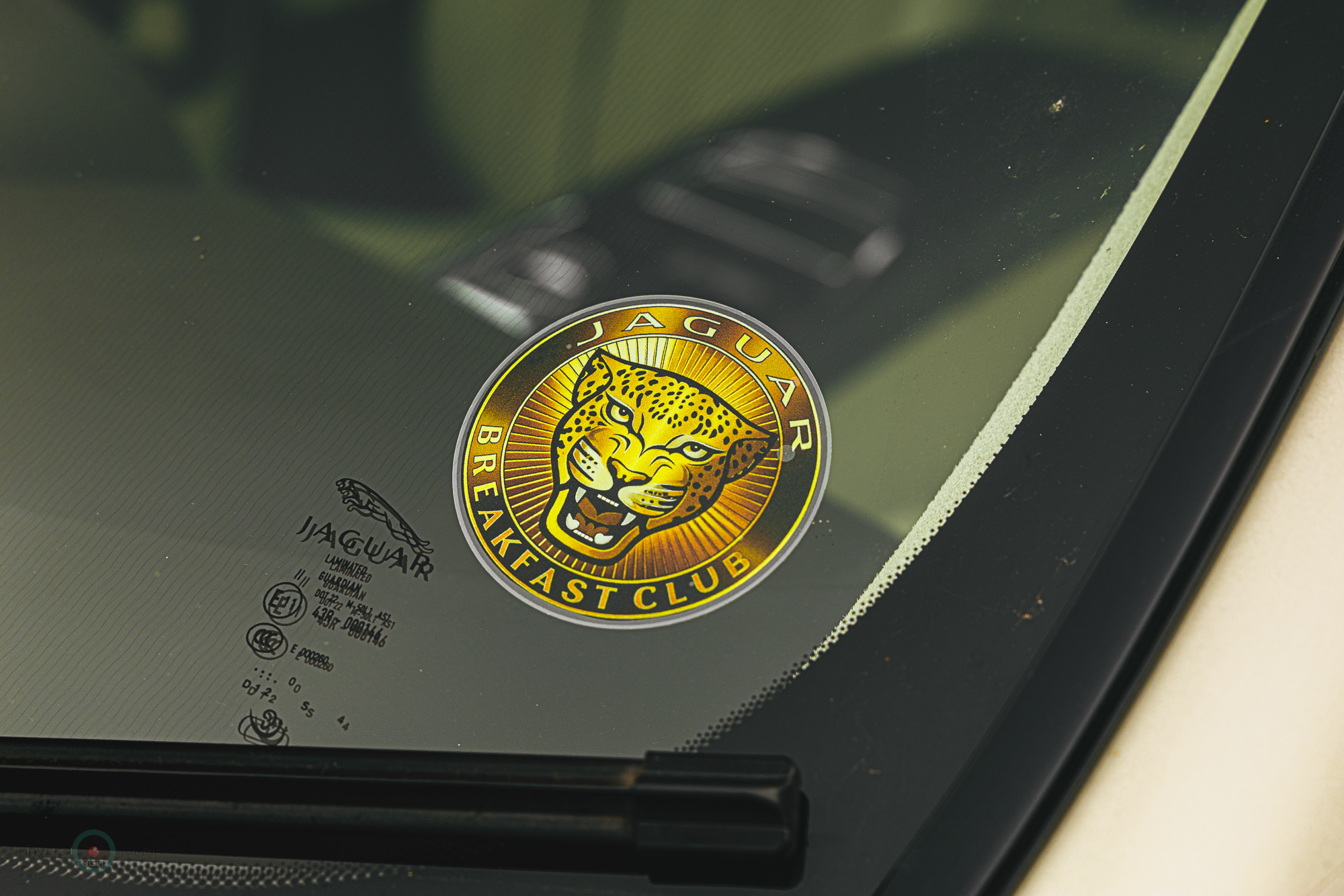
A Timeless Gathering of Jaguar Legends
From the moment I arrived, the car park was a living timeline of Jaguar’s engineering excellence. It was filled with everything from the XK120 and Mark I and II models dating back to 1948, all the way through to modern F-Types from the 2010s.
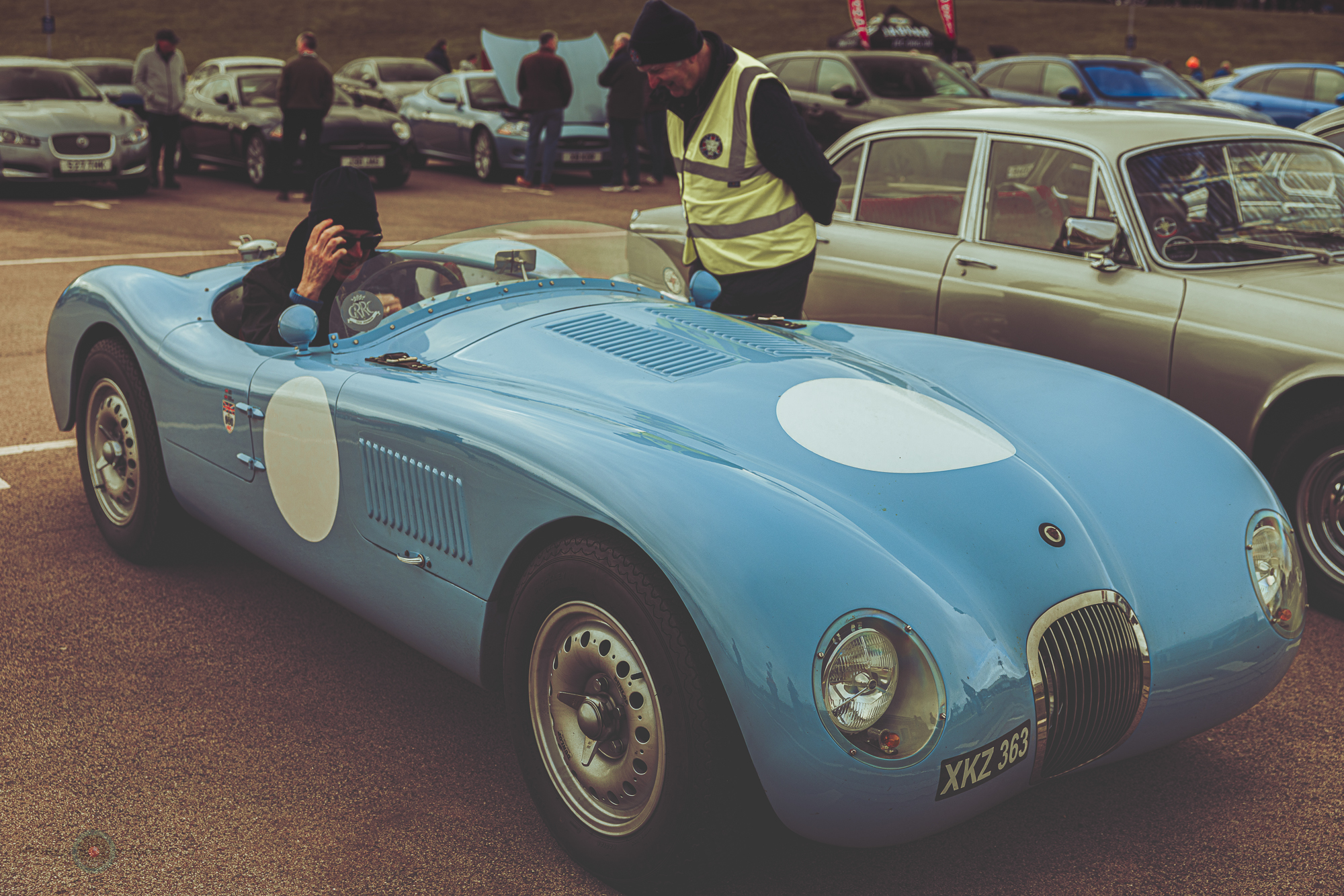
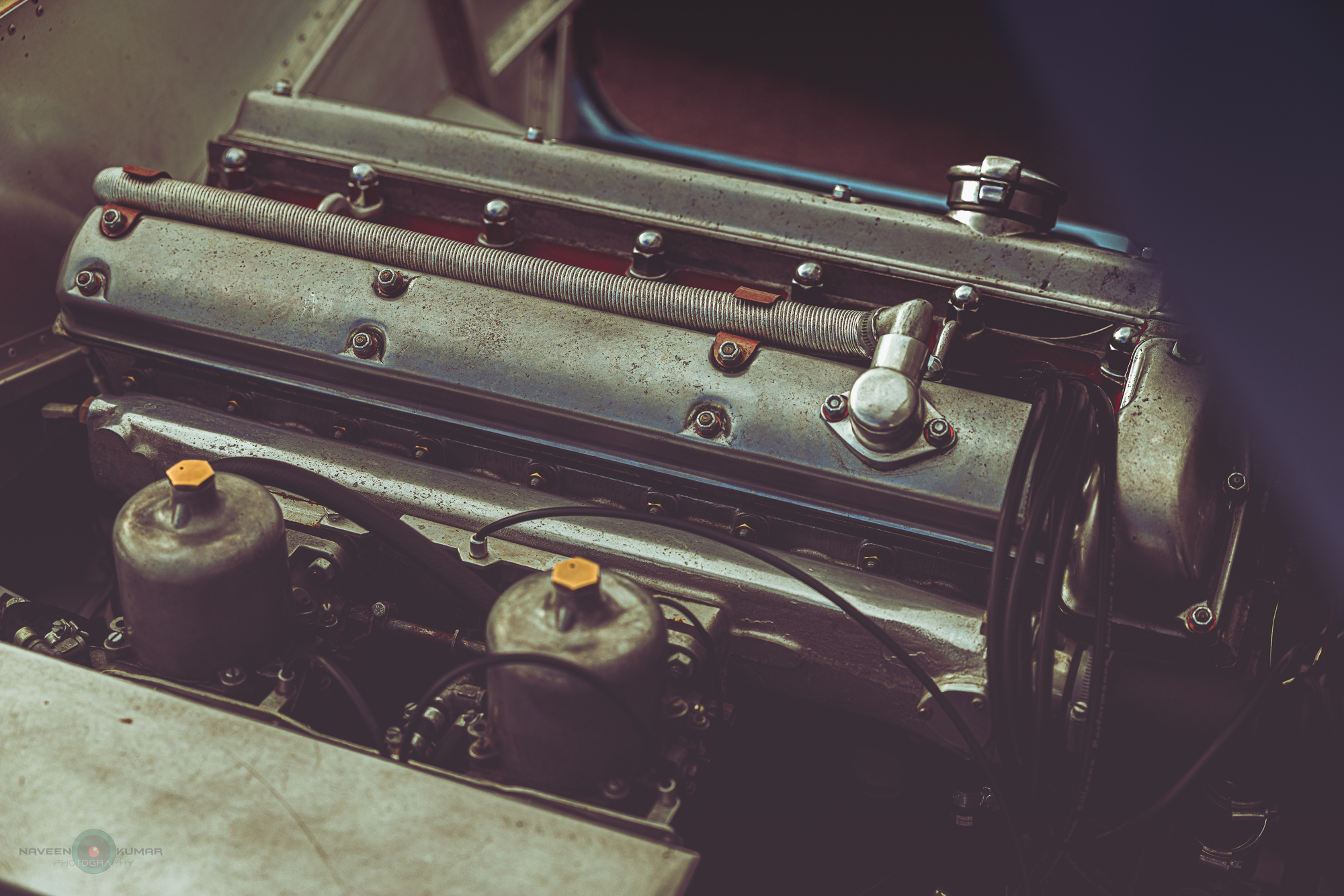
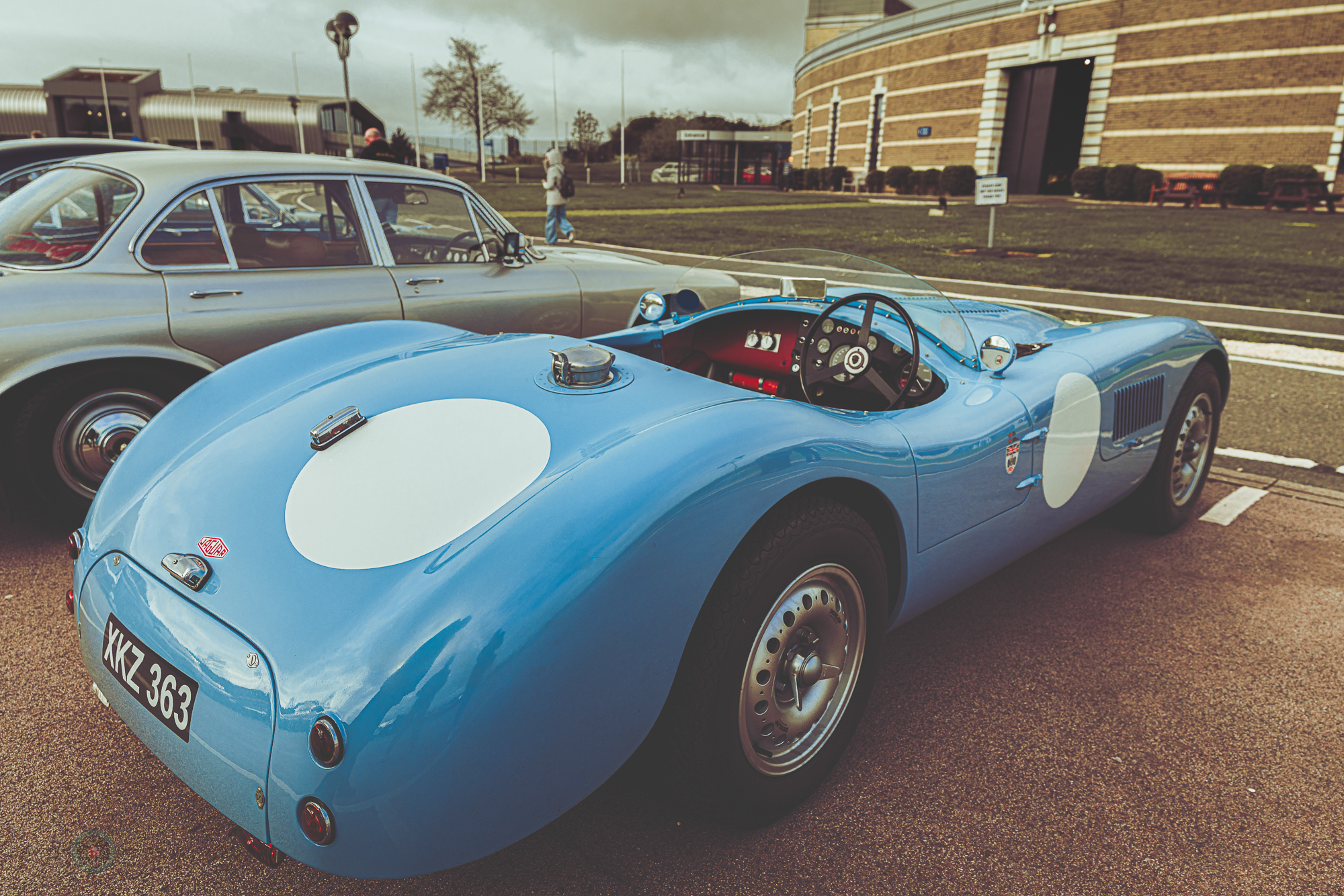
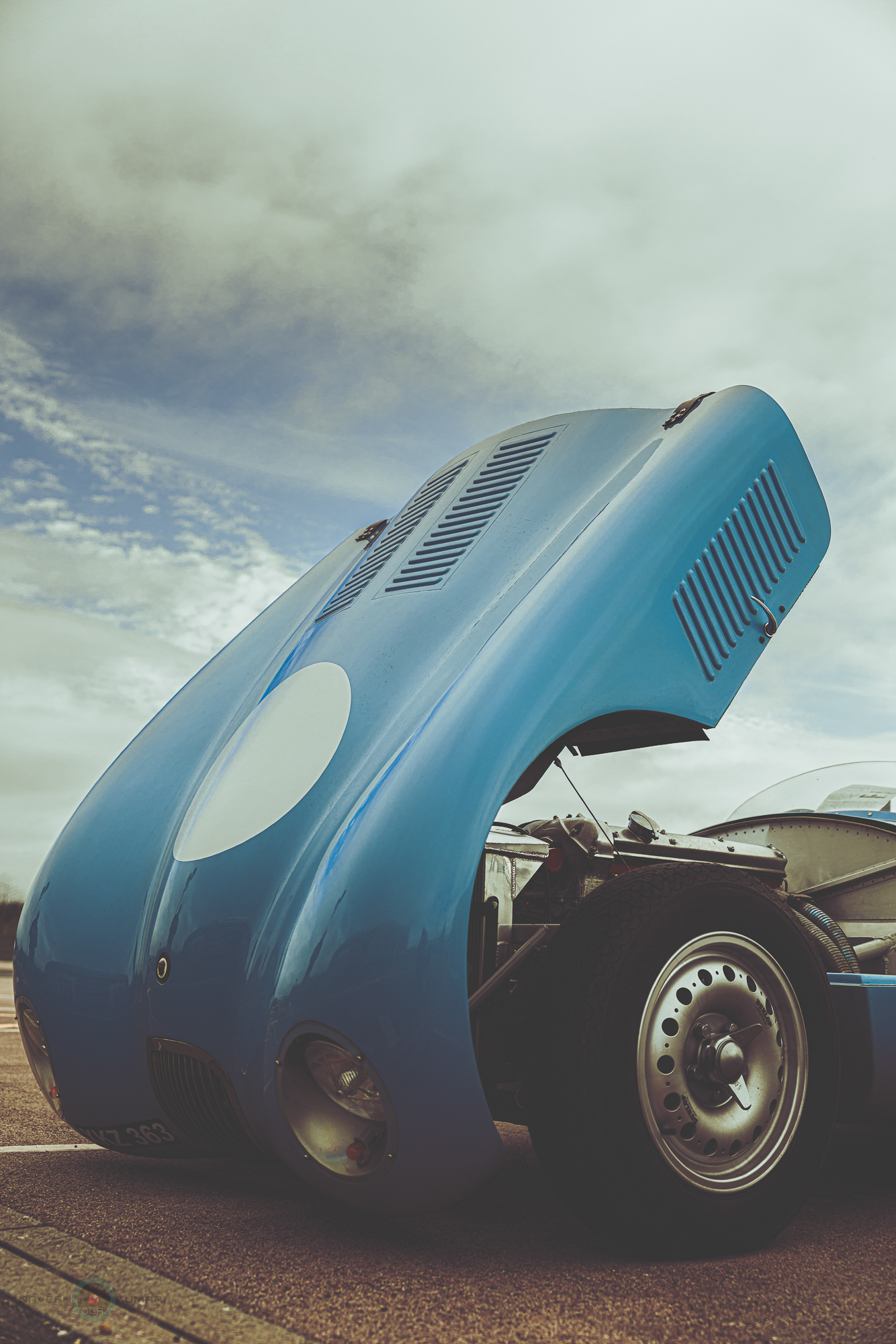
One of the highlights for me was witnessing the lineage that led to the birth of the E-Type. XK120 C-Type standing proudly as a symbol of Jaguar’s early sports car dominance. Equally fascinating was seeing one of the last generations of Jaguar’s production sports cars, marking the evolution of design and performance across decades.
Stories Behind the Machines
What truly brought the Jaguar Breakfast Club to life was the passion of the owners. Each car carried a deeply personal story, and the enthusiasm was unmistakable when owners spoke about what their vehicles meant to them.
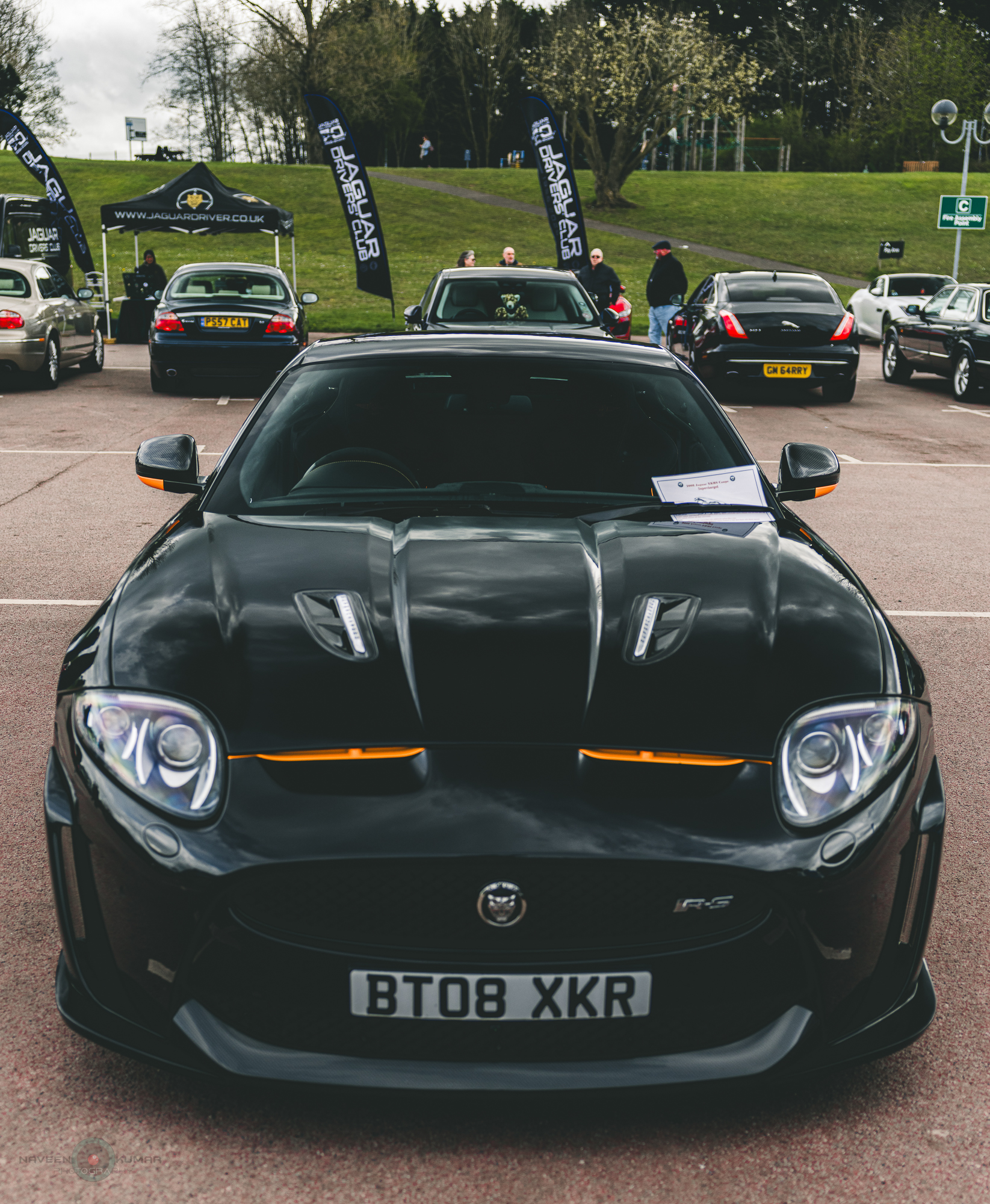
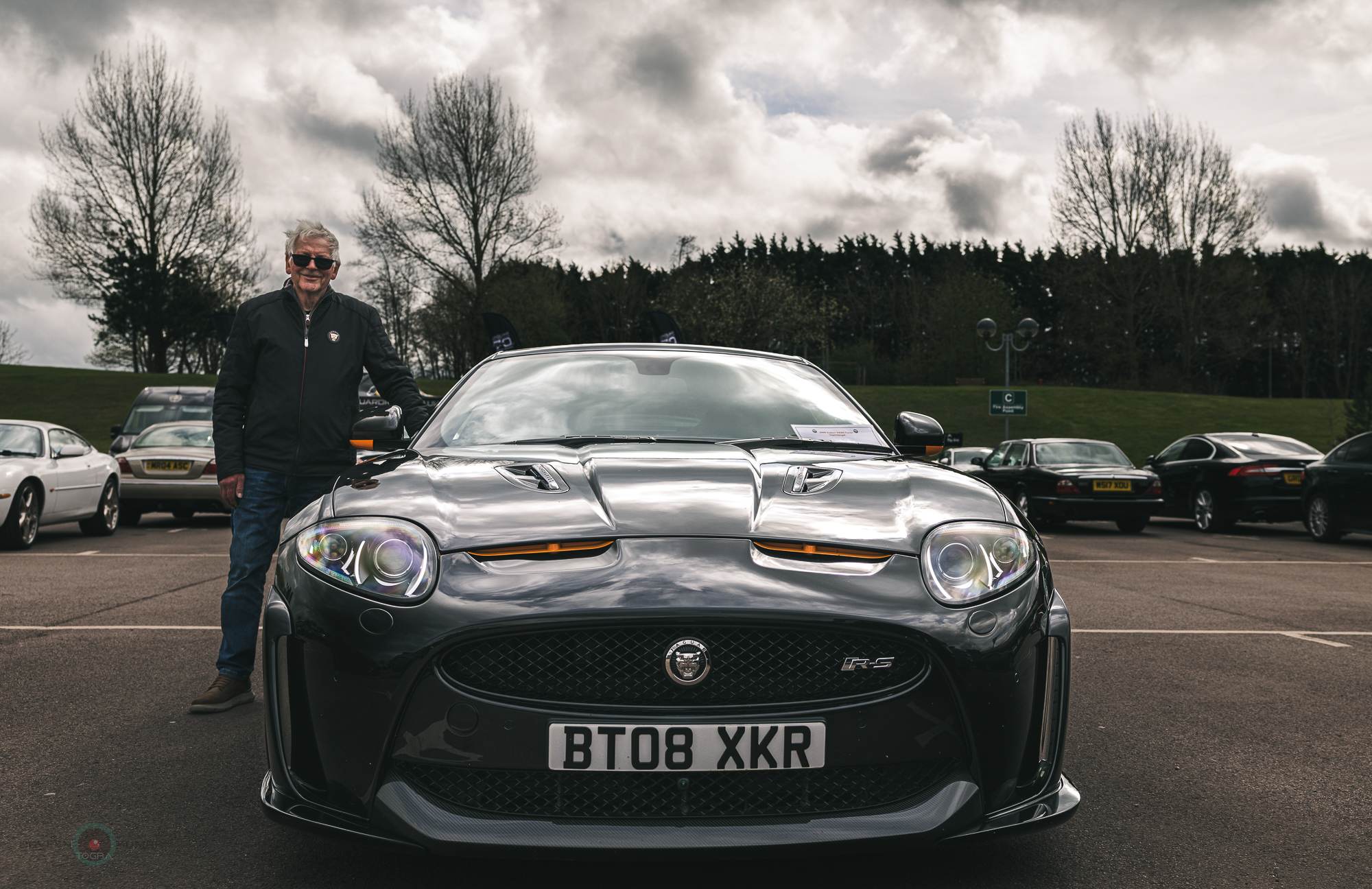
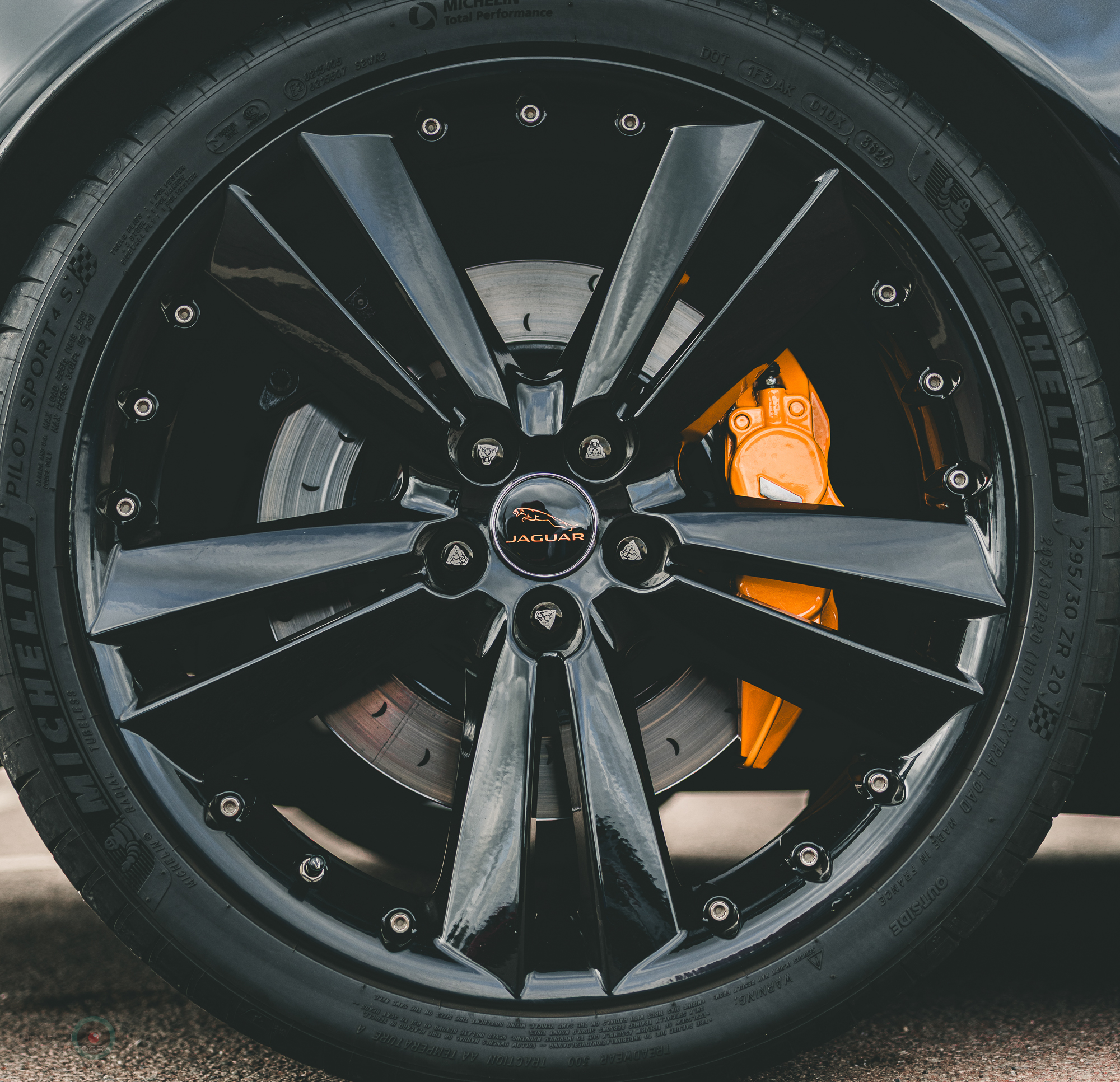
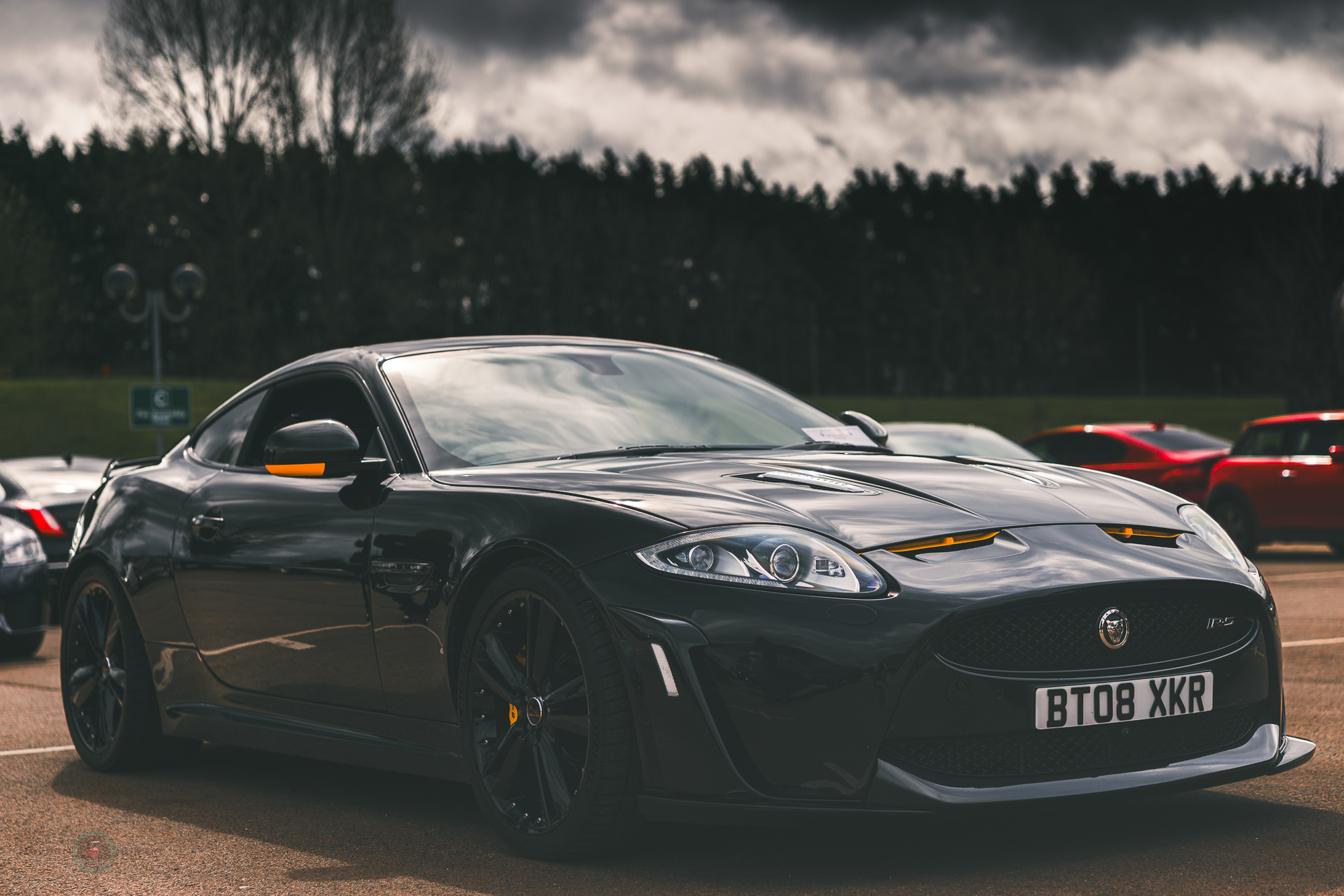
I had the pleasure of speaking with Brian Thomas, owner of a midnight black 2008 XKR. His car features a 4.2L supercharged V8 producing 560 BHP. He purchased it in 2011 and has since customised much of its front and underfloor systems. The interior is upholstered in premium Alcantara suede with S Sports seats and upgraded cabin features.
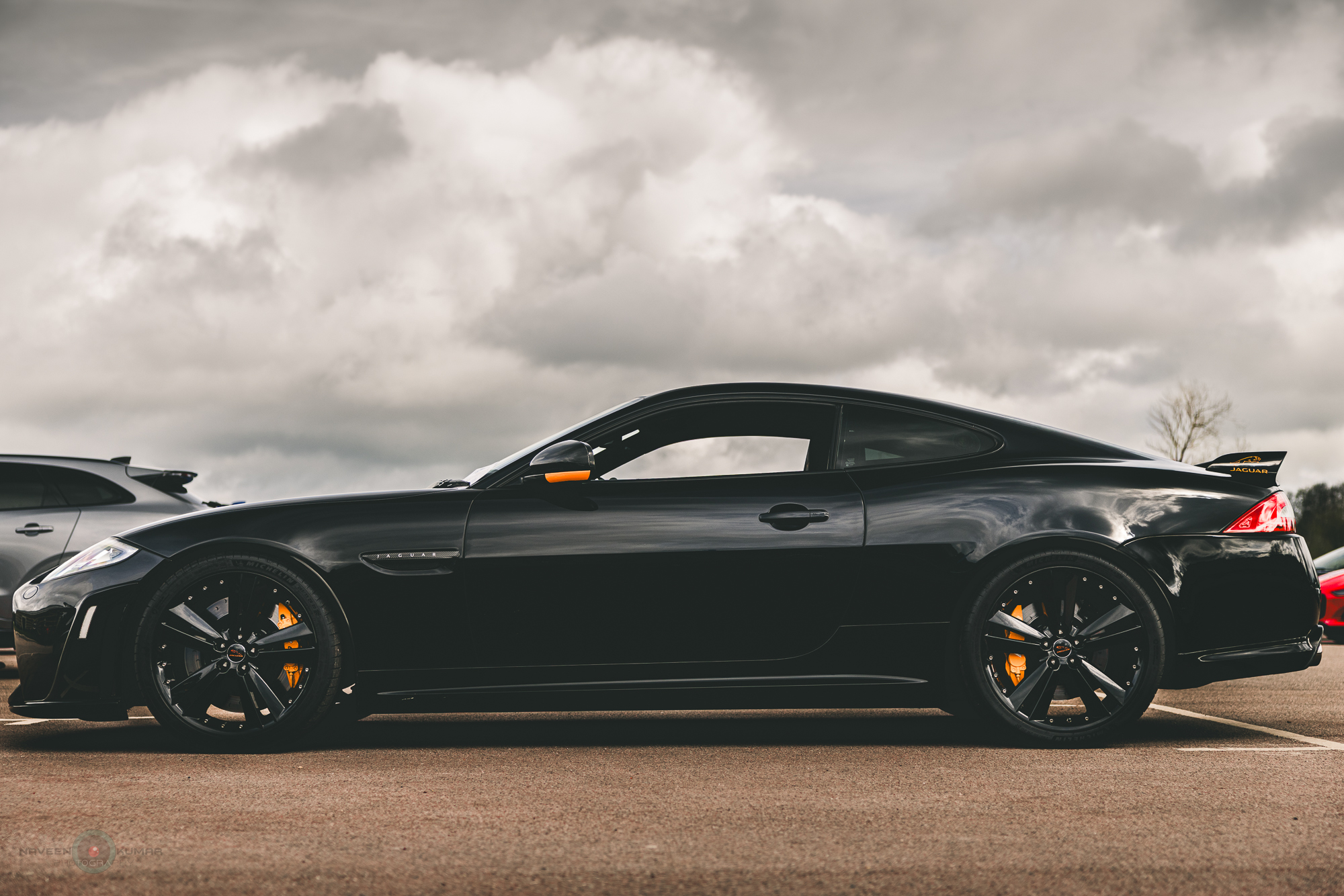
A striking detail was the Alcon braking system with vivid orange calipers, complemented by subtle orange accents across the bonnet and side panels. Adding to his devotion, Brian has tattooed “The Leaper” Jaguar emblem on his left forearm. Despite its power and uniqueness, he casually describes it as his daily driver. One that regularly stretches its legs on the M40, letting the V8 roar freely.
Jaguar Breakfast Club Icons That Stole the Show
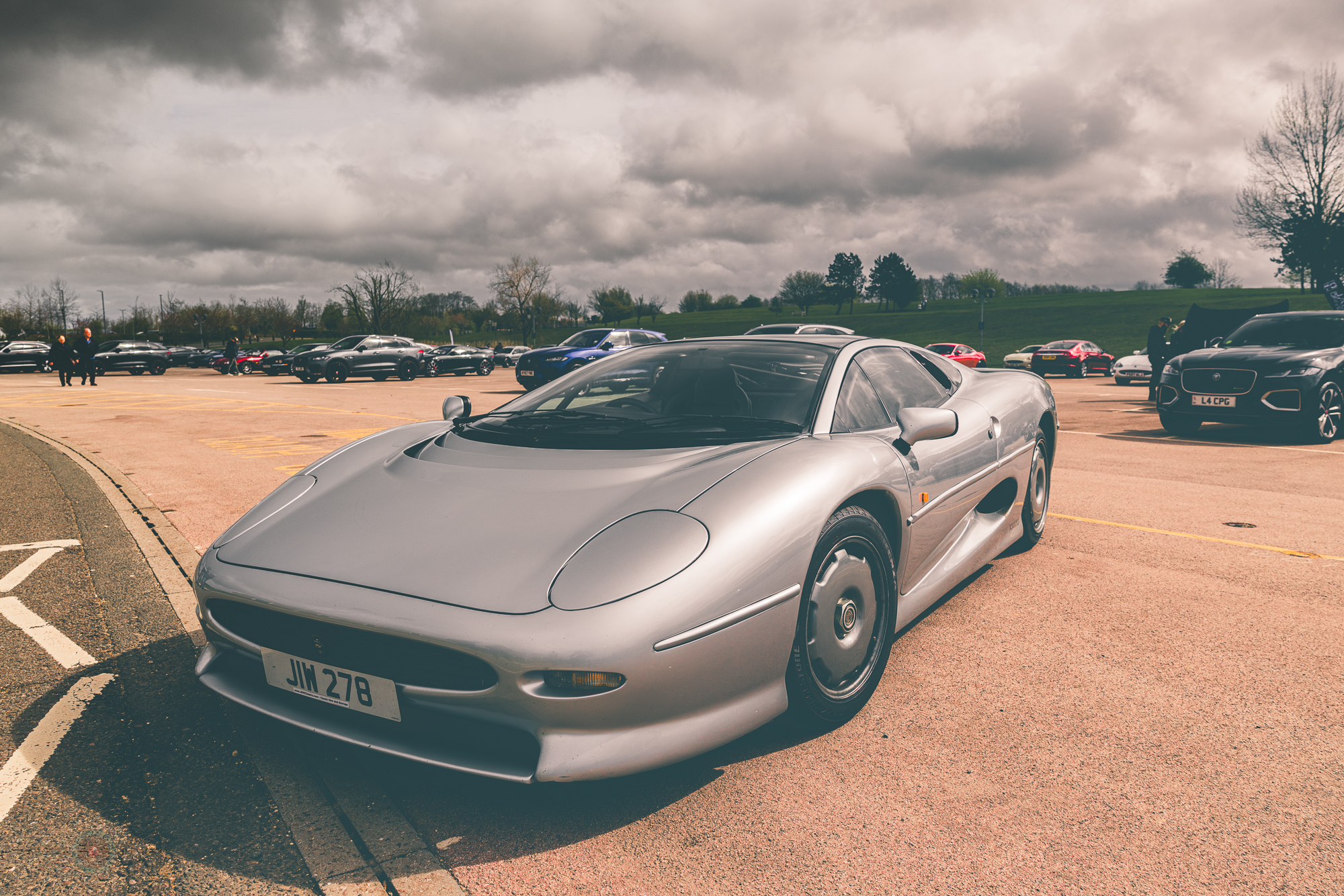
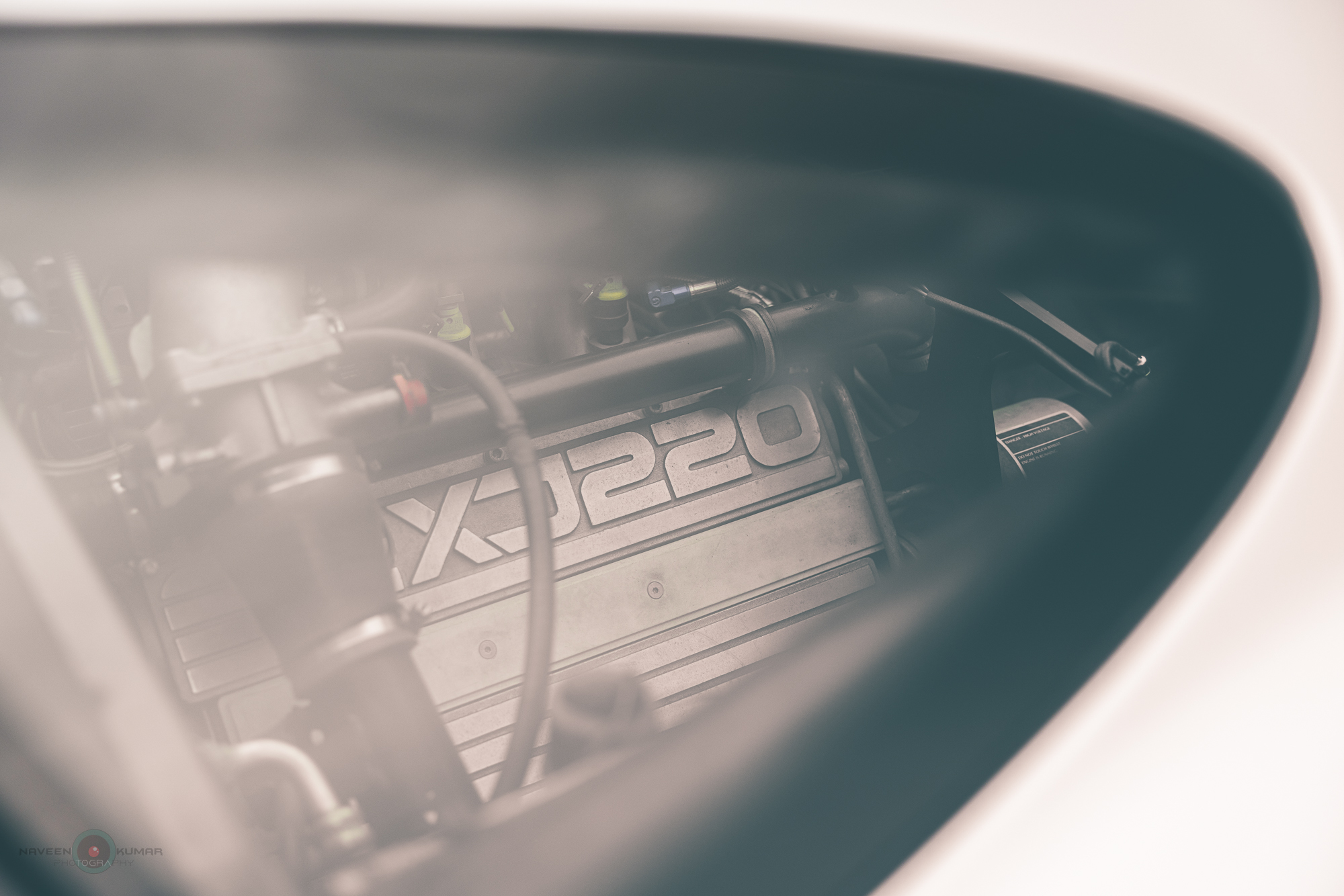
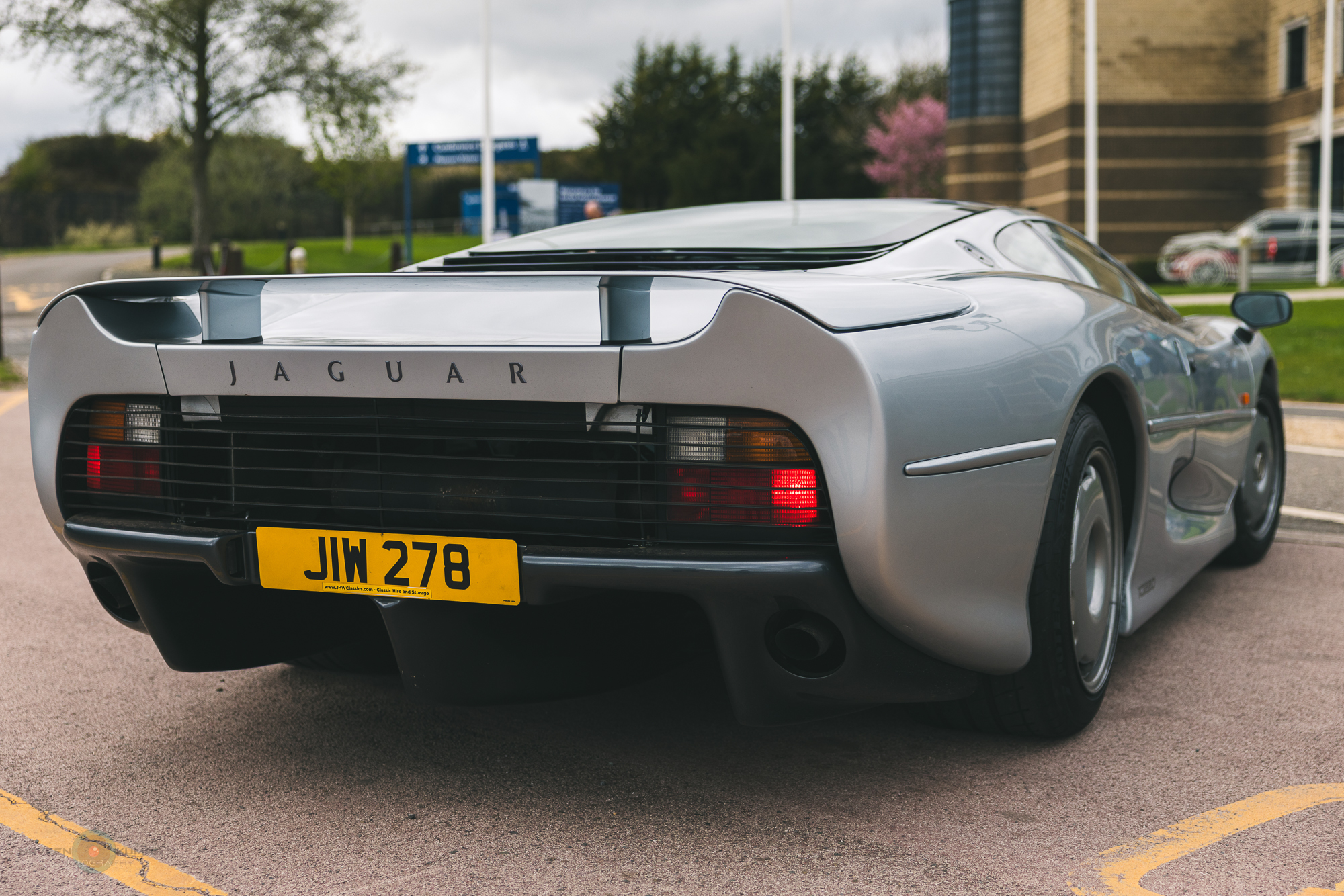
Later in the day, two Jaguar XJ220s made a dramatic entrance. Originally developed in the early 1990s, these machines were once the fastest production supercars in the world. Featuring a mid-mounted 3.5L twin-turbocharged V6 engine producing 542 BHP, they remain a testament to Jaguar’s ambition and engineering prowess.
Exploring these vehicles felt like stepping through history. From race-winning legends to modern performance icons, every car present contributed to Jaguar’s rich heritage.
Motorsport Heritage and Legacy
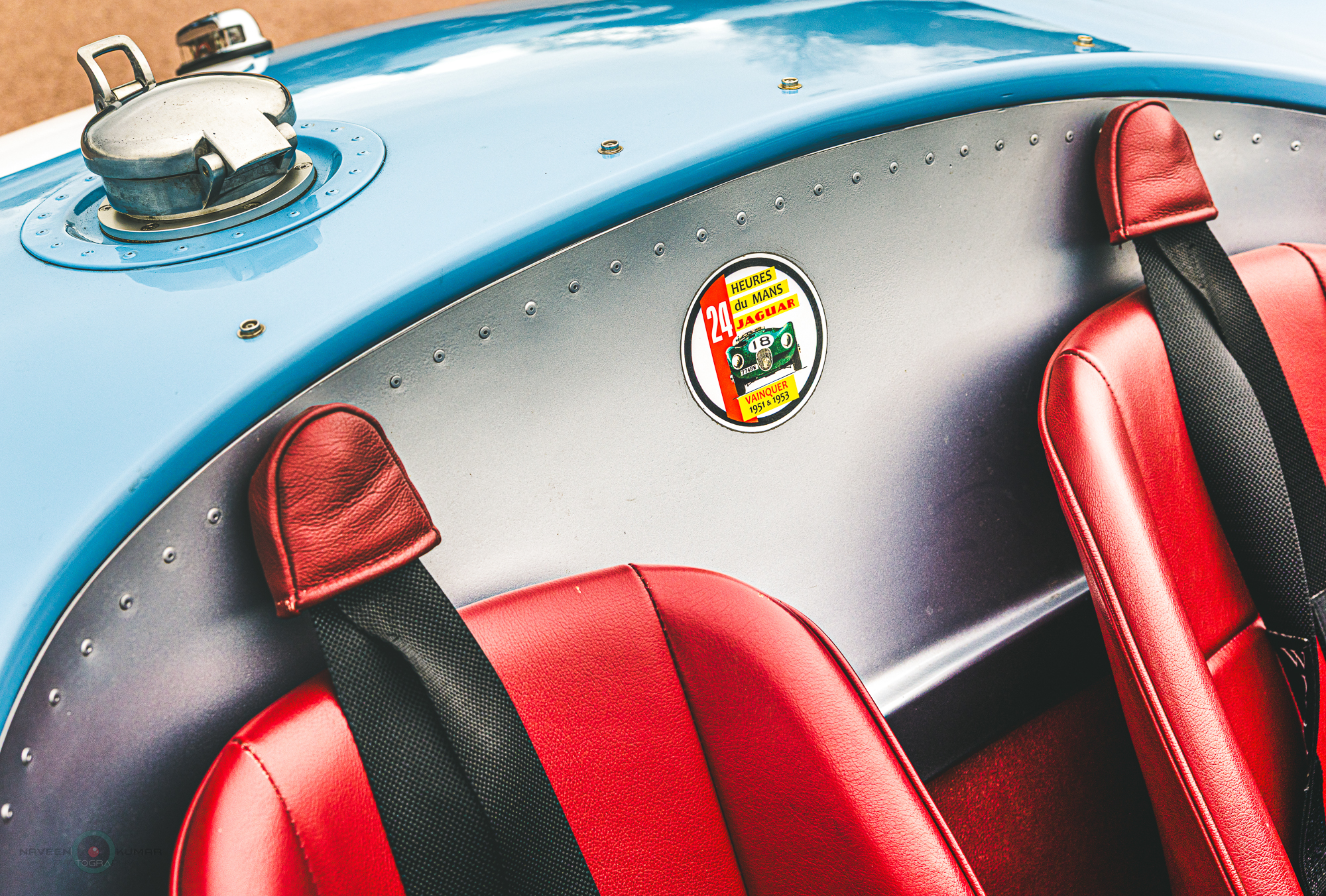
The event also paid homage to Jaguar’s motorsport achievements. Including their victories at the 24 Hours of Le Mans in 1951 and 1953 with the C-Type. These wins marked a defining chapter in Jaguar’s racing history.
One BRDC racer even drove his historic car all the way from Oxford to the event, sharing firsthand stories of its racing legacy and significance. Moments like these bridged the gap between past and present, bringing history vividly to life.
Capturing the Emotion Through the Lens
for this event I was armed with my R5 MKII paired with a 24–70mm f/2.8 lens. I focused on capturing not just the cars, but the emotions they evoke. Instead of conventional, perfectly exposed images, I leaned into a more expressive style.Colour grading in Lightroom Classic to enhance mood and nostalgia.
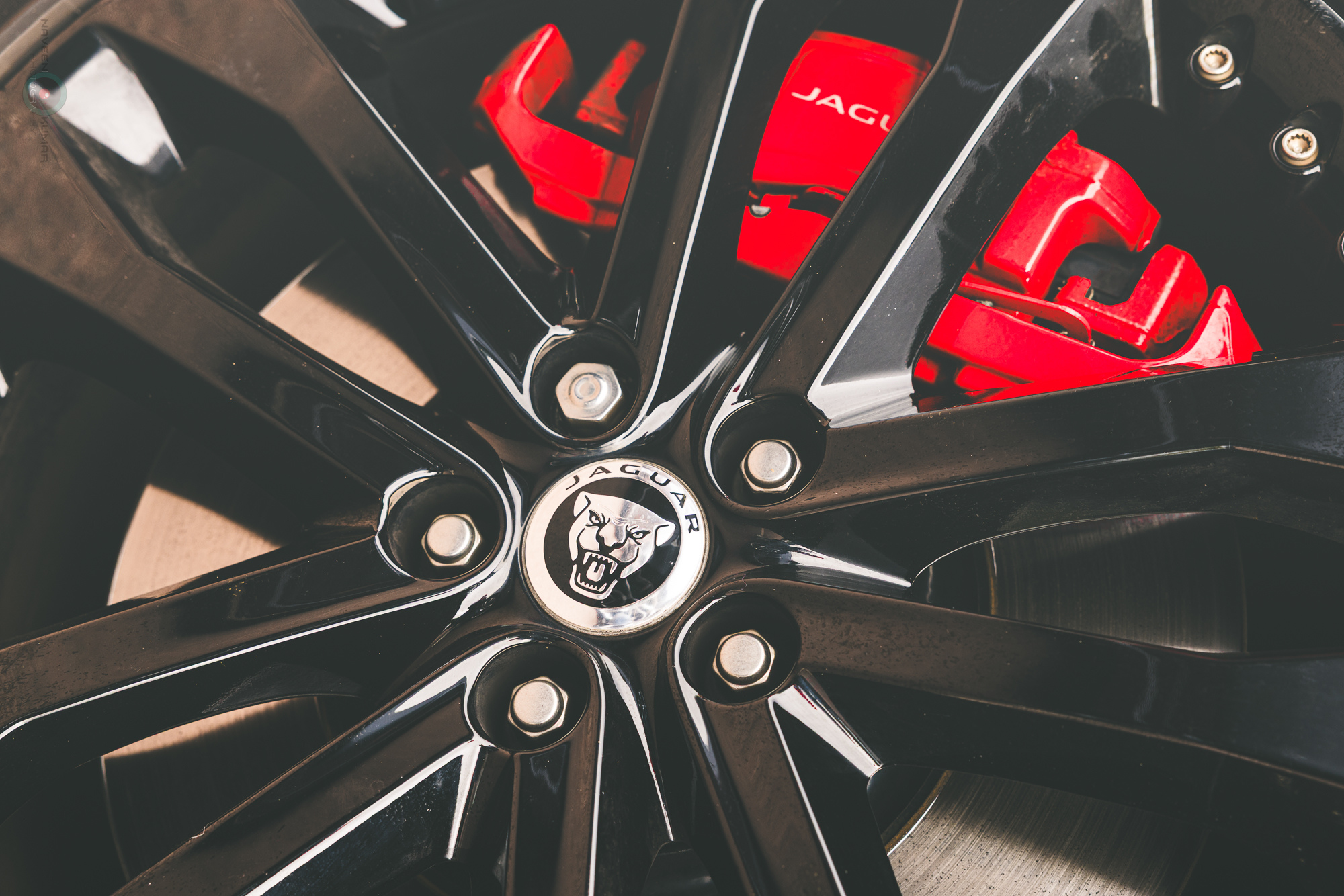
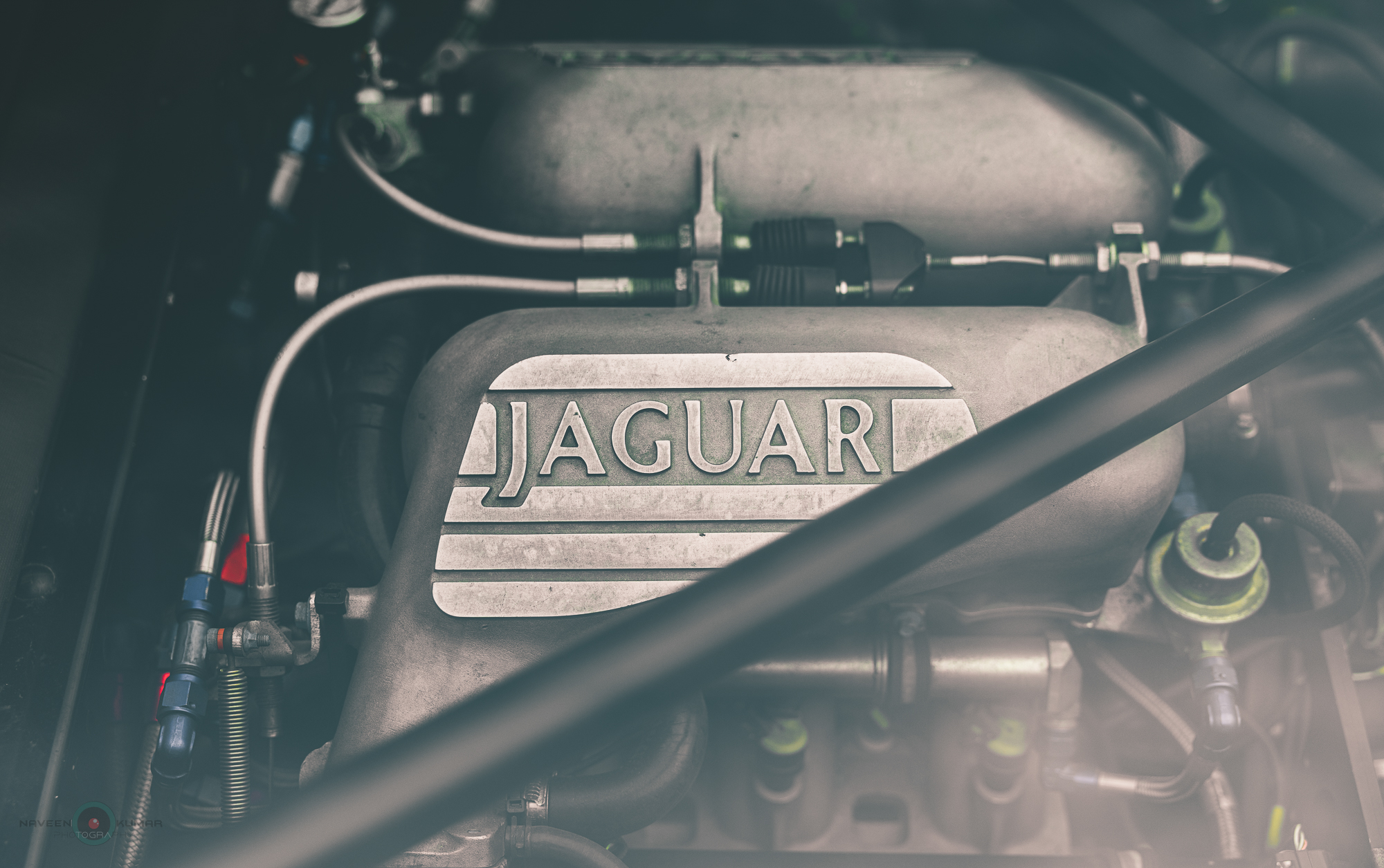
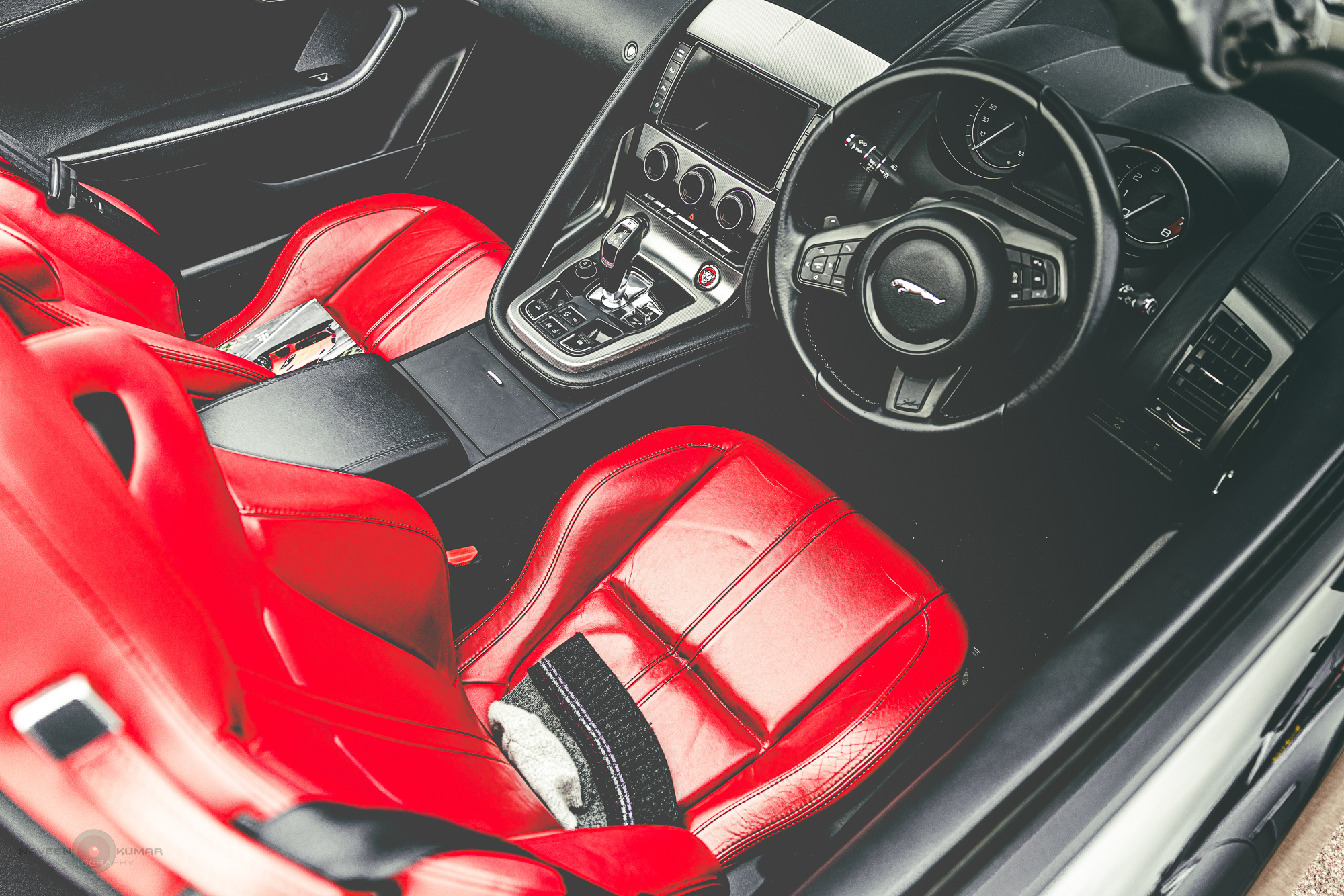
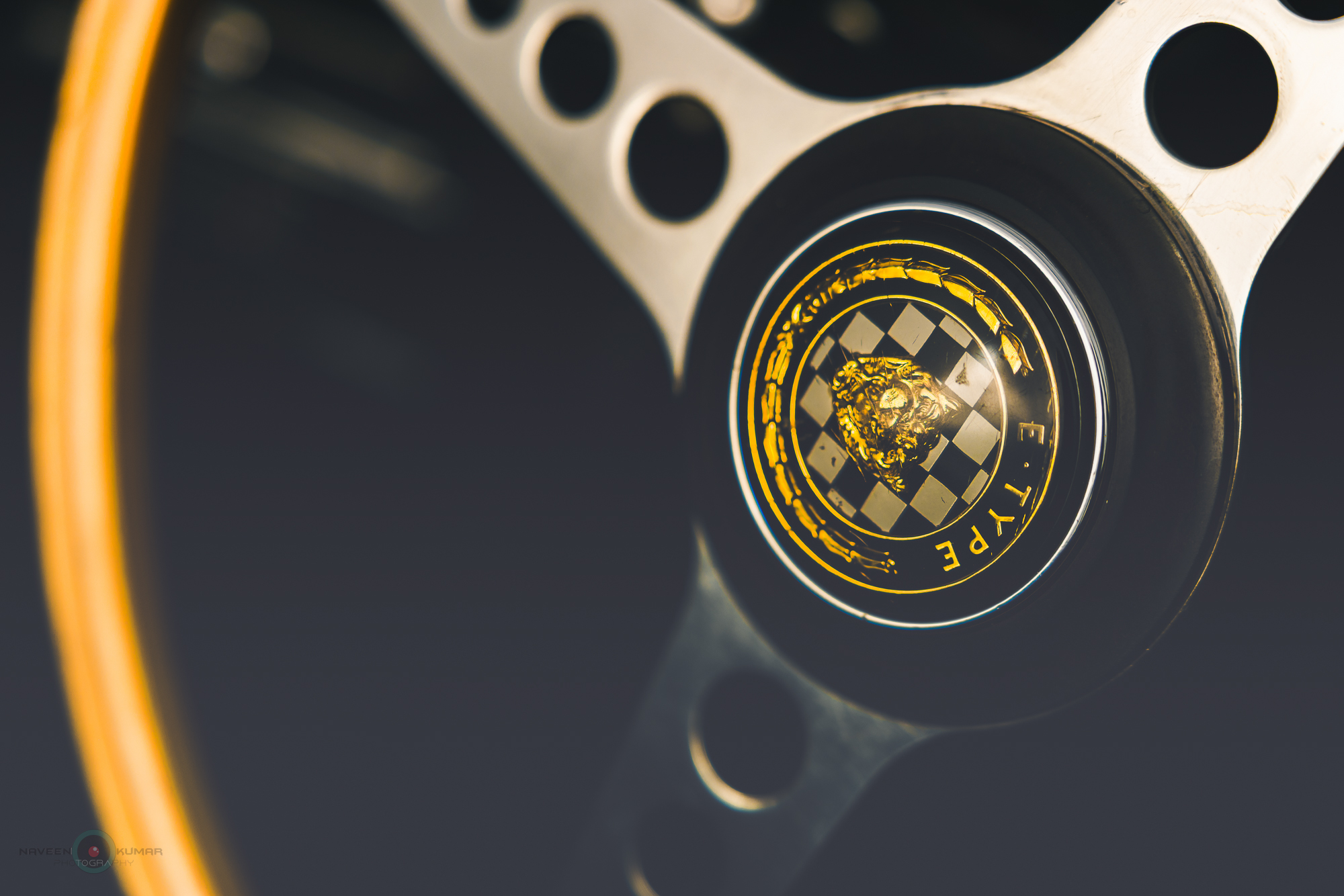
Some standout shots included the golden-accented steering wheel of an E-Type, complete with its iconic Jaguar emblem, as well as the bold red leather interiors of a black F-Type. These details told stories just as powerful as the cars themselves.
Conversations and Community
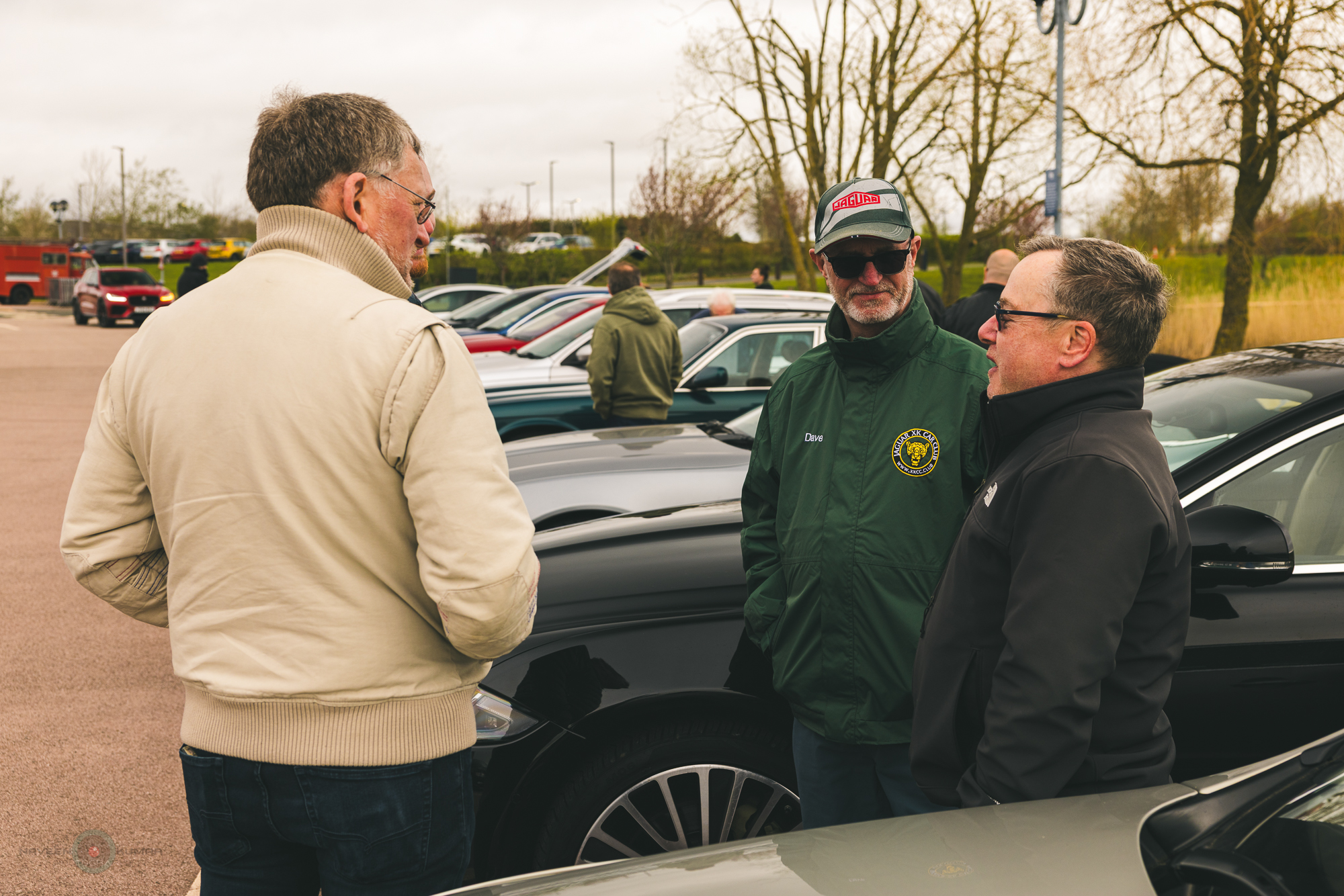
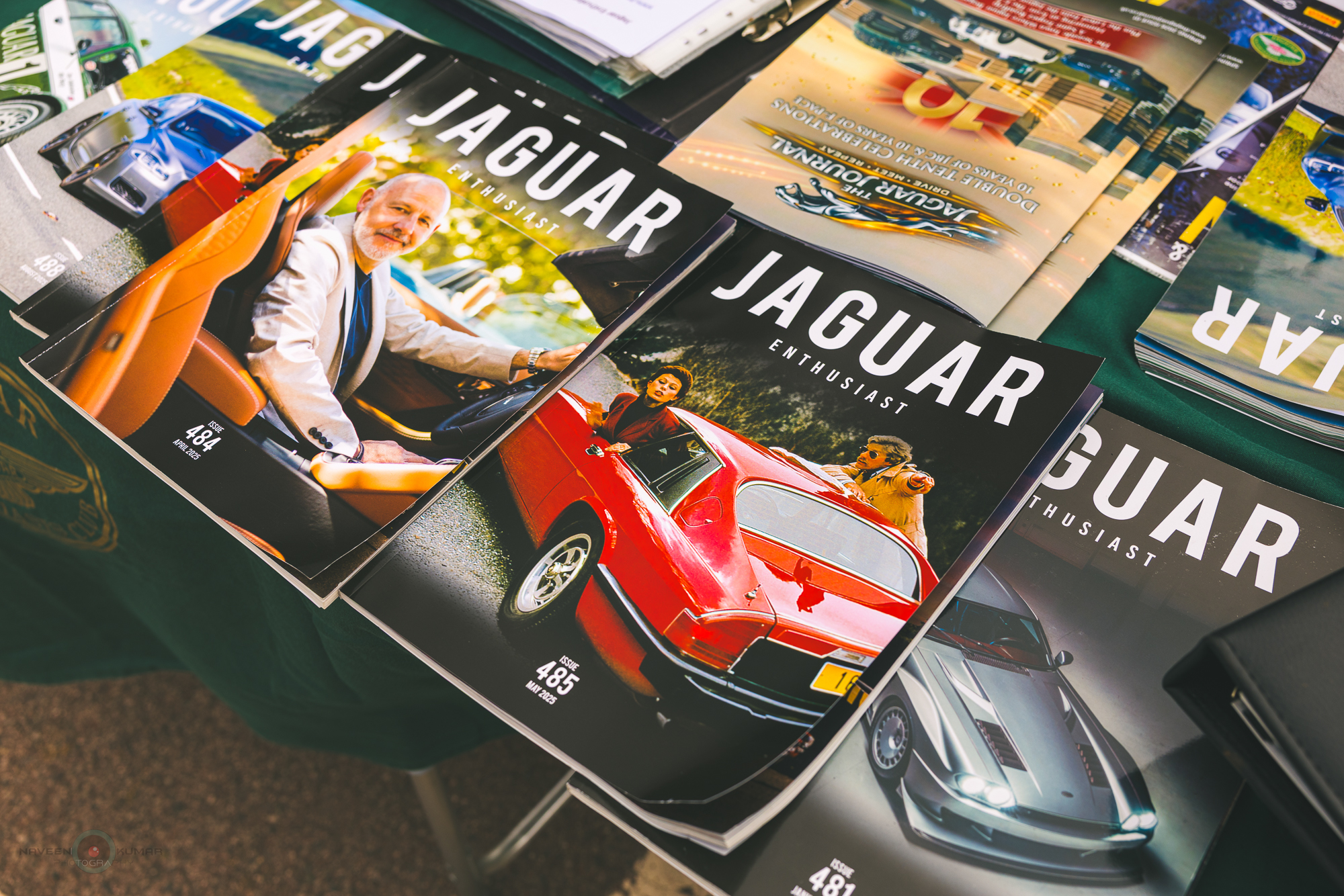
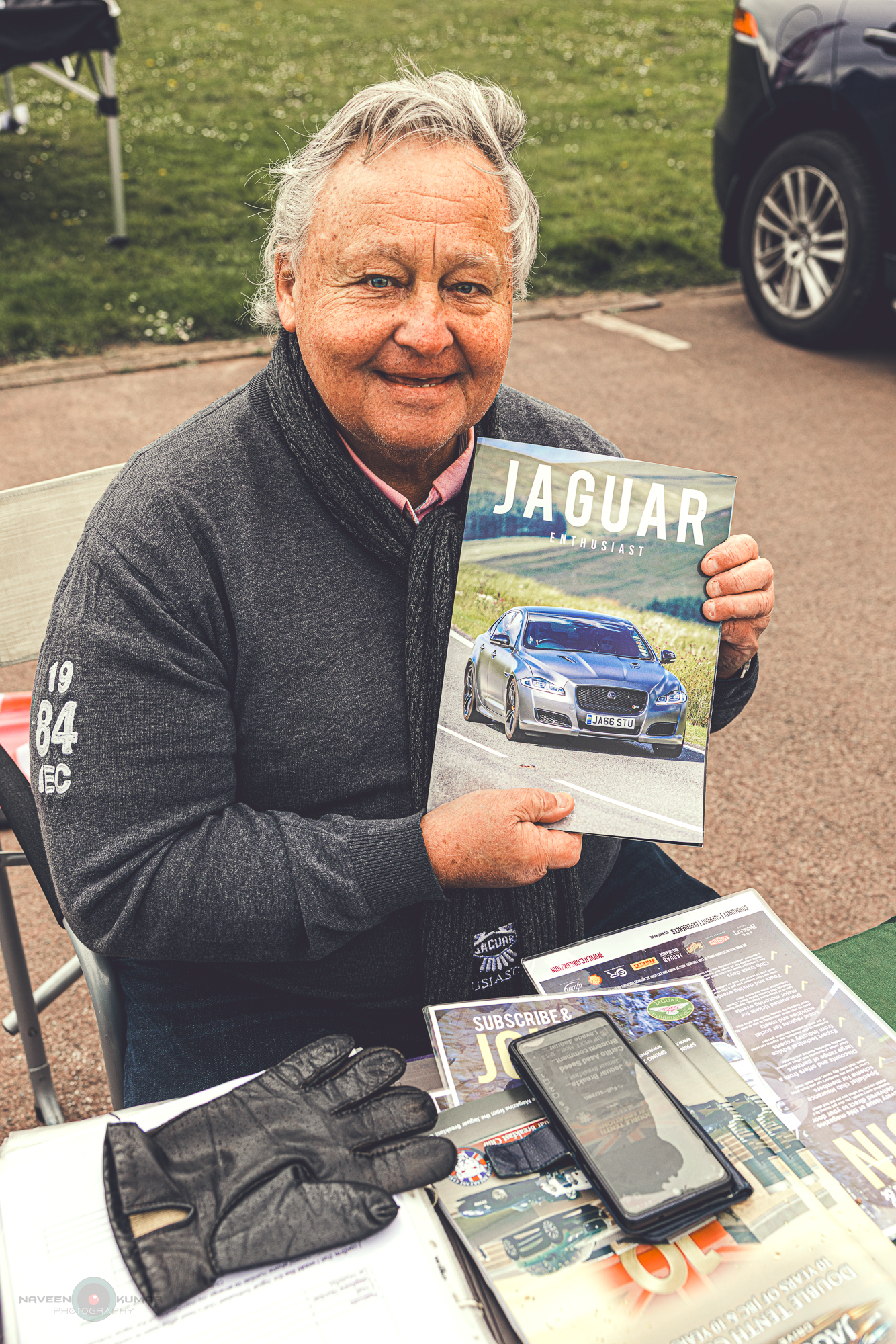
Beyond the cars, the people made the experience unforgettable. I met several members of the Jaguar Drivers Club and had meaningful conversations about their journeys, aspirations, and the emotional connections they share with their vehicles.
It became clear that this community is not just about ownership—it’s about preserving stories, passion, and heritage.
A Fitting Tribute
I’d like to close with a powerful quote from Jaguar’s legendary test driver, Norman Dewis, whose contributions helped secure victories with the C- and D-Types at Le Mans:
“At Le Mans, you didn’t just drive a Jaguar — you trusted it with your life.”
That sentiment perfectly captures the essence of what I witnessed. Jaguars legacy is built not just on engineering excellence, but on trust, passion, and timeless emotion.