



Automotive Artisans R33: Recreating an Alfa Romeo Legend
Report by Graham Atkinson
24 October 2026

I first came across the Automotive Artisans R33 in August 2026, during an RMA track day at Donington Park. The car had attracted a crowd in the paddock, and I joined them out of curiosity. I had no idea what I was looking at, but one thing was immediately obvious: this was something special.
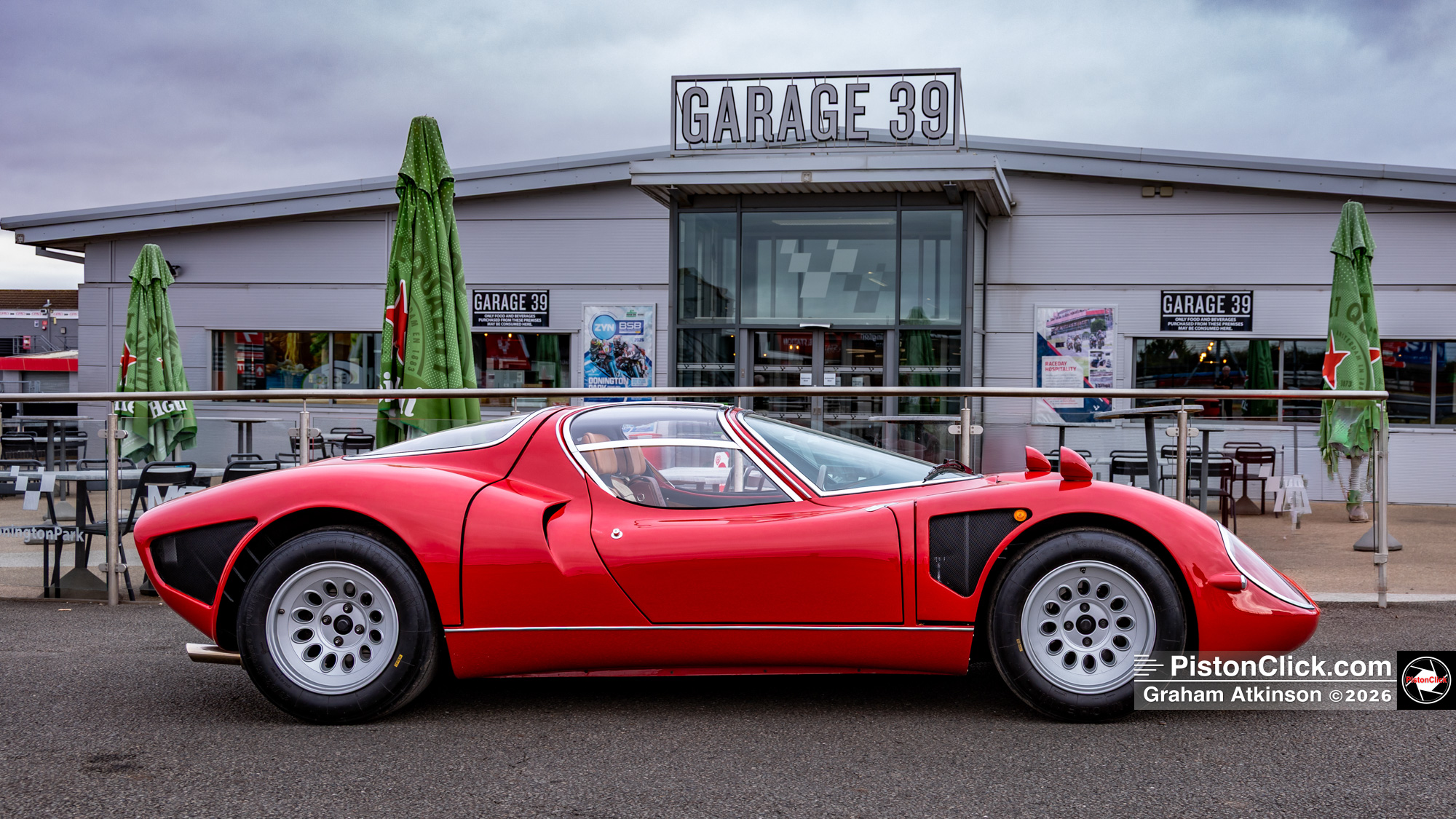
The car was about to head out onto the circuit, so I arranged to return during the lunch break to take some photographs and interview the owner. Unfortunately, my timing was out again. The team was preparing to leave because the car had a media shoot with Jodie Kidd the following day.
Fortunately, Lee Irish, co-founder and owner of Automotive Artisans, spotted me and kindly stopped for a quick interview. As he walked away, he turned back, handed me his business card and invited me to visit the company’s headquarters for a proper look around.
After a few emails, we finally arranged a date. Today was the day. I headed into the Worcestershire countryside, hoping for an unforgettable experience with a truly beautiful car. What I discovered was much more than a remarkable Alfa Romeo recreation. It was a story about craftsmanship, determination and a team of people working together to bring an ambitious vision to life.
The Alfa Romeo 33 Stradale: A Brief History
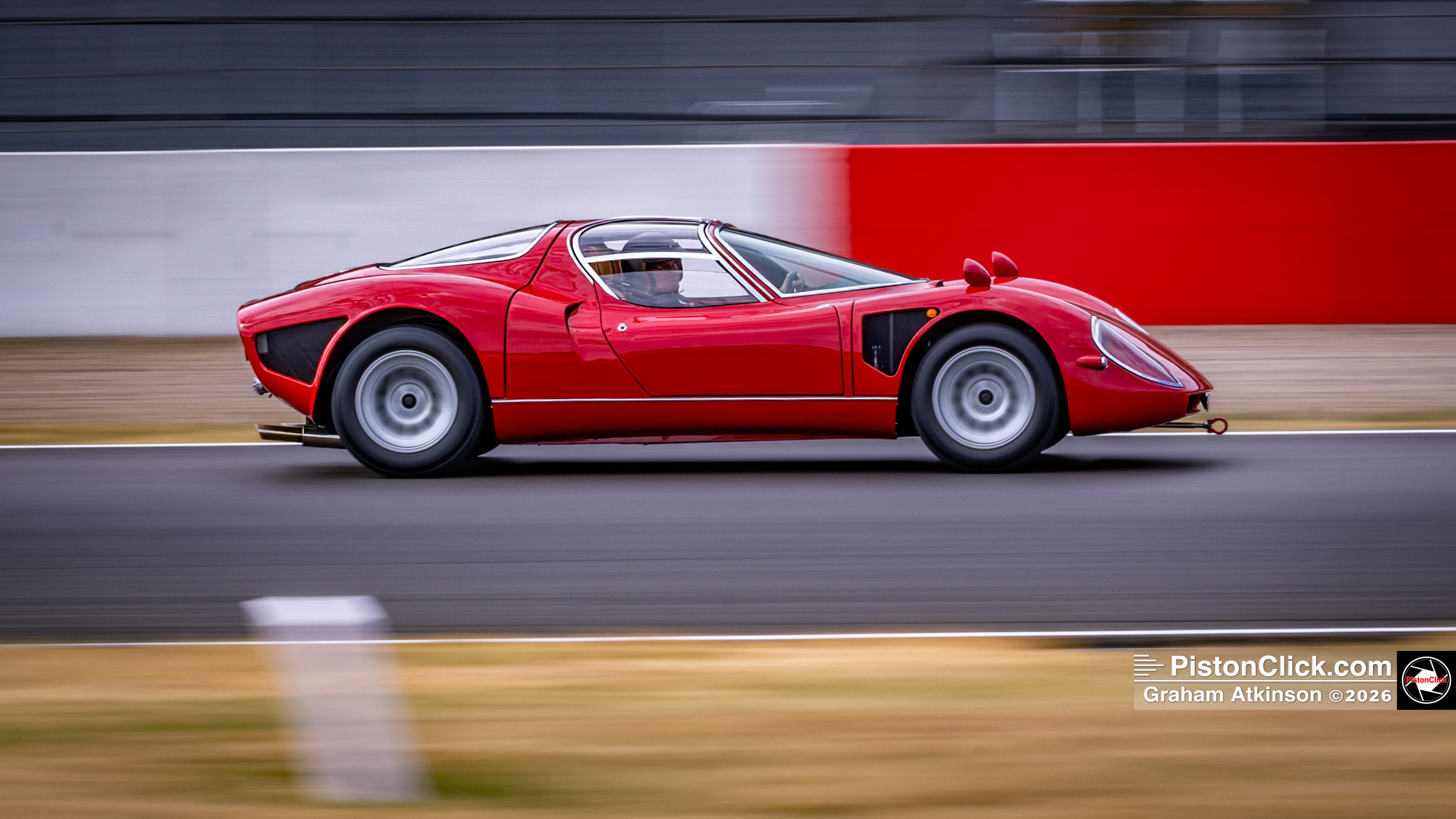
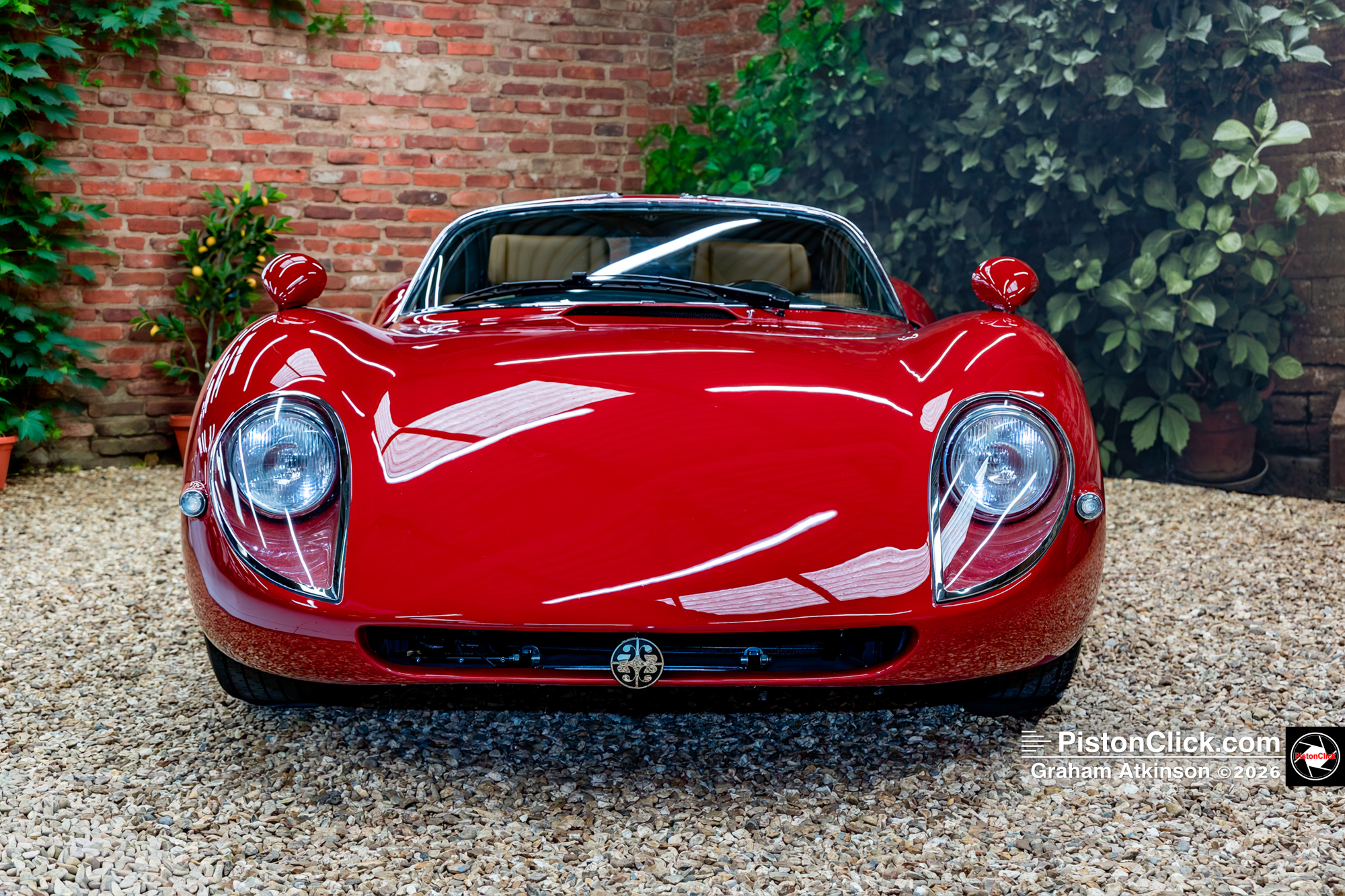
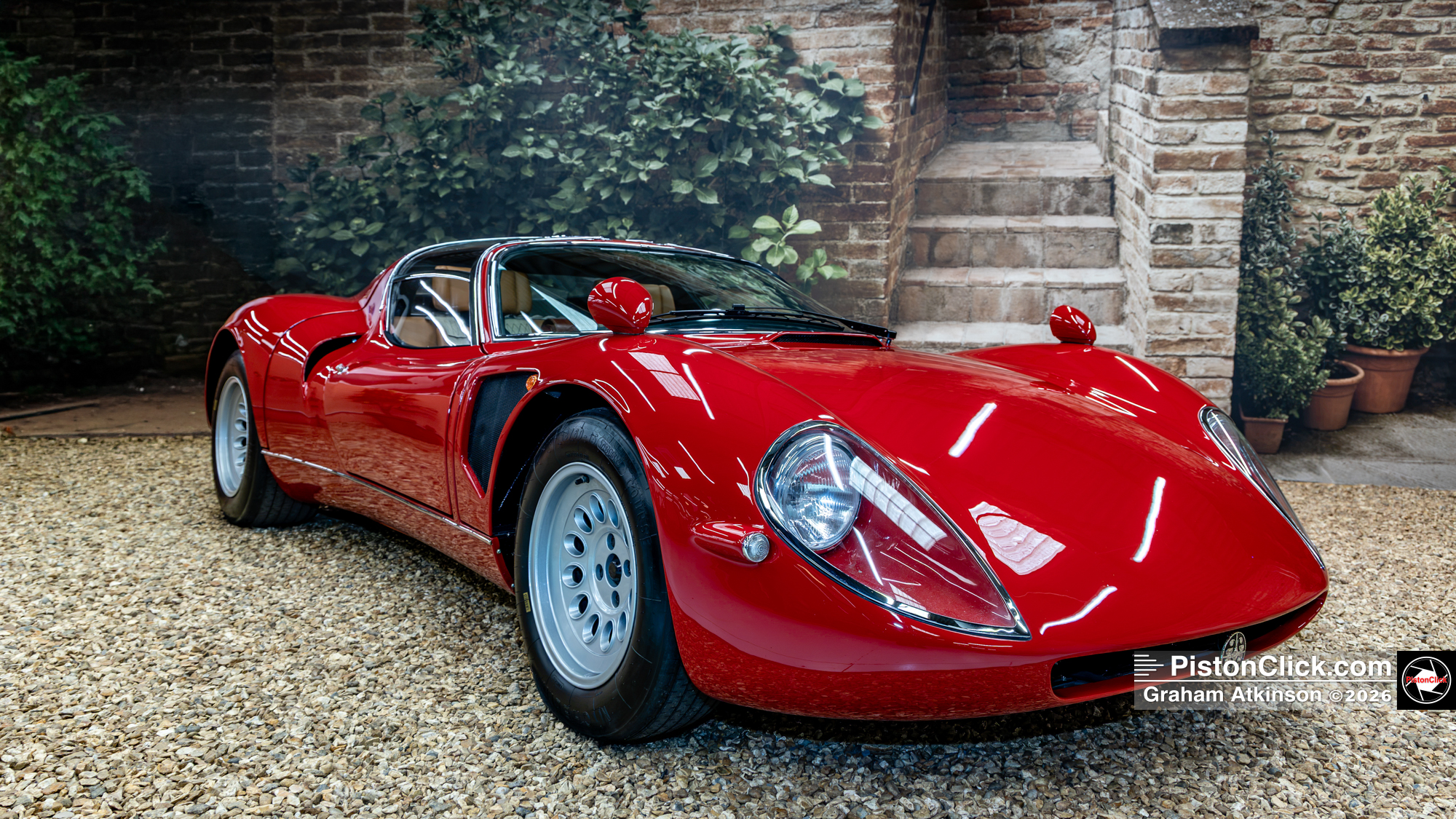
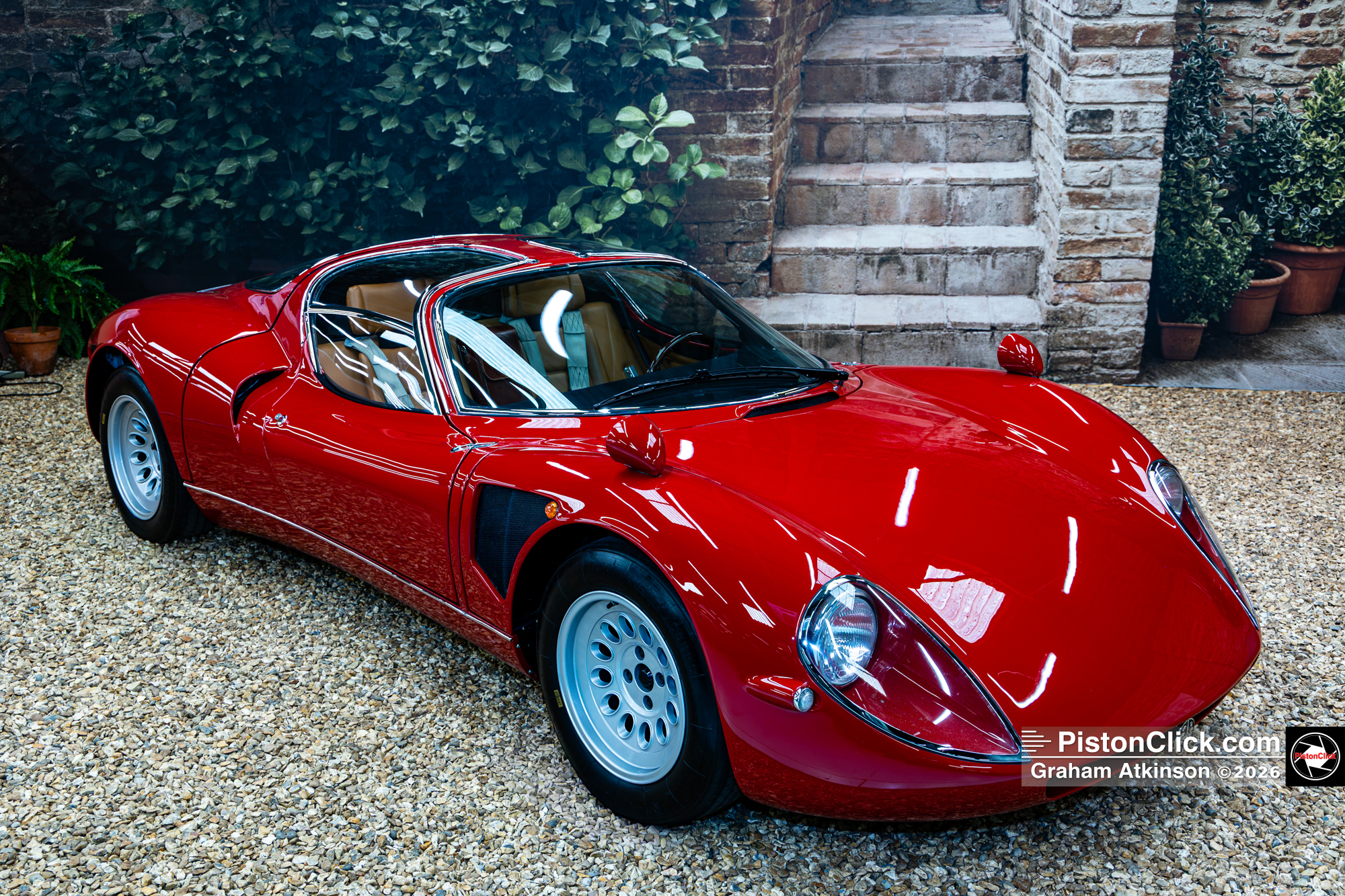
Before exploring the R33 project, it is worth revisiting the history of the car that inspired it: the Alfa Romeo 33 Stradale. Between November 1967 and March 1969, 18 chassis were built by coach-builder Carrozzeria Marazzi, based on the Autodelta Tipo 33 racing car. Franco Scaglione designed the striking bodywork, and Alfa Romeo initially intended the car to compete in Group 4 racing alongside machines such as the Ford GT40.
However, homologation required Alfa Romeo to build 50 road-going examples within 12 months. Producing that many cars proved impossible, as each one required extensive hand craftsmanship. By 1968, only two prototypes had been completed. These featured quadruple headlights, but their low positioning prevented them from being road legal. Instead, Alfa Romeo used them as demonstration and show cars to introduce the design to the public.
The company also sent five chassis to leading Italian design houses, including Pininfarina, Bertone, Giugiaro, and Italdesign. The resulting designs produced six cars because one chassis was used twice. Today, these creations and the second prototype are housed in the Alfa Romeo Museum.
Carrozzeria Marazzi subsequently built the remaining cars to Scaglione’s original design, incorporating two headlights and other changes to make them suitable for road use. The result became known as the Alfa Romeo 33 Stradale. In Italian, stradale means road-going.
A Handmade Italian Icon
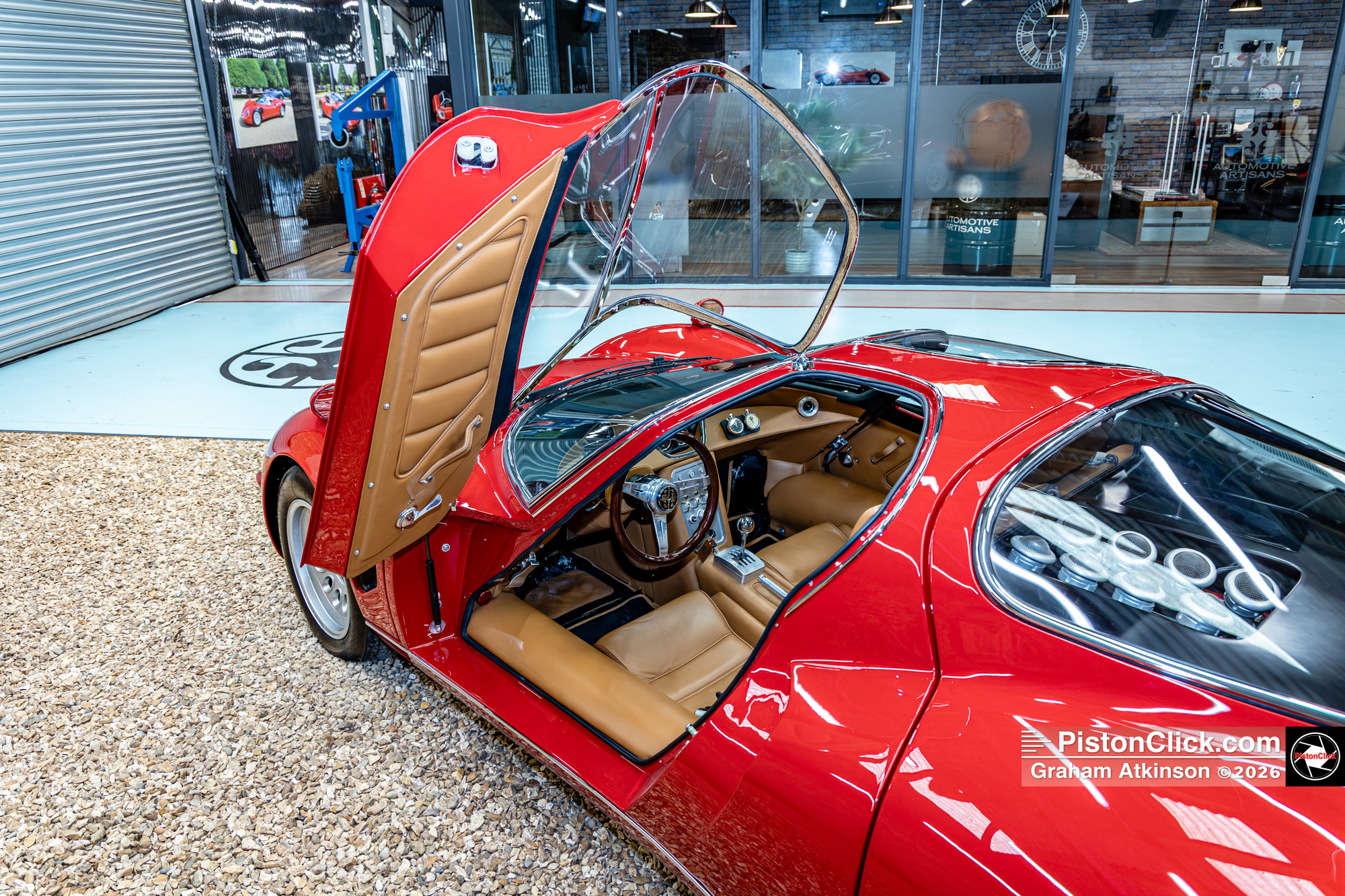
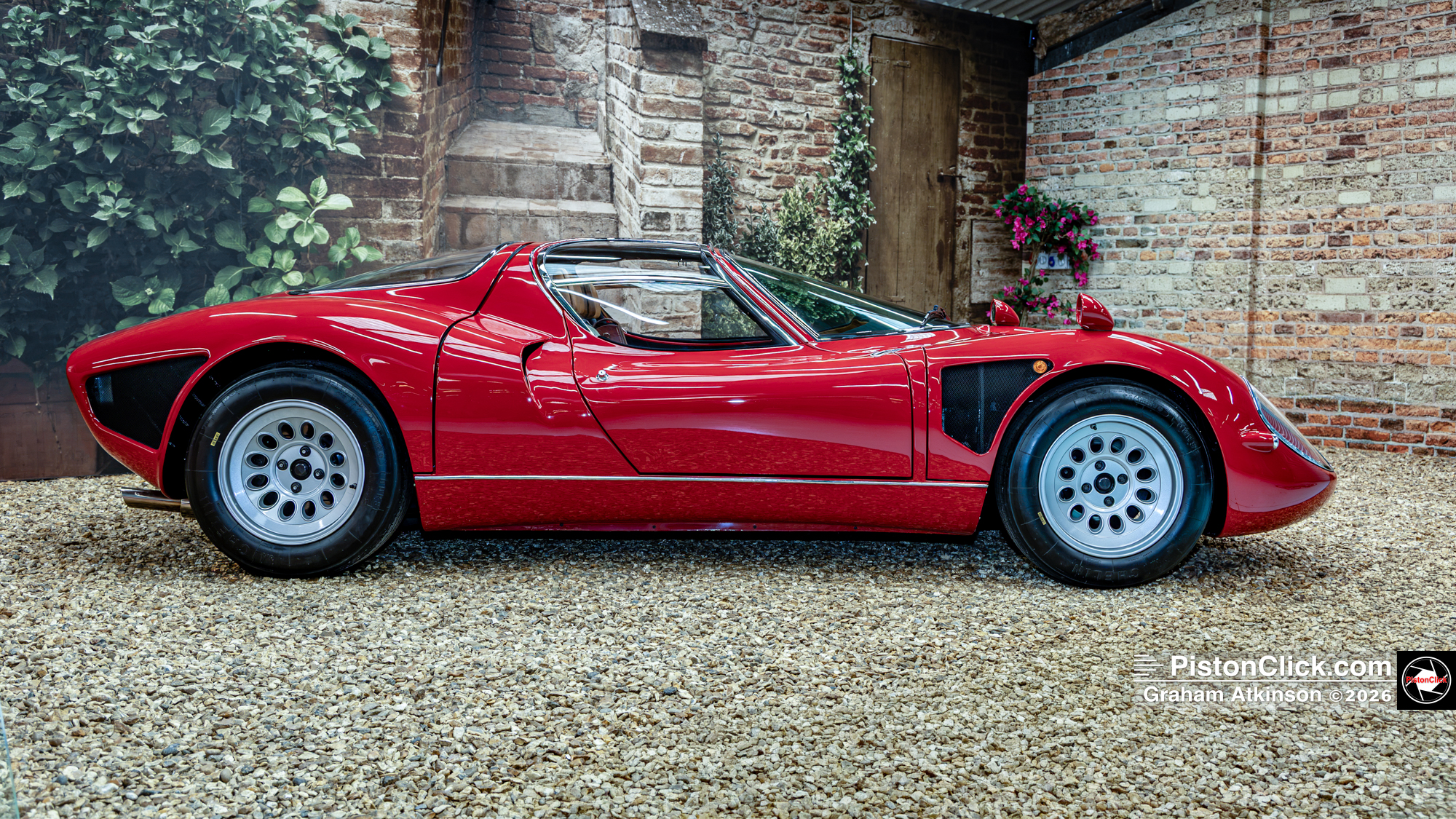
Without modern hydraulic body presses, the original aluminium bodies had to be shaped entirely by hand. This meant that no two cars were quite identical. Small differences appeared as the design evolved. Brake vents behind the wheels varied, some cars featured chrome trim while others did not, and numerous other details distinguished individual examples. Almost all the cars were painted Alfa Romeo red. One notable exception was built for Count Giovanni Agusta in royal blue and fitted with two helicopter seats from his own company.
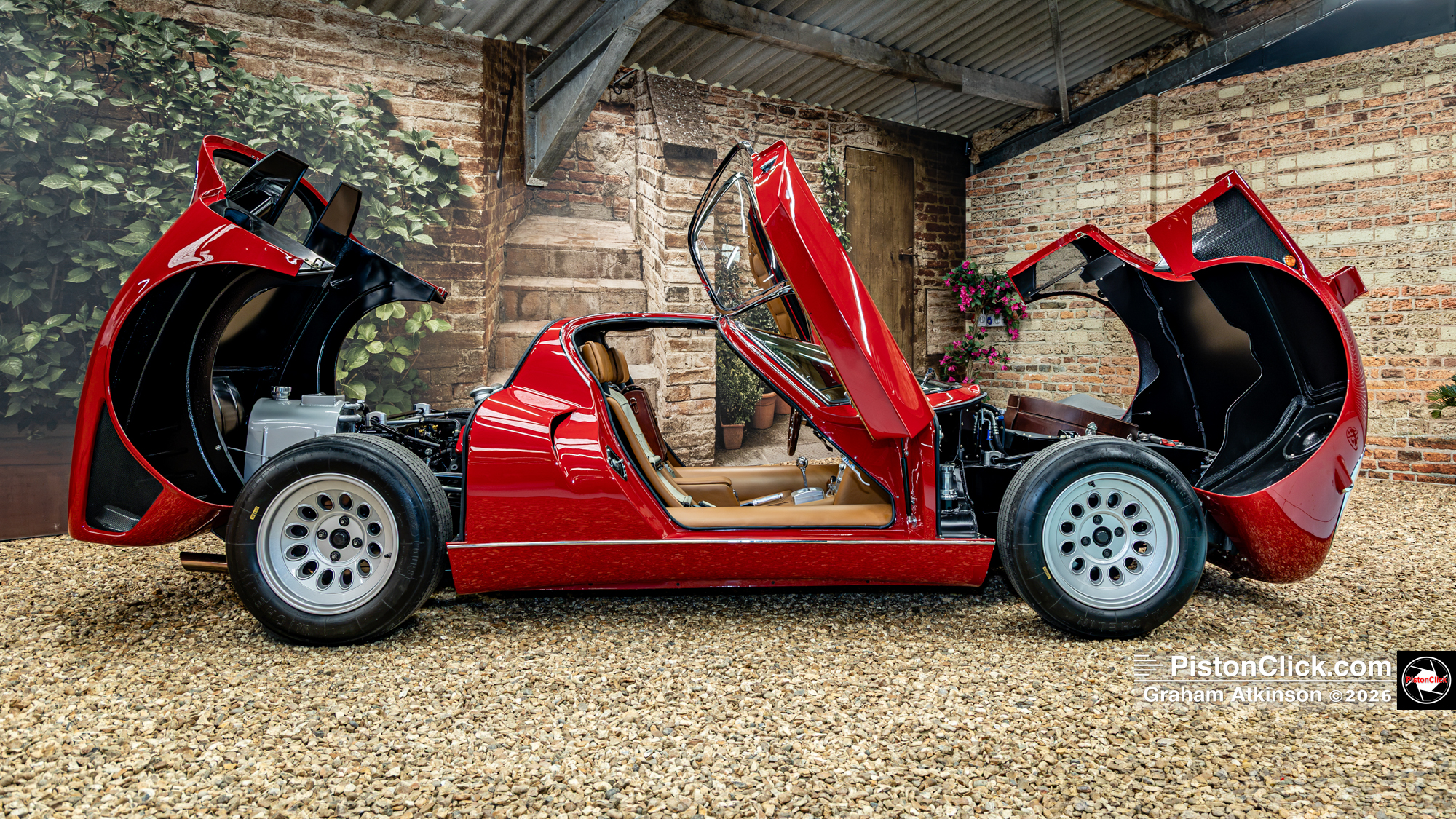
Under the bodywork sat a 1,995cc V8 engine, paired with a six-speed gearbox. The car also featured distinctive butterfly-opening doors, adding to its extraordinary appearance. The original 33 Stradale remains one of those designs that stops people in their tracks. It is easy to understand why someone would want to recreate it, but reproducing its proportions and intricate details to an exceptionally high standard is another matter entirely. That challenge would eventually lead to the creation of Automotive Artisans and its R33 project.
Meeting the People Behind Automotive Artisans
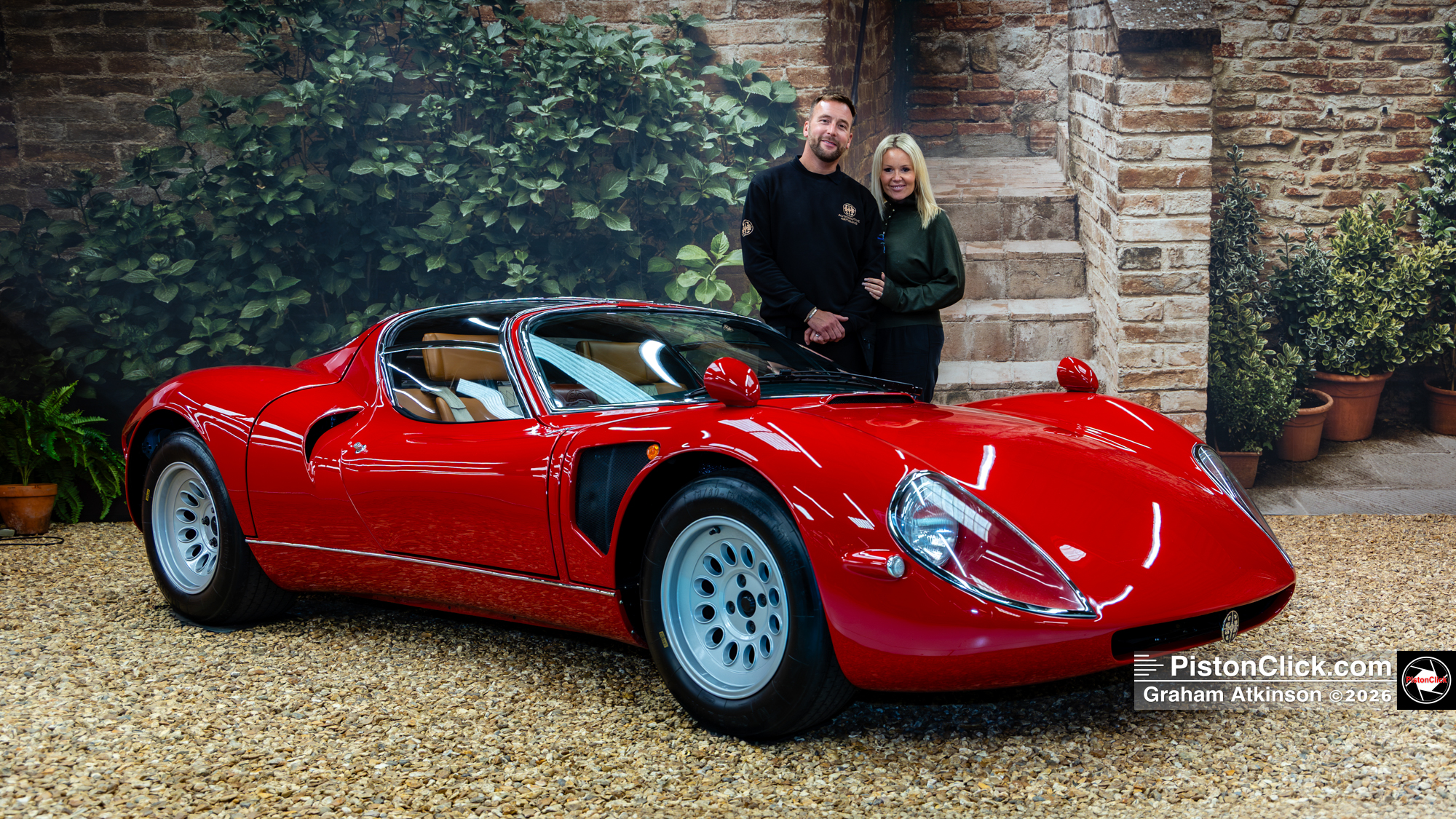
I arrived at the company’s headquarters and workshop to meet Lee Irish and his wife, Jayne, who co-founded the business with him. We sat down in their splendid reception room and began talking about how it had all started. You often hear stories about people following their fathers into the motor trade, but neither Lee nor Jayne had any family connections to the industry.
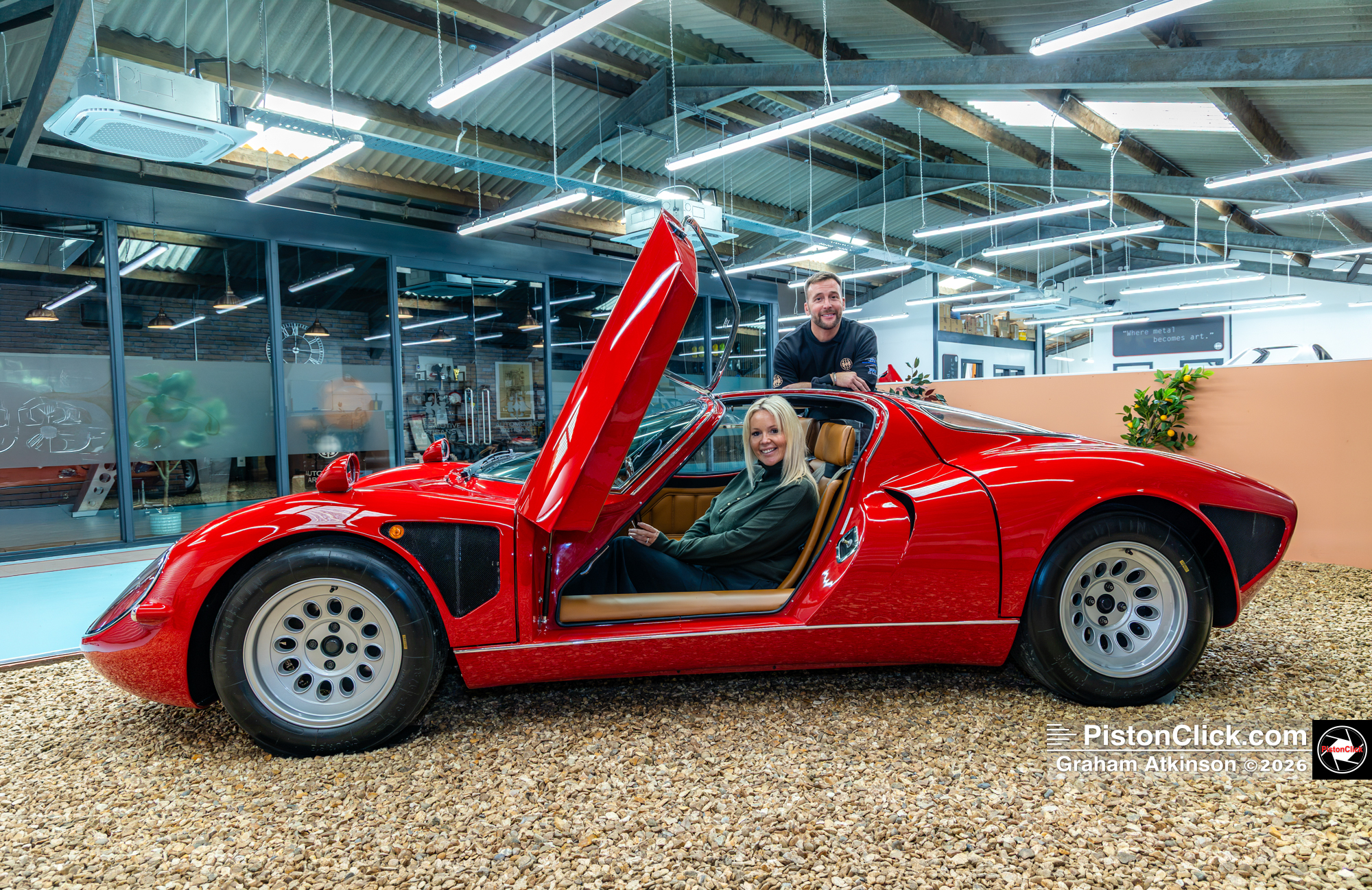
Lee, meanwhile, knew he wanted to work in bodywork and panel beating. He began learning his craft at Morgan Motor Company before moving to Superform Aluminium and later CMC (Classic Motor Cars Limited), where he worked with Peter Newmark.
Superform subsequently approached him to return and work on prototypes for Ferrari’s Portofino. While that was happening, another opportunity came along. Lee was approached about building the new Morris JE, an electric van that needed to progress from an initial design into a finished vehicle.
The person commissioning the work told him,
“I reckon you can, I’ve heard you’re the man for the job that can bring it from an image to reality.”
Lee accepted the challenge, and the project became another important step towards establishing his own business.
From a Small Shed to a Specialist Workshop
During the Morris JE project, Lee met Troy, who was working in IT and computer-related roles for the same client. They hit it off, and Lee decided the time had come to establish his own business. He employed Troy, who had no previous motor trade experience. Over the following nine years, Lee taught him the skills he needed, and Troy gradually became an important member of the team.
The business began in a small shed, but demand soon outgrew the available space. Much of the work involved pre-war cars, and the growing workload called for additional staff. Melv joined Lee to help with the mechanical side of restorations. The company became known as Pristine Panel Work (PPW). As the business continued to expand, Lee moved into larger premises in Worcester, situated on a farm with several industrial units.
The setting was unusual, but the additional space allowed the company to grow. Lee began receiving requests to store and look after private car collections, so he took over another unit specifically for vehicle storage. Lee is a perfectionist, and he readily admits that he likes to maintain control over the work.
As the company’s reputation grew, so did its workload and staffing requirements. One recurring frustration was having to outsource paintwork. Lee could not always control the quality or turnaround times, so he decided to establish an in-house paint shop and recruit a team to run it.
Jayne had by then left her career in education to manage the administration side of the business, while Lee remained heavily involved in the workshop. Together, they had built a successful specialist operation without following a conventional route into the motor industry.
How the R33 Project Began
The turning point came through work Lee had previously undertaken for David Hutchinson who had acquired a fibreglass prototype of an Alfa Romeo 33 Stradale, originally designed by Richard Norris of Classic Alpha. He also possessed drawings and diagrams of the original car and chassis.
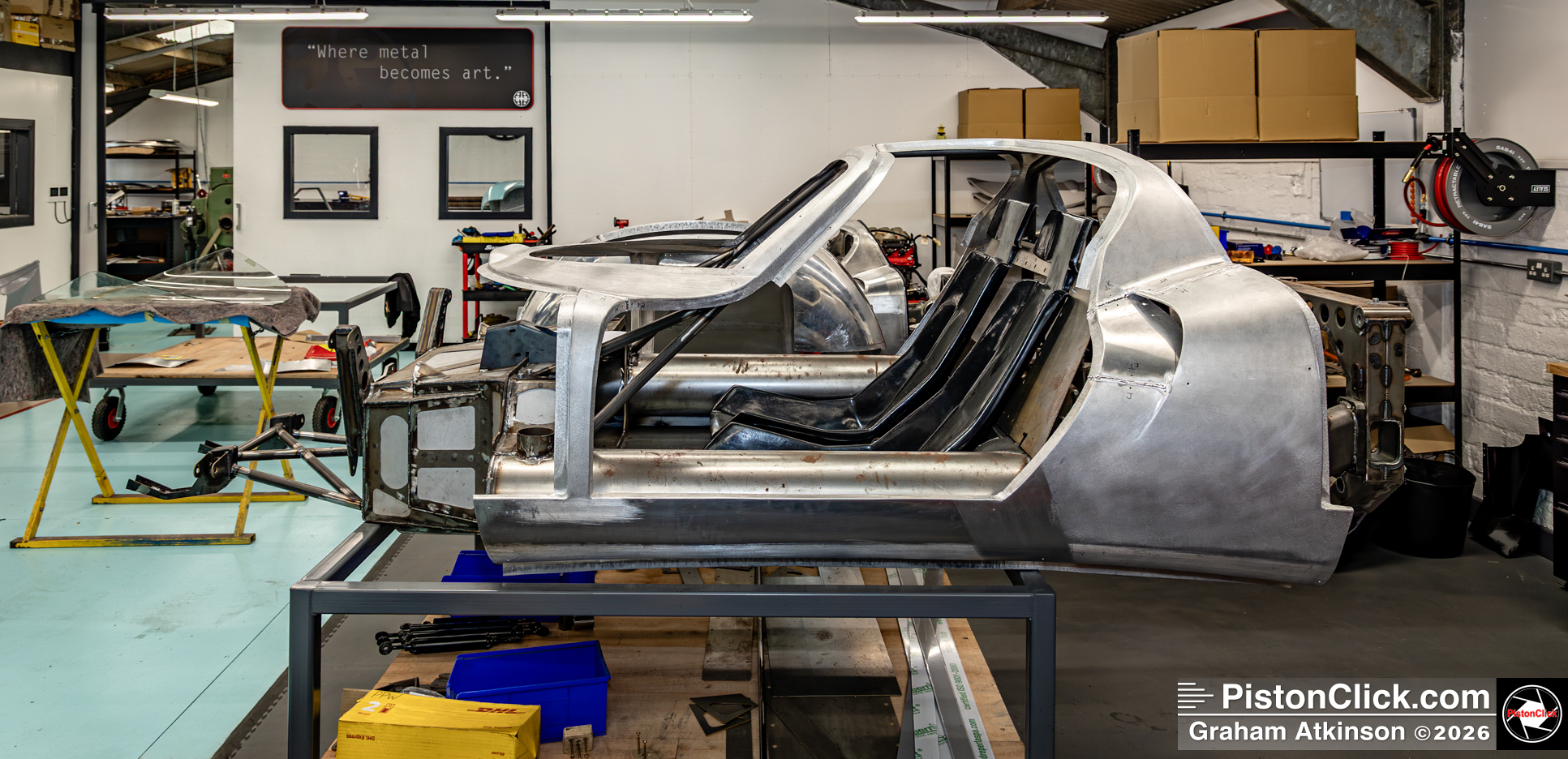
His proposal was ambitious: he wanted Lee to build a new chassis and use the fibreglass body as the starting point. It was an opportunity Lee was not prepared to turn down. What followed was a five-year project that would eventually produce the Automotive Artisans R33.
The undertaking also created a practical problem. PPW was already running out of room, so another farm unit was leased and transformed into a dedicated R33 reception area, showroom, office, and manufacturing department. A separate company, Automotive Artisans, was established to focus on the project. But why did it take five years?
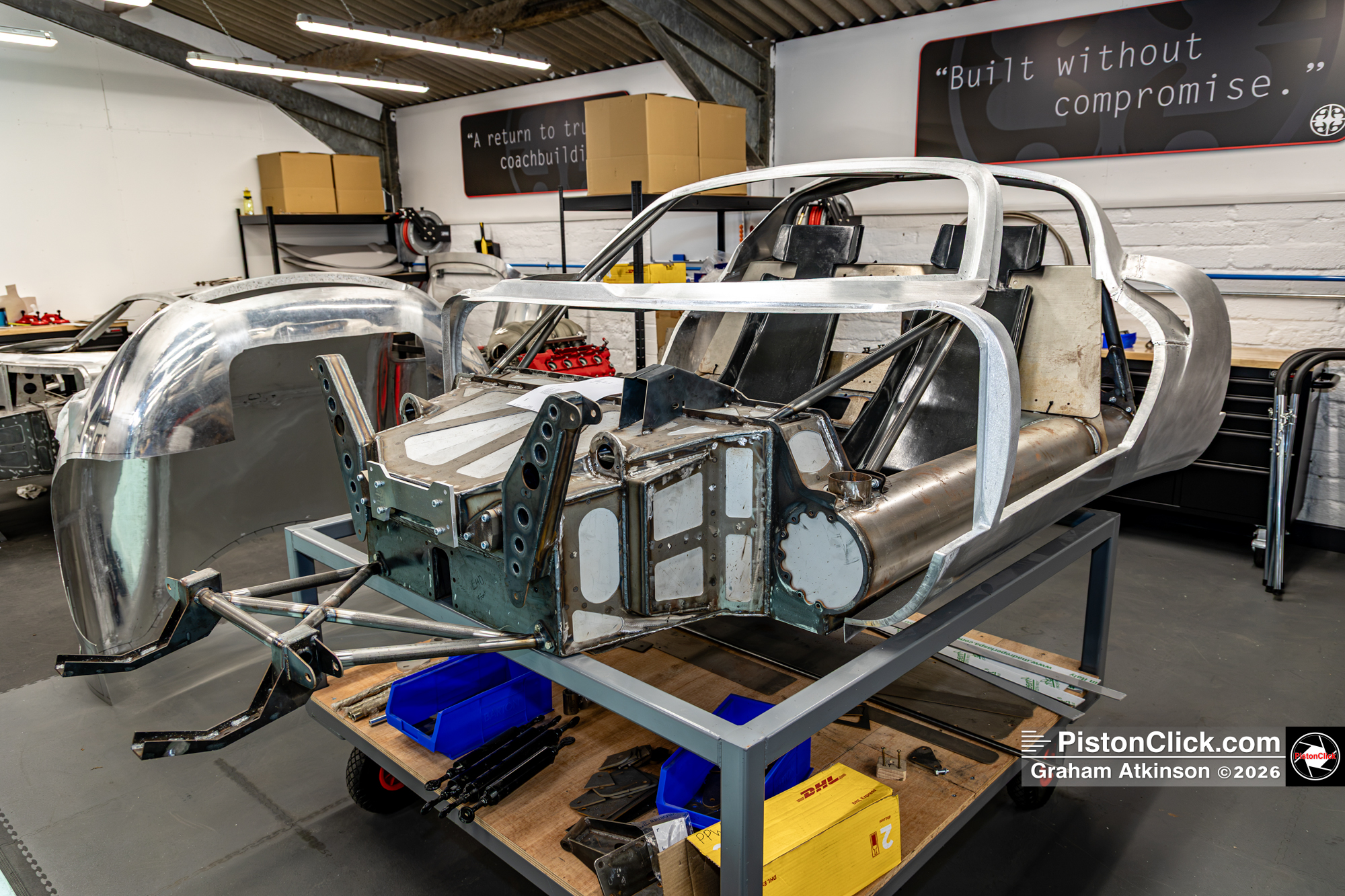
Lee’s attention to detail provides much of the answer. Once the chassis had been completed and the team reached the stage of fitting the body, he decided the fibreglass simply would not do. If they were going to recreate the Stradale properly, it had to have a handcrafted aluminium body. David agreed. They had already come so far that compromising at this stage made little sense.
Two Thousand Hours of Aluminium Craftsmanship
The team began by scanning the original fibreglass body and creating a computer-aided design (CAD) model. This revealed alignment problems that could be corrected before manufacturing began. They then produced three Bucks, a full-scale 3D physical model or master pattern if you prefer, which the panel beaters could use to shape the aluminium panels accurately.
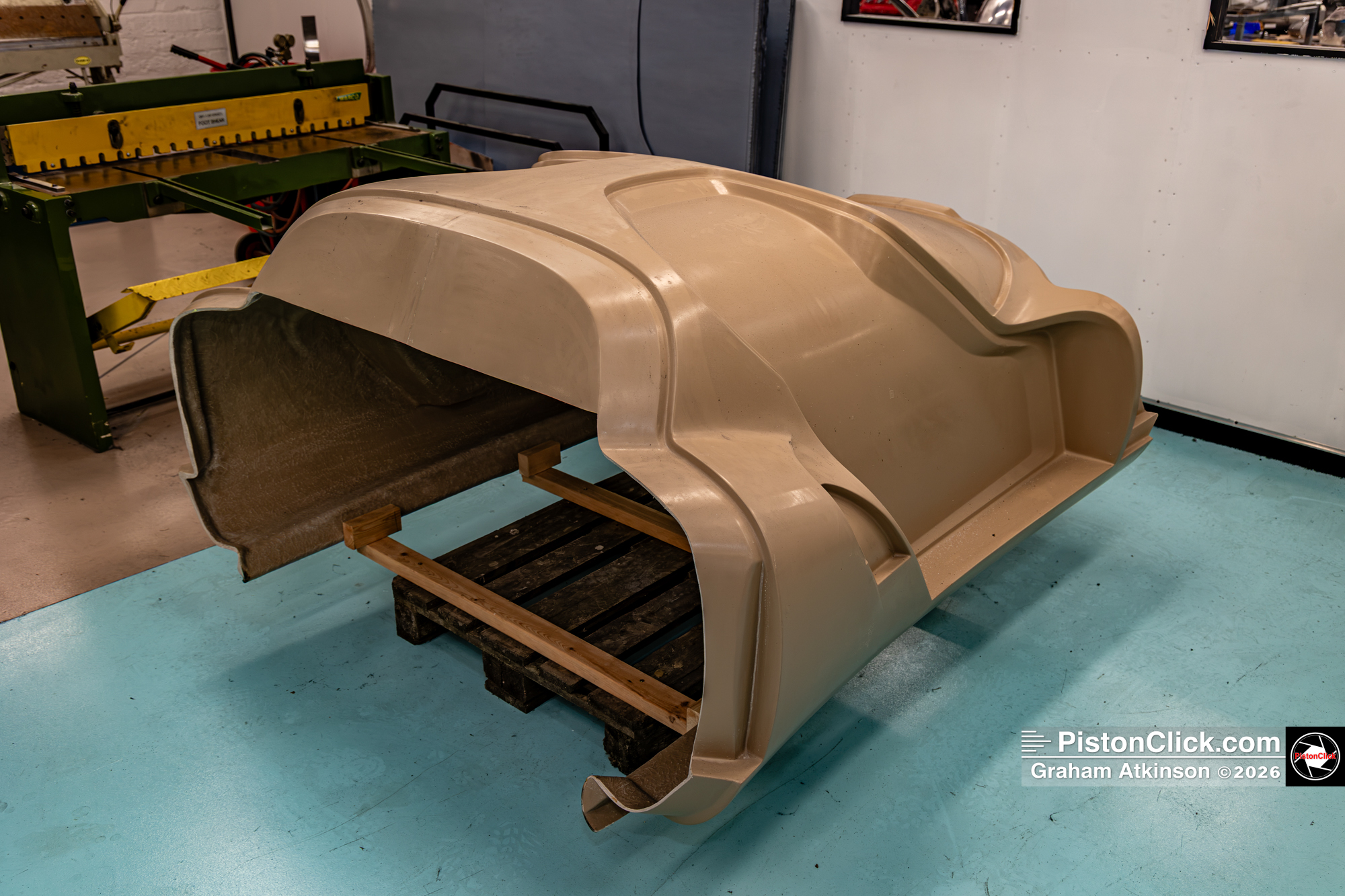
Lee explained that they had achieved tolerances of around 0.5 millimetres. That level of accuracy also has practical benefits: should a customer damage a panel, Automotive Artisans can produce a replacement that fits correctly without the need to start from scratch.
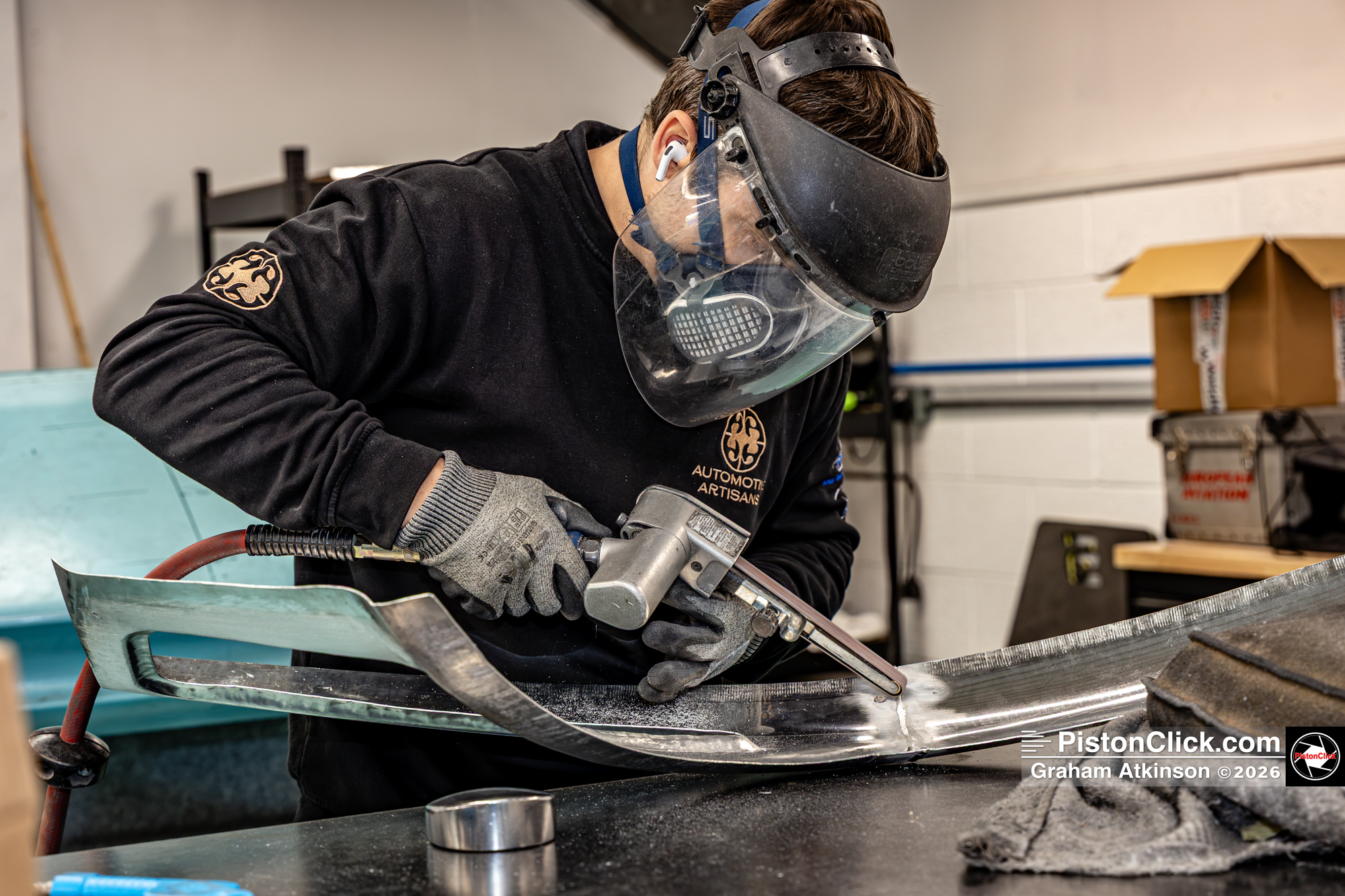
The body alone takes approximately 2,000 hours to make. That figure gives you some idea of the work involved. This is not a case of taking a mould, producing a quick replica, and bolting everything together. The body requires skilled panel beaters to shape and refine the metal, following the original lines while ensuring that the finished panels fit precisely.
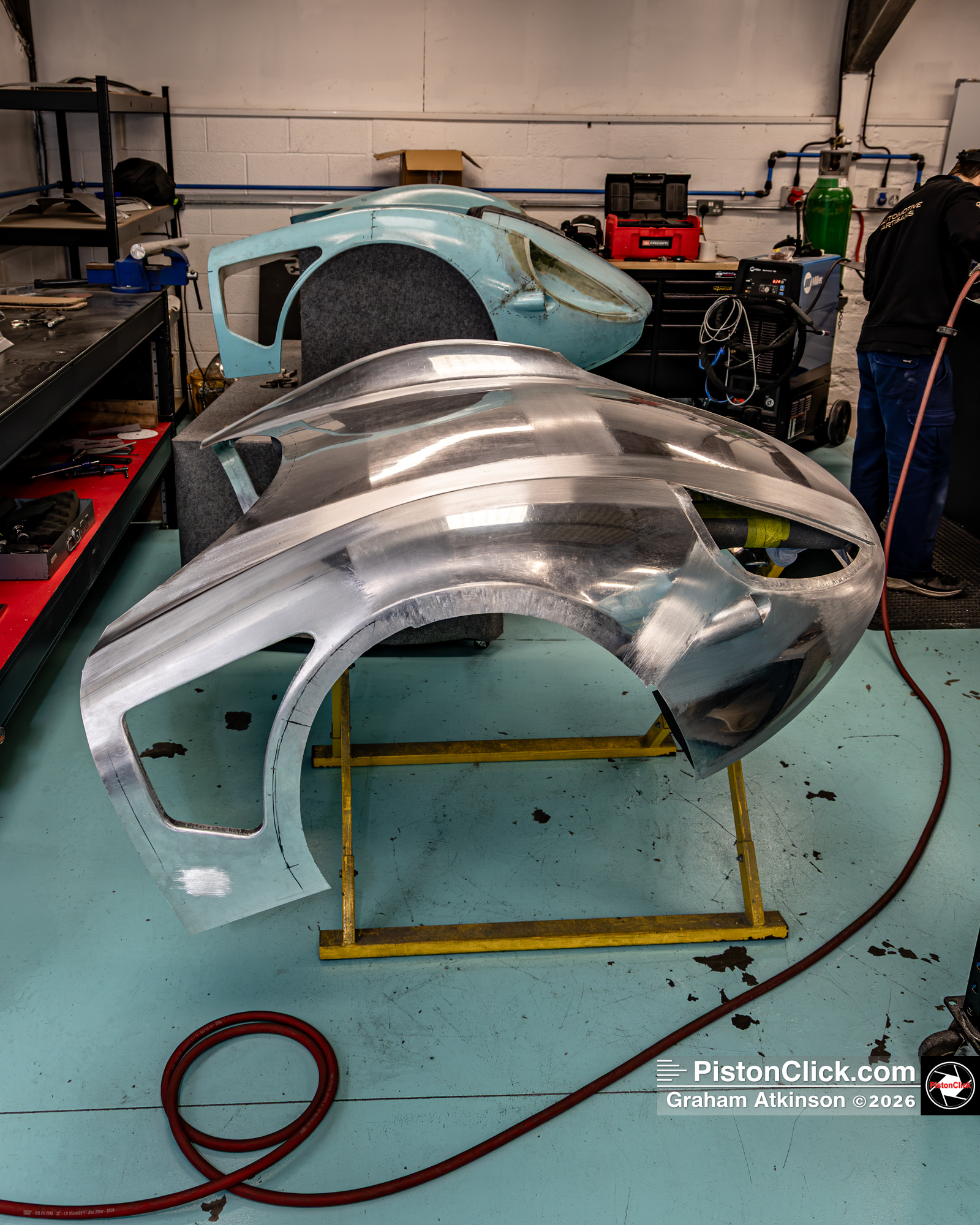
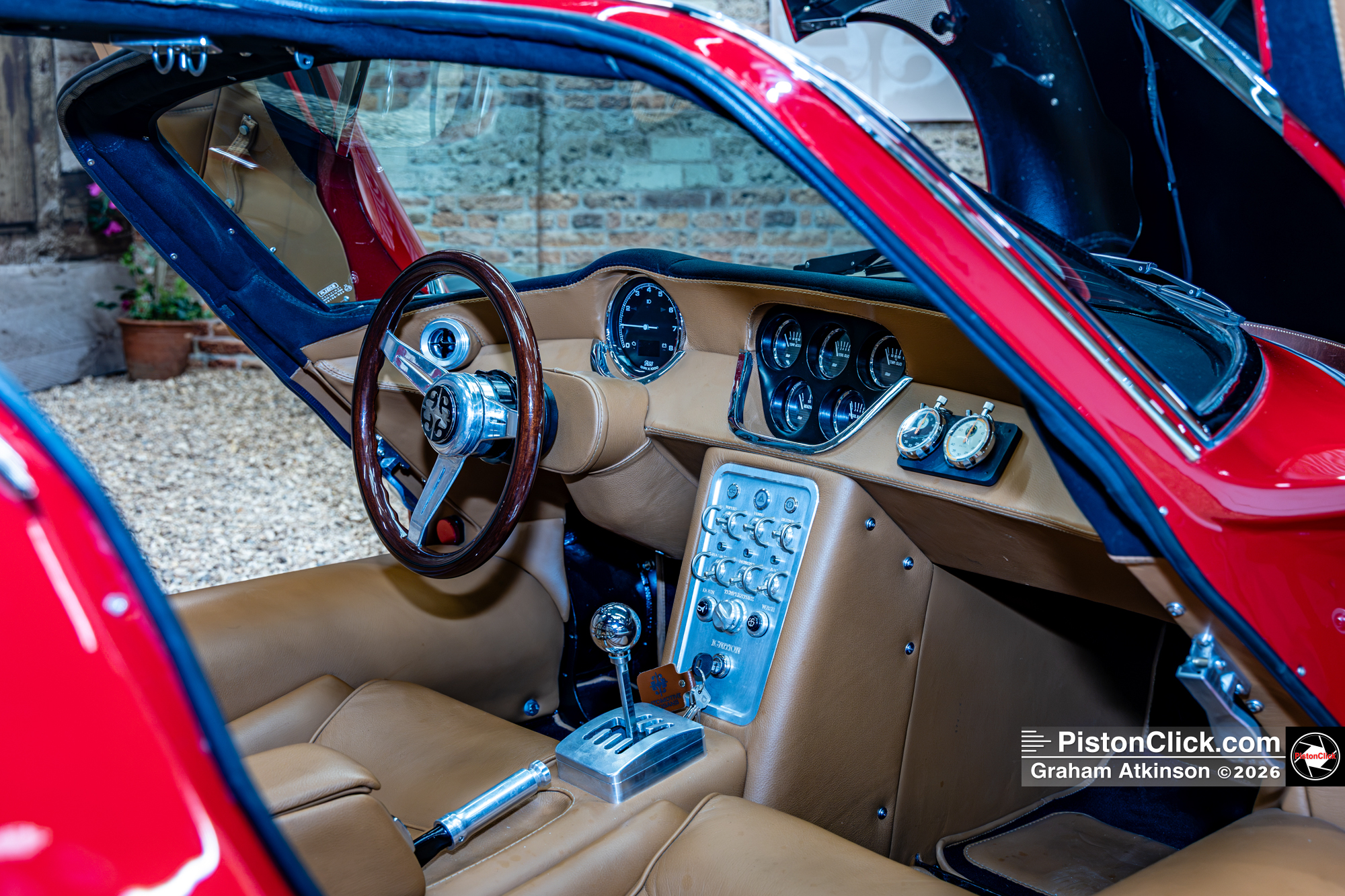
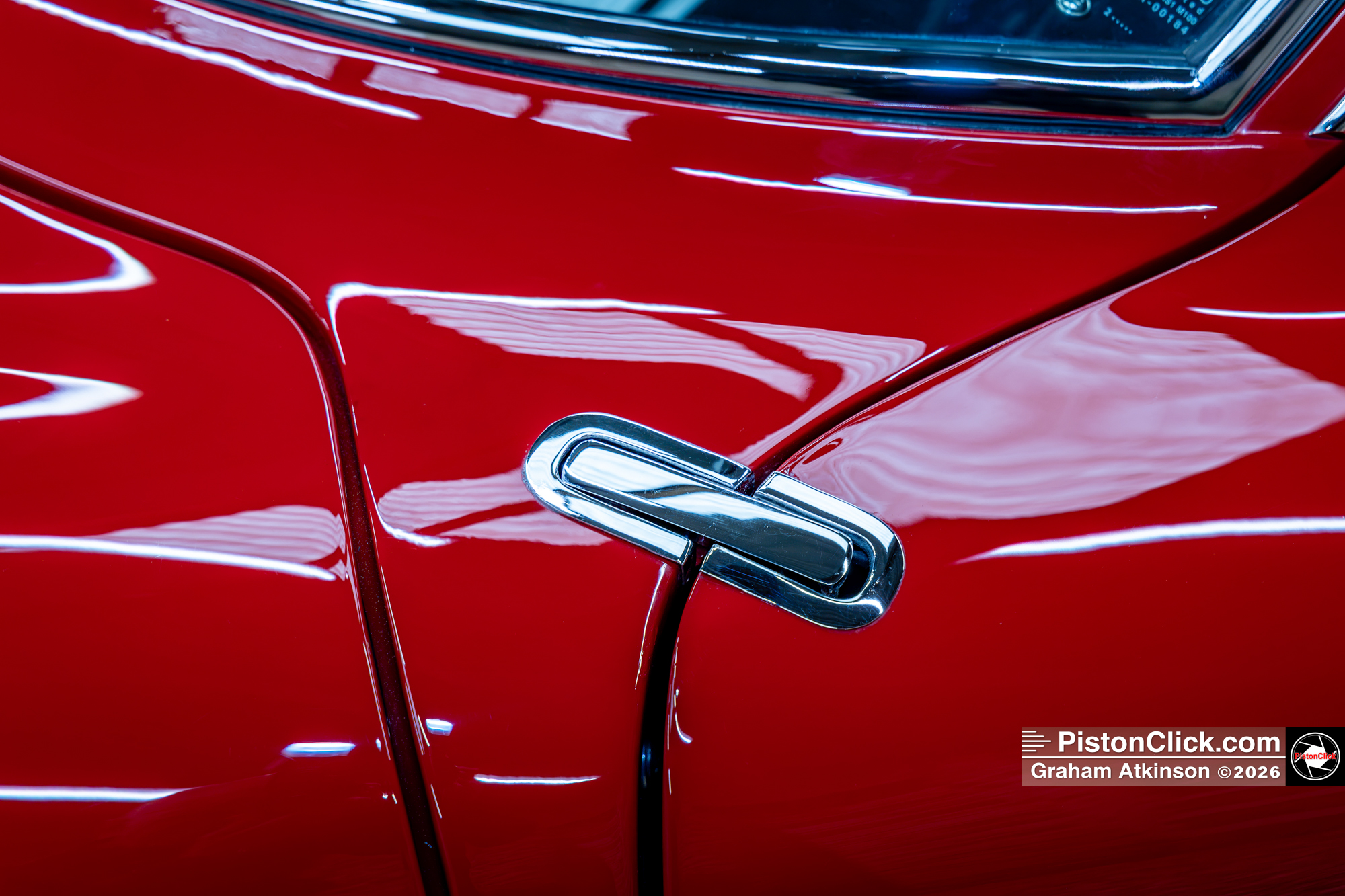
Once the aluminium body is complete, it moves into the body shop for final preparation and painting. Customers can choose their preferred colour, and the same level of personalisation extends to the interior. Every car can therefore be tailored to its owner’s requirements. The attention to detail is not limited to the bodywork. During my visit, I asked Lee about the intricate door hinges, which are unlike those found on most other cars.
His answer was straightforward. They make them in-house. It is a small detail, perhaps, but it says a great deal about the philosophy behind the R33.
Under the Skin: The Automotive Artisans R33
Once the body and chassis are ready, they move to the assembly area, where the car begins to take its final form.
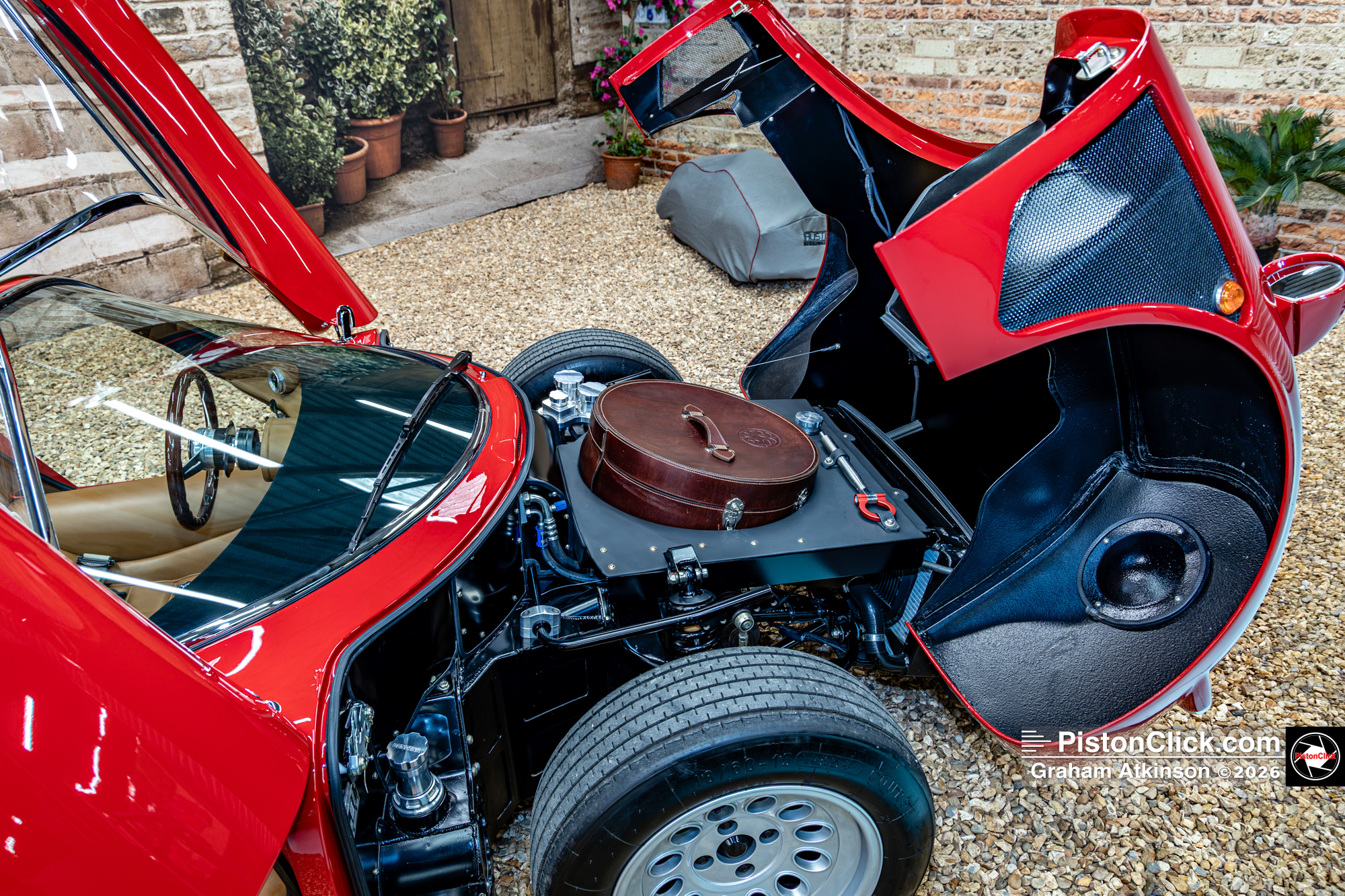
Power comes from a 4.2-litre Maserati V8, paired with a six-speed Porsche 997.1 gearbox. Automotive Artisans has designed and manufactured a bespoke clutch housing to connect the two.
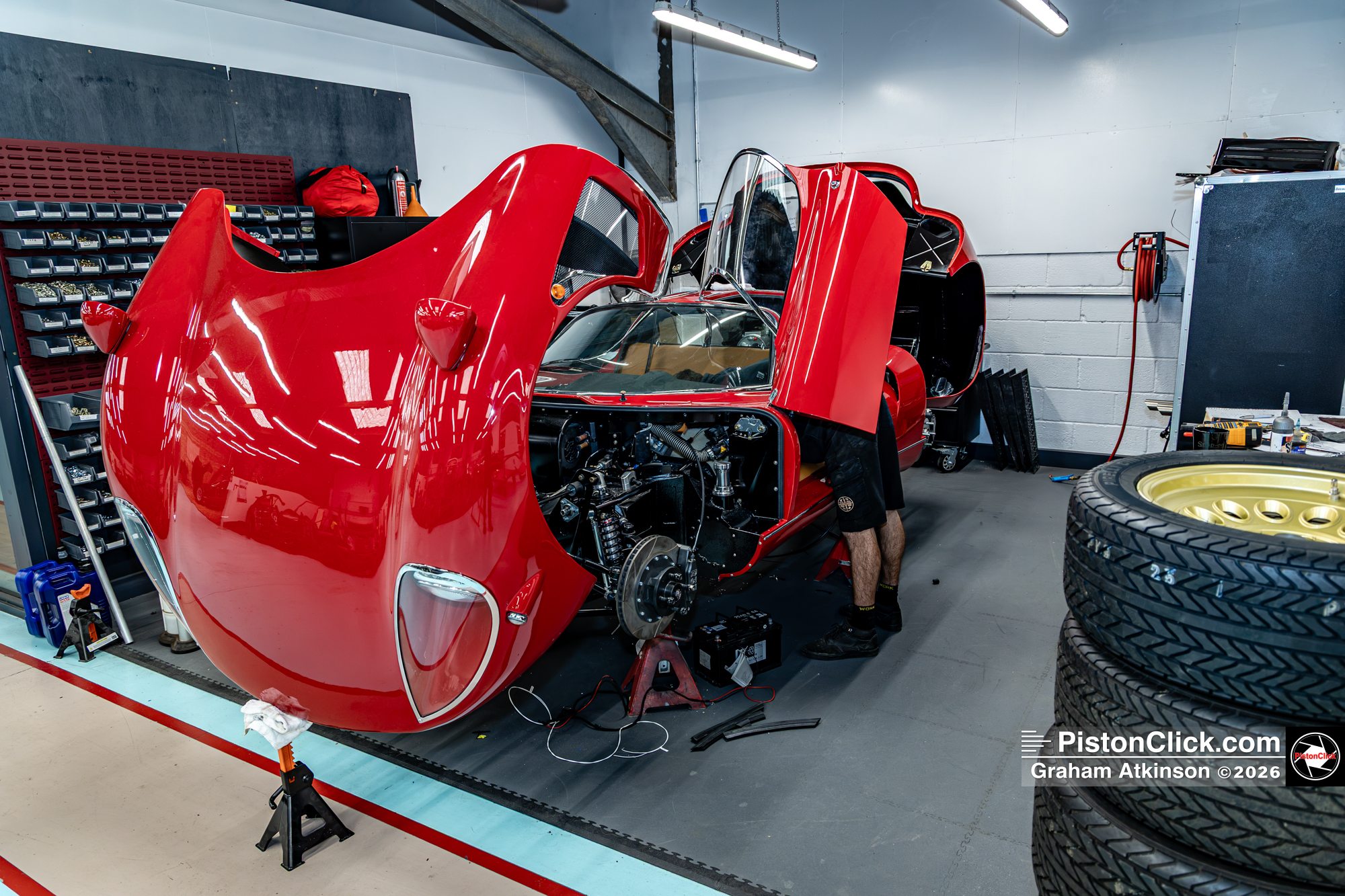
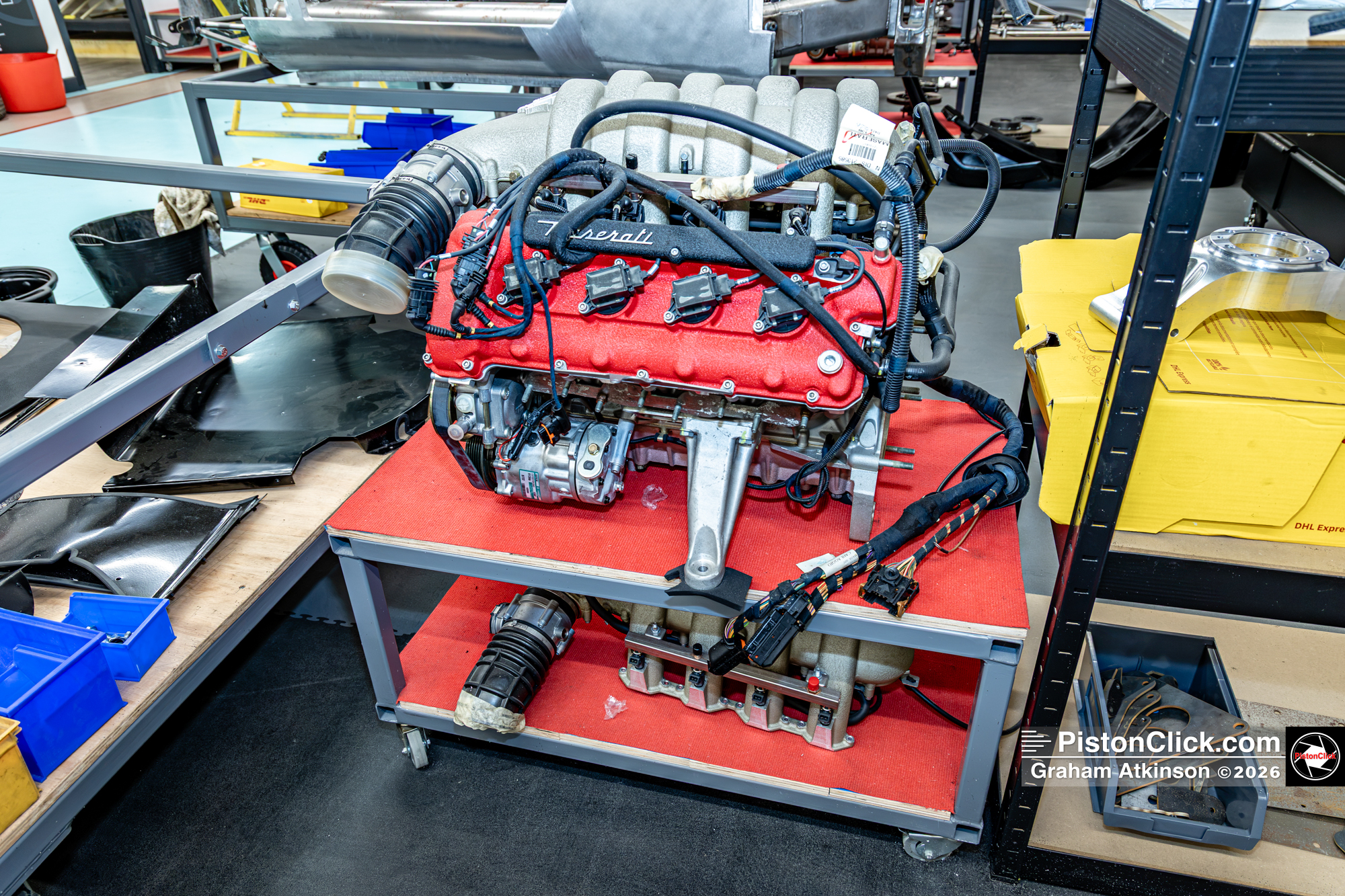
Lee told me that almost every component is made in-house, with the engine and gearbox being the principal exceptions. The plan is to use 33 brand-new, old-stock engines that Lee has sourced from around the world.
The team removes the original fuel-injection system and converts the engines to naturally aspirated operation, using trumpet-style inlets to echo the original car’s character. The aim is to recreate the driving experience as closely as possible to the spirit of the original Stradale.
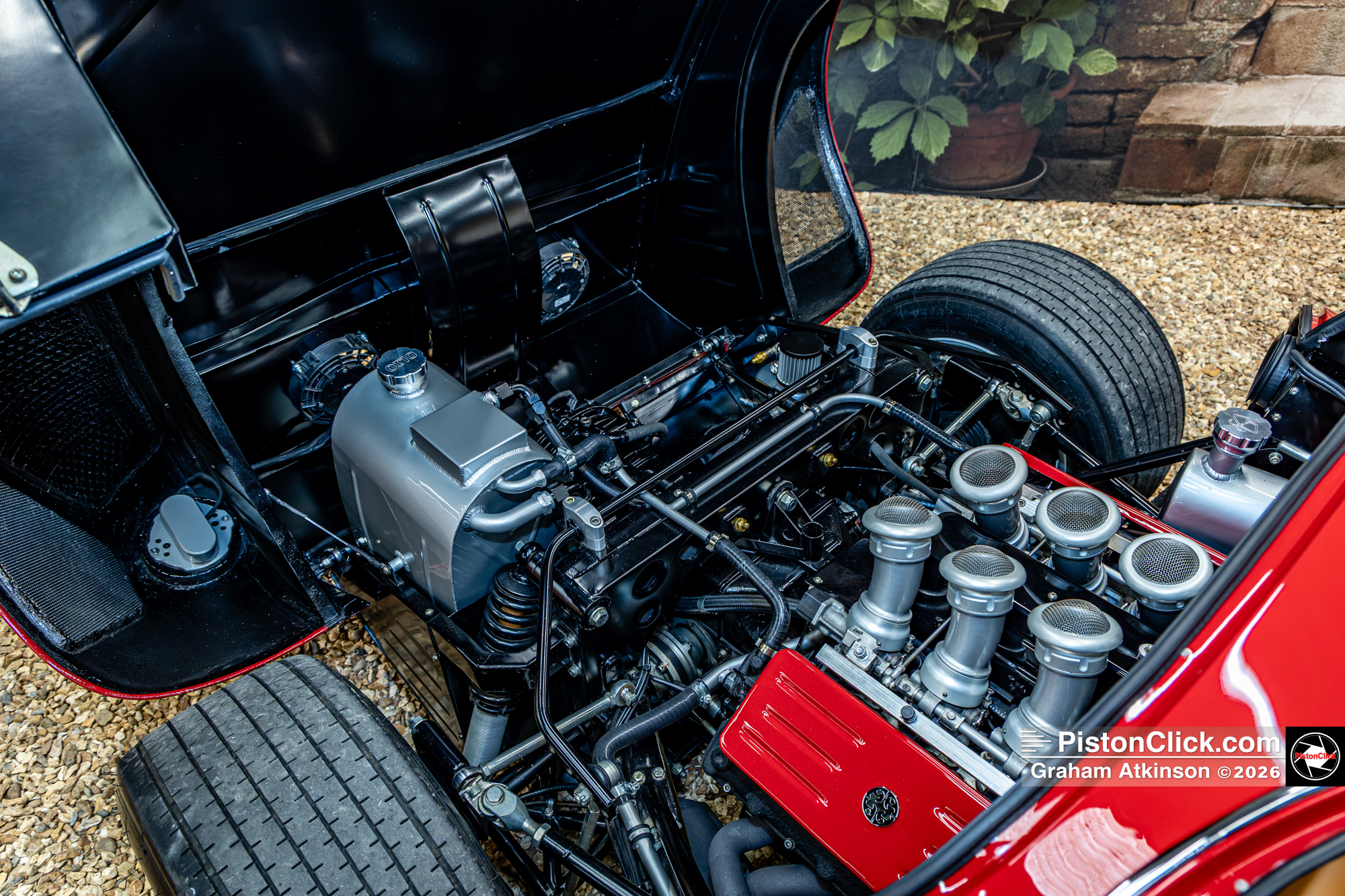
There is no power steering, ABS, or traction control. The car remains largely analogue, with an engine control unit (ECU) and power distribution module (PDM) providing the electronic management required to run it. Comfort has not been completely ignored, though. Air conditioning and electric windows are included, providing a little modern convenience without overwhelming the original concept.
Initially, Automotive Artisans planned to offer the R33 only in left-hand drive. The company has since decided to make right-hand drive available for customers who prefer it. Even the brake callipers carry the R33 logo, engraved as another bespoke detail.
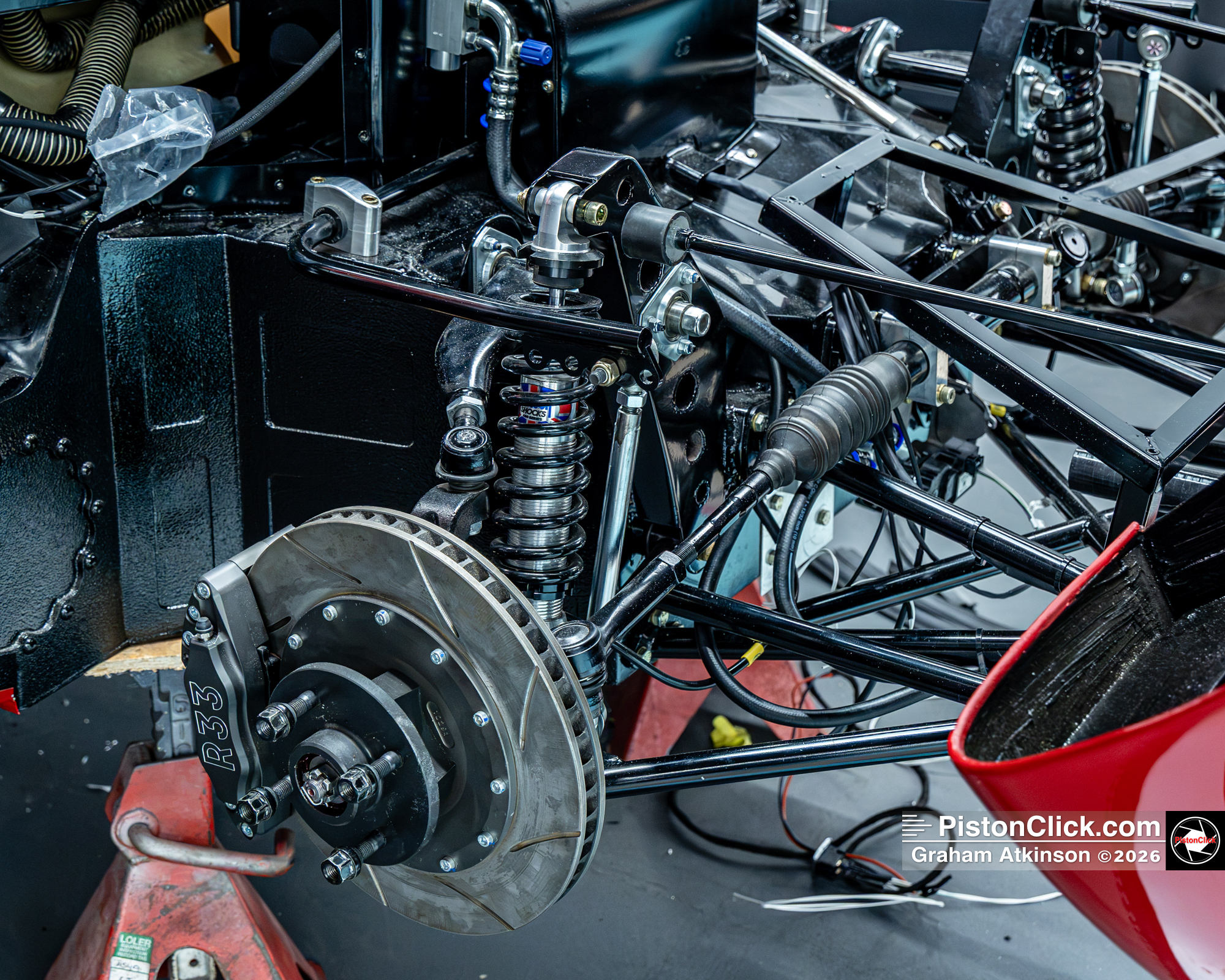
Taken together, these choices demonstrate that the project is about more than recreating the appearance of a famous car. The team wants to produce a complete machine with its own identity, built around traditional craftsmanship and carefully selected modern engineering.
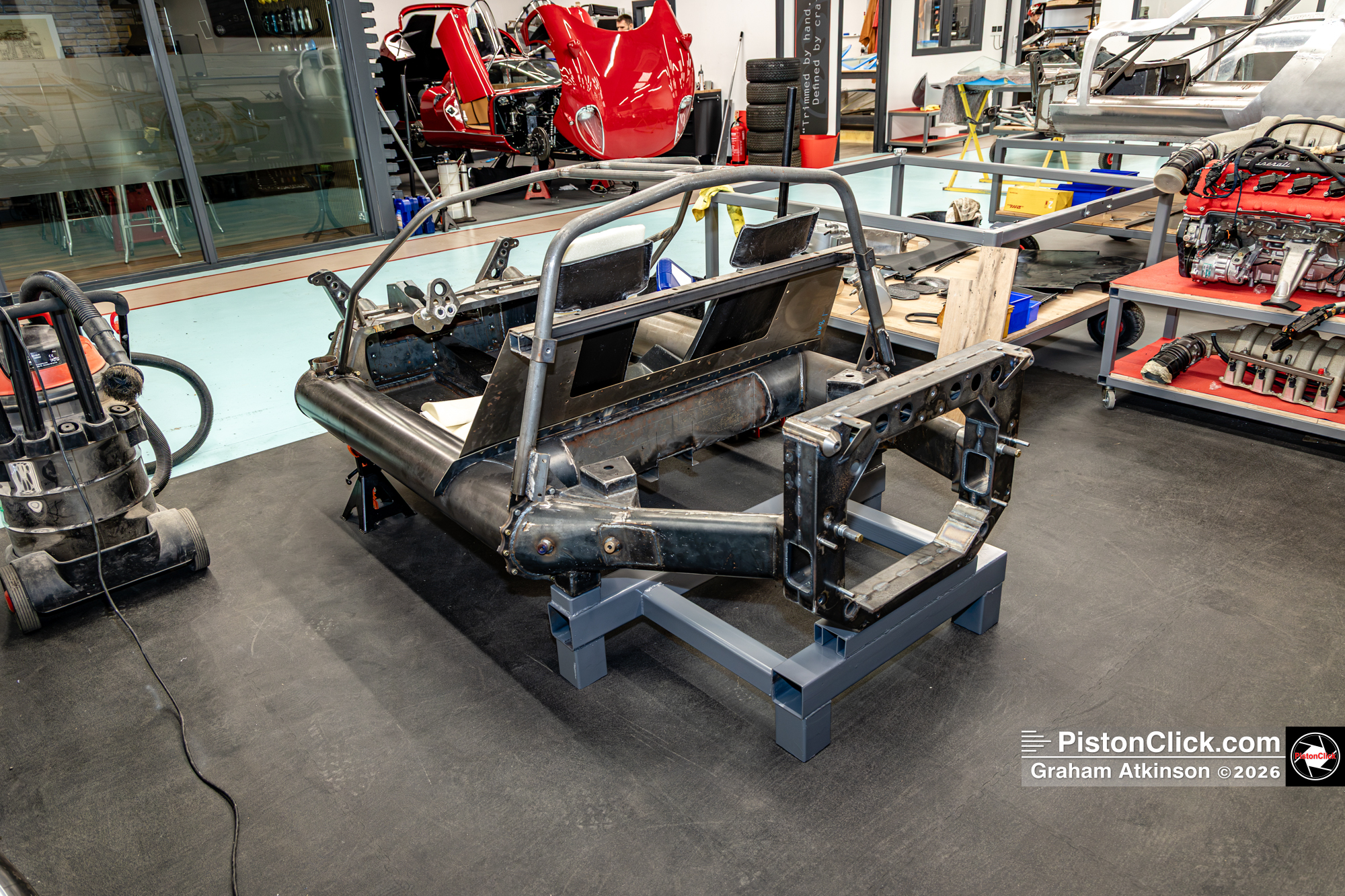
Thirty-Three Cars and a Clear Vision
The first R33, owned by David Hutchinson, has already undergone some minor refinements as the project has developed. The second car was preparing to head to Texas shortly after my visit, while the third will represent the final version going forward. Automotive Artisans intends to build just 33 examples of the Stradale recreation, with the aim of completing the production run within three to four years.
Interestingly, Alfa Romeo has also created its own modern interpretation of the 33 Stradale. Lee told me that he had no idea this would happen when Automotive Artisans began its project. The two undertakings developed independently, and the timing was coincidental.
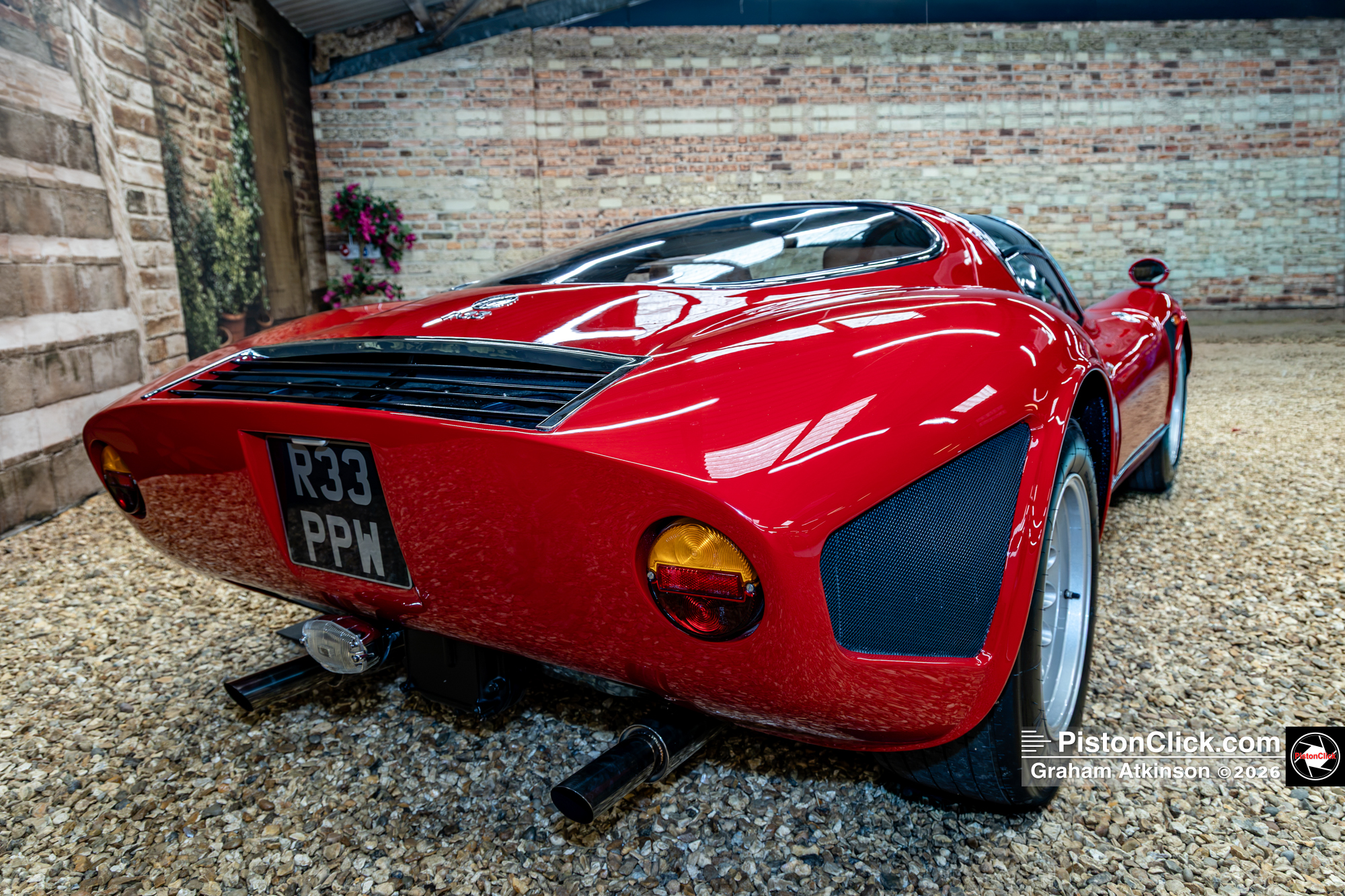
Given that the original Stradale was conceived with racing in mind, I asked Lee whether Automotive Artisans had considered taking the R33 into competition. His answer was an emphatic no. That is not what the company is about, and it has no intention of moving into that side of the business.
I also asked whether Alfa Romeo’s renewed interest in recreating historic models had prompted thoughts about other projects. Lee acknowledged that the company had ideas and plans, but he was keeping them under wraps for now. The priority is to complete the R33 project before making any further announcements. So, for the time being, we will have to wait and see what Automotive Artisans has planned next.
The Team Behind the R33
It would be easy to spend an entire article discussing the car, but the R33 would not exist without the people who design, build, finish, and assemble it. Lee and Jayne have brought together a dedicated team over approximately nine years. As I discovered during my visit, each person contributes a different skill, and several have developed their expertise within the business itself.
Kathryn – Sales and Marketing Manager
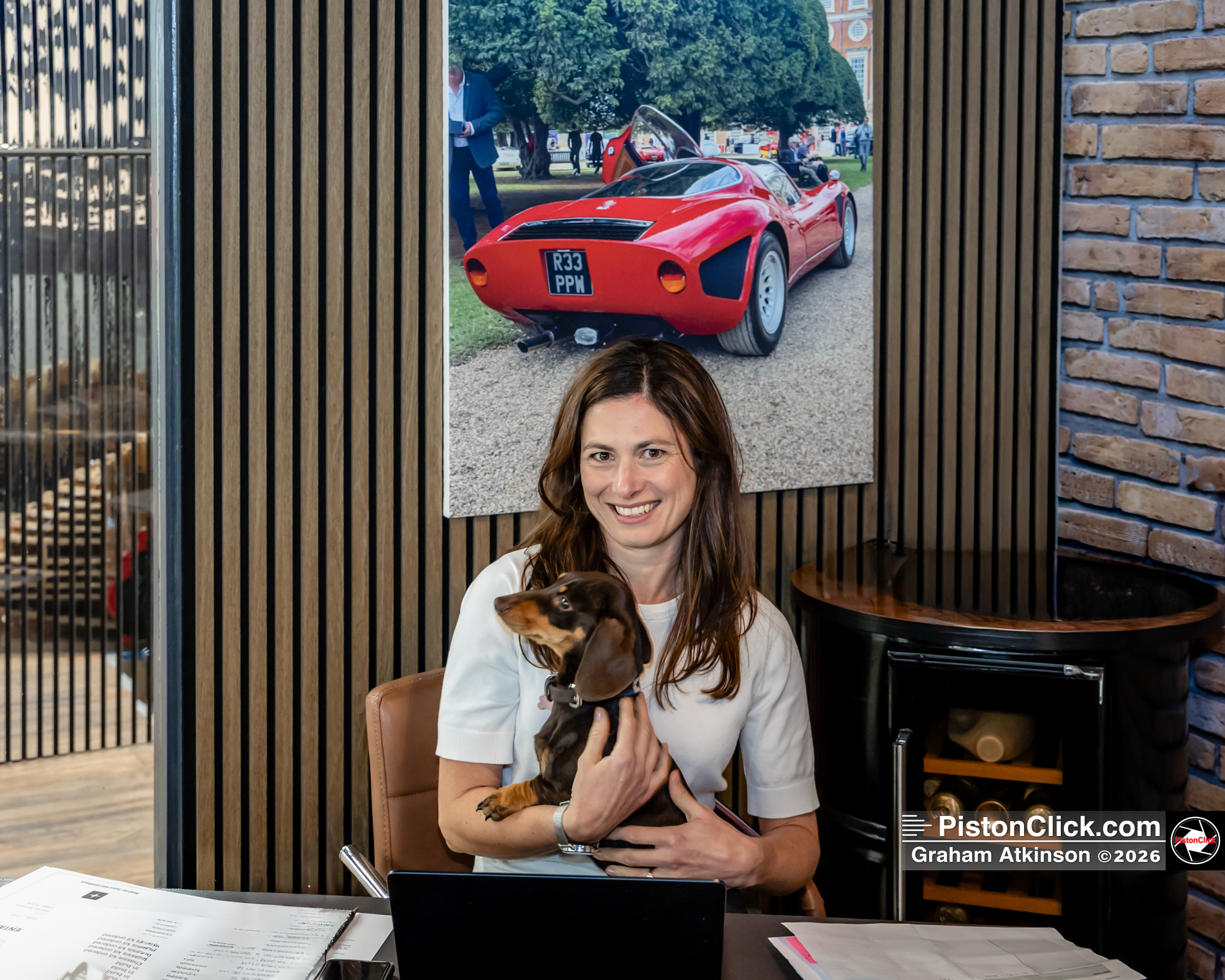
Kathryn has a background in sales and marketing, particularly within London’s events industry. After taking time out for childcare, she moved into her current role at Automotive Artisans.
She manages client communications, oversees the company website and social media platforms, and coordinates events.
When I asked about working there, she was enthusiastic.
“I enjoy working here, absolutely love it. I love to be busy, so yes, it’s just brilliant.”
Troy – Fabrication and Assembly
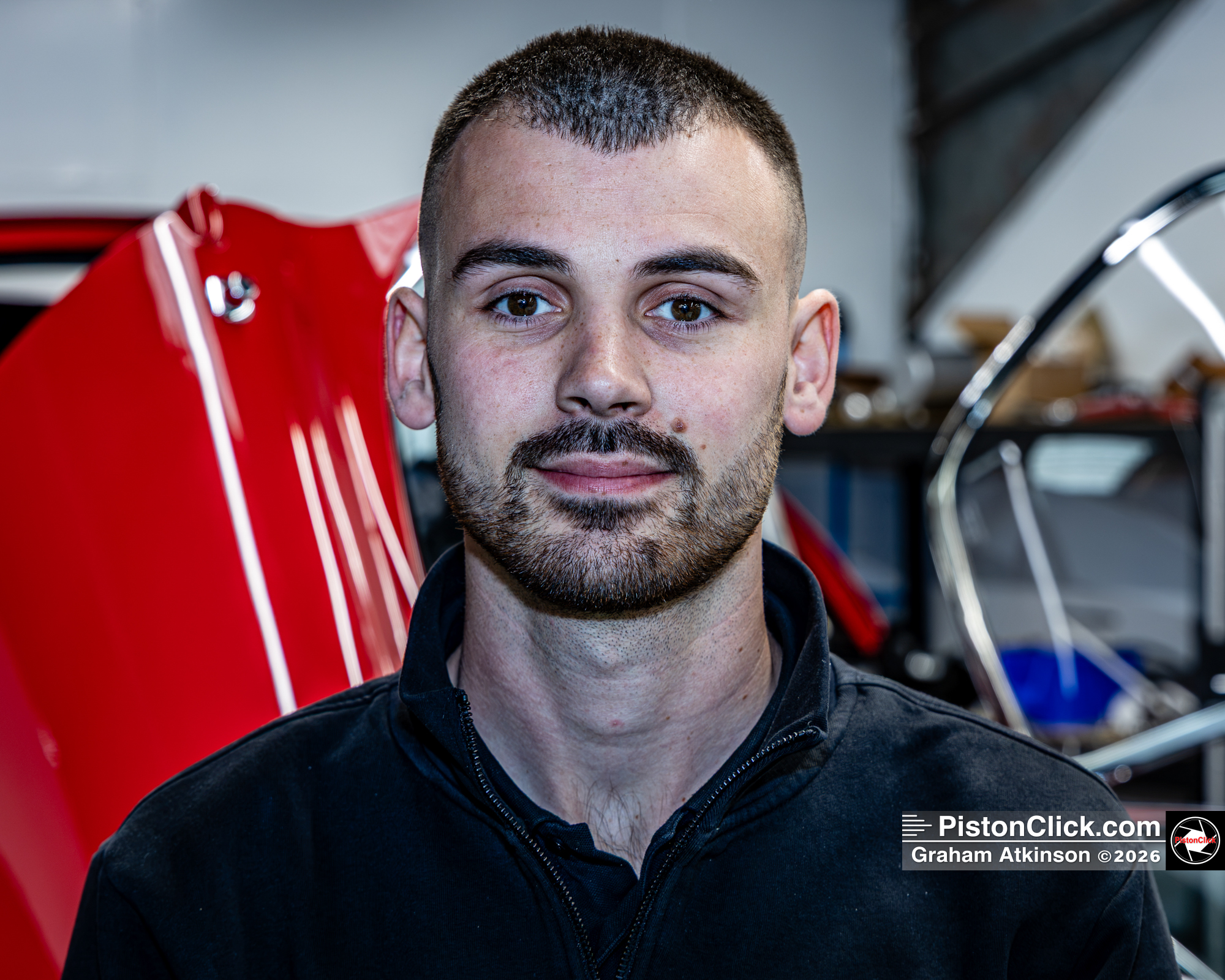
Troy has been with the company for nine years. He started out helping Lee with restoration work, despite having no previous experience in the motor trade.
His responsibilities have developed considerably, taking him from basic tasks to more complex fabrication and vehicle assembly.
His experience covers an extraordinary range of vehicles, from a horsebox to Jensen Interceptors and Lagondas. He is now heavily involved in the R33 project.
Asked whether he enjoys the work, he replied,
“Yes, really enjoying it. The R33 is a fantastic car to work on.”
Melv – Mechanical Work
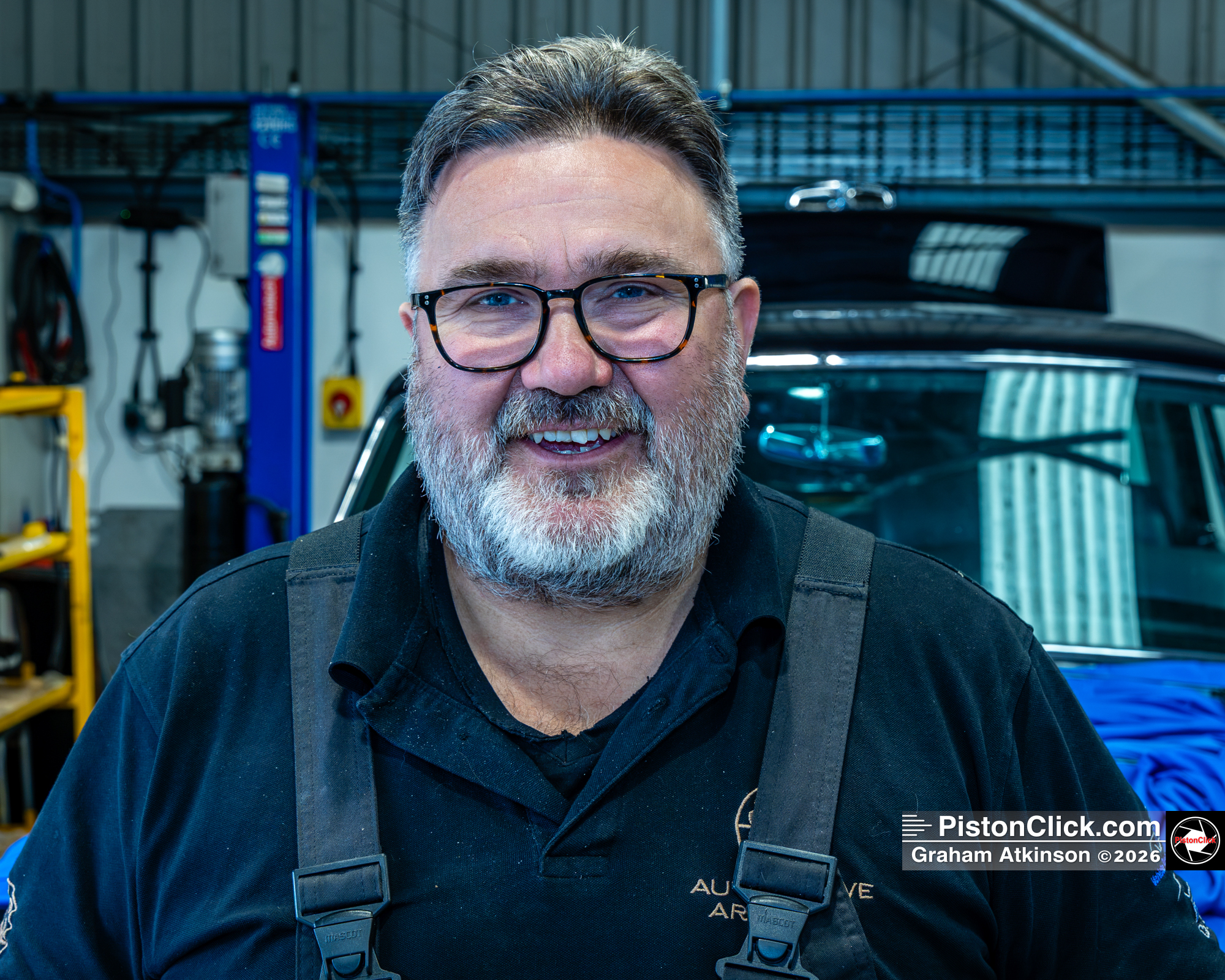
Melv has worked for the company for five and a half years, concentrating on mechanical duties such as stripping, fitting, and rebuilding engines and components.
He first met Lee while they were working on a mutual friend’s car. During their conversations, Lee asked whether he would like to join the business.
The timing was right for Melv to make a personal change, and the move worked out well for both of them.
Will – Aluminium Panel Beating
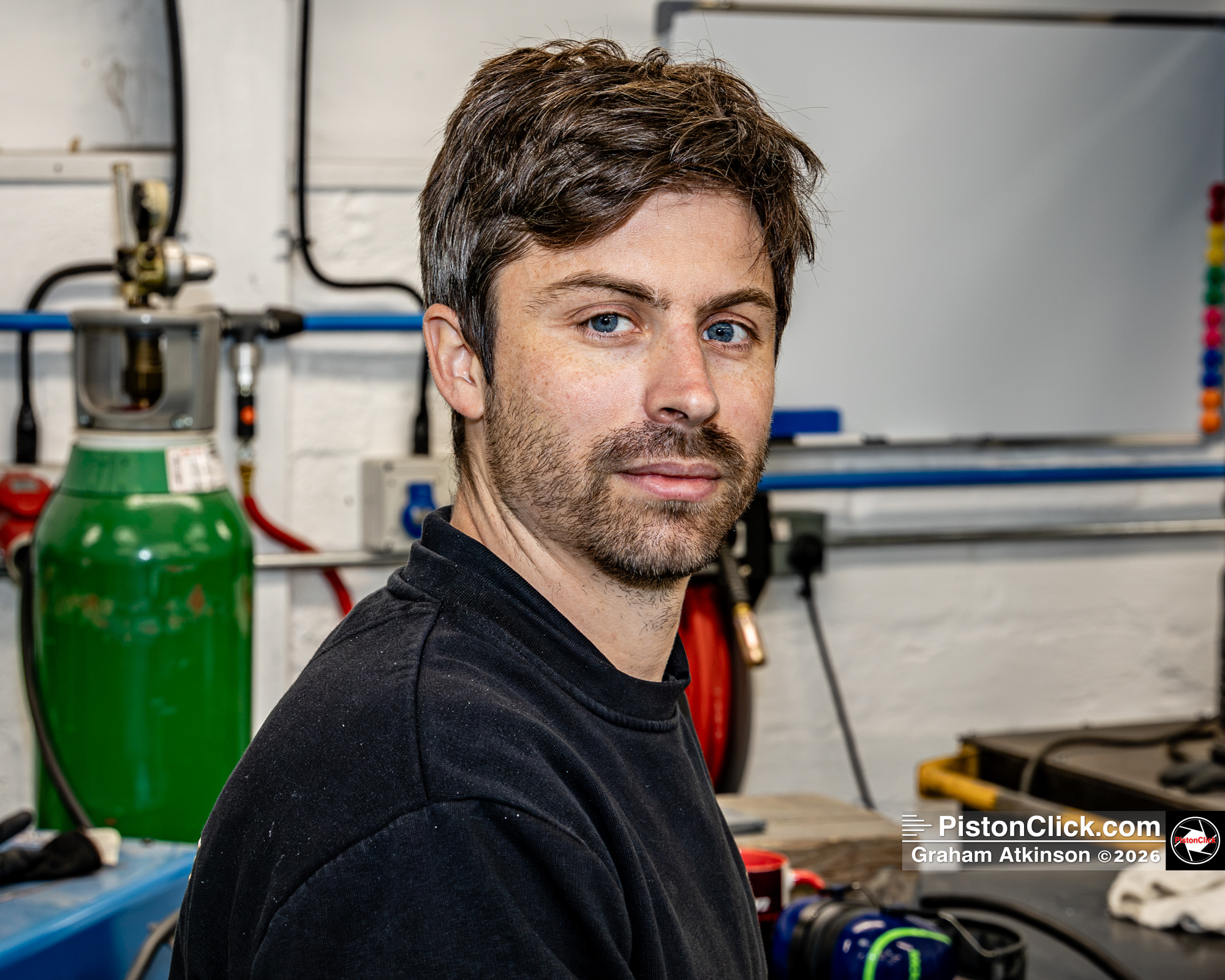
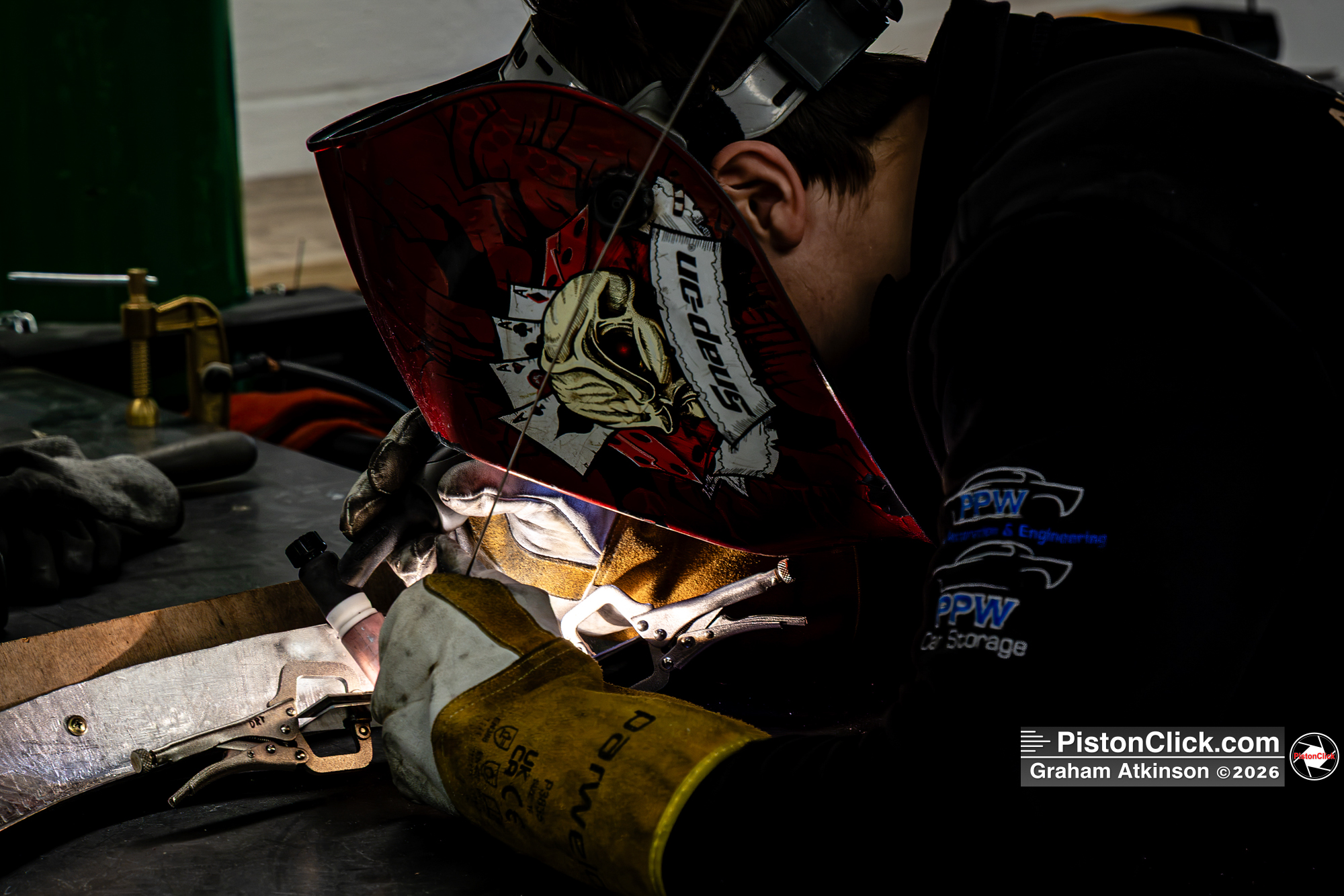
Will completed an apprenticeship in application and welding before moving into sheet-metal panel beating.
He explained that mastering panel beating takes years of practice, even for someone who already has welding experience.
He has nearly ten years’ experience in the trade and joined Automotive Artisans about a year ago.
Much of his work focuses on the R33, a car he describes as
“one of the most beautiful designs in the world”.
Given the hours required to shape its aluminium body, his skills are central to the success of the project.
Dan – The Next Generation
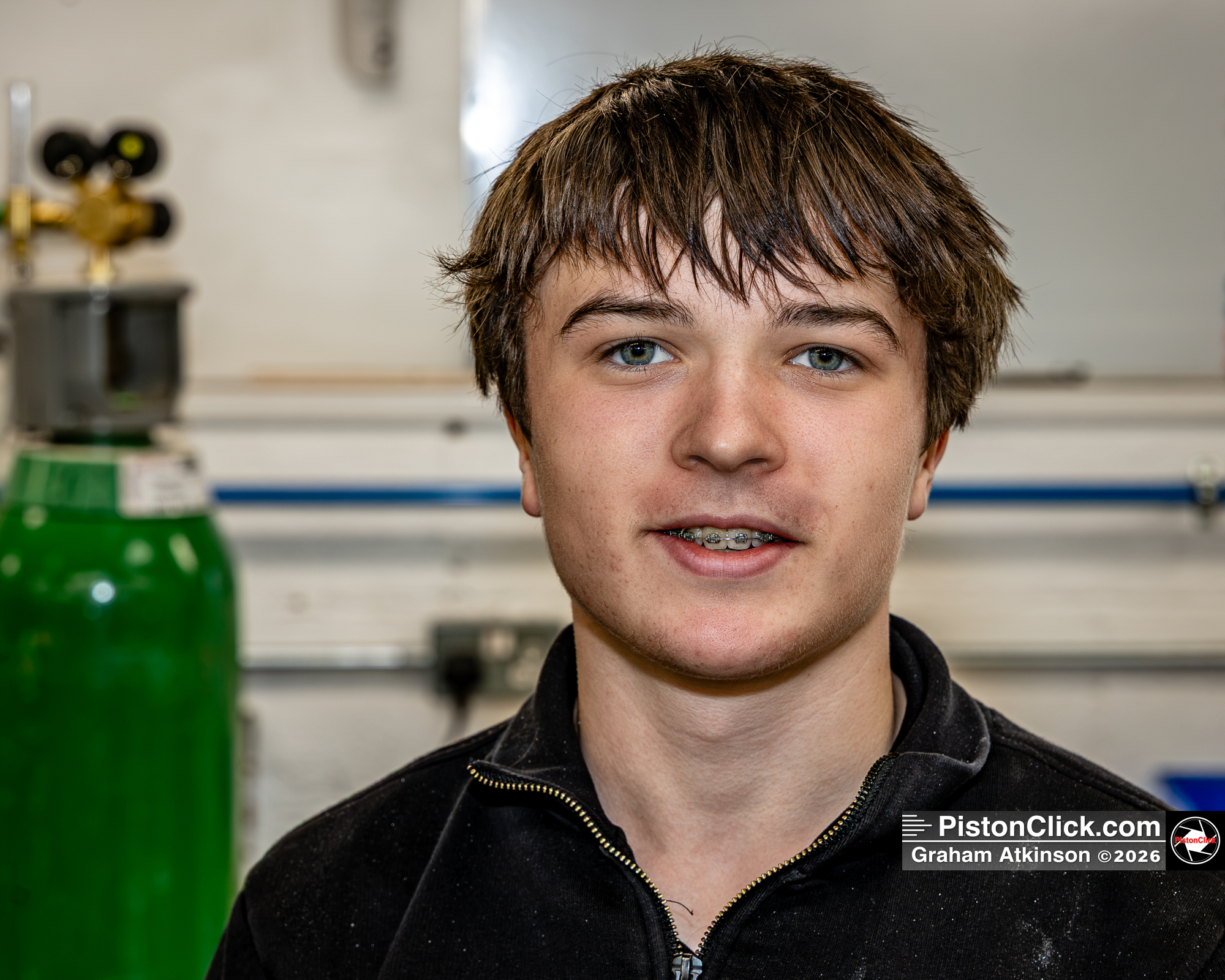
Dan is three months into a three-year apprenticeship with the Heritage Skills Academy.
His training is based at the Brooklyn Museum, while his employment at Automotive Artisans provides practical experience.
When asked how he was finding life at the company, he replied,
“Yes, yes, really enjoying it here, great team and supervisor and a good boss, lovely.”
It is encouraging to see a young apprentice learning specialist skills that could otherwise become increasingly difficult to find.
Keith – The Paint Shop
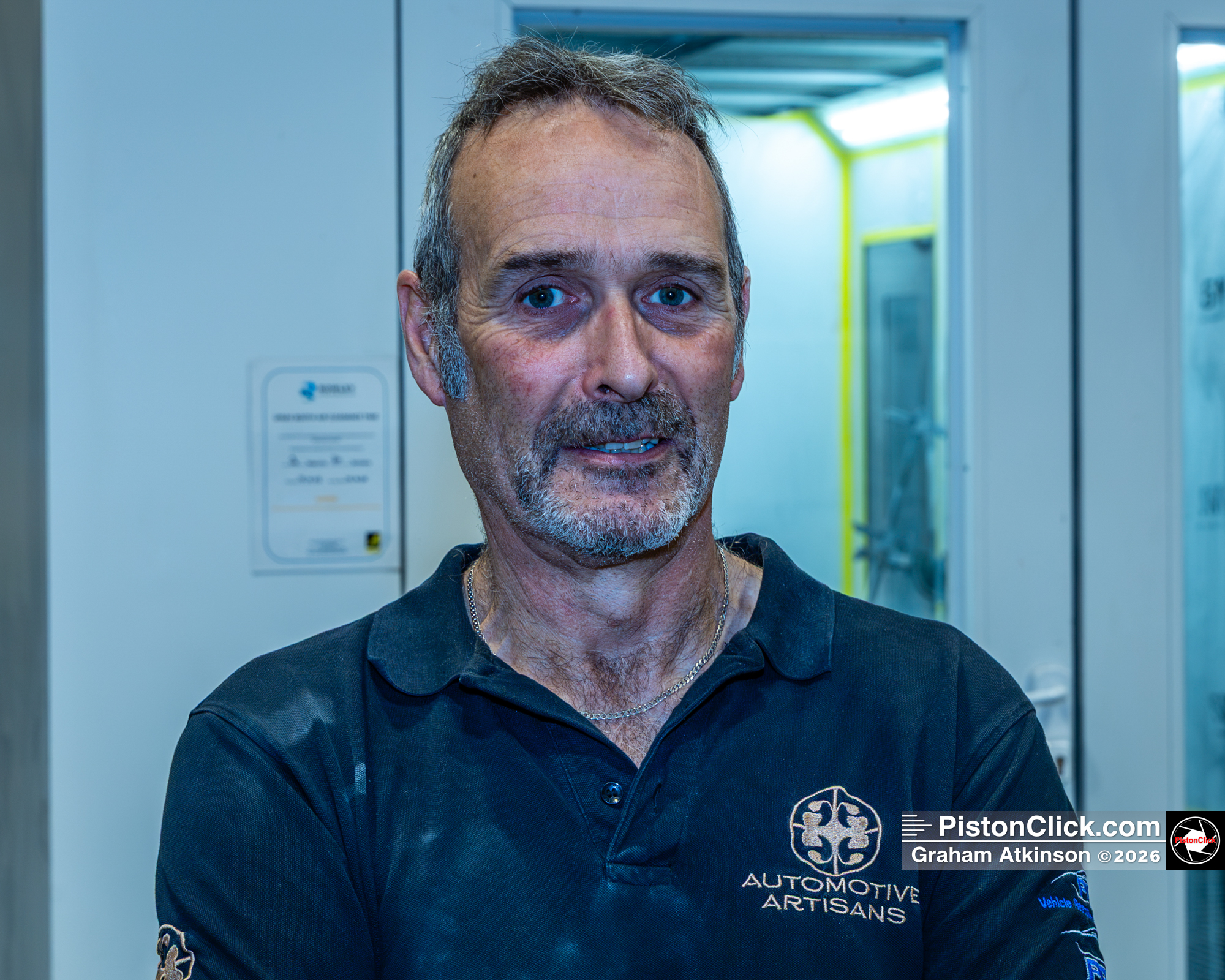
Keith runs the body shop, carrying out spraying, bodywork, and filler preparation on the cars and chassis that pass through his hands.
He joined the company three and a half years ago after Lee discovered that he was looking for work and invited him in for a chat.
The rest, as they say, is history.
Keith explained that while most restoration jobs vary considerably, the R33 builds follow a more consistent process. Even so, the cars retain individual differences to meet each client’s requirements.
Joe – Paintwork
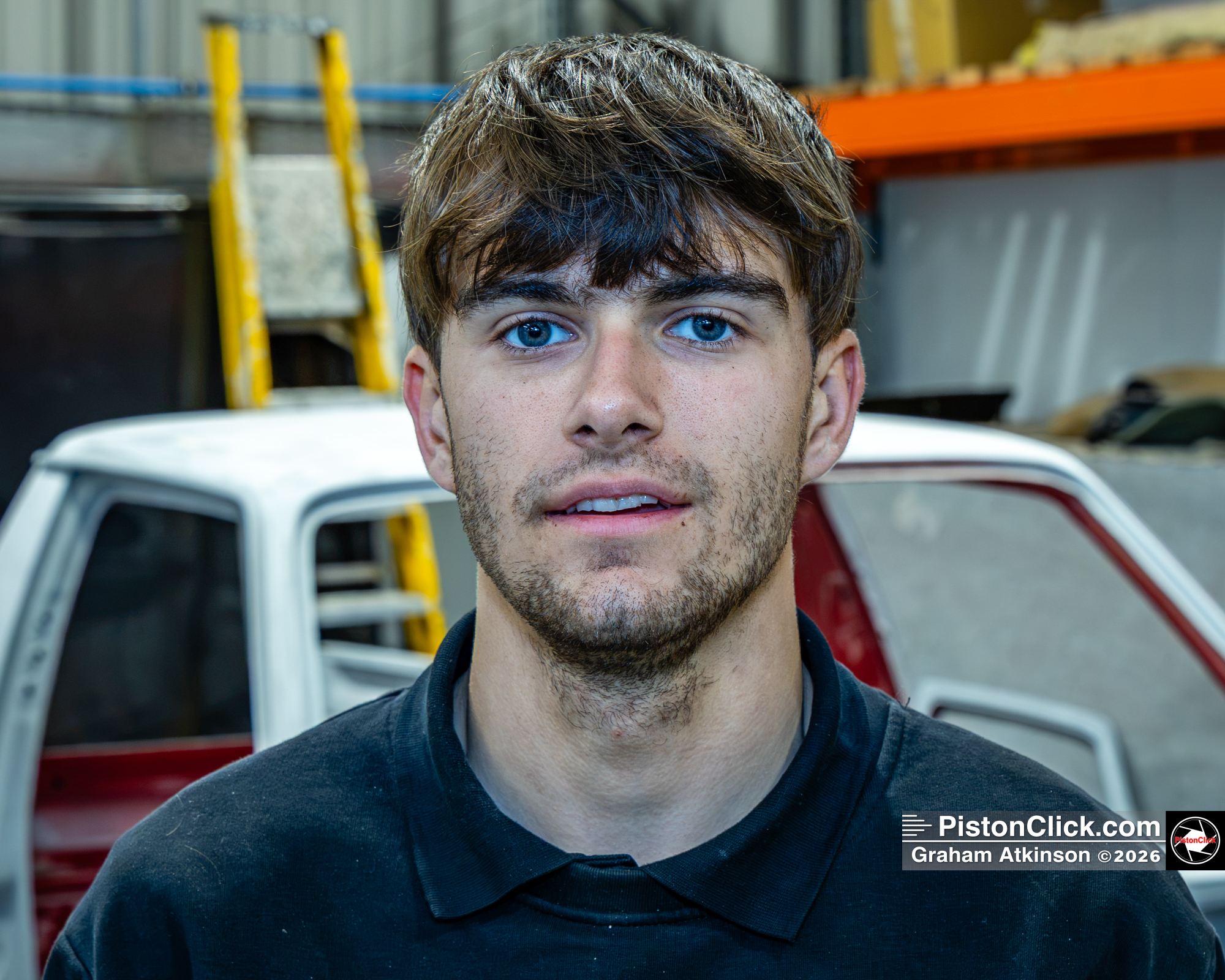
Joe joined the company nearly a year ago, having worked in the paint trade since leaving school.
He works alongside Keith in the body shop, although there is a little more history between the two than you might expect.
Keith mentioned that Joe had been his apprentice more than 15 years earlier.
It is a nice example of how careers can come full circle, with two people who worked together years ago now reunited on a project of this scale.
The Specialist Contractors
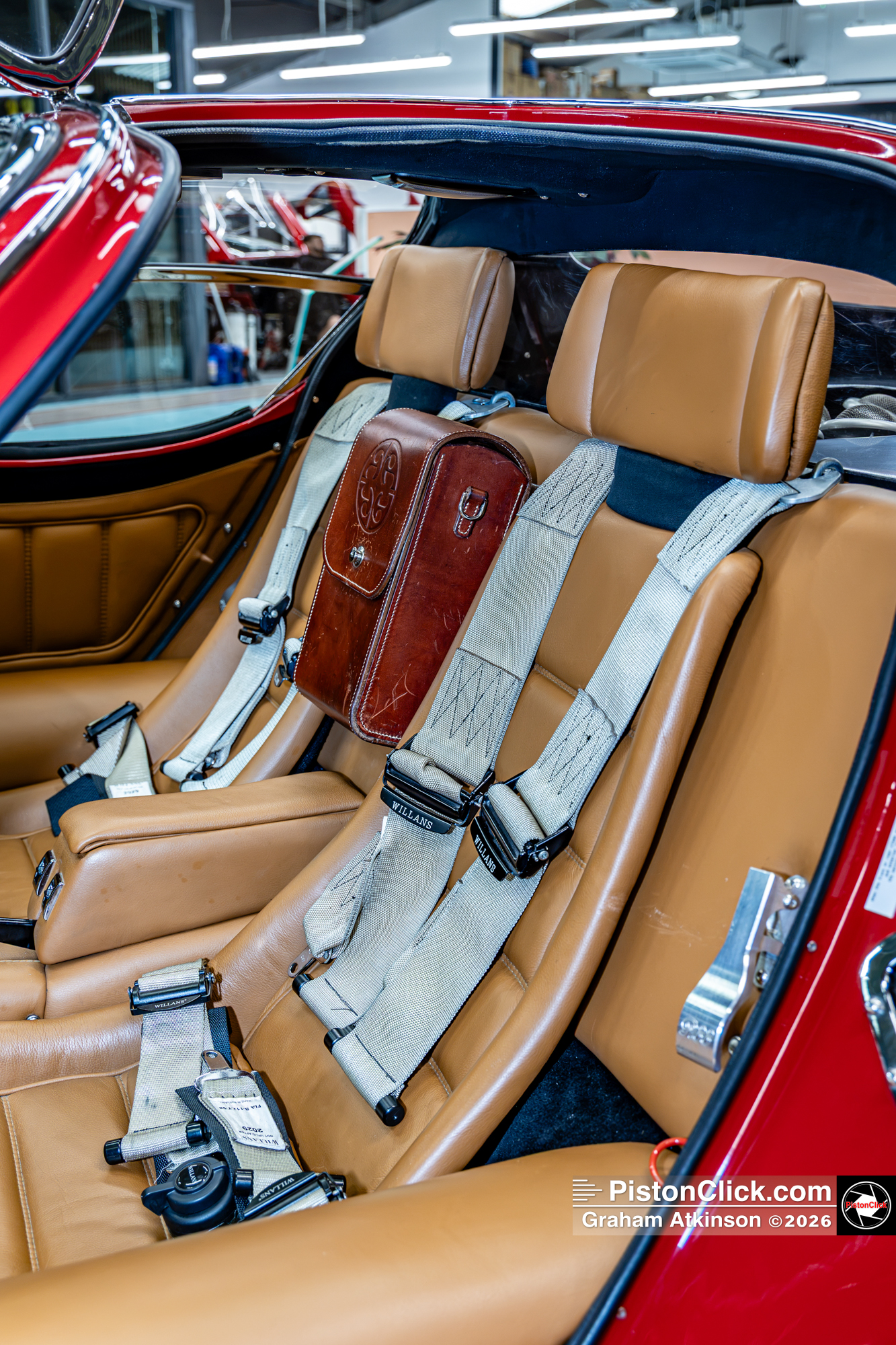
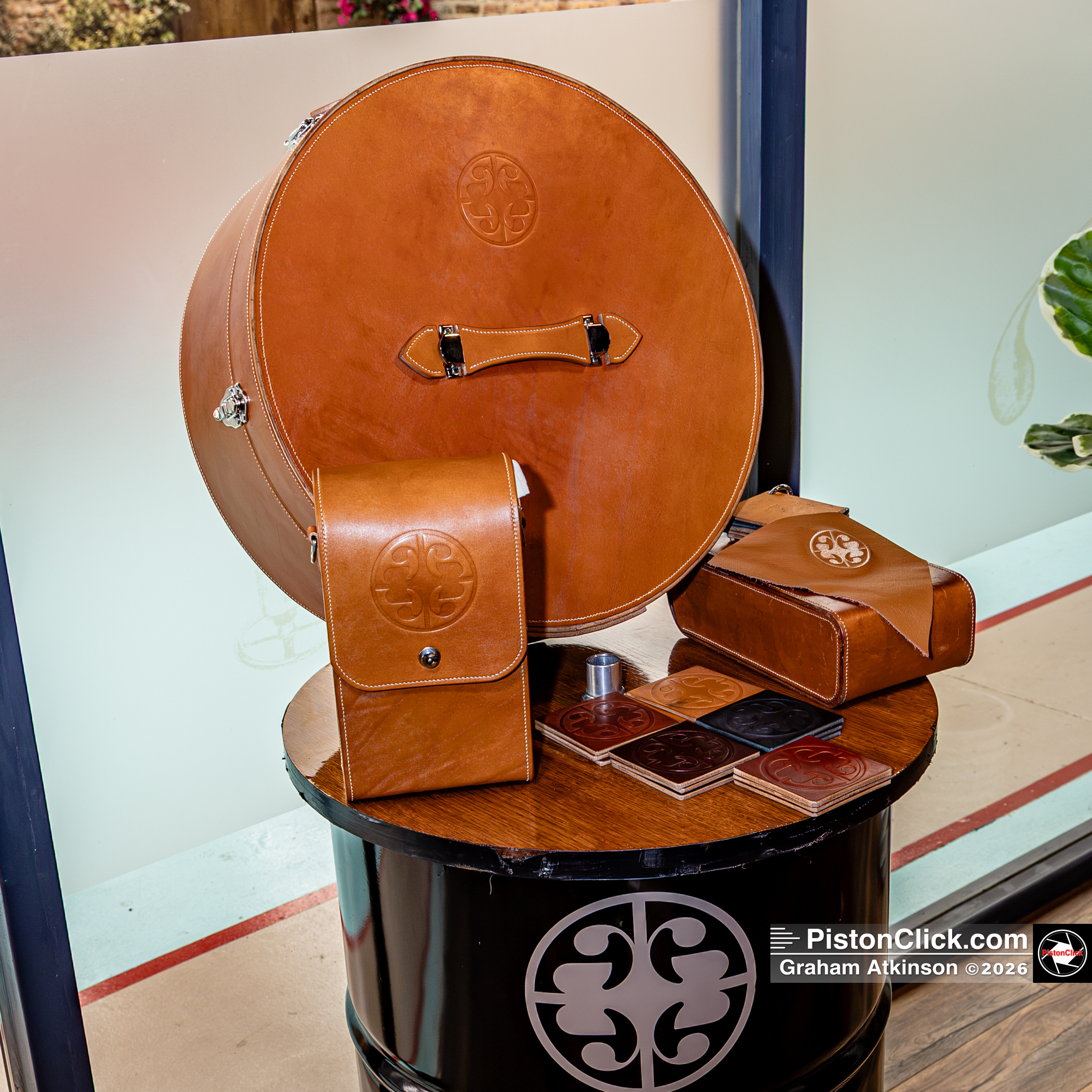
The team extends beyond the people permanently based at the workshop. Automotive Artisans also brings in specialist subcontractors when required. Steve Summers, for example, has his own dedicated area for producing the interior trim, while Katie Warriner makes bespoke luggage for the cars.
These individual contributions help ensure that the finished vehicle receives the same attention throughout, from its aluminium bodywork to the smallest interior details.
More Than Just a Beautiful Car
I think I will leave the final quote to Keith, whose comments seemed to sum up the feelings of the people I met throughout the day.
“I love it here, I mean I’ve worked in a few places now, but they’re the best bosses anybody could ask for. Absolutely amazing, and that’s not just me saying that to you, I say it to everybody. Yeah, it’s fantastic.”
After spending the day with Lee, Jayne, and their team, I could understand why he felt that way. The R33 is an extraordinary undertaking, combining an iconic Italian design with painstaking aluminium craftsmanship and bespoke engineering. Yet what stayed with me just as much as the car was the enthusiasm of the people bringing it to life.

From small beginnings and a handful of restoration jobs to a specialist workshop building an ambitious run of 33 cars, Lee and Jayne have created something quite remarkable.
For a motorsport photographer who first stumbled across the Automotive Artisans R33 in the Donington Park paddock, the invitation to see how it was made turned into a fascinating day. And if the attention to detail I witnessed is anything to go by, the finished R33s will be every bit as special as the car that inspired them.
Thanks to Graham Atkinson for this report about the Automotive Artisans R33. You can find out more about Graham and the Automotive Artisans below.