


Historic F1 Cars at Donington Park: Graham Hill Legends and Rare Prototypes
Report by Graham Atkinson Photography
25 March 2026
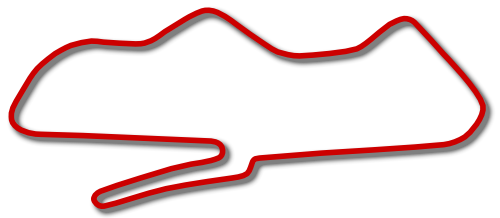
We’re back once again at an unsilenced test day at Donington Park—and as always, you never quite know what’s going to turn up. This particular day delivered a bumper turnout, with far too many cars to cover in detail, so I’ve picked out six that really stood out.
Among them were not one, but three cars associated with Graham Hill—a rare and fascinating sight. But first…
The Sabre Buick Prototypes (FC-45 “Formula Crane”)
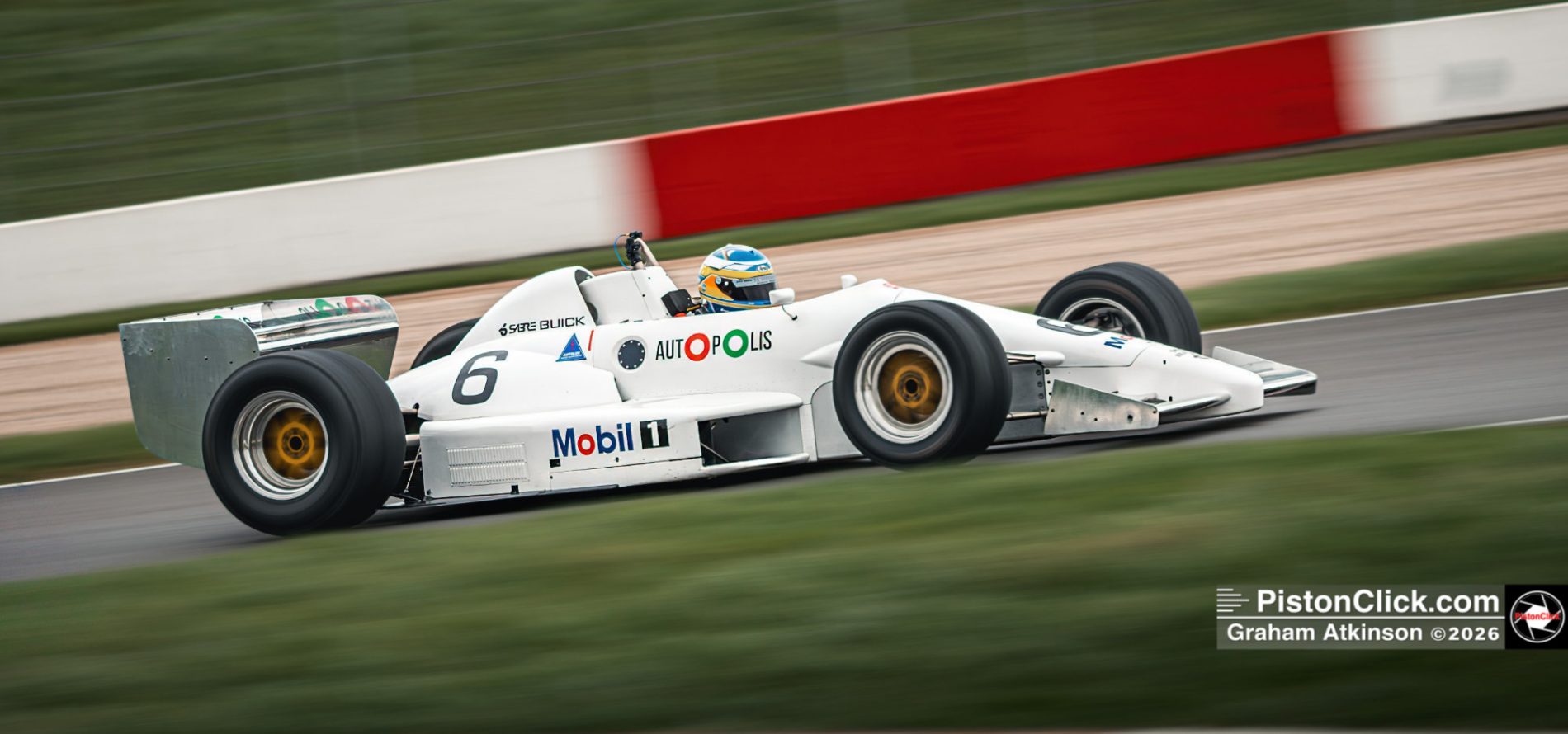
The first pair of cars were identical Sabre Buick prototypes, later known as the FC-45 “Formula Crane.” Designed by Roman Slobodynskyj and built by Jim Chapman Developments in California—with tubs produced by Swift Race Cars—these machines were powered by naturally aspirated V6 Buick engines.
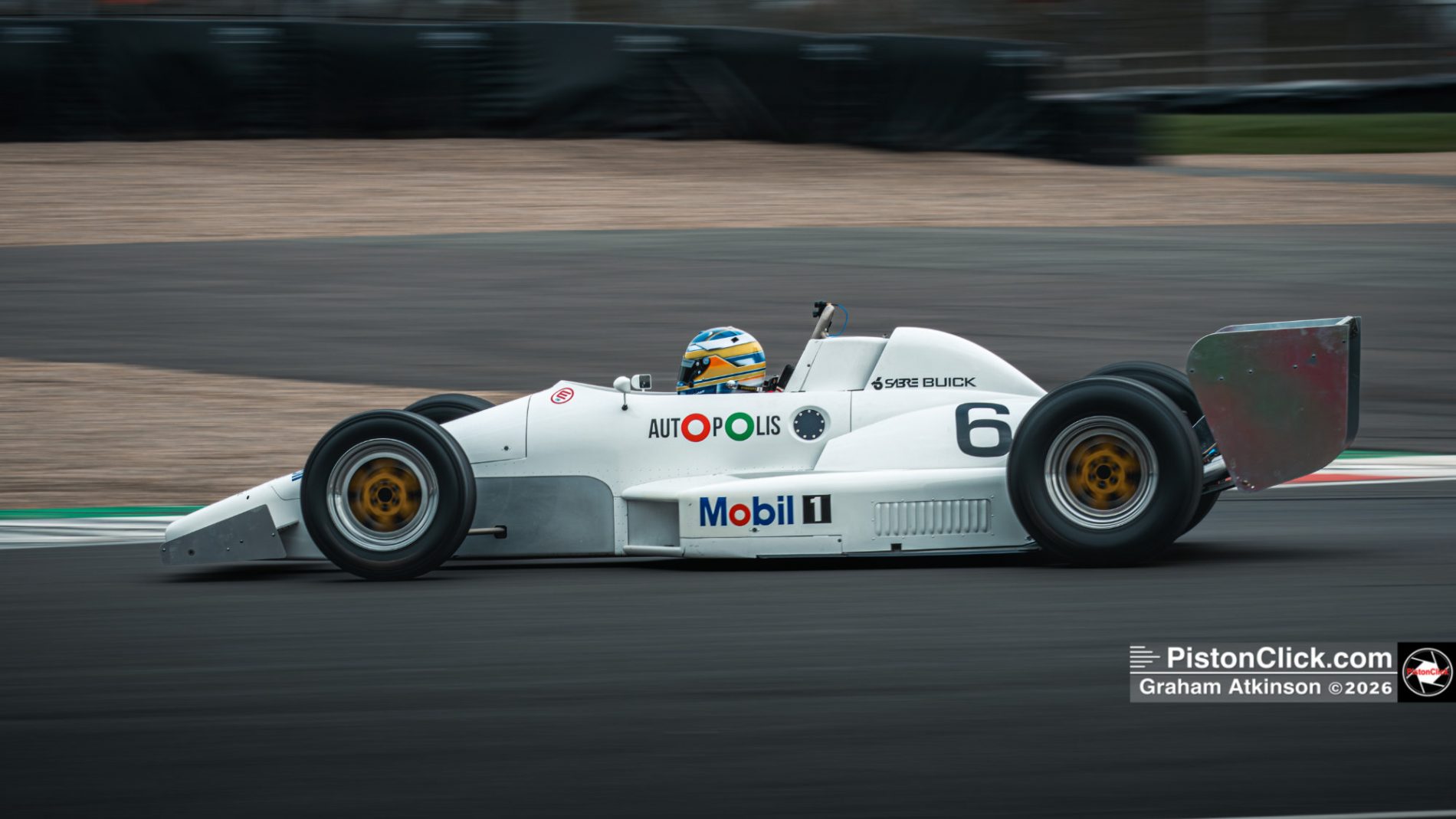
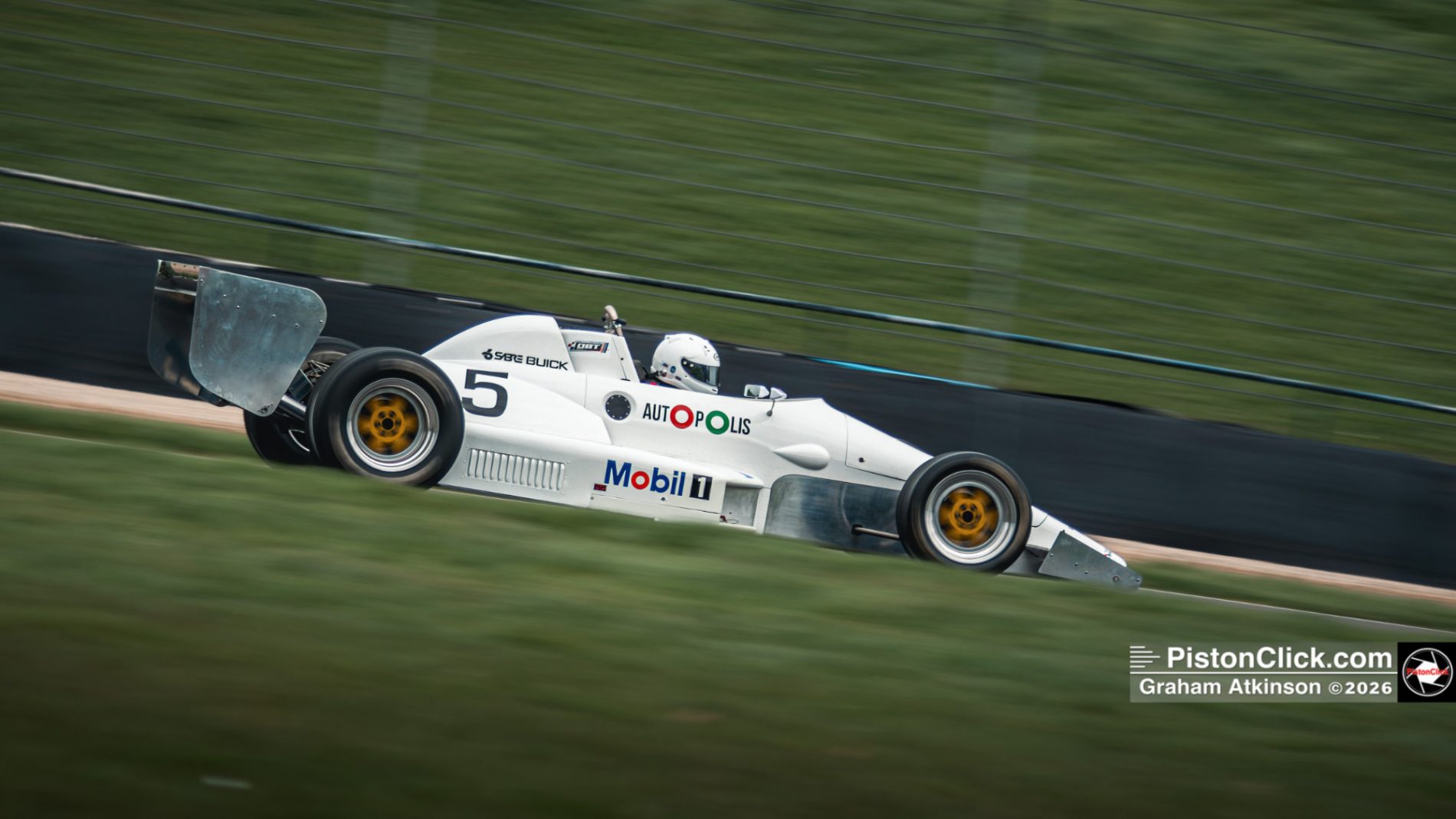
In the late 1980s, USAC intended to launch a one-make racing series and used these cars as demonstrators to generate interest. That interest came from Japan. Tomonori Tsurumaki, founder of the Autopolis circuit, ordered 30 fully race-prepared cars for the track’s grand opening in November 1990. Unfortunately, only a handful of races took place in 1991 before financial difficulties forced Tsurumaki into bankruptcy. The cars were subsequently sold off.
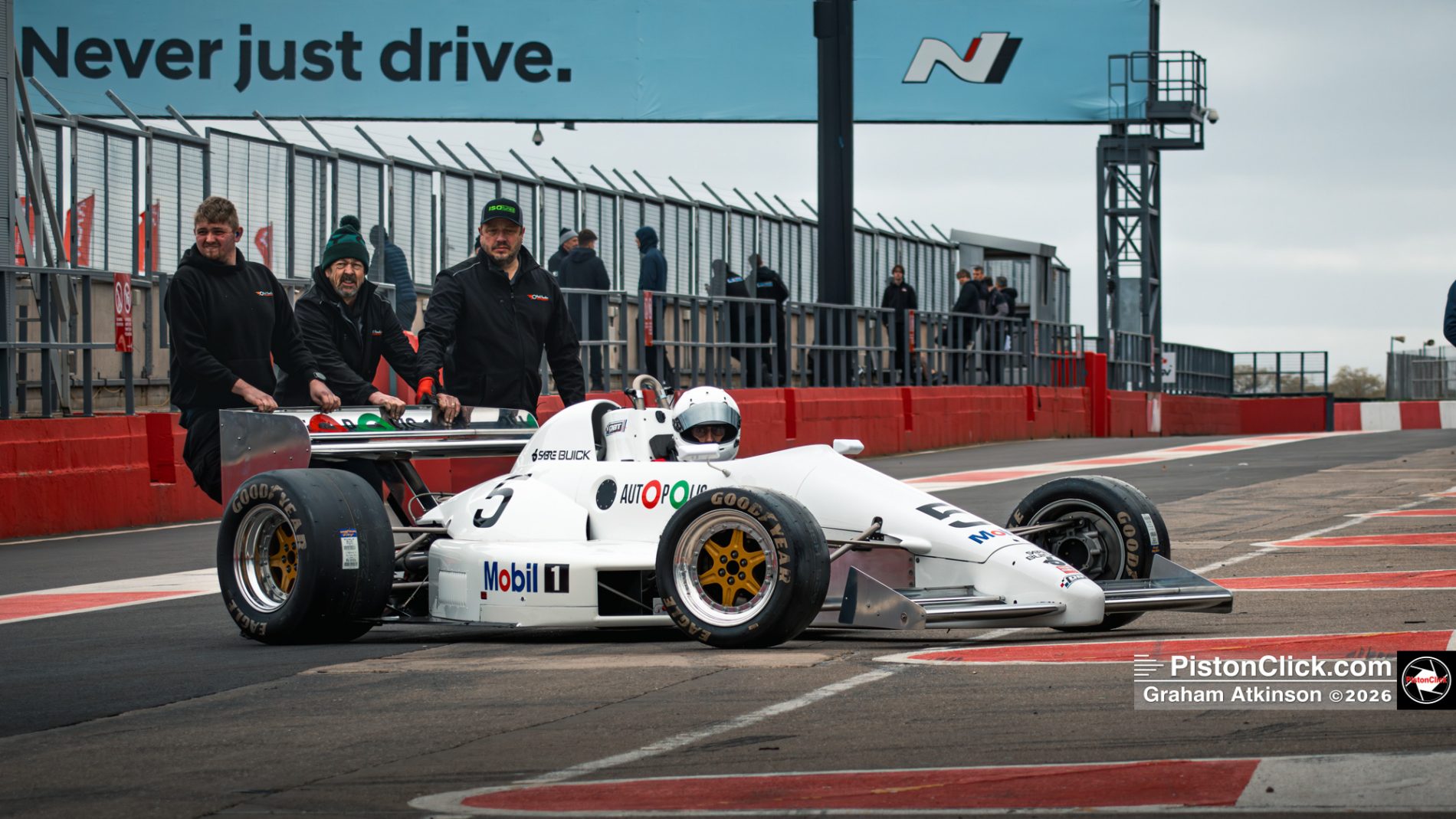
Fast forward to today, and two examples have found their way to the UK. Friends Graham Ridgway and Mike Bainbridge recently imported them from Australia, where they had been sitting largely unused. Remarkably, both cars appear almost brand new—unsurprising given their minimal track time.
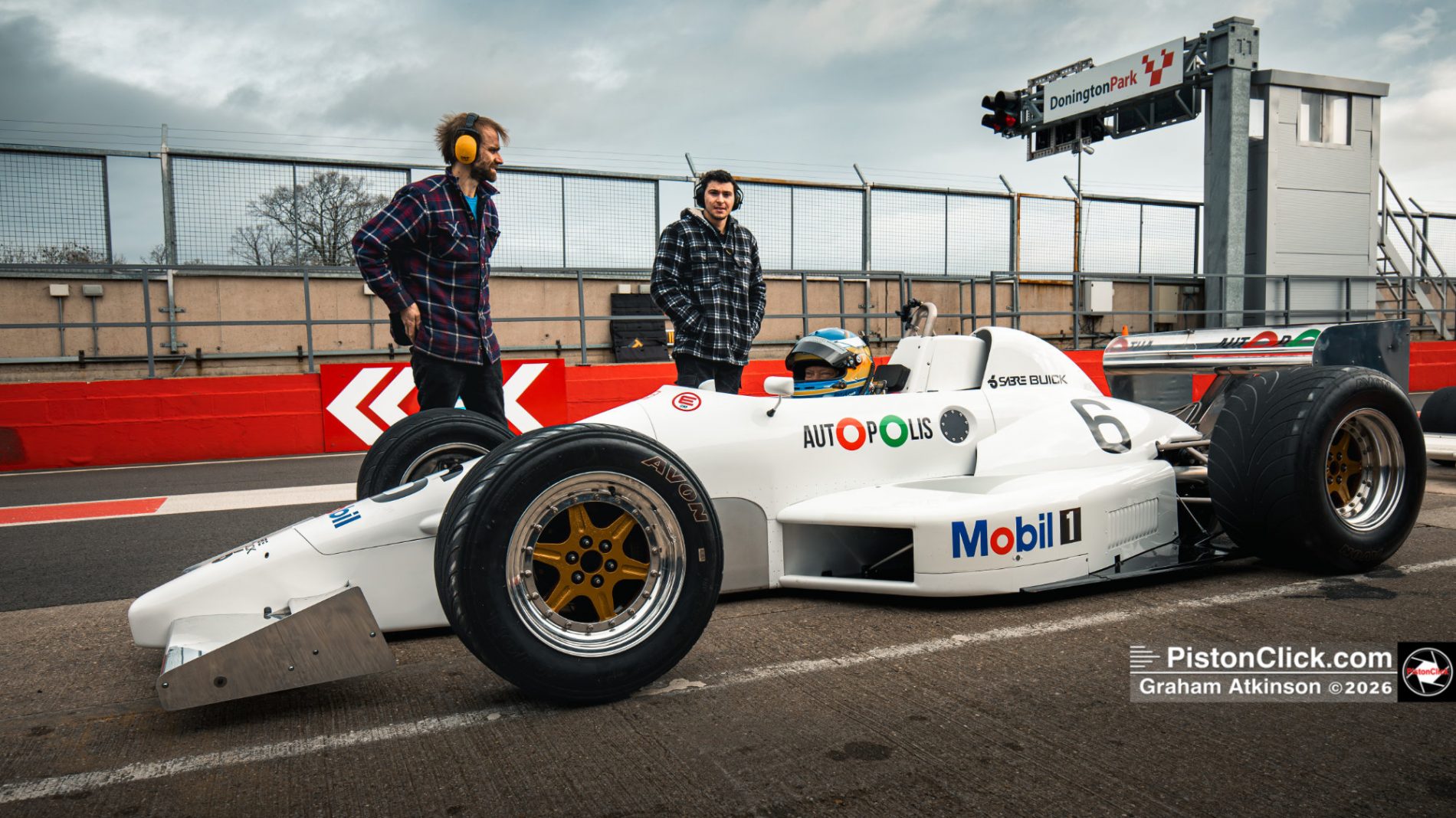
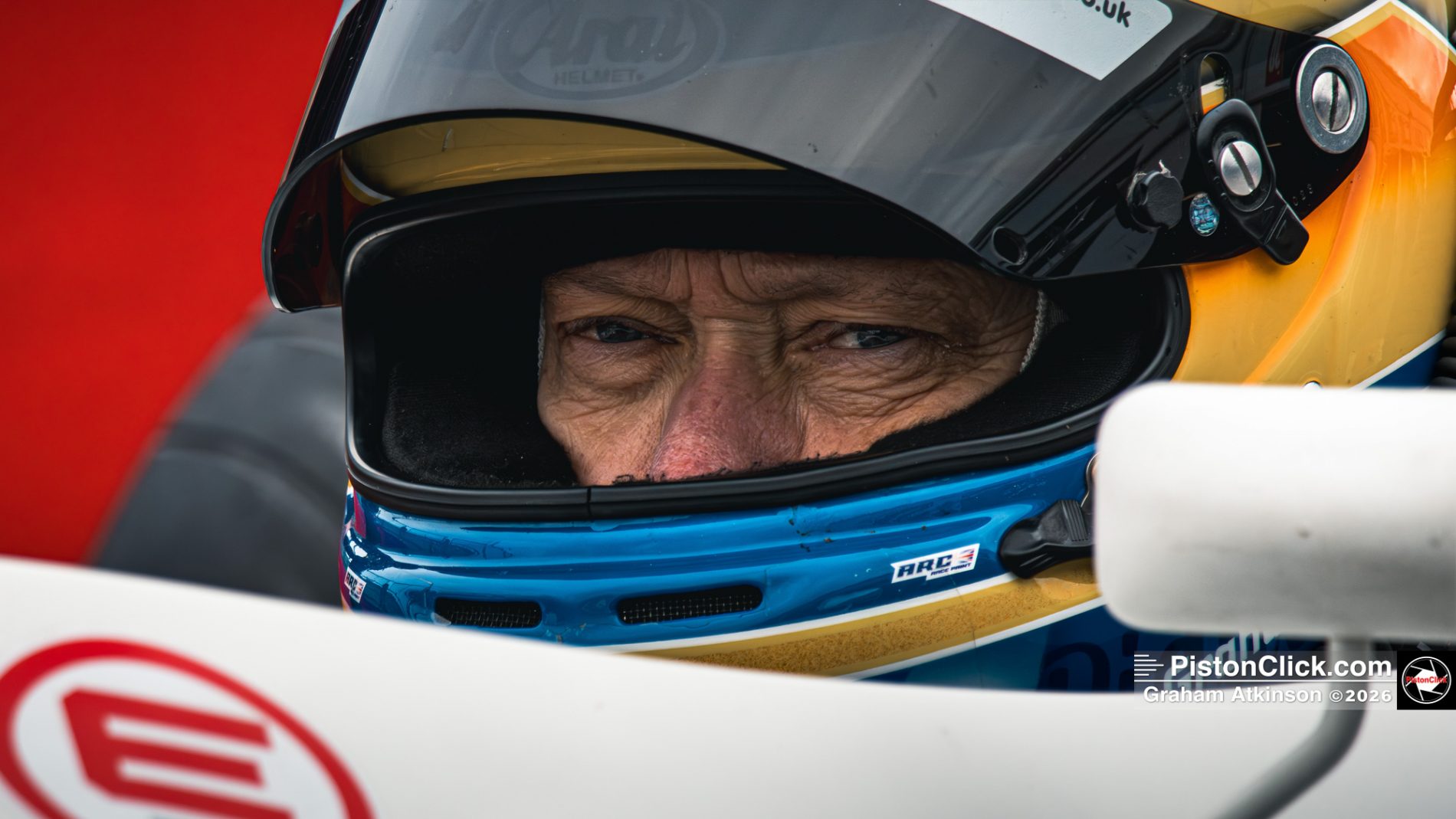
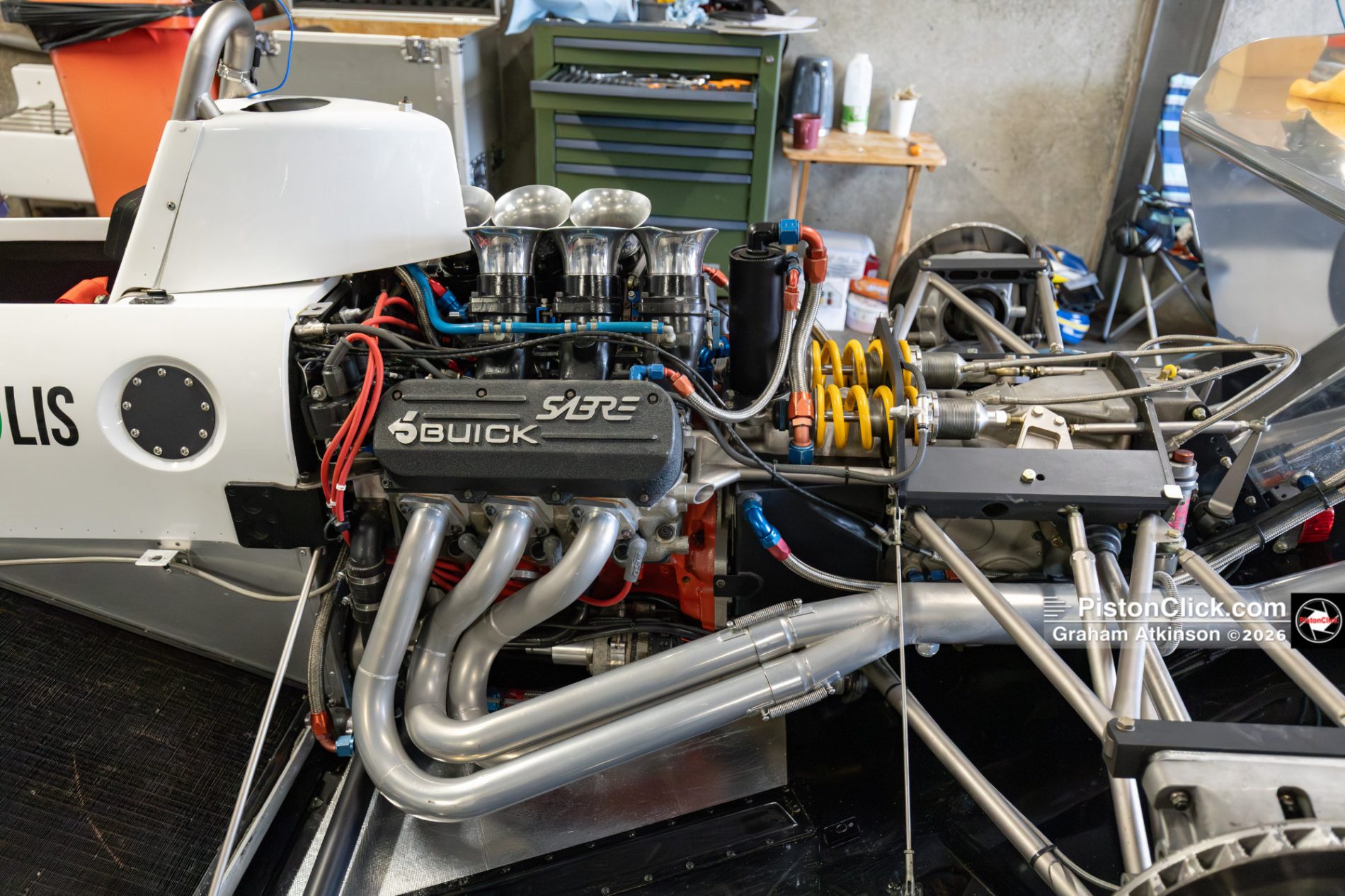
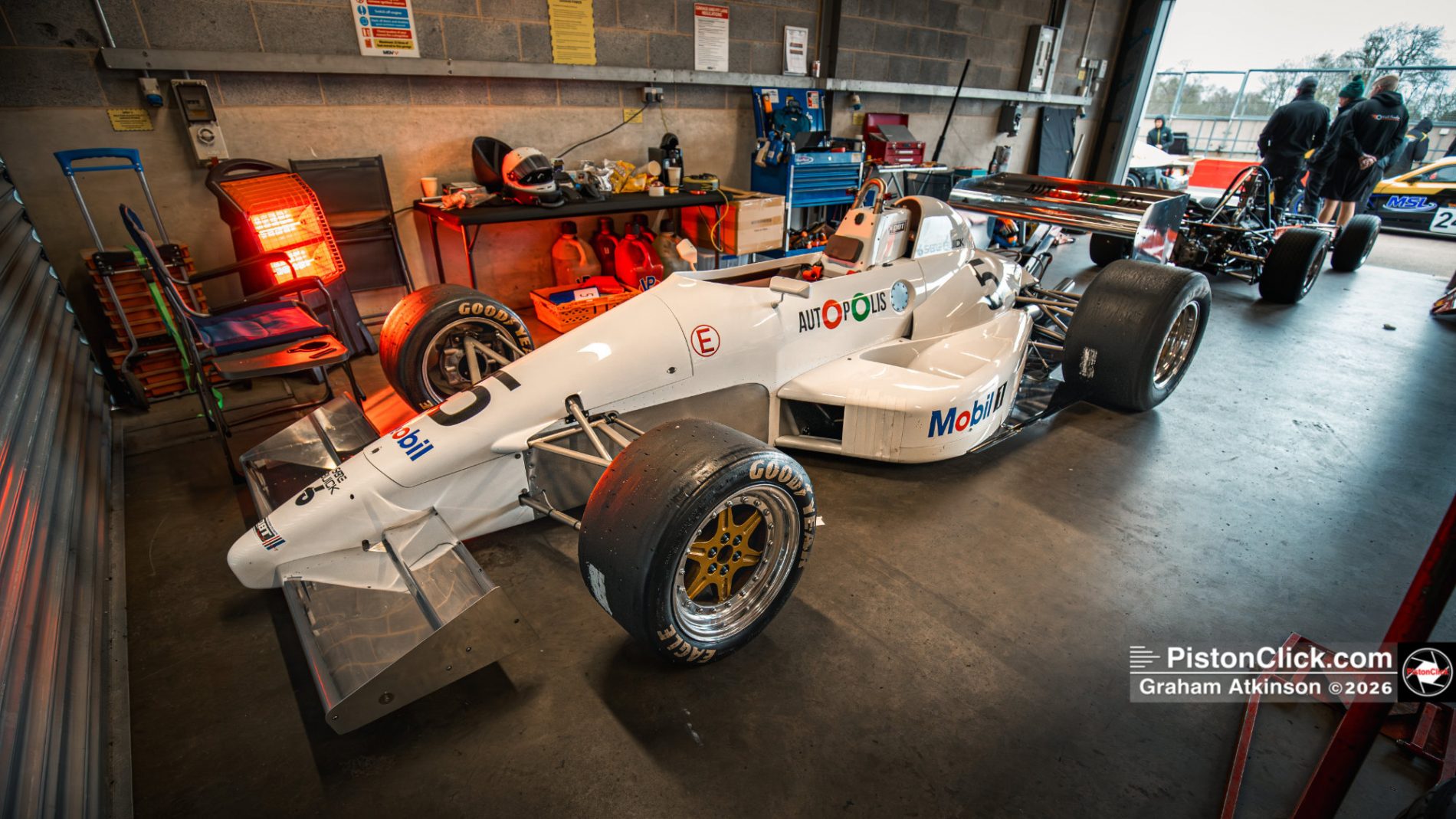
This outing at Donington marked their first run on UK soil, just three weeks after arrival. The plan is to campaign them in the Derek Bell Trophy this season, pending eligibility. With such an unusual history, hopefully these cars will finally enjoy the success that has eluded them so far.
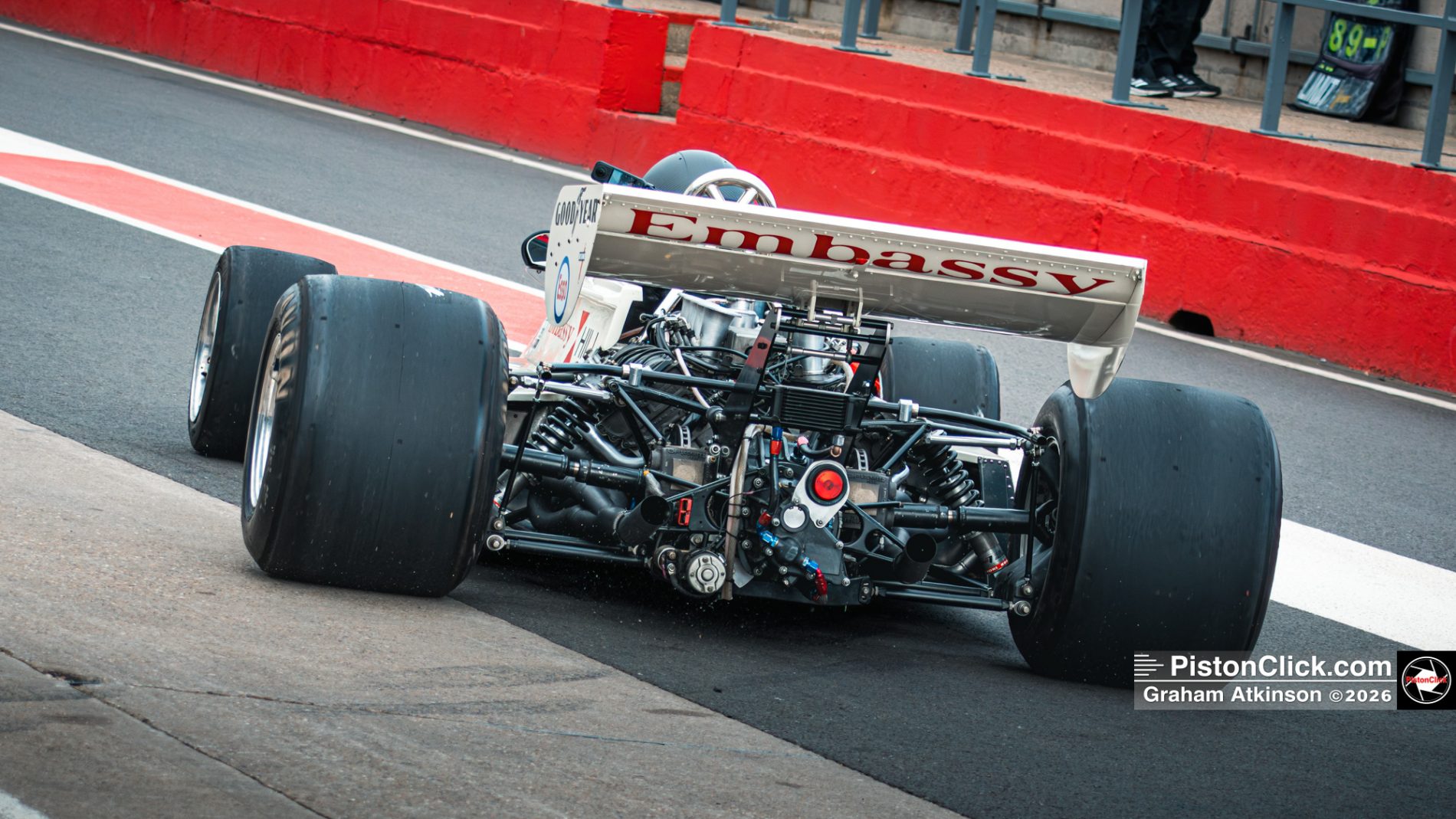
Graham Hill’s Embassy Racing Cars
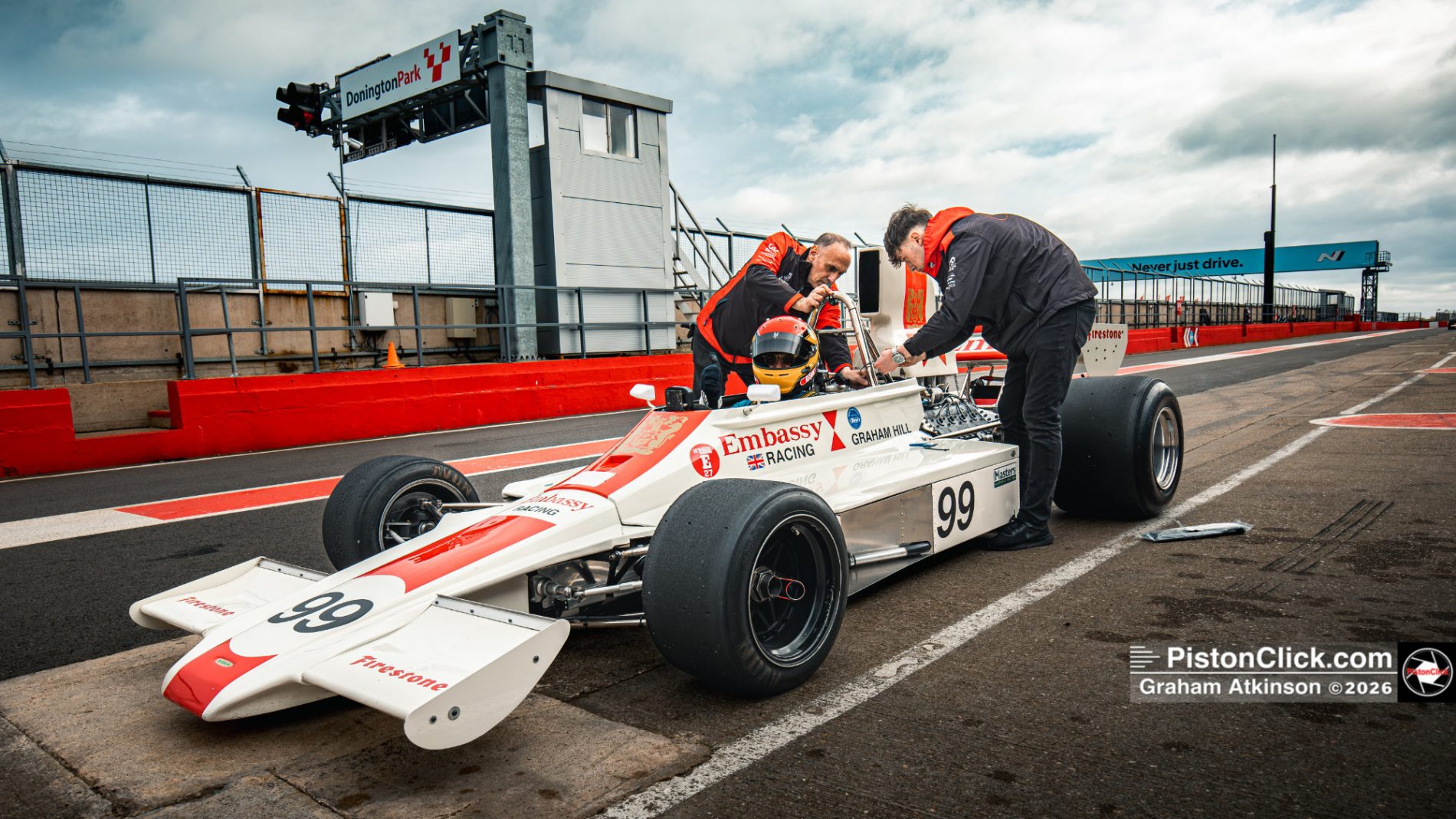
In 1973, Graham Hill launched his own Embassy Racing Team, running a Shadow DN1 chassis powered by a Ford Cosworth engine. It proved a difficult and uncompetitive car, with a best finish of ninth and no championship points.
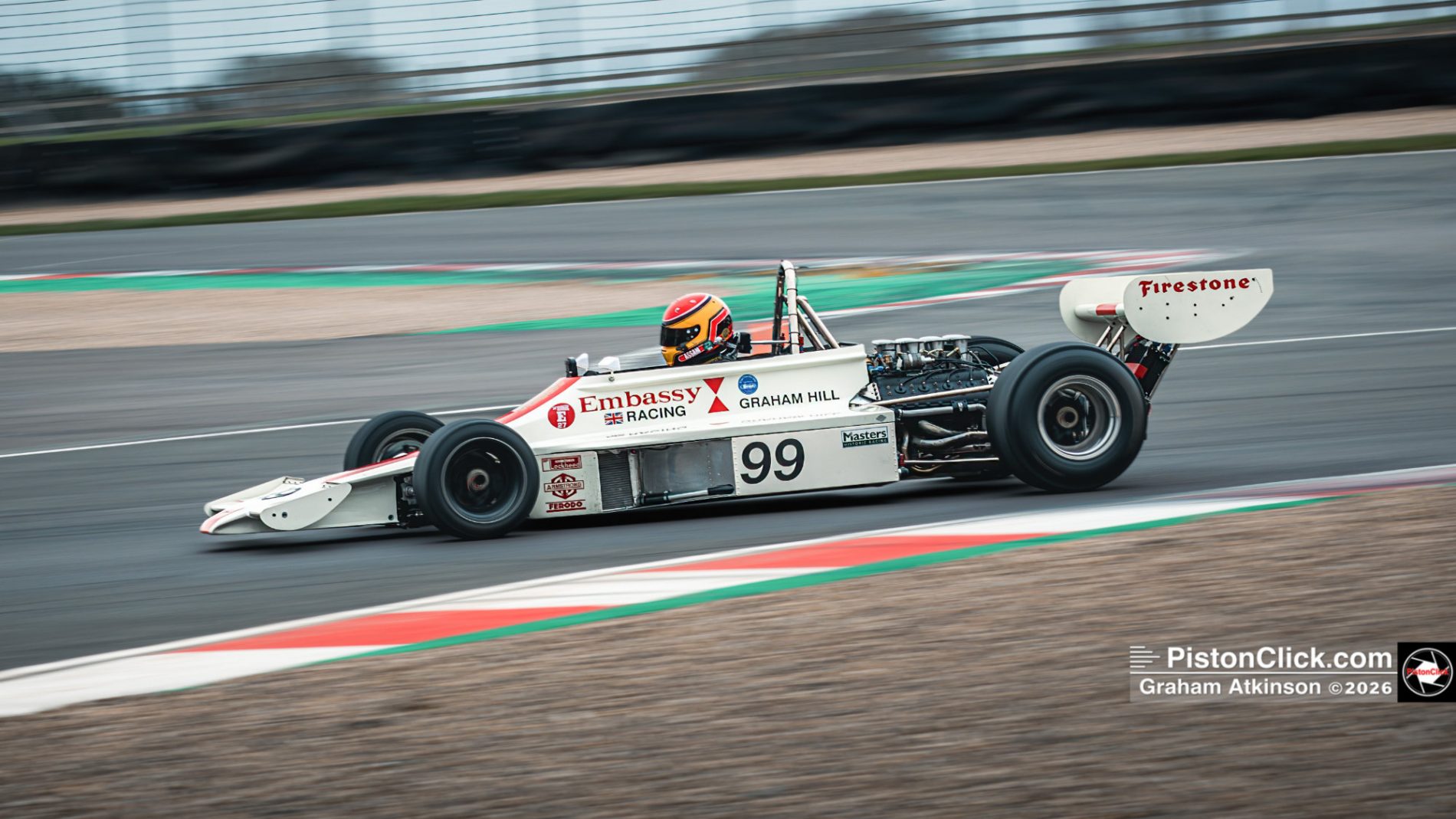
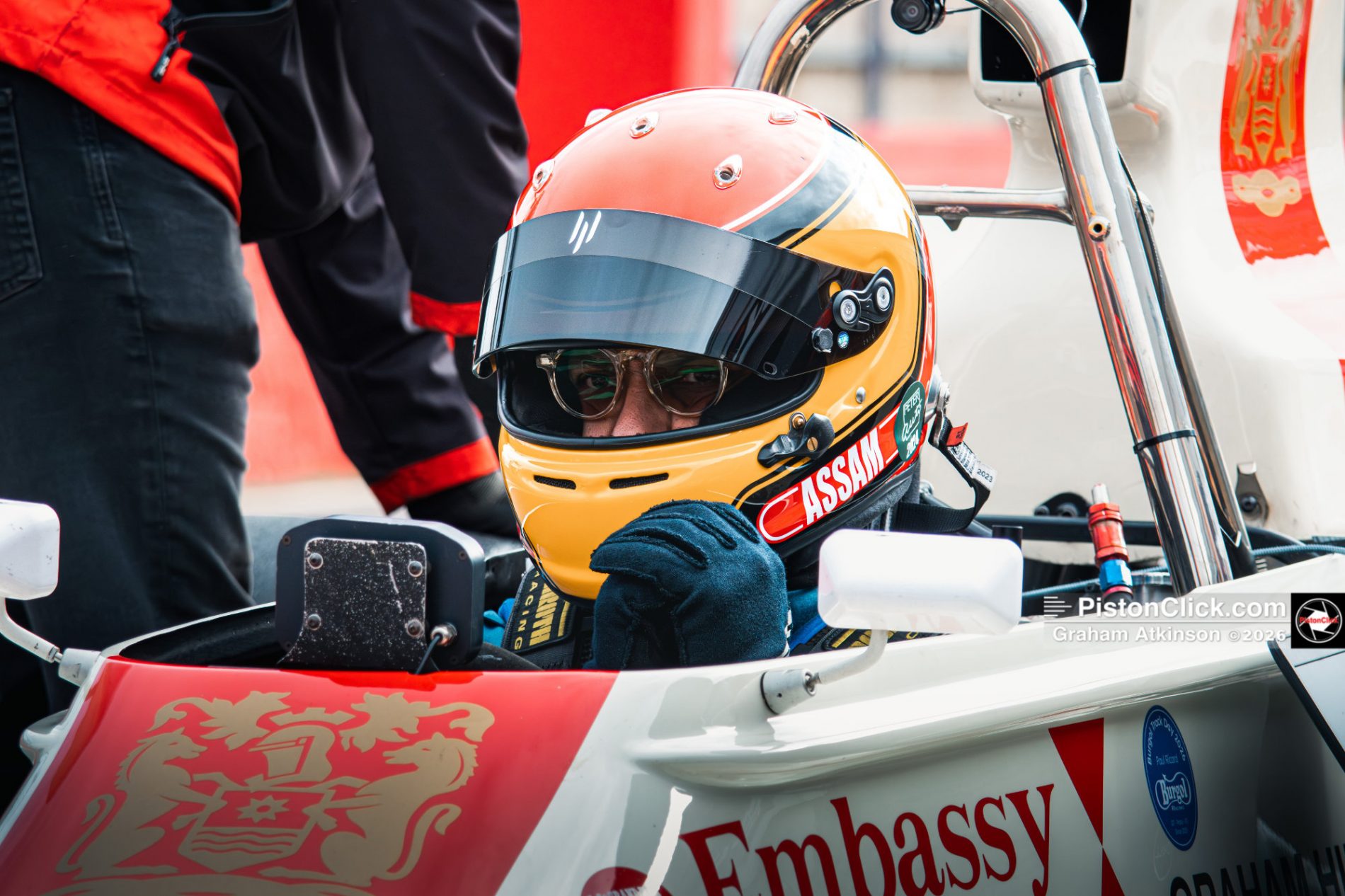
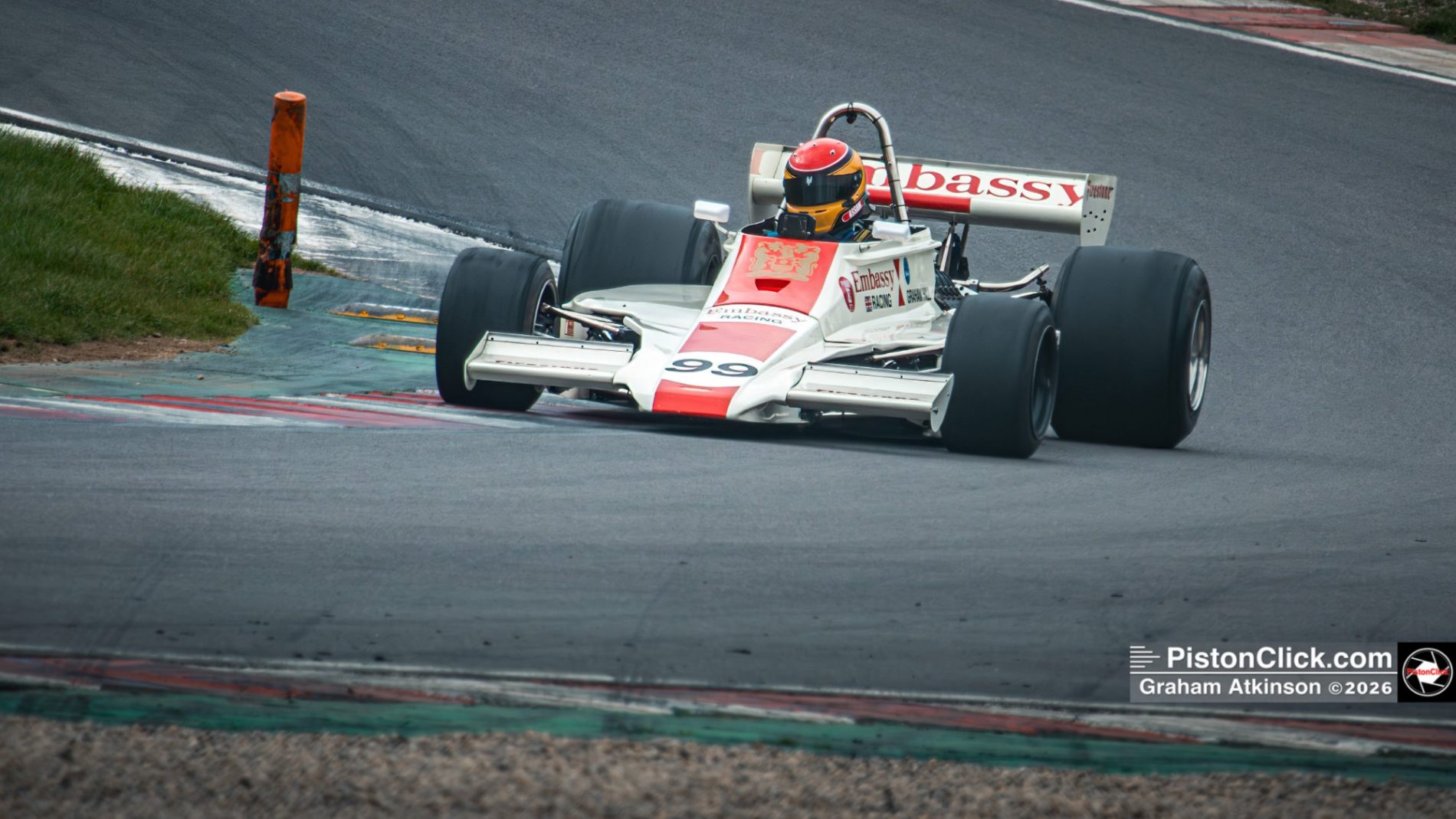
For 1974, Hill switched to the Lola T370—car number 99, seen here owned by Jamie Constable and driven on the day by Saif Assam. While an improvement, results were still limited. Hill scored just a single point at the Swedish Grand Prix, finishing 20th in the championship. That lone point would be the last of his Formula One career.
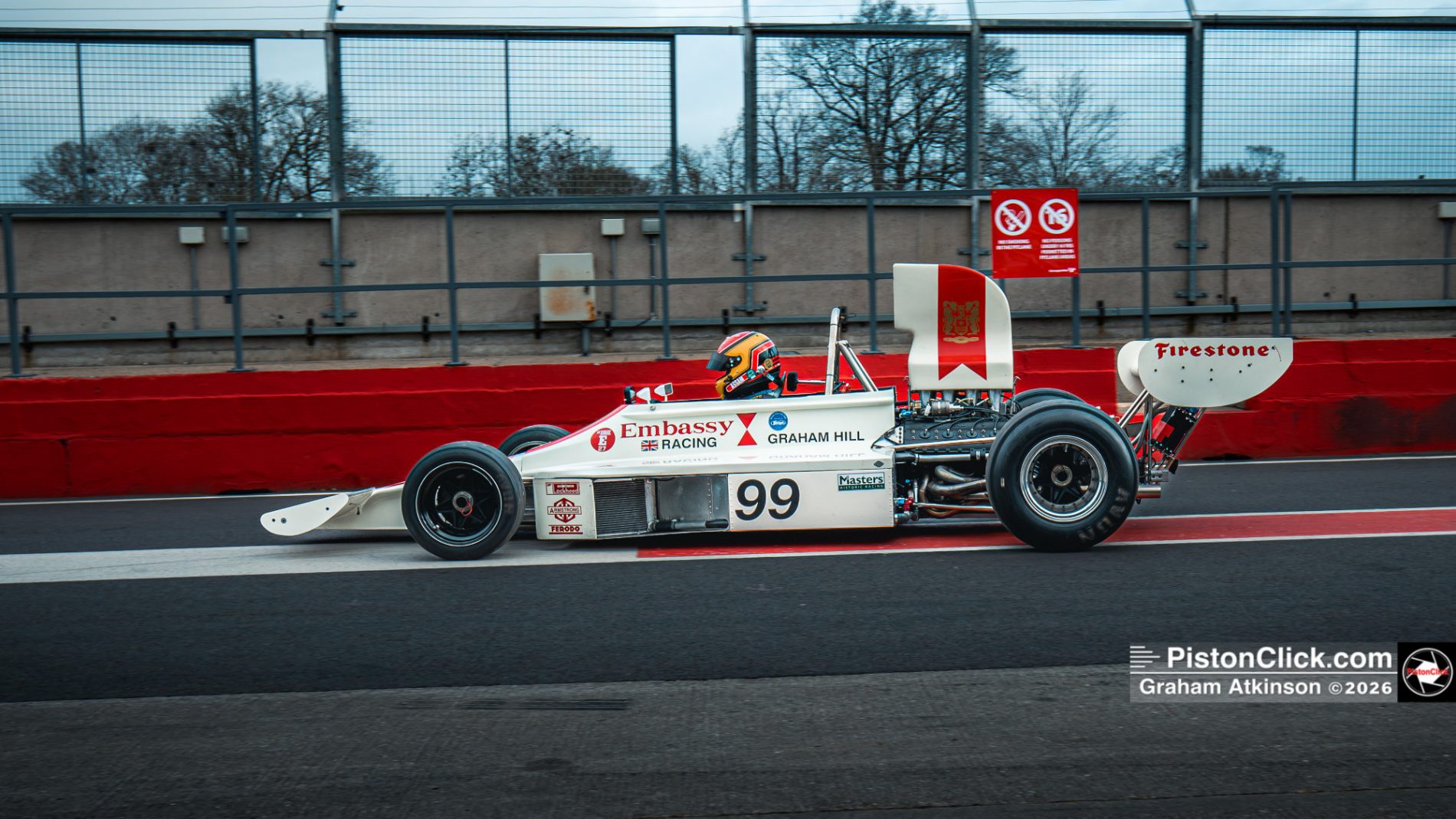
Speaking about the car, Assam summed it up perfectly:
“She’s a peach—an absolute peach. Beautiful to drive and very friendly.”
He also mentioned his excitement at driving it in the Monaco Historic event in the coming weeks.
The Hill GH1 – The Final Chapter
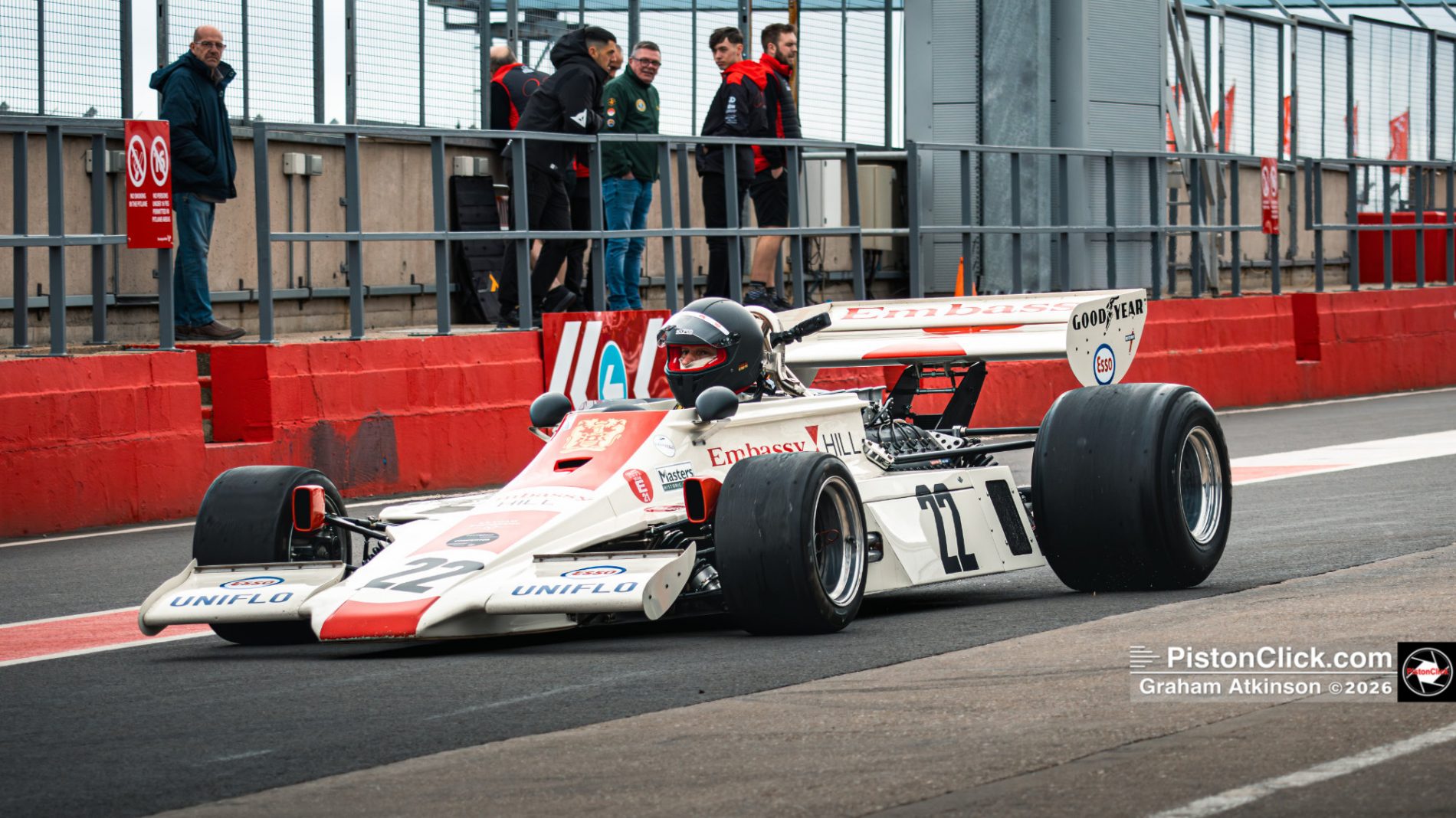
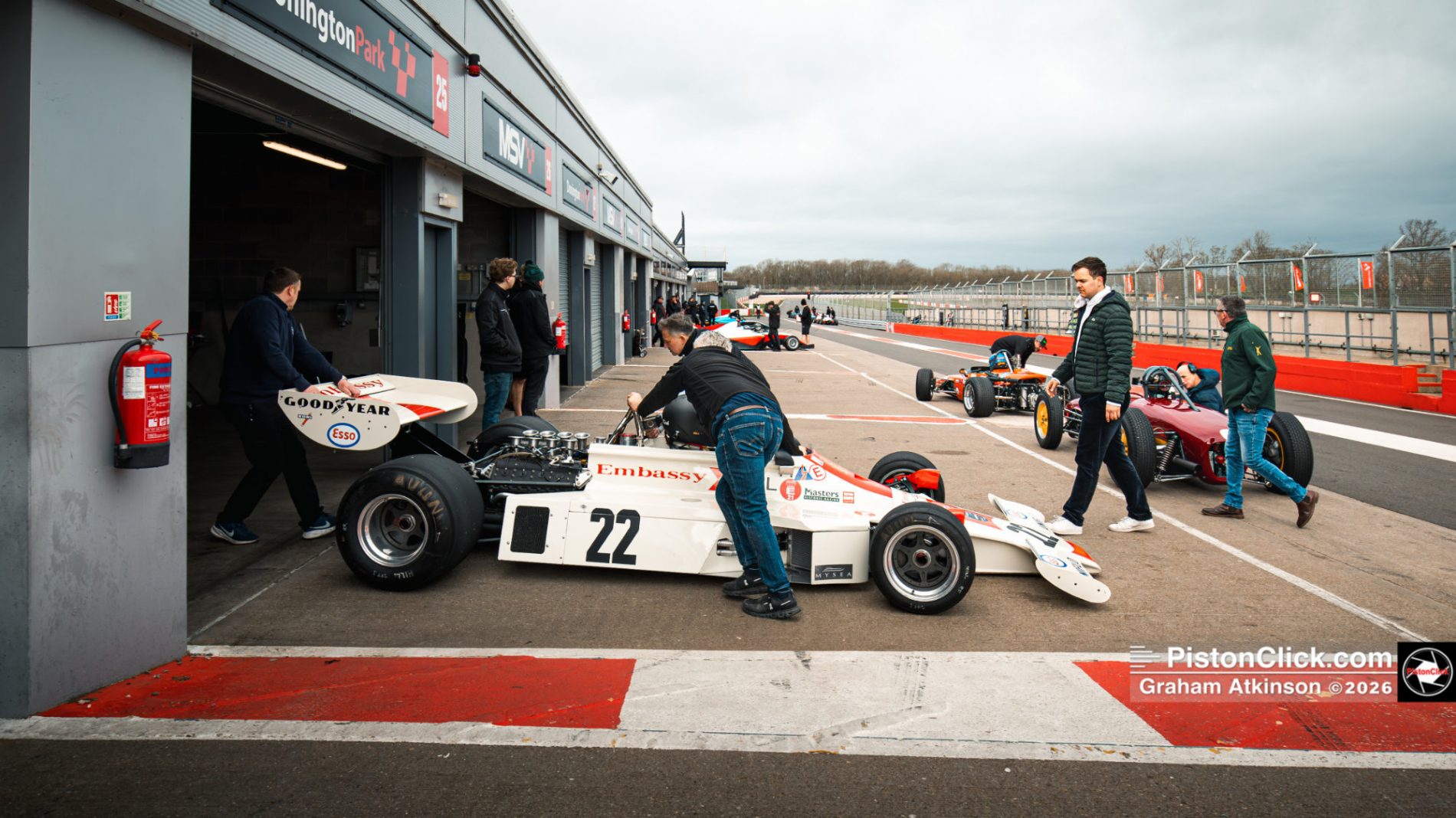
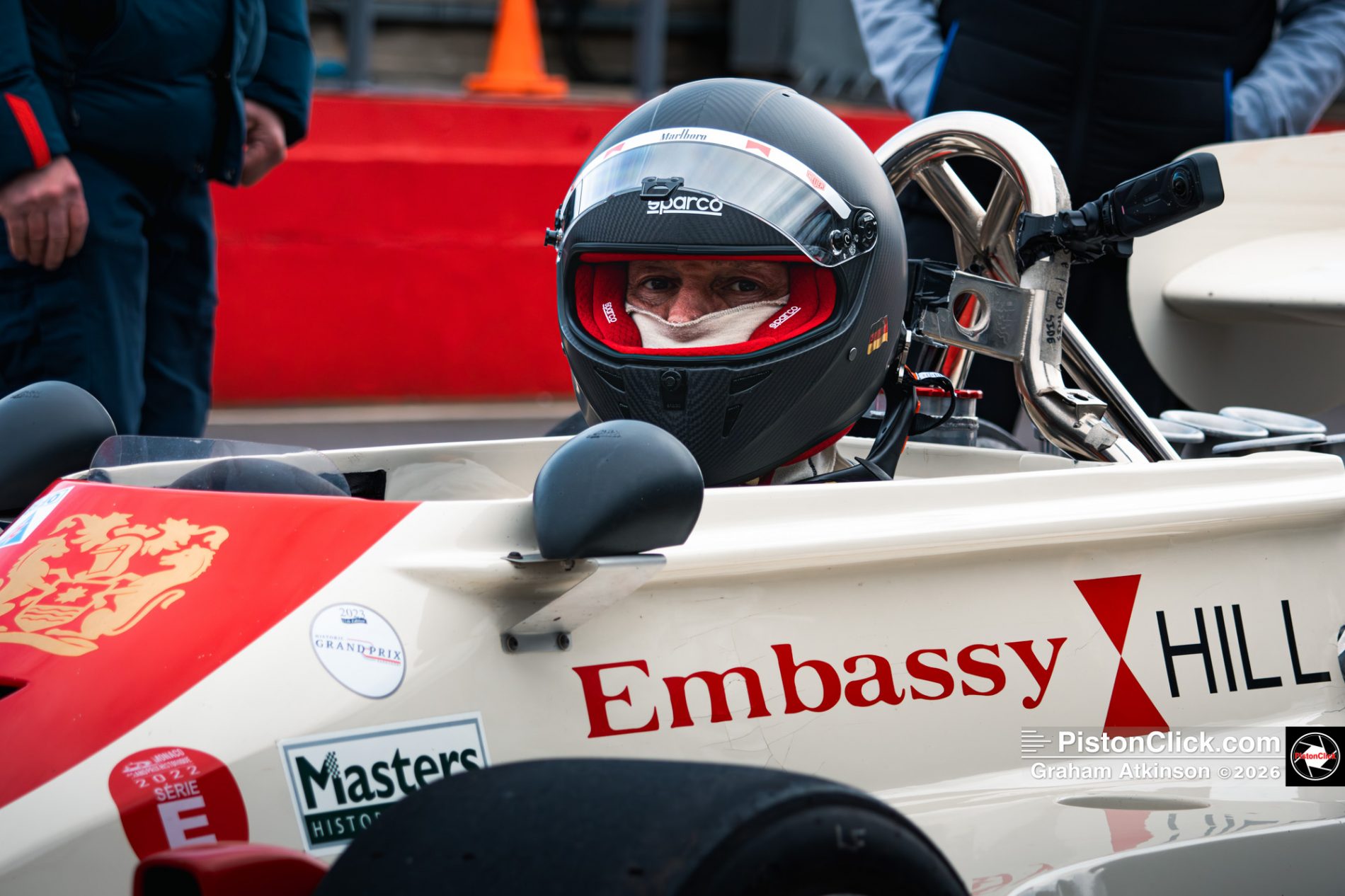
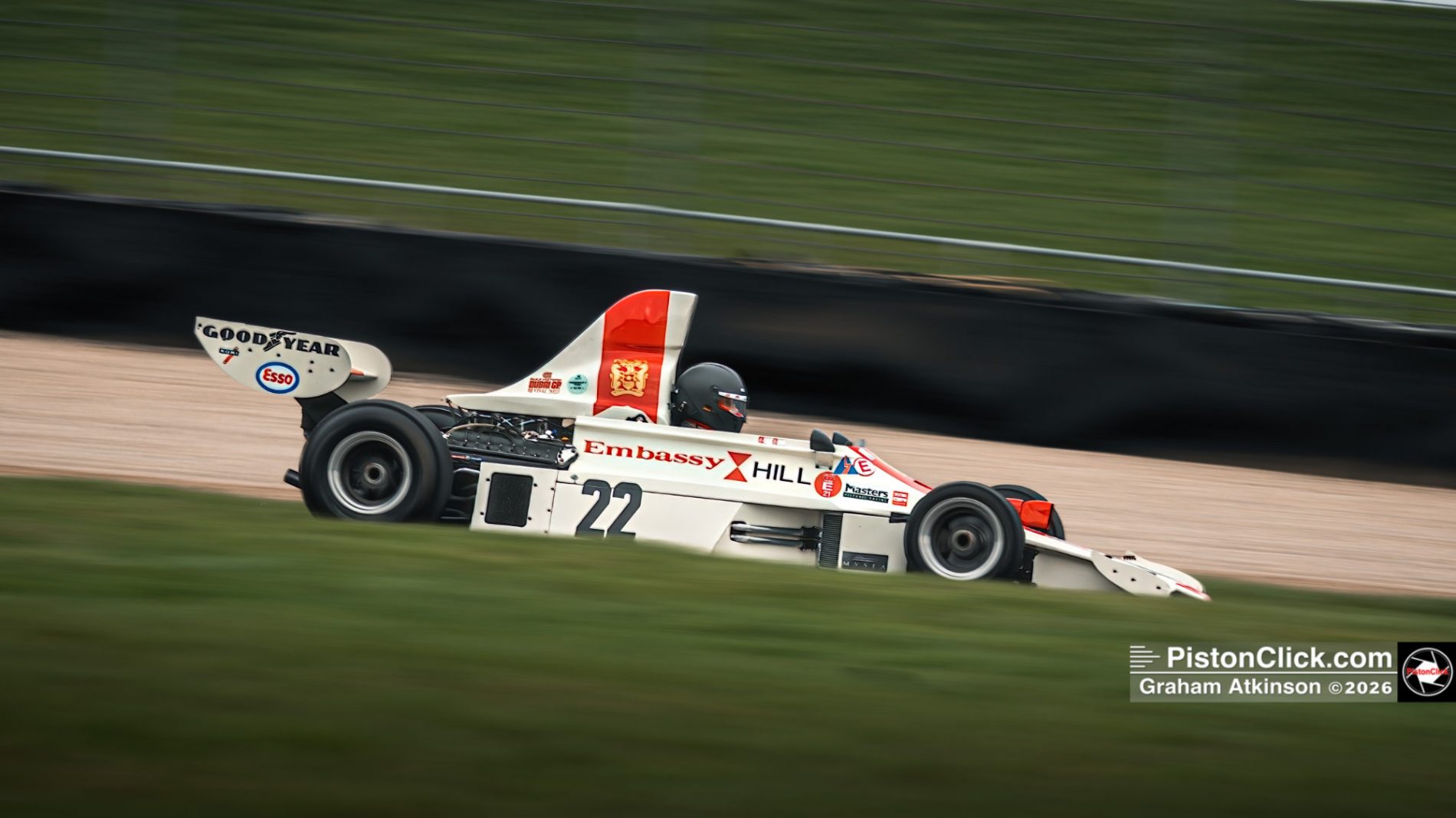
Next was the Hill GH1, car number 22—the first Formula One car designed and built entirely by Hill’s own team for the 1975 season. Three chassis were produced: one was destroyed in a crash, another now resides in the Haynes Motor Museum, and this example is the sole surviving car still in running condition.
By this stage, Hill was in the twilight of his driving career. He entered the first five Grand Prix of 1975, with Monaco marking his final attempt to qualify. Failing to make the grid at the circuit where he earned the nickname “Mr Monaco,” Hill chose to retire from driving.
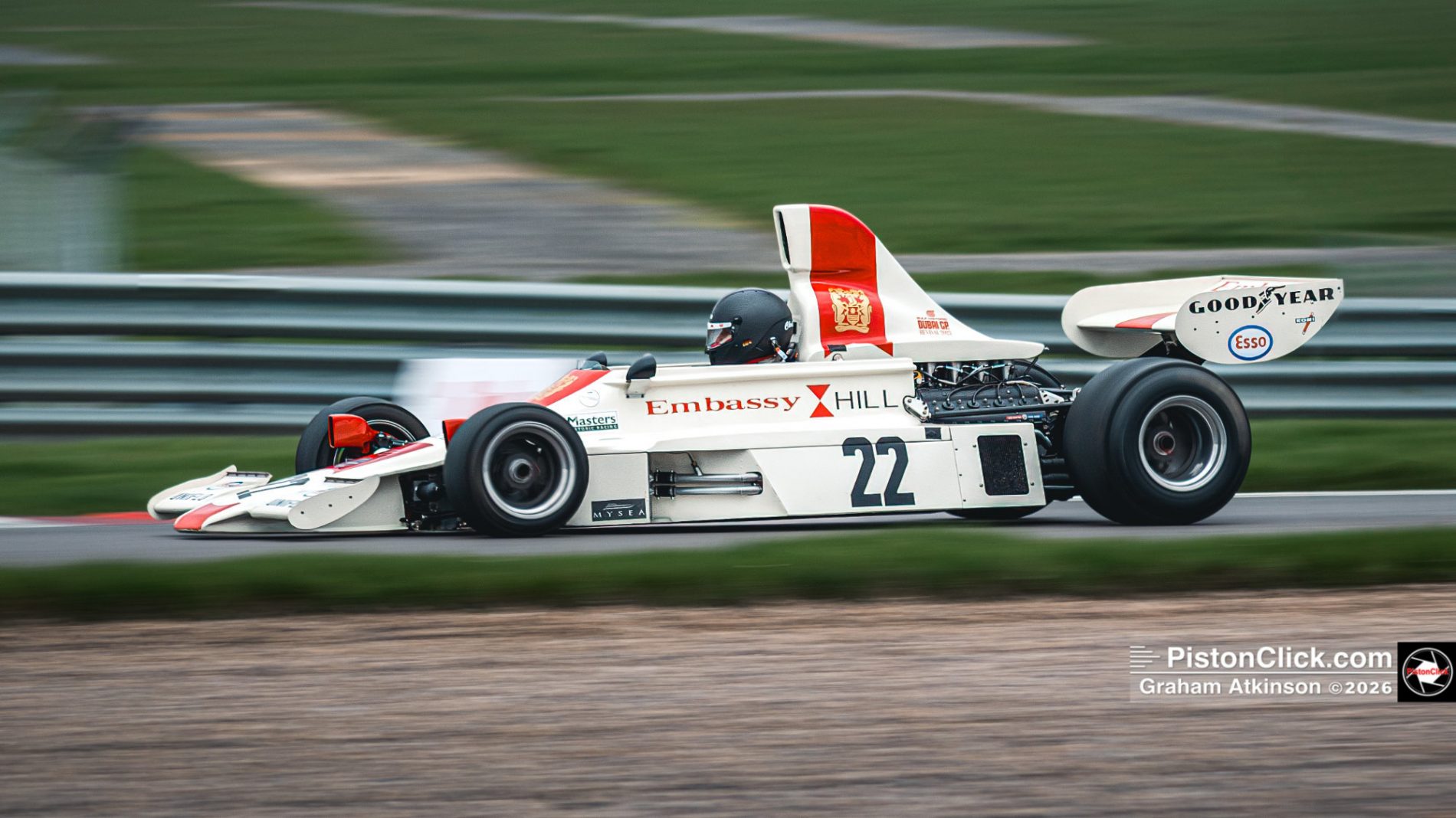
Tragically, the team’s story ended soon after. Their planned GH2 1976 car never raced. Graham Hill and driver Tony Brise together with team manager Ray Brimble and two mechanics were killed in a plane crash in November 1975.
Brabham BT33 – A Difficult Season
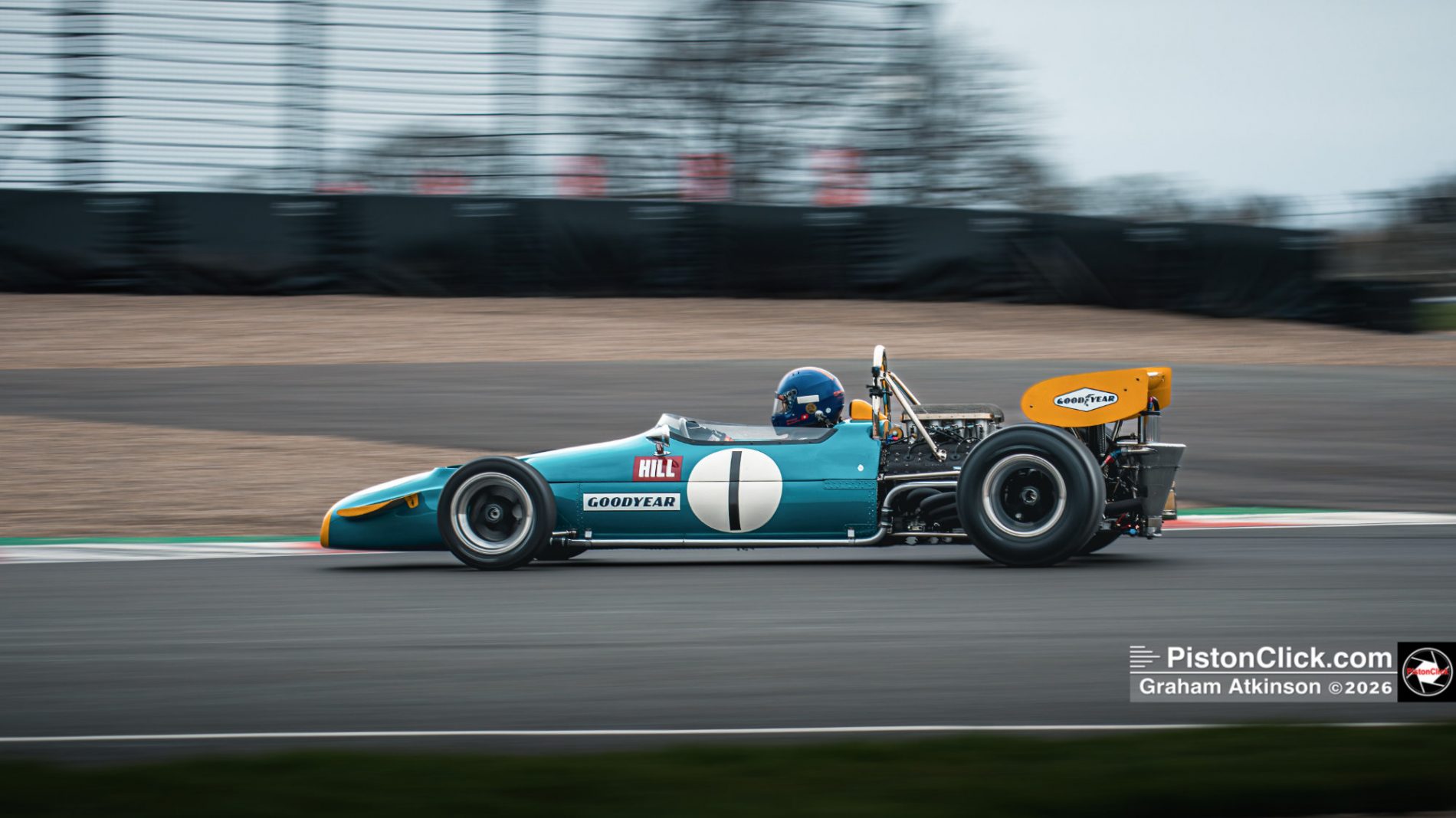
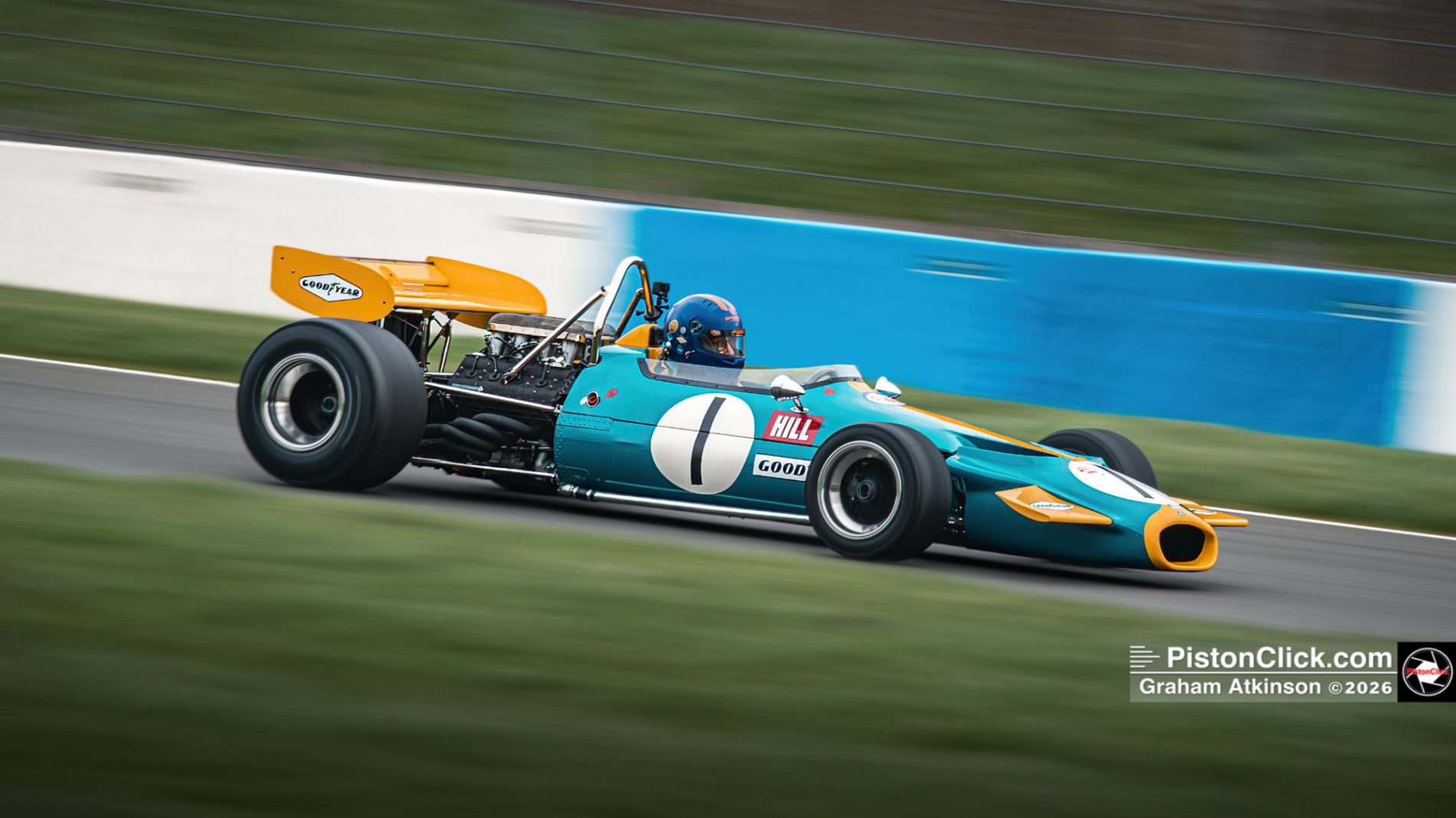
Looking further back, a 1971 Brabham BT33 was also at the unsilenced test day. Originally campaigned by Jack Brabham before his retirement in 1970, the car was taken over by Hill for the 1971 F1 season.
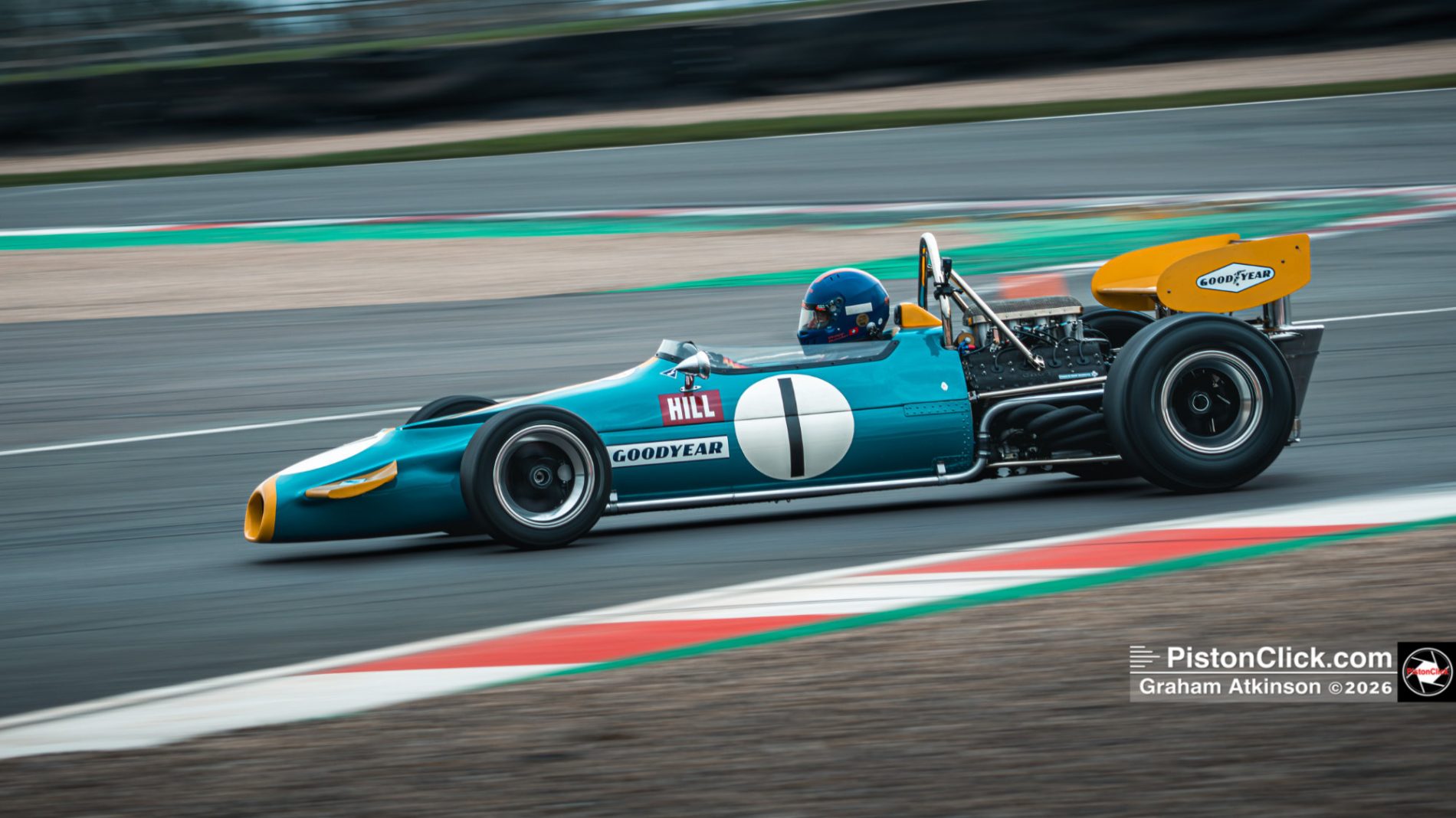
Plagued by reliability issues, Hill raced it only once—at the South African Grand Prix—before switching to the unconventional BT34, known as the “Lobster Claw.” Unfortunately, retirements continued to hamper results, and Hill finished the season with just two points, placing 21st overall.
Connaught Type B and the Mystery of Les Leston
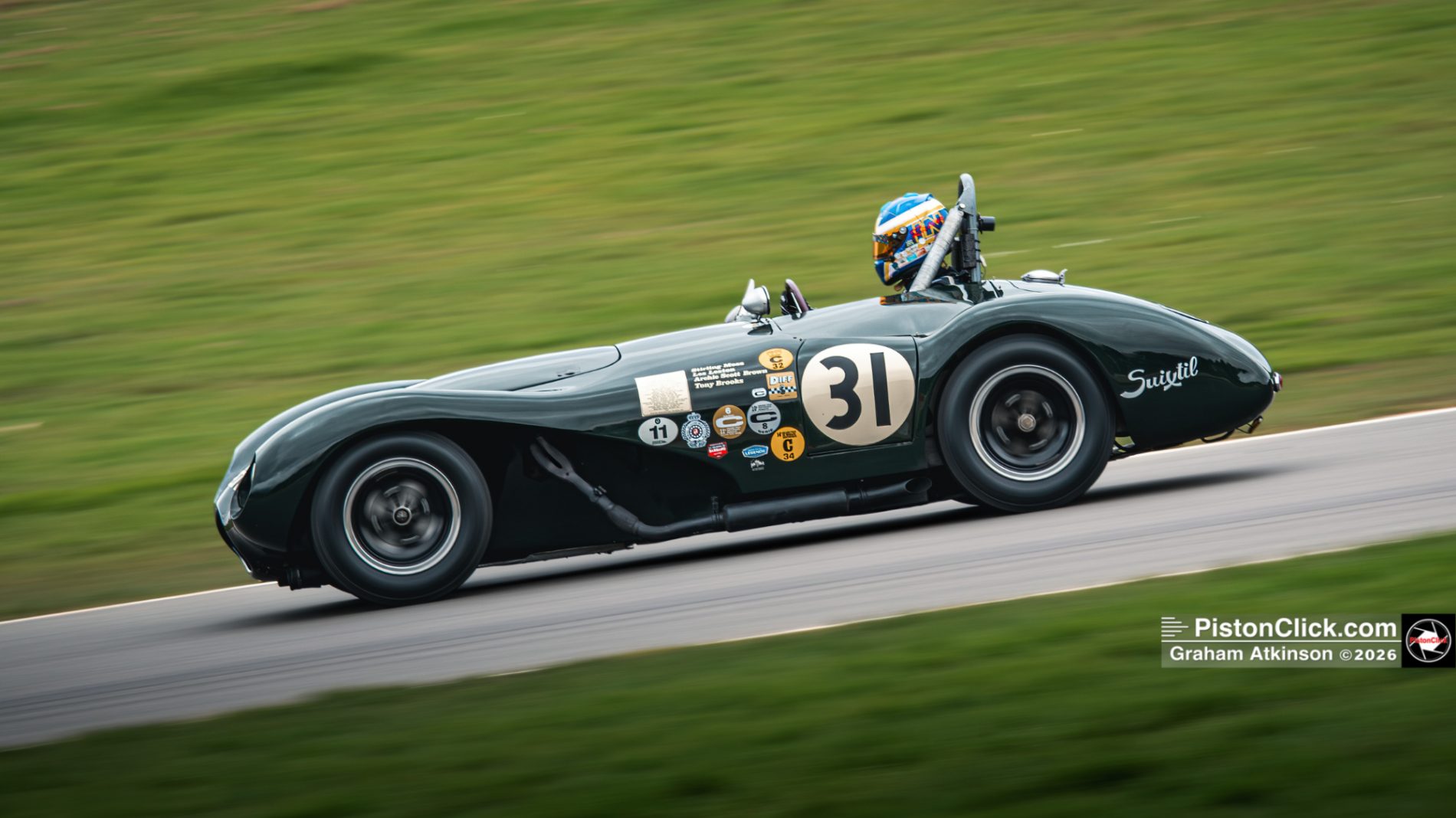
One car that particularly caught my eye was a Connaught Type B. While the name wasn’t immediately familiar, the drivers listed on its side certainly were: Stirling Moss and Tony Brooks. But another name stood out—Les Leston.
Curiosity led me to discover that Les Leston was actually Alfred Lazarus Fingleston, born in 1920 in Bulwell, Nottinghamshire—just down the road from me. His racing career was remarkably successful, particularly in 1955, when he won numerous events in this very car.
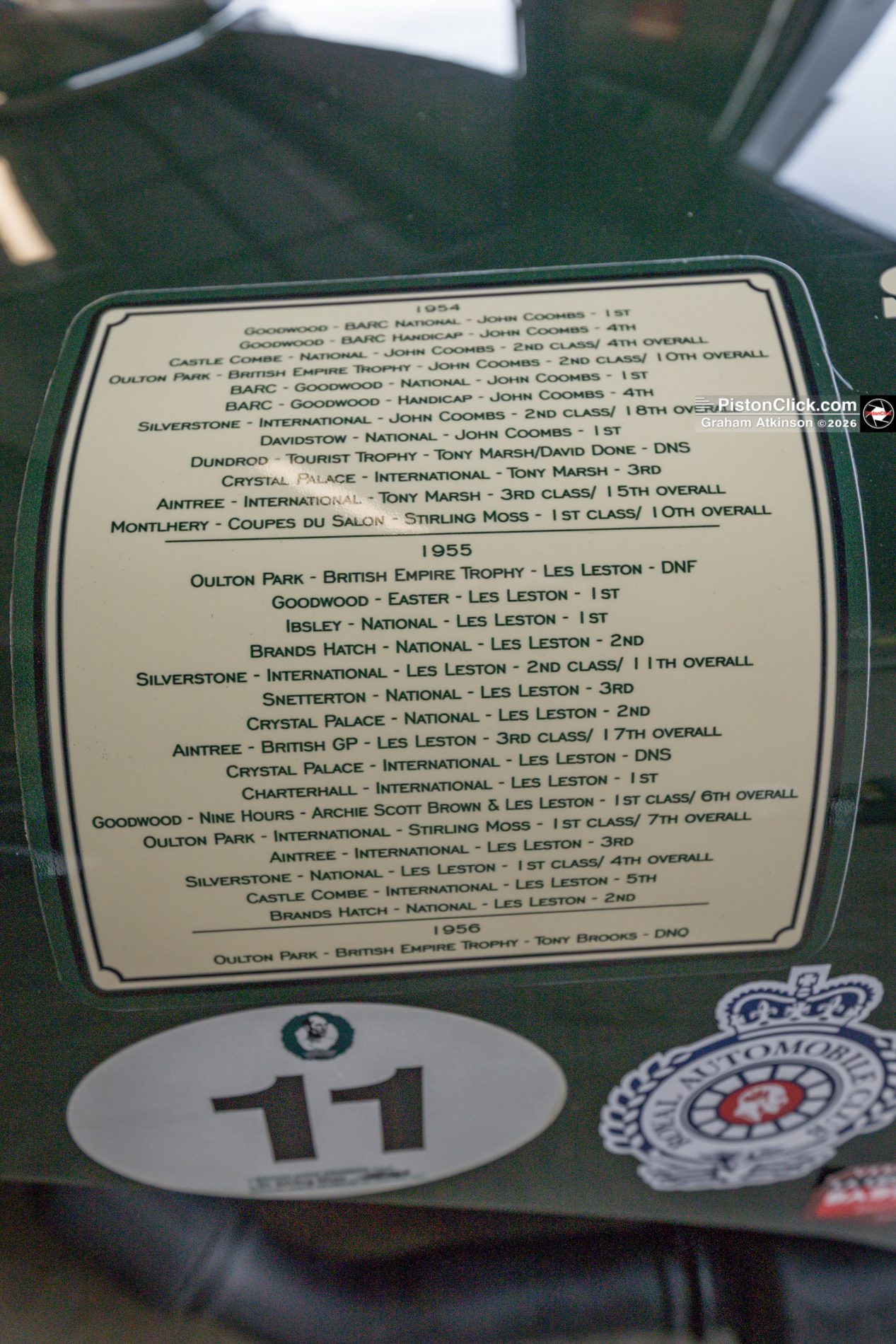
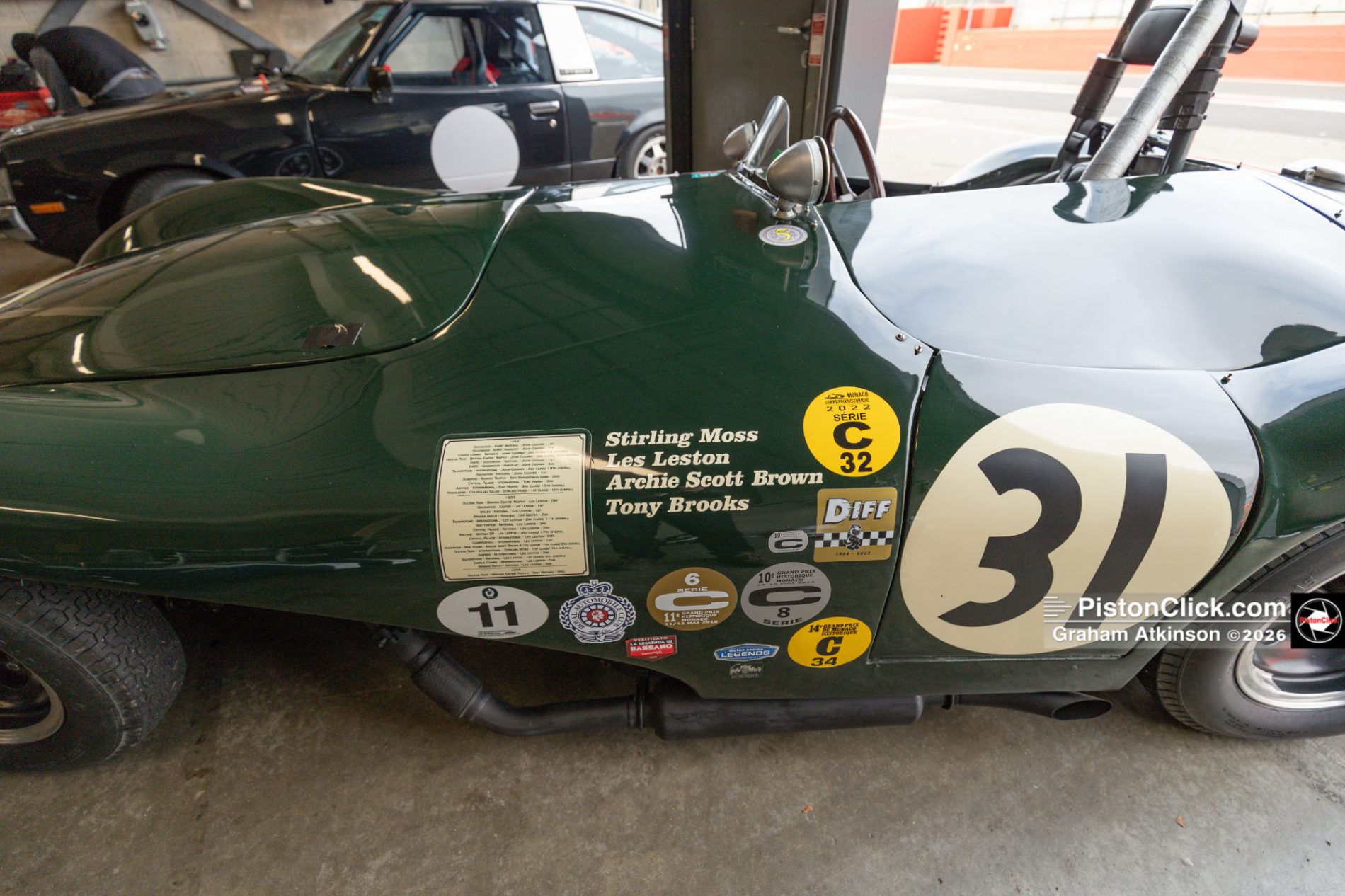
Leston began in a Jaguar SS100 before progressing to a 500cc Cooper and his own “Leston Special.” In 1952, he won the Luxembourg Grand Prix, beating both Moss and Peter Collins. By 1954, he was a works Cooper driver and British Formula Three champion.
He entered three Formula One World Championship Grands Prix in 1956 but failed to score points. Later, he competed in the Le Mans 24 Hours and found success in saloon car racing, winning his class in the British Saloon Car Championship with a Riley 1.5—remarkably also using it as his daily driver.
The Connaught itself earned the nickname “Toothpaste Car,” thanks to its slender shape resembling a toothpaste tube of the era. Financial struggles forced the team out of racing in 1957.
Final Thoughts
From rare prototypes with global backstories to historically significant Formula One machinery, this Donington test day delivered an exceptional variety of cars.
Seeing them not just displayed, but driven in anger around the circuit, is what makes these events so special. Long may they continue to run—and long may we be there to enjoy them.