



83rd Members’ Meeting at Goodwood
A Unique Motorsport Experience
24 April 2026
The 83rd Members’ Meeting at Goodwood is far more than a typical race weekend, offering an experience that feels both exclusive and deeply immersive. Hosted for members of the Goodwood Road Racing Club and their guests, it provides a rare opportunity to enjoy historic motorsport without the overwhelming crowds seen at other major Goodwood events.
The limited attendance changes the entire atmosphere, making it easier to move around, find excellent viewing spots, and truly appreciate the machinery on display. What makes it even more compelling is the access-all-areas approach, which allows you to get close to the cars, teams, and drivers in a way that feels personal rather than staged.
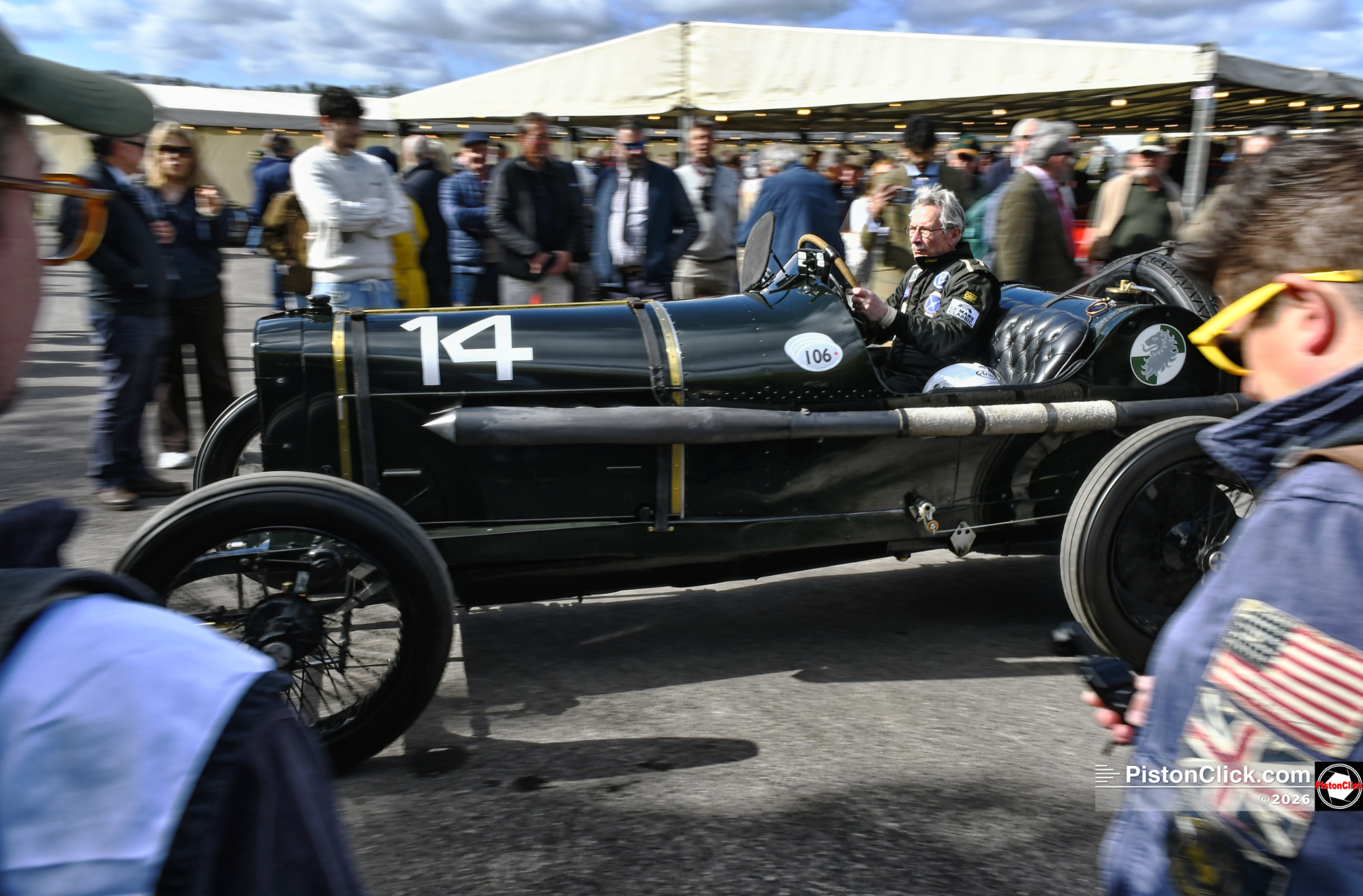
For us, the biggest draw was seeing iconic race cars reunited with the drivers who once pushed them to their limits, creating moments that feel both nostalgic and alive.
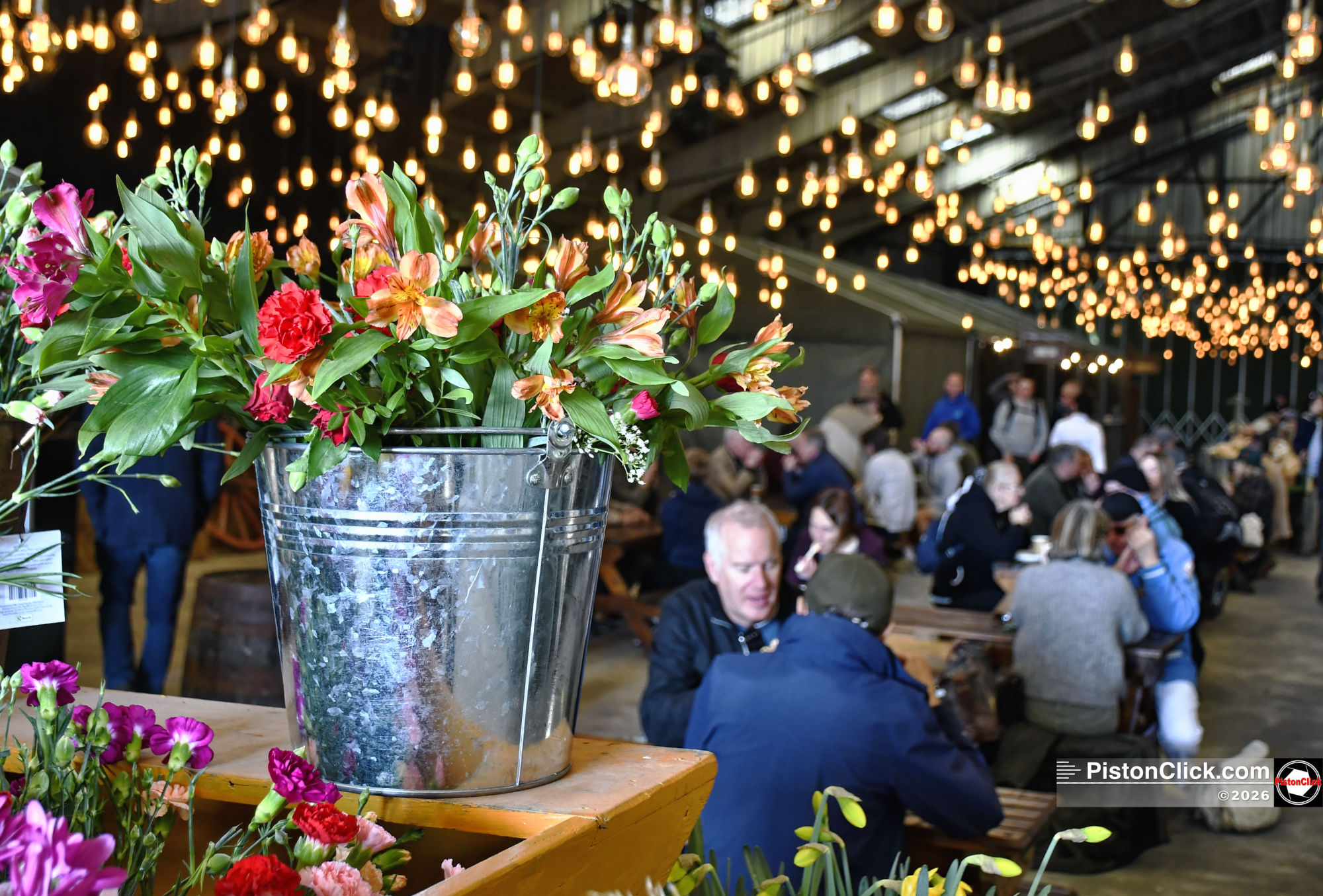
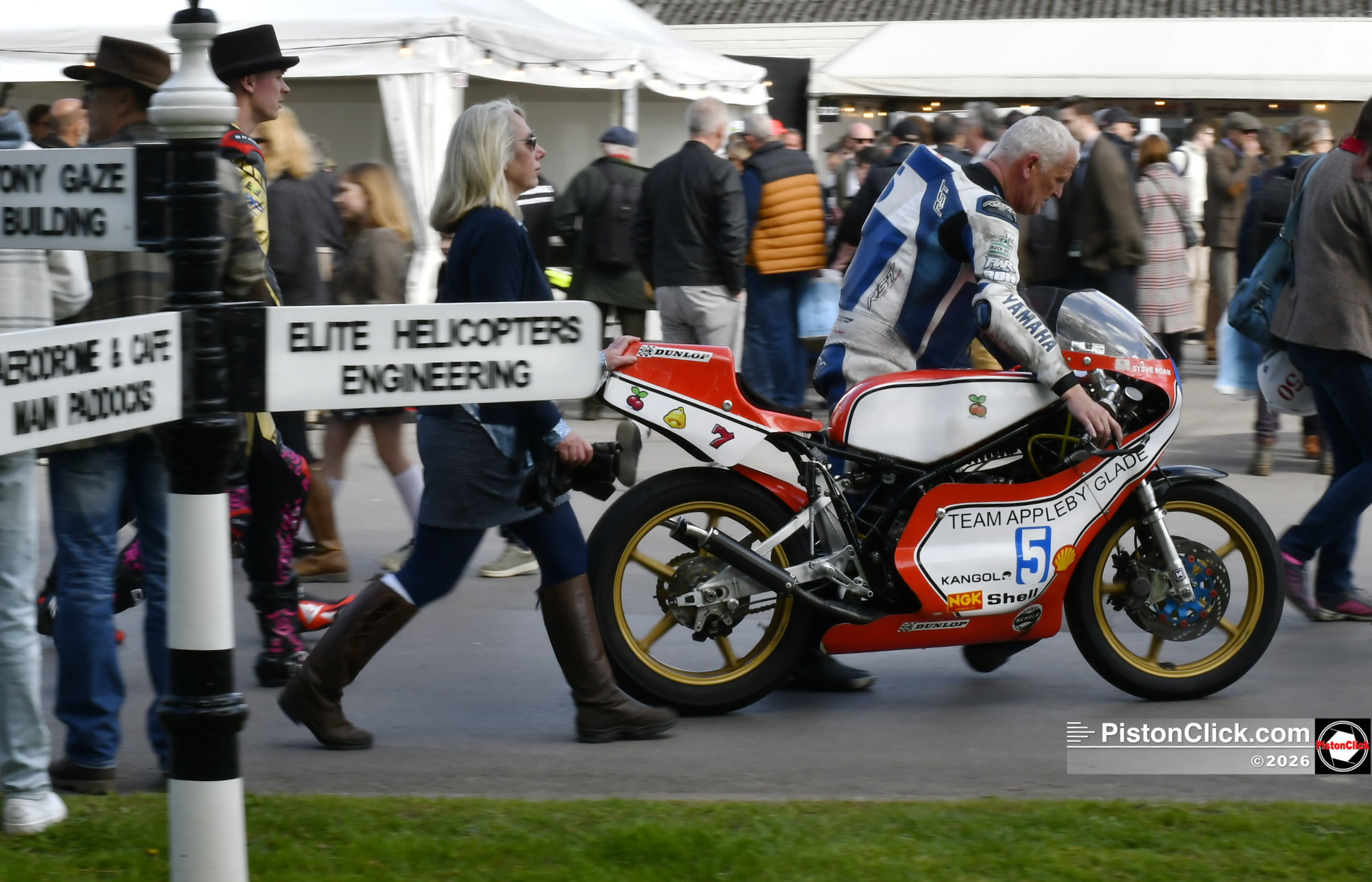
A Weekend of Racing and Exploration
Spanning two days, the Members’ Meeting offers a packed schedule that is difficult to fully absorb in a single visit, which makes planning essential. Saturday focuses primarily on practice and qualifying sessions, though there are still several races that provide plenty of excitement, while Sunday delivers the headline competitive action.
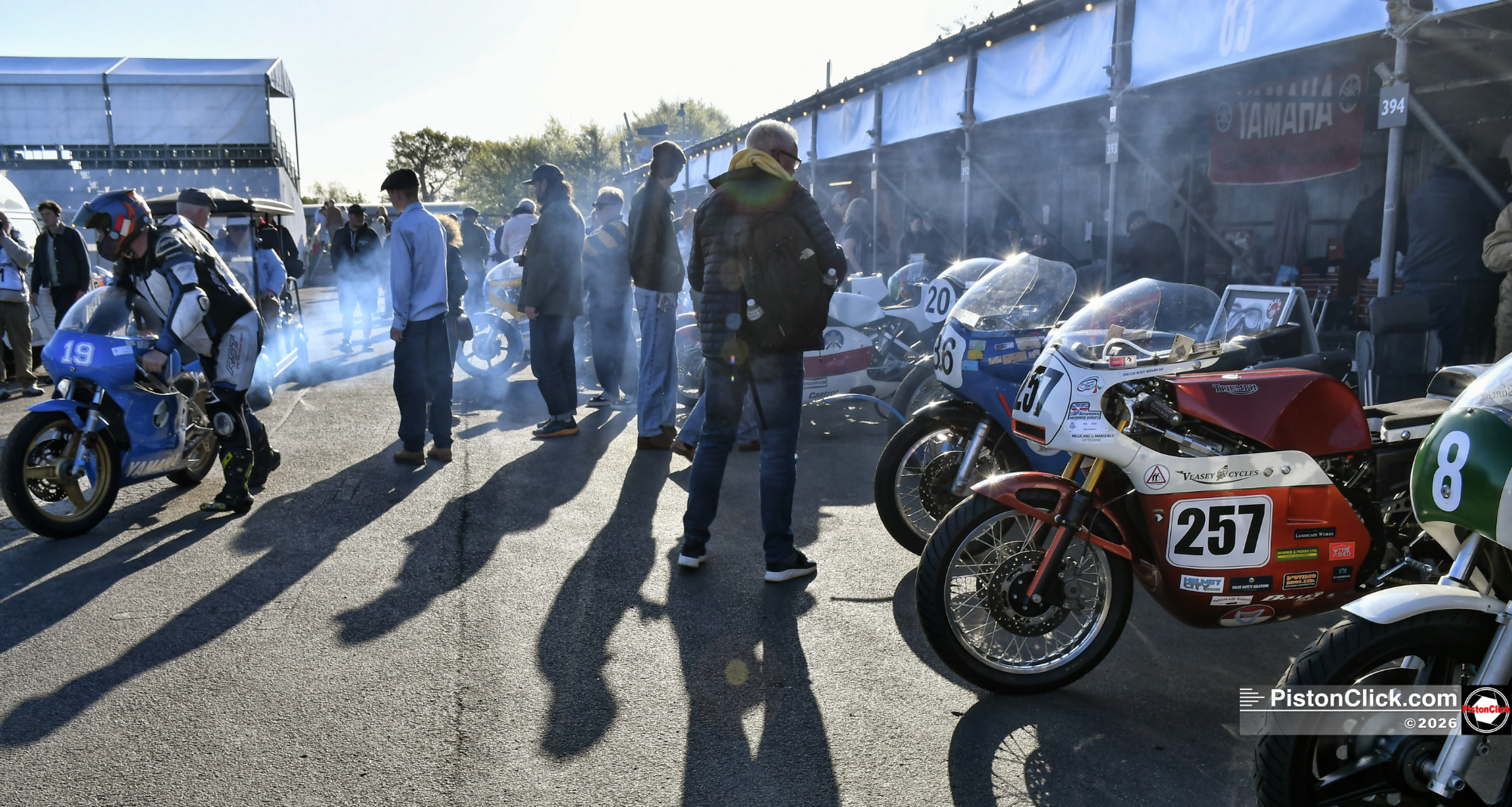
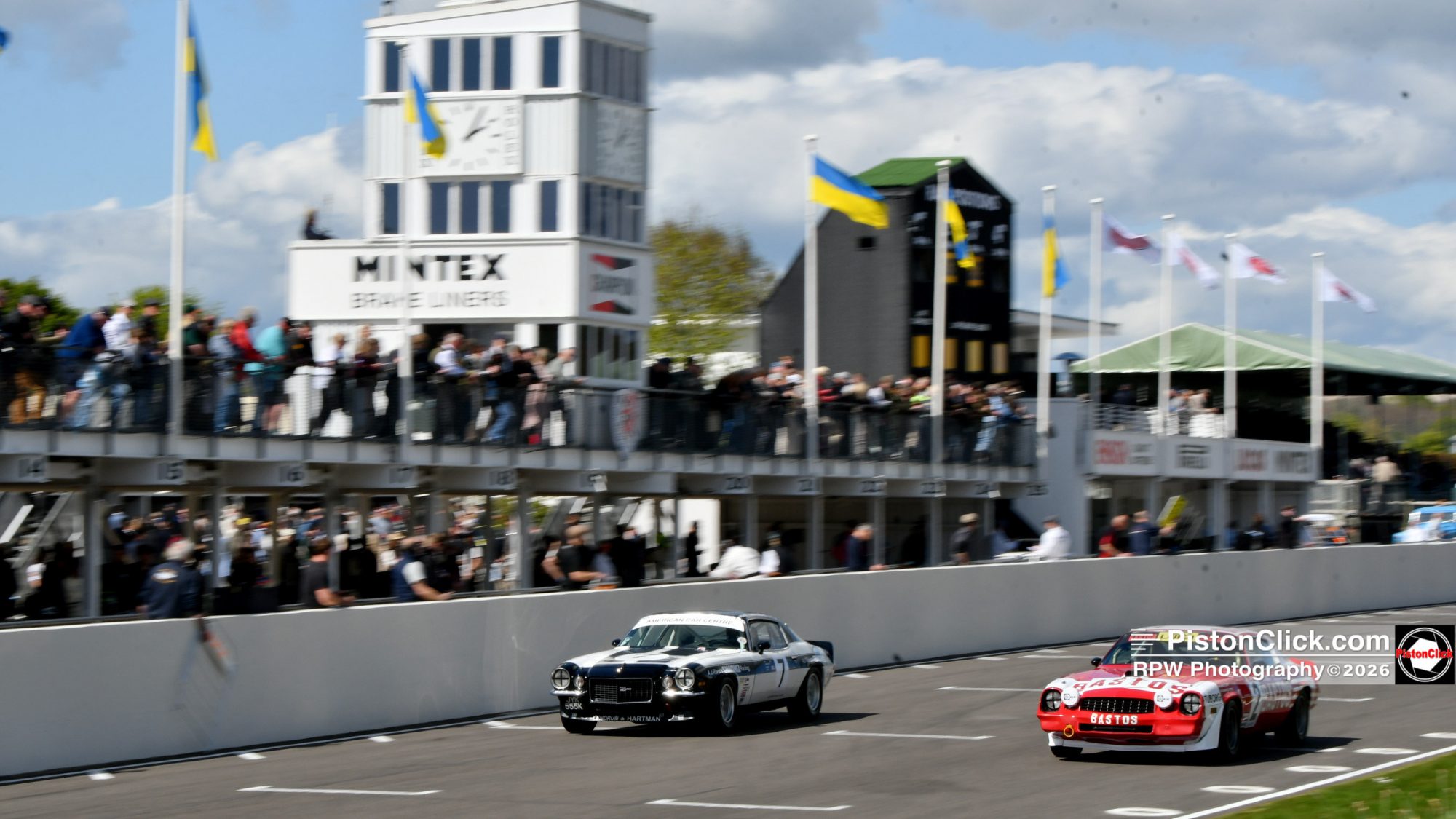
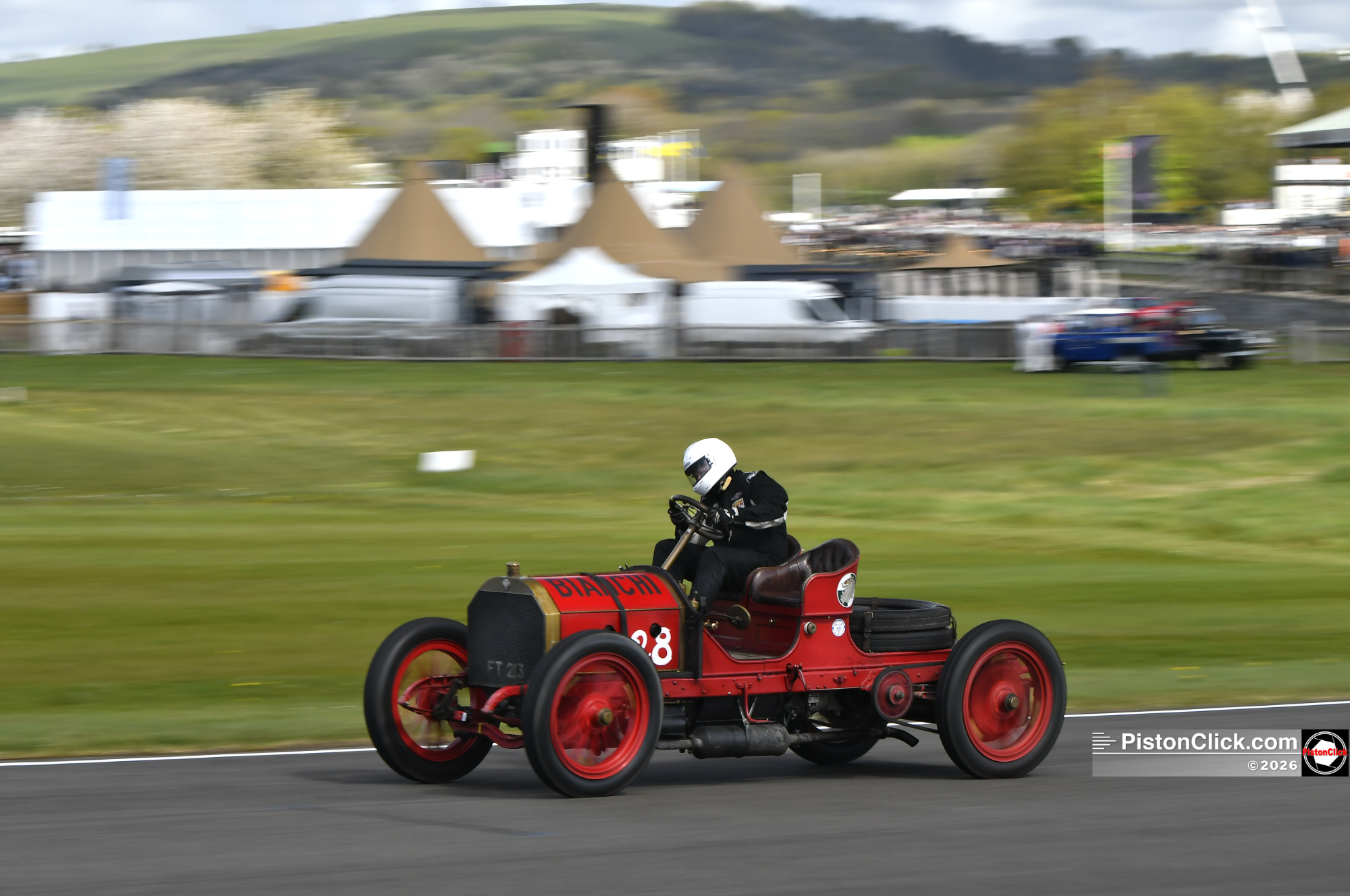
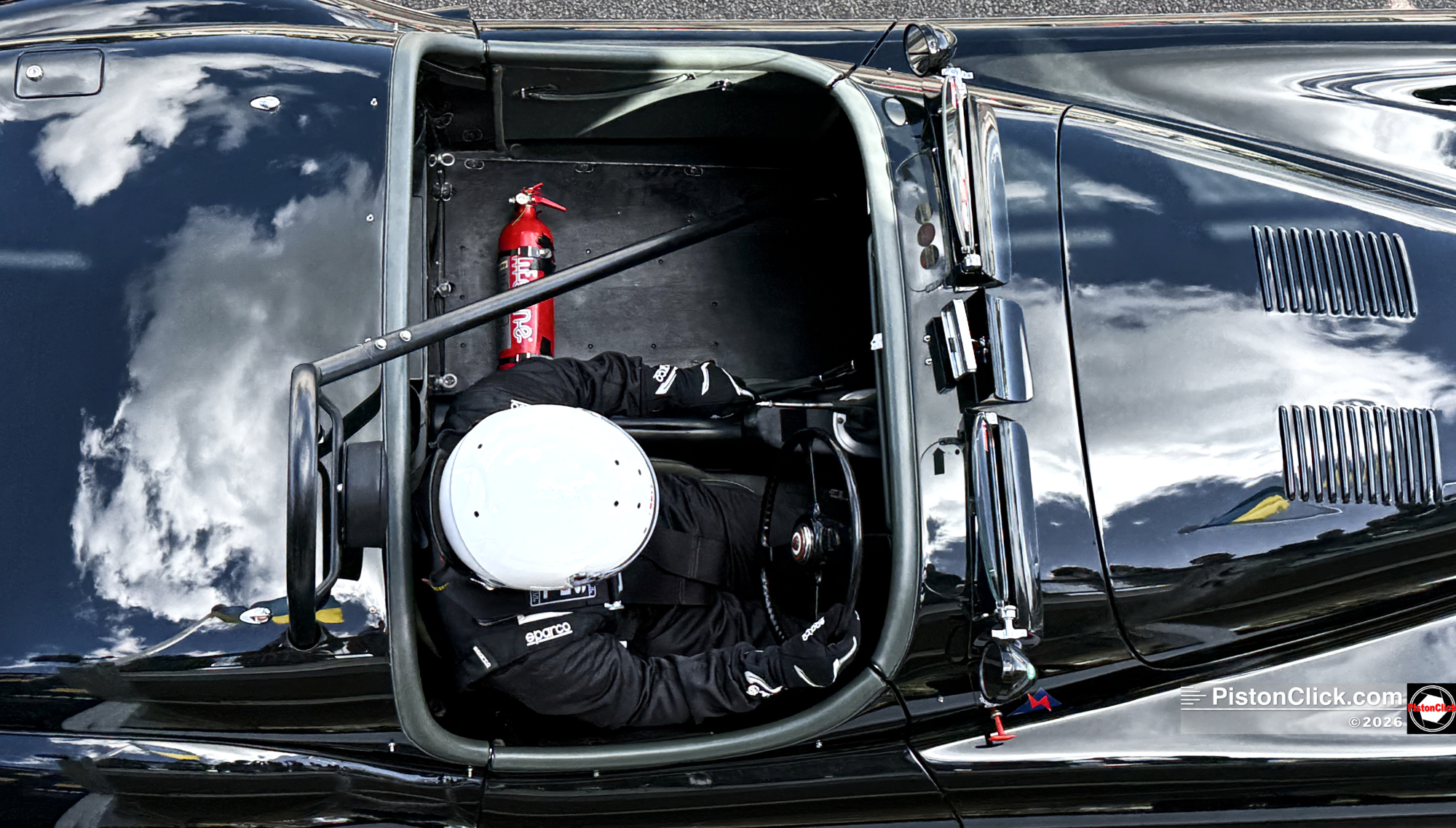
We attended on Saturday and quickly realised that covering everything would require a smart approach, so we split up to maximise our coverage. One of us concentrated on trackside photography from the outer sections of the circuit, while the other focused on the infield and paddock areas, capturing a different perspective of the event.
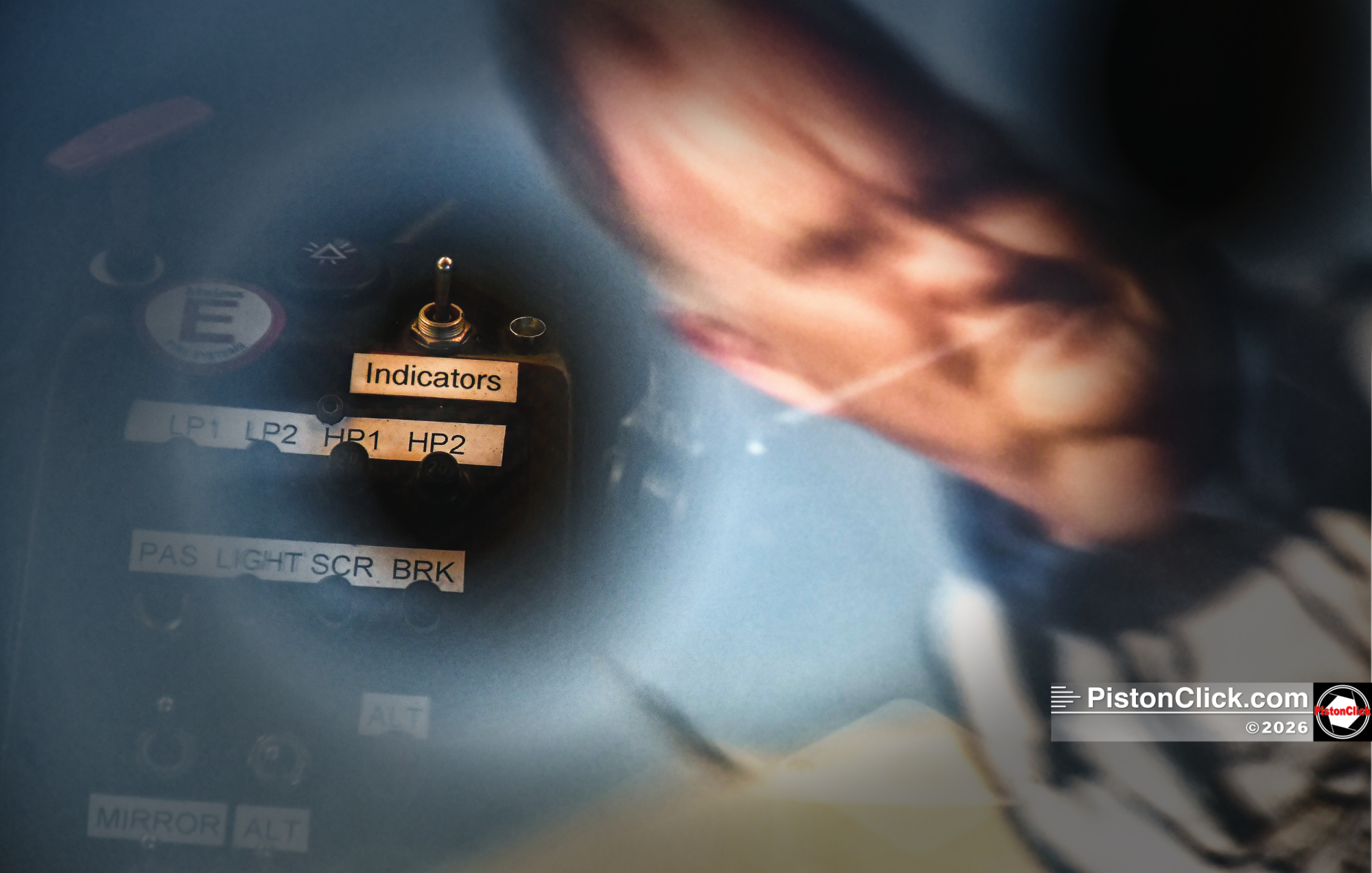
Having visited Goodwood several times before proved invaluable, as we already knew the best vantage points and how to move efficiently between them. Even without the full race schedule, the sheer variety of cars on track ensured there was never a dull moment, with everything from early vintage machines to more modern racers appearing throughout the day. For those who have yet to visit Goodwood you can find our guide to the Goodwood Circuit here.
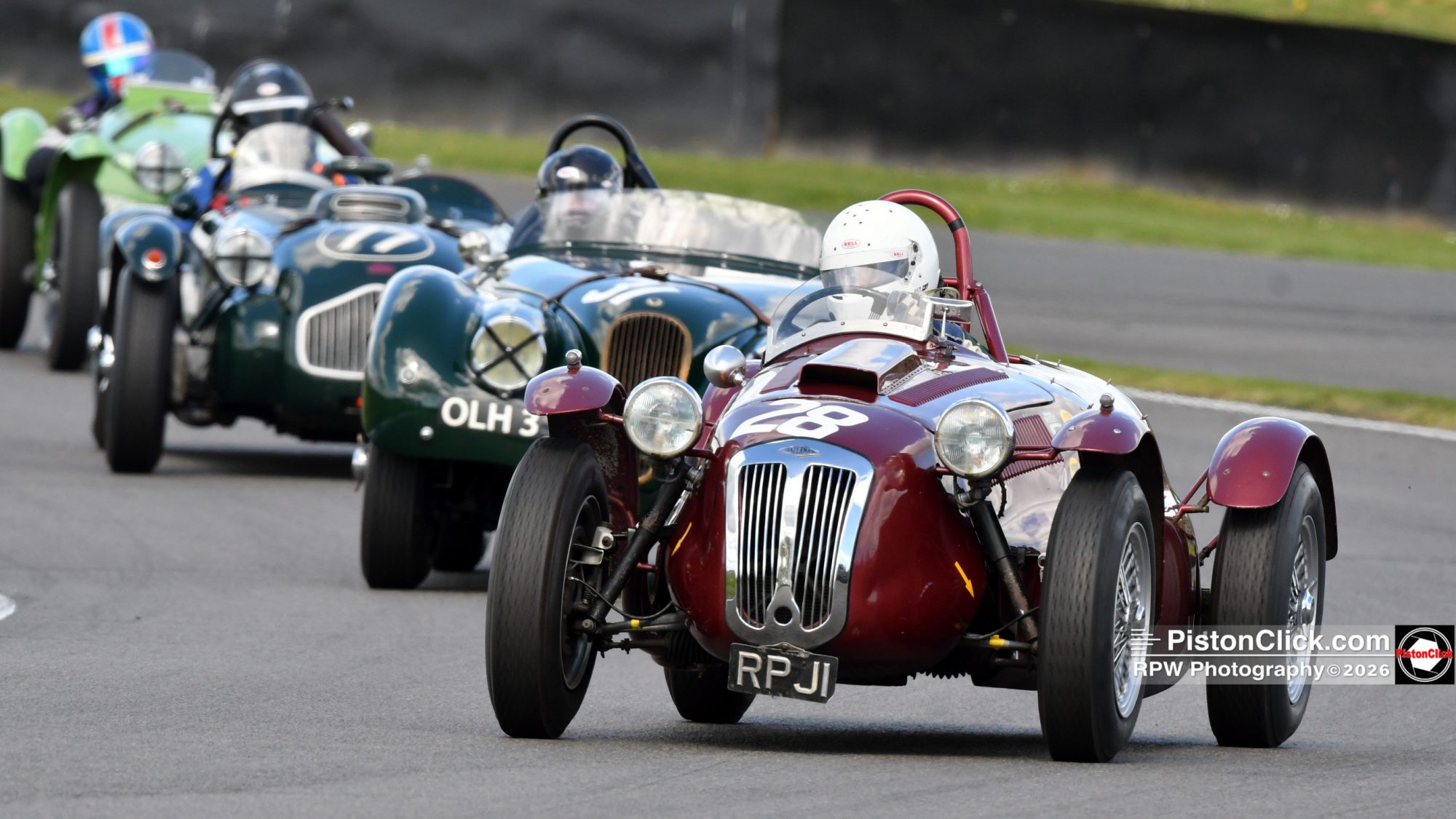
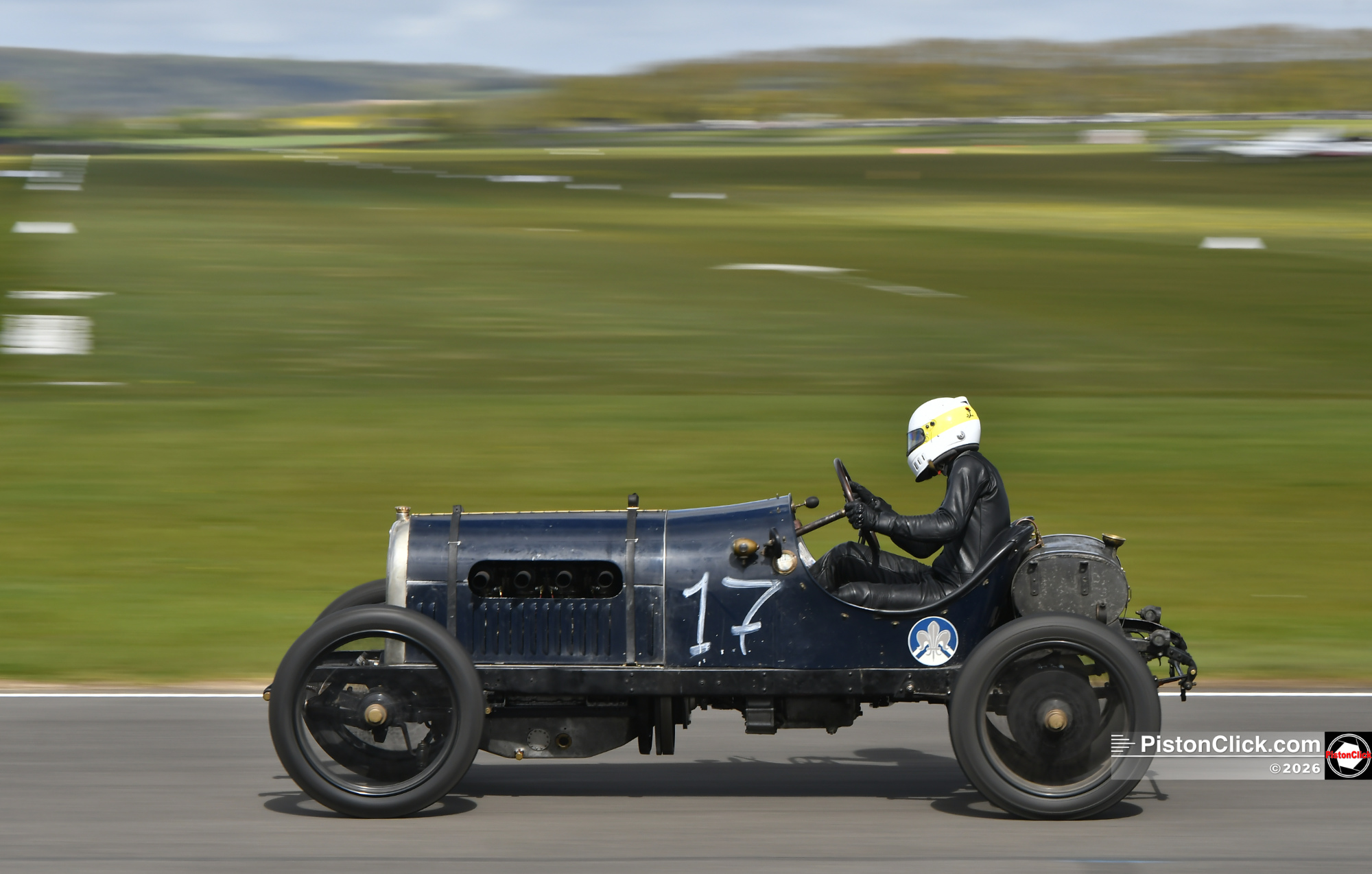
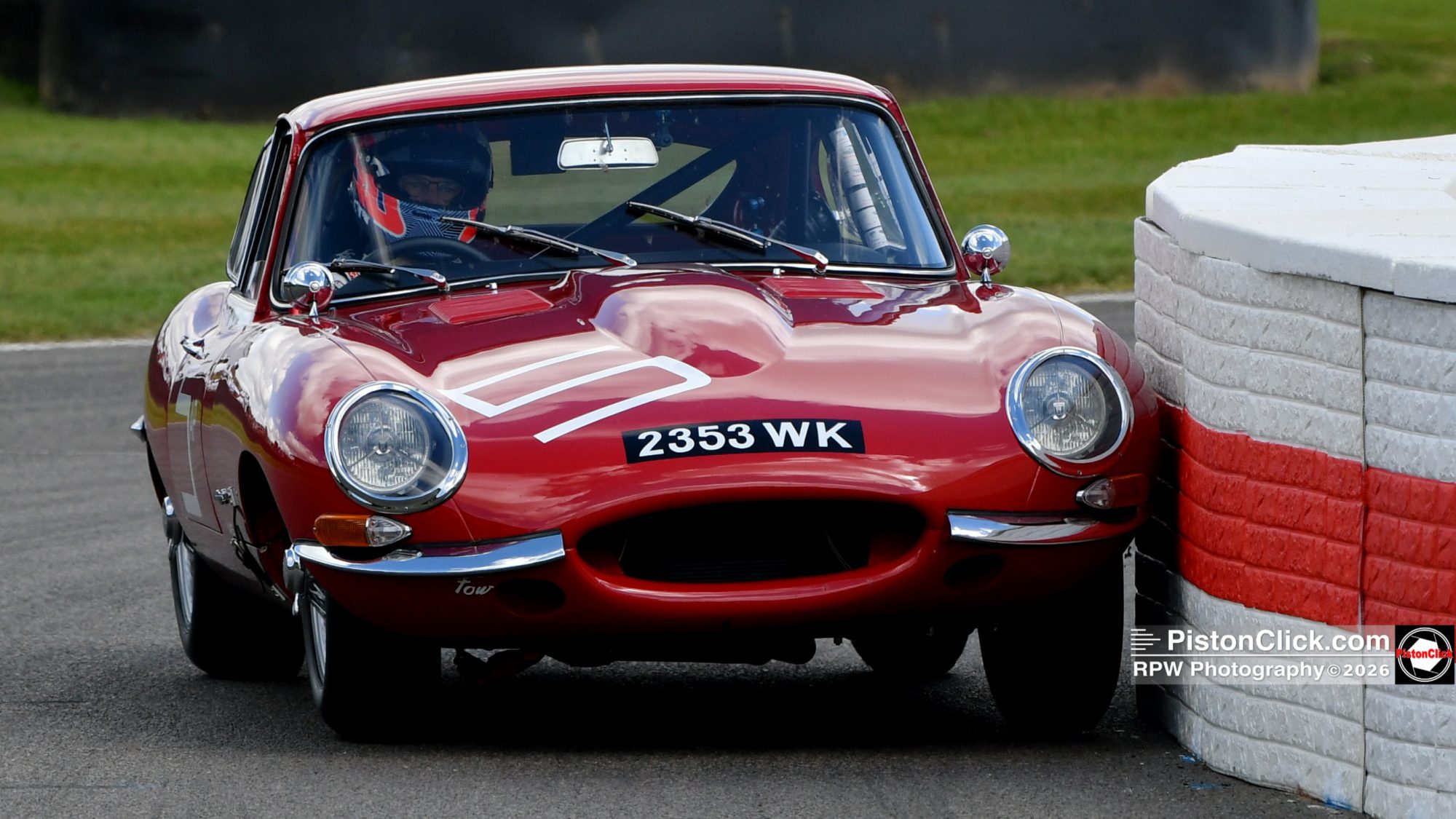
Celebrating Motorsport Legends
A defining feature of the Members’ Meeting is its ability to celebrate motorsport history in a meaningful and engaging way, often through carefully curated tributes and themed showcases. The 83rd edition delivered several standout moments that added depth and context to the racing, making the event feel like a living museum rather than just a series of track sessions.
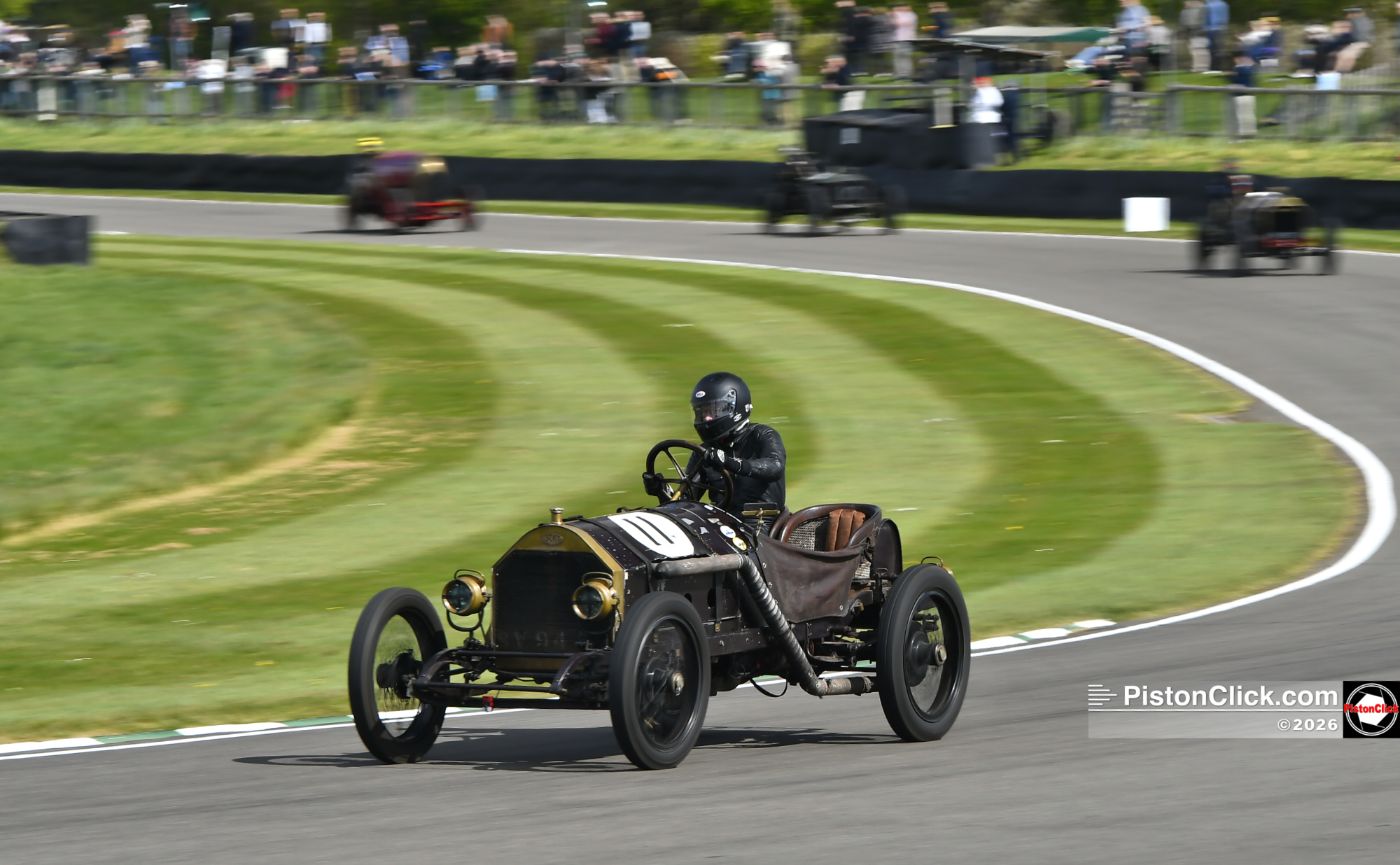
These tributes are not static displays; they are dynamic, with cars running on track and often driven by figures connected to their history, which adds authenticity and emotional impact. It is this combination of storytelling and action that elevates the Members’ Meeting above many other historic motorsport events.



James Hunt Tribute
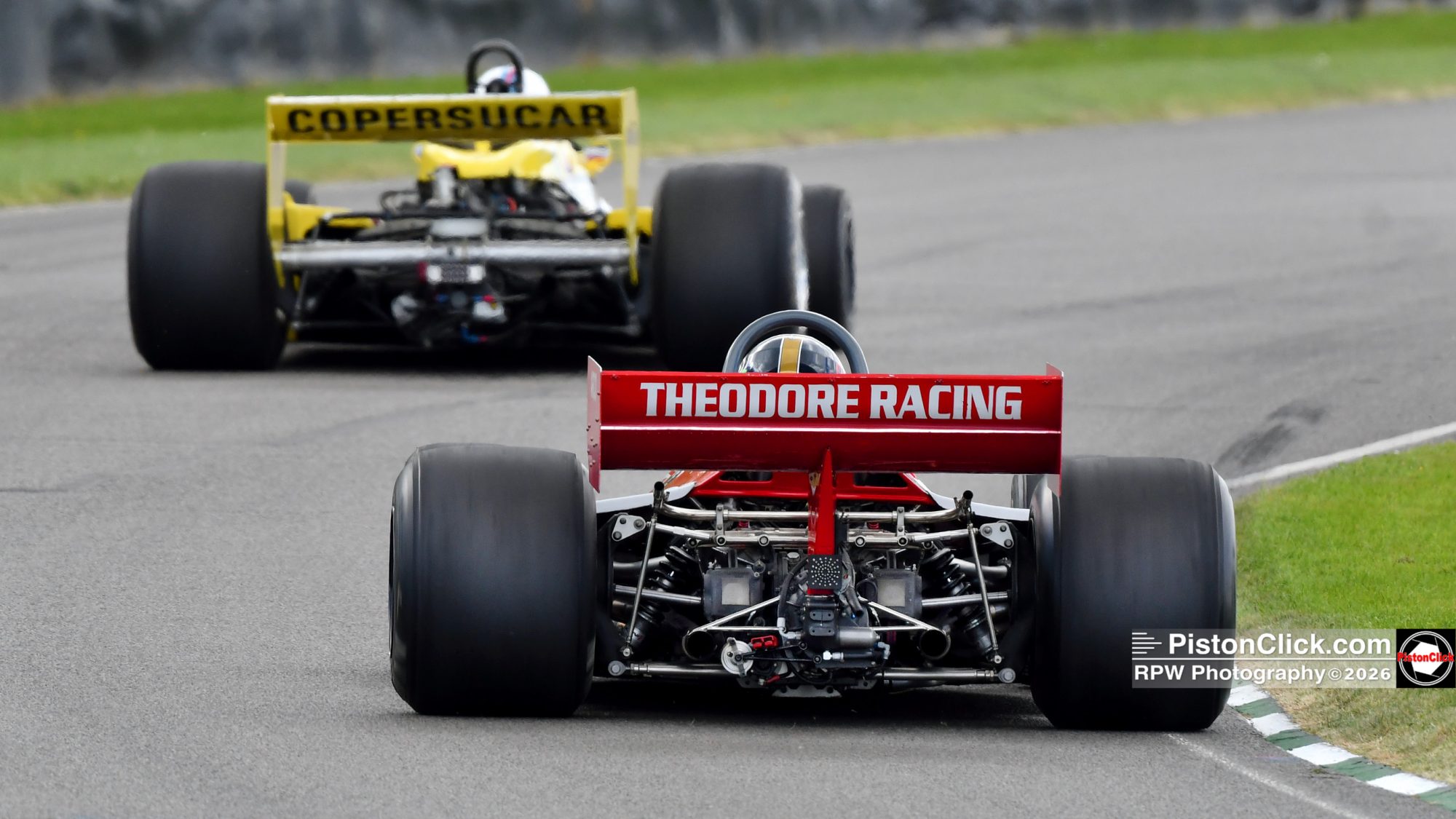
Marking the 50th anniversary of James Hunt’s Formula 1 World Championship victory, this year’s event featured a memorable tribute centred around the McLaren M23, the car that defined his 1976 season. Seeing the M23 return to the circuit in its iconic red and white livery was a powerful reminder of a dramatic era in Formula 1, where raw speed and driver personality often defined success as much as engineering.
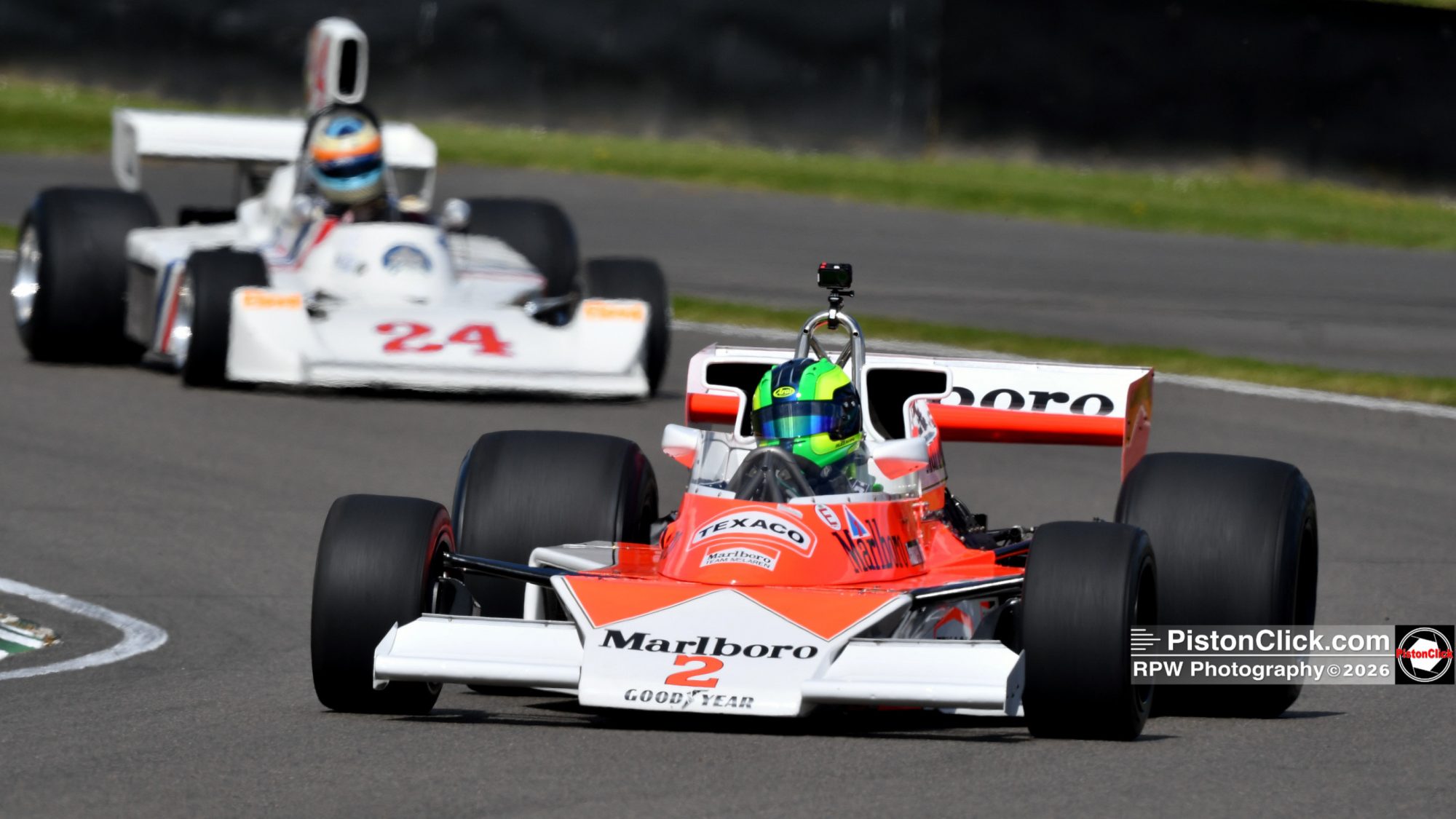
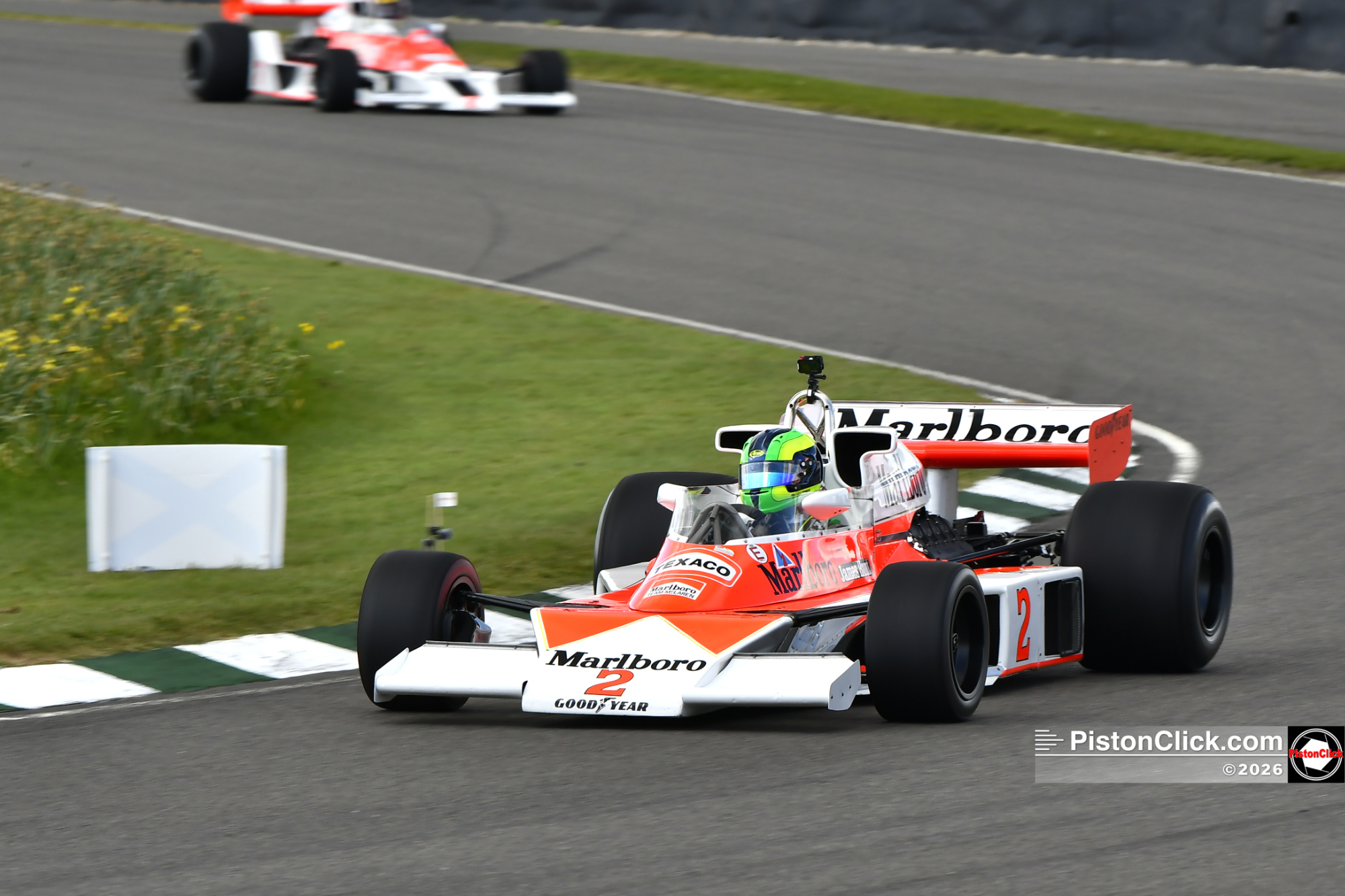
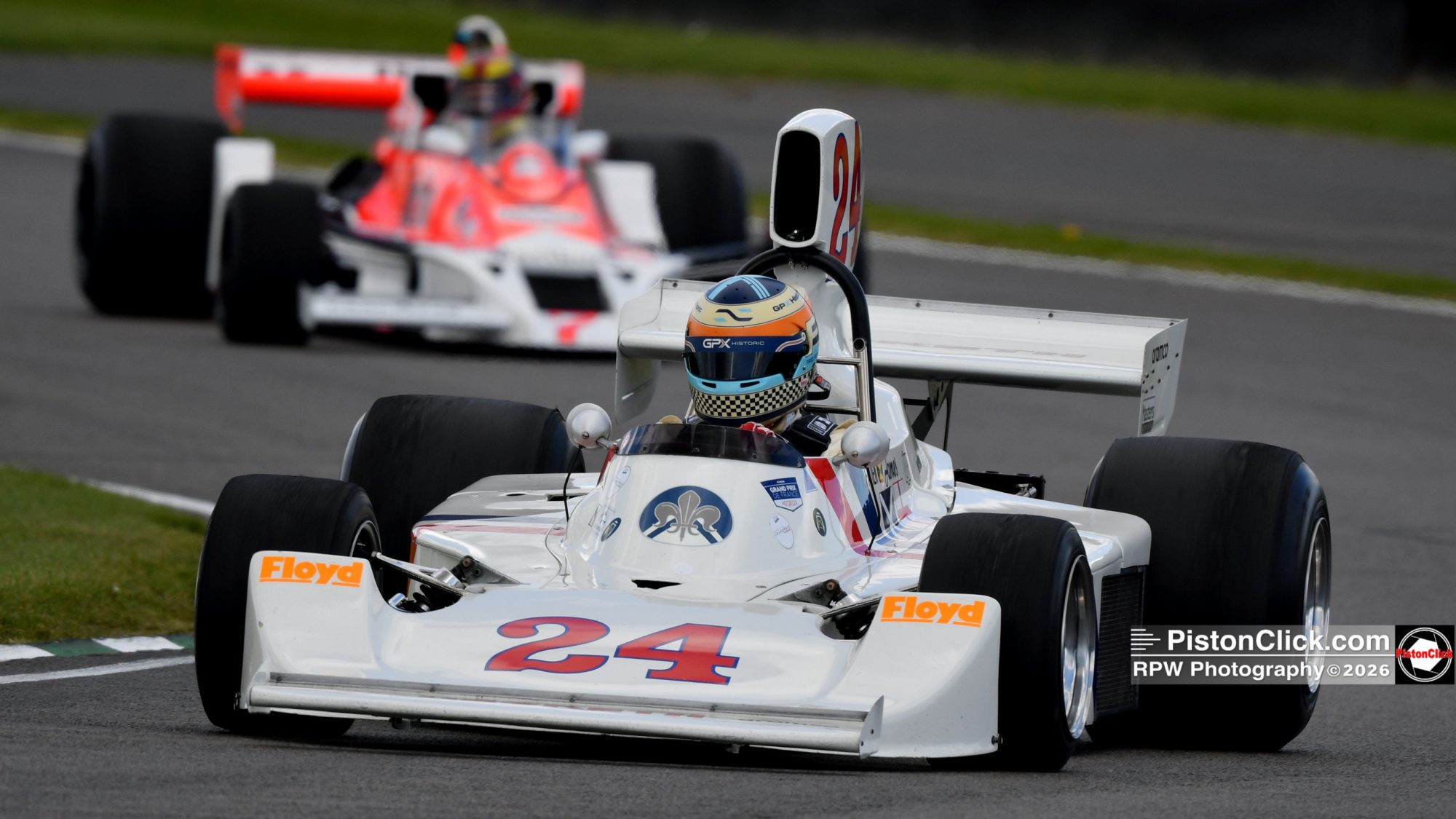
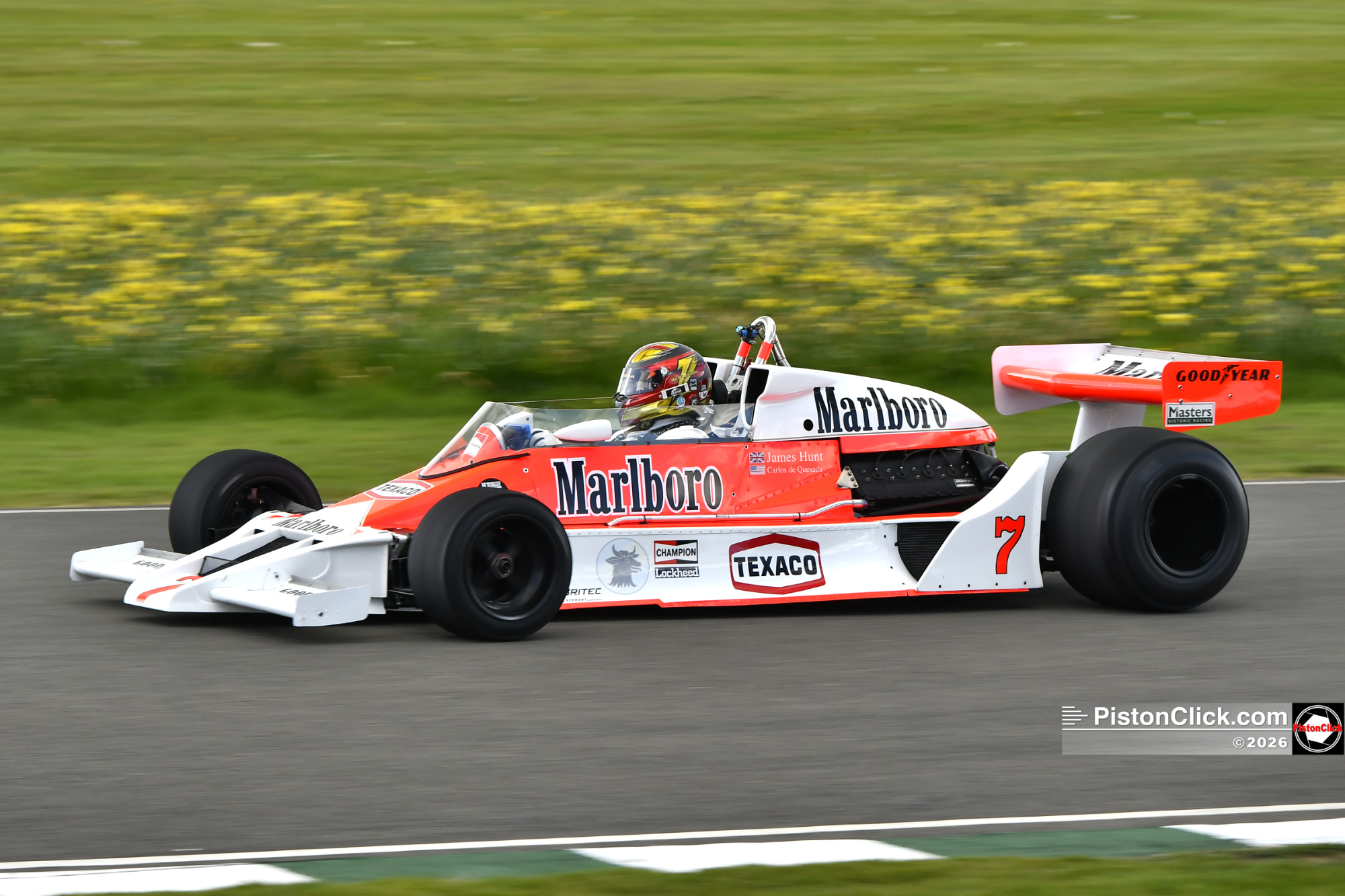
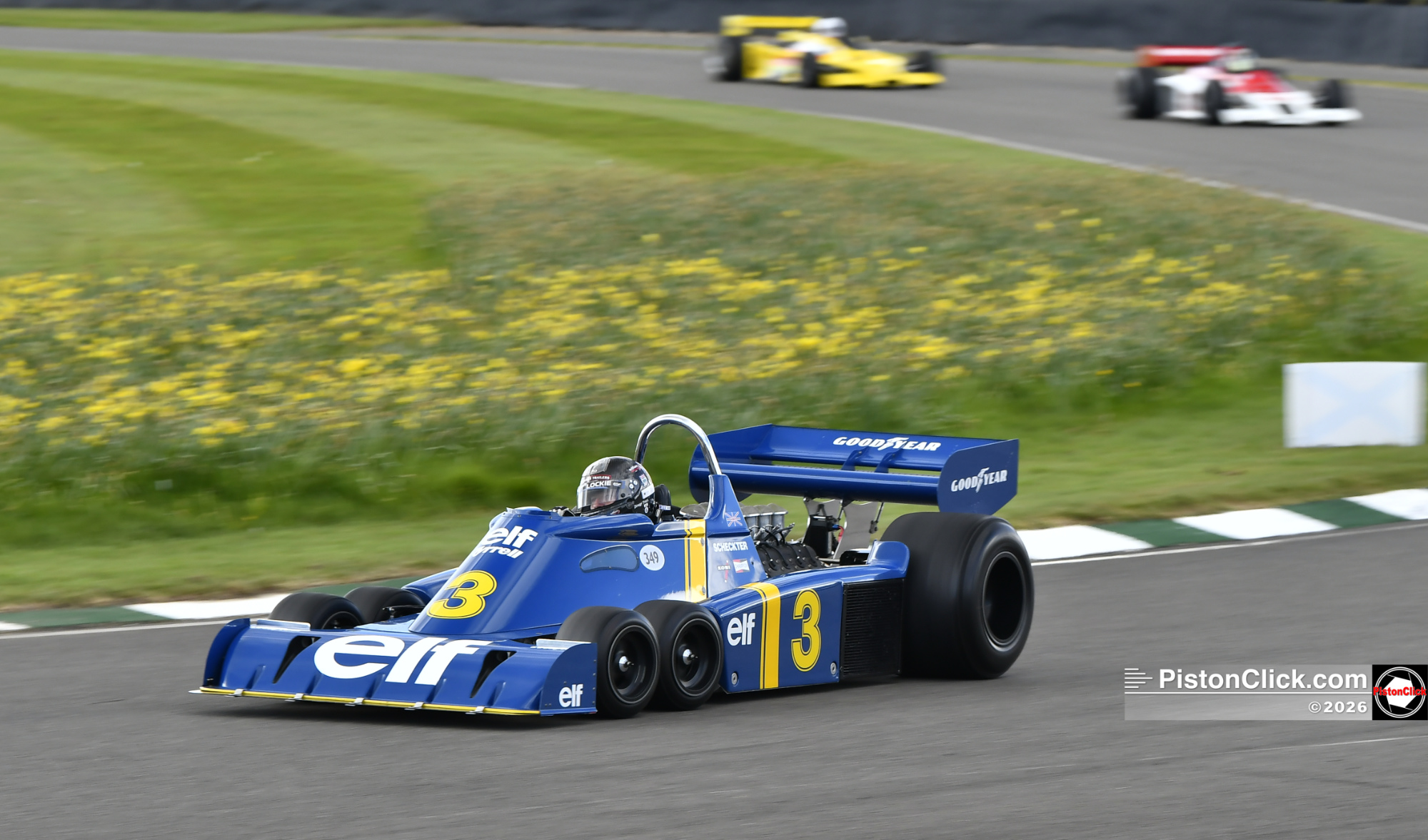
The car was joined by other machines from the same period, creating a rolling snapshot of 1970s Formula 1 that felt both authentic and exhilarating. Hunt’s legacy is inseparable from the M23, and watching it in motion again, rather than confined to a display, reinforced why that season remains one of the most talked-about in the sport’s history.
Barry Sheene Celebration
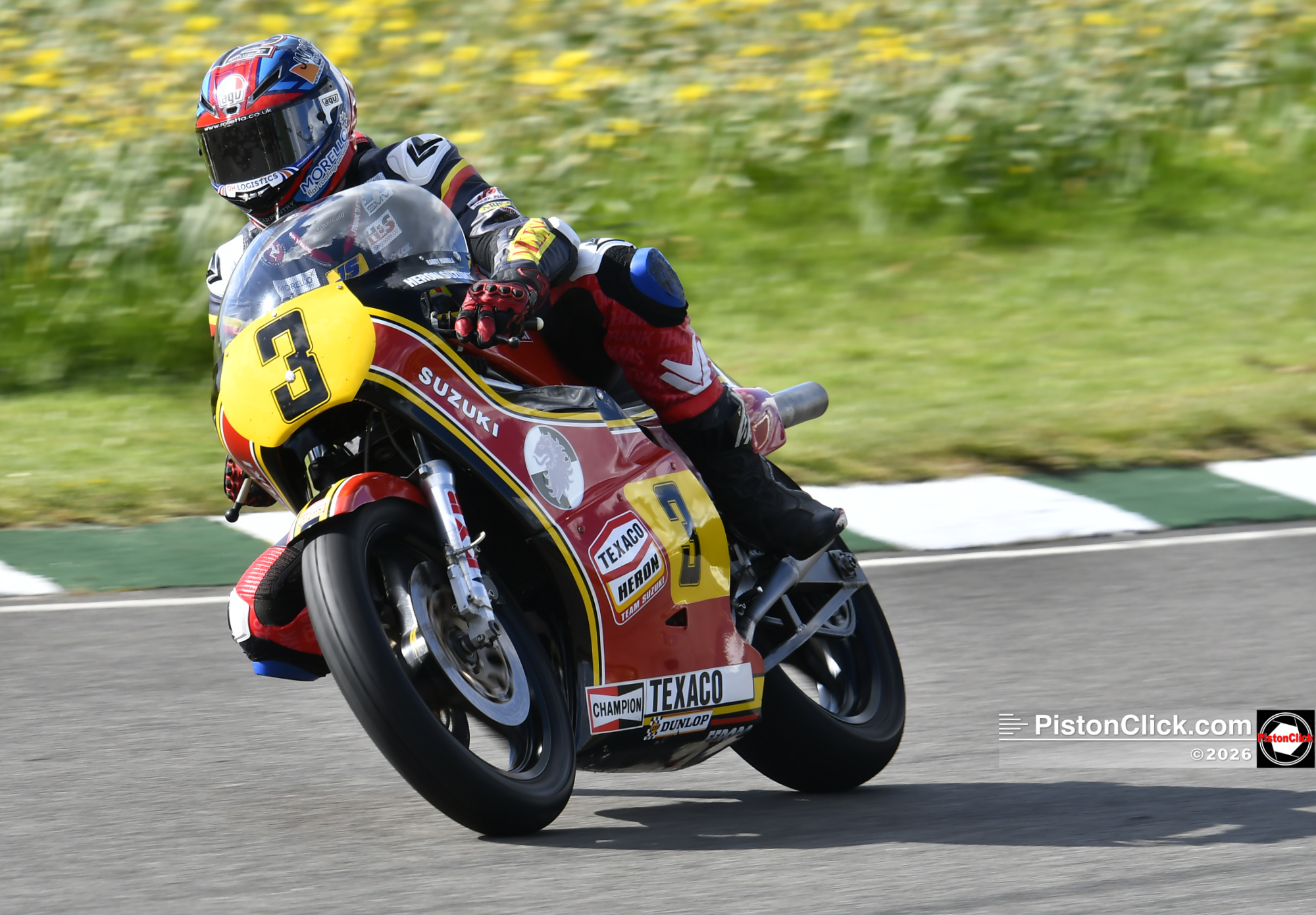
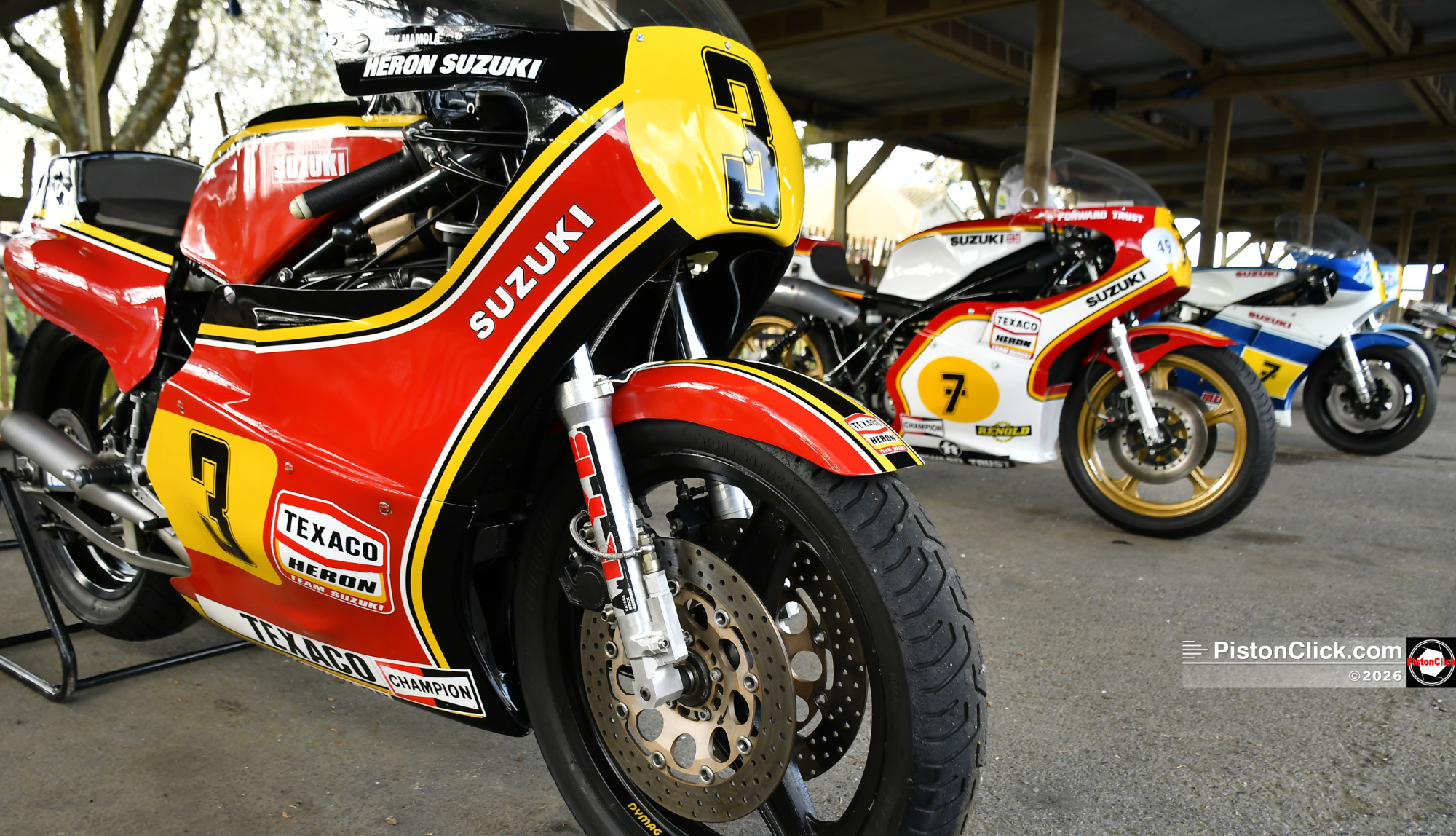
The tribute to Barry Sheene brought a different but equally compelling energy to the weekend, focusing on one of motorcycle racing’s most charismatic and influential figures. His legendary Suzuki RG500 took centre stage during parade laps, with Steve Parish leading the tribute in a fitting nod to their shared history.
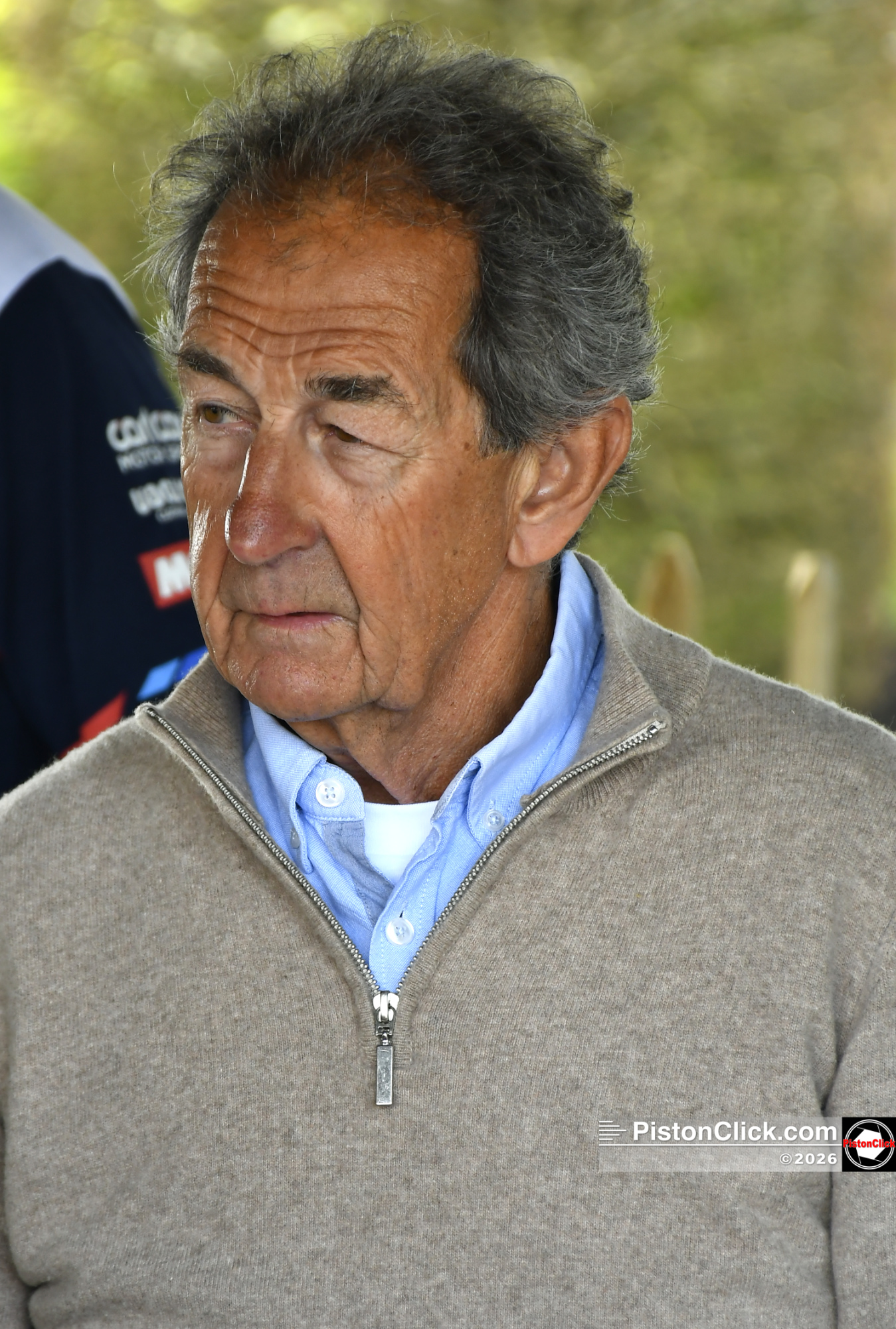
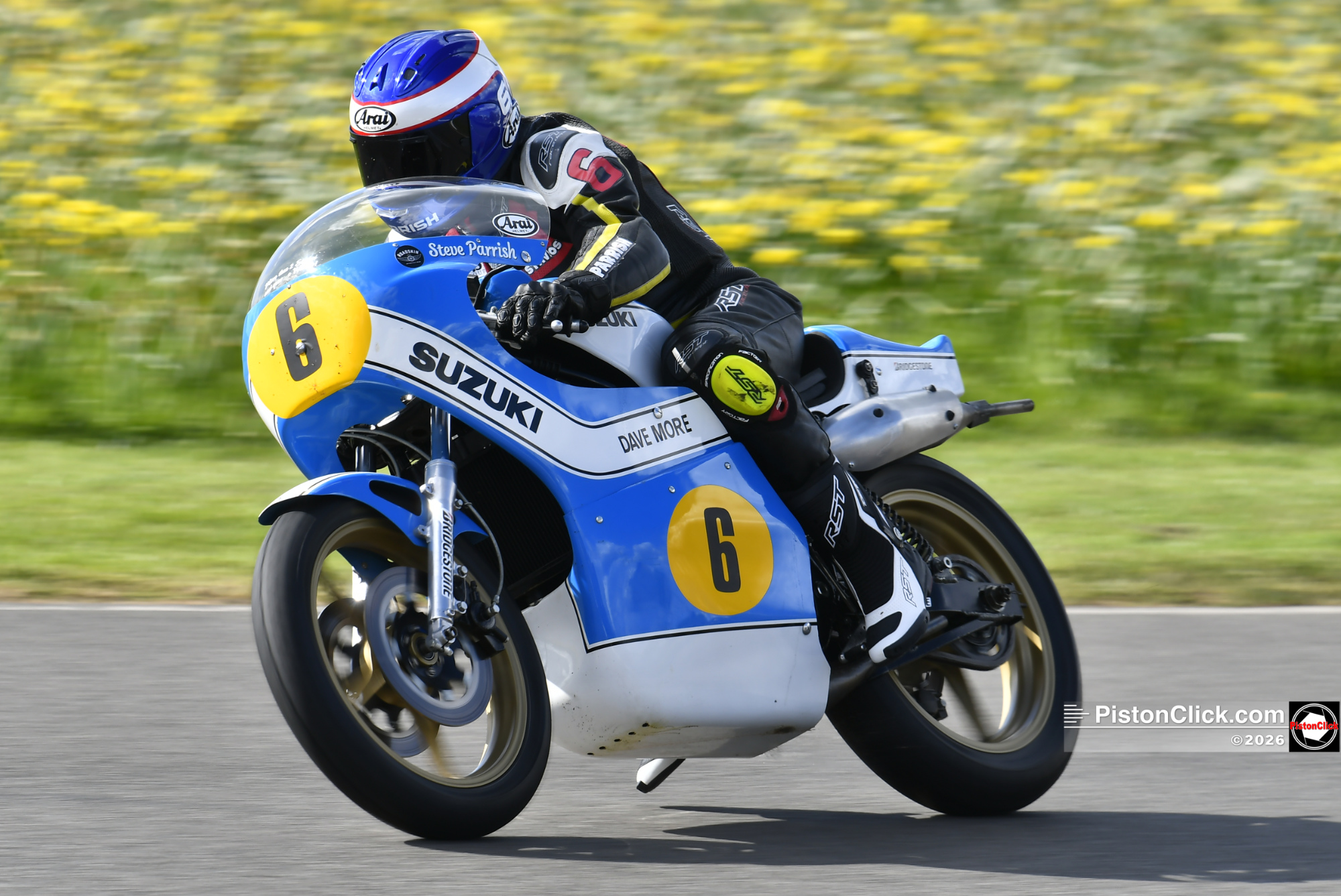
Sheene’s impact on the sport went beyond his two world championships, as his personality helped bring motorcycle racing into the mainstream and attract a wider audience.
Watching the RG500 back on track captured the essence of that era, with its raw power and distinctive sound reminding everyone why Sheene became such a defining figure in the 1970s. The tribute felt less like a formal celebration and more like a genuine homage to a racer who changed the sport.
Jenson Button and the Brawn GP Moment
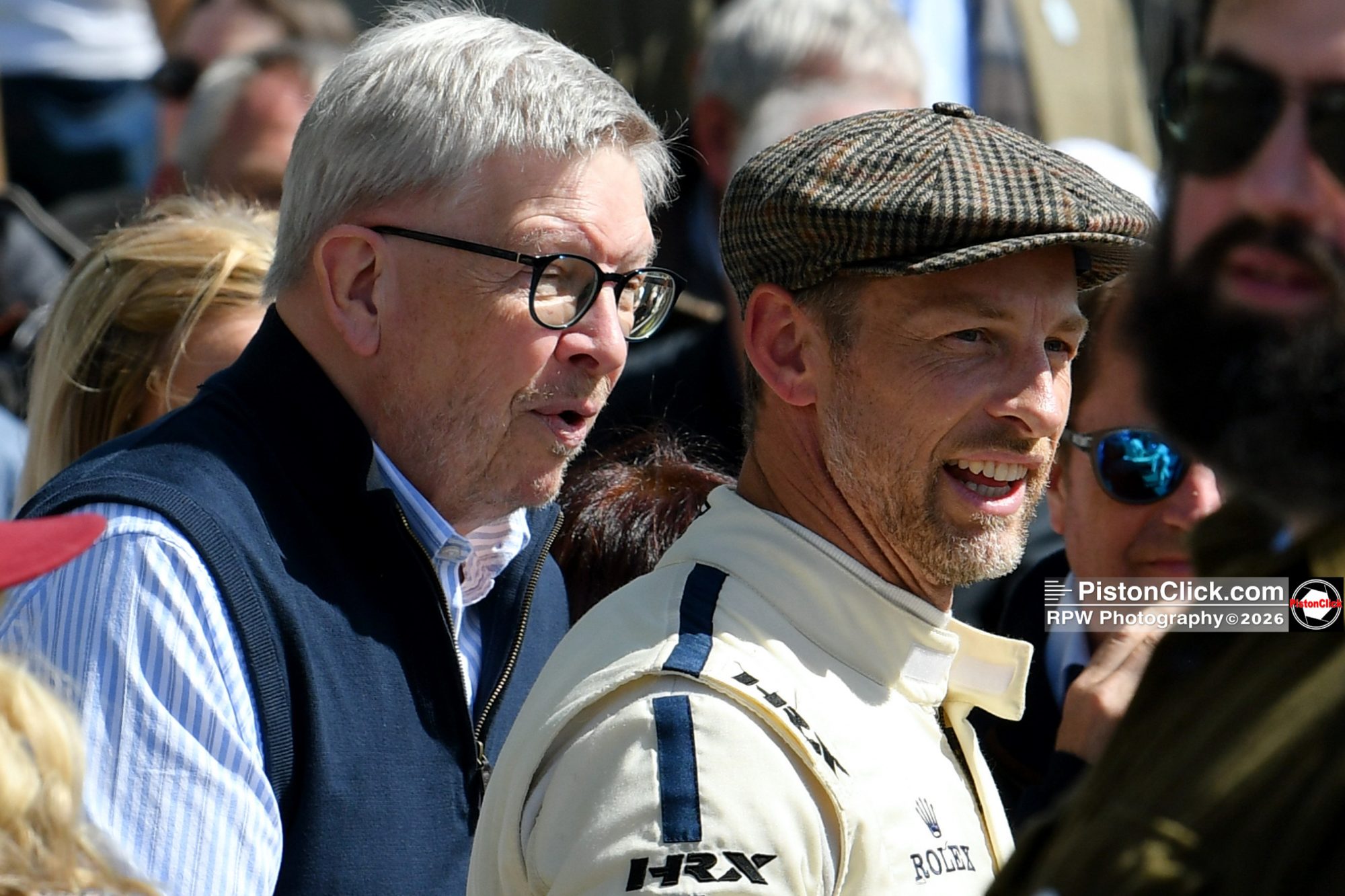
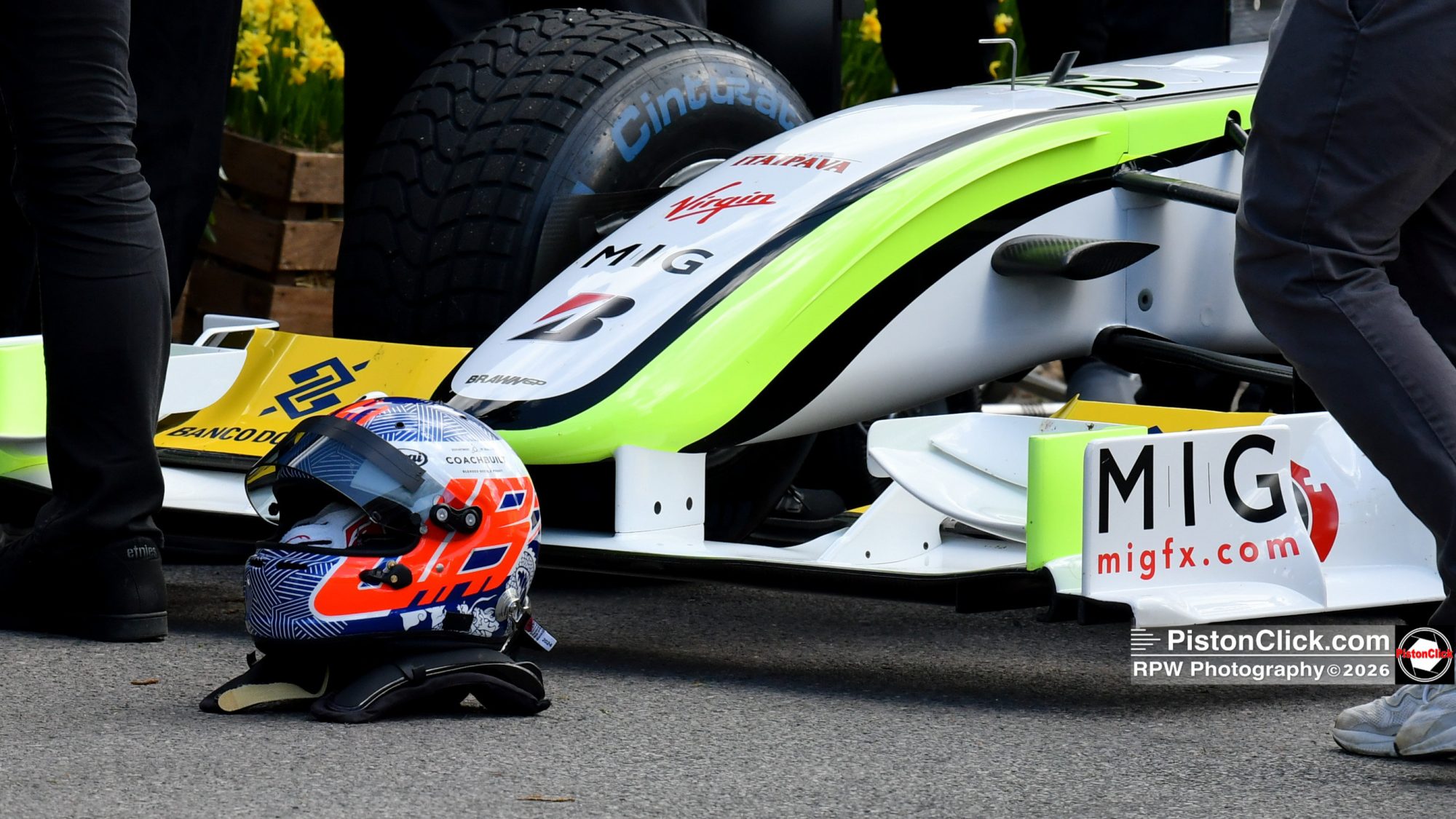
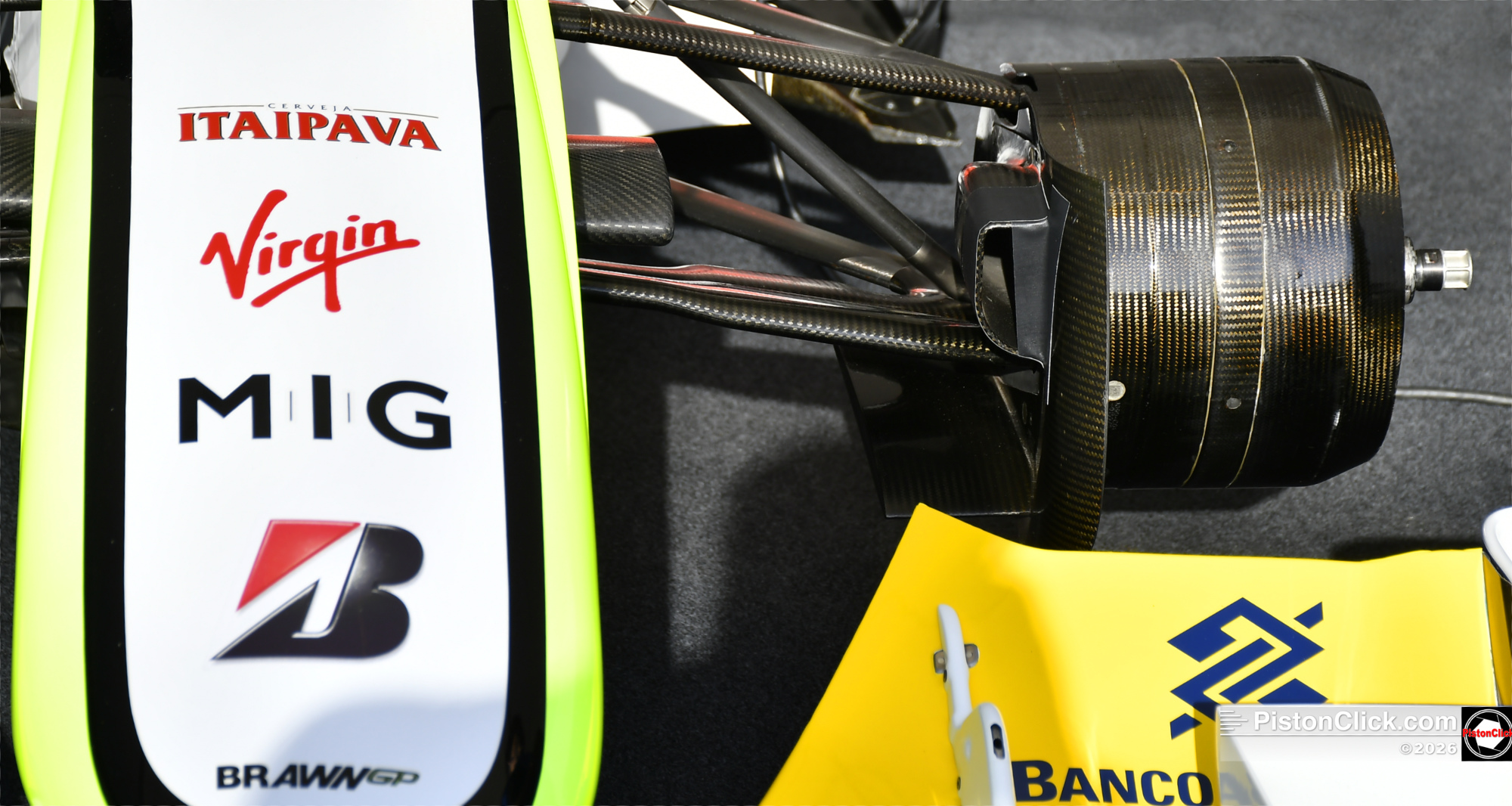
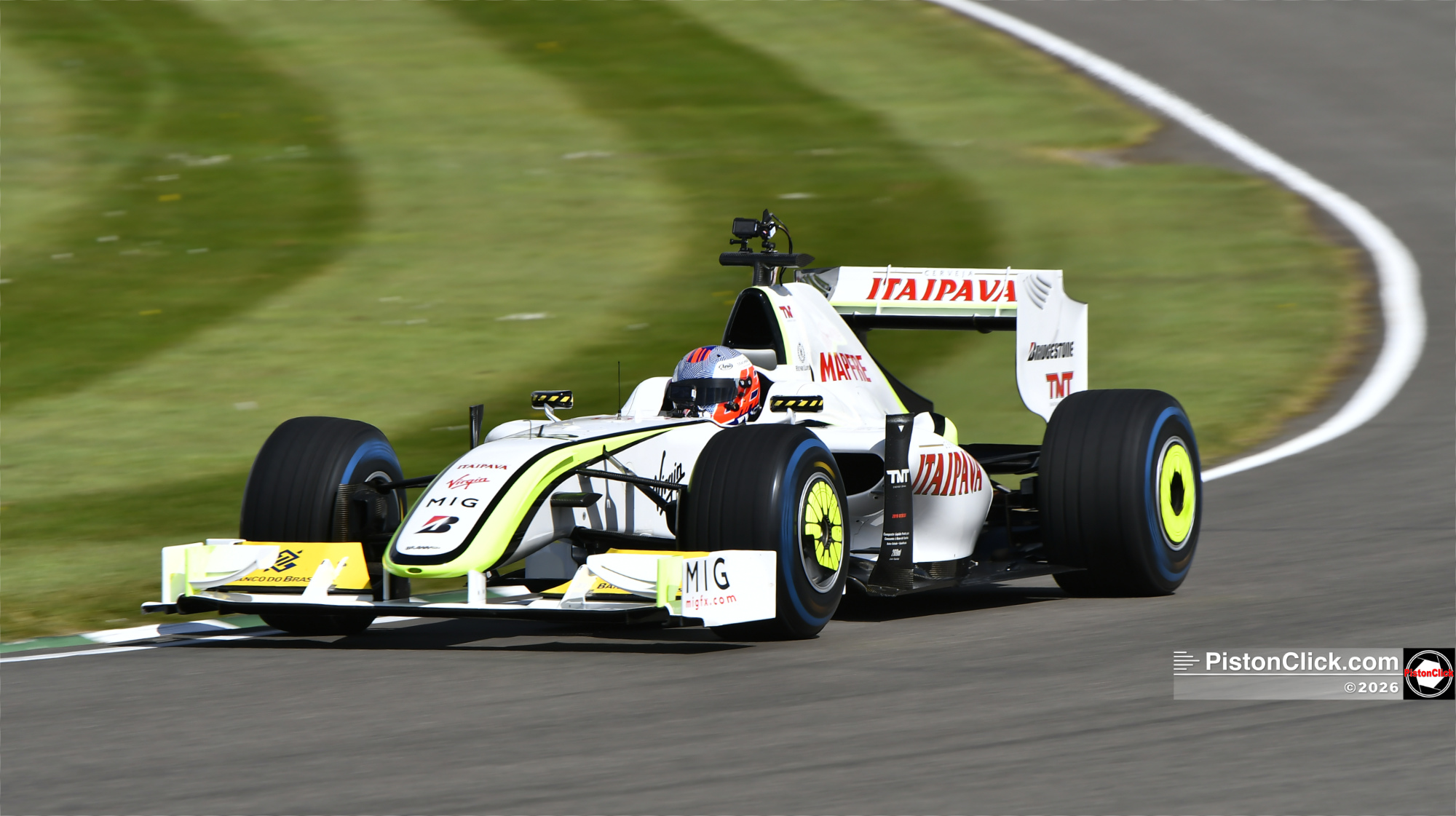
One of the most anticipated highlights of the 83rd Members’ Meeting was the reunion of Jenson Button with Ross Brawn and the Brawn GP BGP 001, a car that represents one of the most remarkable stories in Formula 1 history.
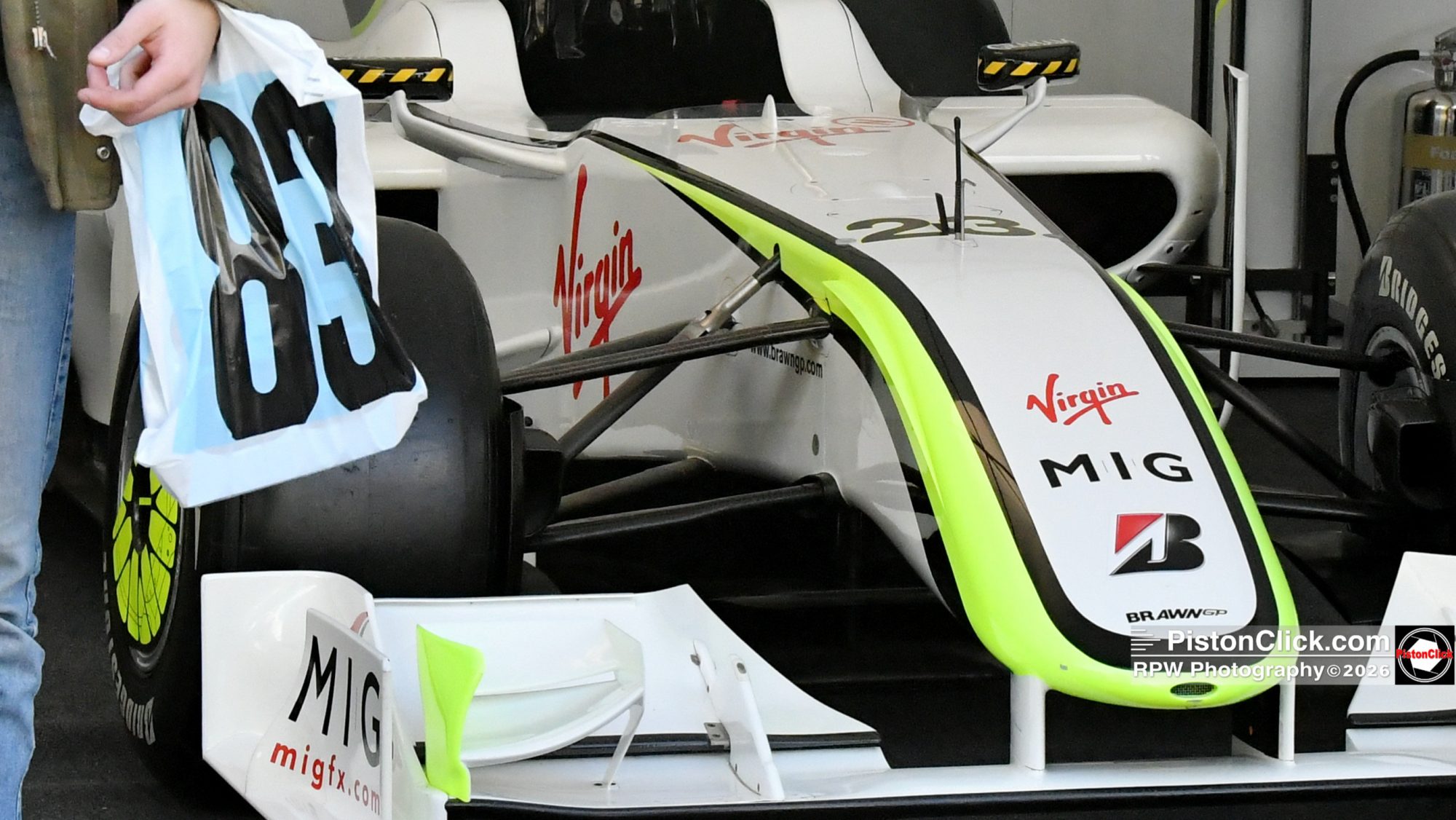
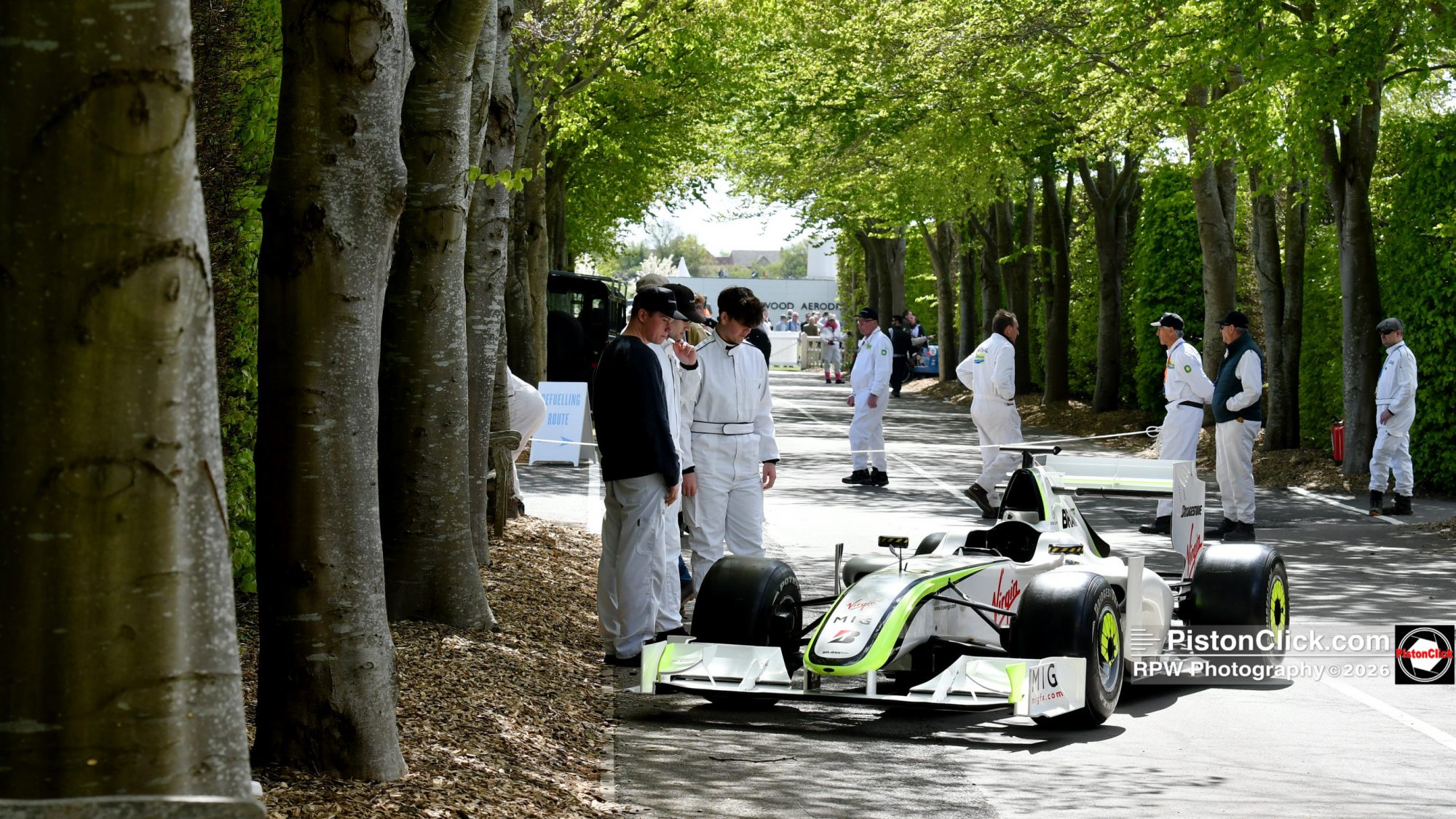
Emerging from the remains of Honda’s withdrawn project, the Brawn GP team quickly transformed into an unlikely championship contender under the leadership of Ross Brawn. Despite limited testing and preparation, the car stunned the paddock with its pace, dominating the early part of the 2009 season and laying the foundation for Button’s championship-winning campaign.
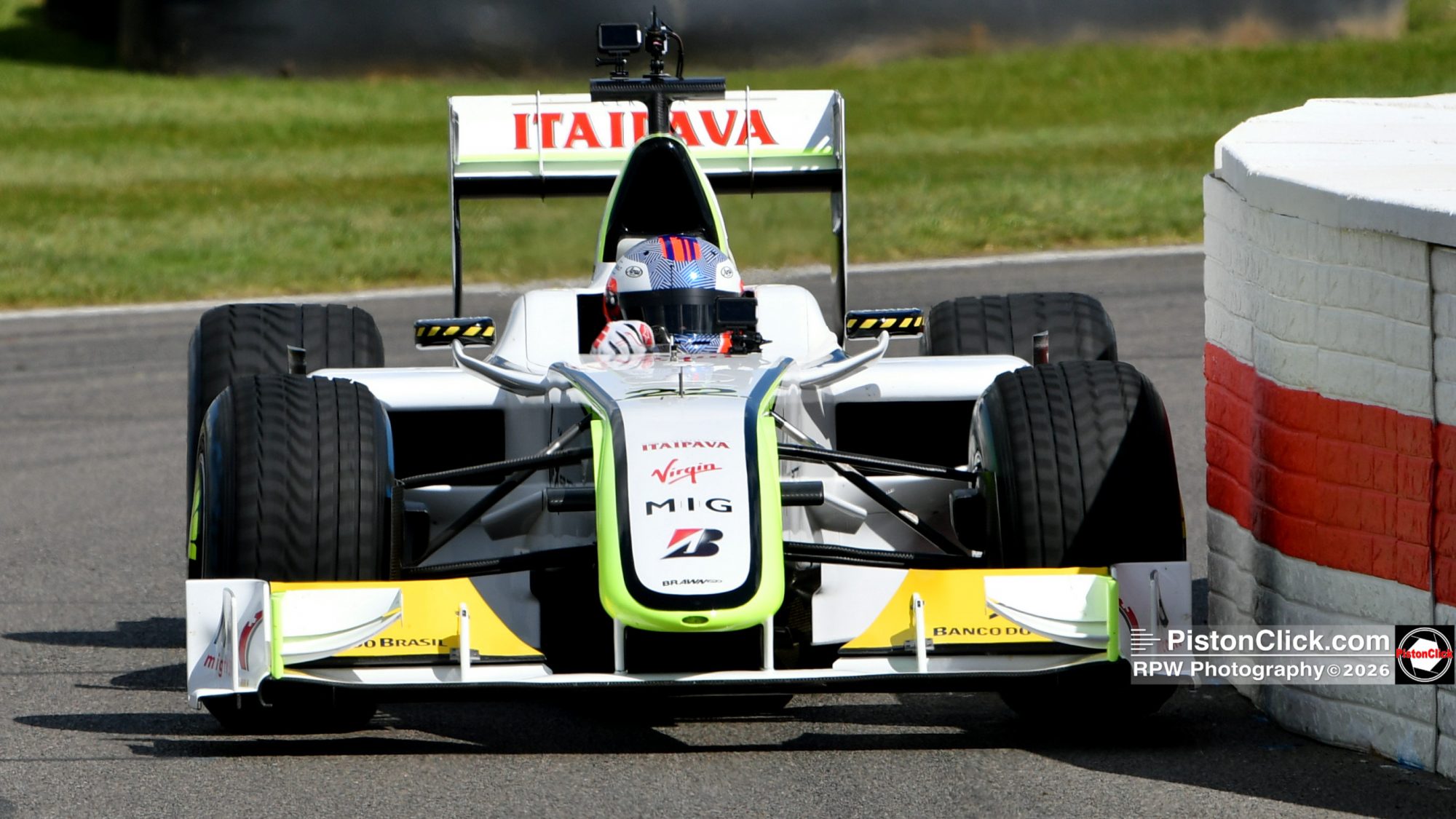
Seeing the BGP 001 back on track, with its distinctive white and fluorescent yellow livery, was a striking visual and emotional moment, reminding everyone of a season where innovation, timing, and determination combined to create something truly special.
Super Touring Cars Take Centre Stage
The Shootout has become an increasingly popular feature of the Members’ Meeting, offering a format that is both simple and highly engaging. Each driver is given a warm-up lap followed by a single flying lap, creating a high-pressure environment where precision and commitment are crucial.
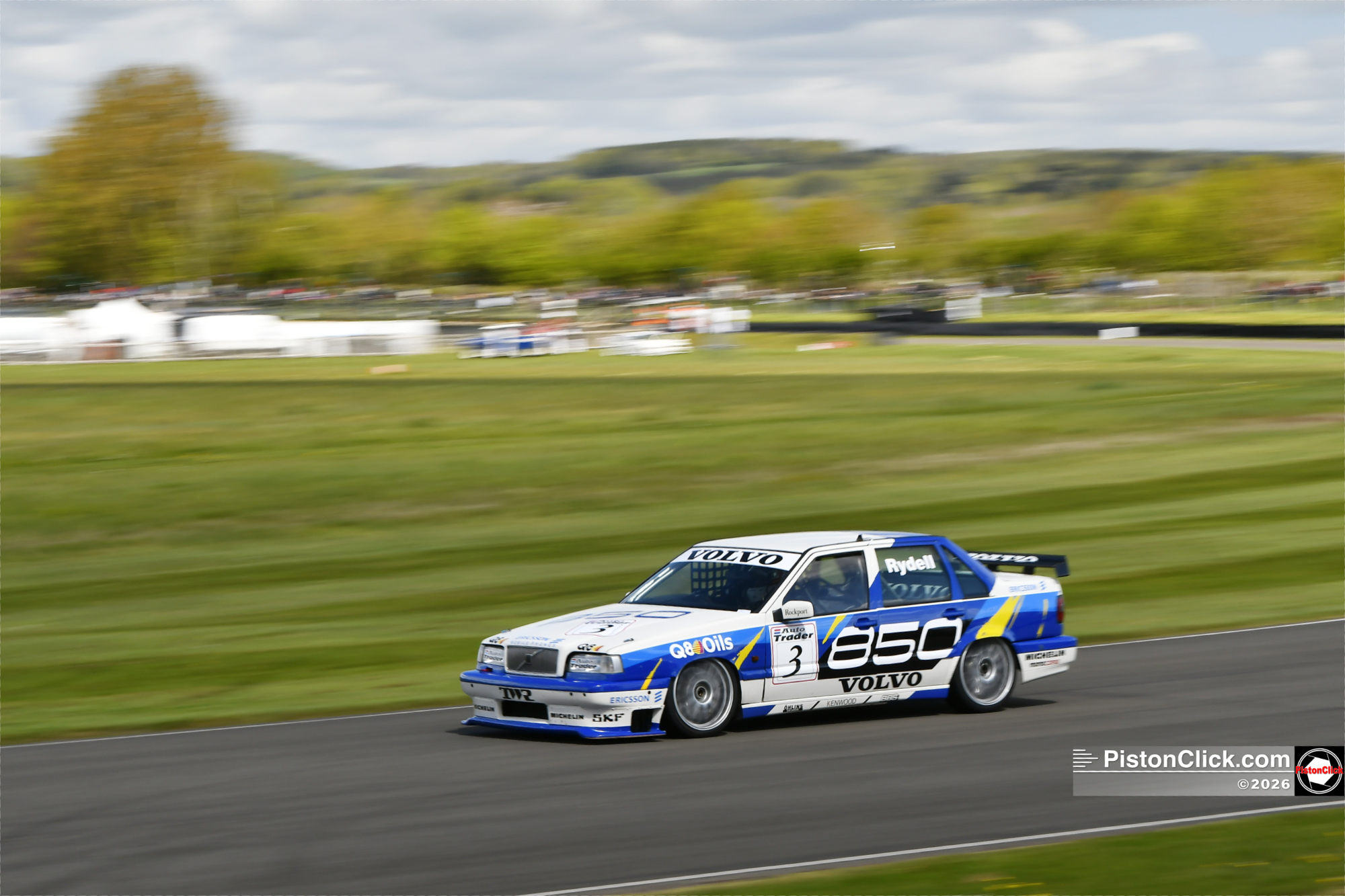
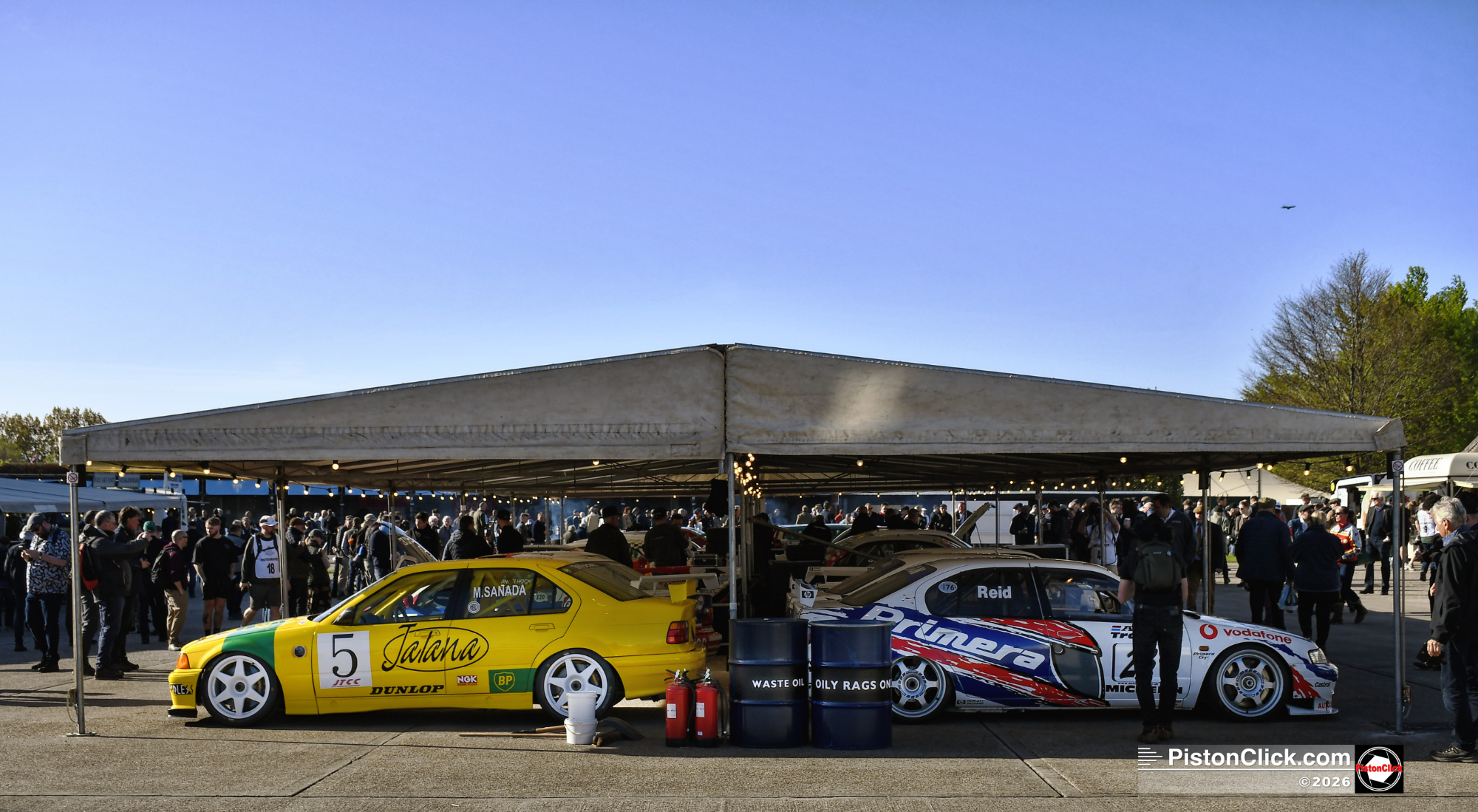
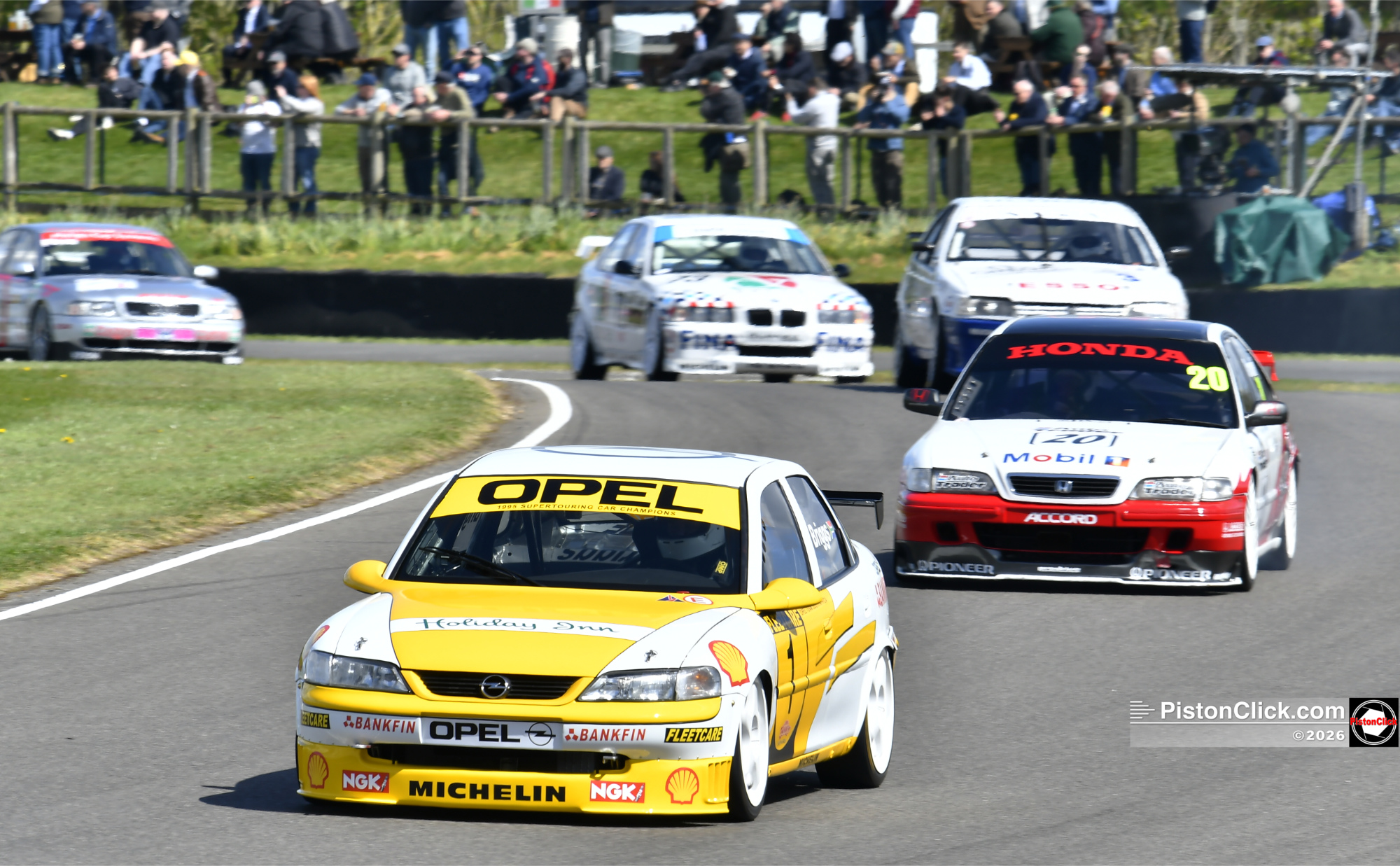
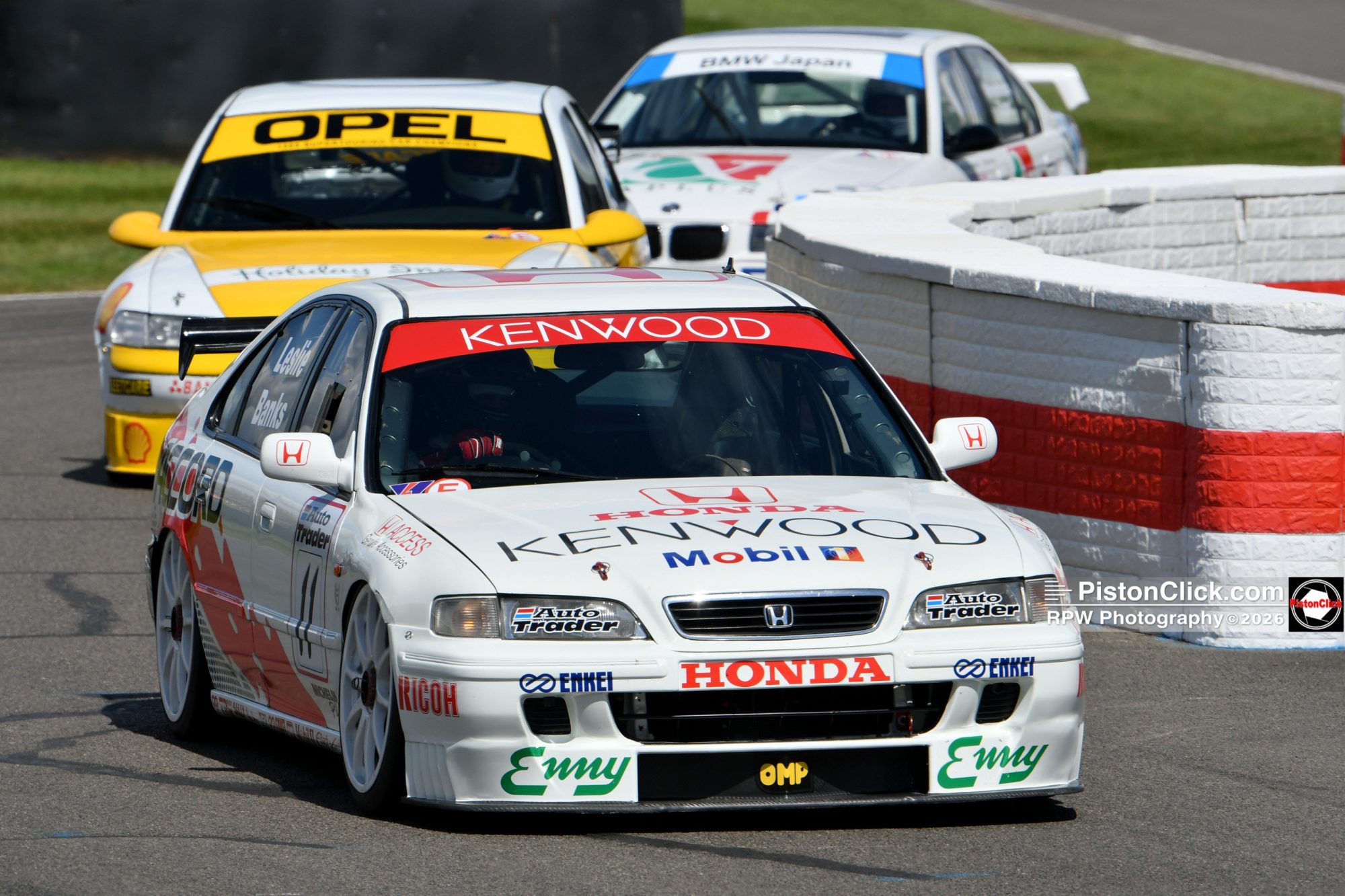
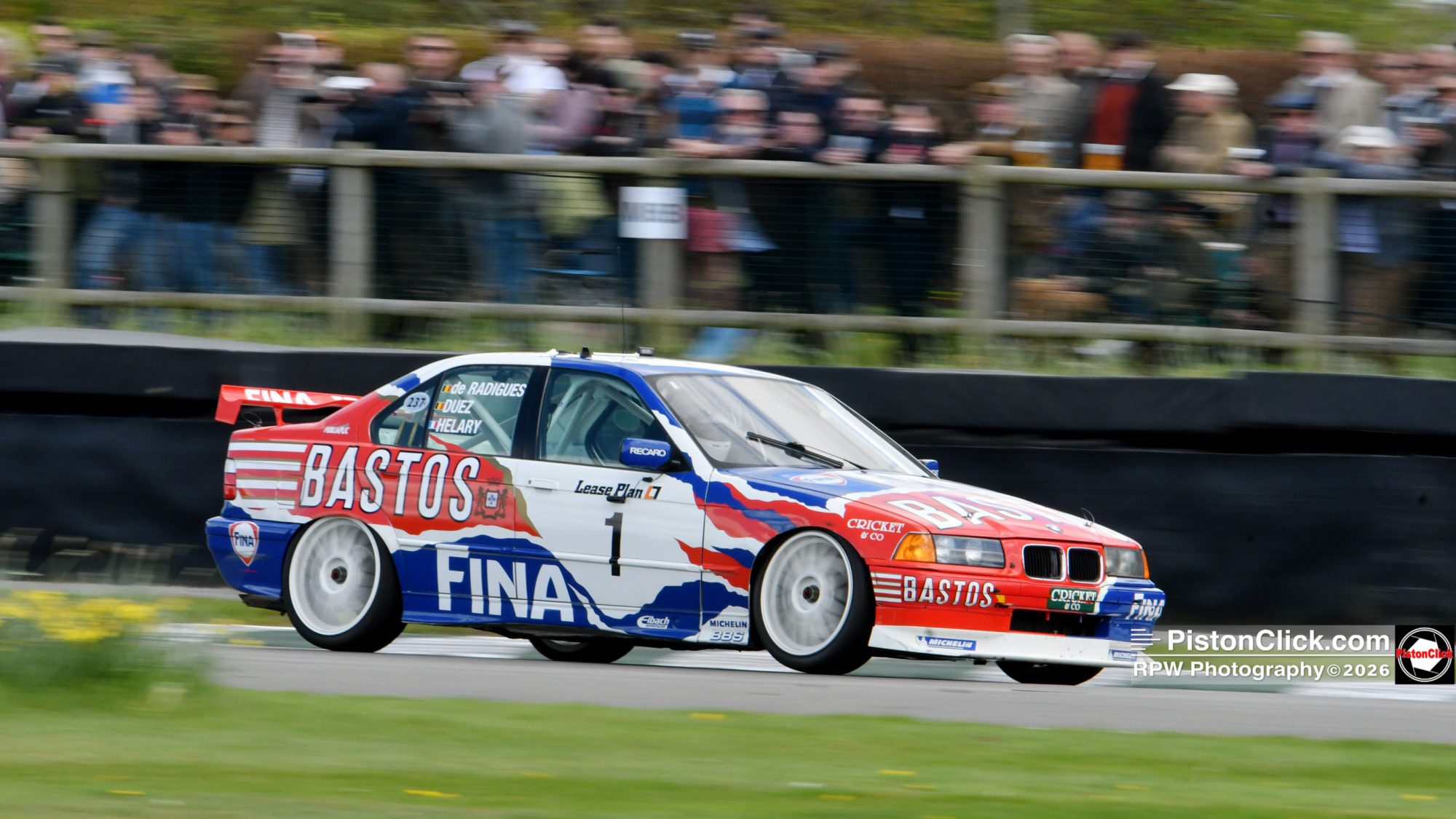
This year it was the turn of the Super Touring Cars, previously we have seen GT and Sidecars in the Shootout. The cars themselves are a major part of the appeal, representing the golden era of 1990s touring car racing, when manufacturers invested heavily in developing highly advanced versions of their road cars.
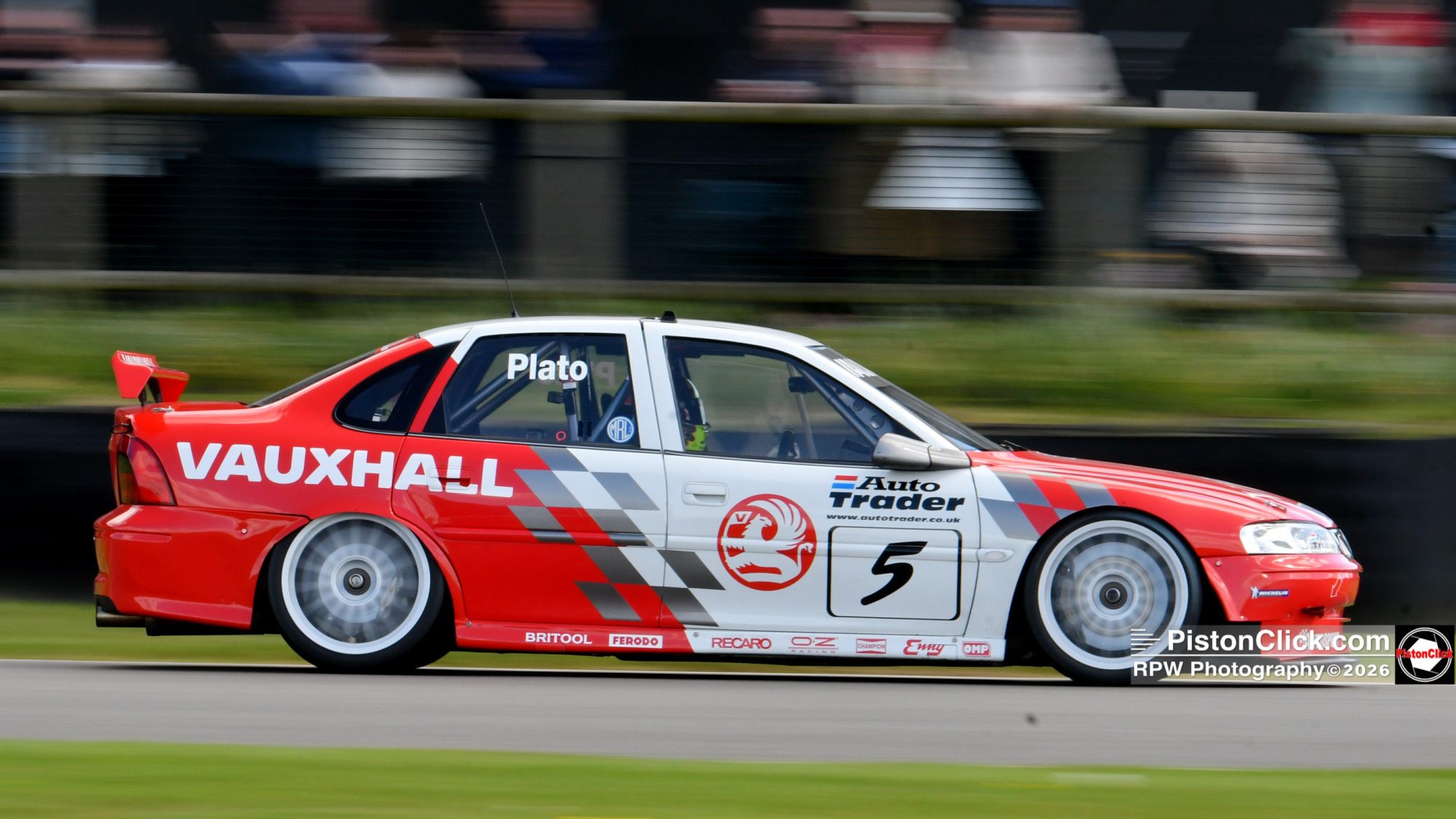
Brands like BMW, Audi, and Nissan pushed the boundaries of engineering within strict regulations, resulting in machines that were both technically impressive and incredibly competitive.
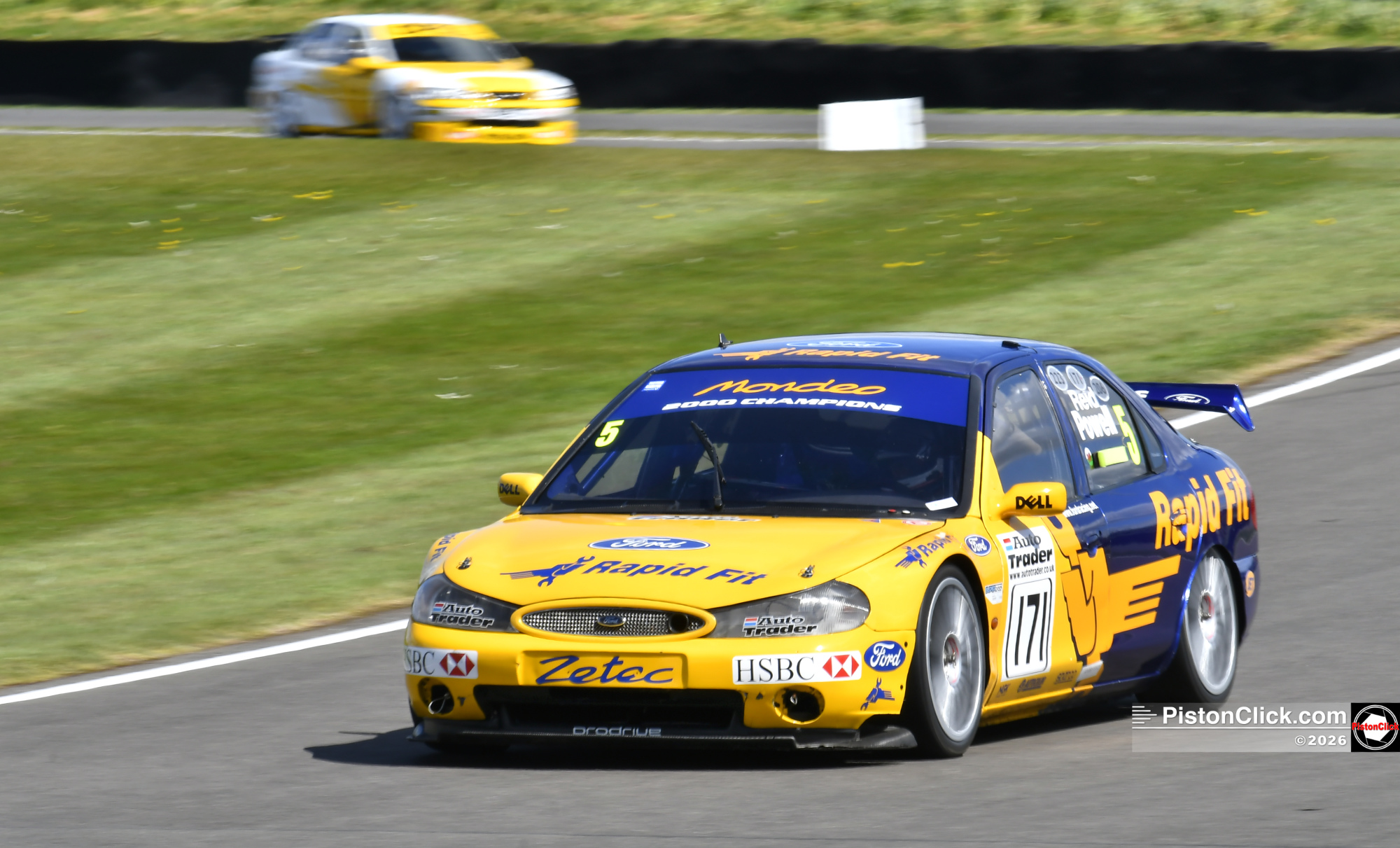
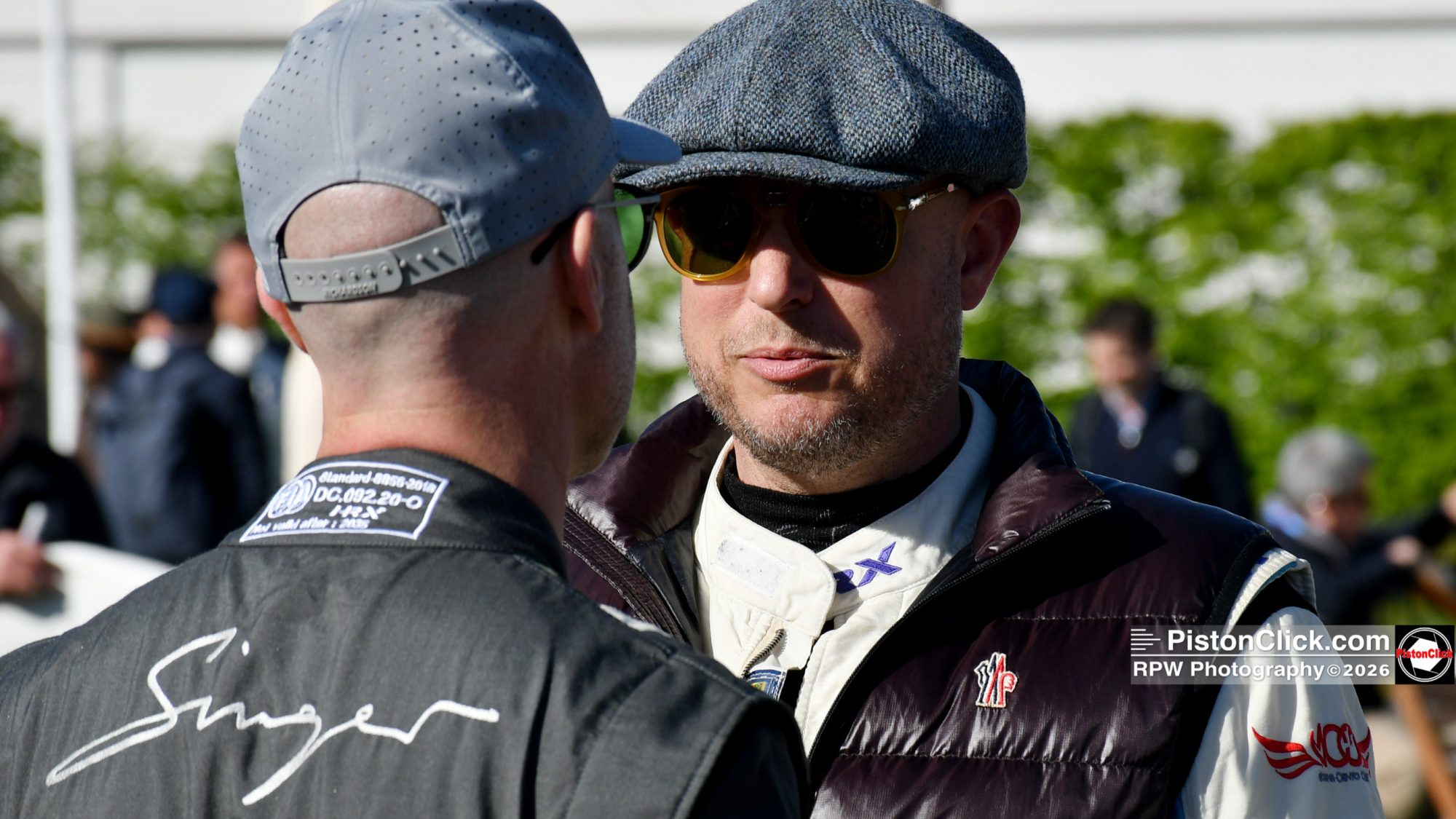
Watching these cars driven at full pace once again, by experienced and often legendary drivers, brought that era back to life in a way that felt authentic rather than nostalgic. Rob Huff ultimately took the win in the Sunday shootout, with Colin Turkington and Steve Soper close behind, but the real highlight was seeing these iconic machines being pushed to their limits once more.
Win Percy Trophy Delivers Drama
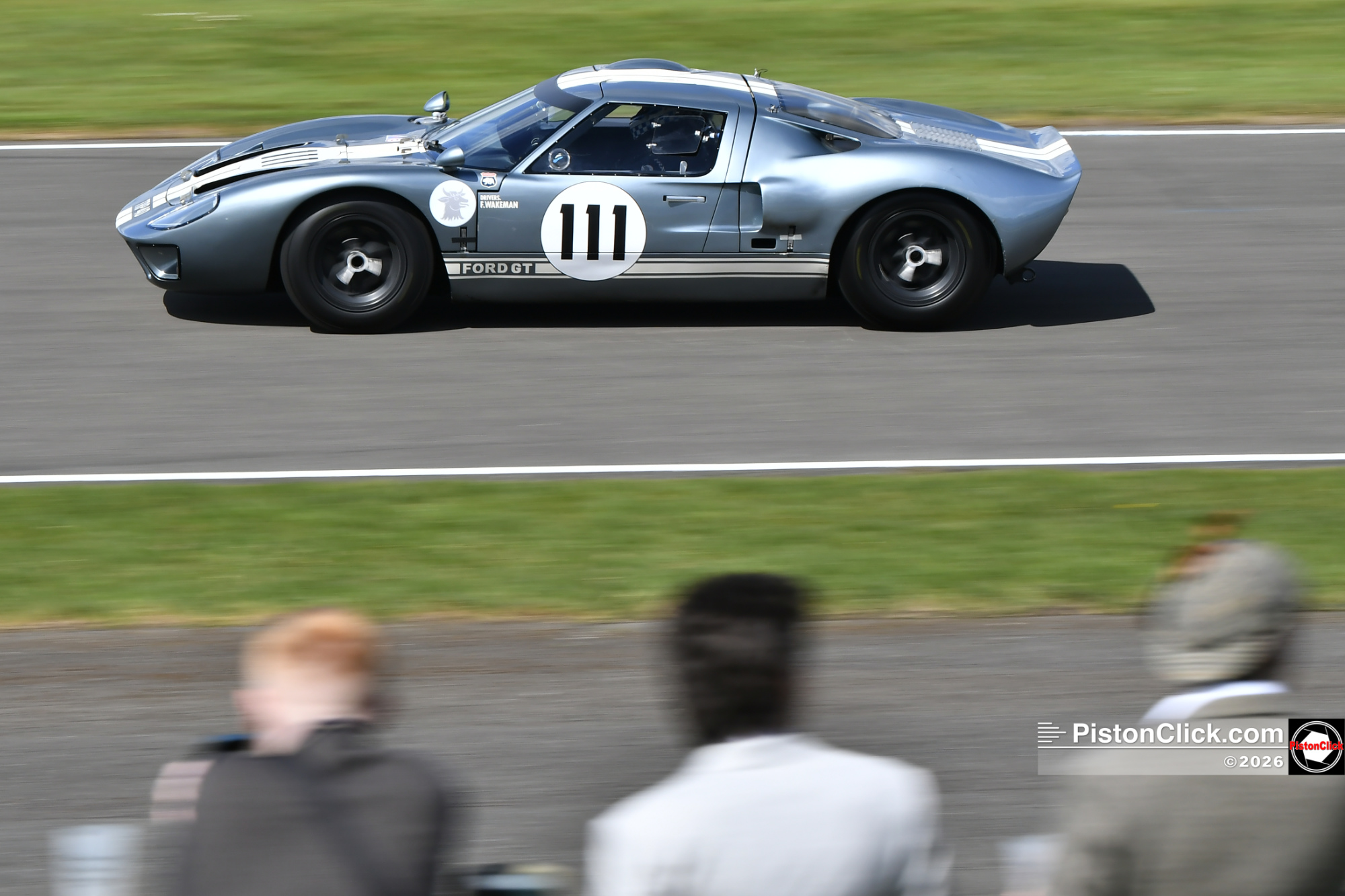
Every motorsport event has races that stand out, and the Win Percy Trophy was undoubtedly one of those moments that will be remembered long after the weekend ended. Designed to give smaller capacity touring cars their own platform, the race featured a grid packed with talent, particularly during Saturday’s professional driver session.
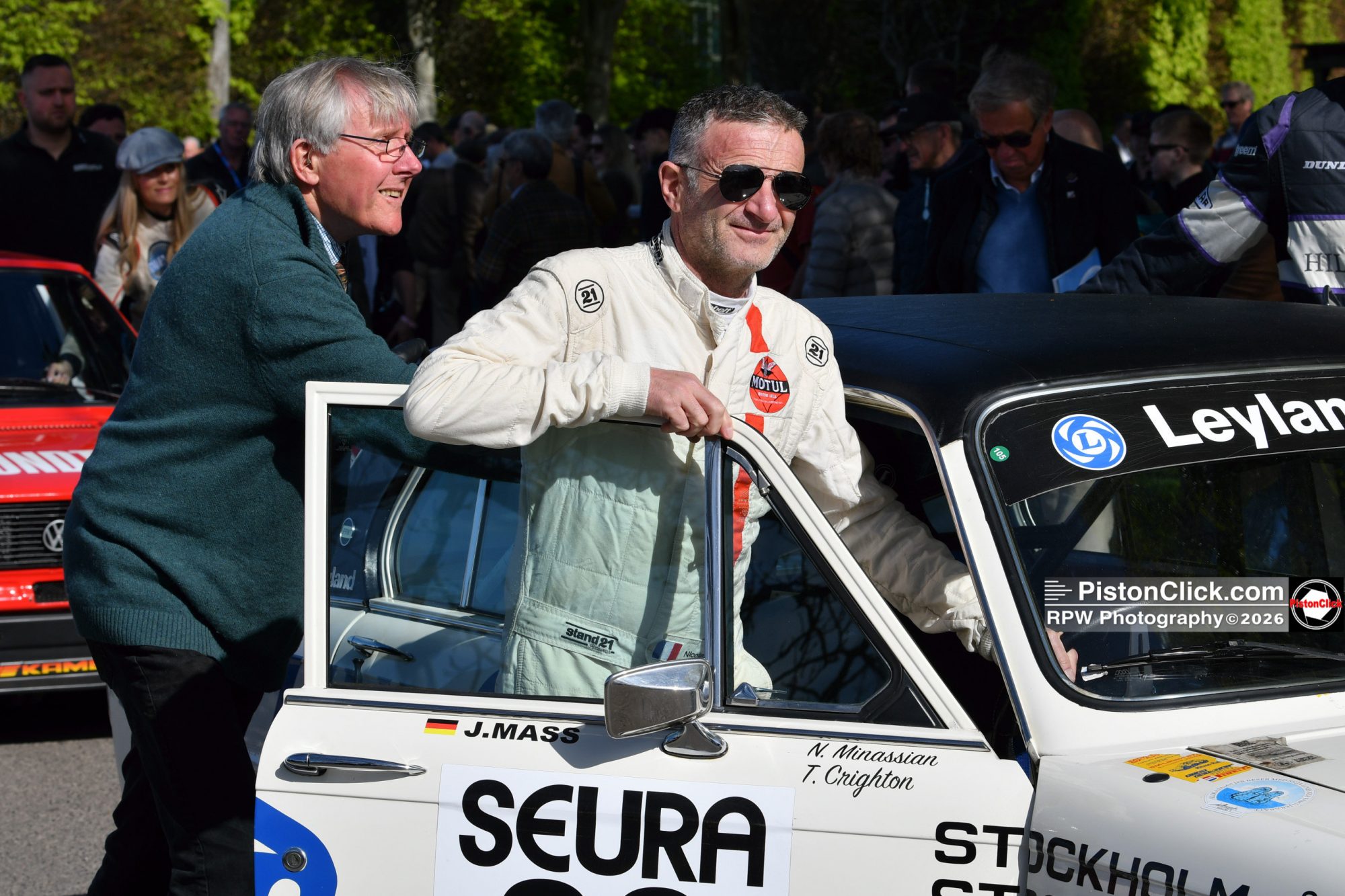
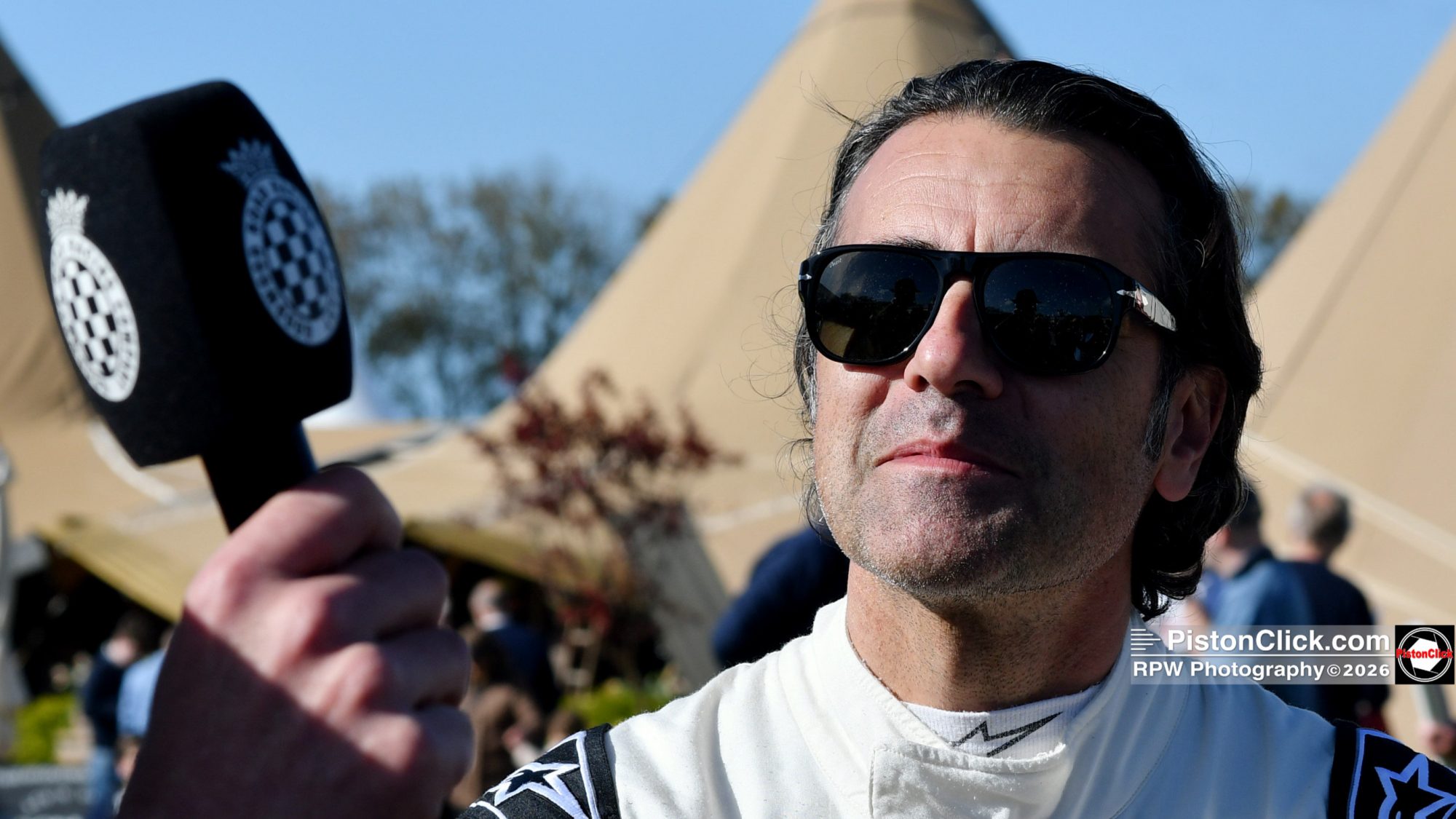
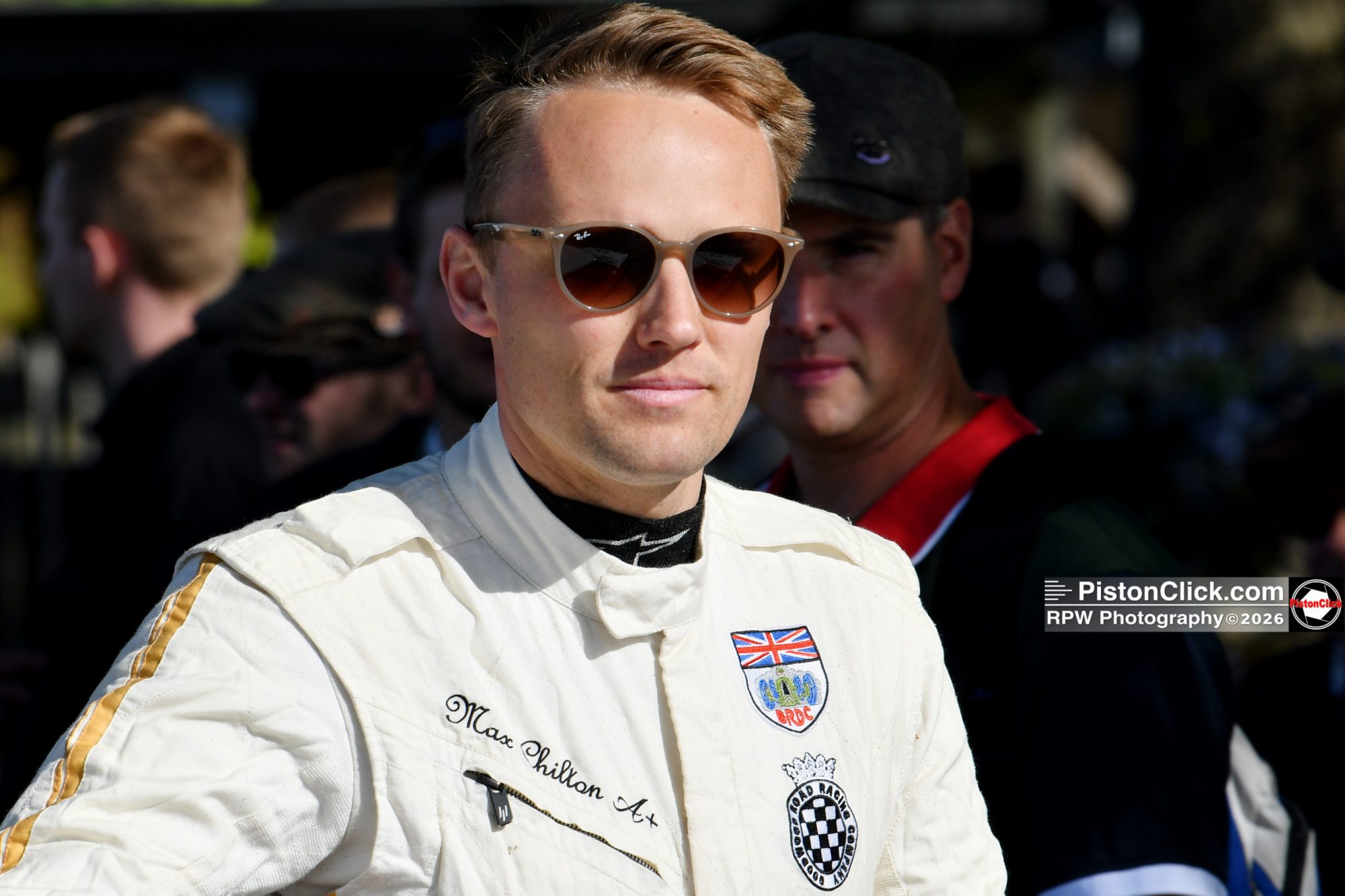
From the very start, the race was intensely competitive, with cars running in close formation and positions constantly changing as drivers fought for every advantage.
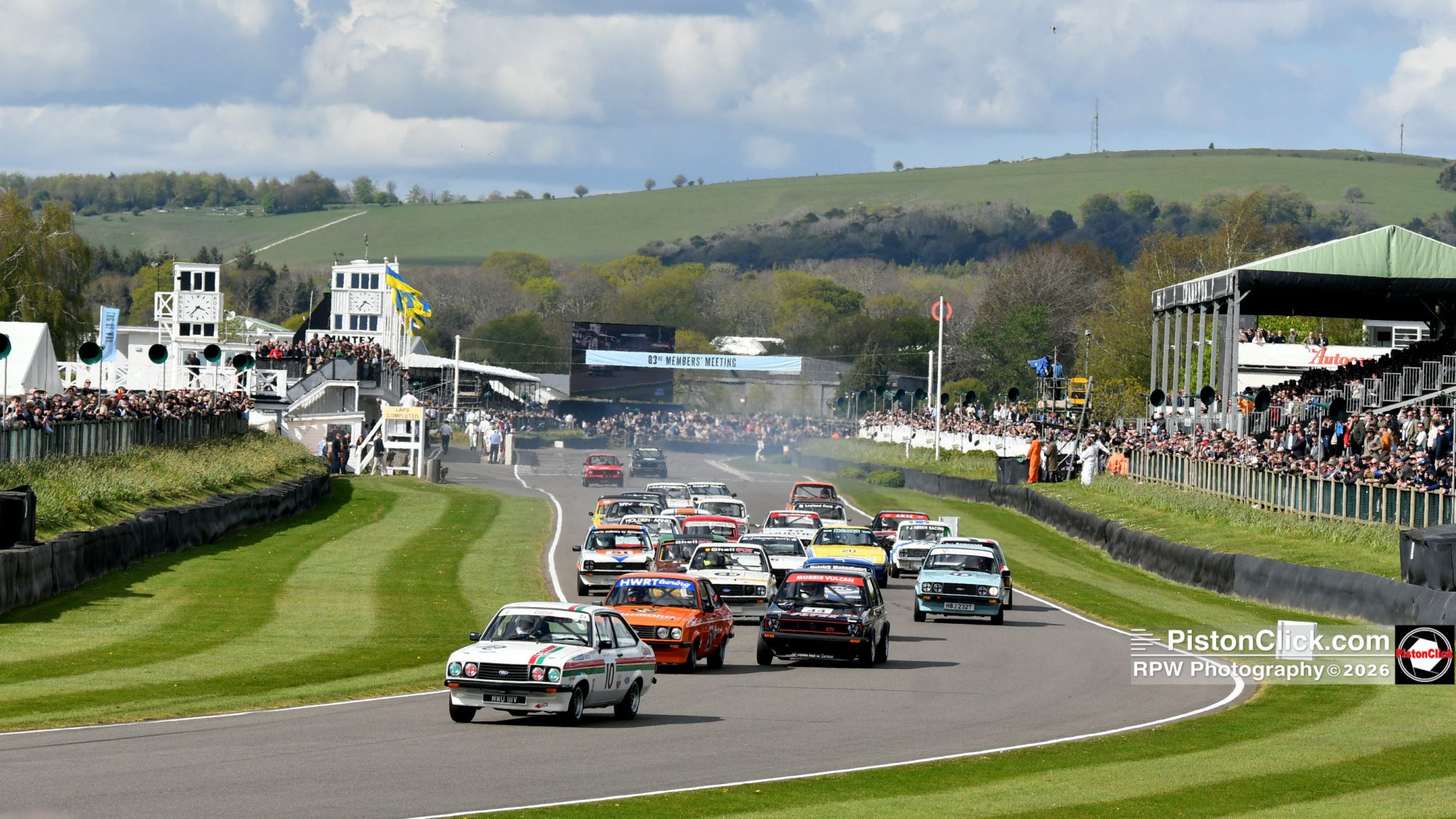
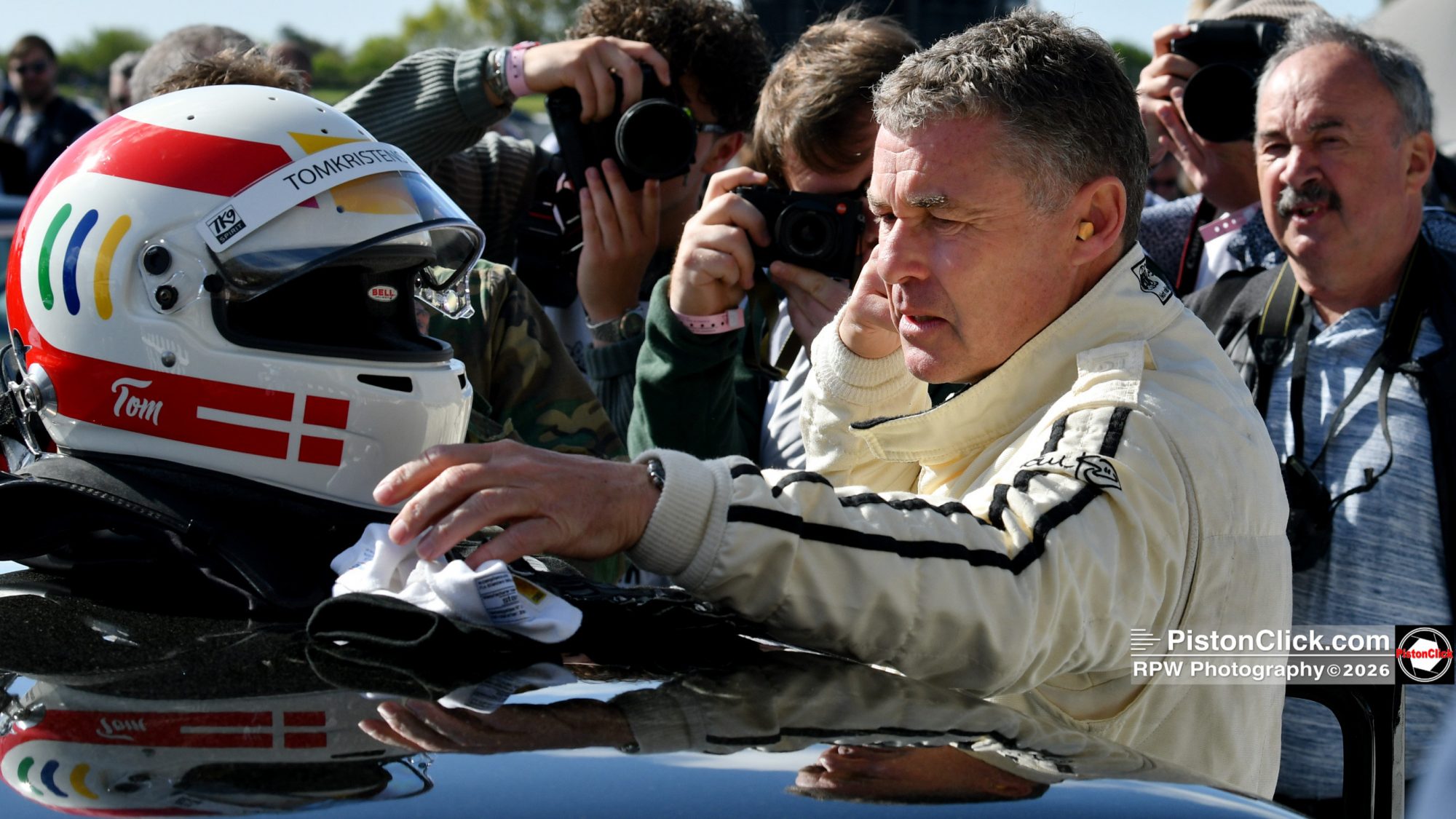
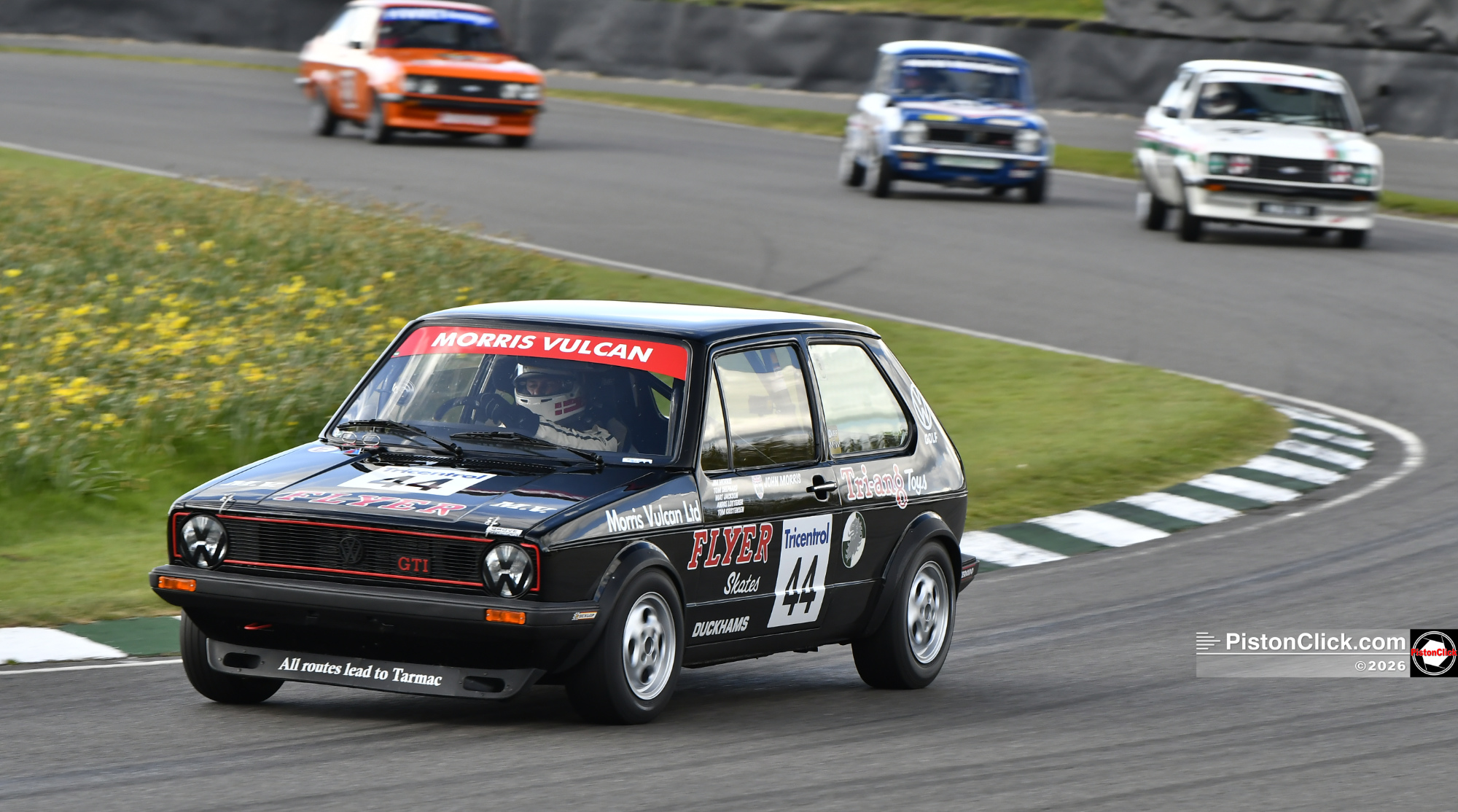
The atmosphere around the circuit reflected the action on track, with the crowd reacting audibly to each overtake and moment of contact, creating a sense of shared excitement that is not always present at larger events. The biggest groan from the crowd came when early leader Tom Kristensen in the 1979 Volkswagen Golf GTI developed mechanical issues denying him the win.
The final lap elevated the race to something truly special, as five cars entered the last corner together, setting up a dramatic sprint to the finish. Contact was inevitable, and what followed was a chaotic but thrilling scramble involving barriers, grass, and a desperate fight for traction.
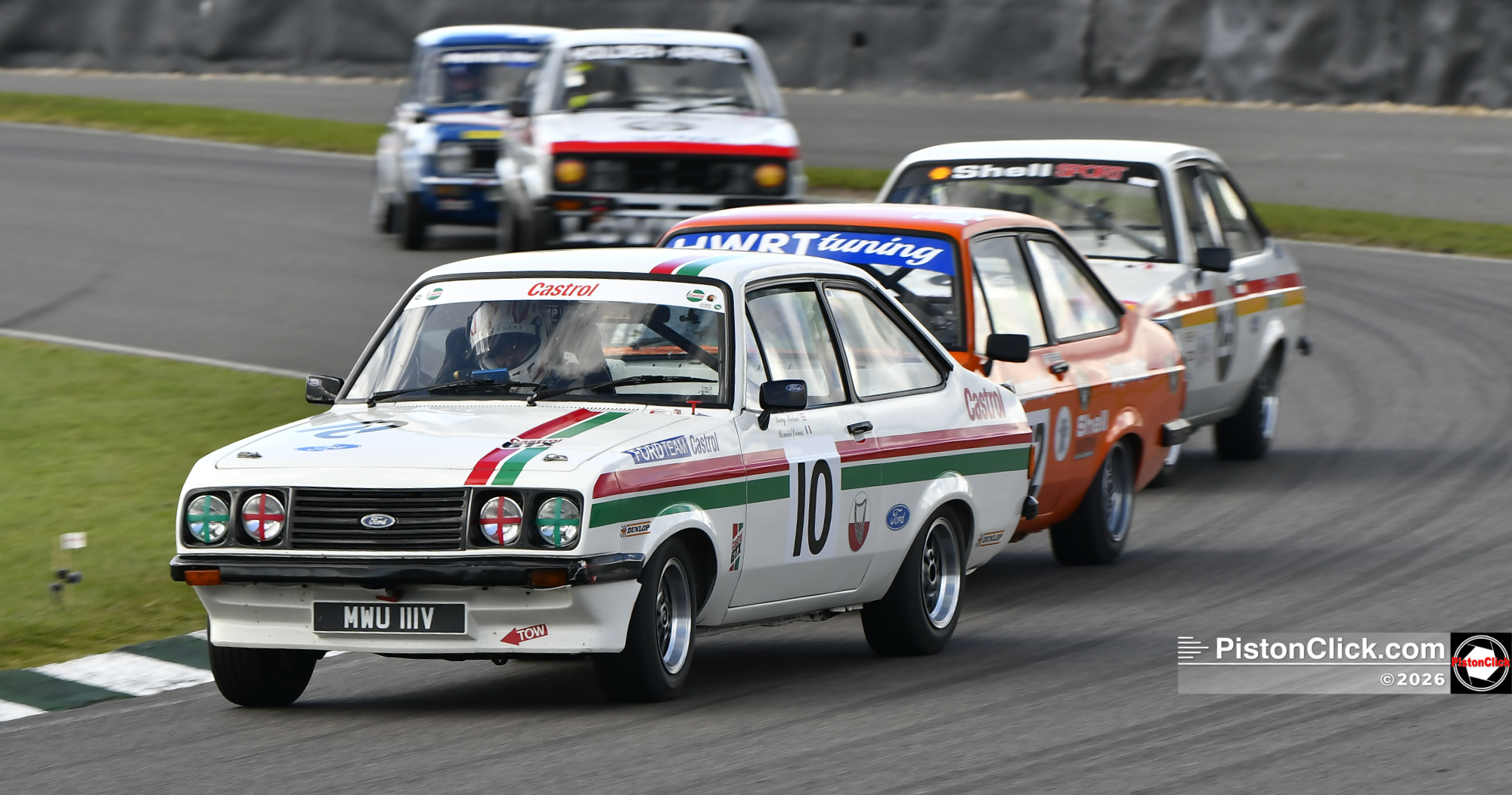
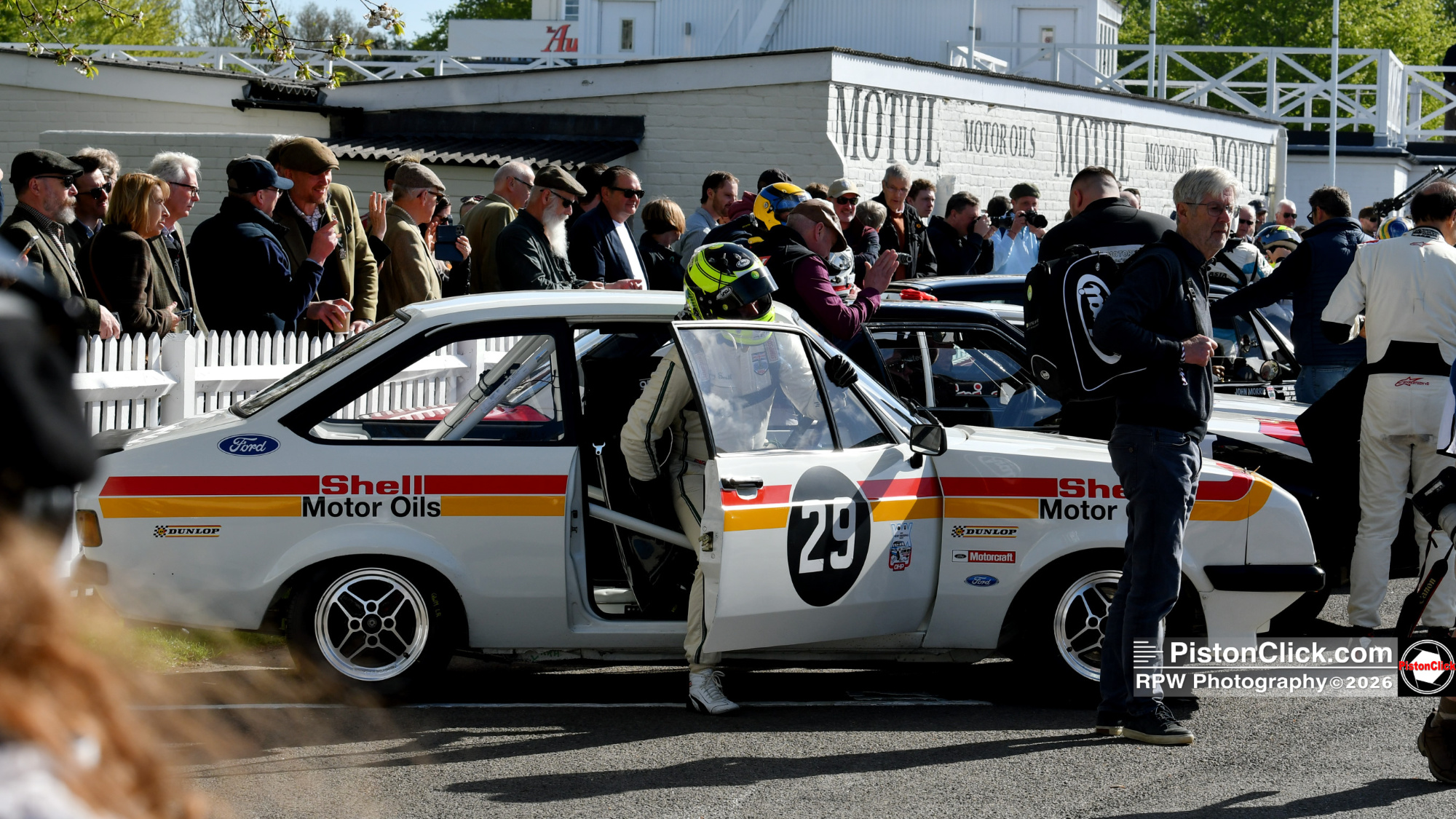
Guy Smith emerged victorious in the #29 Ford Escort RS2000, followed by Rob Huff and Alex Buncombe, but the result almost felt secondary to the spectacle itself. The standing applause from the crowd during the cooldown lap captured just how memorable the race had been.
Hailwood Trophy (featuring the Ft. Sheene Trophy)
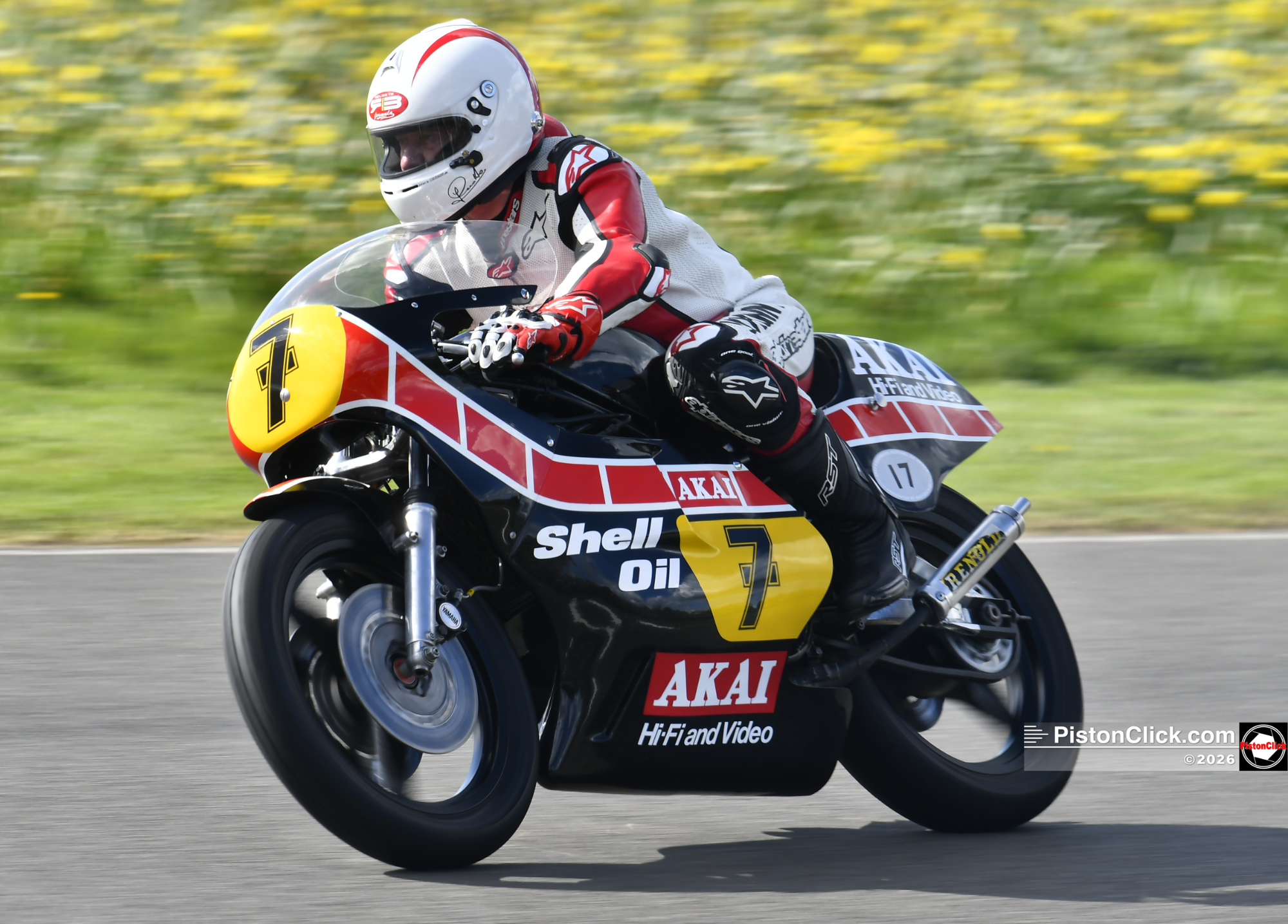
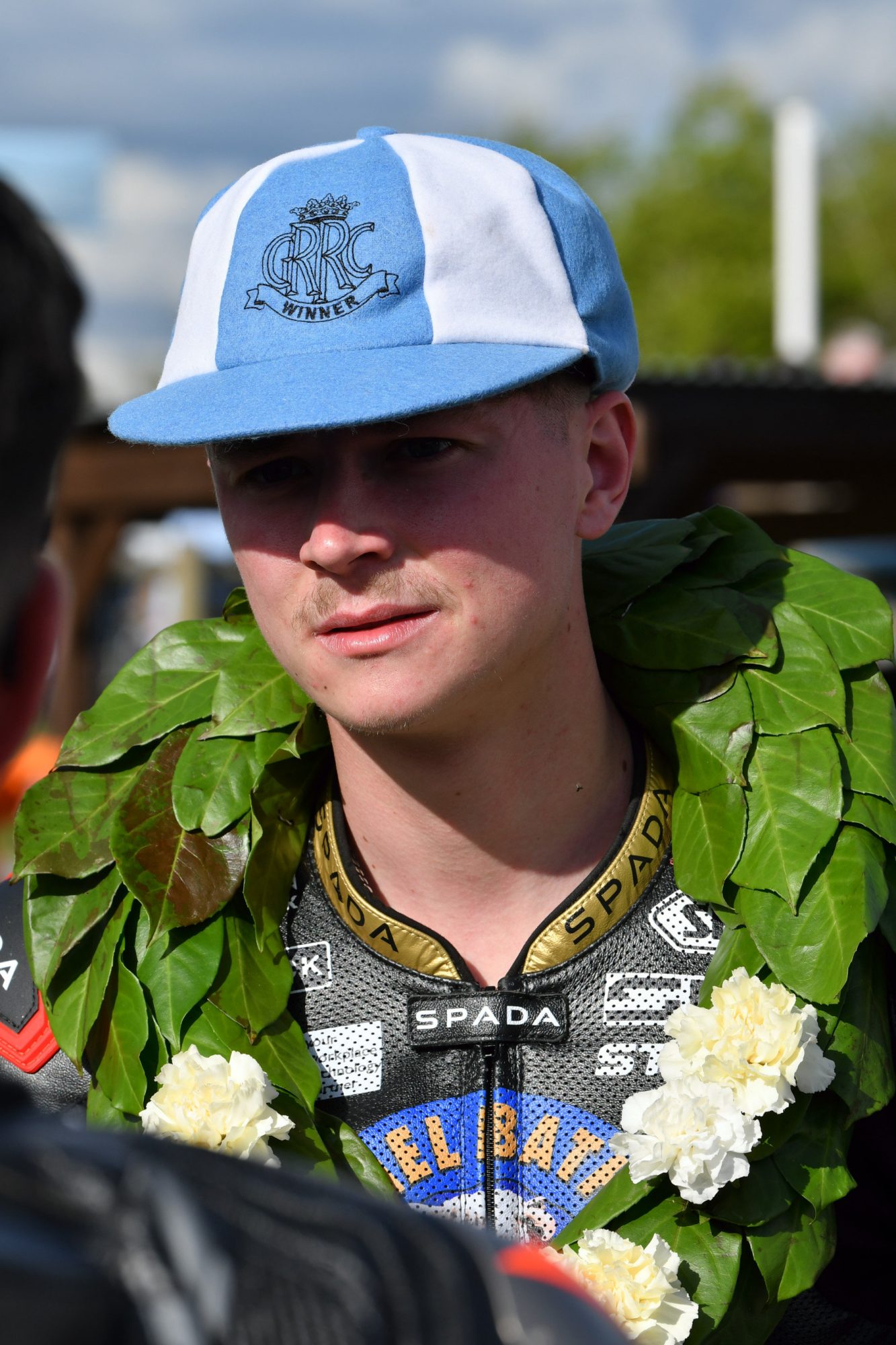
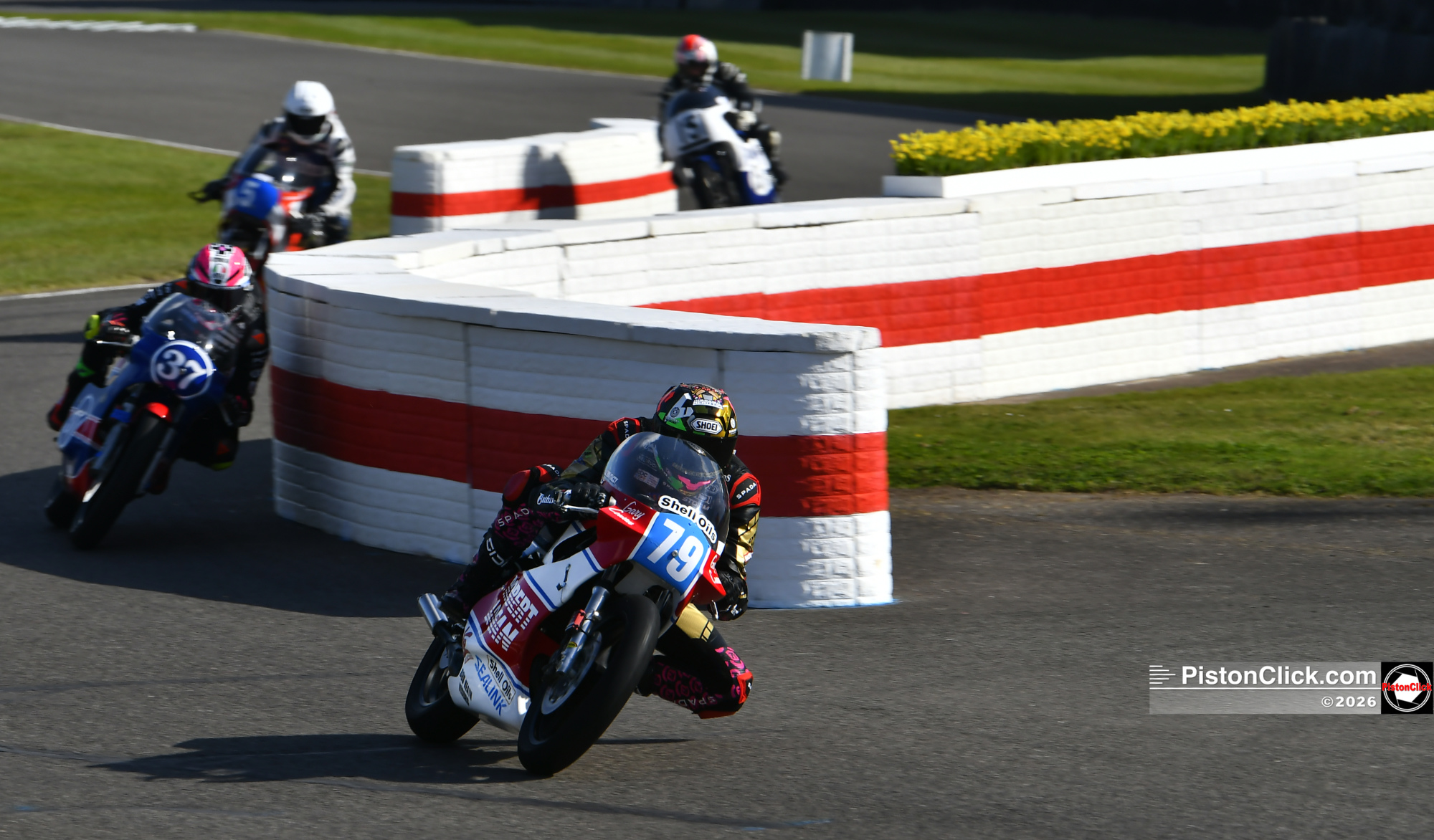
The Hailwood Trophy, featuring the Sheene Trophy, celebrates the lives of motorcycling legends Mike Hailwood and Barry Sheene. The race features four-stroke Formula 750 motorcycles from the 1970s, alongside two-stroke Grand Prix 250cc and 350cc machines from the 1980s.
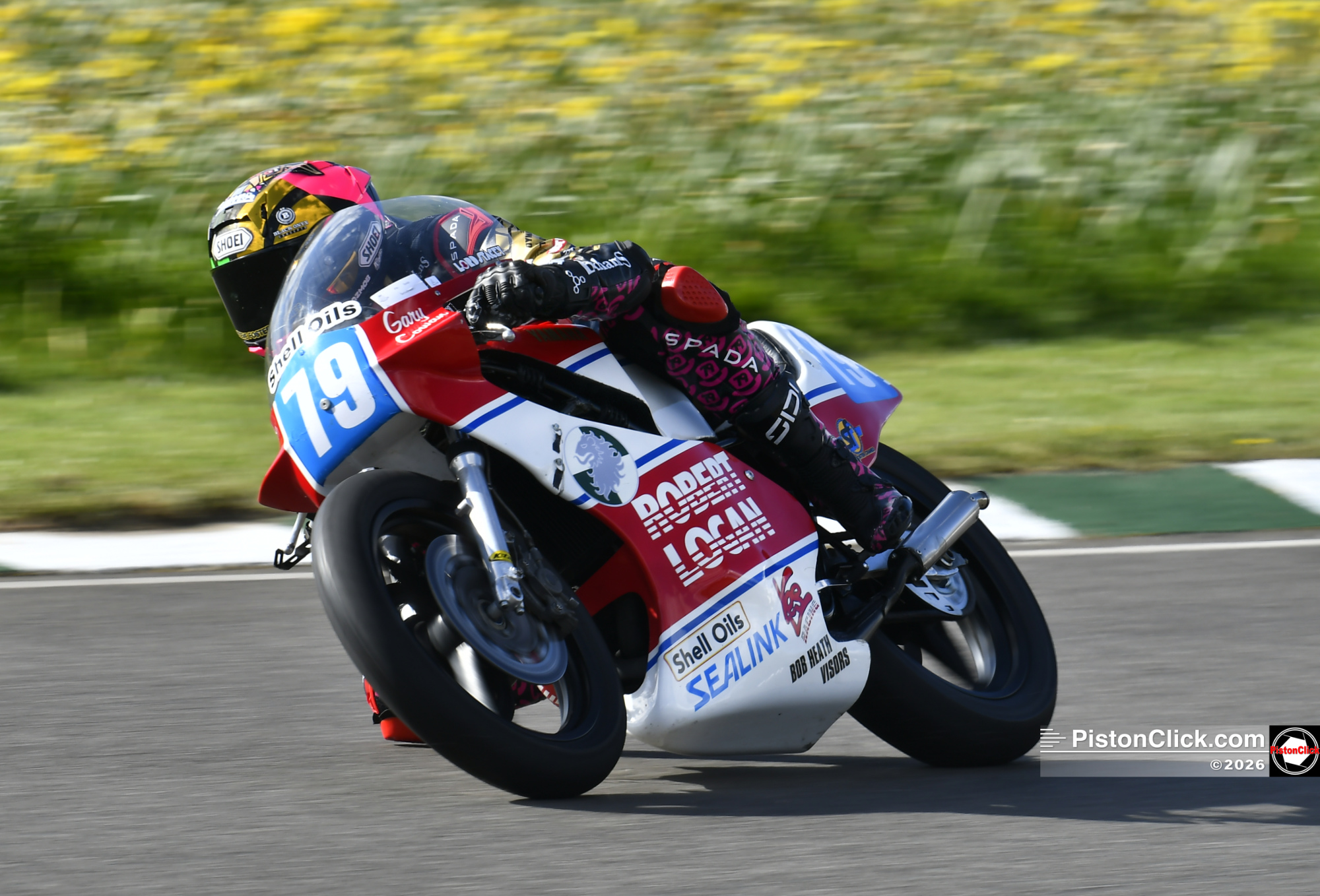
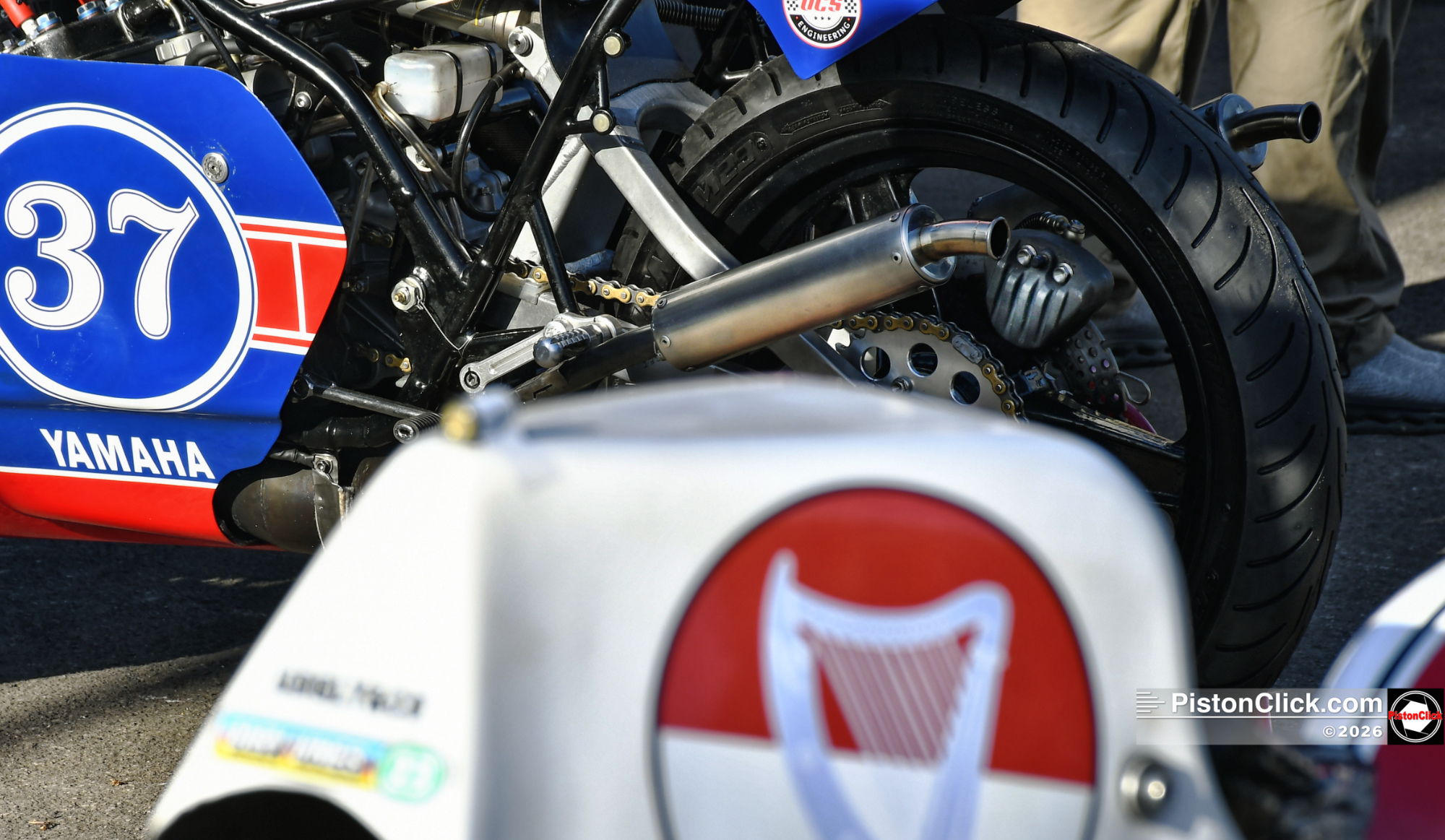
British Superbike rider Storm Stacey dominated proceedings aboard the #79 Yamaha TZ350H. After qualifying on pole, Stacey lined up alongside James Hillier and last year’s winner Dan Jackson. Unfortunately, Hillier’s Yamaha #37 TZ350G developed a problem, forcing him out of Race One.
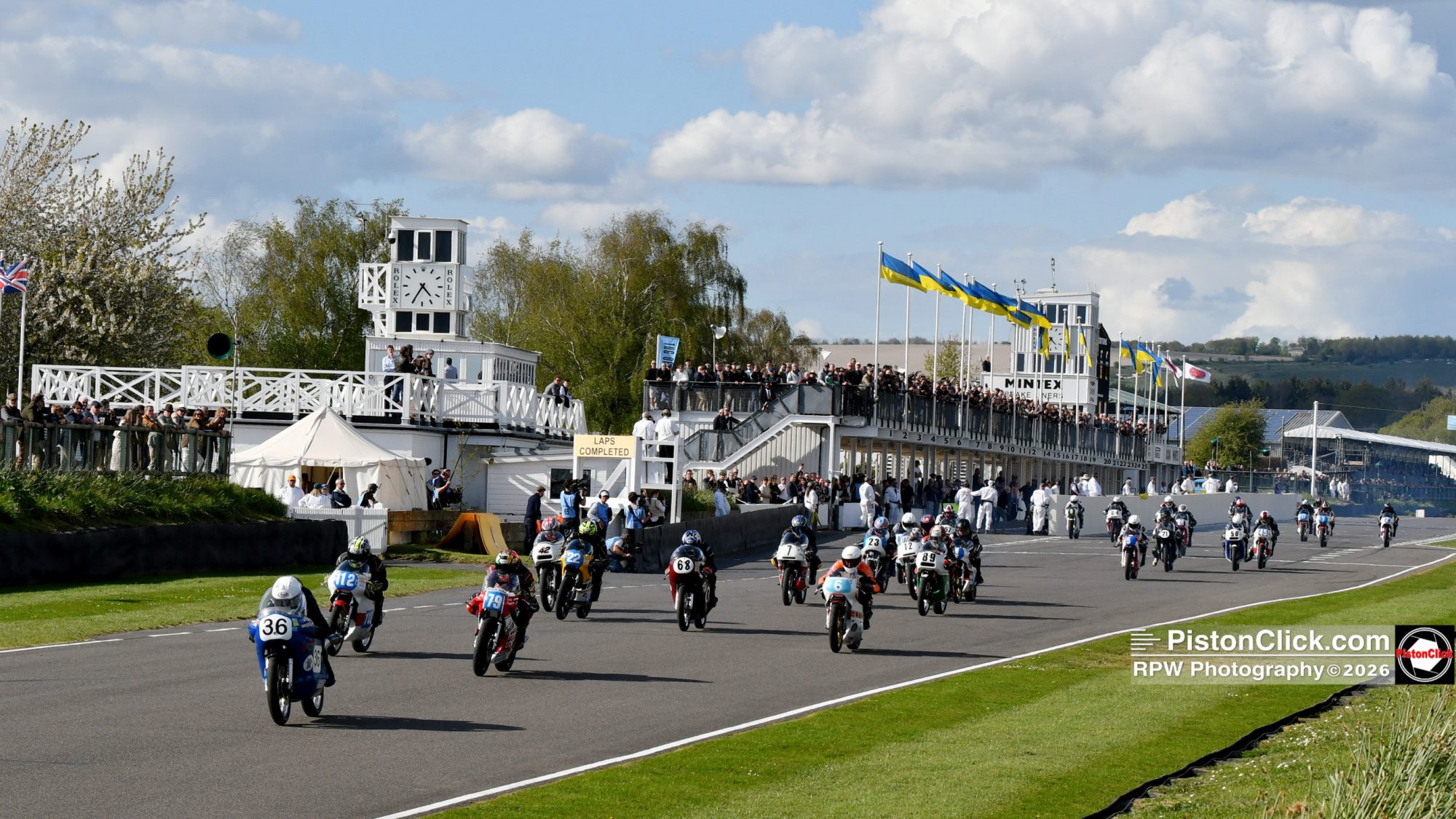
Looking back at the grid ahead of the first of two races, Stacey knew the challenge would be far from easy. Isle of Man TT legend Michael Rutter, riding the RPS Triumph Trident T150, and Jeffery Vermeulen on the Nourish Weslake were strong contenders for podium positions.
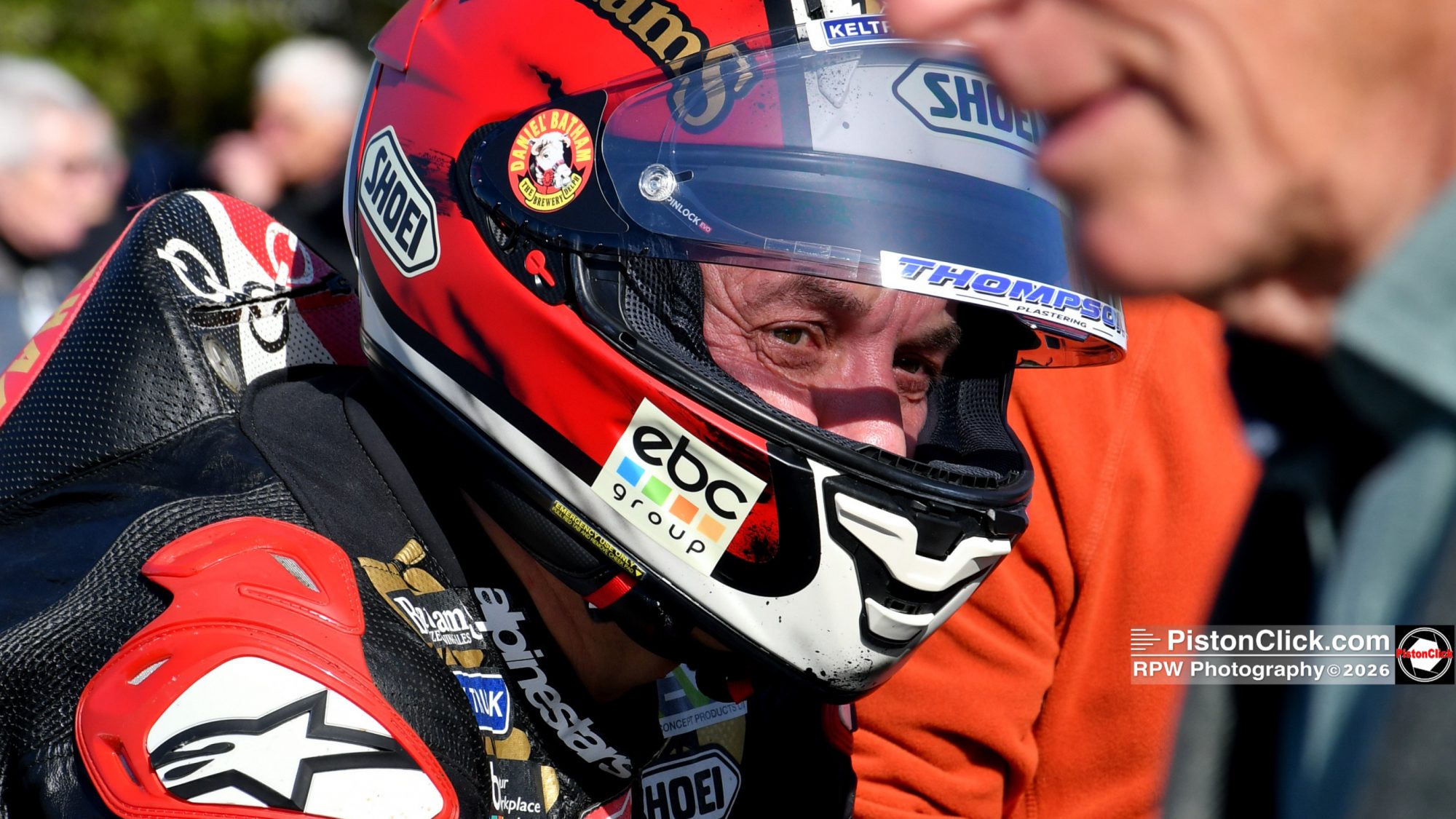
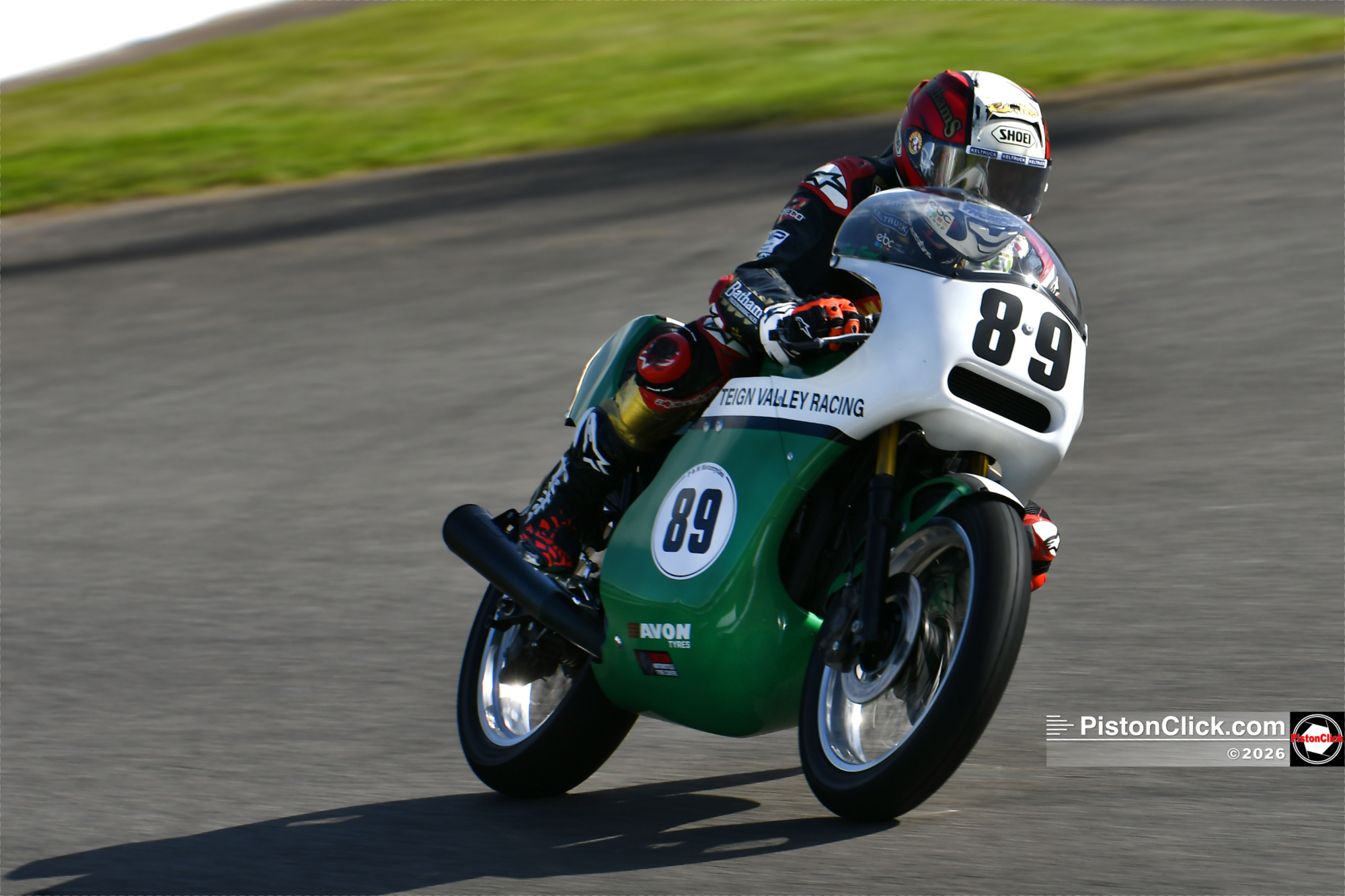
Across both races, Stacey delivered a dominant performance, leaving the chasing pack behind to secure victory in each. Vermeulen finished second in both races. Richard Parker, riding a Yamaha TZ350G, took third place in Race One, while Rutter claimed third in Race Two. Hillier returned to finish fourth in Race Two, but his DNF in Race One ruled him out of the overall standings.
Hailwood Trophy (Ft. Sheene Trophy) Combined Results
| Position | Rider | Motorcycle |
| 1 | Storm Stacey | Yamaha TZ 350 H |
| 2 | Jeffrey Vermeulen | Nourish Weslake |
| 3 | Michael Rutter | RPS Triumph Trident T150 |
| 4 | Dan Jackson | Harris-Yamaha TZ350 |
| 5 | Ian Bain | Yamaha TZ350F |
Why the 83rd Members’ Meeting Stands Out
What ultimately sets the 83rd Members’ Meeting apart is the combination of access, atmosphere, and authenticity, creating an experience that feels both relaxed and deeply engaging. The ability to walk through the paddocks, stand close to historic machines, and observe drivers preparing for their sessions creates a sense of connection that is rarely found in modern motorsport.
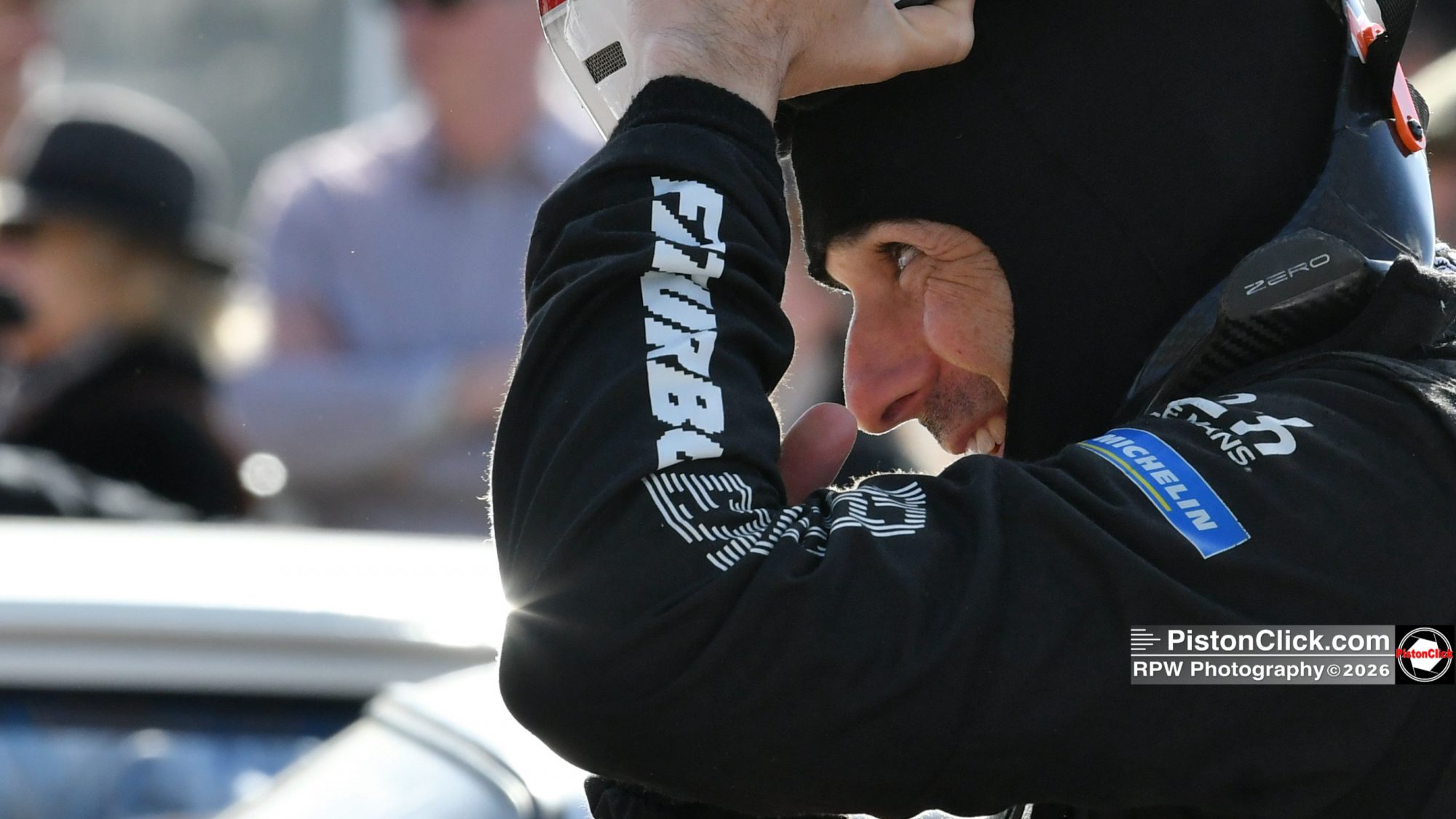
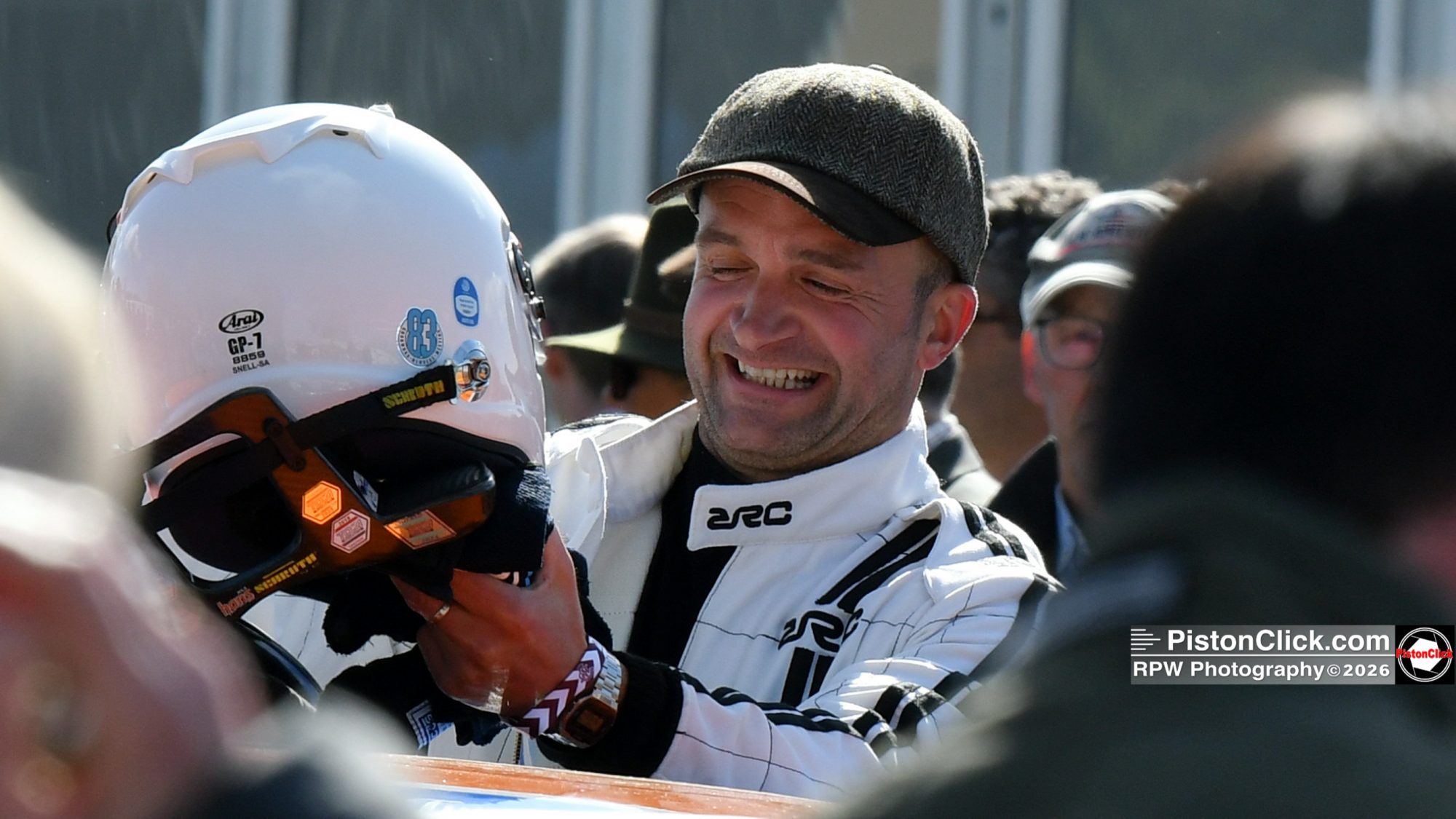
Goodwood’s circuit itself enhances this experience, with its natural beauty and classic layout providing a perfect backdrop for photography and spectating alike. Perhaps most importantly, the event brings together drivers from different disciplines and eras, placing them in comparable machinery and allowing them to compete in a way that feels genuine rather than staged.
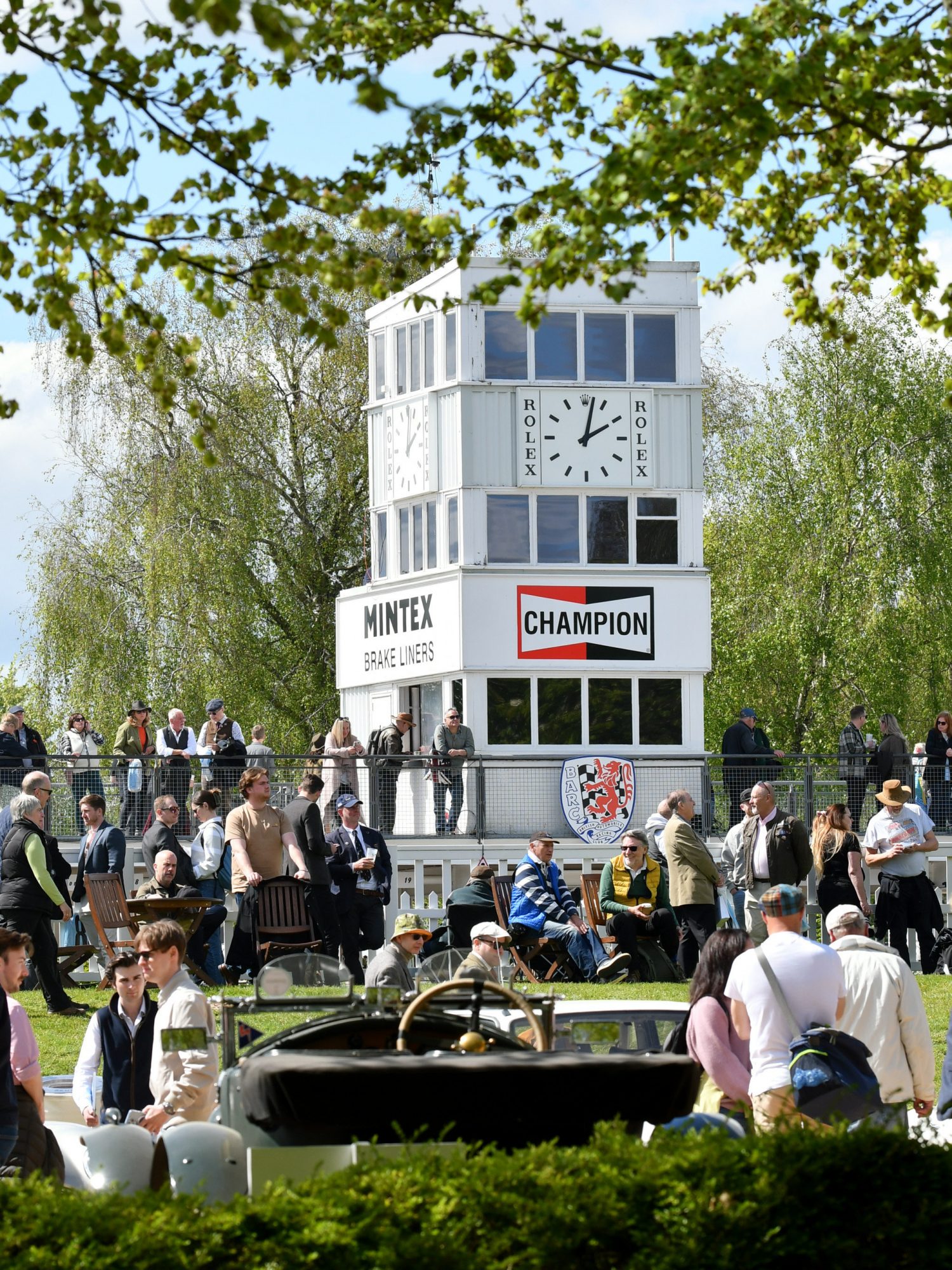
This creates moments that are unique to the Members’ Meeting and difficult to replicate elsewhere. For anyone with an interest in motorsport, it offers a perspective that is both refreshing and memorable, making it an event that is well worth experiencing at least once.
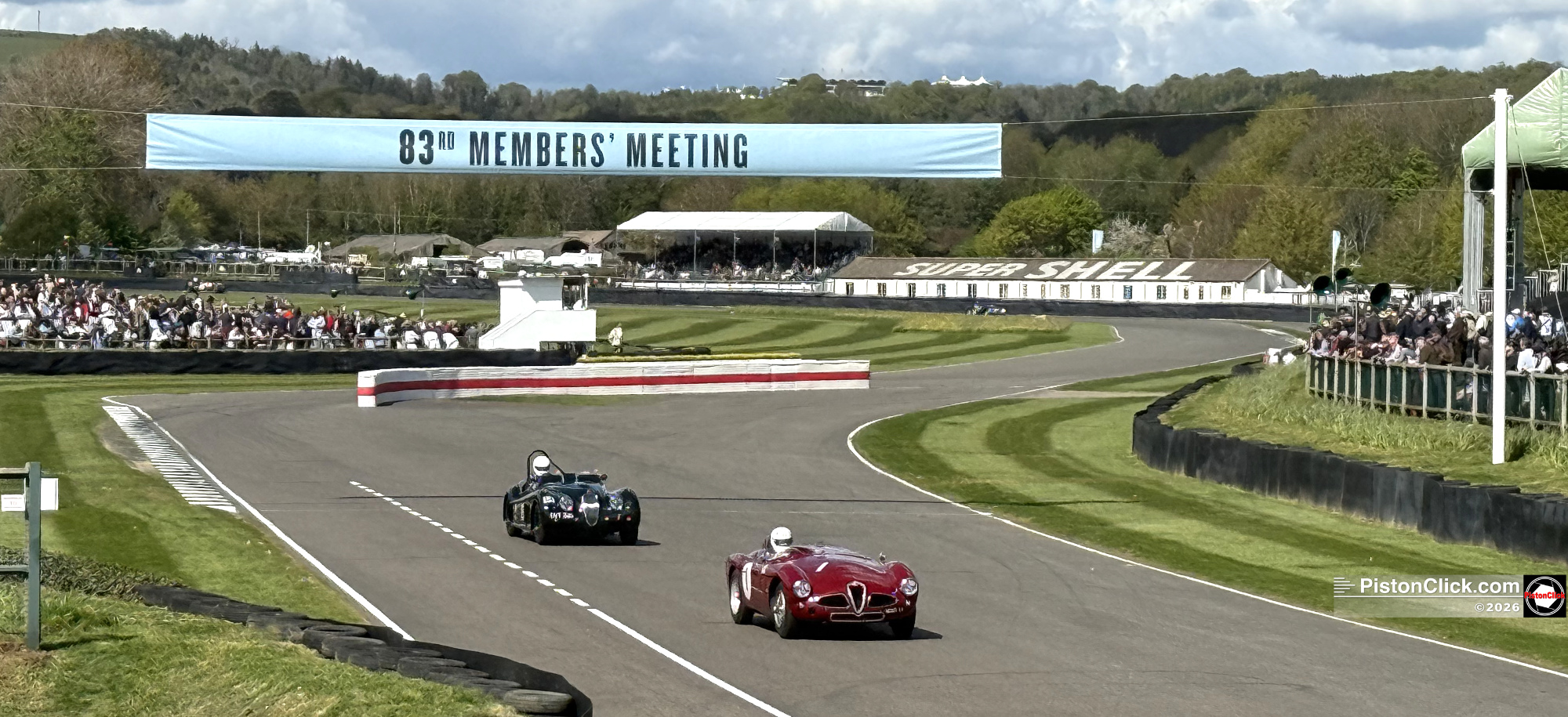
All photos by RPW Photography and the PistonClick Editor. Explore all our previous Goodwood Members Meeting, Festival of Speed and Revival reports through the Automotive Shows link.