



Donington Park Test Day – 19 June 2026
Report by Graham Atkinson
24 June 2026
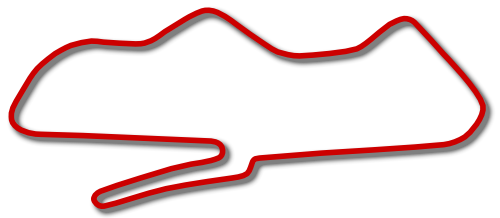
A Sea of Caterhams a 1963 Semi-Lightweight Jaguar E-Type and a Ford Falcon
I had a choice of two test days this week, Thursday or Friday. In the end, the decision was made for me because I had another commitment on Thursday, so Friday it was.
However, I had a nagging feeling about what I would find when I arrived. With a Caterham meeting scheduled for Saturday and a Classic Sports Car Club (CSCC) meeting on Sunday, I wondered which cars would be testing on Friday.
As I drove into the paddock early on Friday morning, my heart sank. Before me stretched what seemed like a sea of Caterhams. Everywhere I looked there were dozens upon dozens of them. Don’t get me wrong—I have nothing against Caterhams—but regular readers will know that I like to pick out two or three unusual or interesting cars and learn a little about them.
The problem was that these cars all looked remarkably similar, differing only in their paint schemes and race numbers. So, what was I to do? Would I be lucky enough to find just two interesting cars among them? You bet.
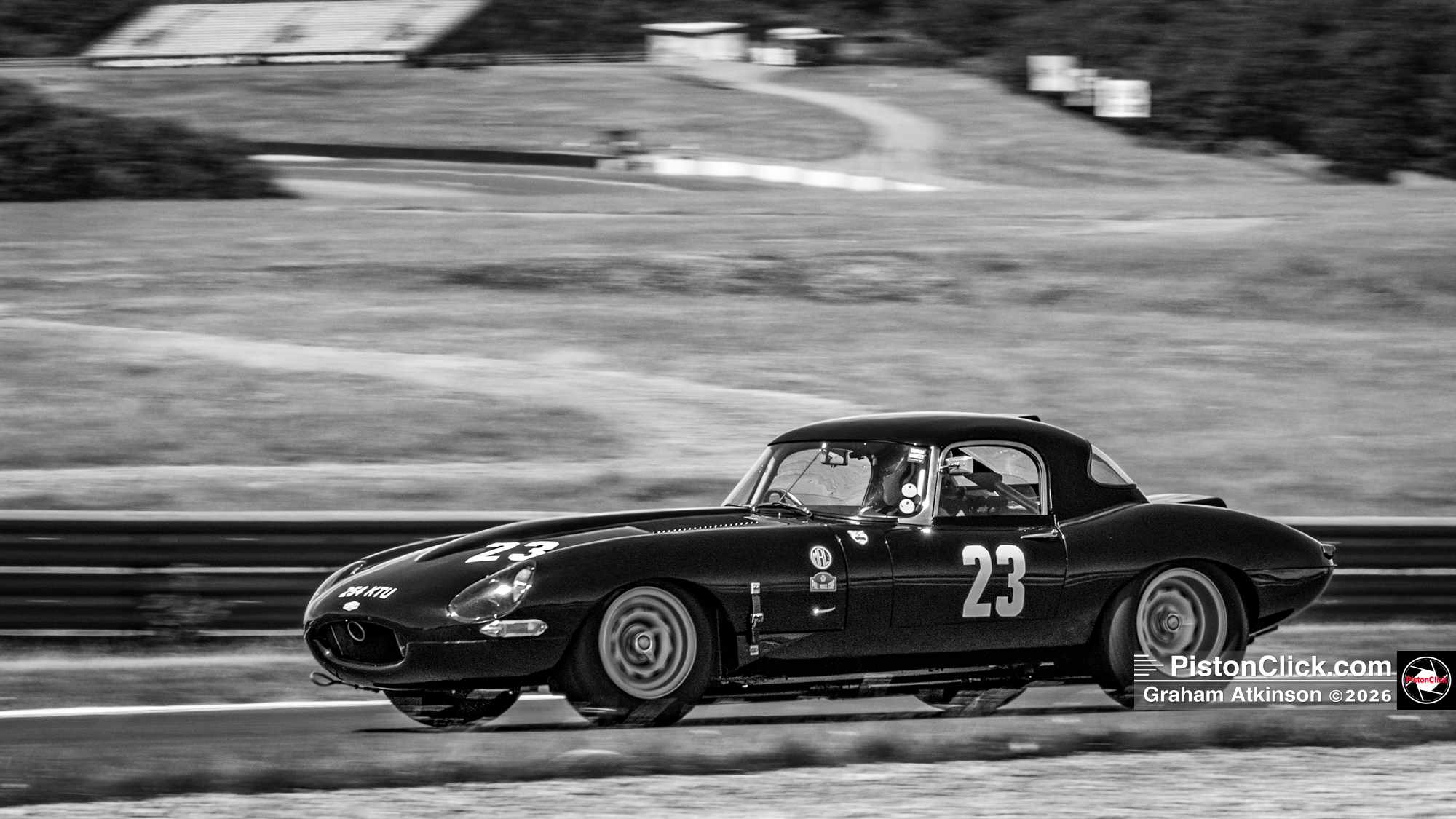
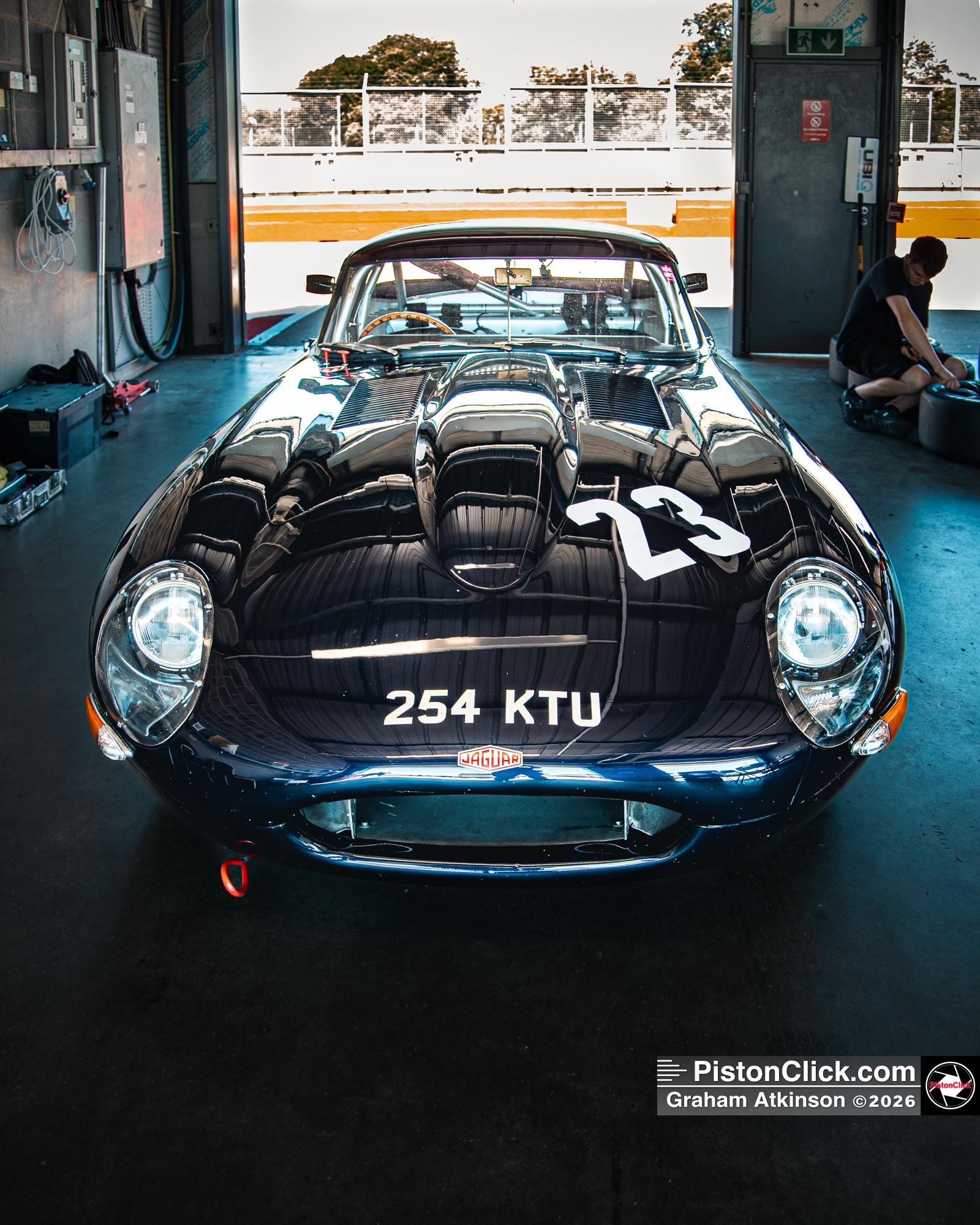
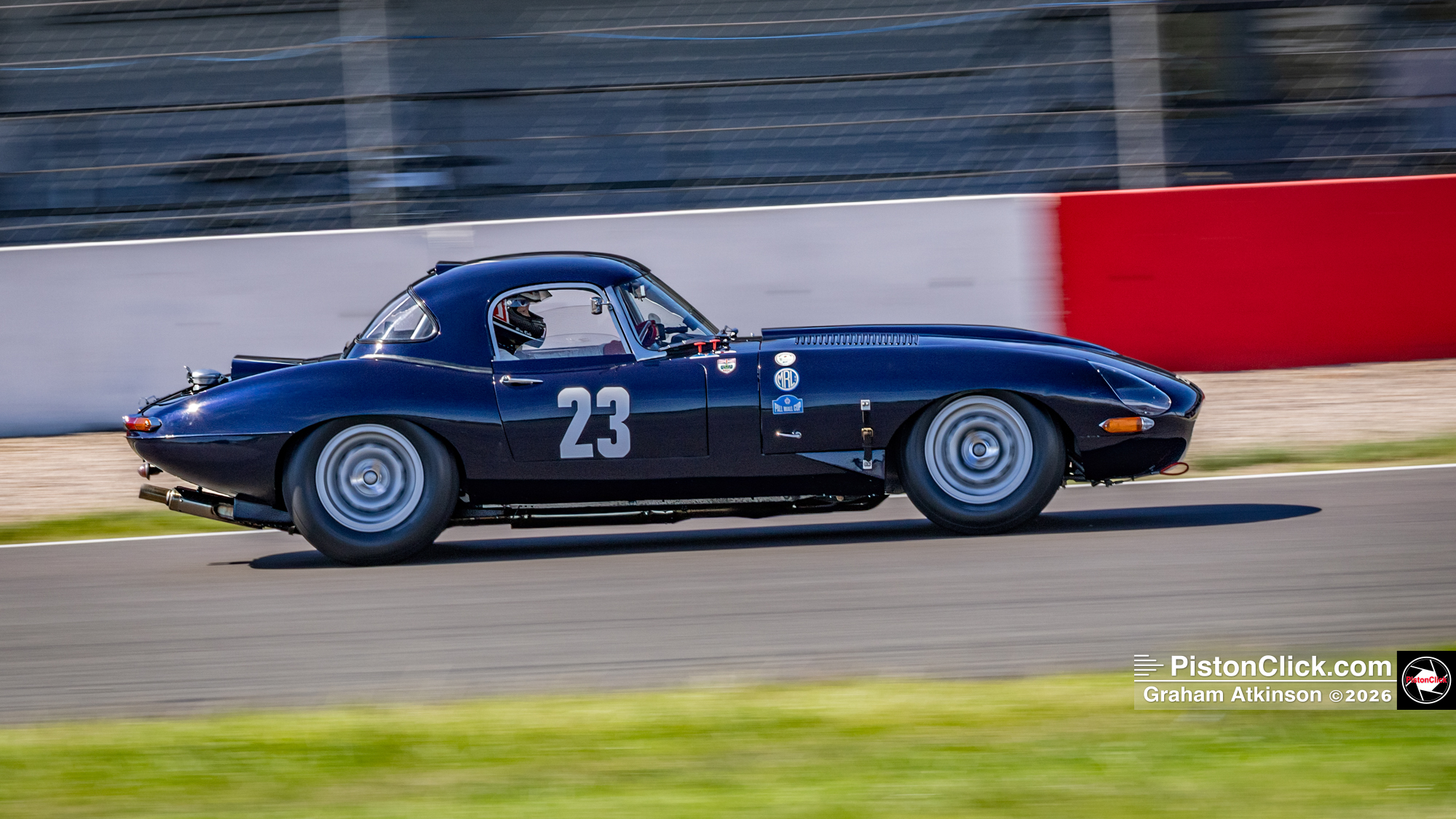
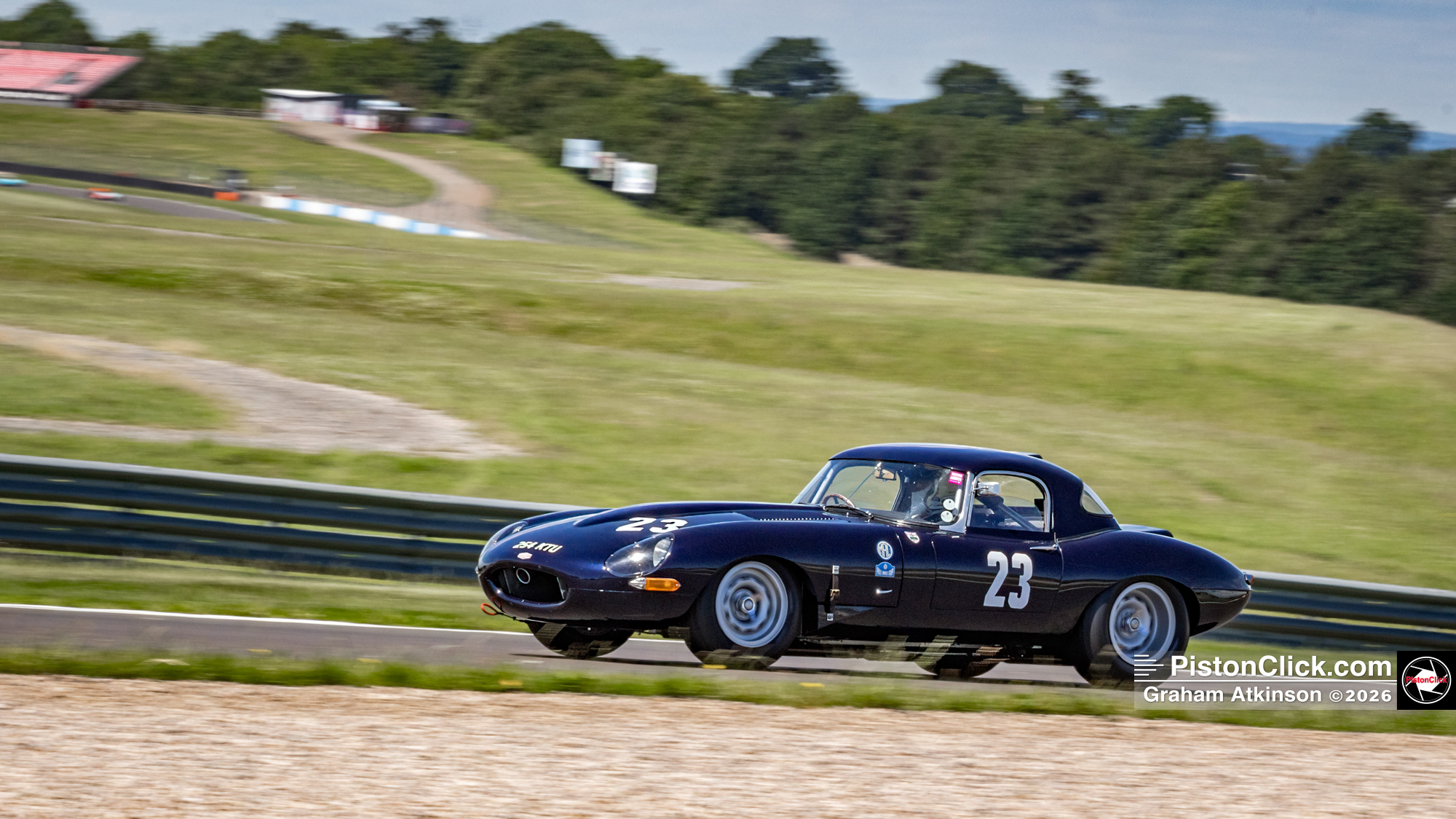
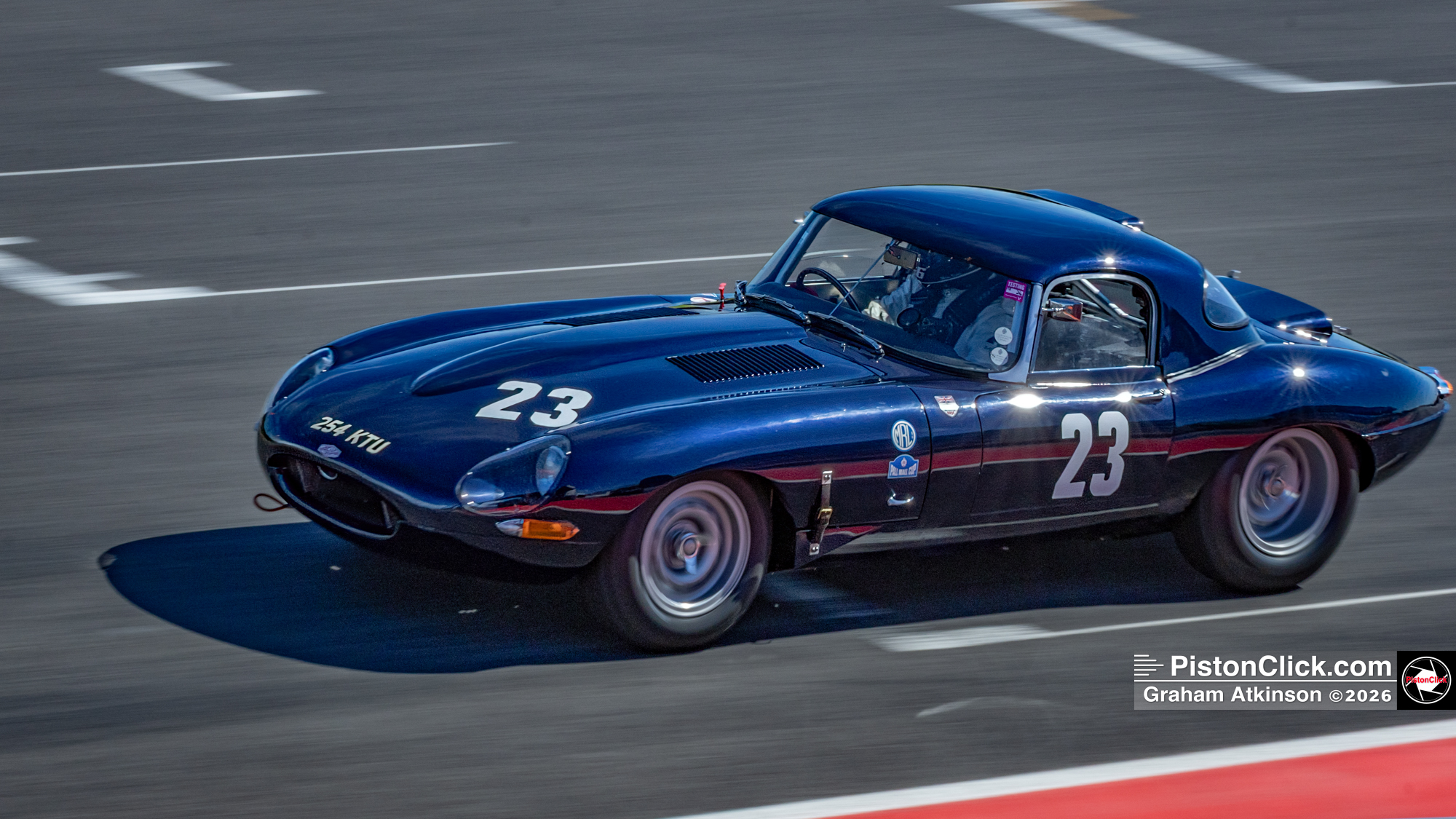
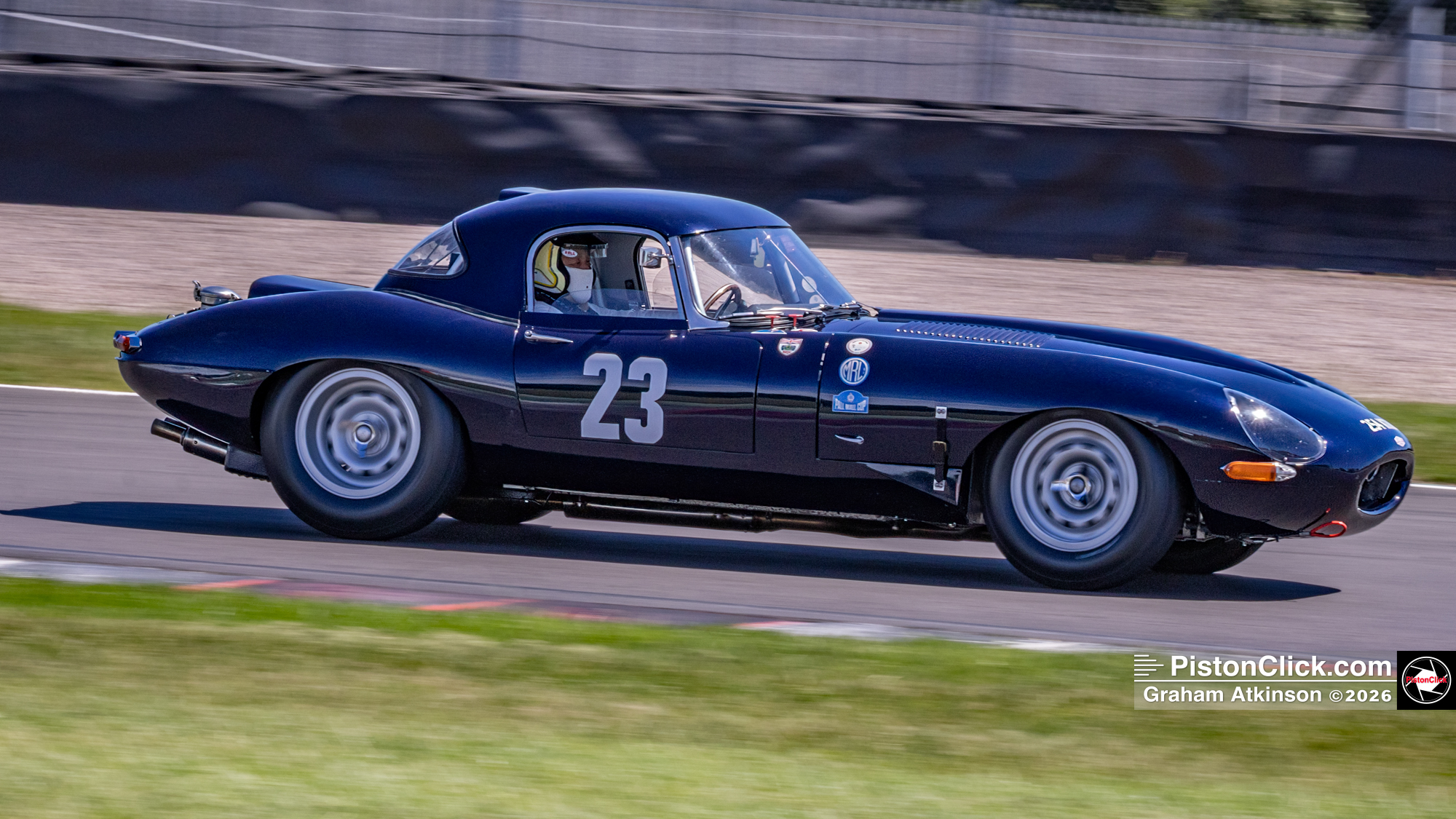
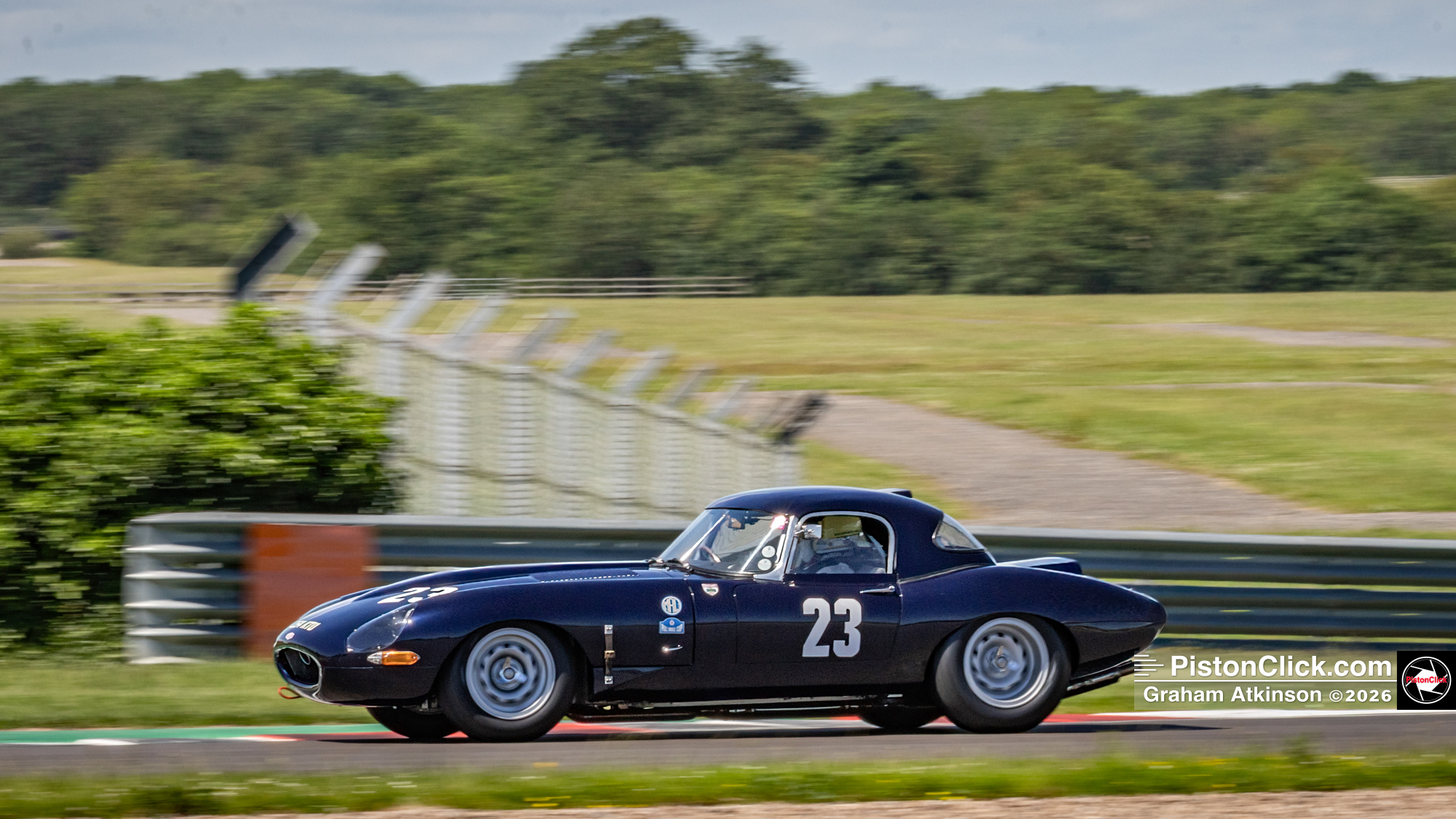
1963 Semi-Lightweight Jaguar E-Type
One of those cars belonged to Gary Pearson of Pearson Engineering. He was at Donington with a Japanese customer who had travelled to the UK to check on the progress of an LMP1 restoration project.

The customer had also expressed an interest in purchasing a Jaguar E-Type for racing, so Gary arranged for him to drive his own E-Type as part of a practice session. The customer had never driven an E-Type before and had never visited Donington Park, but he thoroughly enjoyed the experience.
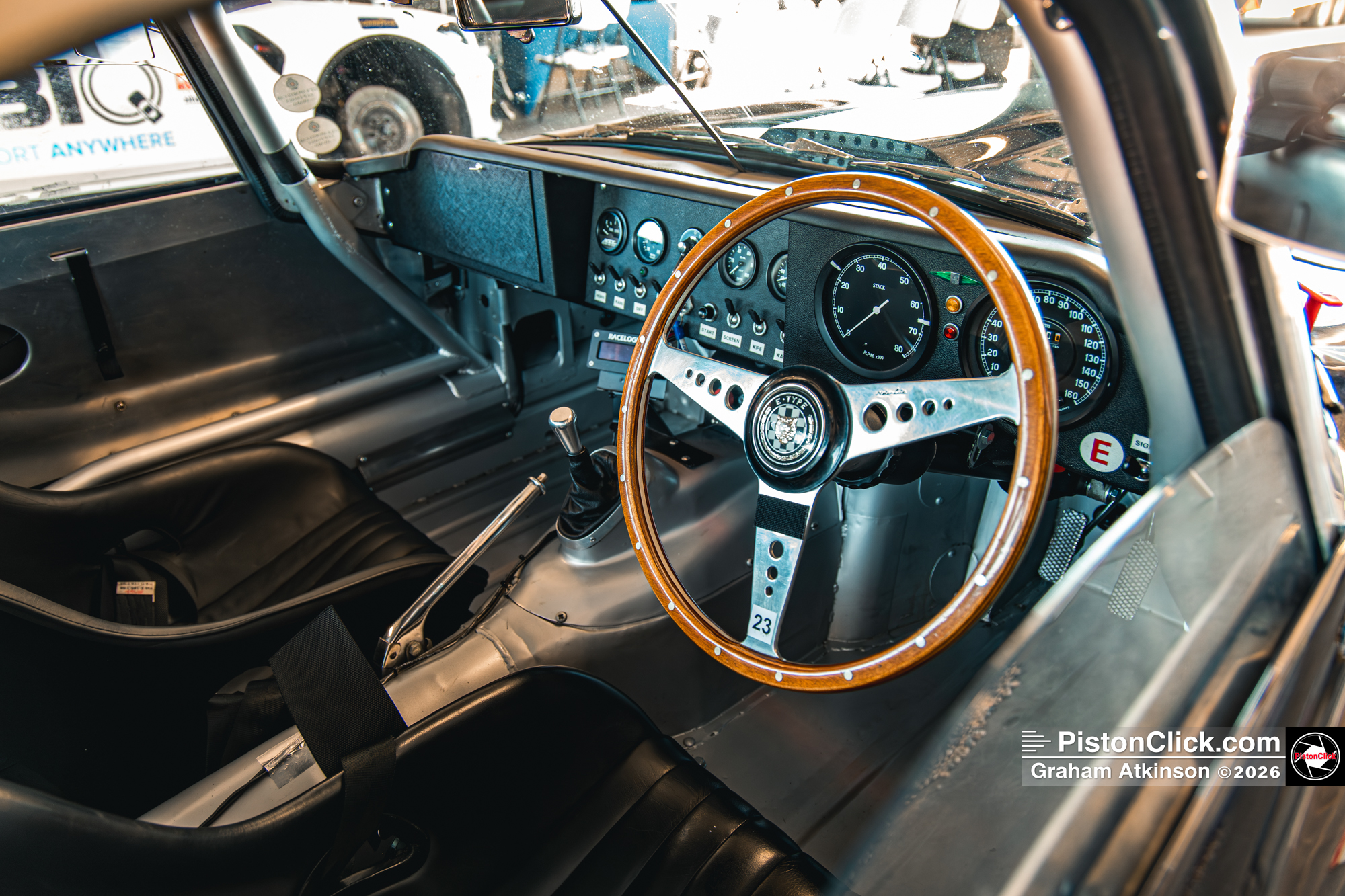
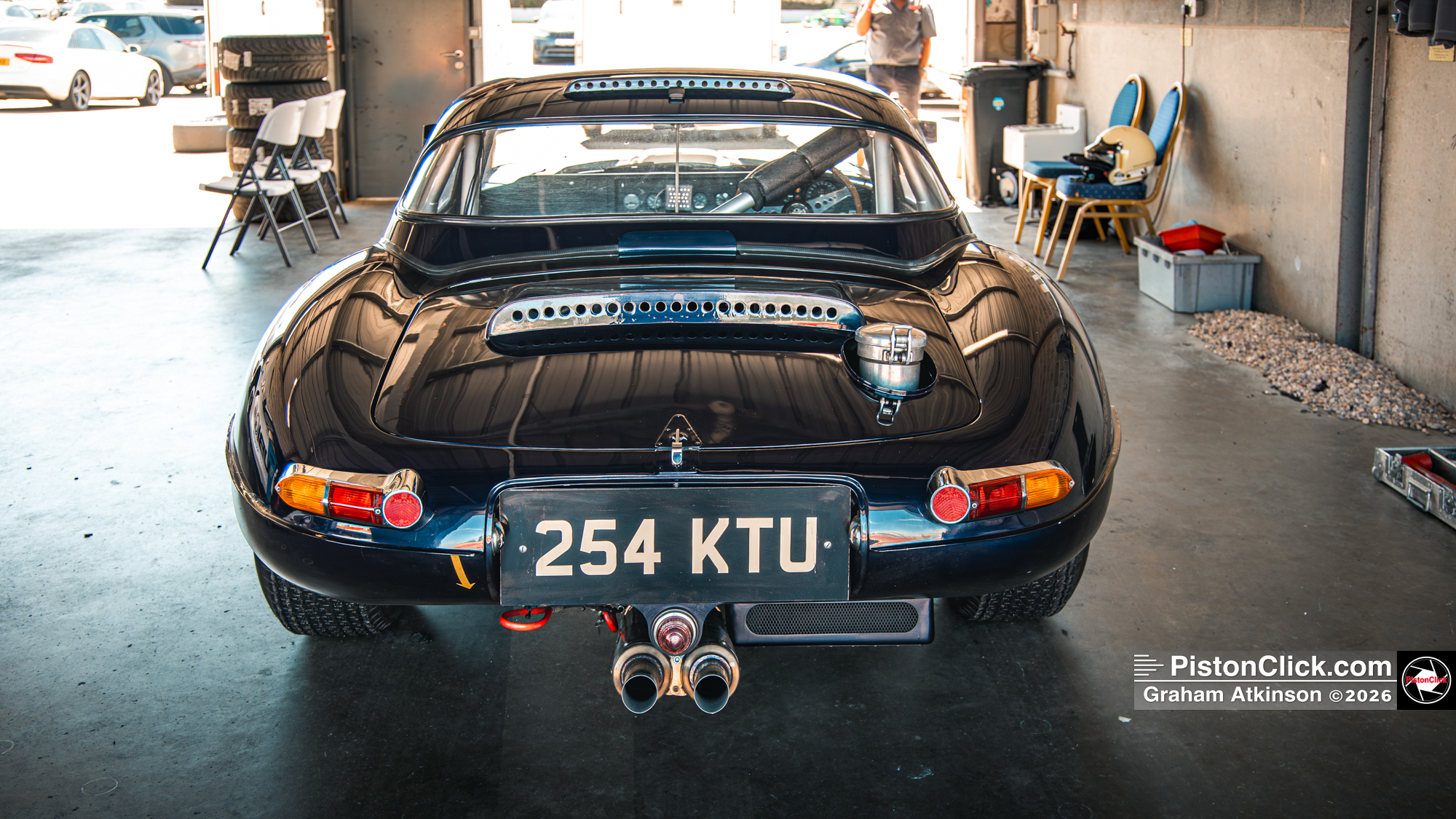
Gary seemed permanently attached to his phone throughout the day. In addition to being at Donington, he also had four cars testing at Brands Hatch ahead of that weekend’s racing. Despite being incredibly busy, he still found time for a chat.
His parents ran a pub when he was growing up, and his father, John Pearson, was both a talented driver and the founder of Pearson Engineering. John owned a Jaguar D-Type and established the company in the 1960s. Success on the track soon attracted other owners who wanted him to prepare their cars.
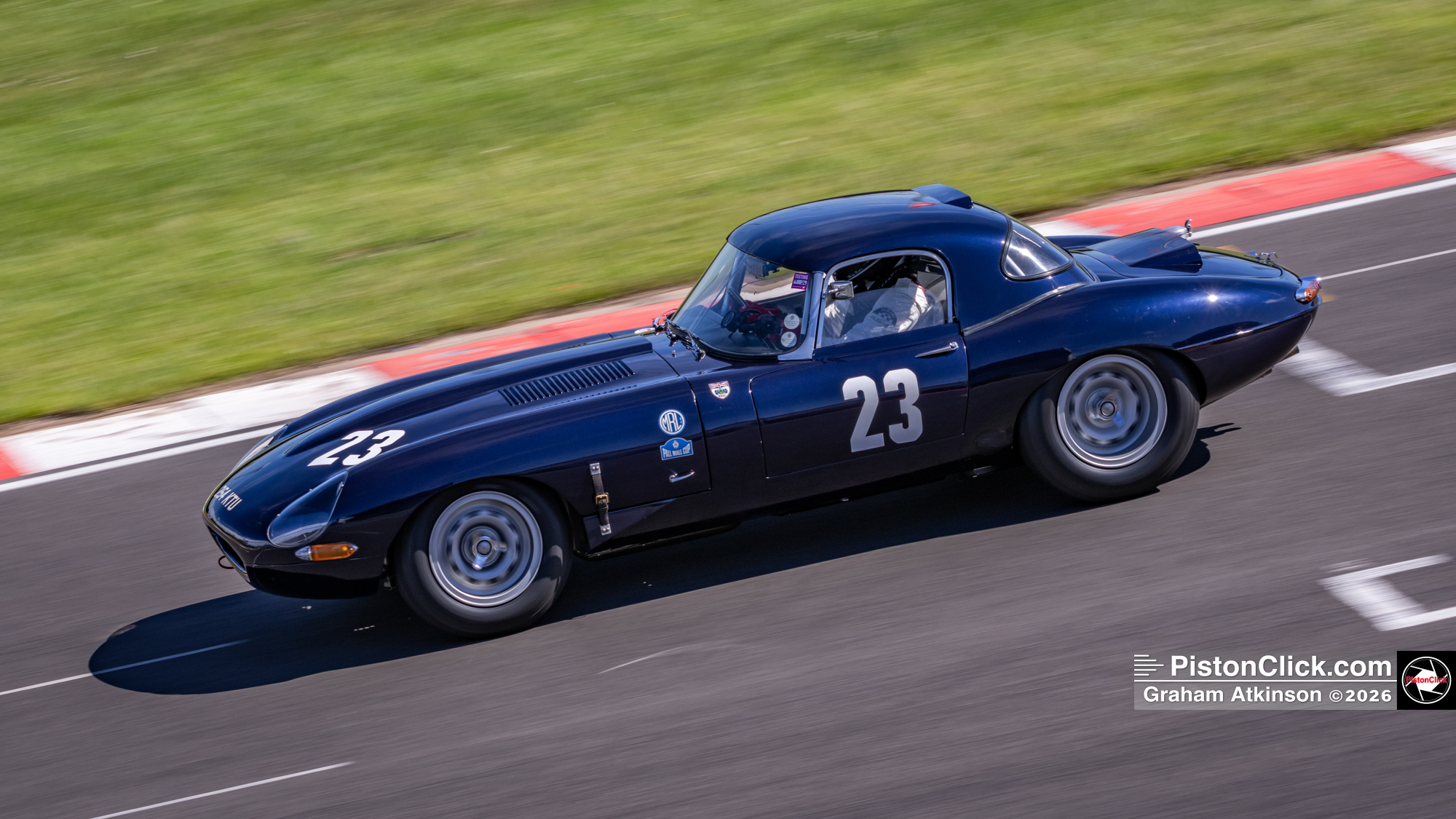
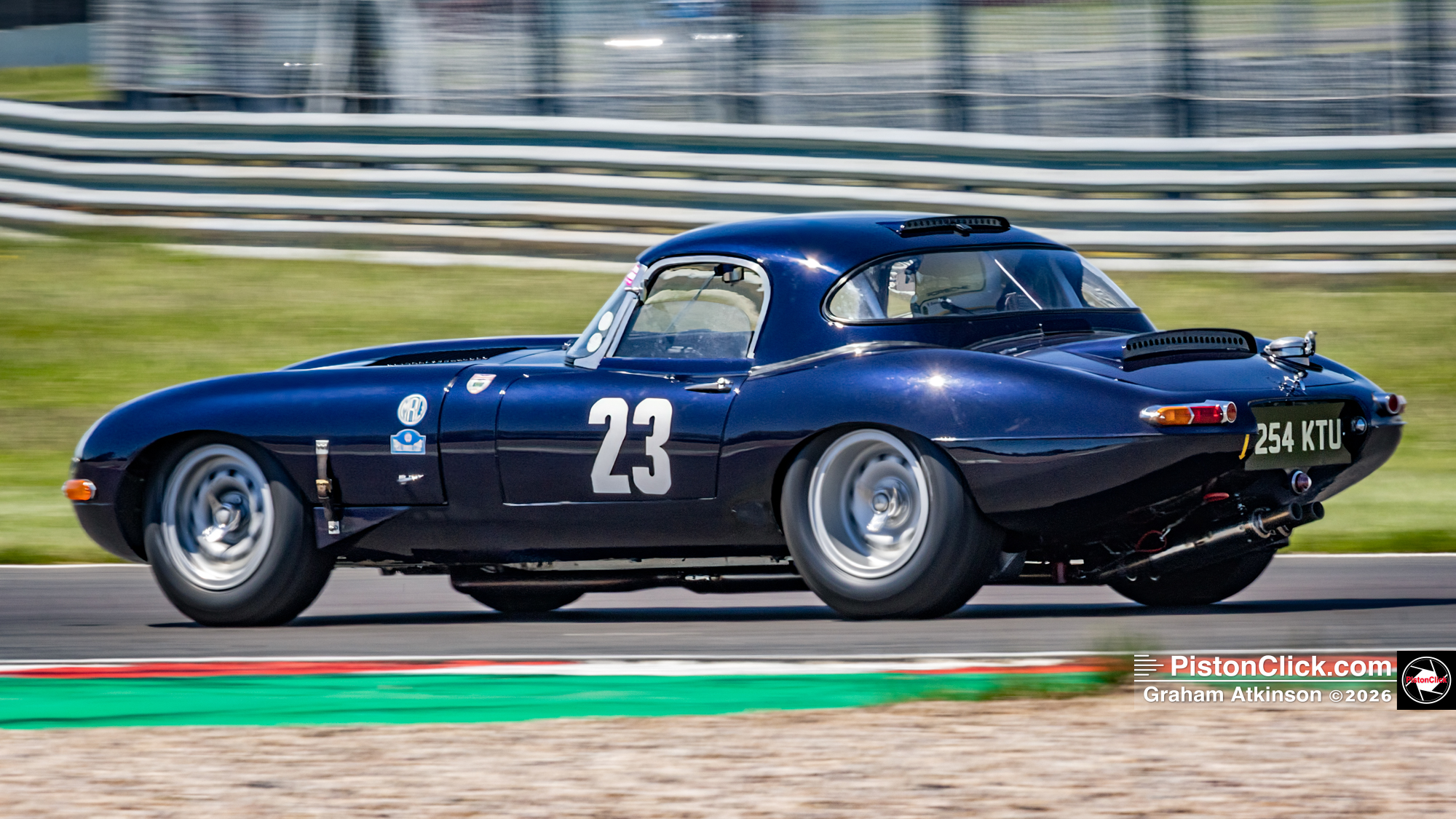
As a result, Gary spent much of his childhood in garages and paddocks. After completing an engineering apprenticeship at 21, joining the family business felt inevitable. He eventually took over in the 1980s after his father suffered a heart attack.
Today, the company employs several former Formula One engineers and mechanics and maintains between 50 and 60 historic racing cars. Gary entered his first race at the age of 24, driving his father’s D-Type at Oulton Park. Over the following 42 years, he built an extraordinary racing career.
Racing Royalty and Historic Legends
Although he has never been paid to race, Gary considers himself fortunate to have driven almost every significant classic and historic racing car imaginable. Among them was the legendary Porsche 917 at Le Mans, an experience he described as fantastic.
His personal collection includes one of the Silk Cut Jaguar XJR-9s that carried Martin Brundle to victory at Le Mans. Gary also built a 1965 Ford Mustang for Brundle’s son, Alex, several years ago.
Despite all the machinery he has driven, the Jaguar D-Type remains his favourite. He regularly races it at the Goodwood Revival and continues to campaign several other cars there as well. He also holds the record for the most driver victories at Goodwood.
Reflecting on his remarkable career, Gary told me:
“For the last 20 years I have been telling myself how lucky I am not only to own these cars but also to still be racing them. I still love racing.”
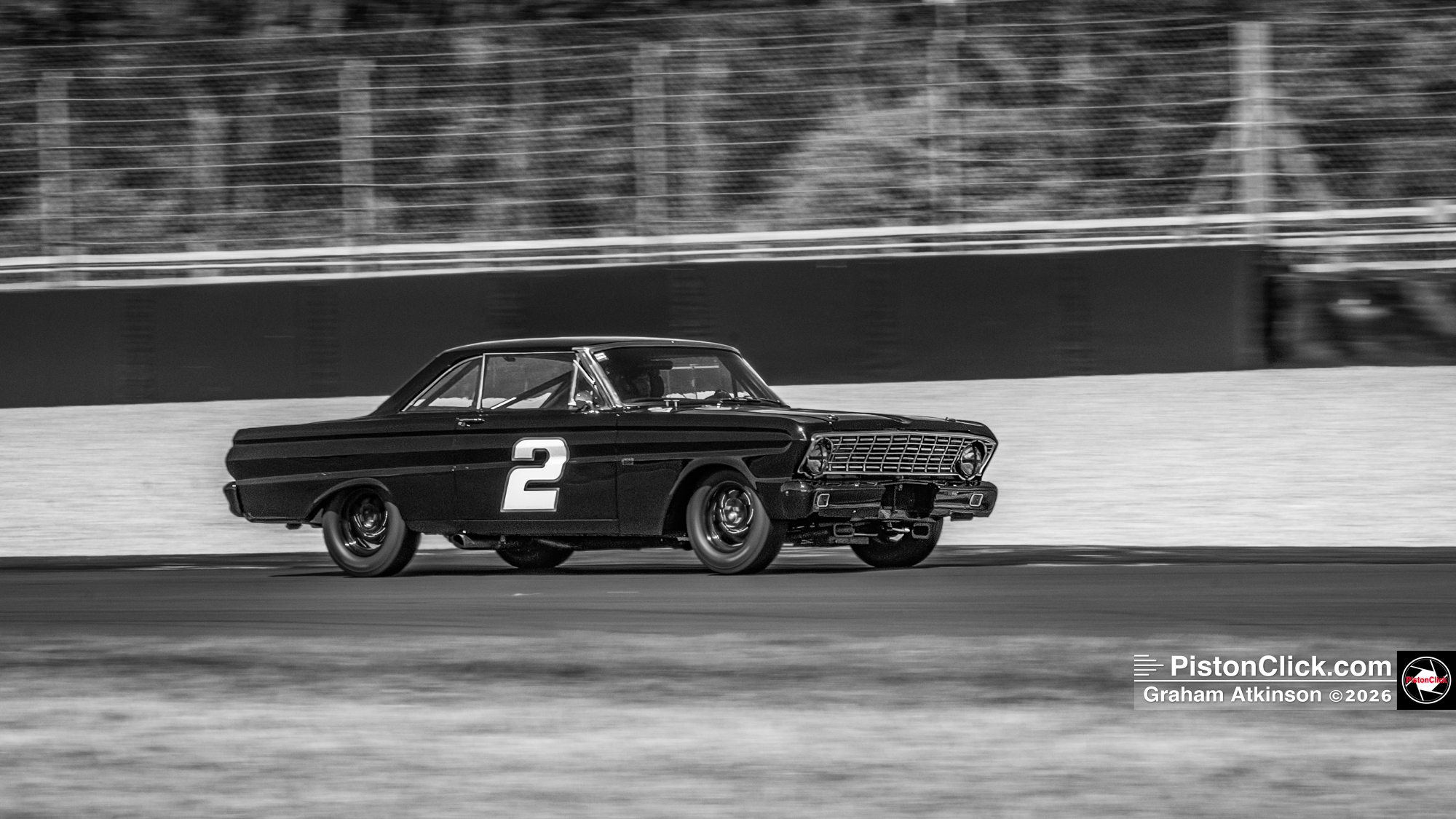
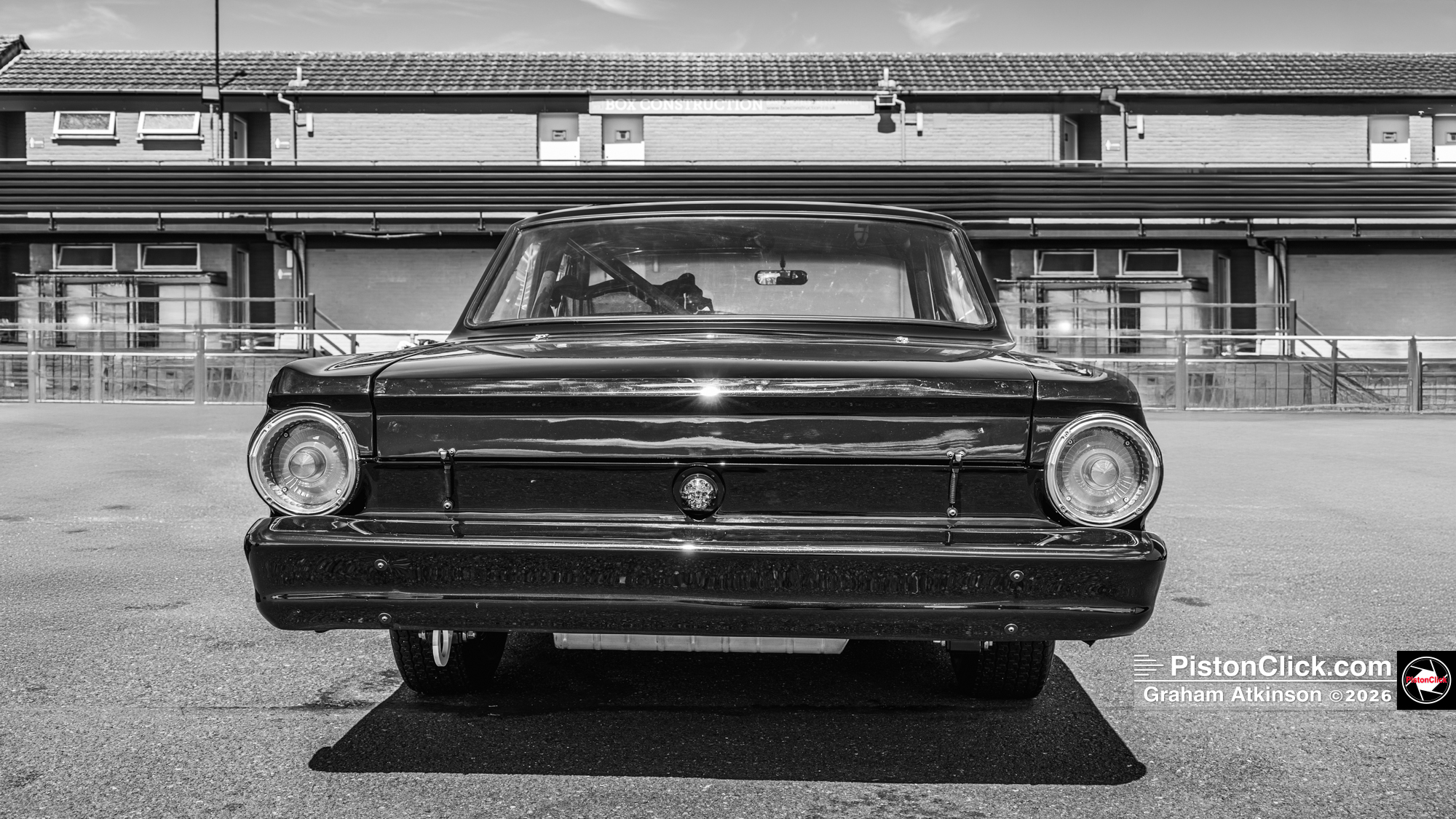
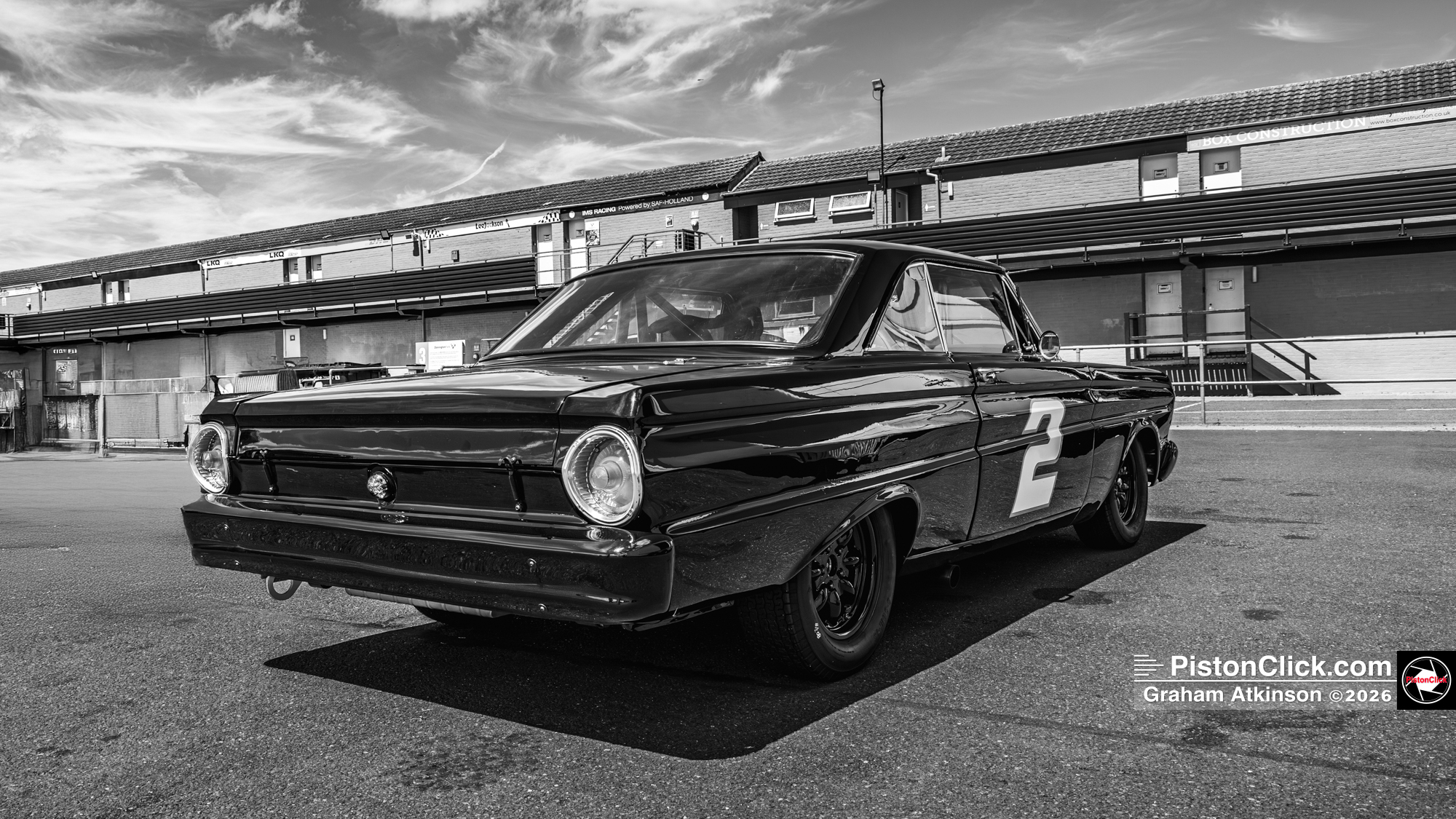
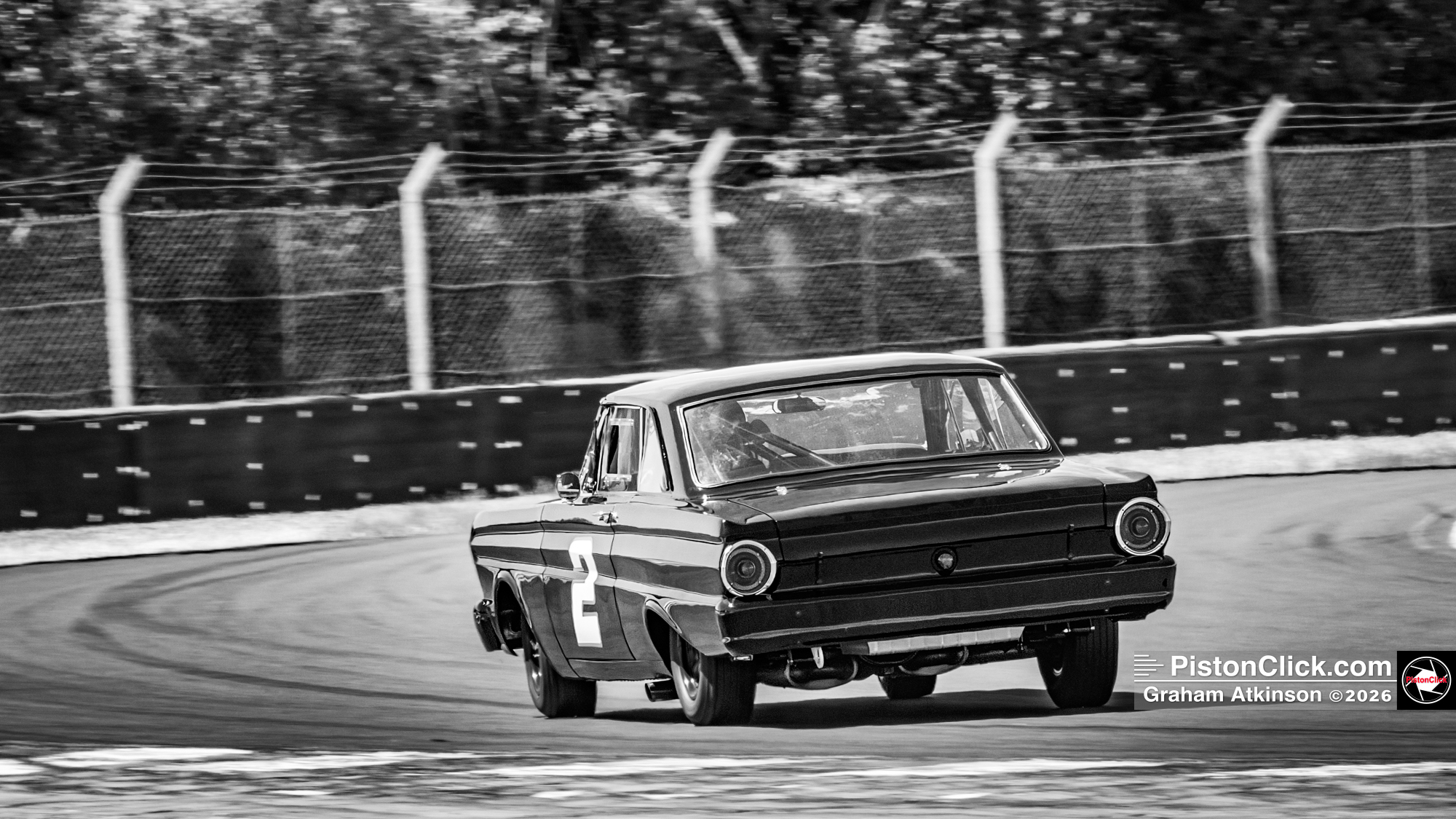
1964 ex-Leo Voyazides Ford Falcon
Eventually, I discovered my second interesting car at the far end of the paddock. Its driver, Laurent, was stretched out in the back of a hire car wearing little more than his undergarments as he tried to cool down in the intense heat, it really was that hot.
I asked whether he would mind having a chat.
“No problem,” he replied.
And so began one of the most unusual interviews I have ever conducted. I sat on the ground beside the car while Laurent remained comfortably reclined in the back, speaking through the open rear door.

To say he was laid-back—pun intended—would be an understatement. Yet he turned out to be one of the most engaging interviewees I have ever met.
Laurent comes from Switzerland and had dreamed of motorsport throughout his life. Financial constraints meant that for many years he could only participate in track days. Eventually, he grew tired of that and wanted genuine competition.
After turning 40 and spending years carefully saving, he finally bought this Ford Falcon two years ago.
He explained:
“I bought this car for its affordability, authenticity and accessibility versus something like a modern GT3 or prototype car. Historic racing appeals because of its relaxed, human-scale and community-driven ethos, which contrasts with the corporate, high-cost nature of many modern series.”
The Falcon is the ex-Leo Voyazides car, powered by a Ford 289 cubic-inch small-block V8. Leo and Simon Hadfield raced it successfully for many years.
As Laurent lives in Switzerland, Simon Hadfield Motorsport in Shepshed continues to look after the car and carries out all maintenance and preparation work. The stories surrounding Leo Voyazides and Simon Hadfield deserve an article of their own, so I will save those for a future report.
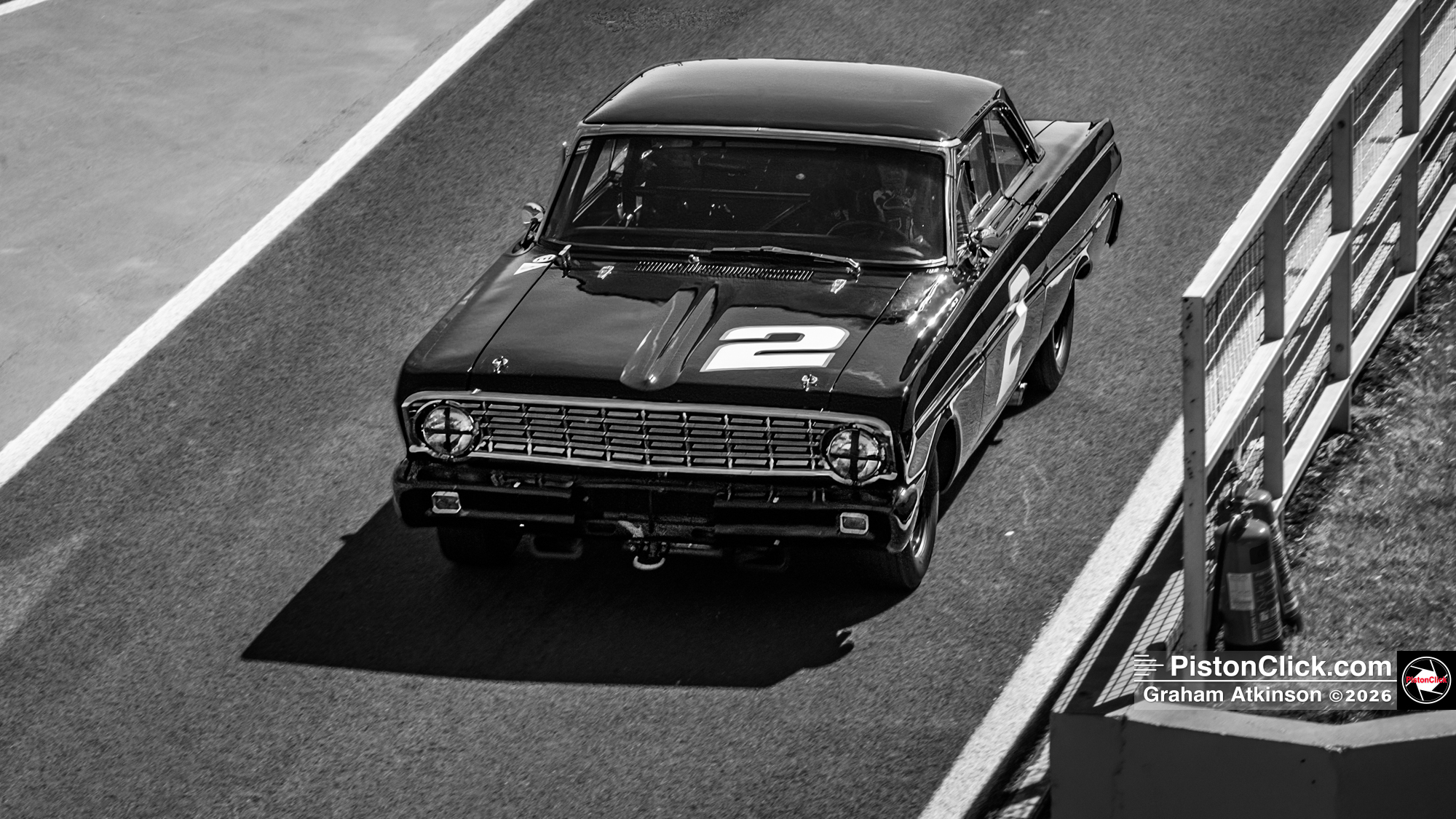
Understanding a Historic Racing Car
This outing marked only Laurent’s third time behind the wheel of the Falcon. His first experience came two years ago at Silverstone, while his second had been the previous day at Donington.
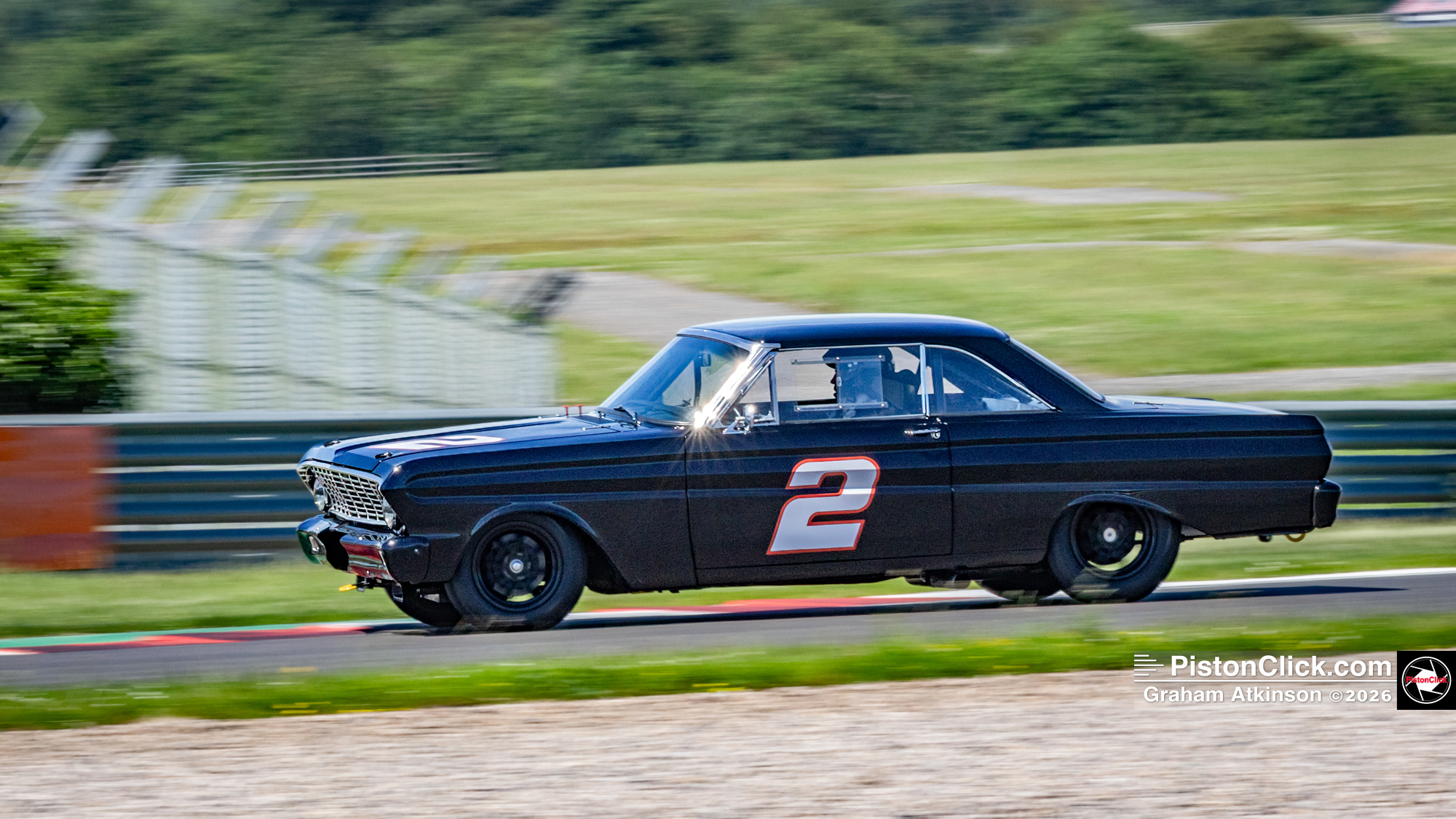
Between those outings, he suffered a meniscus injury that required surgery and kept him away from motorsport for an entire year. Now back in the car, he is working to reacclimatise himself to the demands of historic racing machinery.
He explained that an historic car requires a very different driving style compared with modern race cars. Softer suspension, period tyres, stronger mechanical feedback and reduced downforce all influence how the car behaves. Fortunately, he is thoroughly enjoying the challenge.

As the interview came to an end, I asked for his full name and whether he would pose for a photograph in front of the Falcon. Despite his relaxed nature, he preferred to remain anonymous for now. He also declined a photograph, admitting that he felt uncomfortable with any form of recognition.
I jokingly replied:
“You’re not wanted by the law, are you?”
At that point he burst into laughter, almost falling over as he wiped away tears from his eyes.
“No, of course not!” he replied.
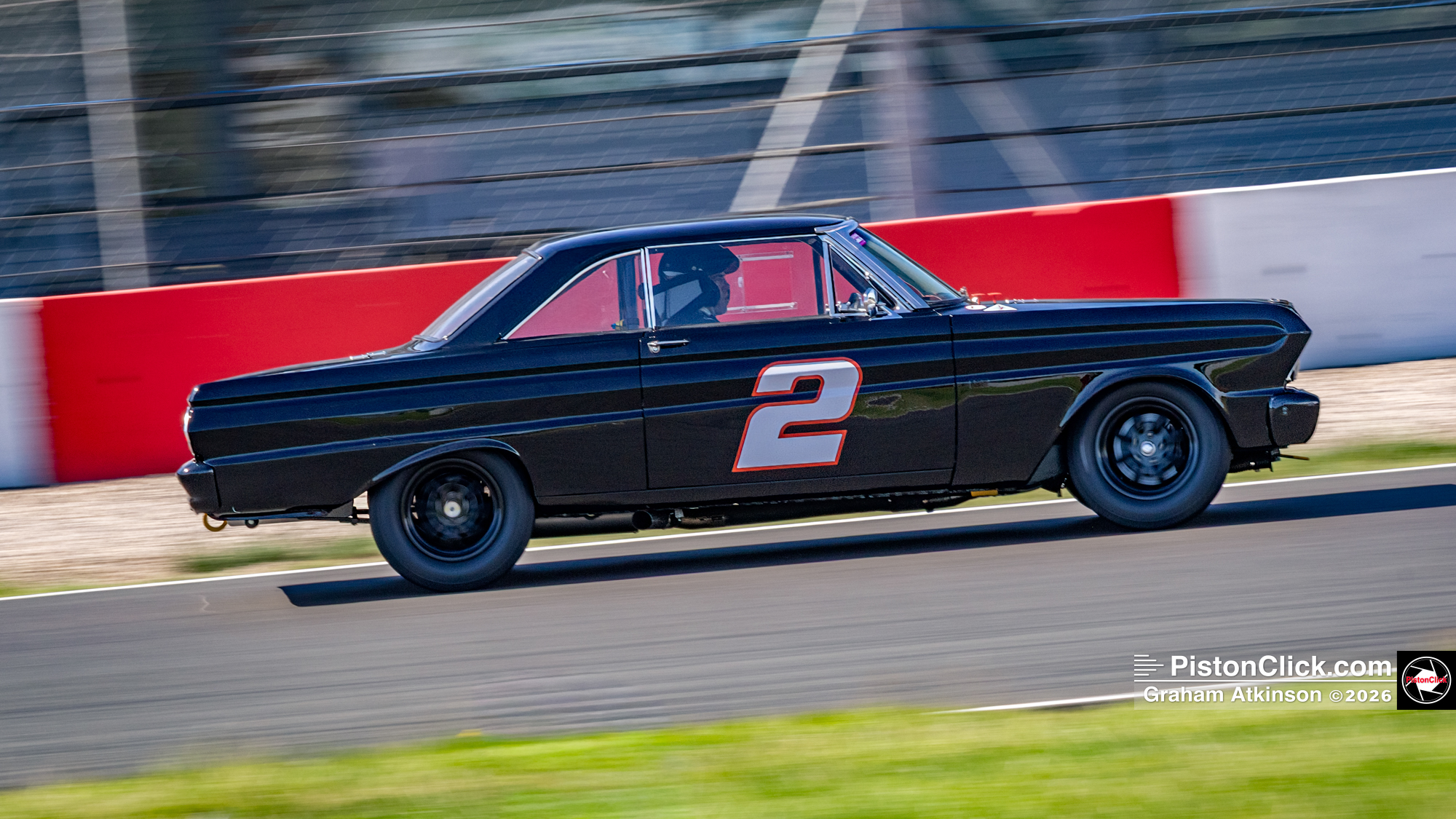
When I asked for a final reflection on his racing journey, he said:
“Driving makes me feel alive. It’s the reward for decades of work and patience. The joy comes from the car, the people and the history—not just the speed or the results.”

