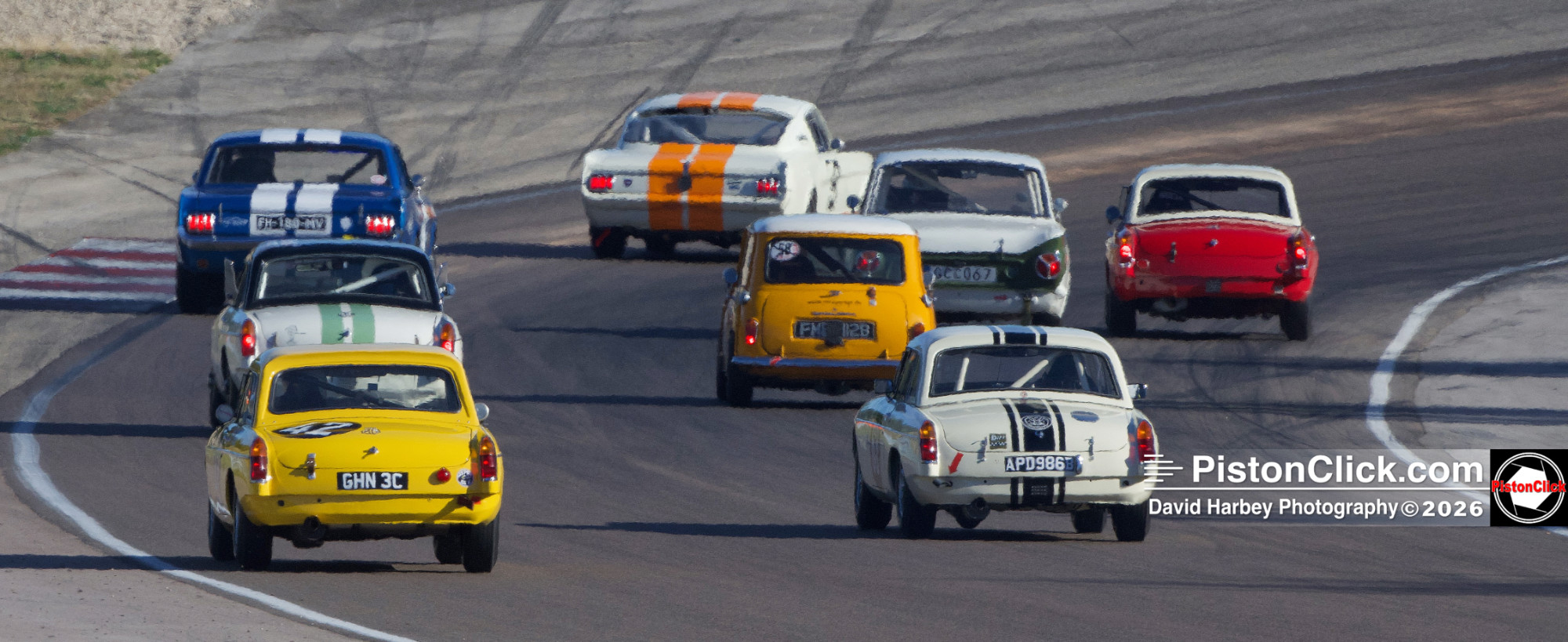



Dijon Prenois Photographic Guide – an old school race track in Burgundy
Report By David Harbey
Circuit Dijon-Prenois – 21370 Prenois, France
Tel: + 33 3 80 35 32 22
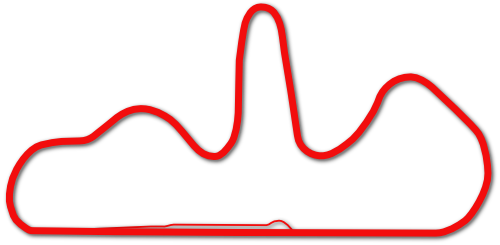
The Dijon Motors Cup provided an excellent introduction to this circuit. It is an old school, fast, flowing track with elevation changes and nary a chicane in sight. Post war, British racers had been able to re-purpose disused airfields but in mainland Europe road courses remained the norm.
Dijon is one of a number of circuits built to replace the challenging, but inherently dangerous, road courses like Rouen Les Essarts, Rheims, Spa and Nurburgring.

Pre-dating the more recent Tilke designed “autodromes”, Dijon uses the natural contours to create a track which is of definite interest of racers. This guide explores what if offers for spectator photographers. The answer is generally positive! Add in the Dijon Motors Cup meeting with historic F1, F2 and F3 cars supported by everything from Caterhams to SuperSixties – even better!

Circuit Dijon-Prenois History
The circuit was opened in 1972 and hosted F1 Grand Prix for a number of years and these days it is perhaps better known for the Grand Prix de l’Age D’Or. This is one of the Peter Auto historic race meetings in Europe. Dijon was also the site of memorable wheel banging final laps of the 1979 French Grand Prix – for second place between Villeneuve and Arnoux.
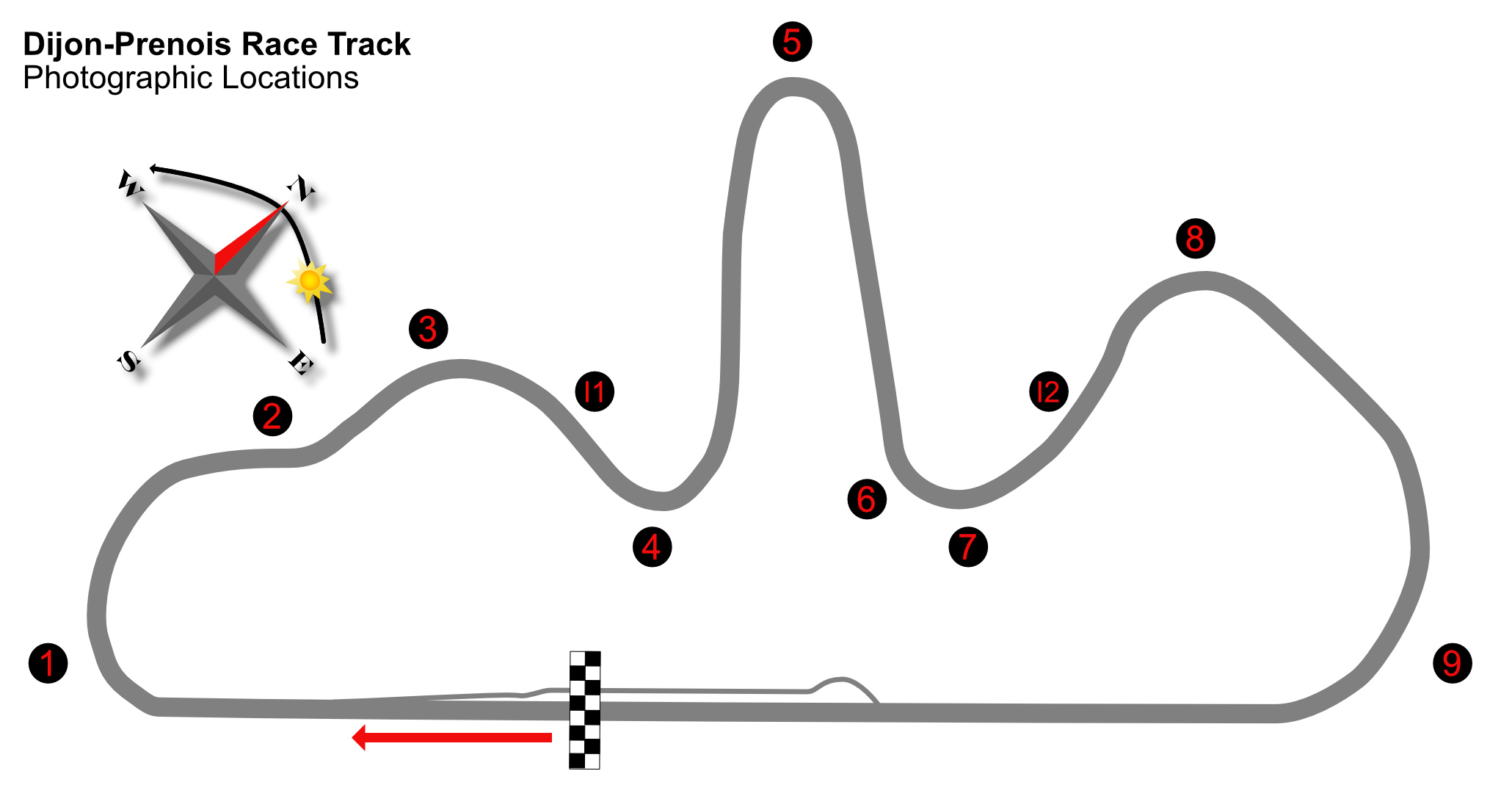
The circuit was renovated in 2001 and in many areas away from the pits and paddock remains relatively undeveloped. That does mean less industrial backdrops than Silverstone. For this meeting, access was limited to the inside of the track from Turn 1 to Turn 4 and then at Turn 7. There is also a limited viewing area between Turn 9 and Pit In and a small balcony above the pit building.
Dijon Prenois Photographic Guide – Pit and Paddock
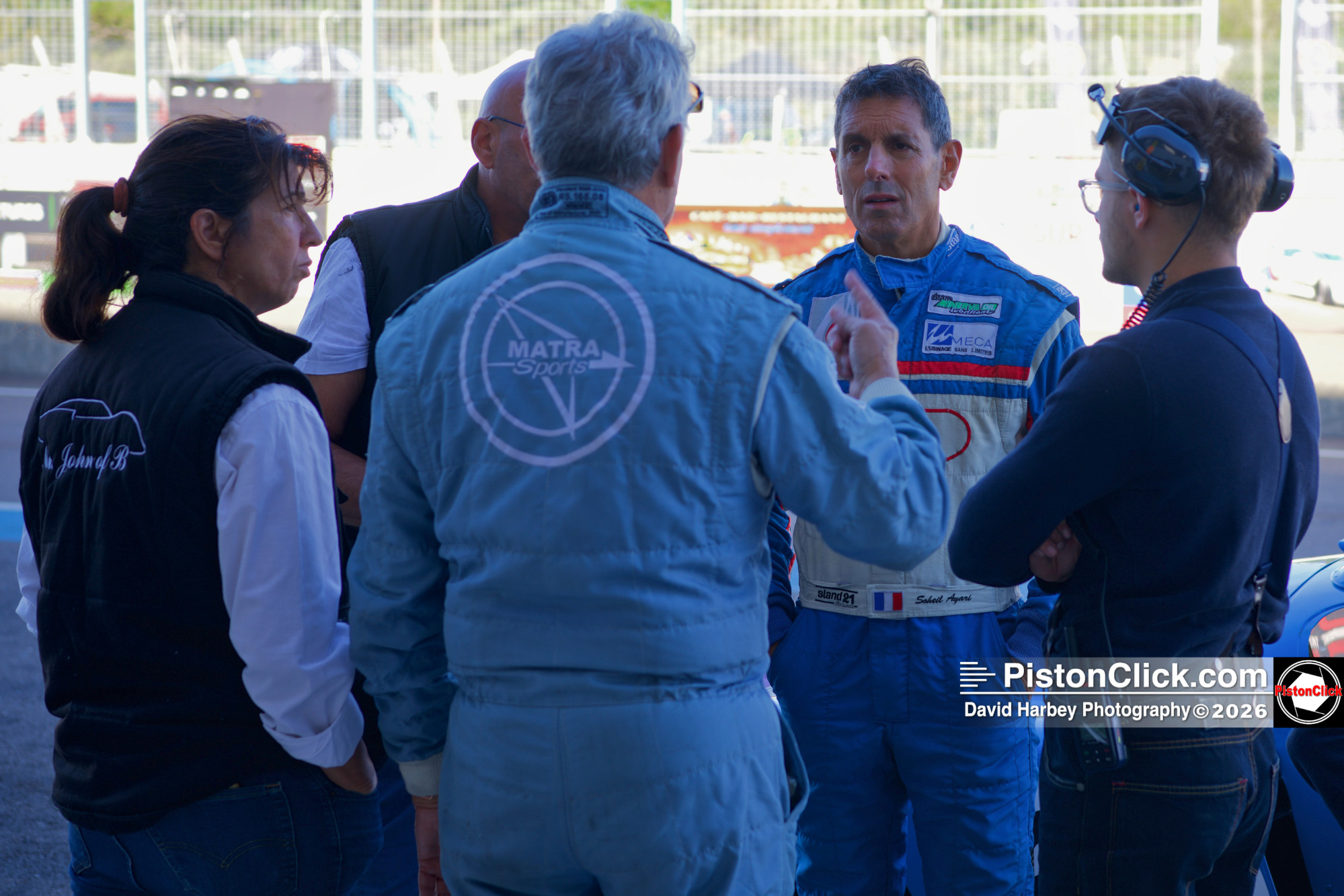
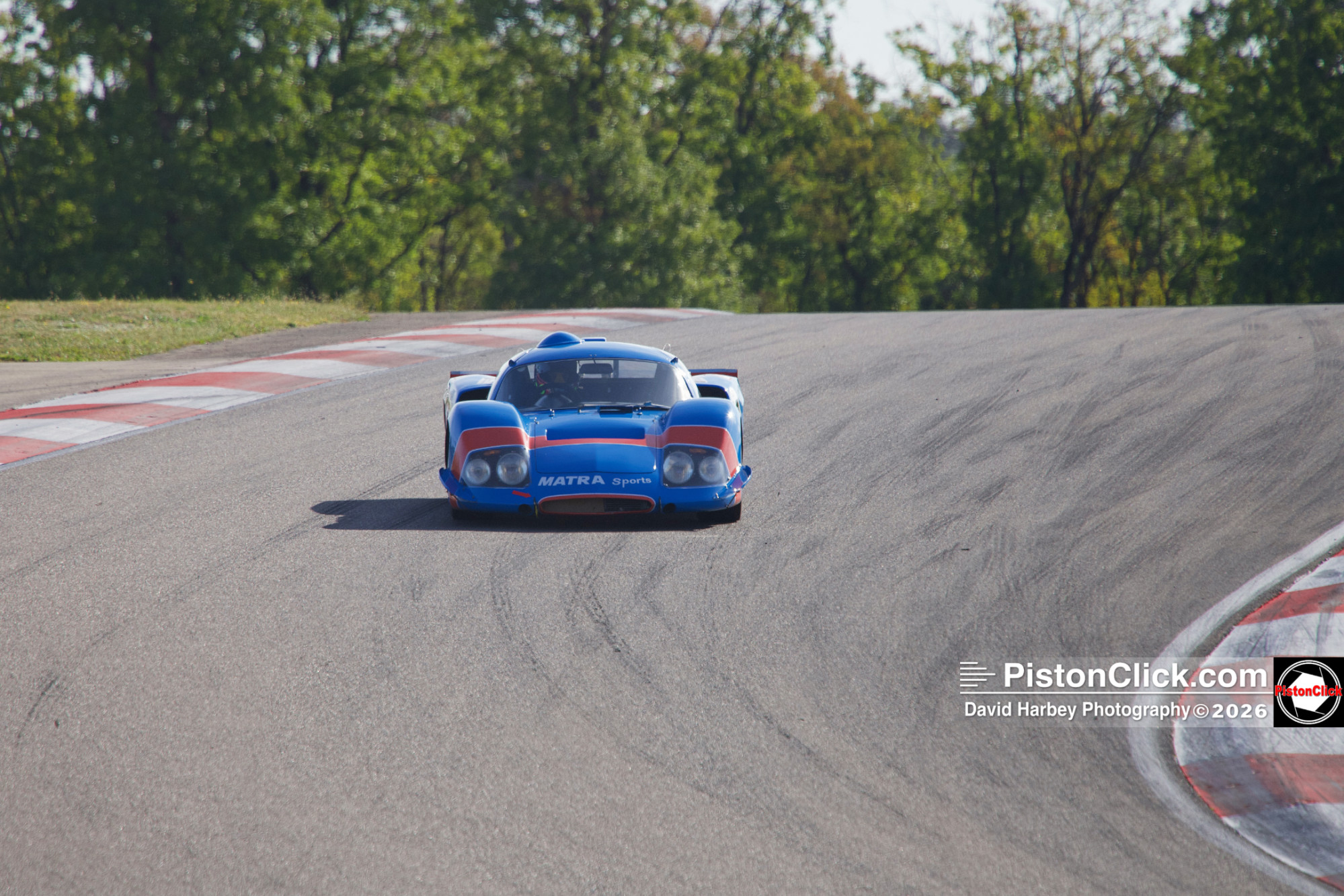
The pit garages were open to view activity. Here Mr John of B discusses his Matra 670 with Soheil Ayari and team.

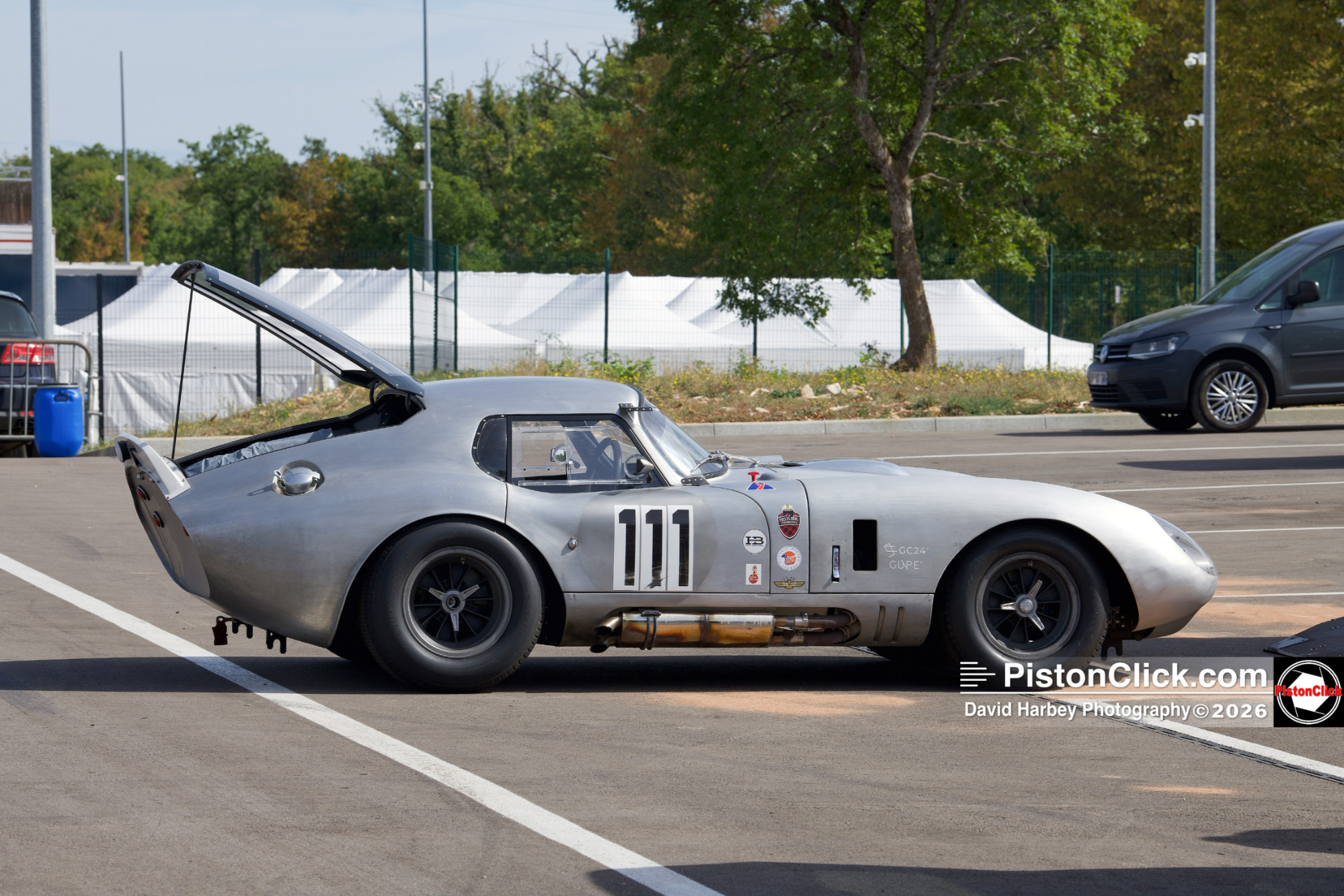
The various series were spread throughout the extensive paddock.


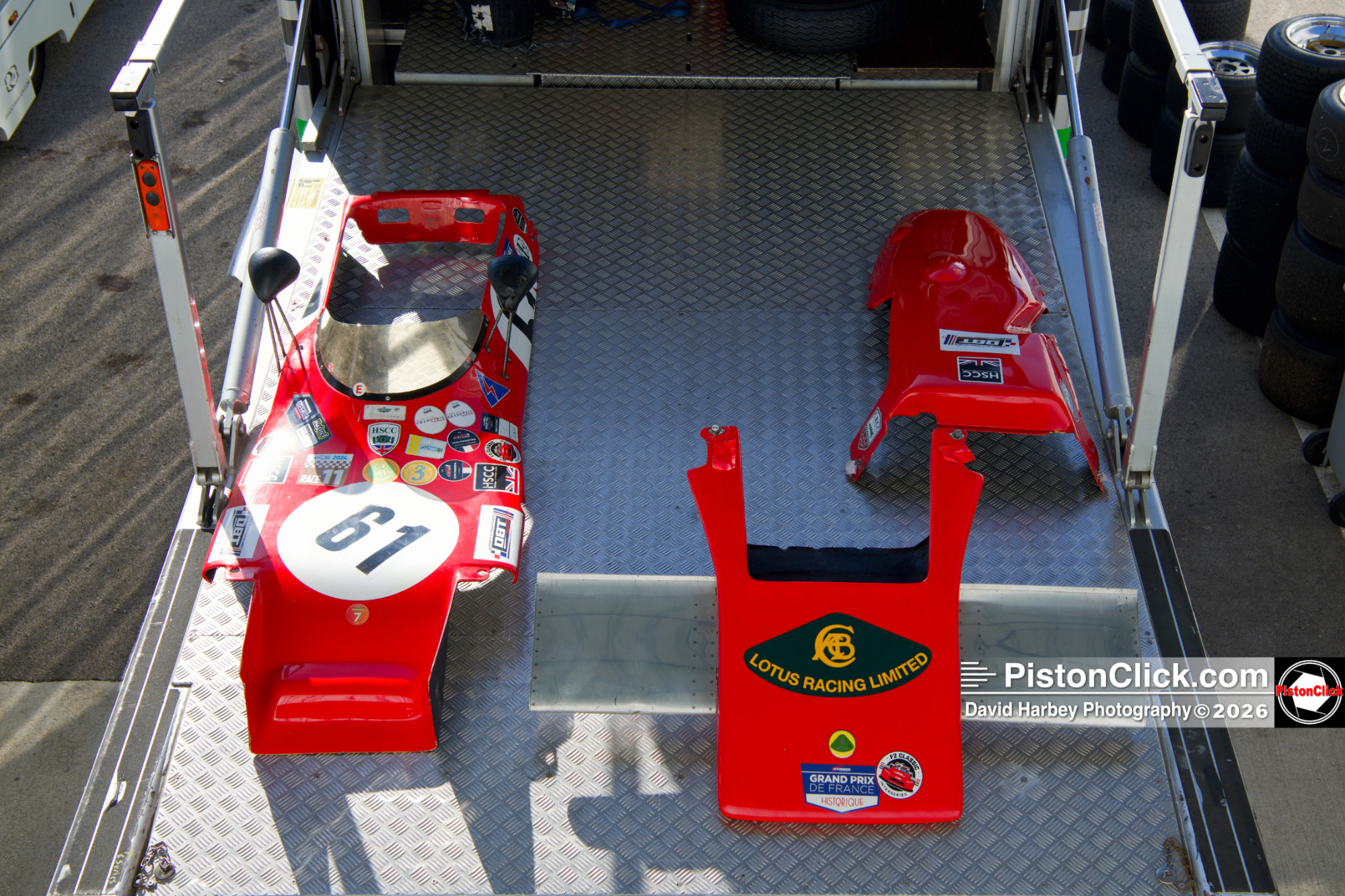
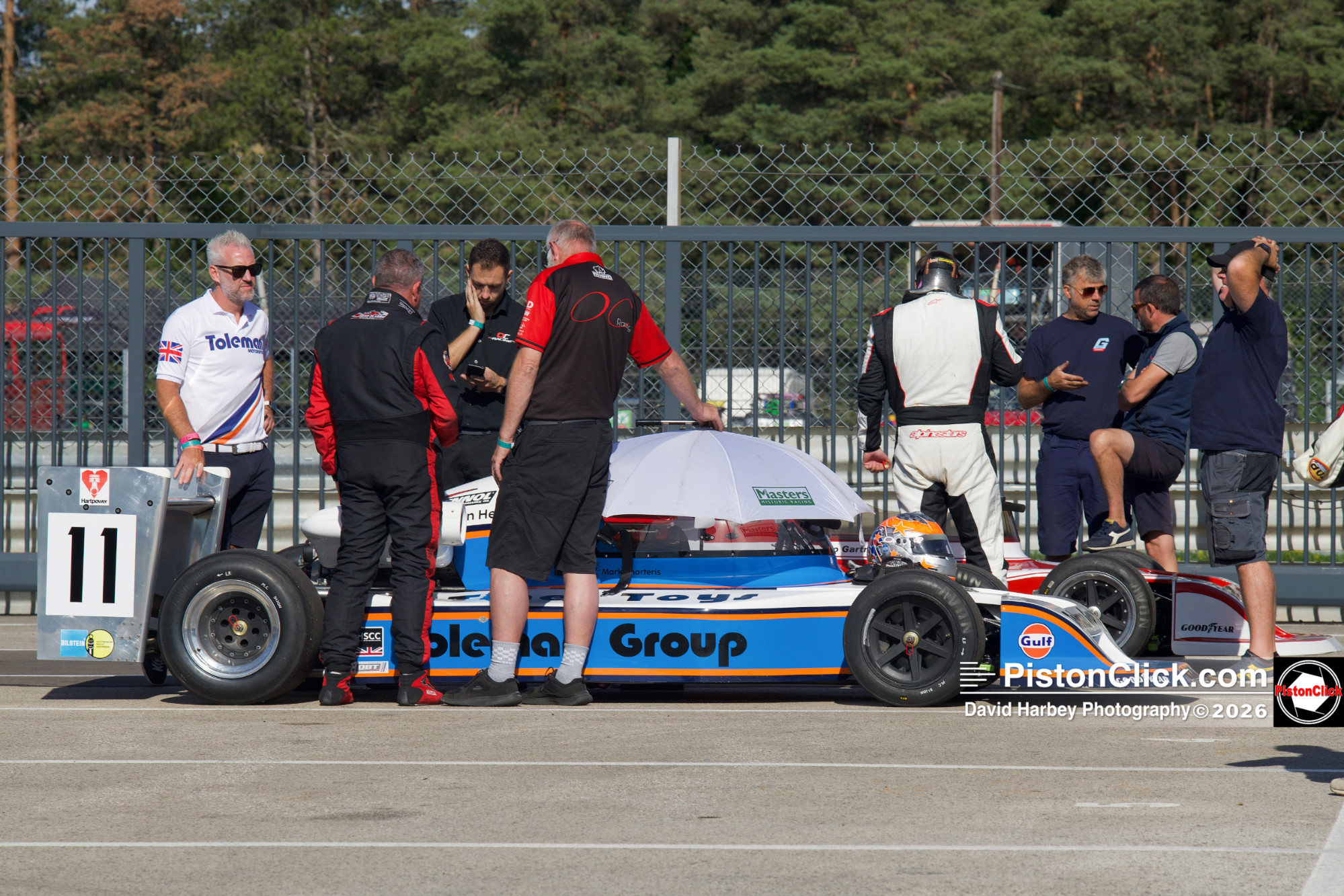
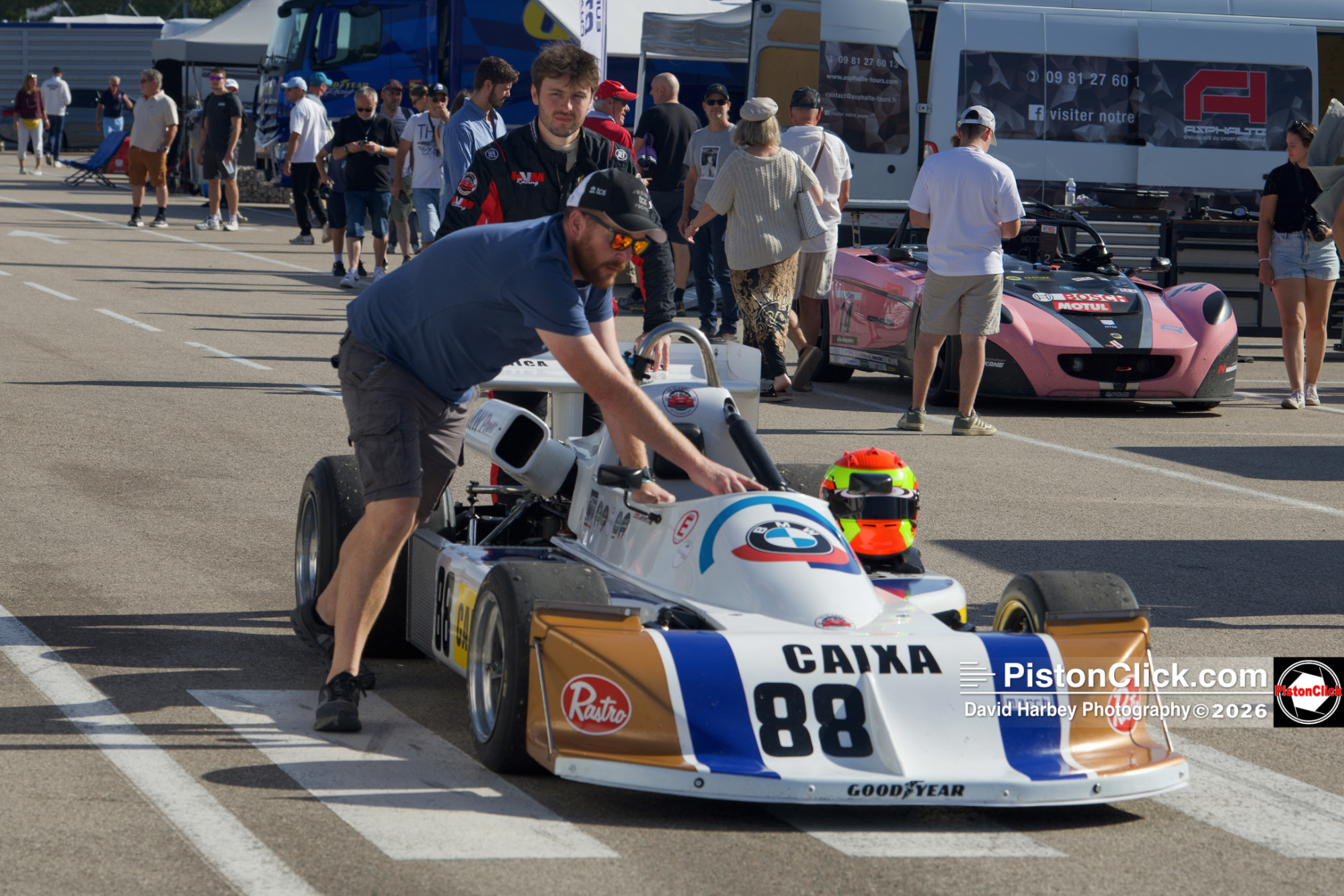
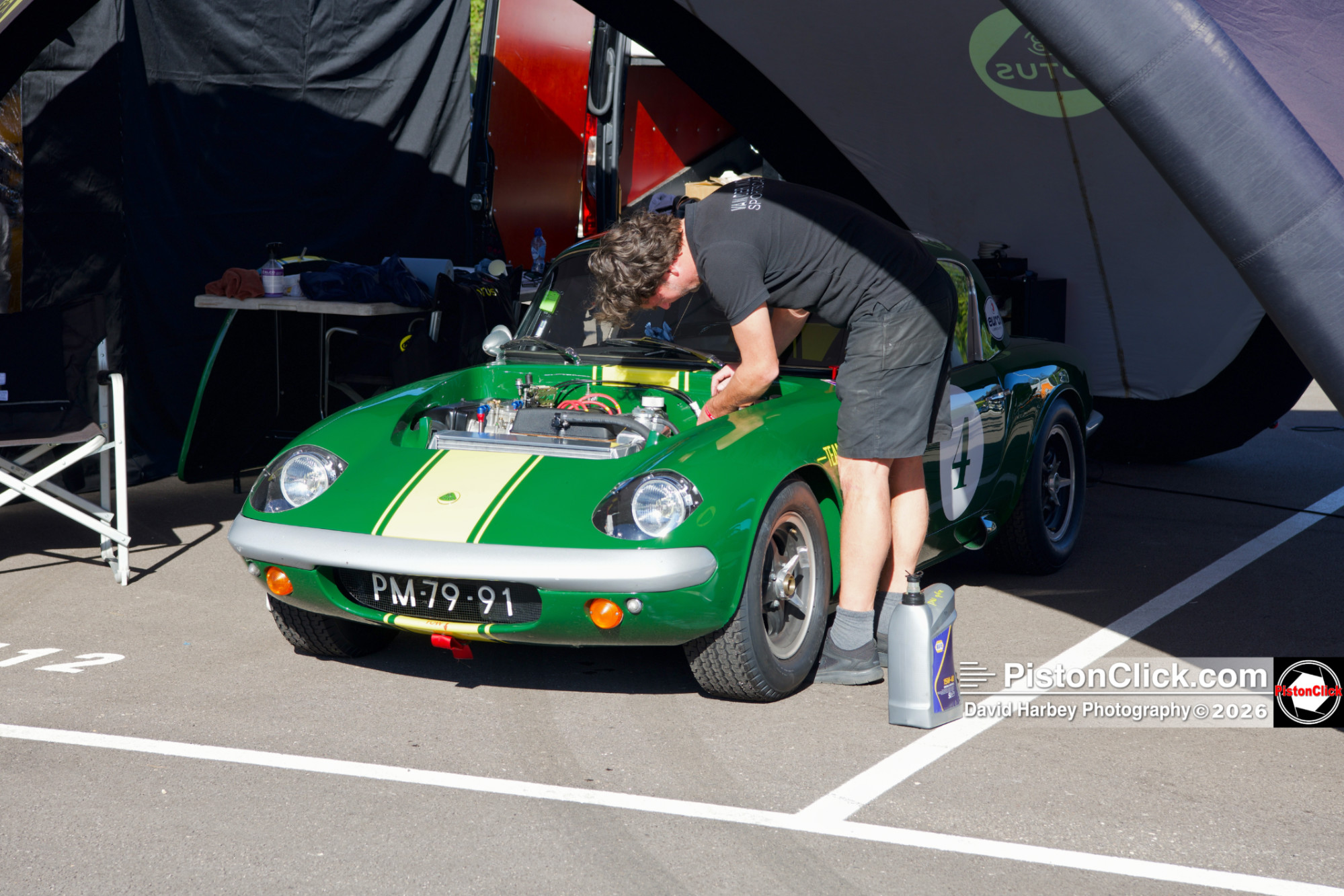
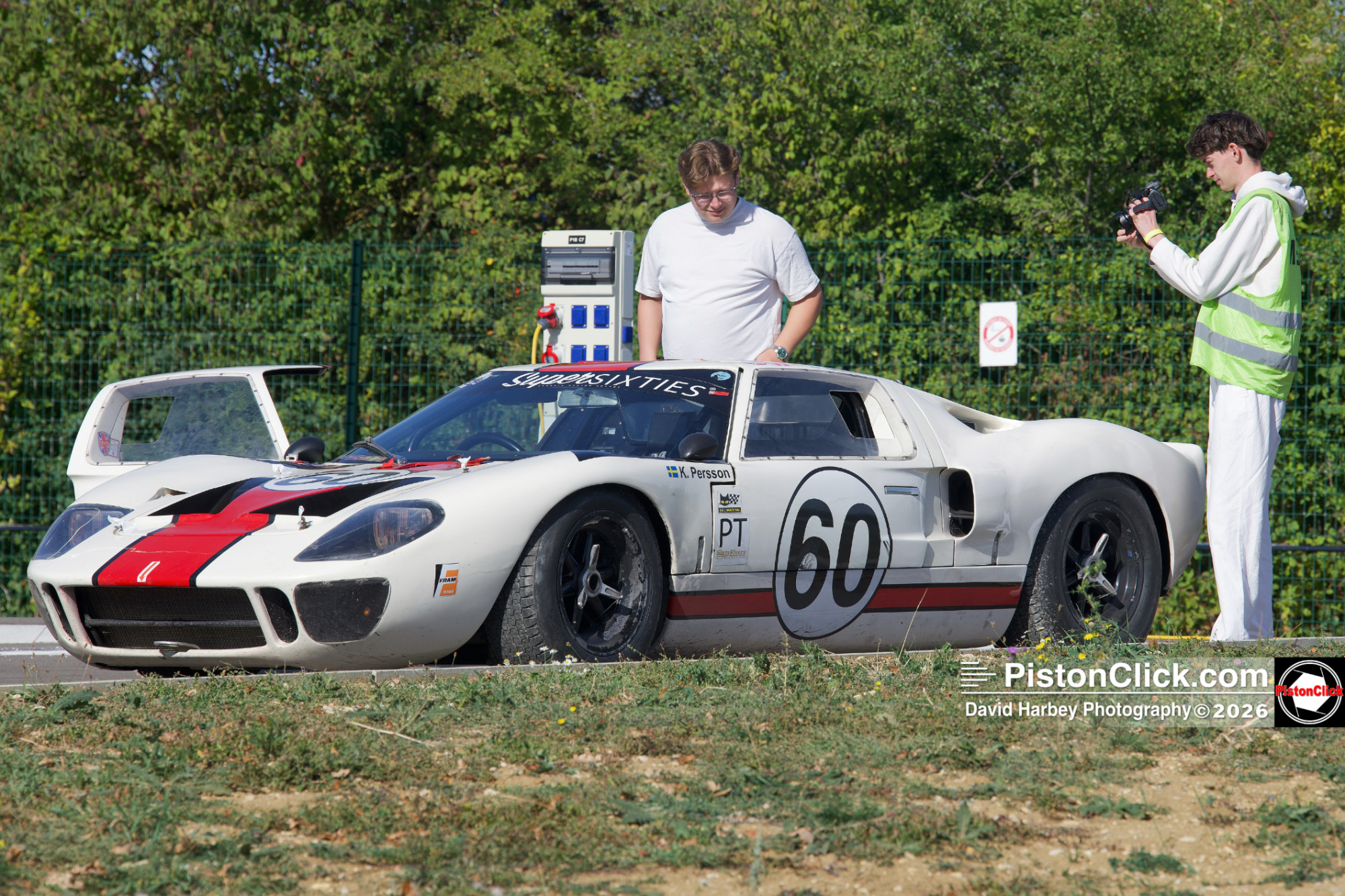
At this point one thing became apparent – that there weren’t many entries for the F1, F2 and F3 races. There were even less for the Pre-War and Pre-66 GT races. This was balanced by extensive grids of Caterhams and SuperSixties.

Dijon Prenois Photographic Guide – Locations
Turn 9 to Pit In
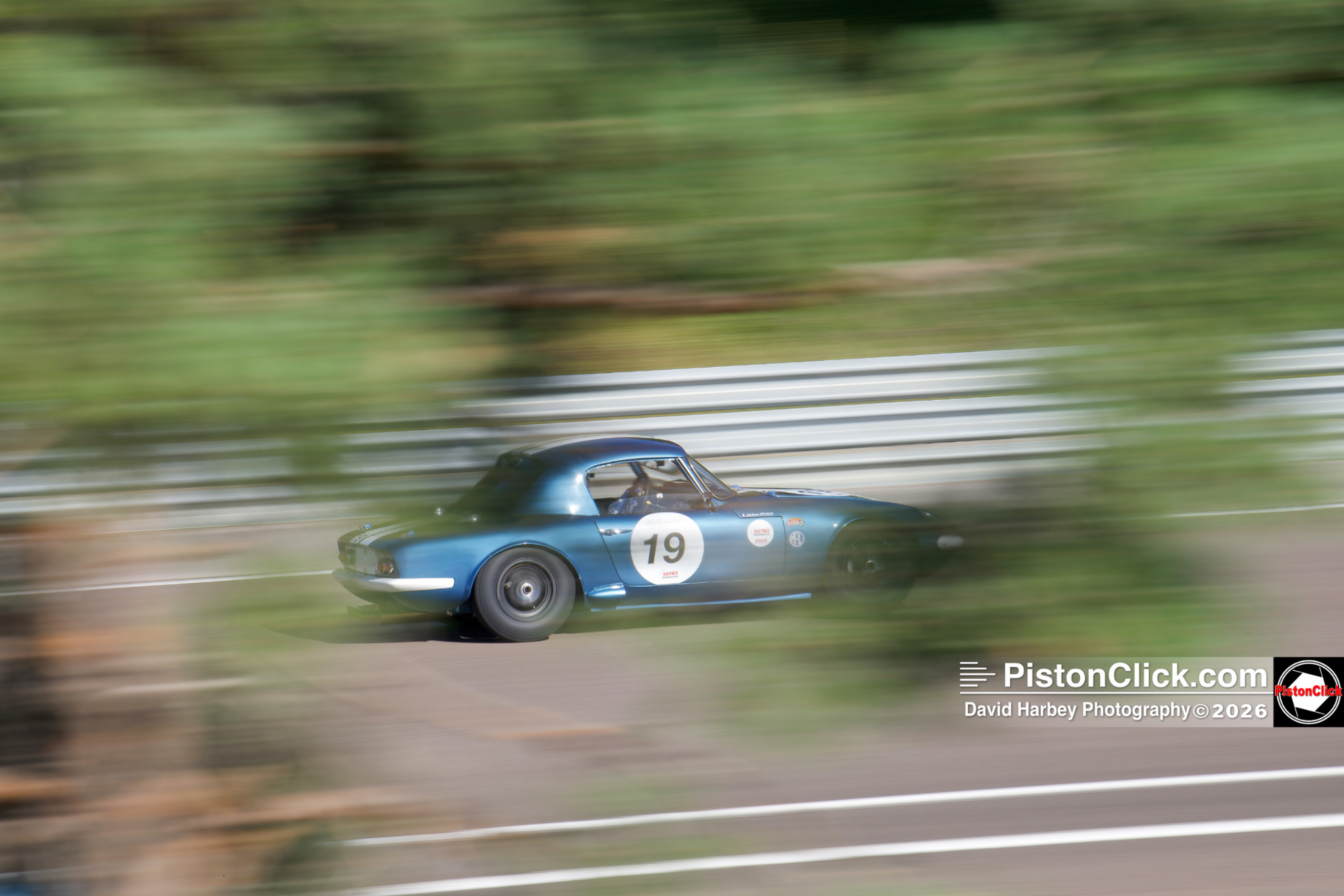
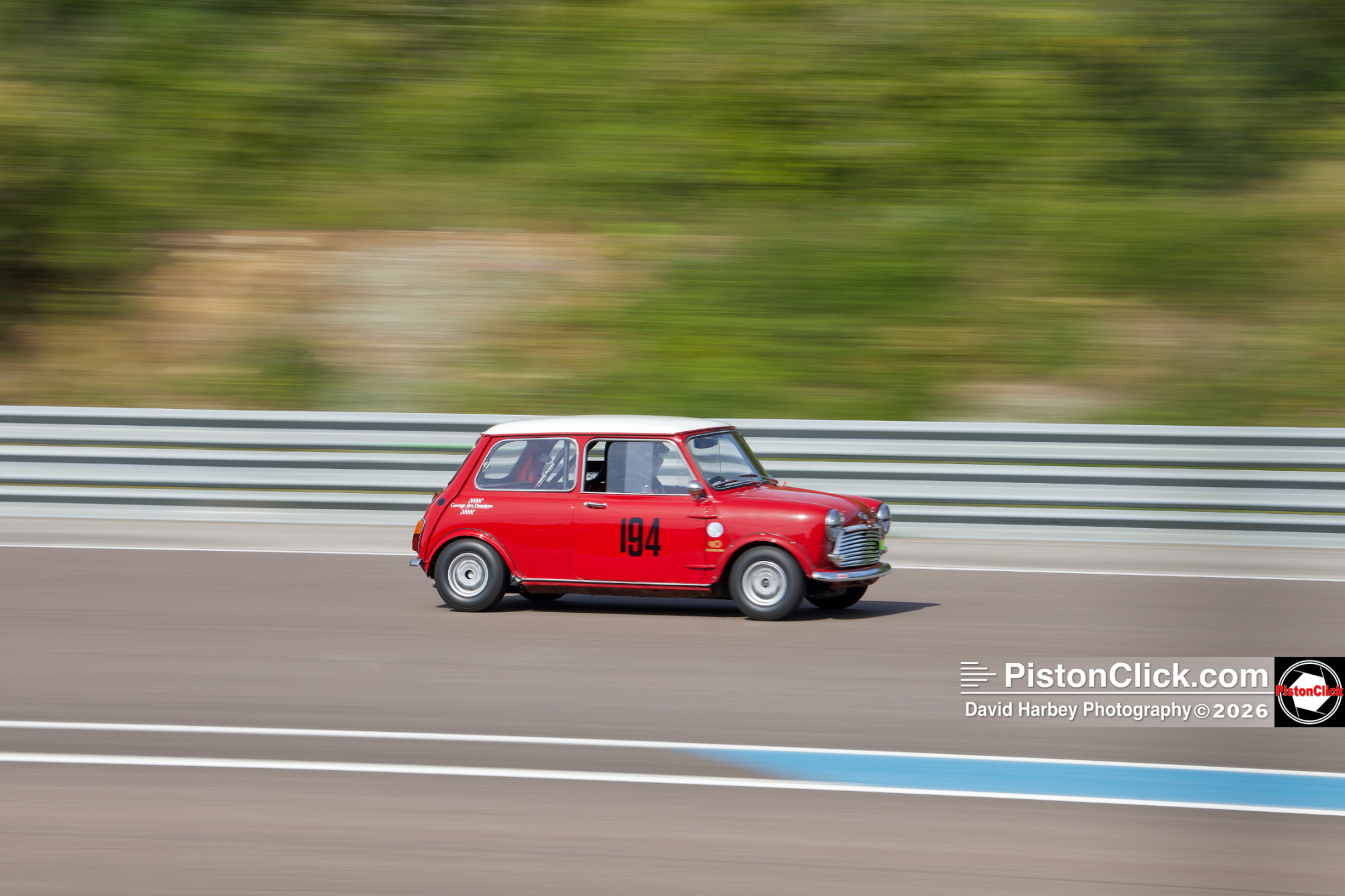
To the track, and first to the area beyond the paddock just beyond Pit In. There’s a through the fence panning shot or over the fence. You can also use the foliage to advantage for a dramatic shot.

Turn 1 to Turn 3
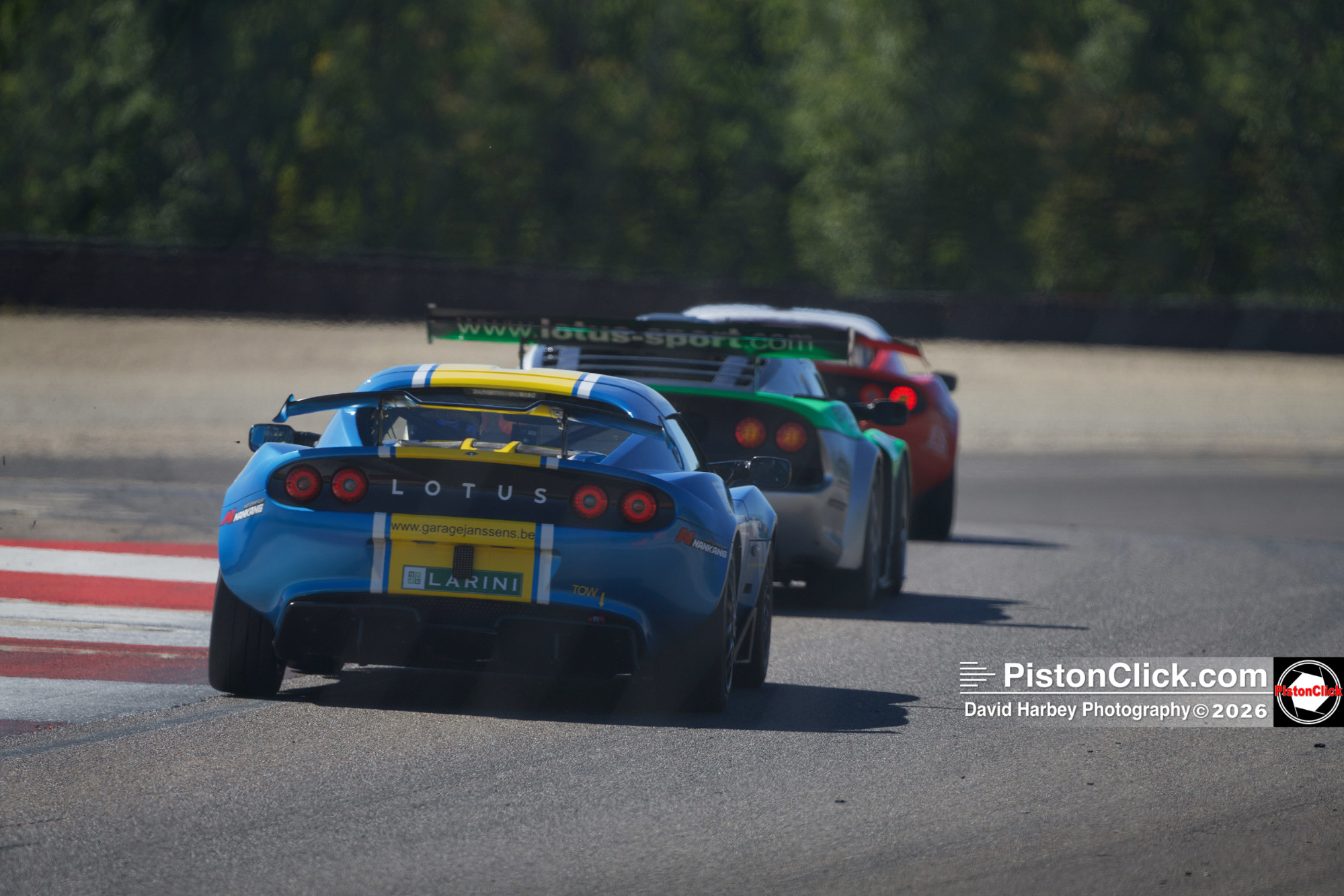
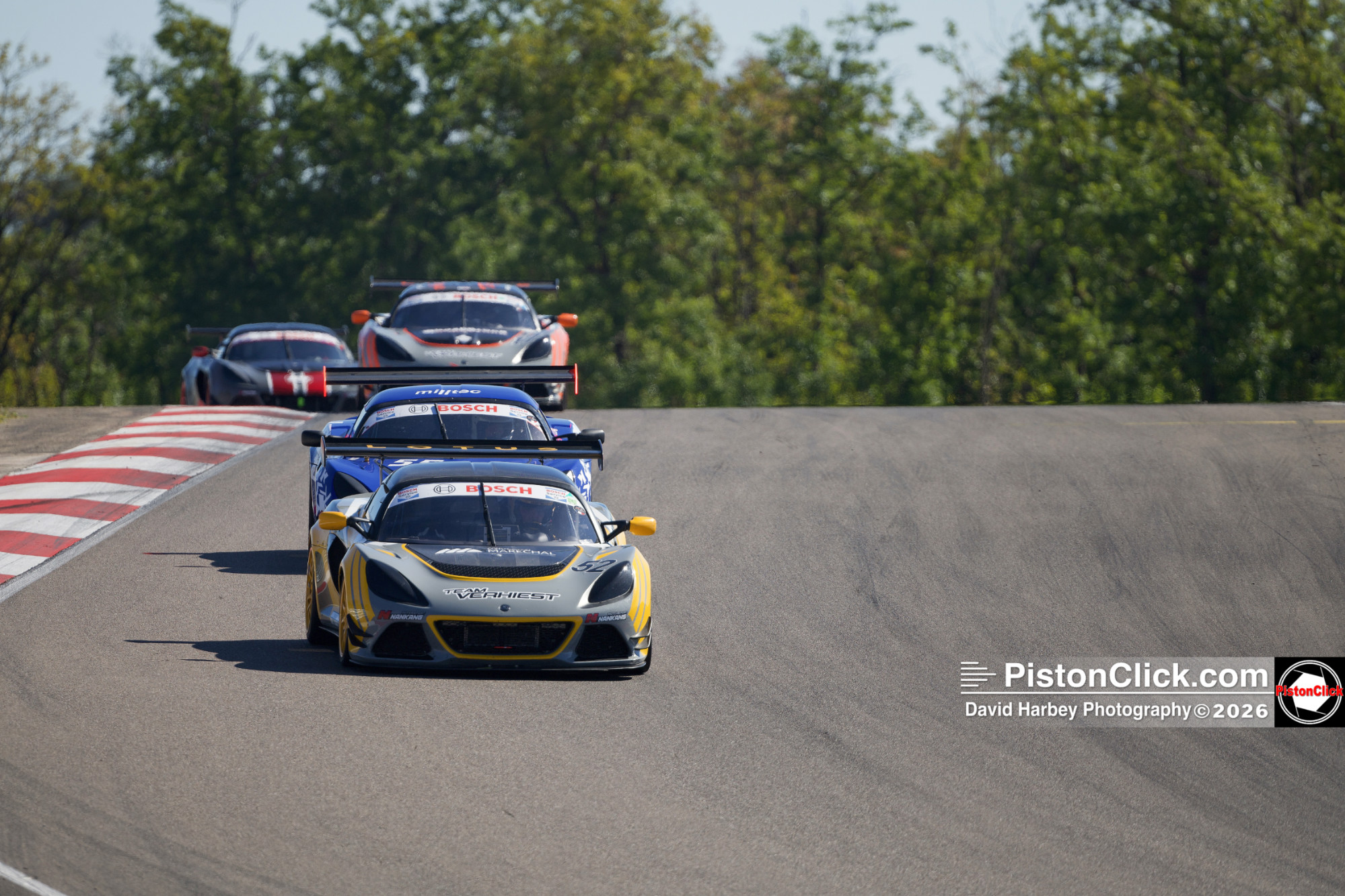
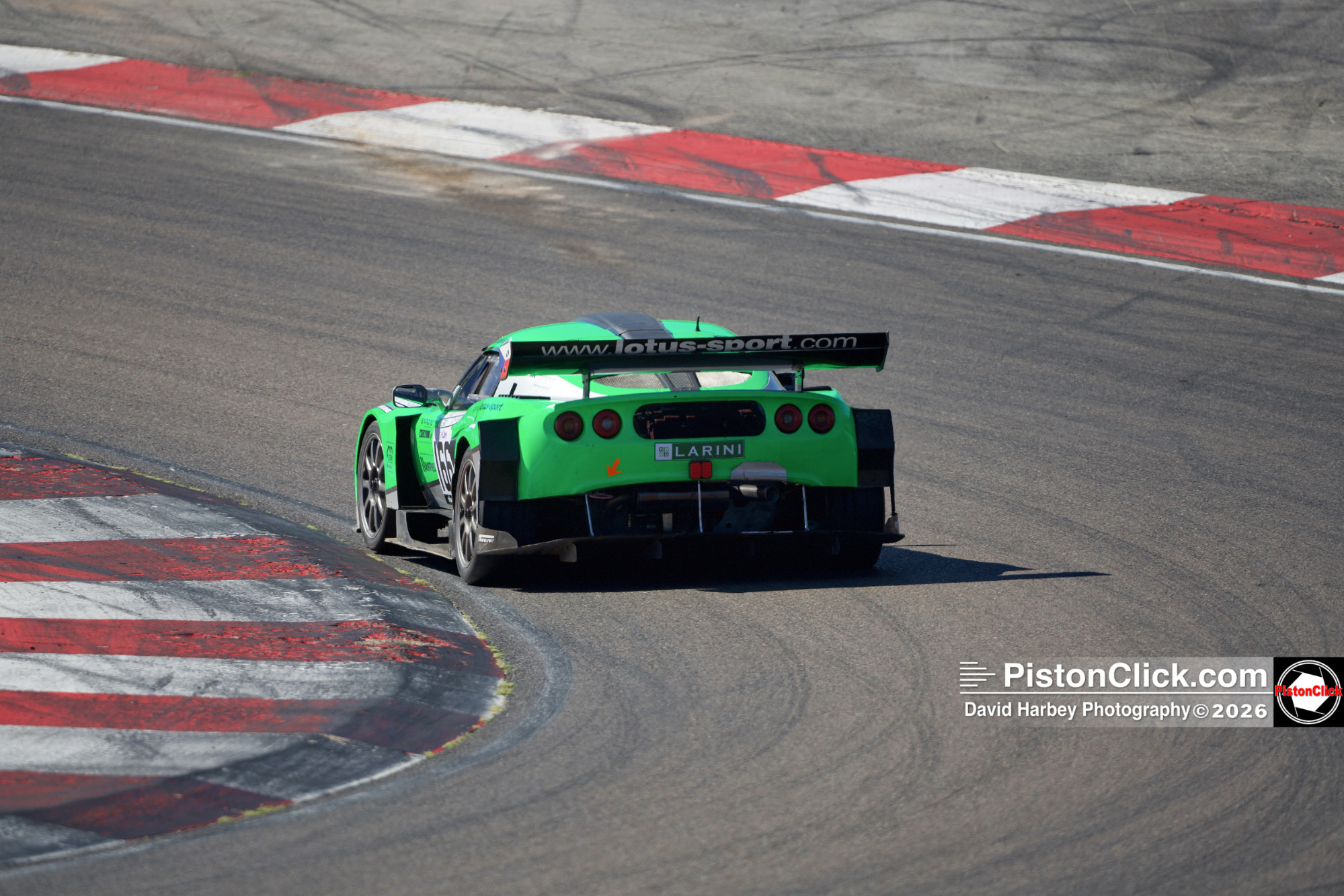
There’s an easy walk through this undulating area which gives a real sense of the Dijon track and the challenge it poses for drivers. This is through the fence shooting. The sun was in the wrong place when I was there, so it was spectating rather than panning. There are however head or tail on shots shooting through the fence at an acute angle.
Turn 4
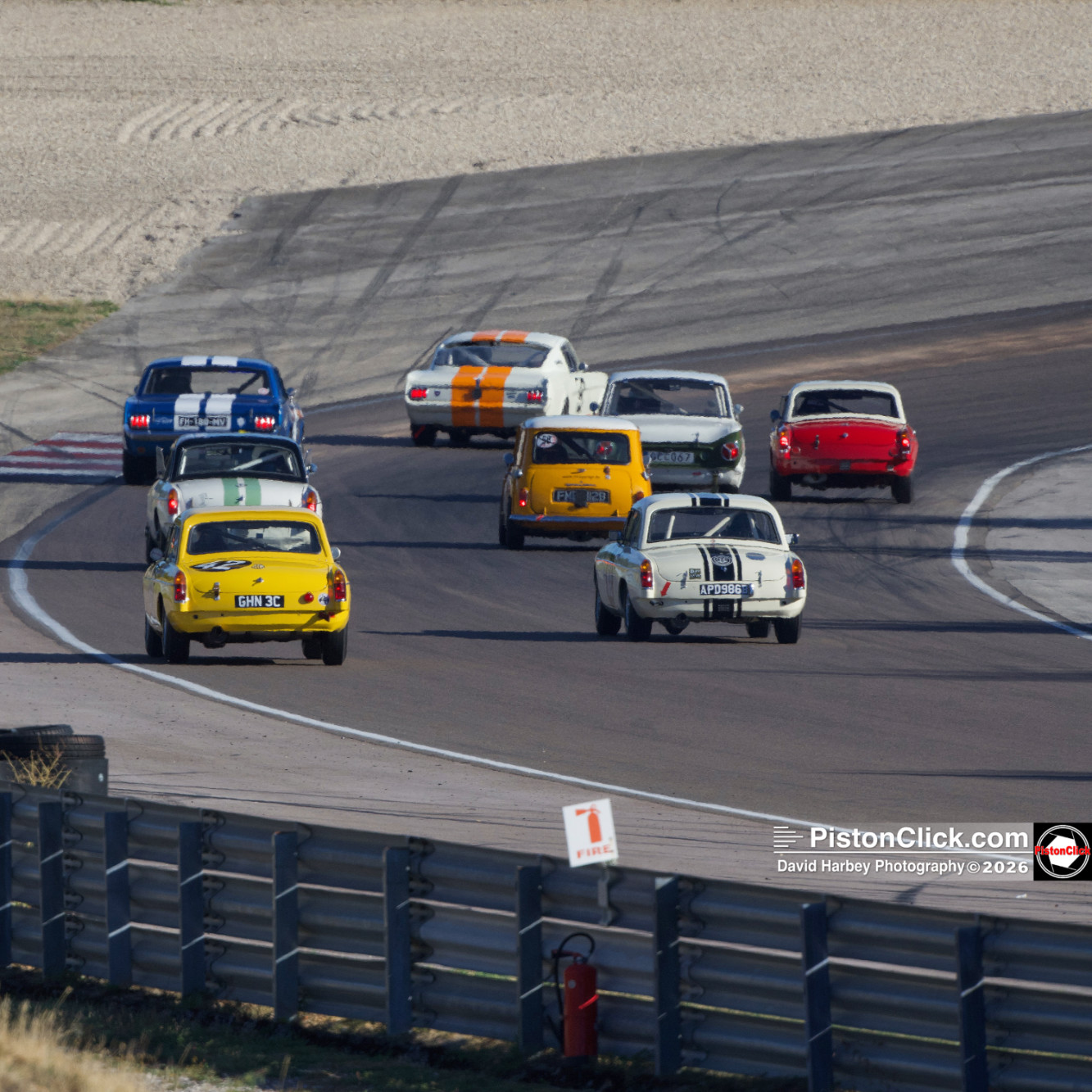
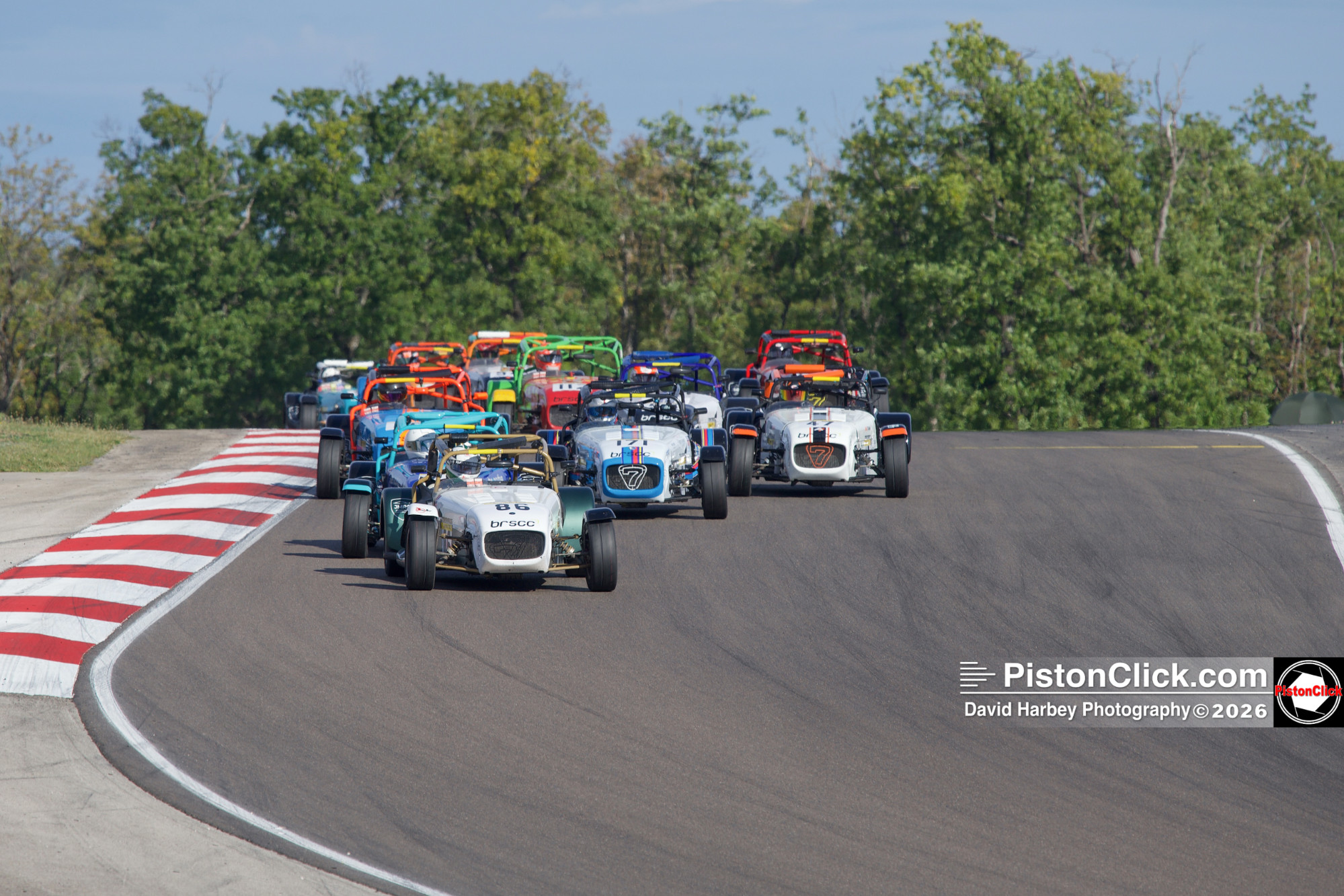
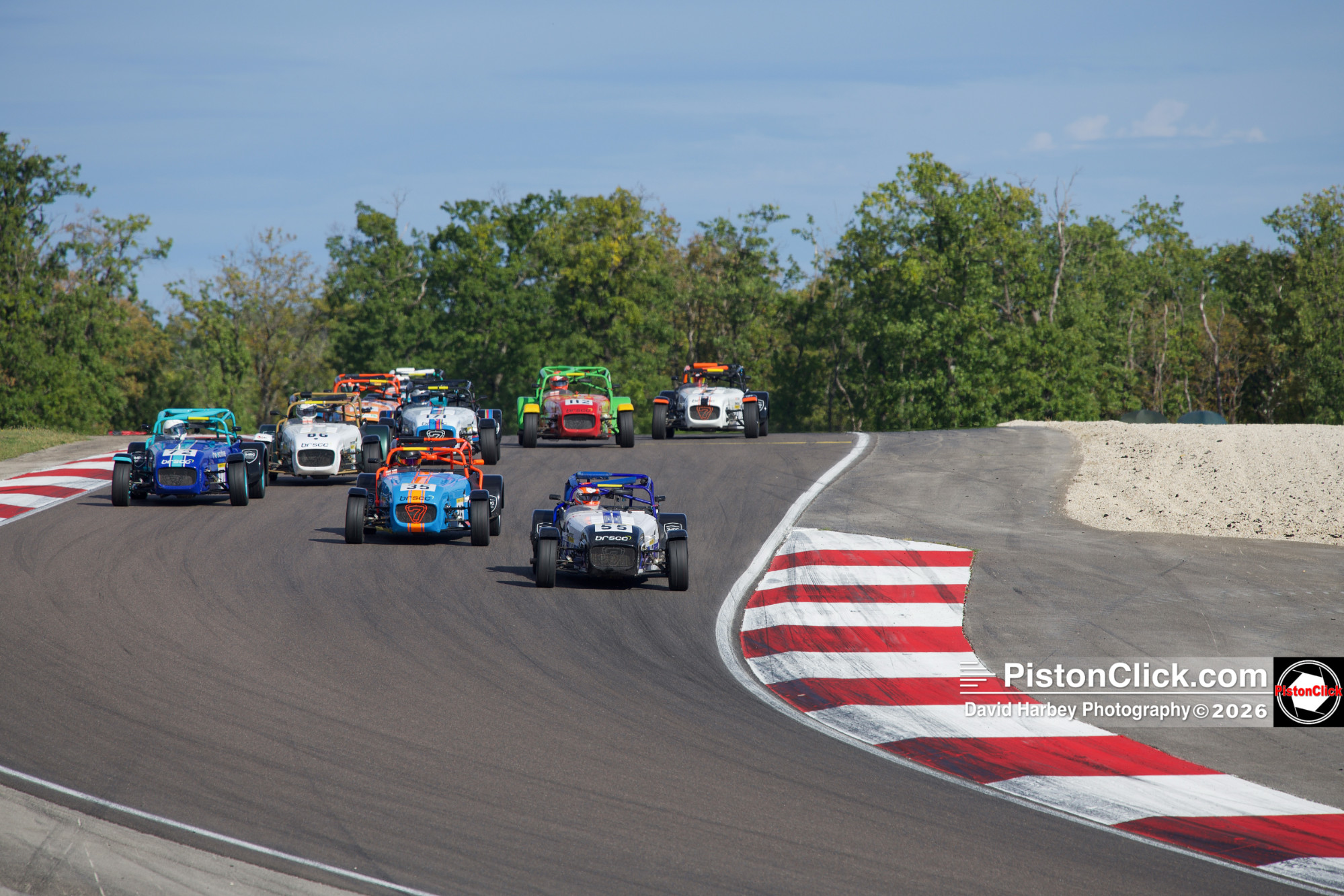
This is the main spectating area with terraced seating giving a great view as the competitors come over the brow at Turn 3 and then plunging down into Turn 4 before the run away to the hairpin at Turn 5.

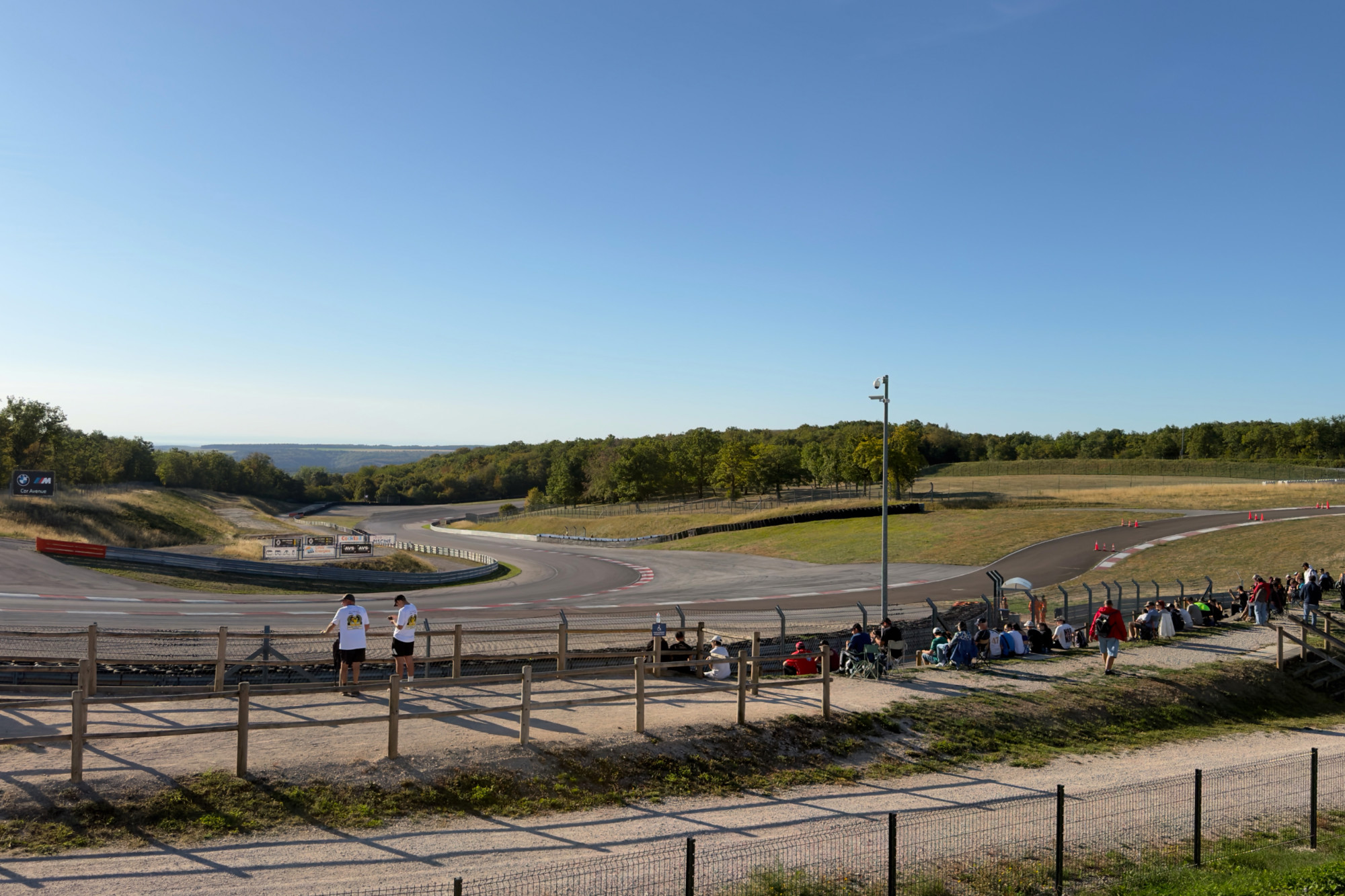
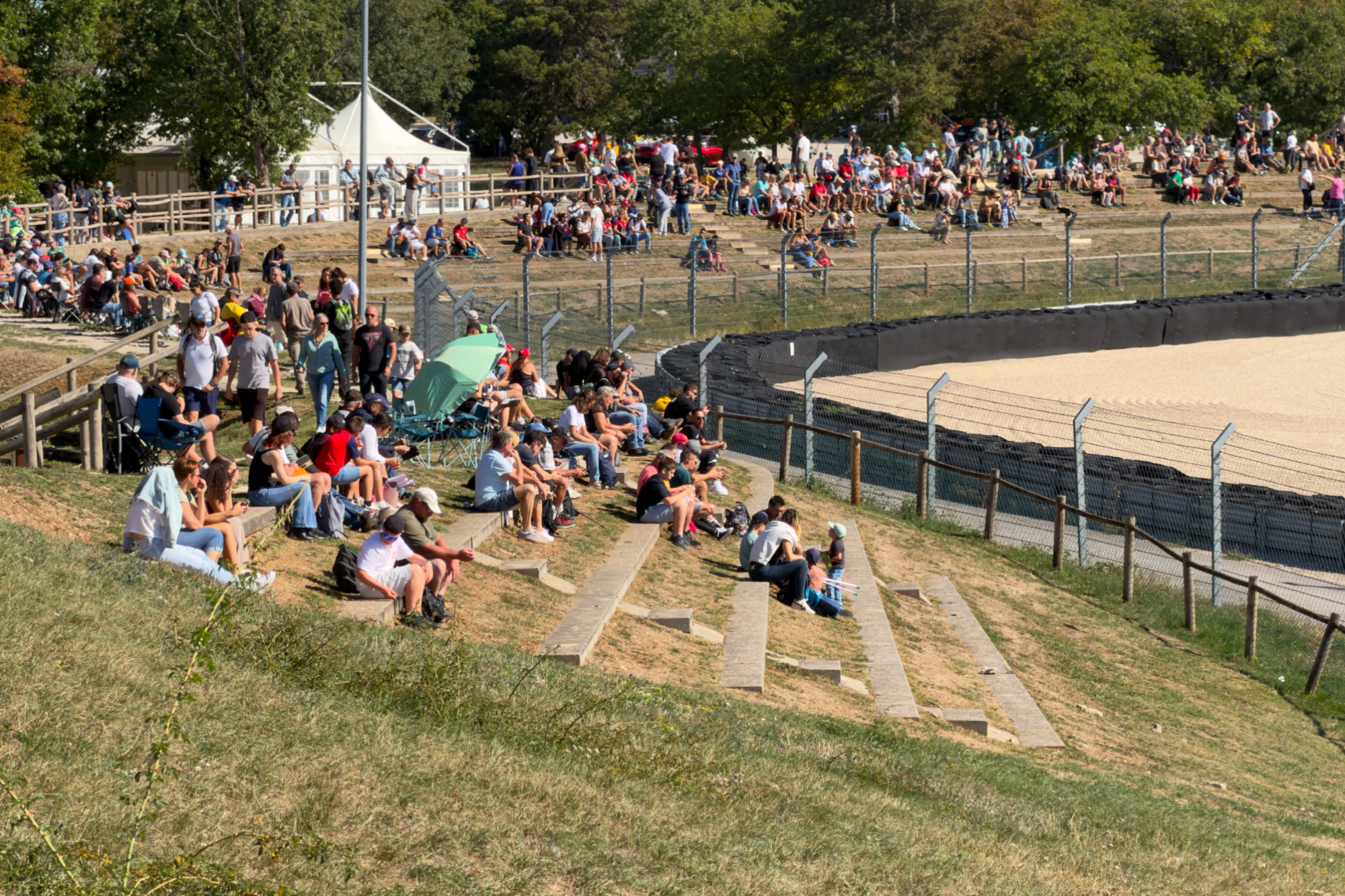
There’s a range of shots here; most clear of the fence.
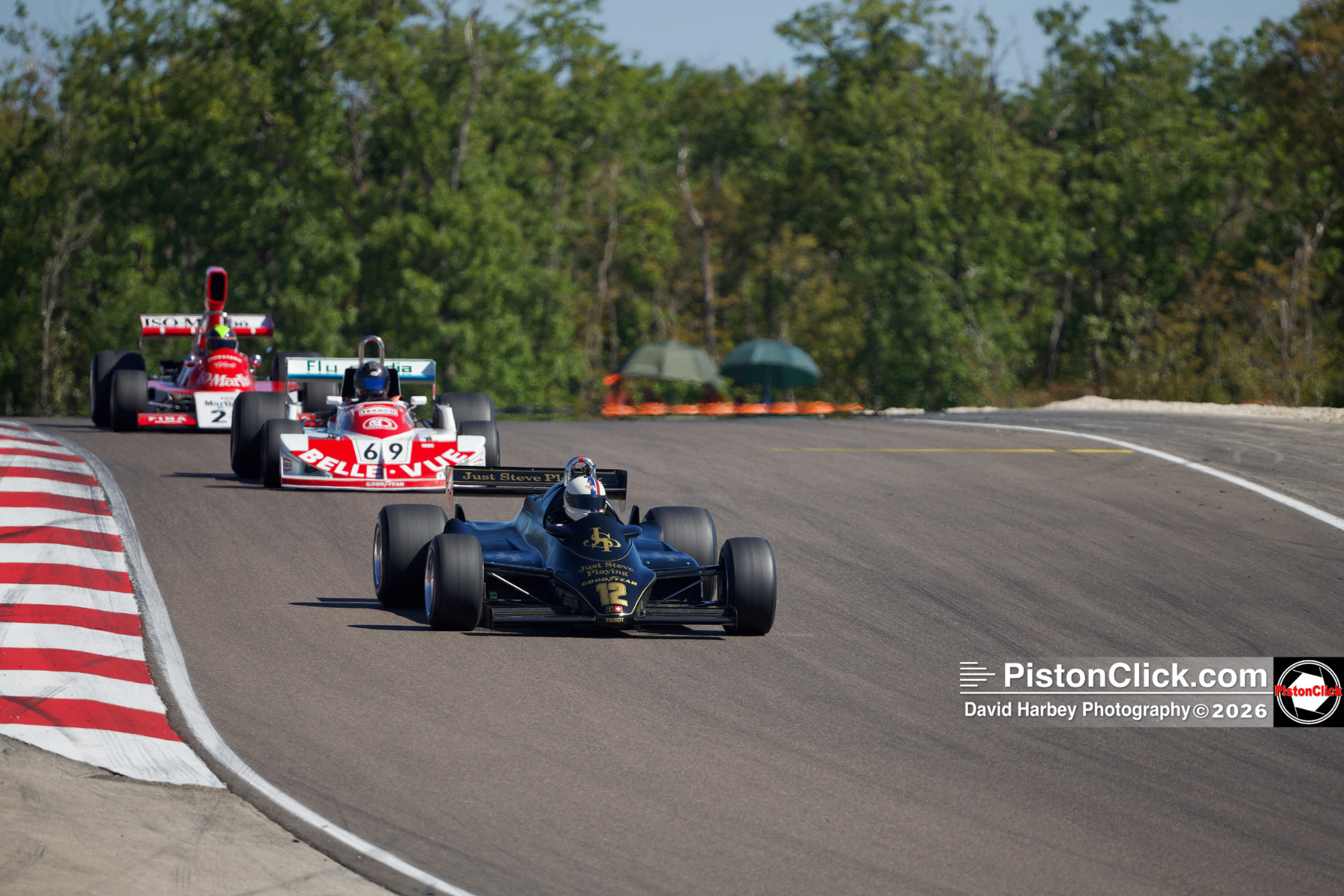
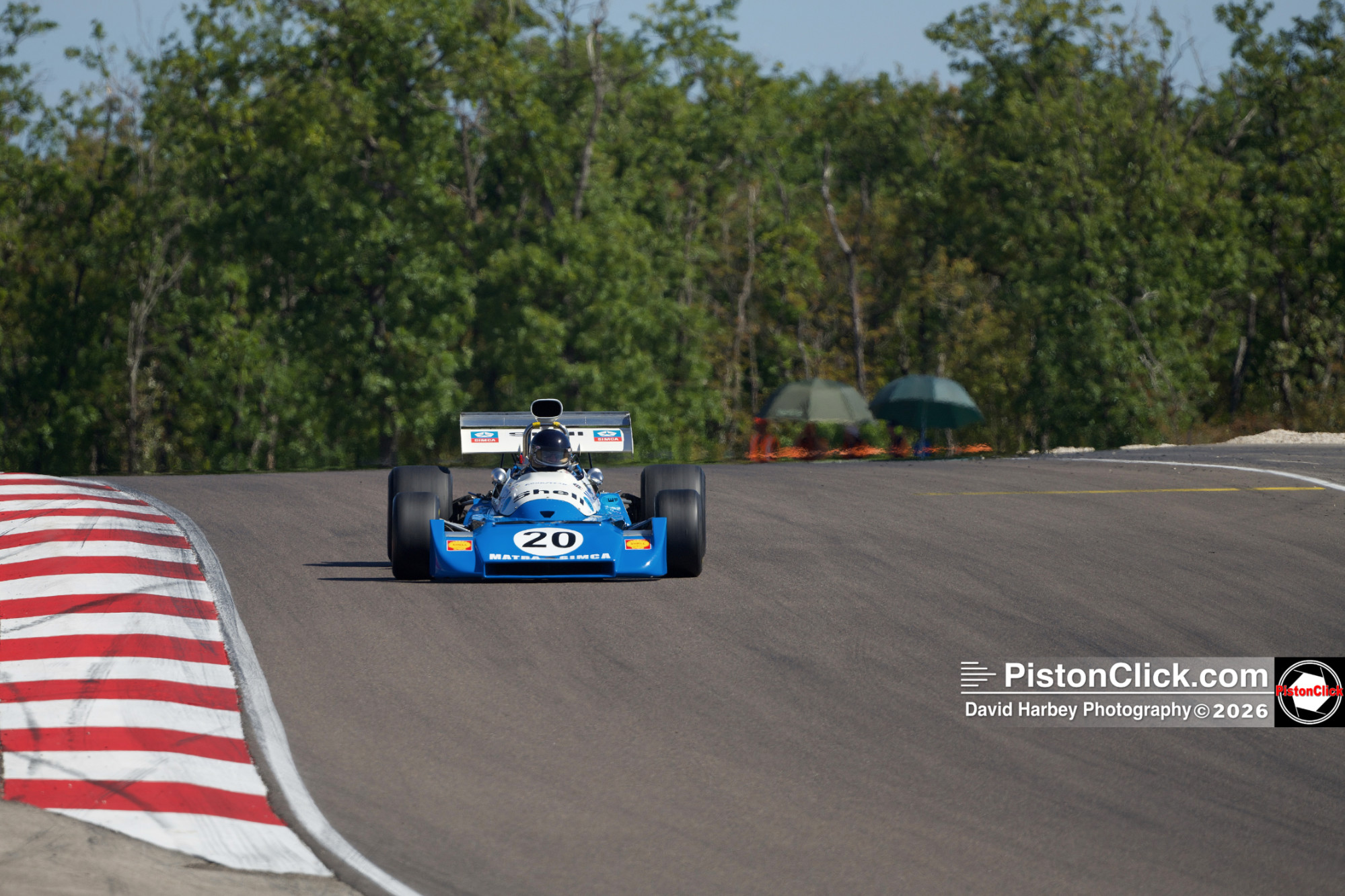
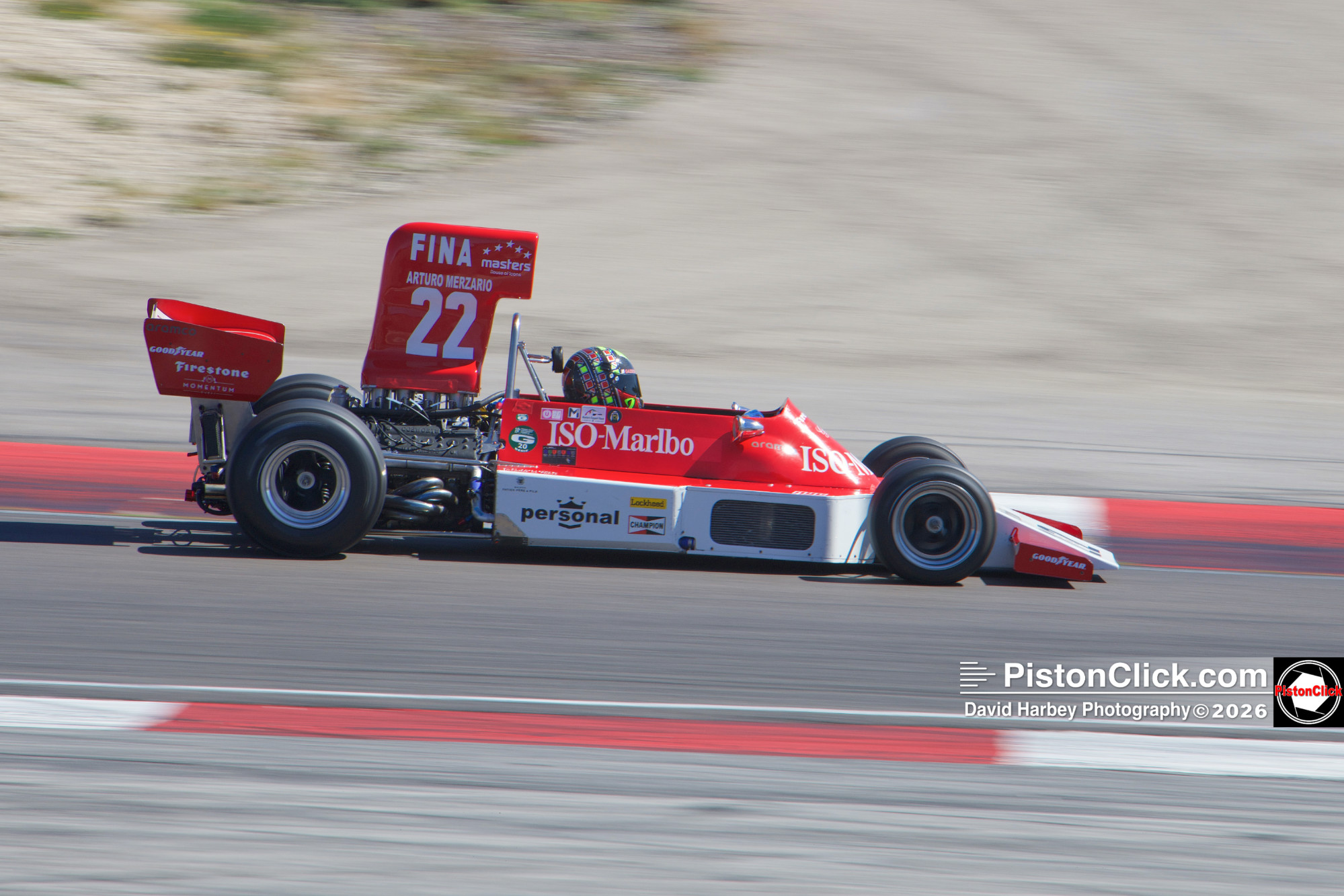
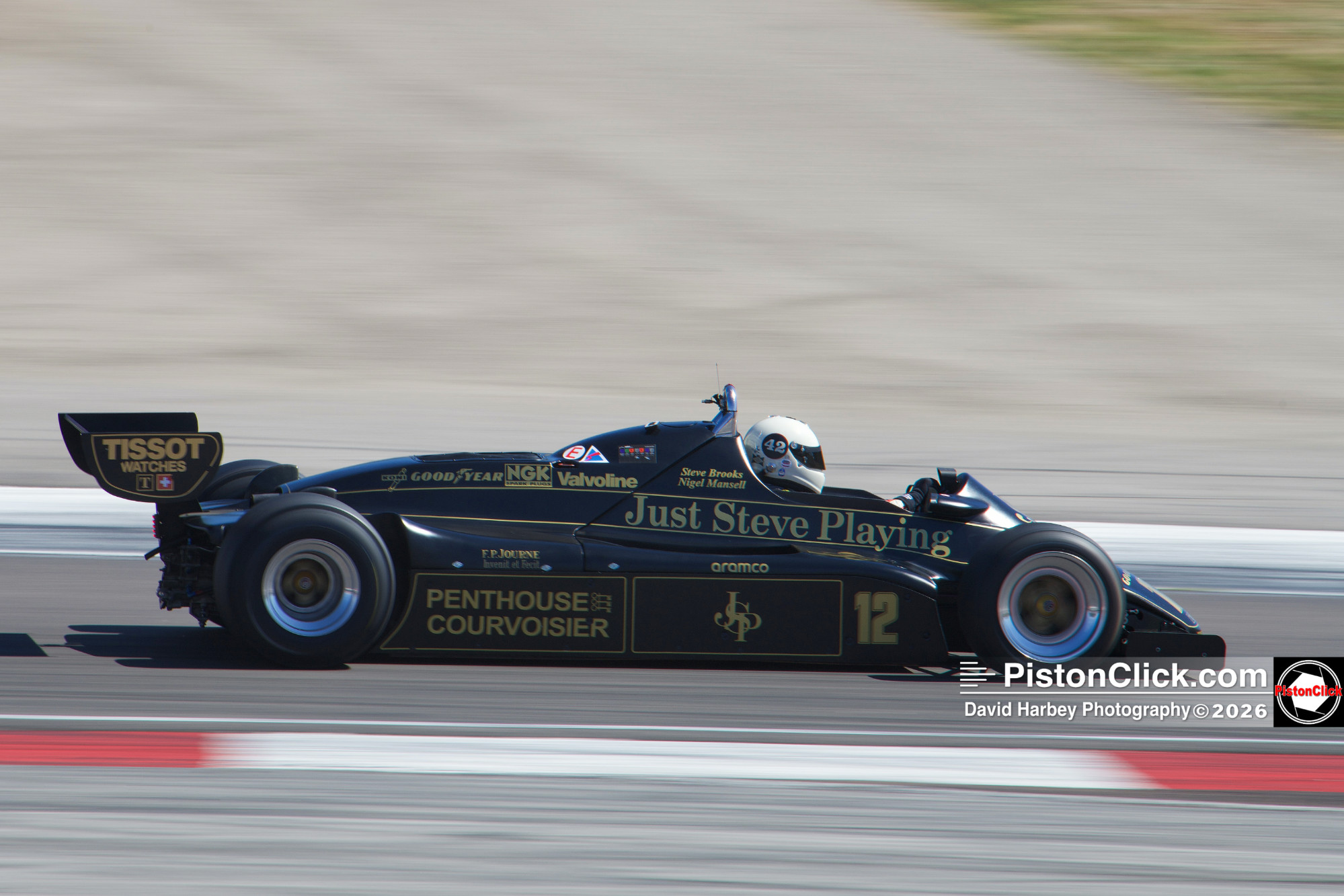


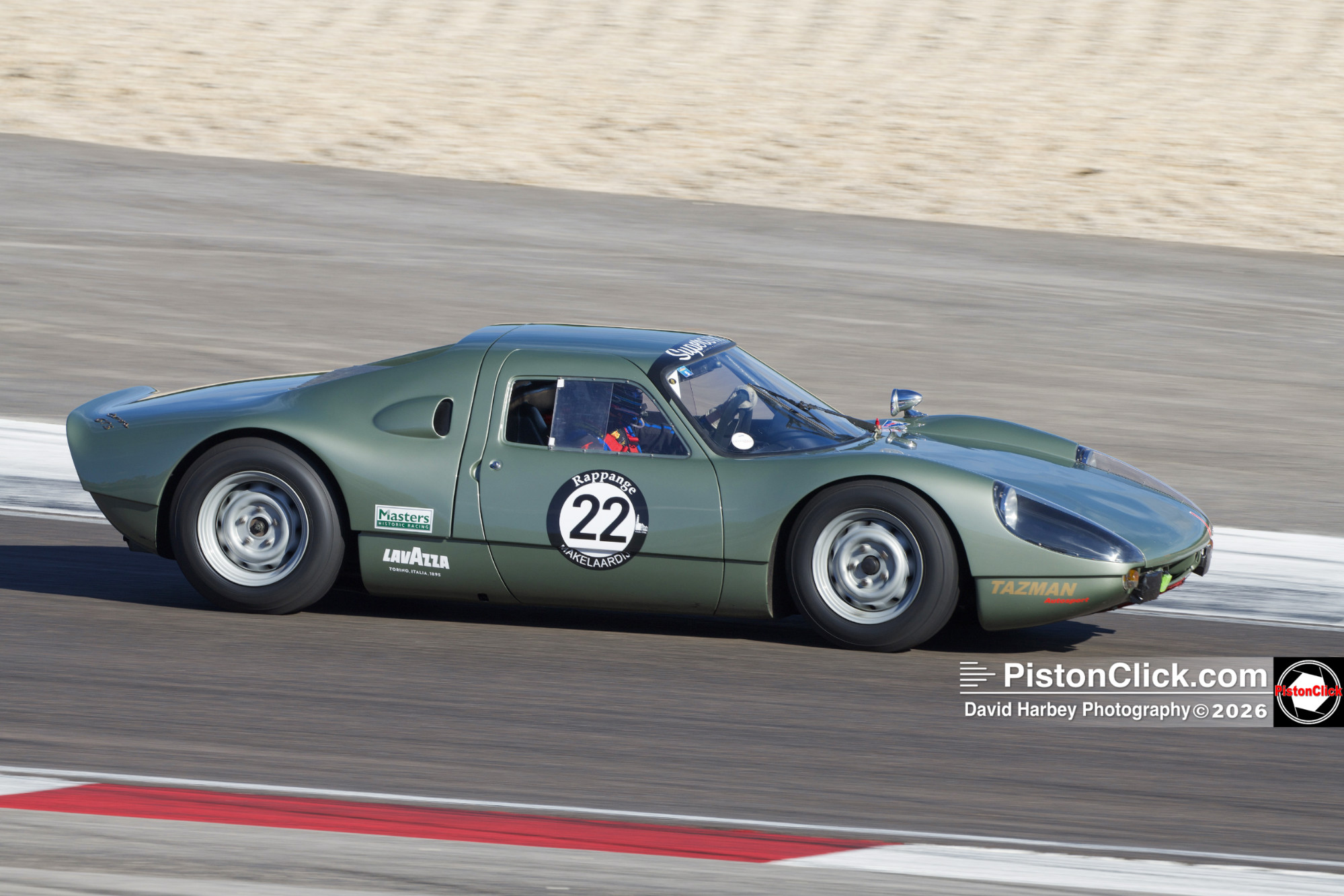
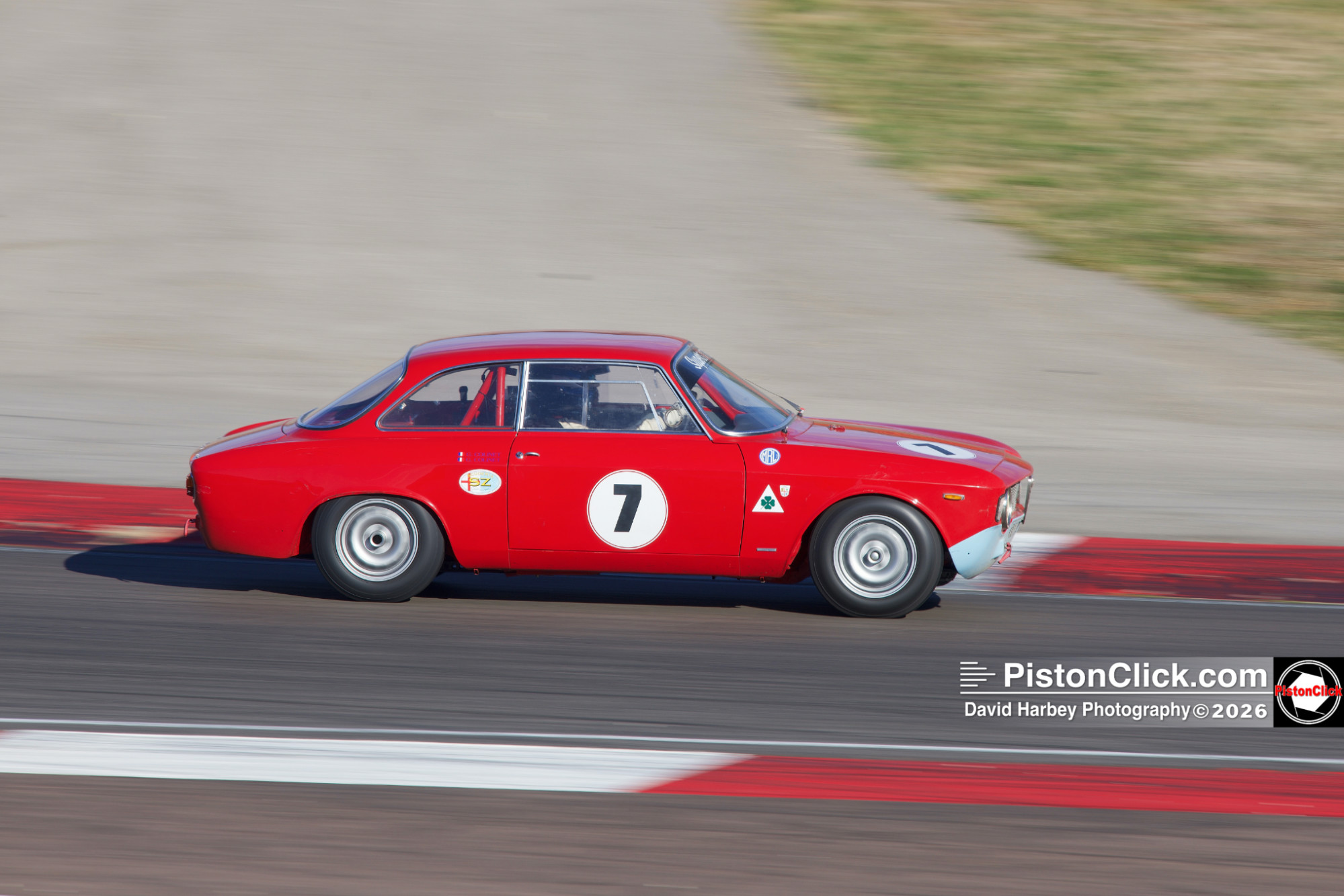
There’s a reverse angle shot as the cars head to Turn 5.
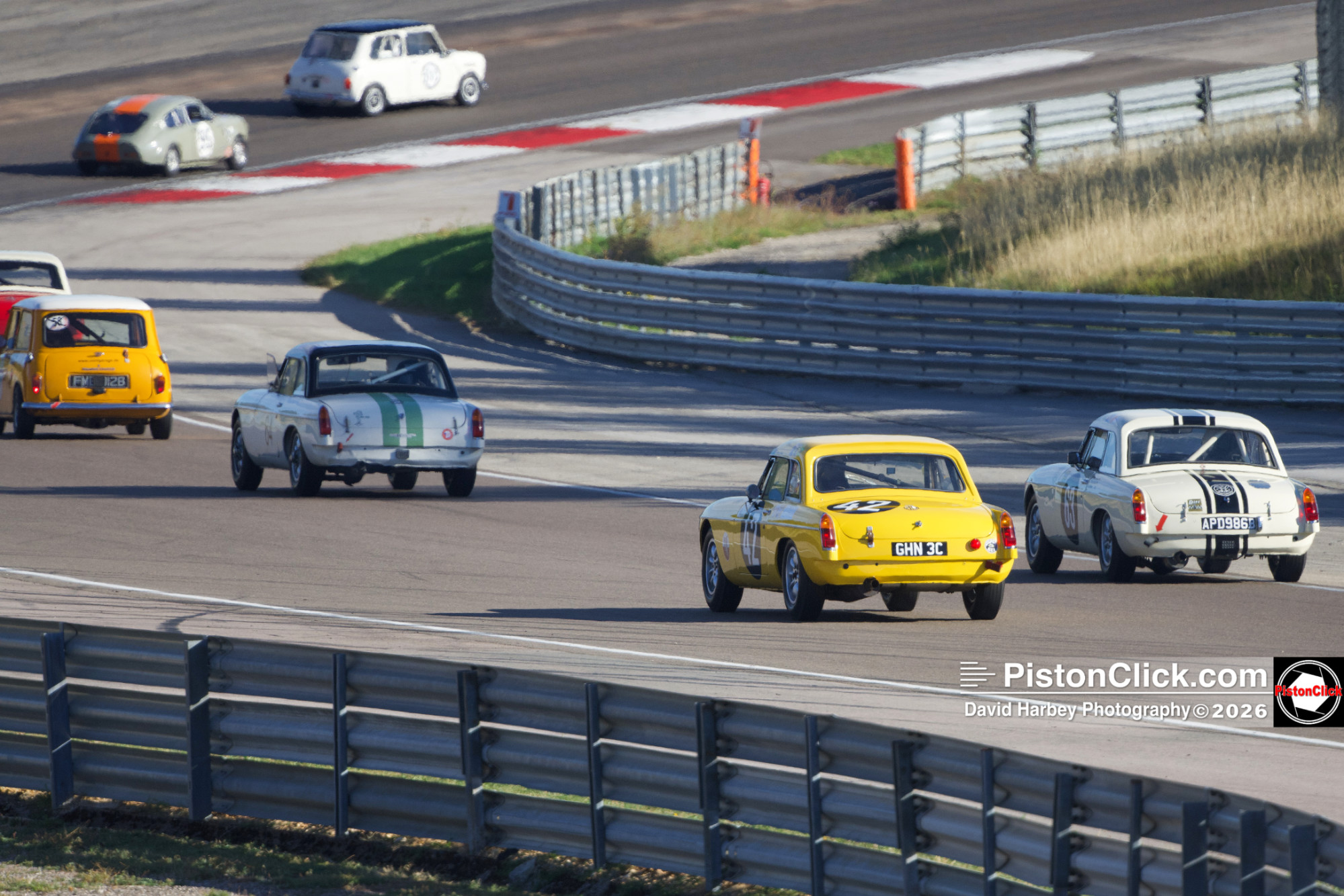
Turn 7
The area inside Turn 4 to 6 was off-limits to spectators for this event but there is a shot through the light fencing at Turn 6. It appears that for some meetings the area beyond Turn 6 may be open.
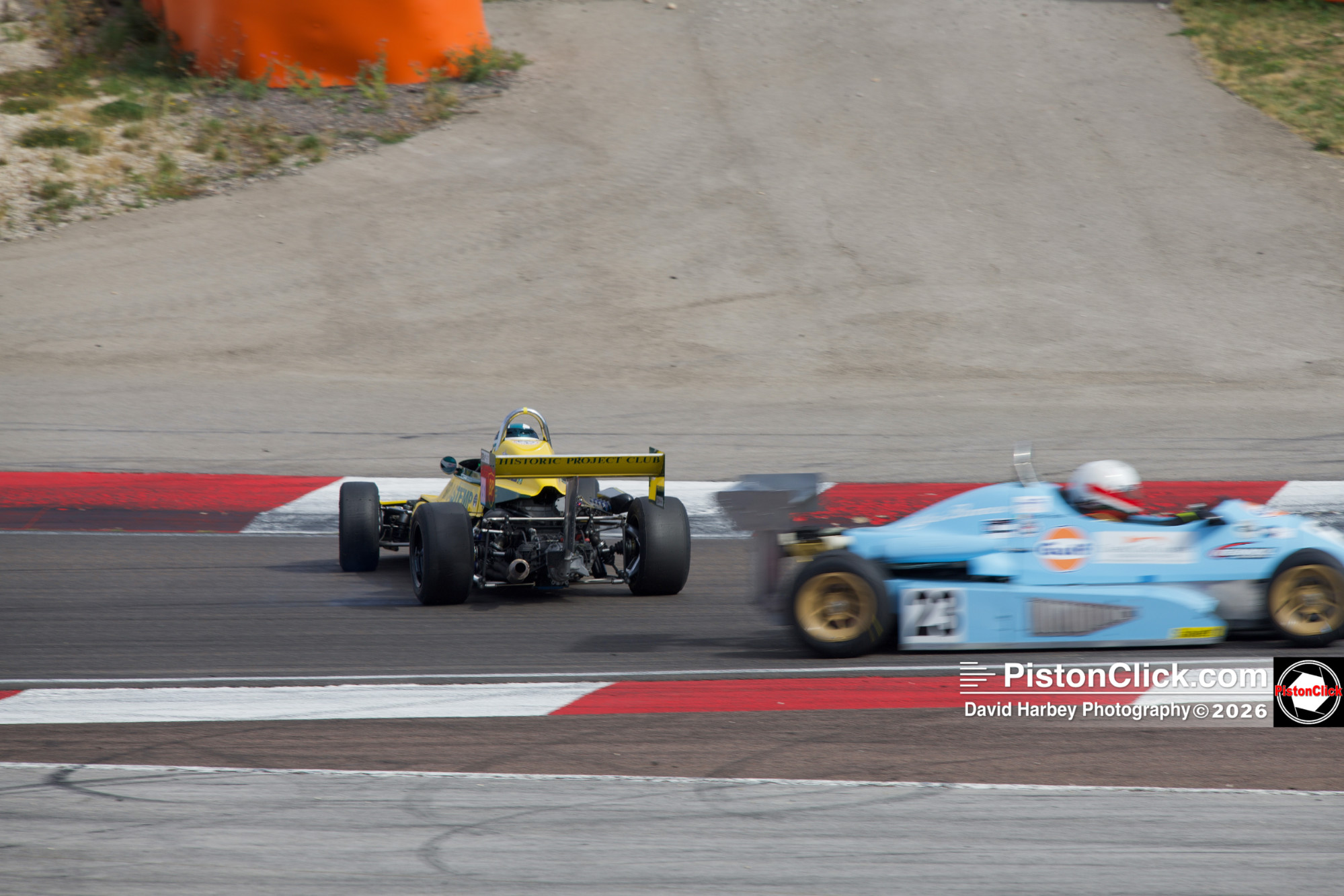
Sometimes it goes wrong
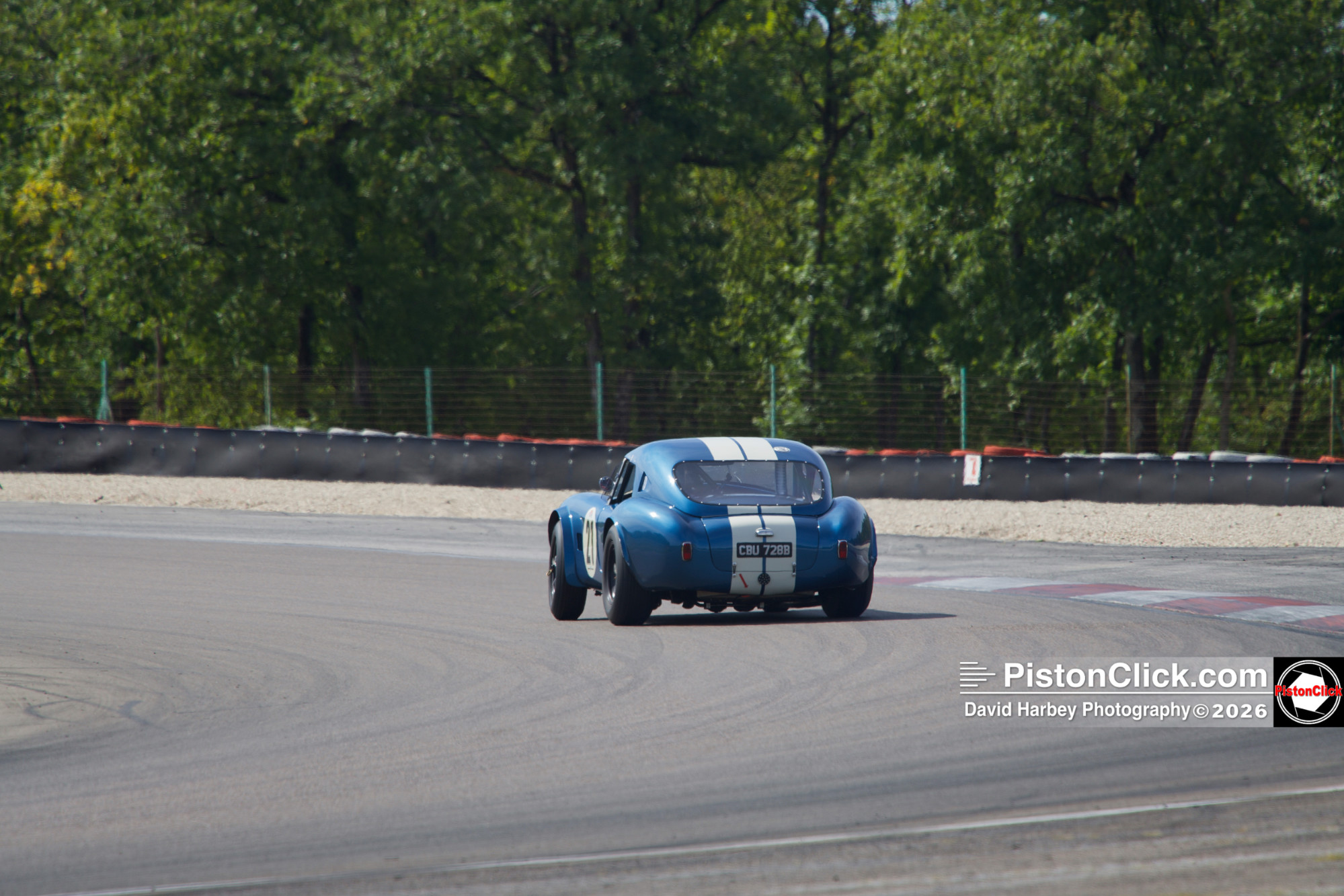
There’s fine margins between grip and no grip!

The driver’s view
Amanda Anderson was racing in the Caterham Gradates #47. She was enthusiastic,
“Dijon in a Caterham was an absolute tow fest! It’s fast, flowing and properly old school, but the slipstream is so powerful that outright pace is only part of the battle. You’re constantly thinking about when to attack, when to sit in the tow and, crucially, where you need to position yourself for the end of the race.”
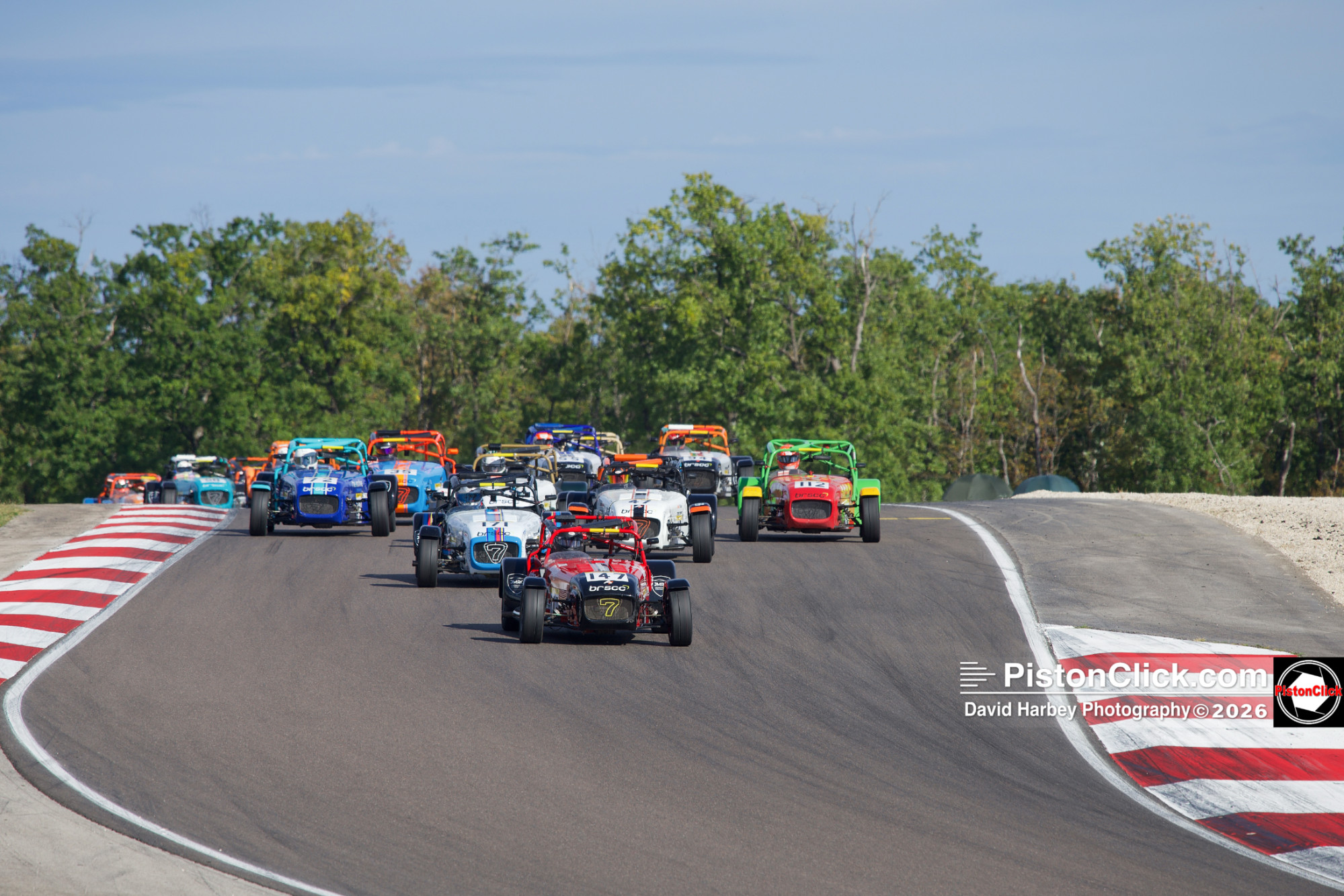
Amanda finished in 4th and 7th in two very close races. She can’t wait to get back to Dijon.
Spectator notes
The terracing provides a mini-stadium feel to Turn 4 and is backed up with catering and toilets adjacent. It’s not too far back up the paddock with more facilities and if it is sunny there is extensive shade.
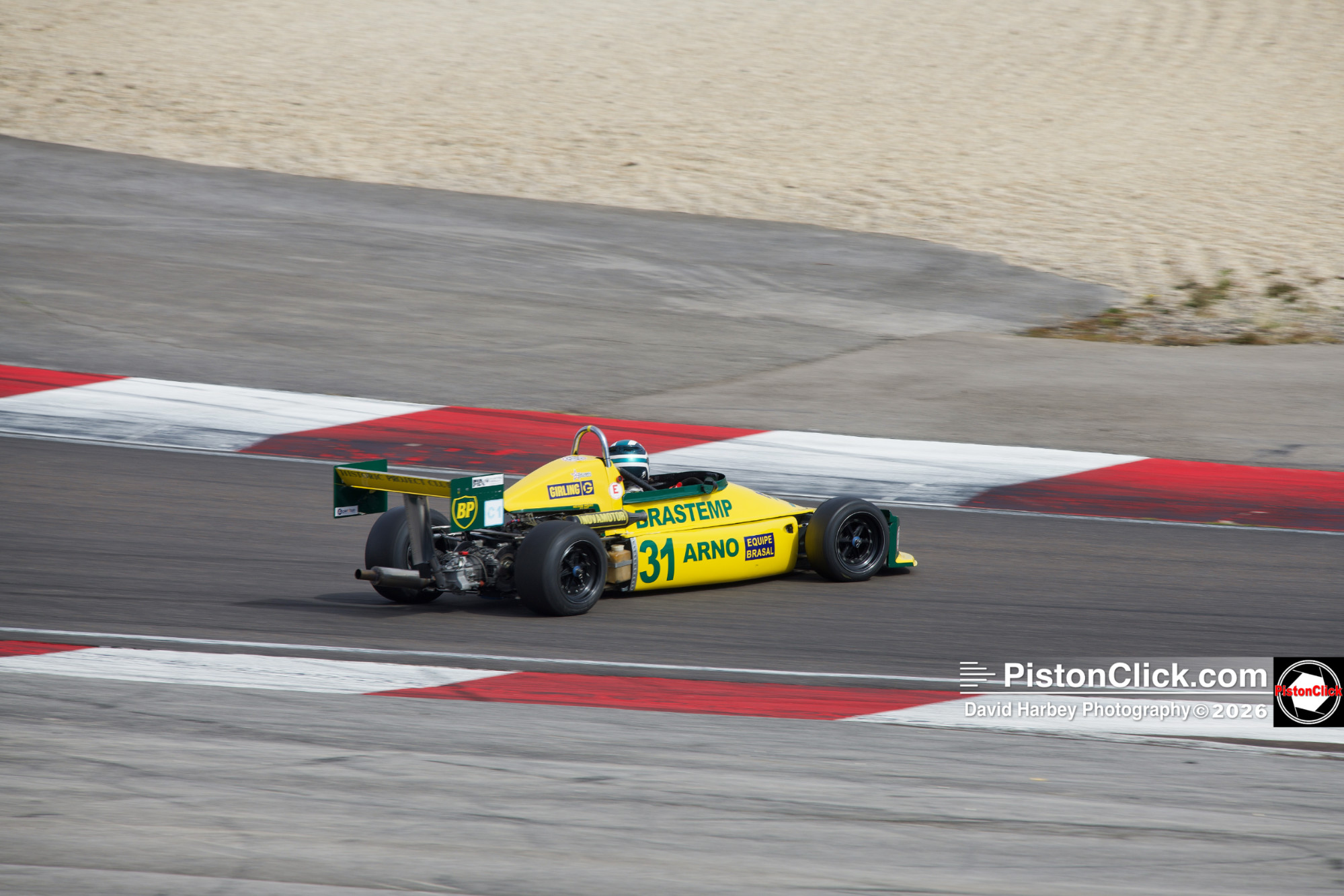
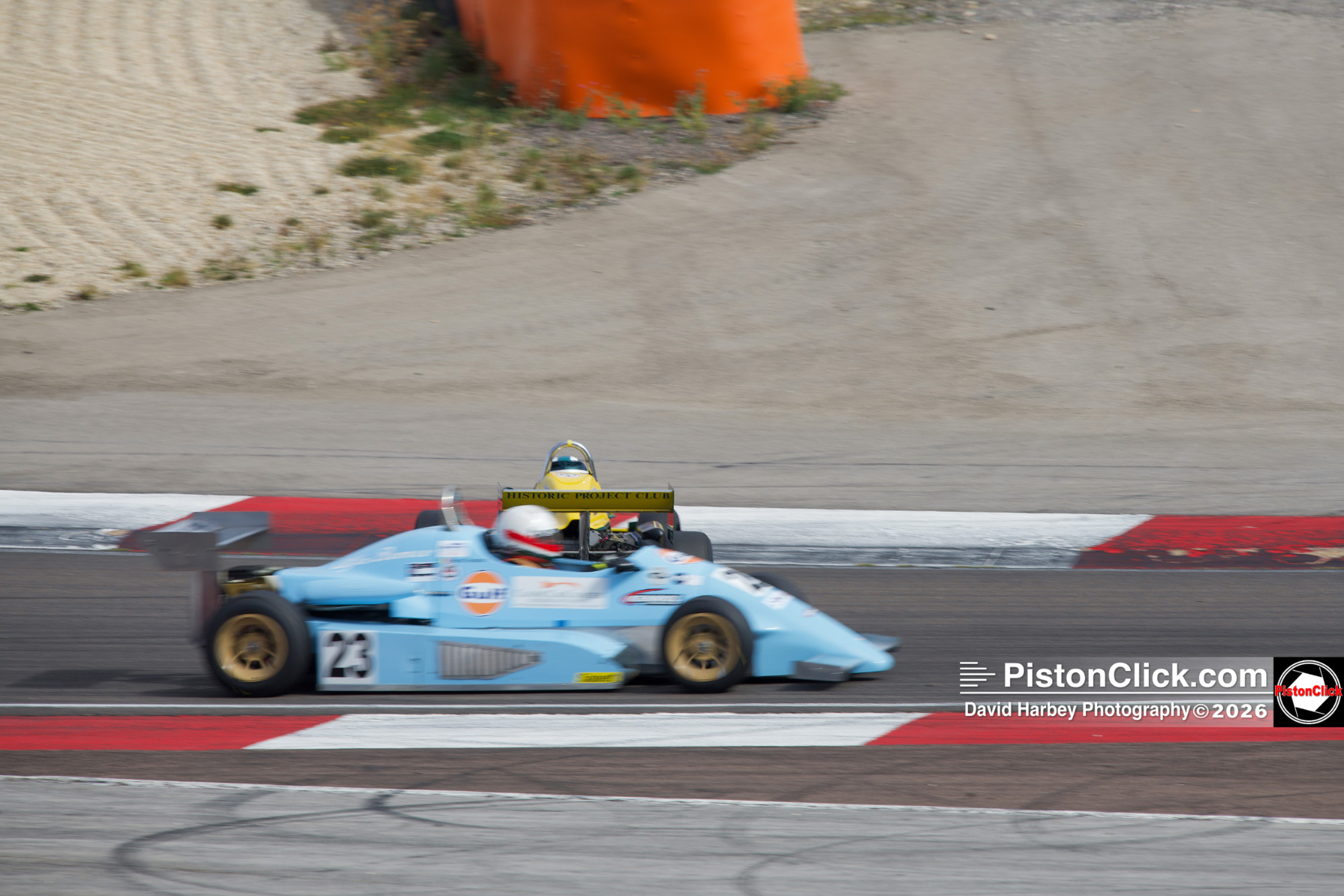
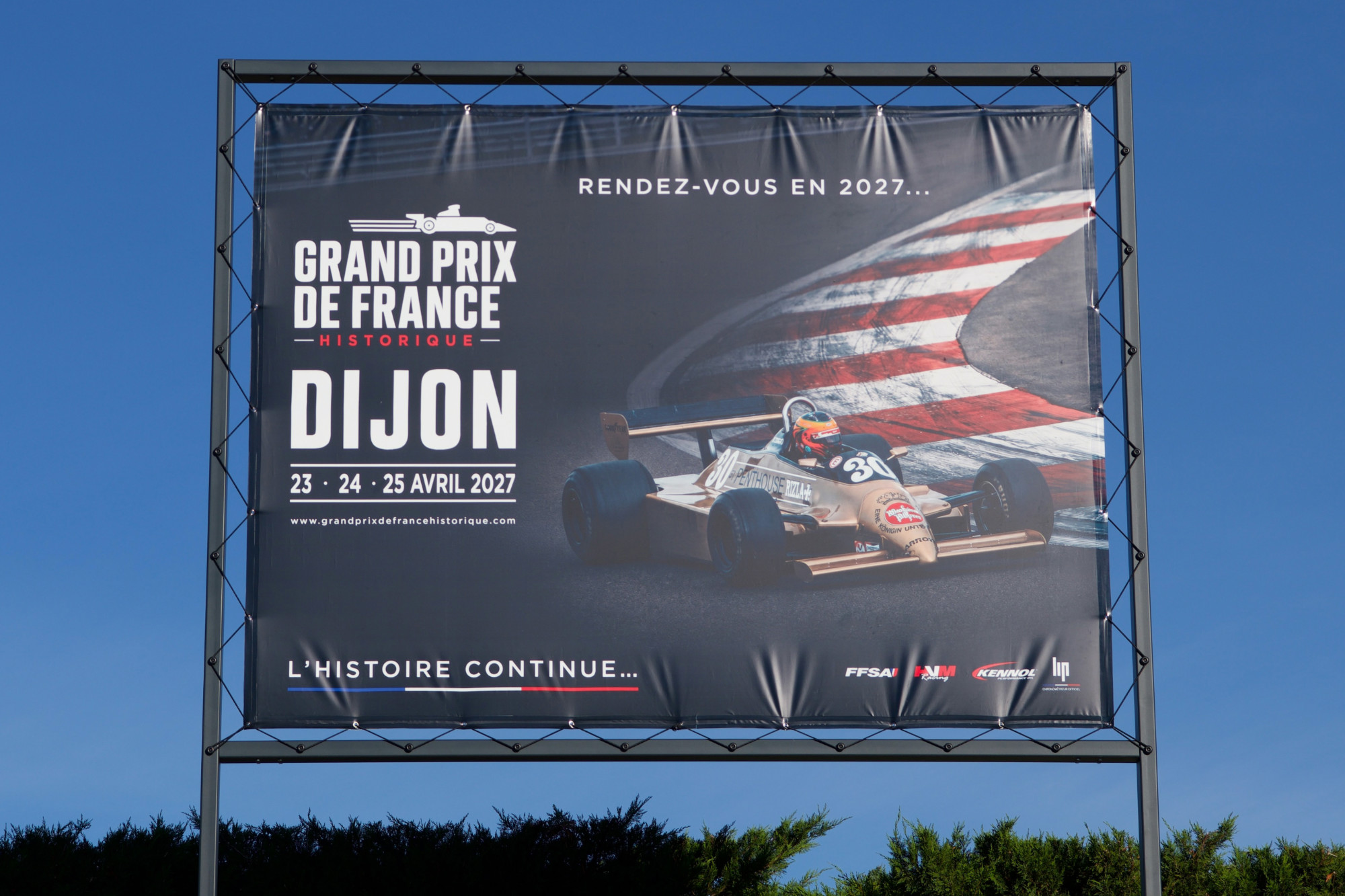
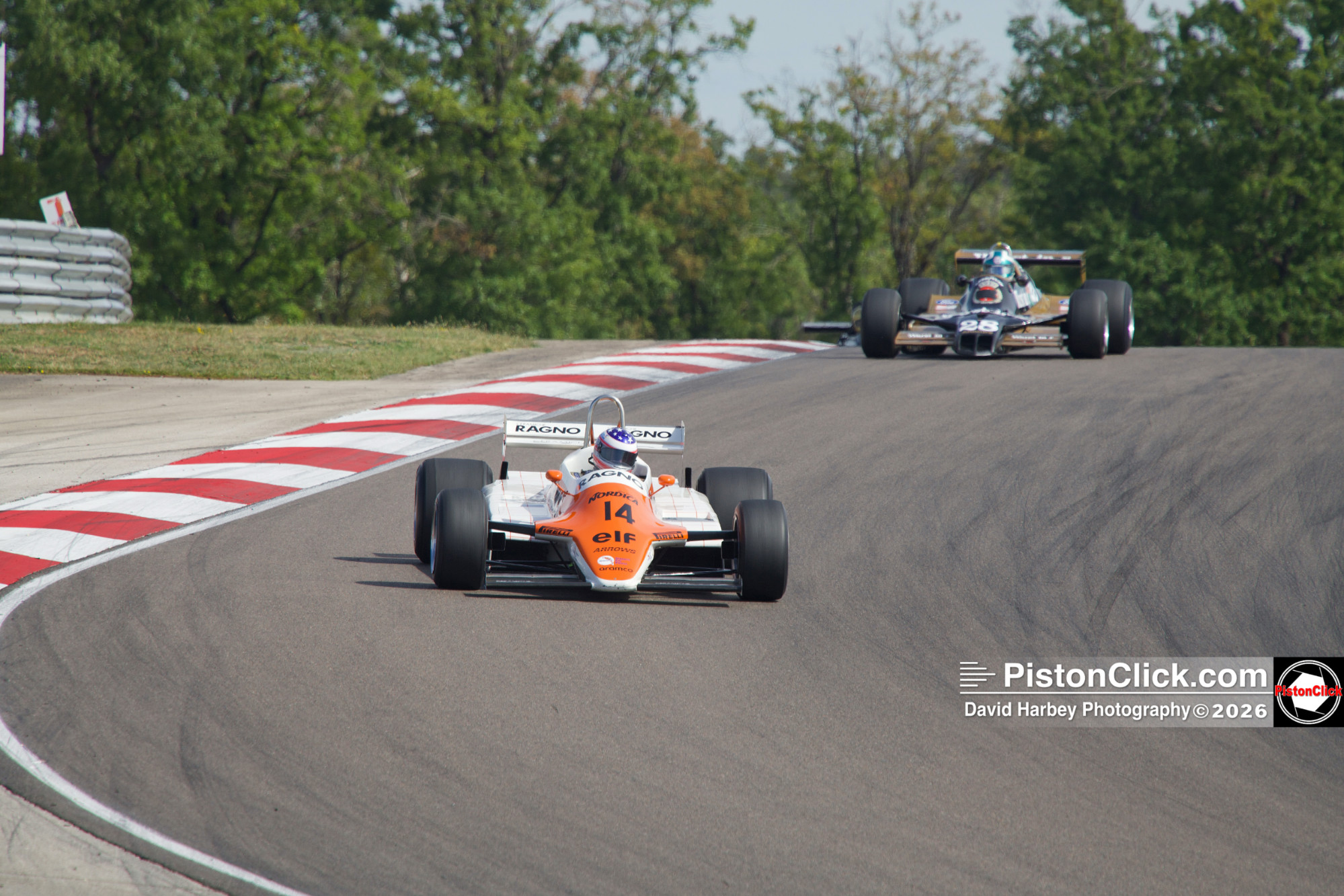
It is, of course, also great to see single seaters from the 70s and 80s racing on a fast flowing track that isn’t littered with chicanes – although it would be nice to see more of them. The Grand Prix de France Historique is at Dijon next April. The L’Age d’Or historic meeting, the oldest historic motor racing event in France, takes place in June.
Photographer’s notes
I used a Nikon D850 camera with a full range of lenses – from the 24-70mm zoom in the paddock to 700mm by way of 500mm prime plus 1.4x TC at Turn 4.

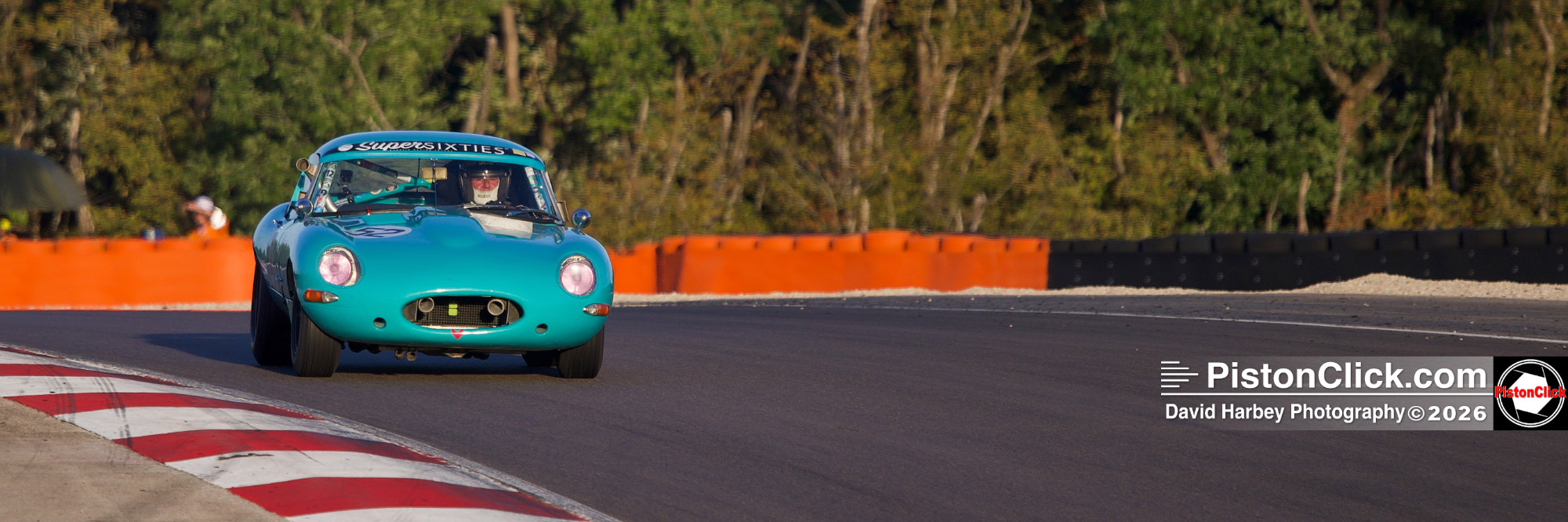
With the SuperSixties race running to 7pm, there was some gorgeous early evening light illuminating the drivers’ faces as they plunged down into Turn 4. This is my favourite shot from the weekend. It’s all about the light !

Thanks to David Harbey for this Dijon Prenois Photographic Guide. You can find more of our motorsport photographic guides from the link below.