


Of Museums, Mountains and Motorsport: A European Road Trip
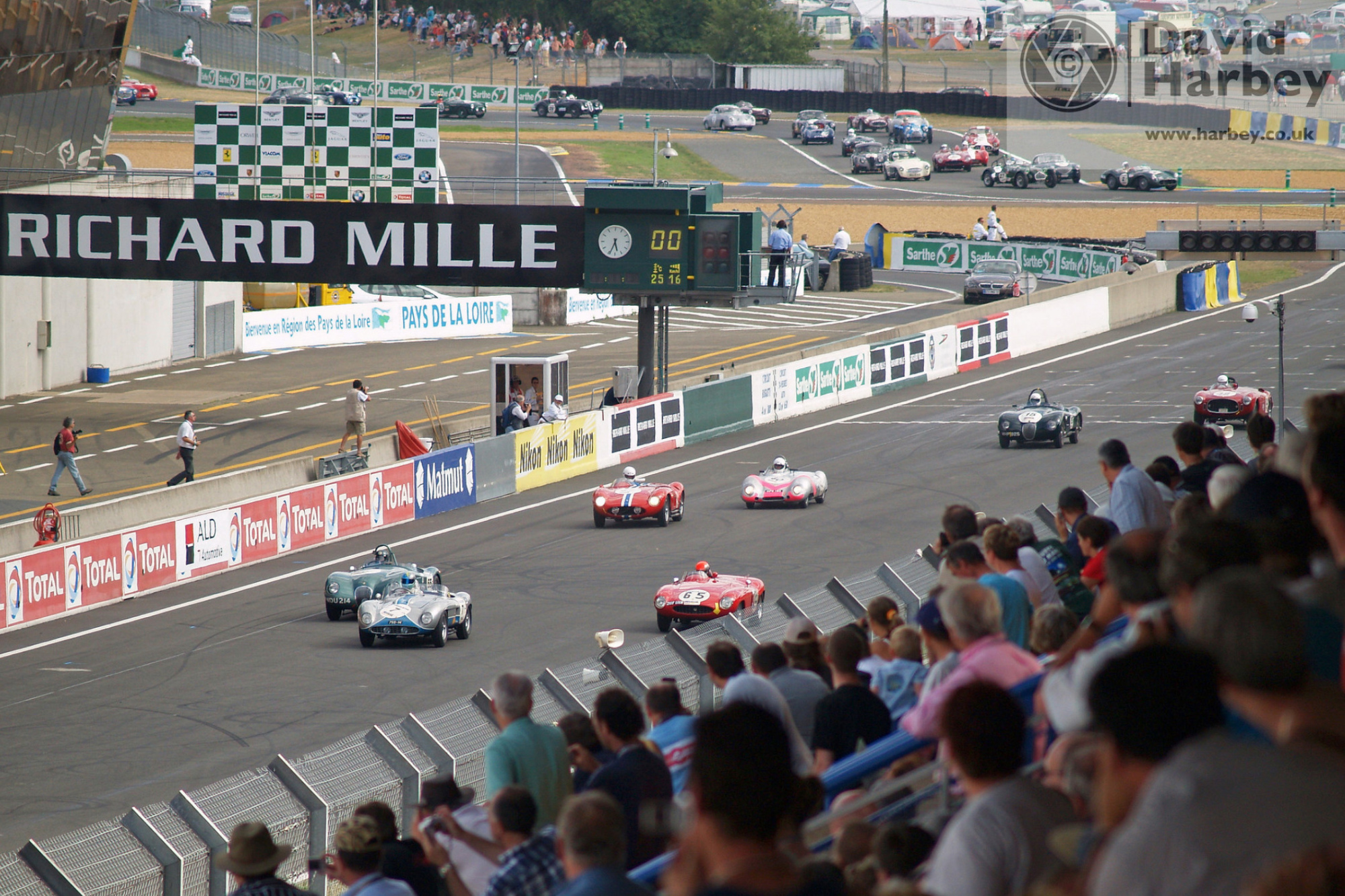
Le Mans and the now annual Le Mans Classic provided the perfect bookends to a memorable three-week road trip across Europe. Our veterans’ report from our combined 46th visit to the 24 Hours of Le Mans is available here – Photographing the 2026 Le Mans 24 Hours – the view of the veterans.
With the LM24 Hours over we returned to Calais, Andrew, my son quickly found himself replaced in the co-driver’s seat by Mrs H. The original plan was simple enough: a leisurely drive around Europe taking in Museums, Mountains and Motorsport. The final motorsport event being the Le Mans Classic, our first visit to the event in 20 years, report to follow. Naturally, the itinerary evolved as the journey unfolded.
As always, any road trip is planned with at least one eye on the automotive world, but this adventure also introduced us to some unexpected highlights.
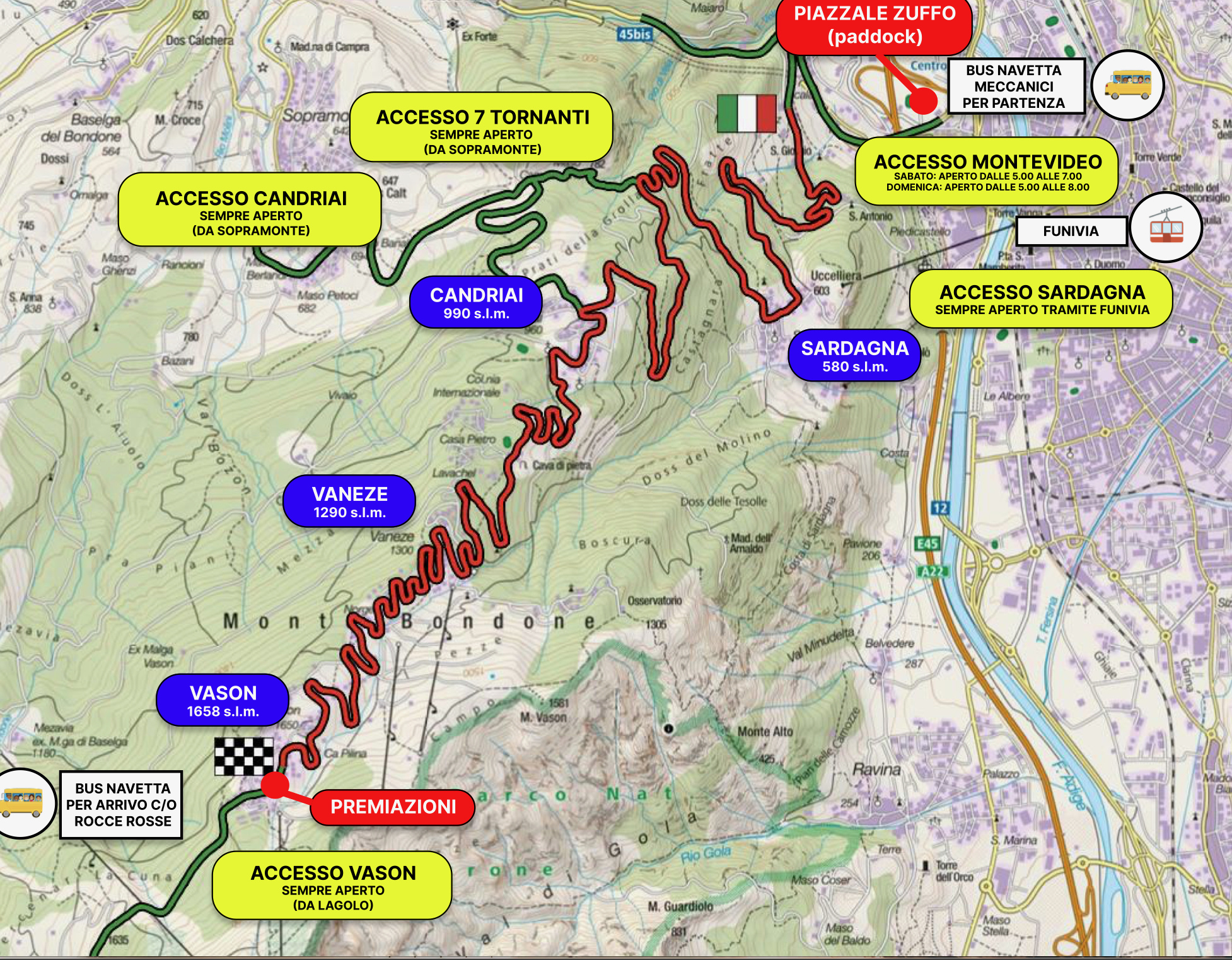
One of those was Monte Bondone, home to one of the most famous climbs in the Giro d’Italia and one of Europe’s great hill climb venues. Stretching for almost 17 kilometres, the Trento–Bondone course twists its way up the mountainside through countless hairpins while offering spectacular views over Trento and the surrounding valley.
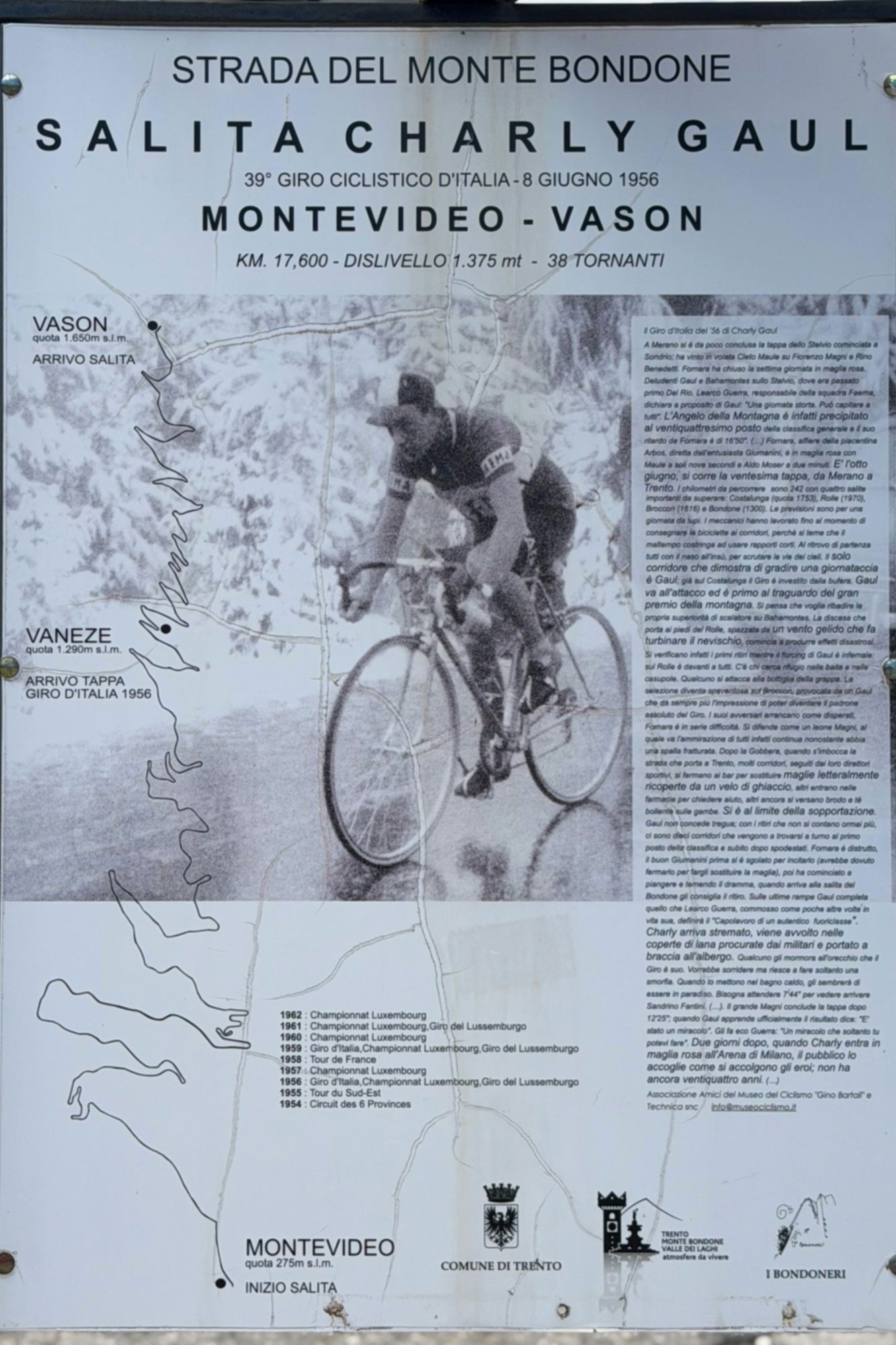
We enjoyed a relaxed drive up the climb, stopping frequently to admire the scenery. Watching competitors attack this route at speed must be an incredible experience, but the cyclists who conquer it during the Giro arguably deserve even greater admiration. Monte Bondone has certainly earned a place on our motorsport photography bucket list.
Discovering Italy’s Automotive Heritage
Our destination that evening was Mestre, the mainland gateway to Venice.
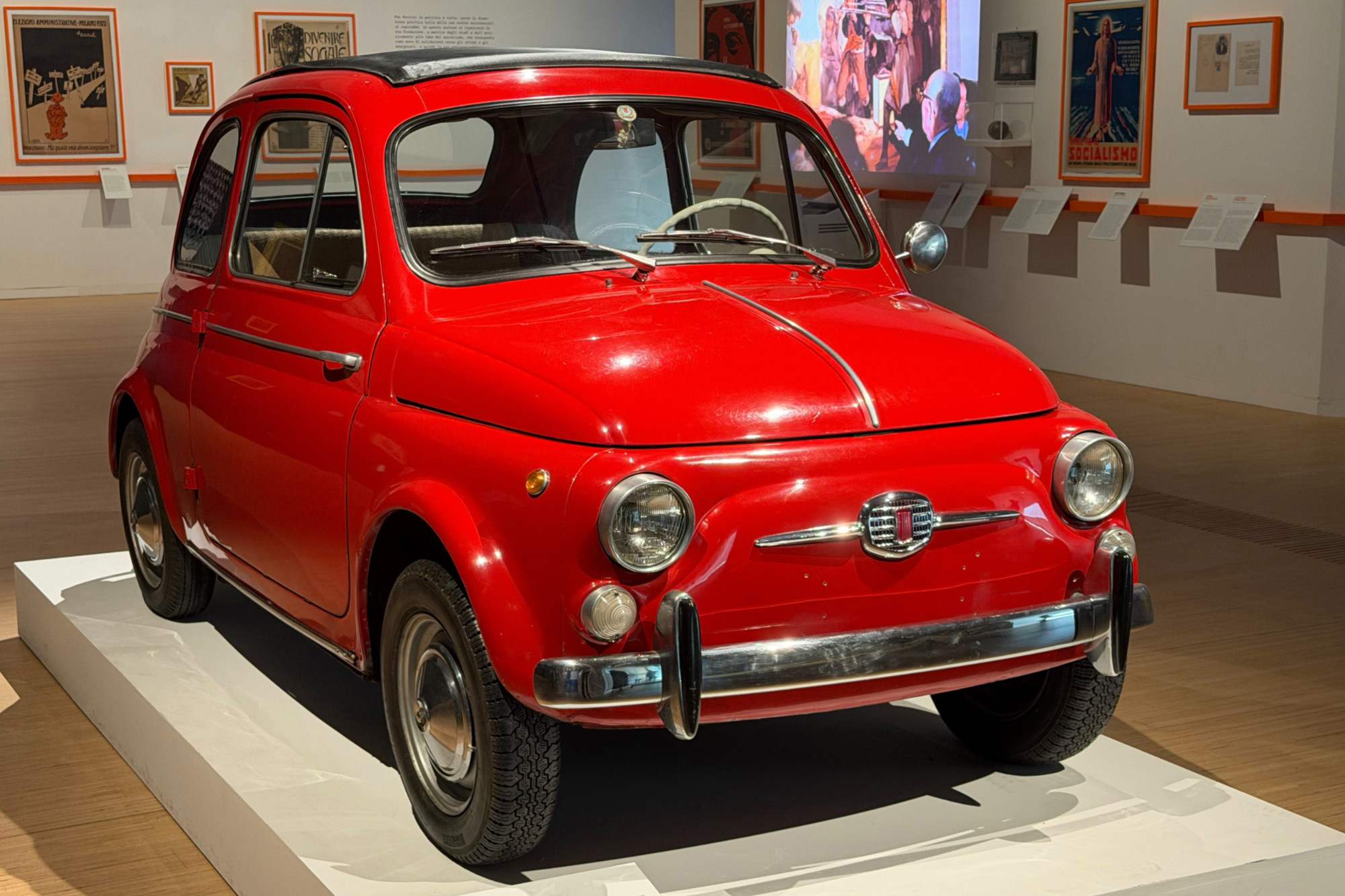
Here we visited the striking M9 Museum, which explores Italy’s social, political and economic development throughout the twentieth century. A temporary exhibition showcased artwork from former Italian President Sandro Pertini’s personal collection and, fittingly, included a classic Fiat 500 that provided a nice link to the following day’s plans.
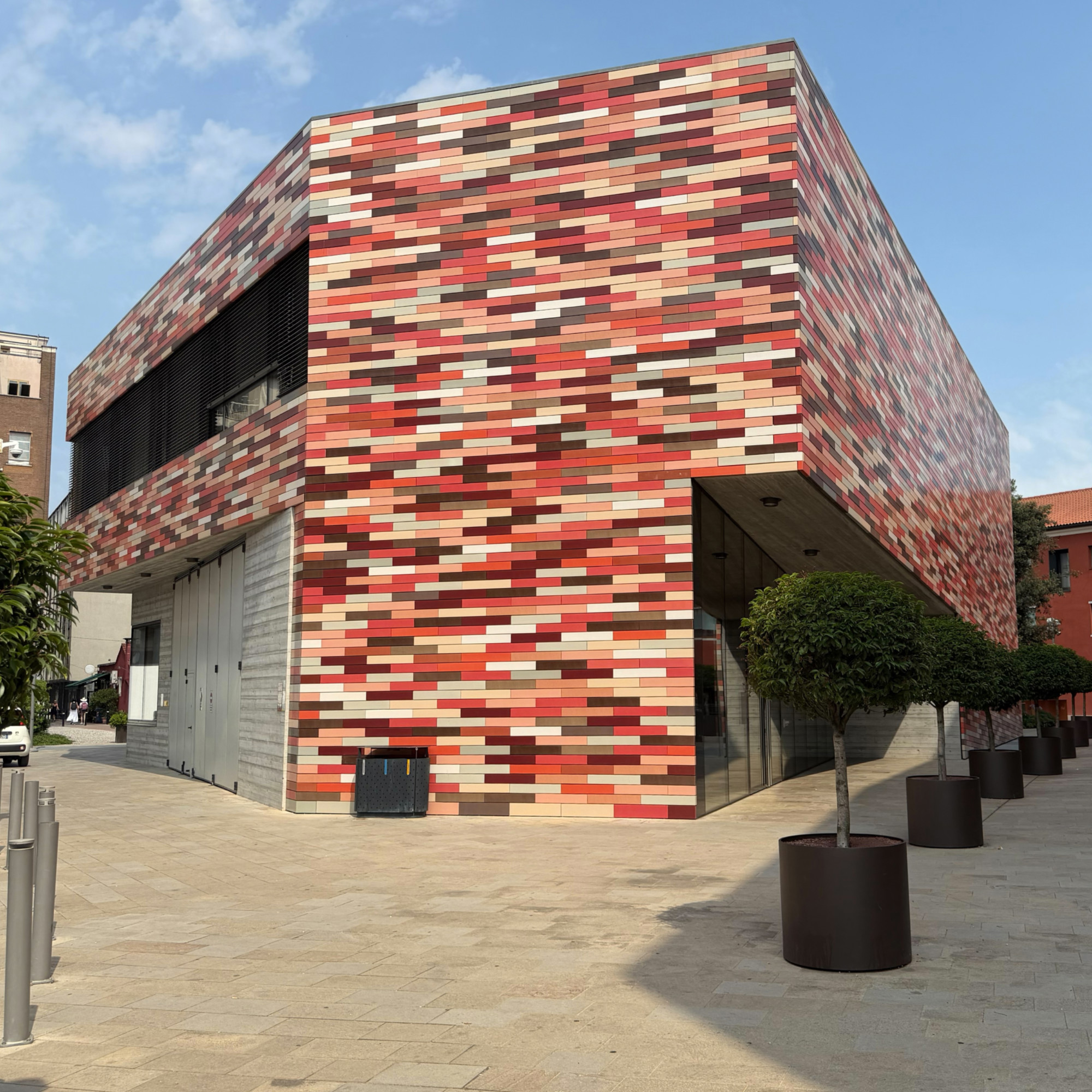
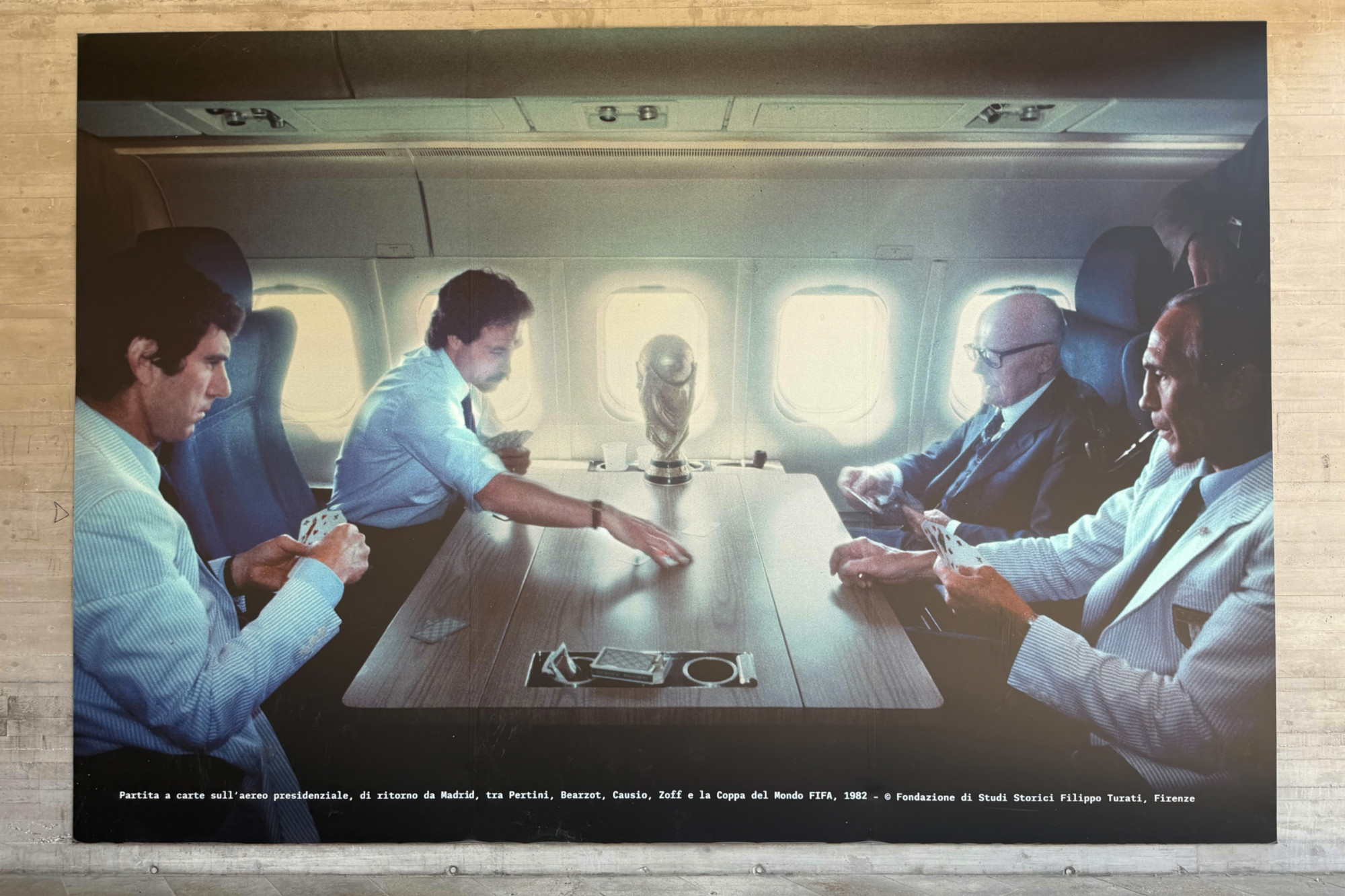
Outside the museum stood a wonderful image that captured one of Italian football’s most famous moments. It showed Dino Zoff, Franco Causio, Enzo Bearzot and Sandro Pertini playing cards aboard the flight home after Italy’s 1982 World Cup victory—with the trophy proudly sitting on the table.
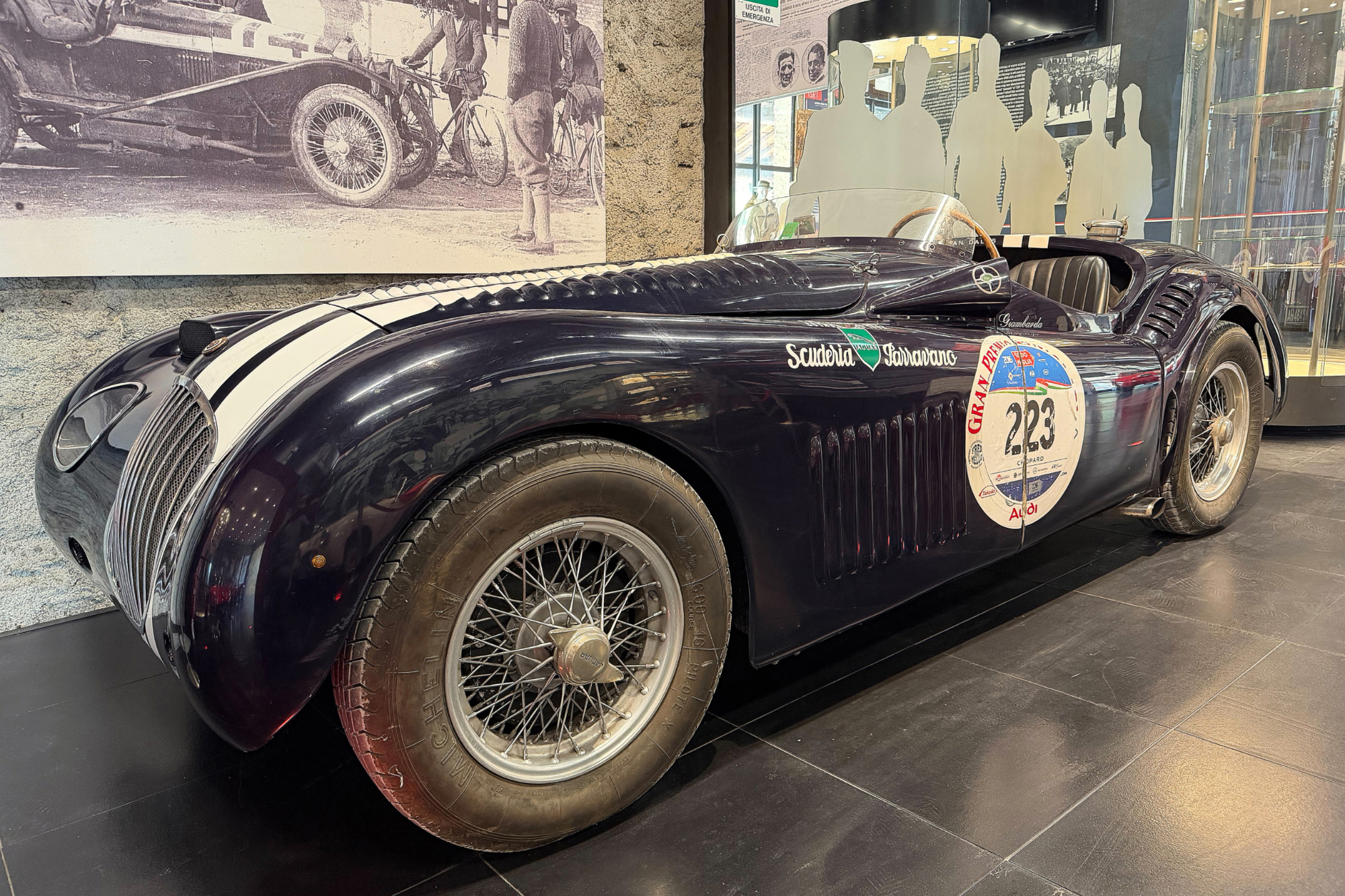
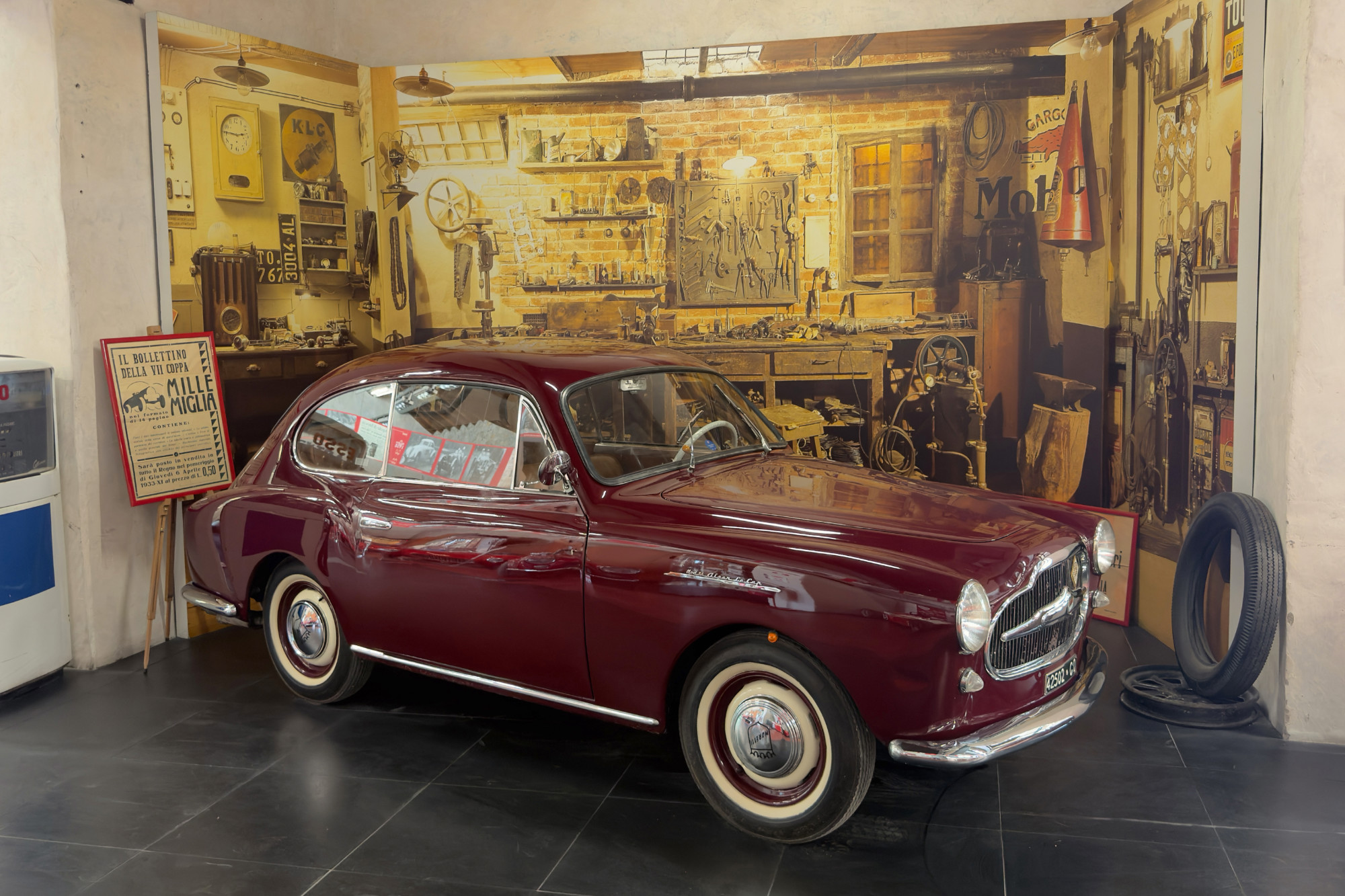
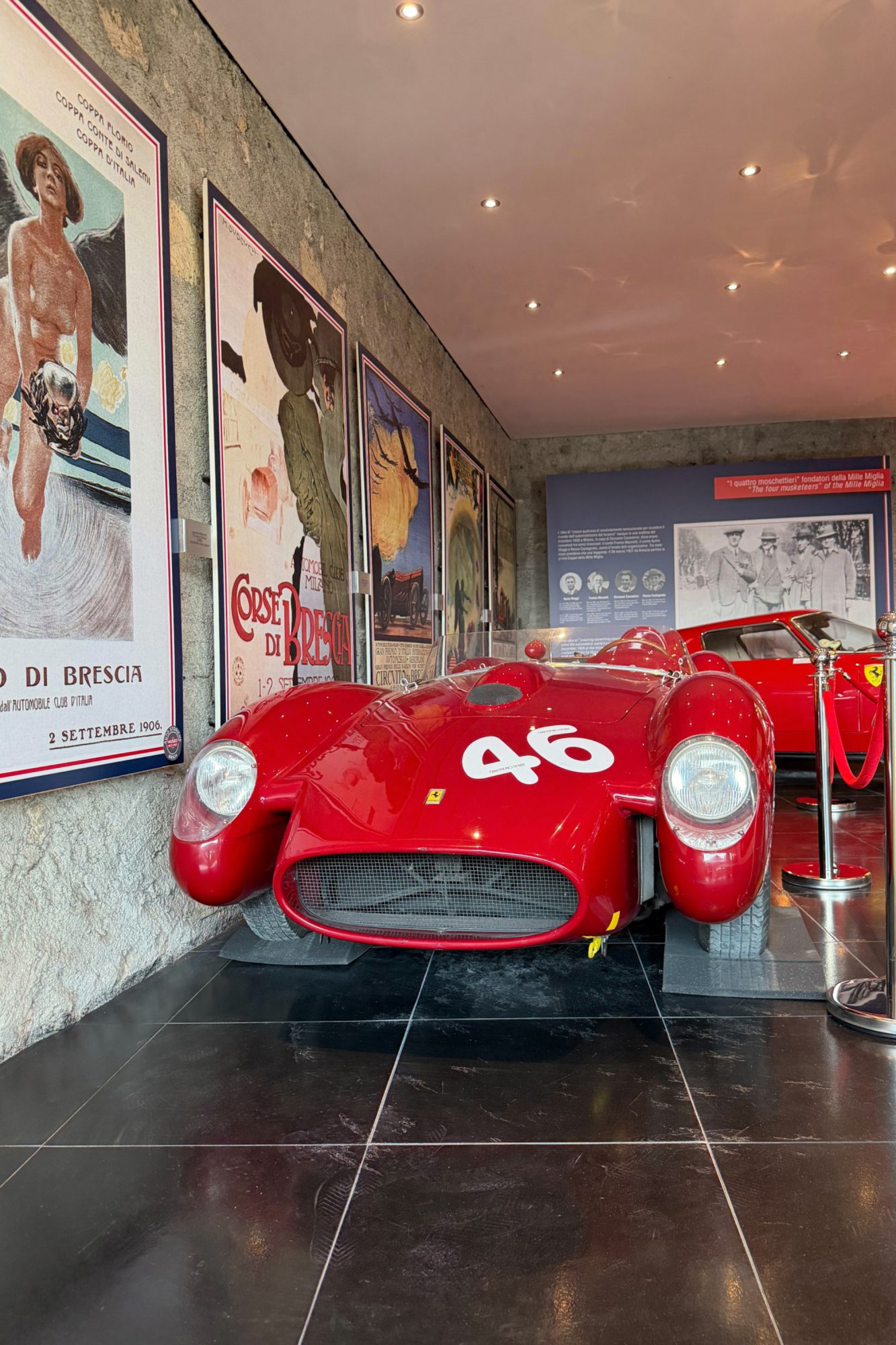
Our next destination was Turin, but first we stopped in Brescia to revisit the Mille Miglia Museum. Housed inside a beautifully restored former monastery, the museum also serves as the home of the Mille Miglia archives. We first visited shortly after it opened around twenty years ago. Back then, the displays balanced the story of the race alongside the wider history of Italy and the world between 1927 and 1957.
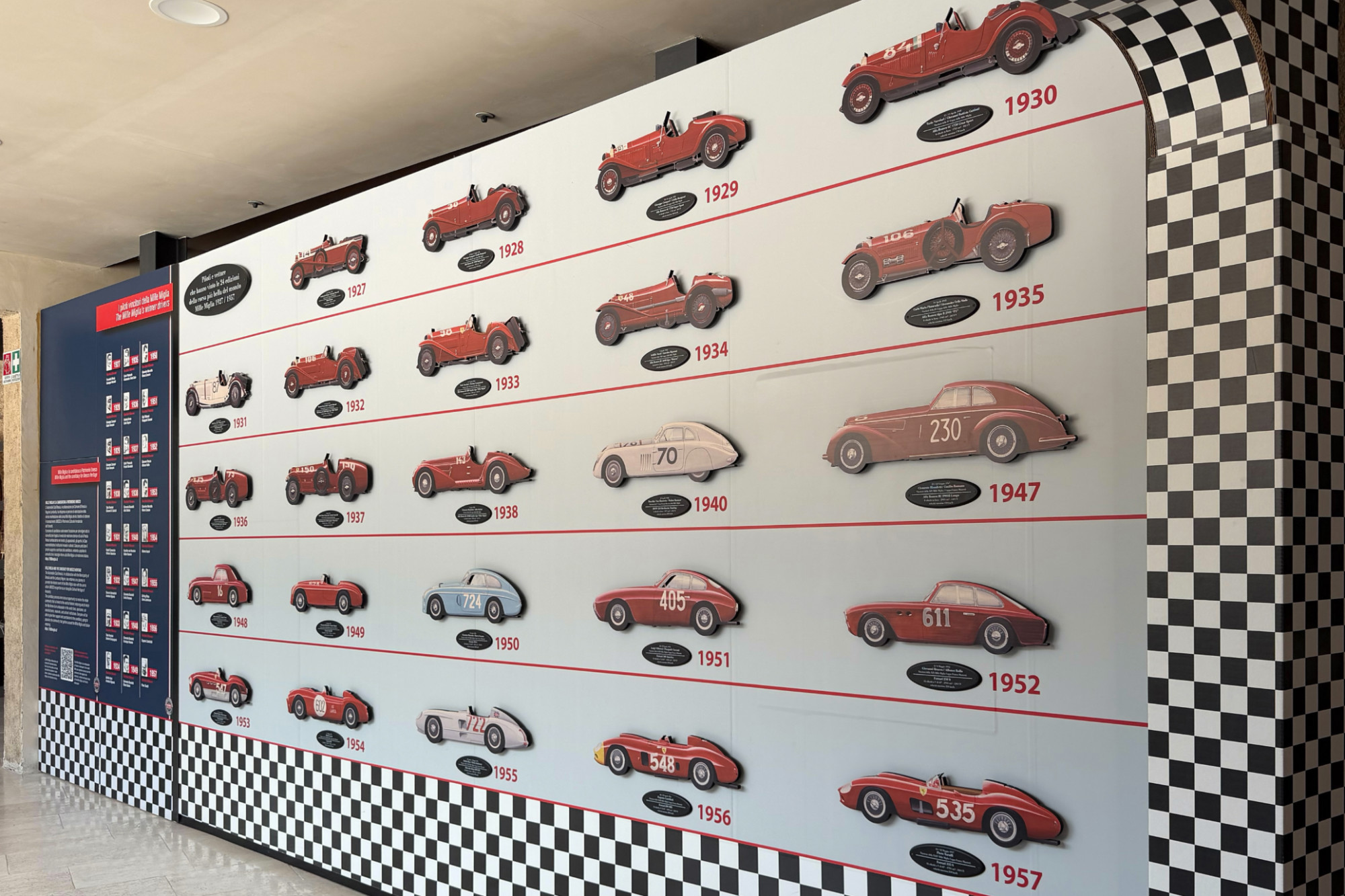
Sadly, that approach has disappeared. Modern product displays now occupy much of the exhibition space and several cars on display fall well outside the original Mille Miglia era, which ended in 1957. The enlarged gift shop impressed us, but the taverna was closed for refurbishment, leaving the visit feeling rather underwhelming compared to our earlier experience.
Turin: Fiat History and Automotive Icons
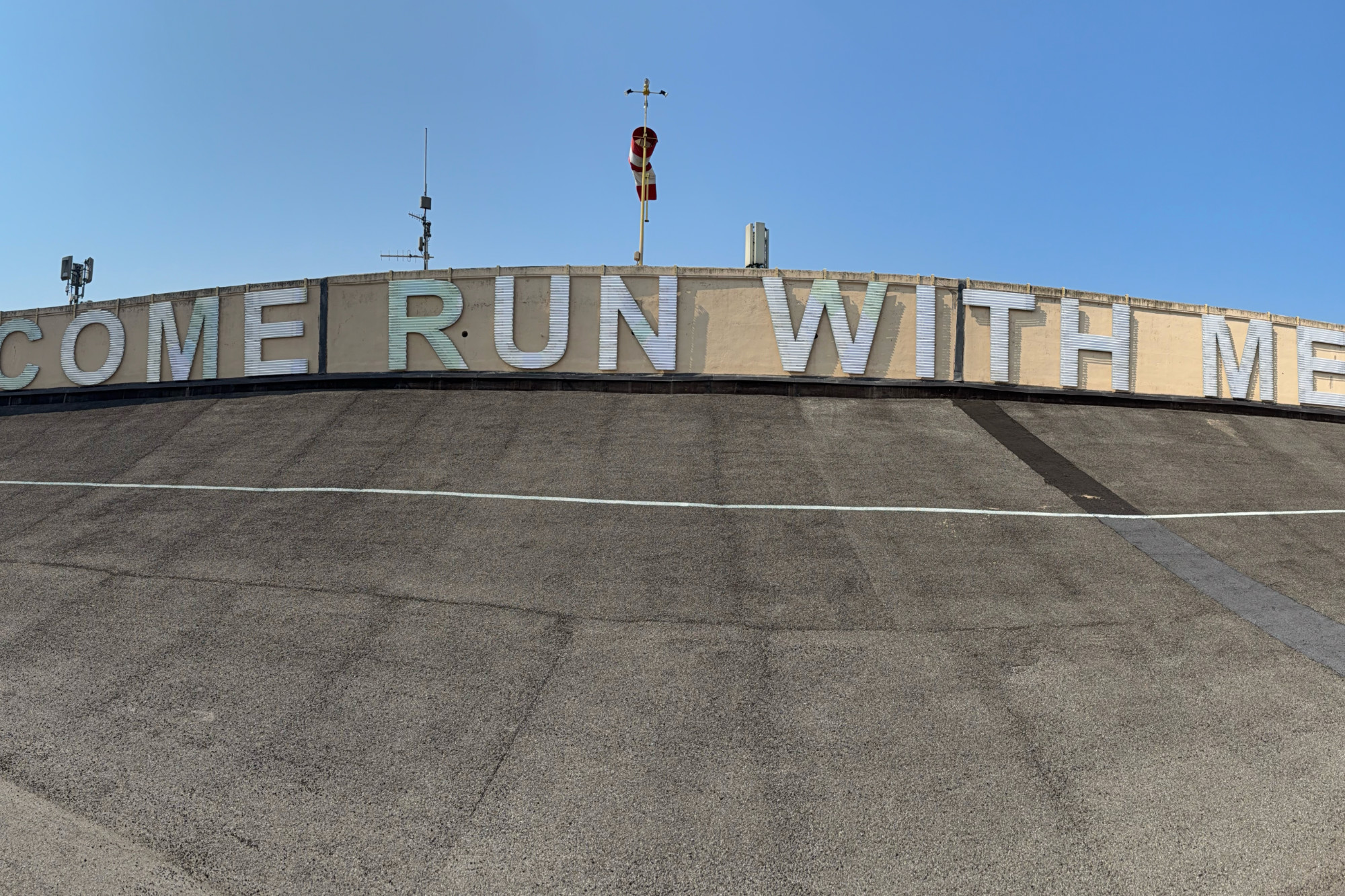
From Brescia we continued to Lingotto, where we had booked two nights in the remarkable hotel created inside Fiat’s former factory. Fans of The Italian Job will immediately recognise the building. Once the world’s largest Fiat factory, it now houses a shopping centre, hotel and cinema, while the famous rooftop test track has become the Pista 500.
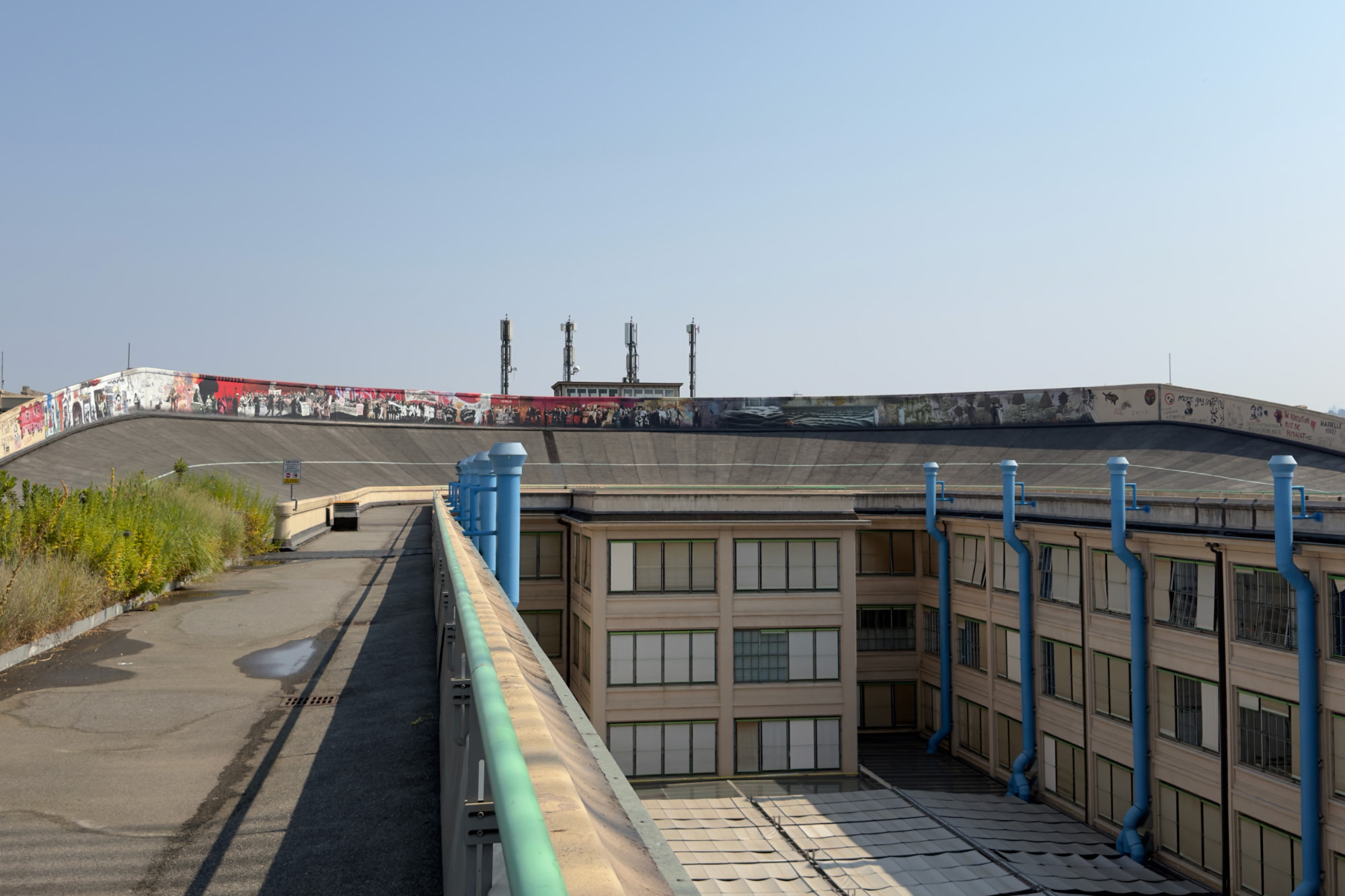
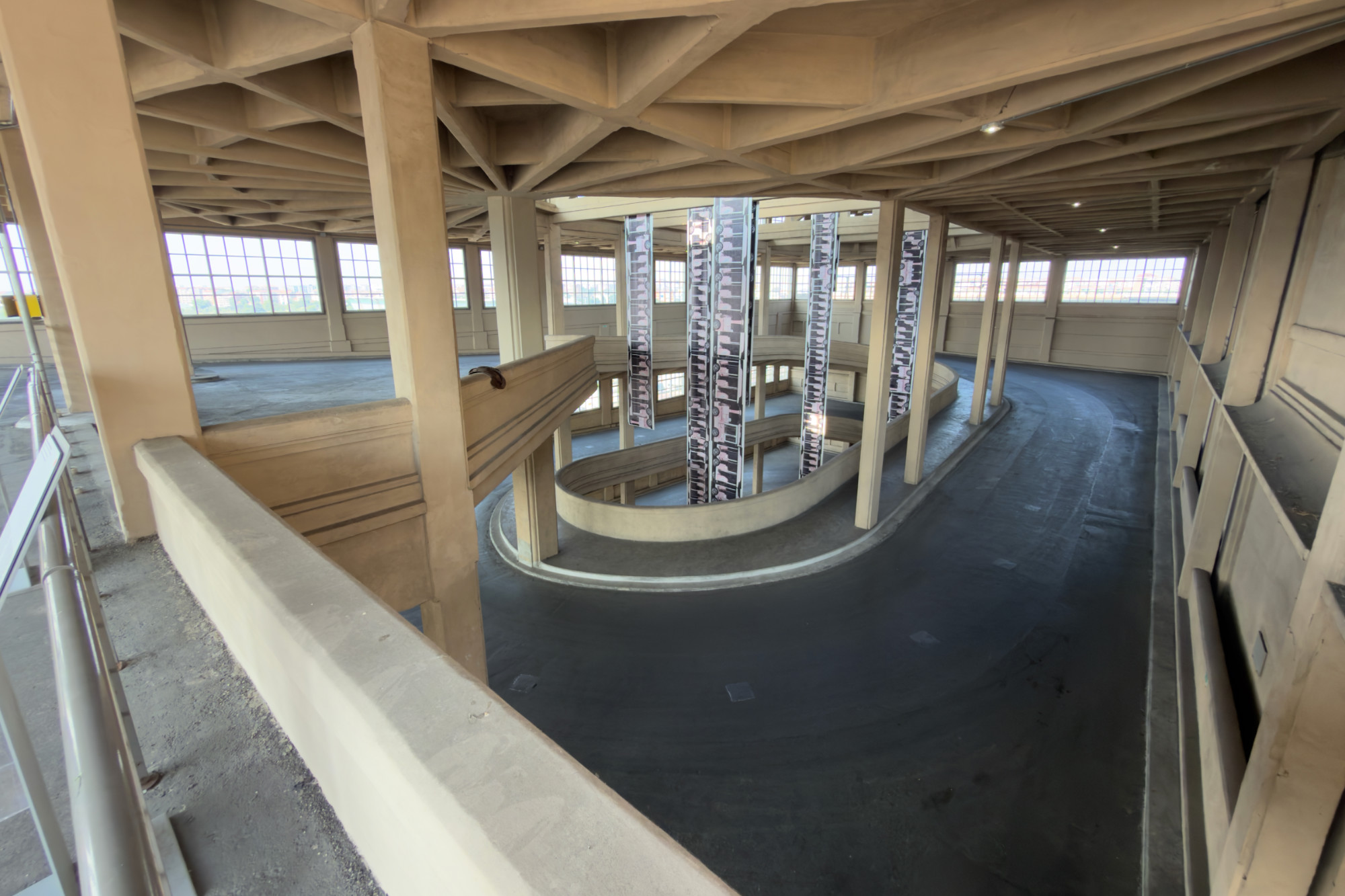
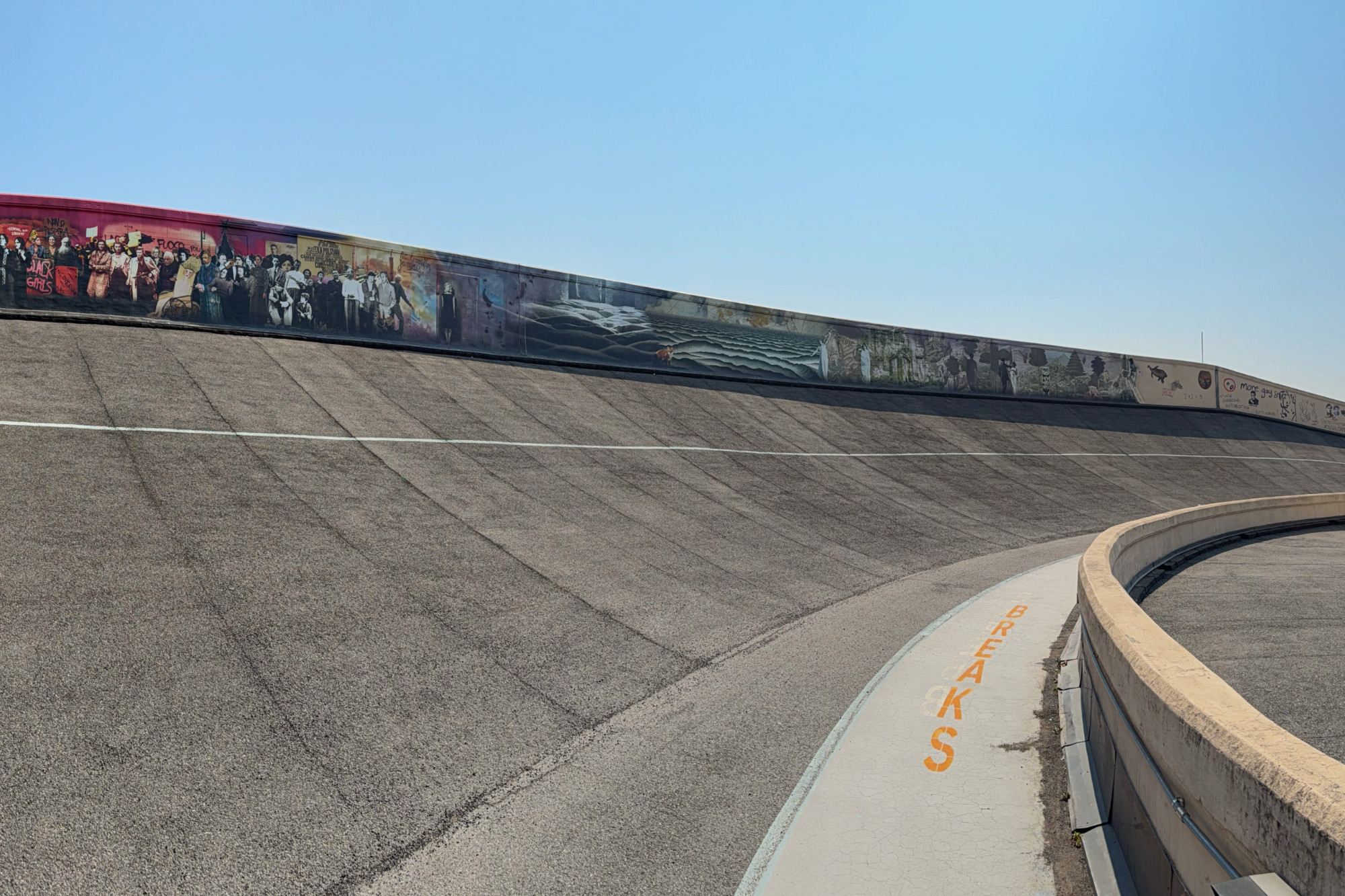
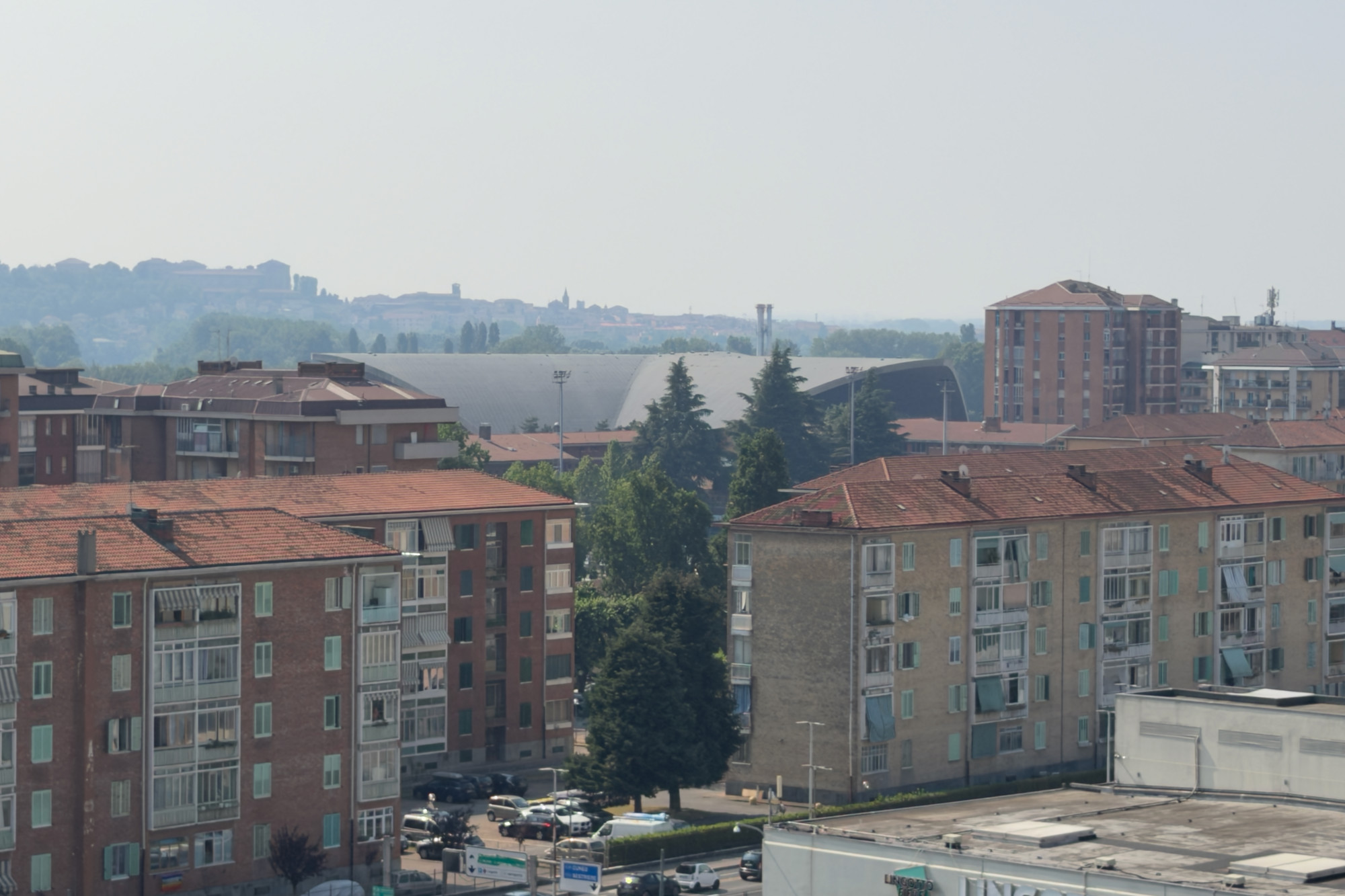
For a modest entrance fee, visitors can walk around the entire circuit made famous by the film. From the roof, you can also spot the distinctive Palavela di Torino, another memorable filming location. Unfortunately, the hot and hazy conditions during our visit hid the mountains north of Turin.
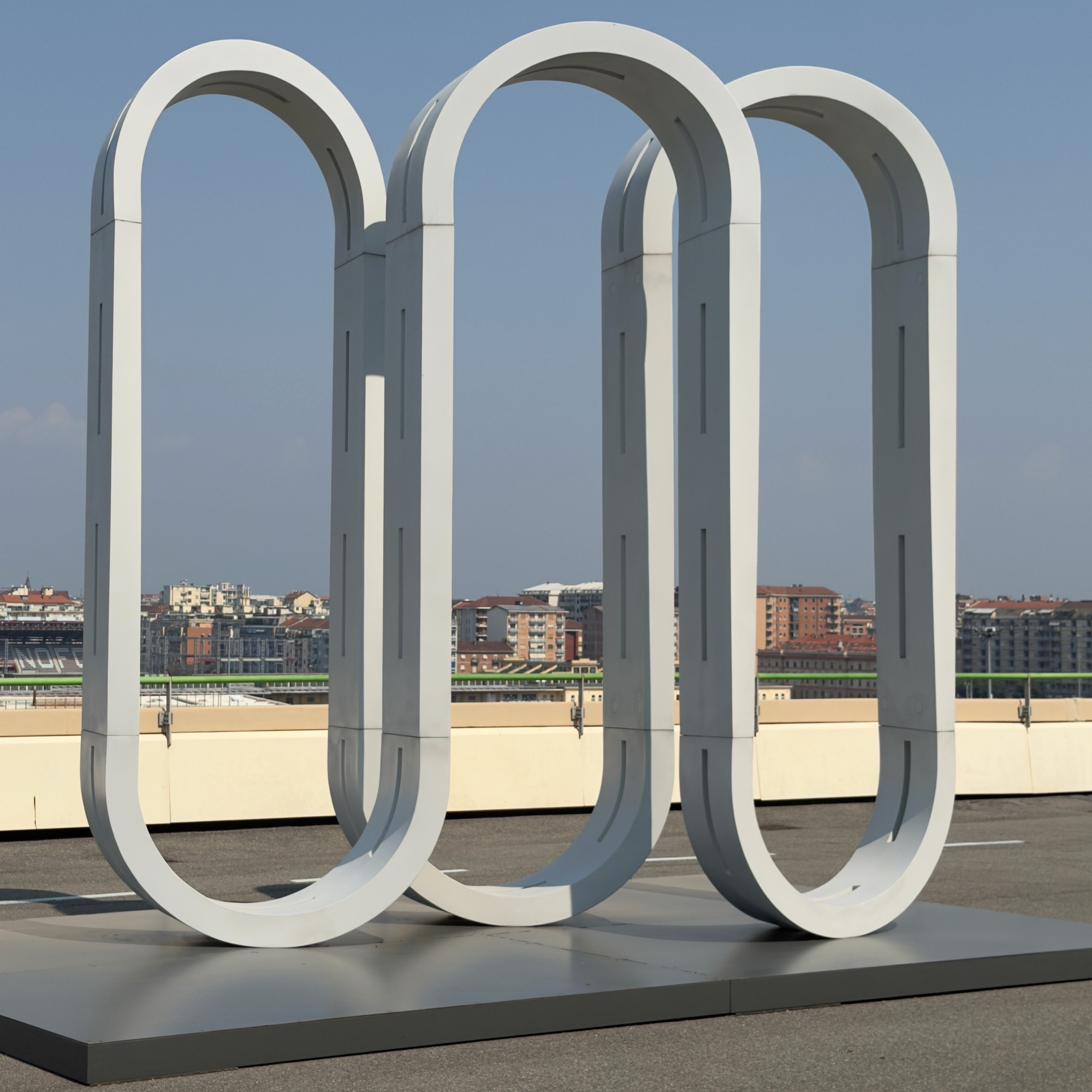
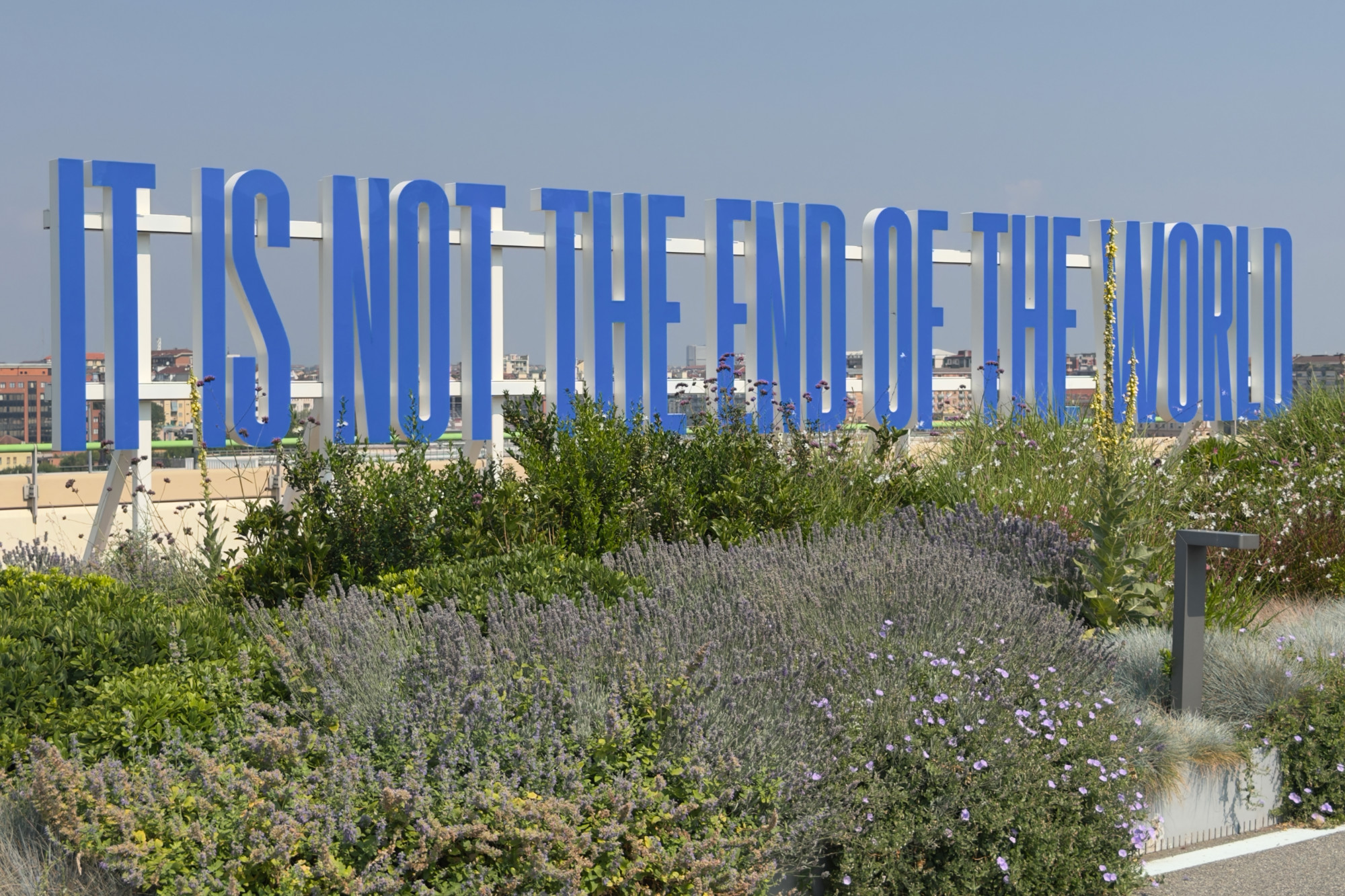
Today, the Pista 500 forms part of the Pinacoteca Agnelli and features numerous contemporary art installations scattered around the circuit. I’ll admit that my Grade D in A-Level Art didn’t equip me to interpret many of them.
The rooftop also includes Casa Fiat, showcasing the company’s history, alongside a pleasant café serving an excellent cappuccino. Nearby, the Pinacoteca houses artwork donated by Giovanni and Marella Agnelli, including works by Picasso, Modigliani and Canaletto. Giovanni’s grandfather founded Fiat in 1899, making the collection particularly appropriate.
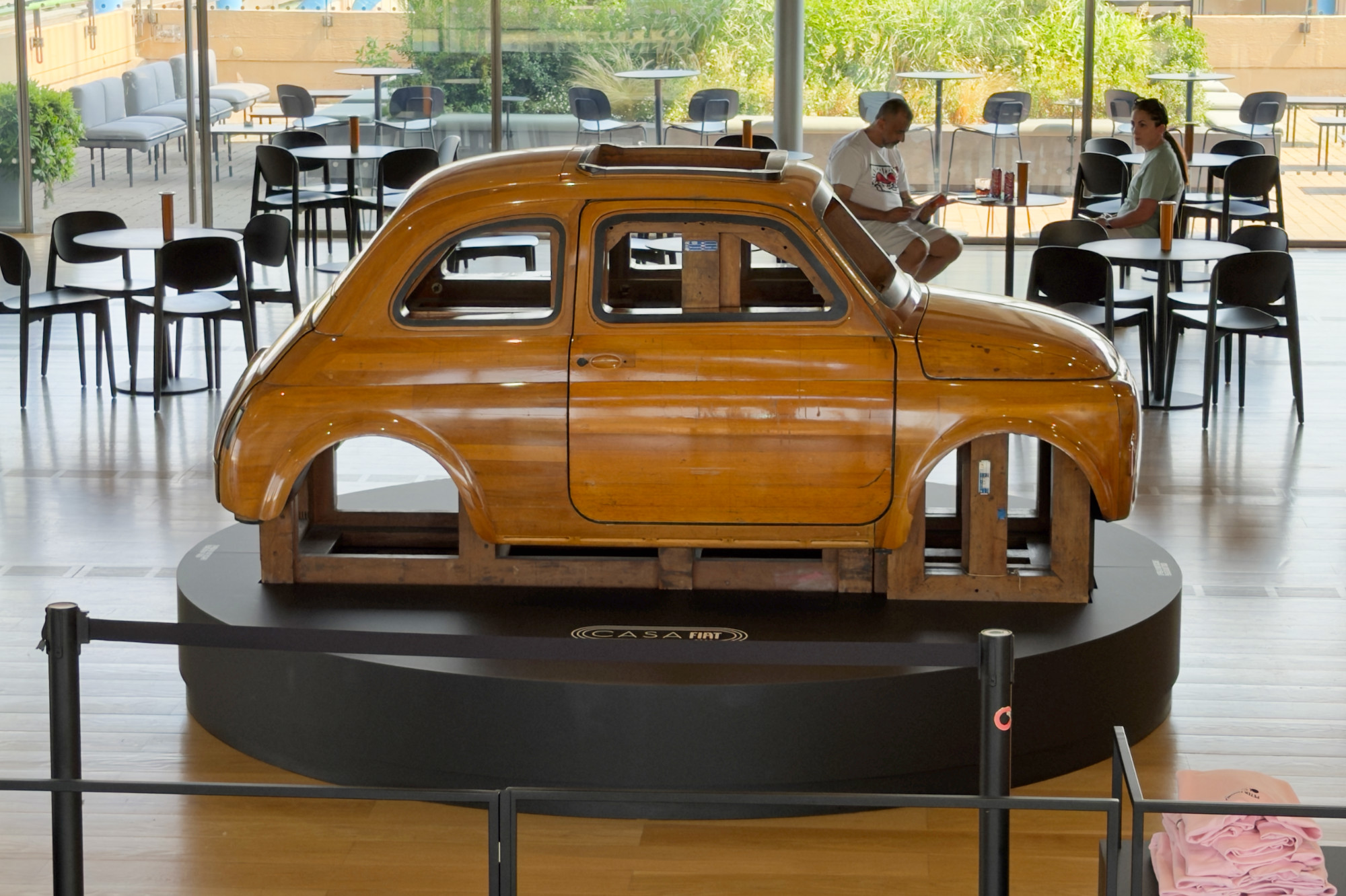
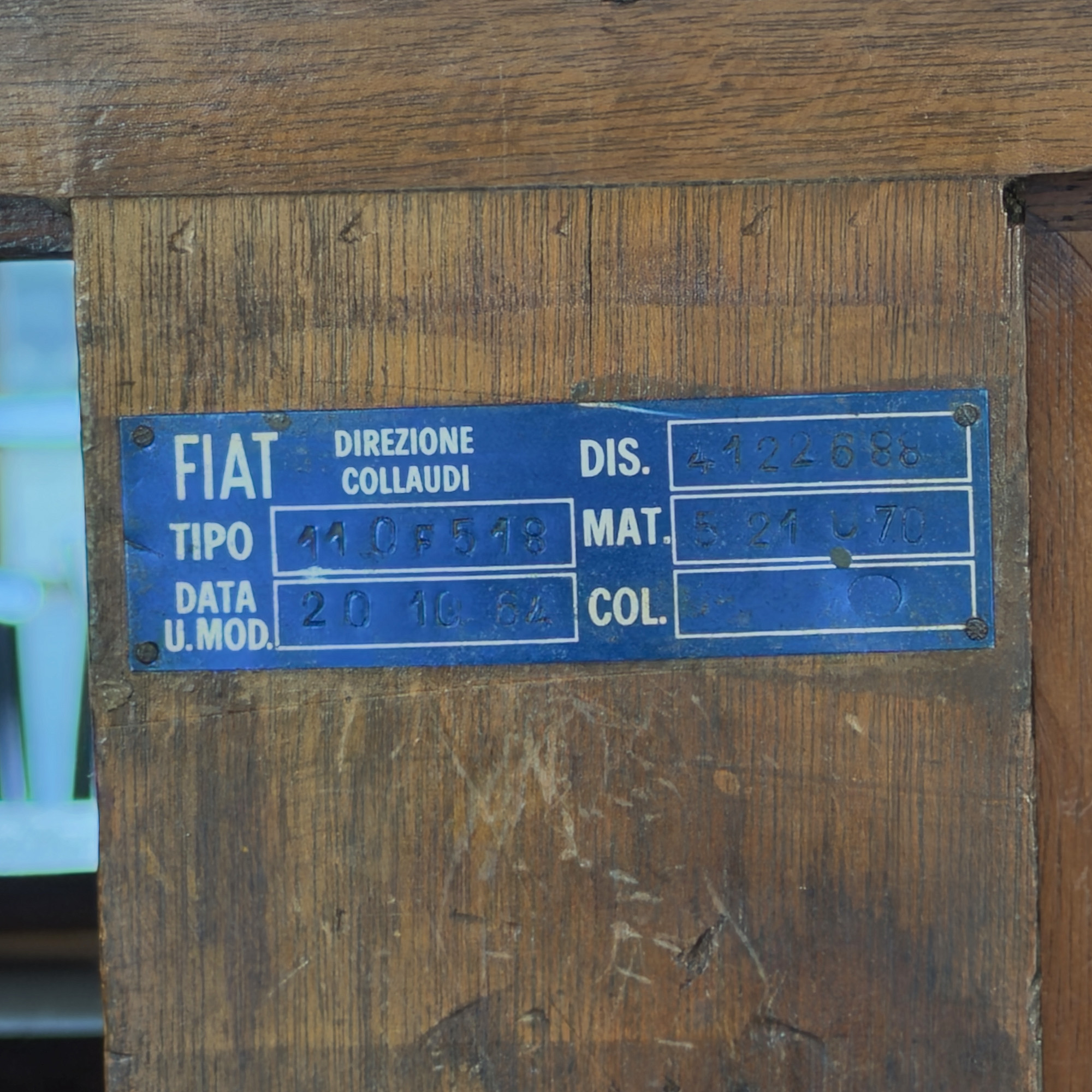
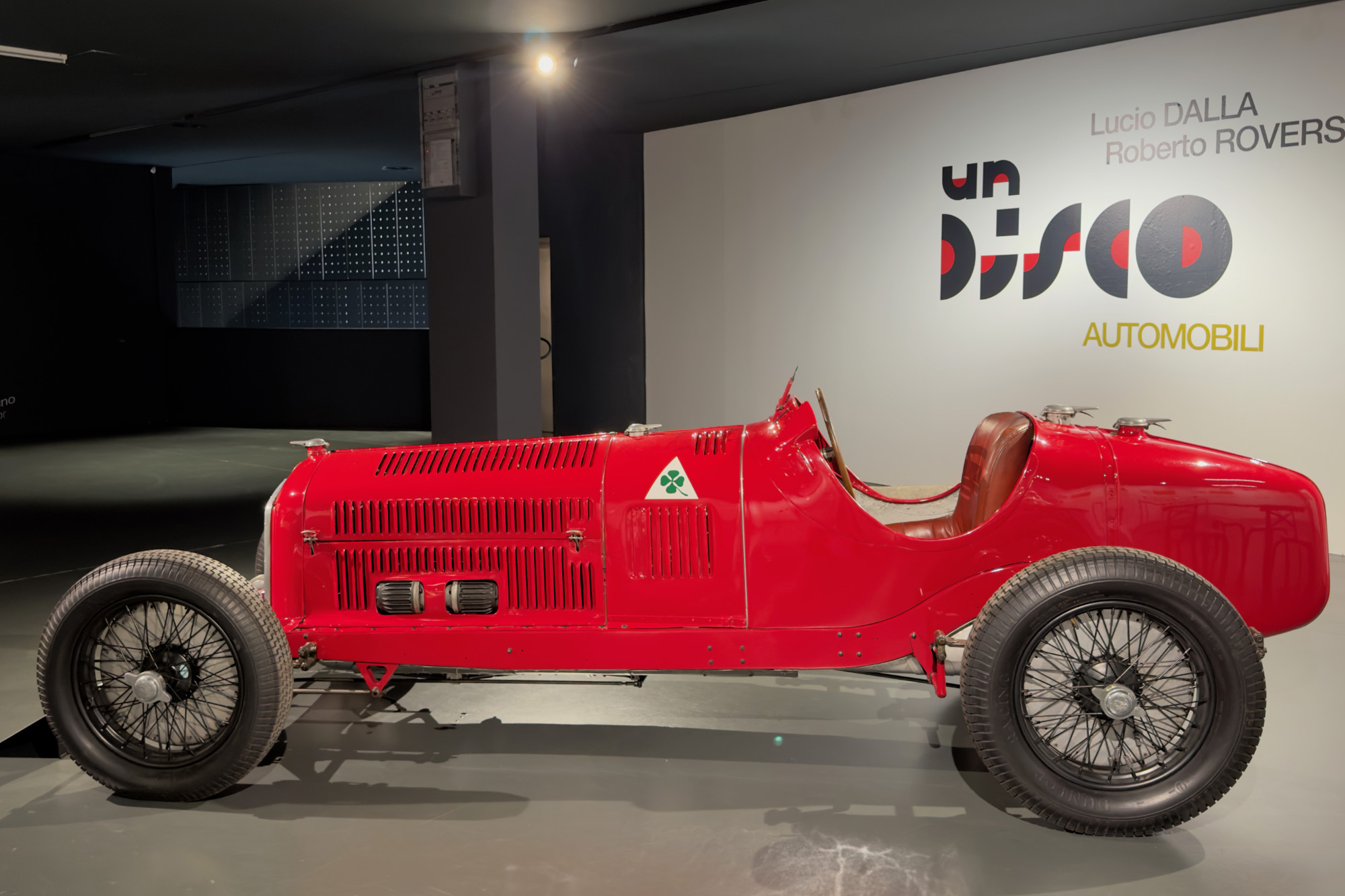
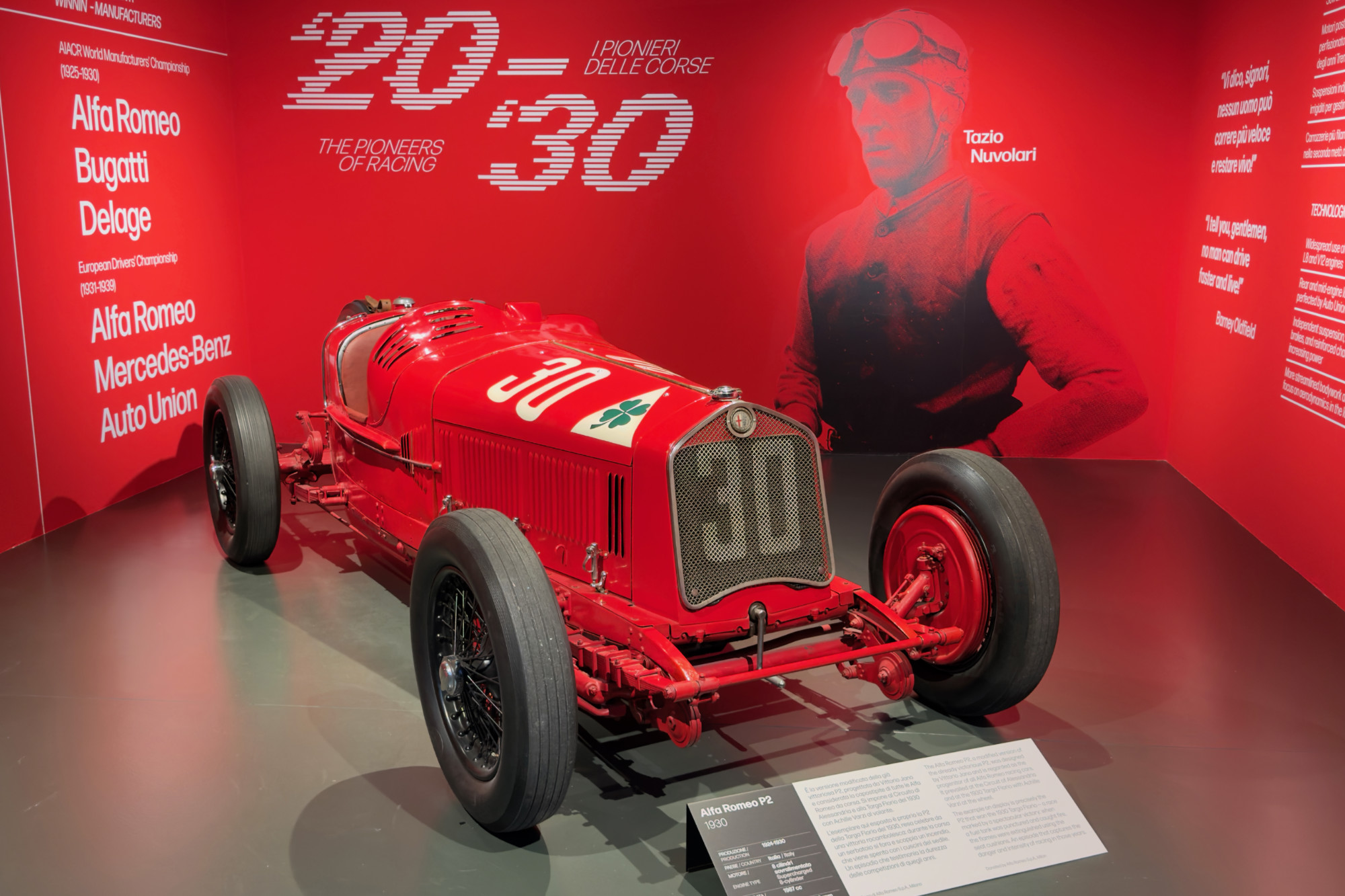
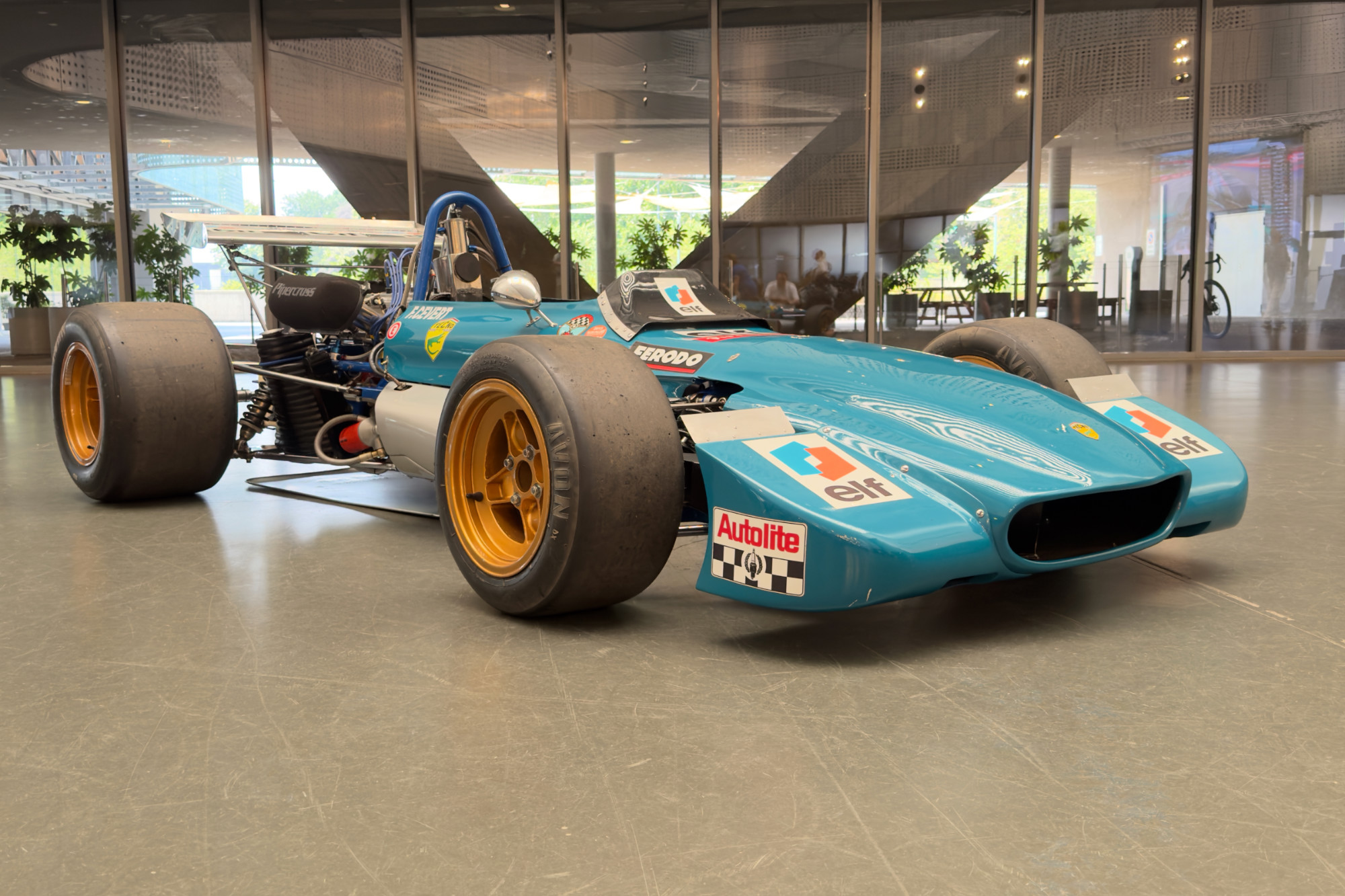
Just a short walk from Lingotto sits the outstanding Museo Nazionale dell’Automobile. This museum guides visitors through the complete history of the automobile, from the earliest pioneers to today’s cutting-edge machines. The presentation deserves particular praise. Excellent lighting and the absence of ropes, barriers and intrusive displays allow photographers to capture the exhibits with ease.
From Turin to Le Mans
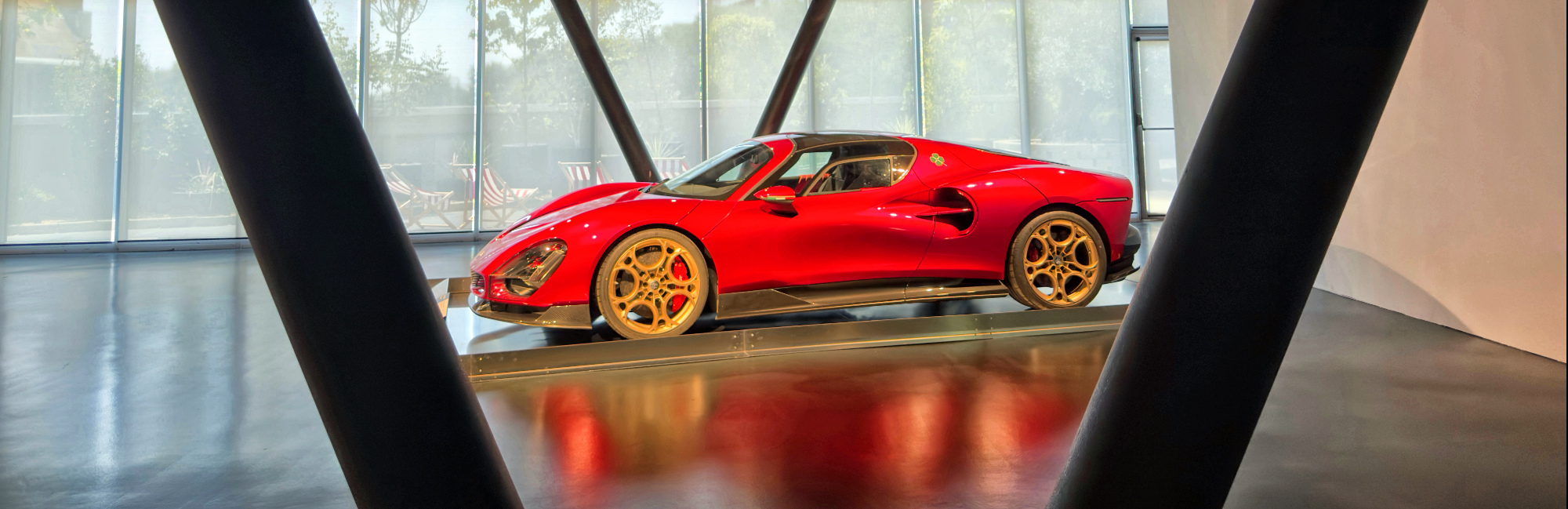
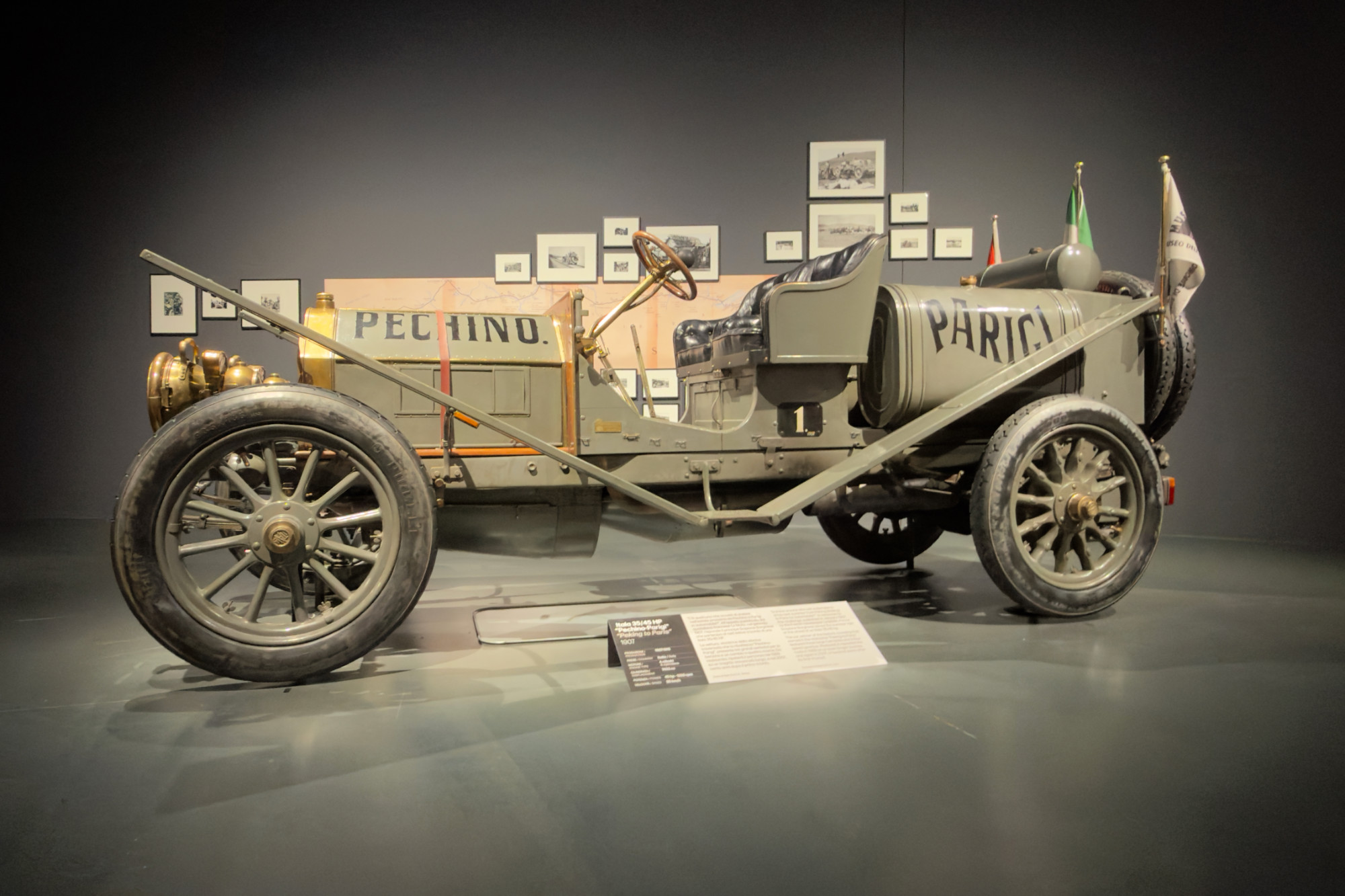
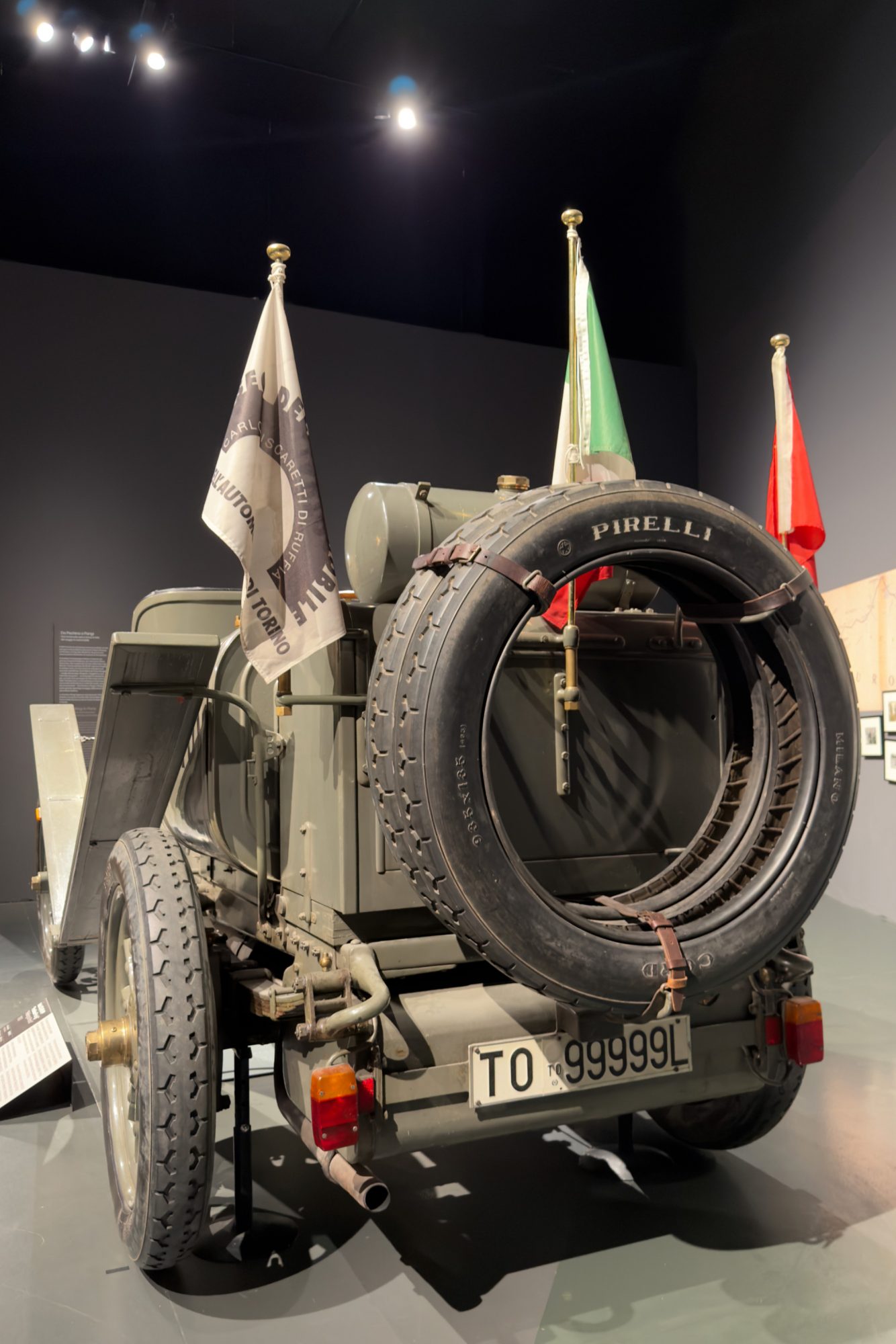
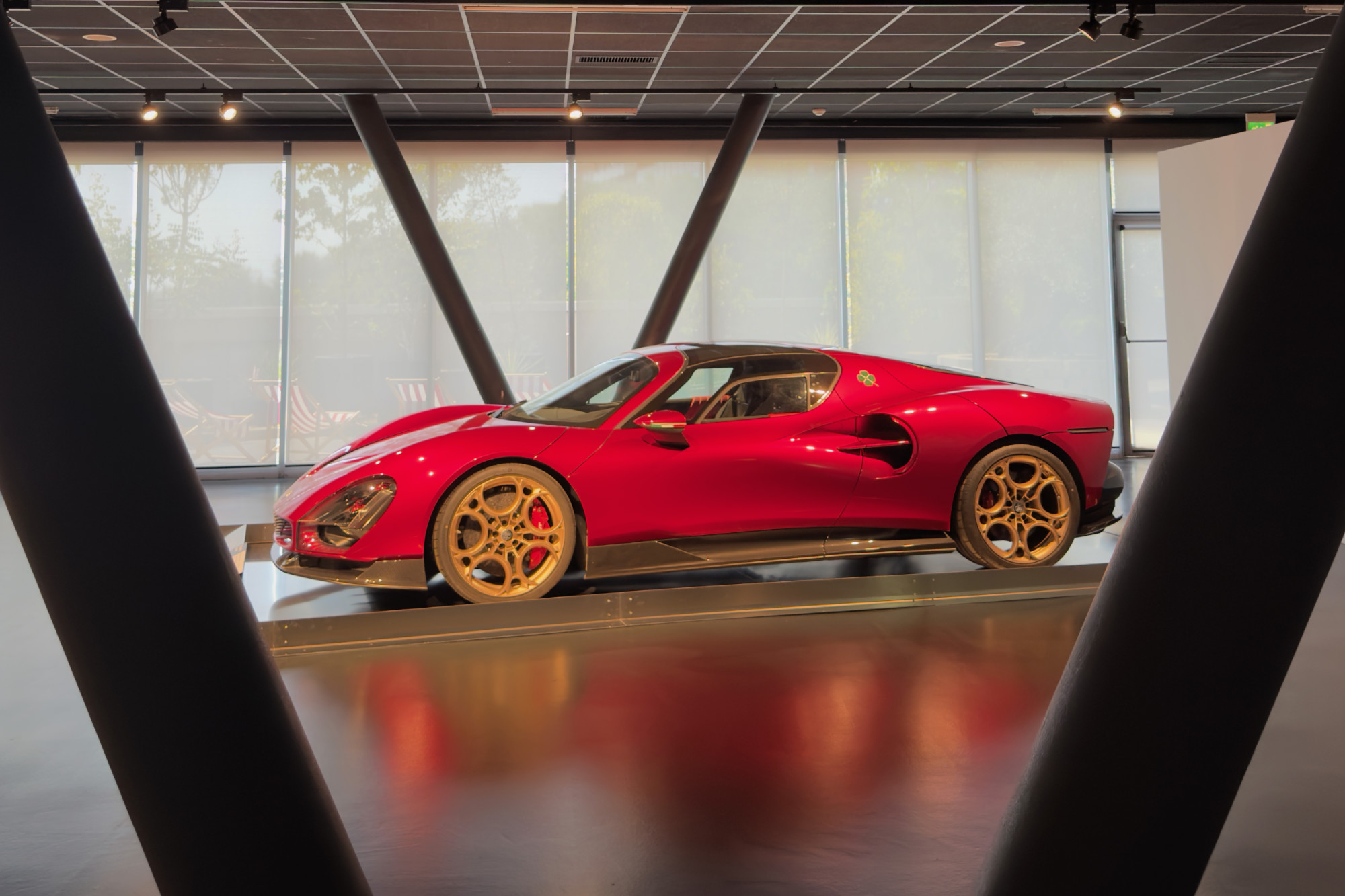
Among the highlights stood the remarkable 1907 Itala, winner of the original Peking to Paris expedition. Remarkably, it repeated the epic journey in both 1989 and 2007. Nearby sat the breathtaking Alfa Romeo 33 Stradale, one of just 33 examples produced in 2023 as a tribute to the legendary 1967 original.
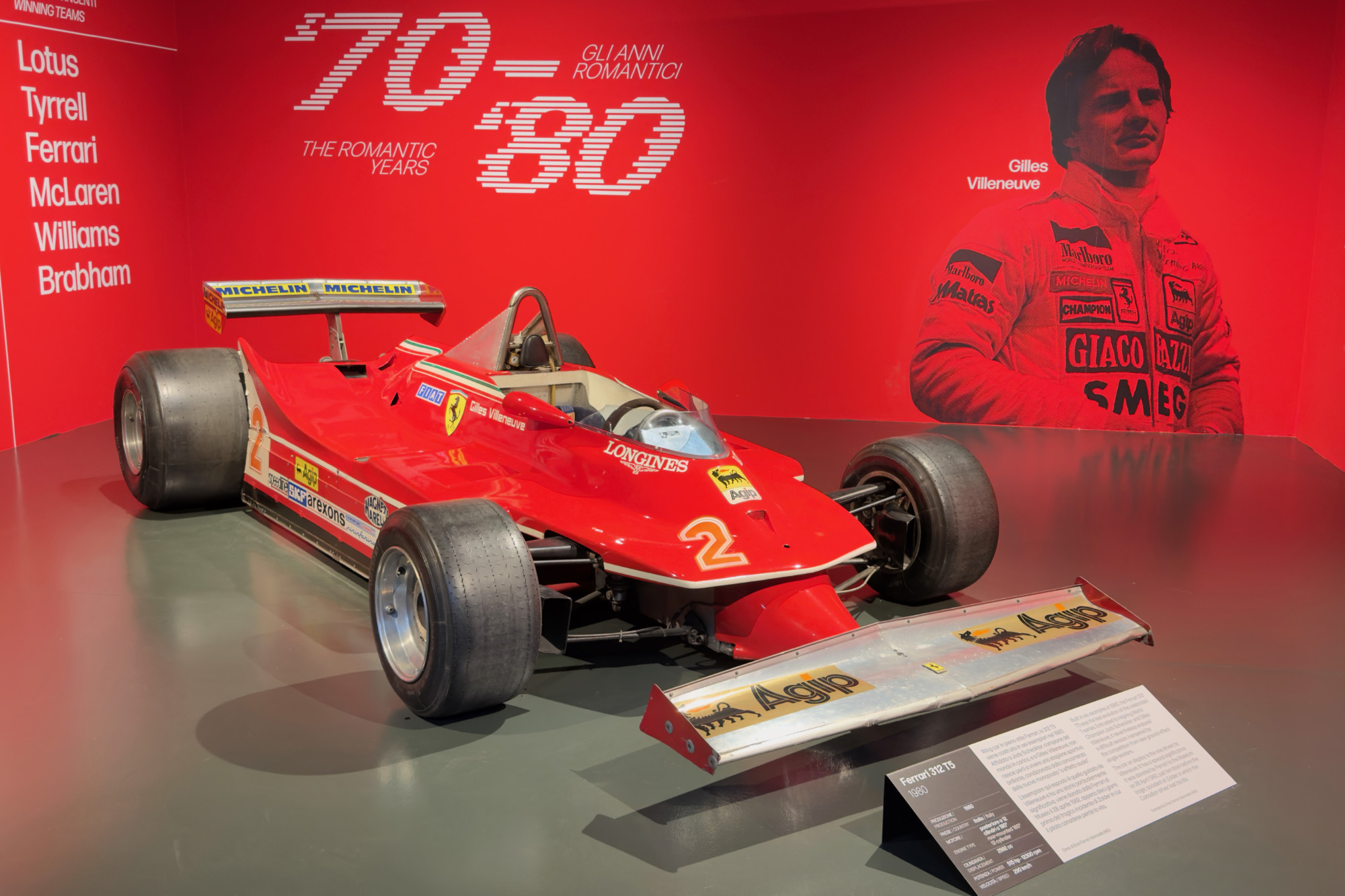
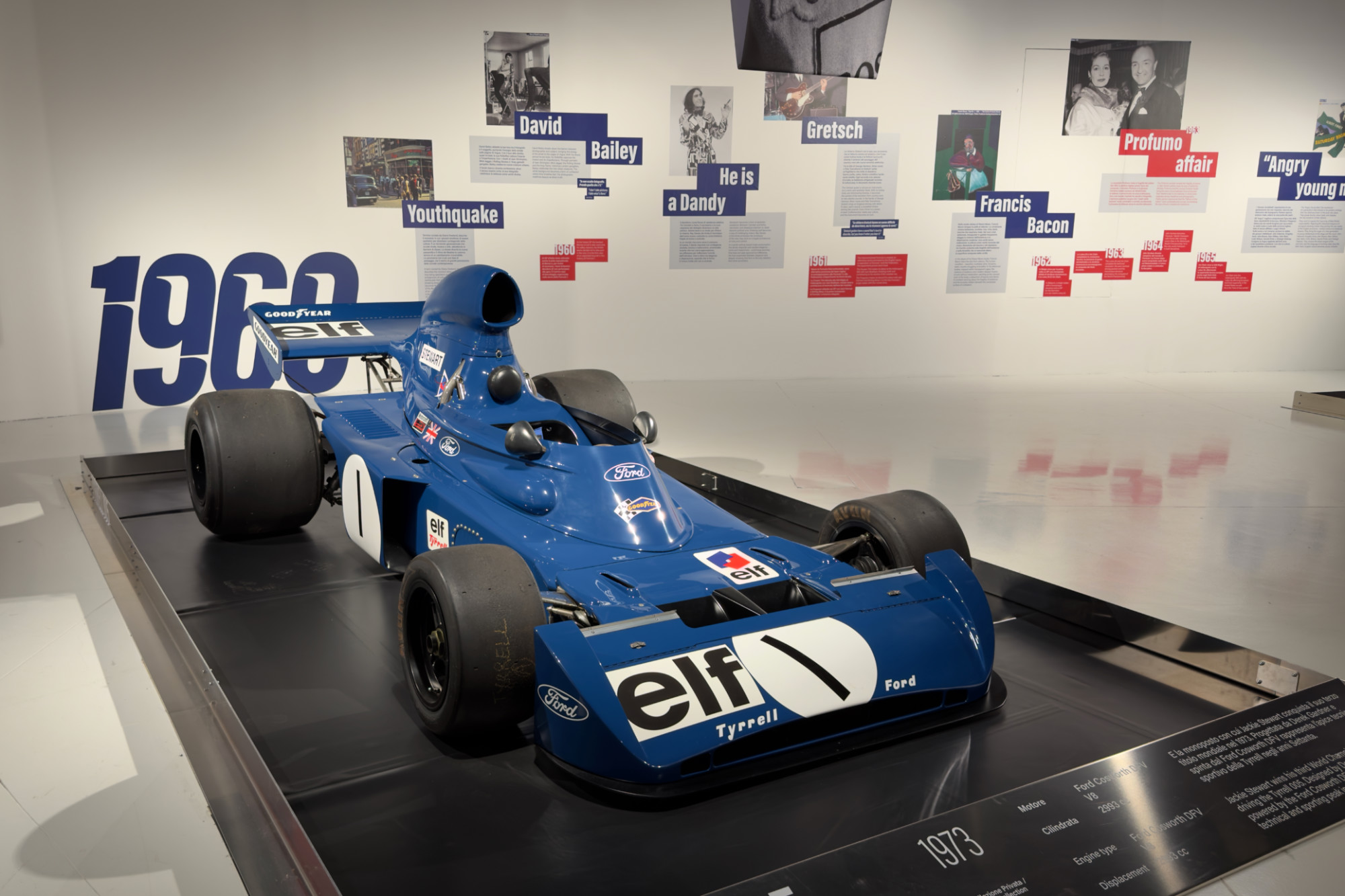
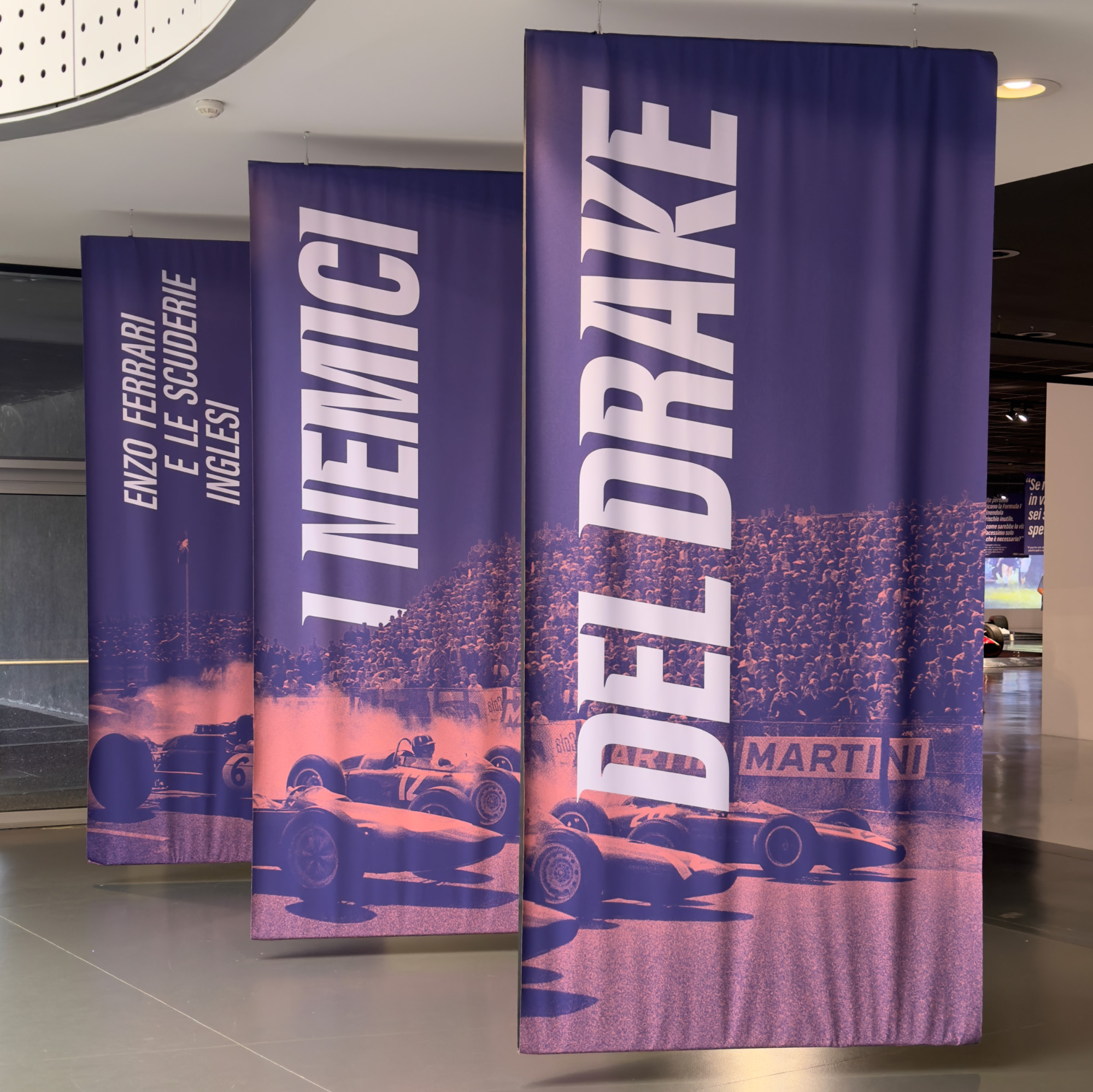
Following current museum trends, a temporary exhibition titled I Nemici del Drake (“The Enemies of the Drake”) explored Ferrari’s battles with the British Formula One teams throughout the 1960s, 1970s and 1980s.
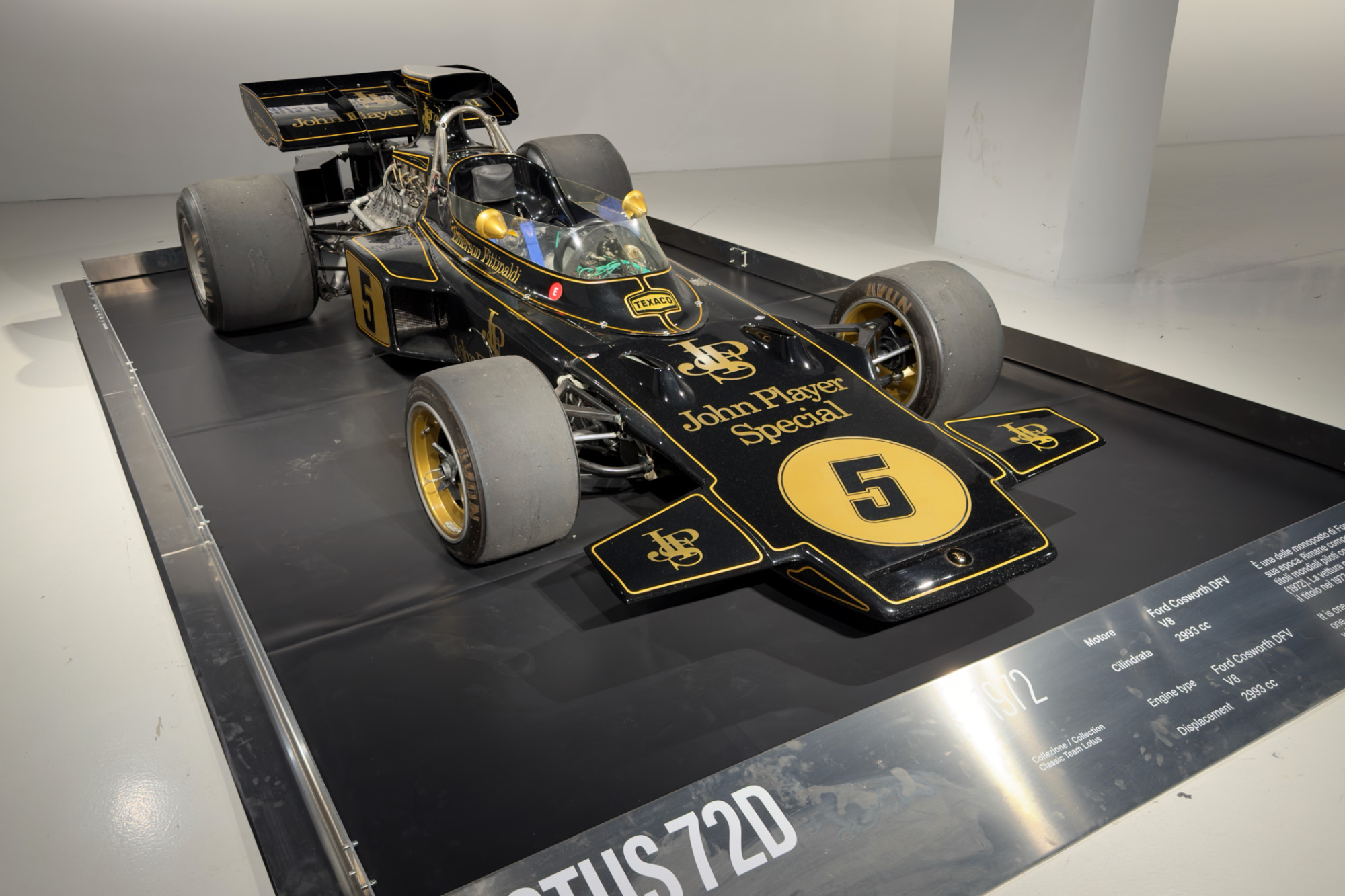
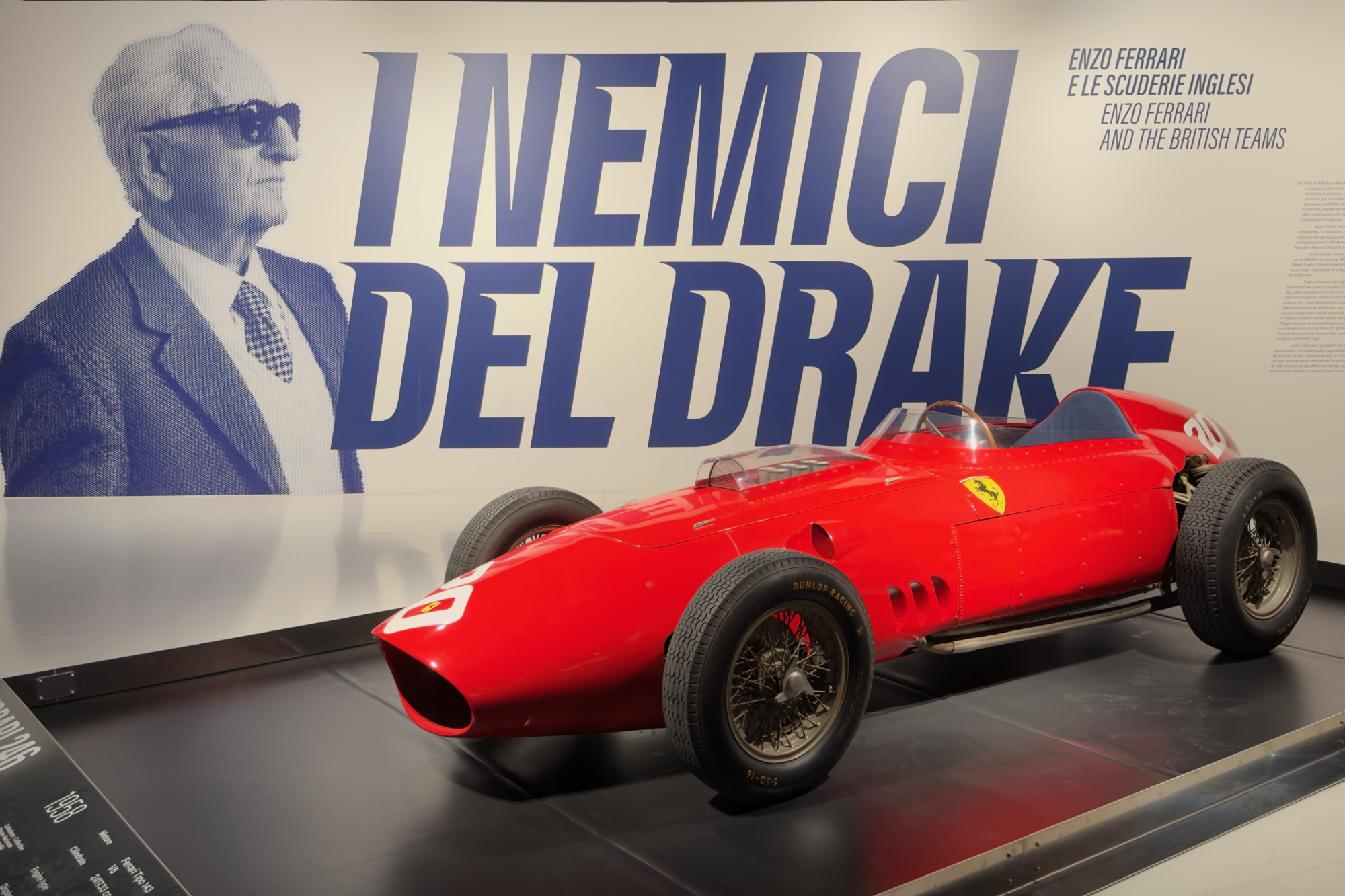
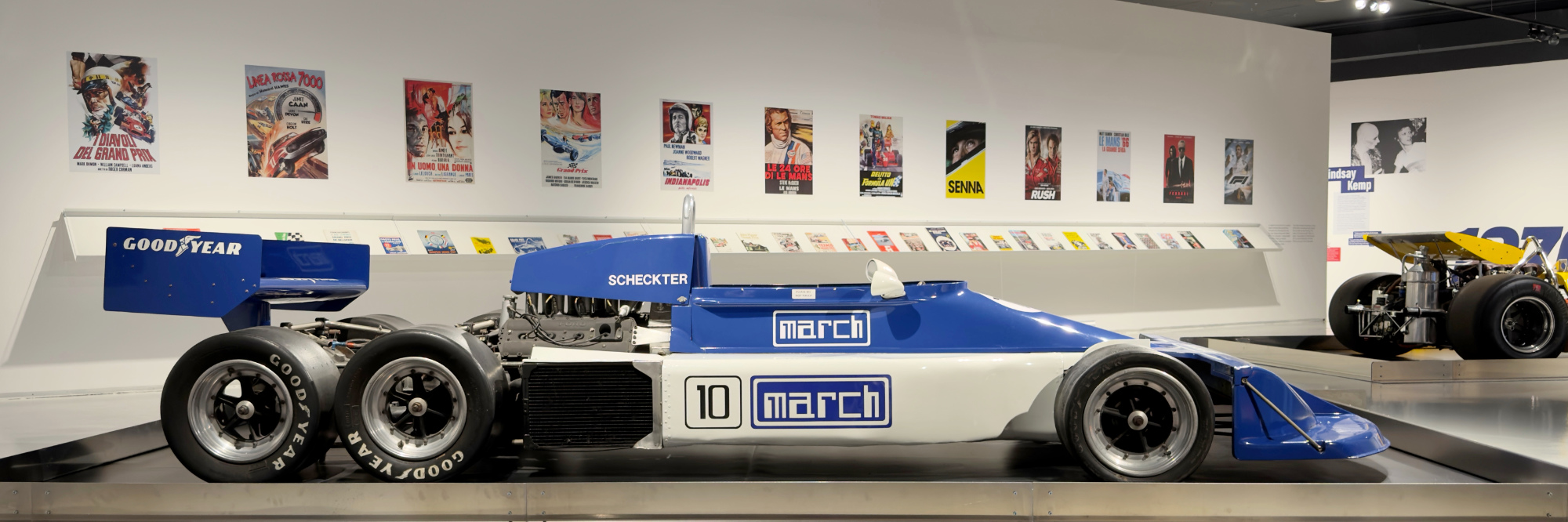
The museum also displays a fascinating mix of familiar classics and lesser-known machines. One standout exhibit was the six-wheeled March 2-4-0. Although it never competed in Formula One, it generated enormous publicity for March Engineering and later enjoyed modest success in British hill climbs.
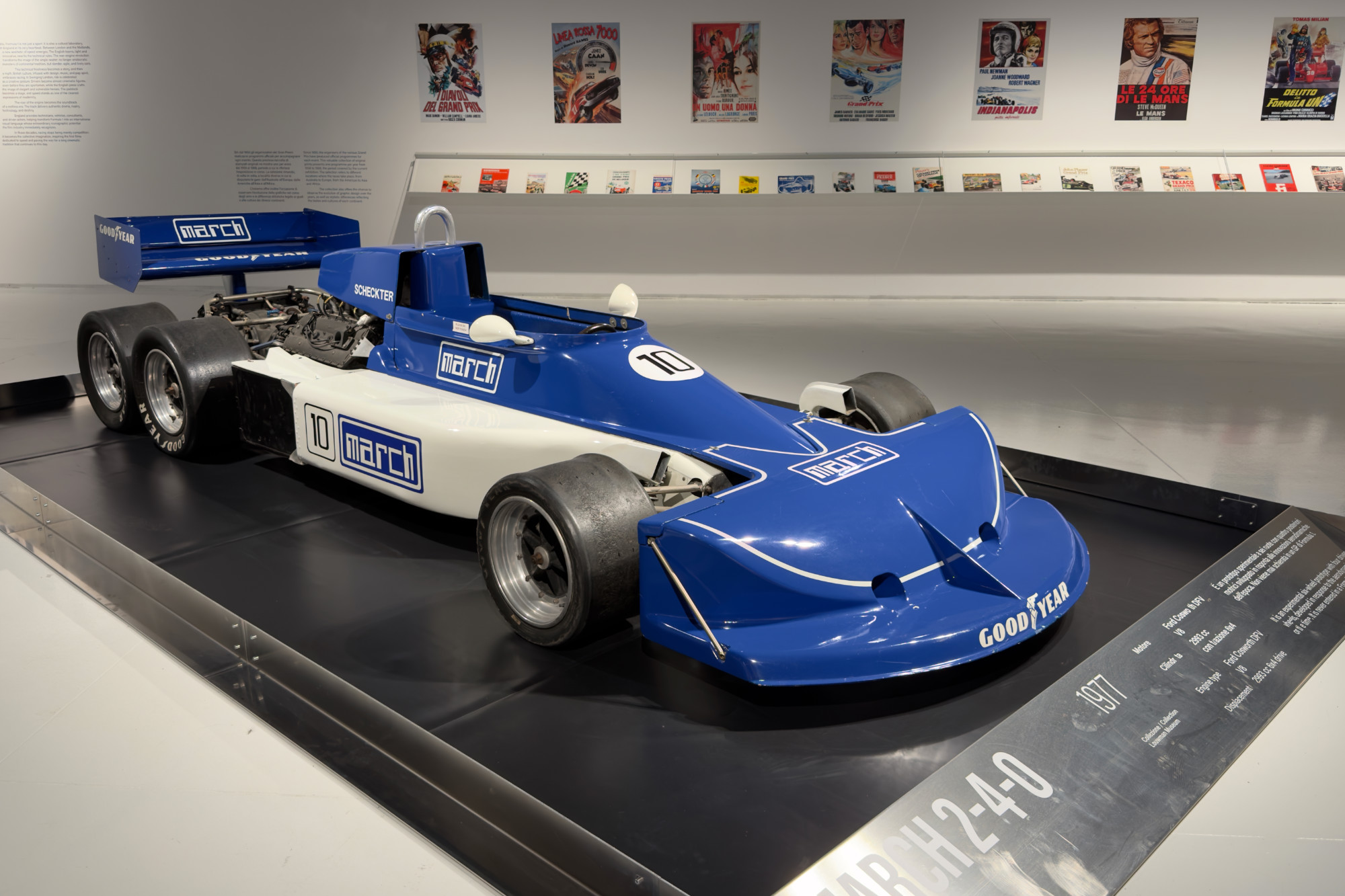
Unfortunately, we couldn’t fit in a visit to the outstanding FCA Heritage Hub in nearby Mirafiori. Home to one of the finest collections of Fiat, Alfa Romeo, Lancia and Bertone designs, it remains firmly on the list for our next visit.
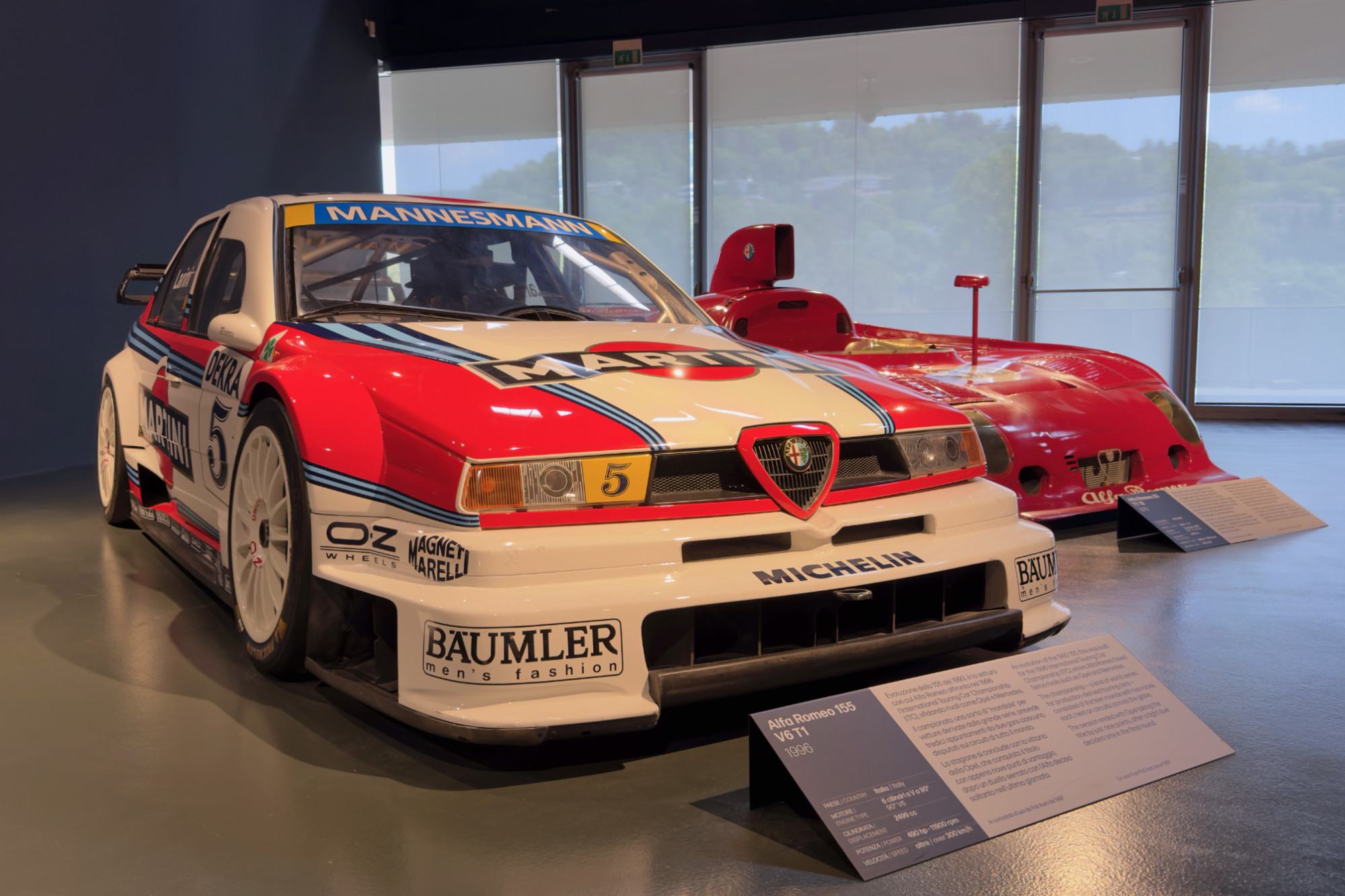
Our final museum stop came at M24, the recently expanded museum at Le Mans. Remarkably, despite decades of attending the 24 Hours, I had never properly explored it beyond a quick visit to the gift shop.
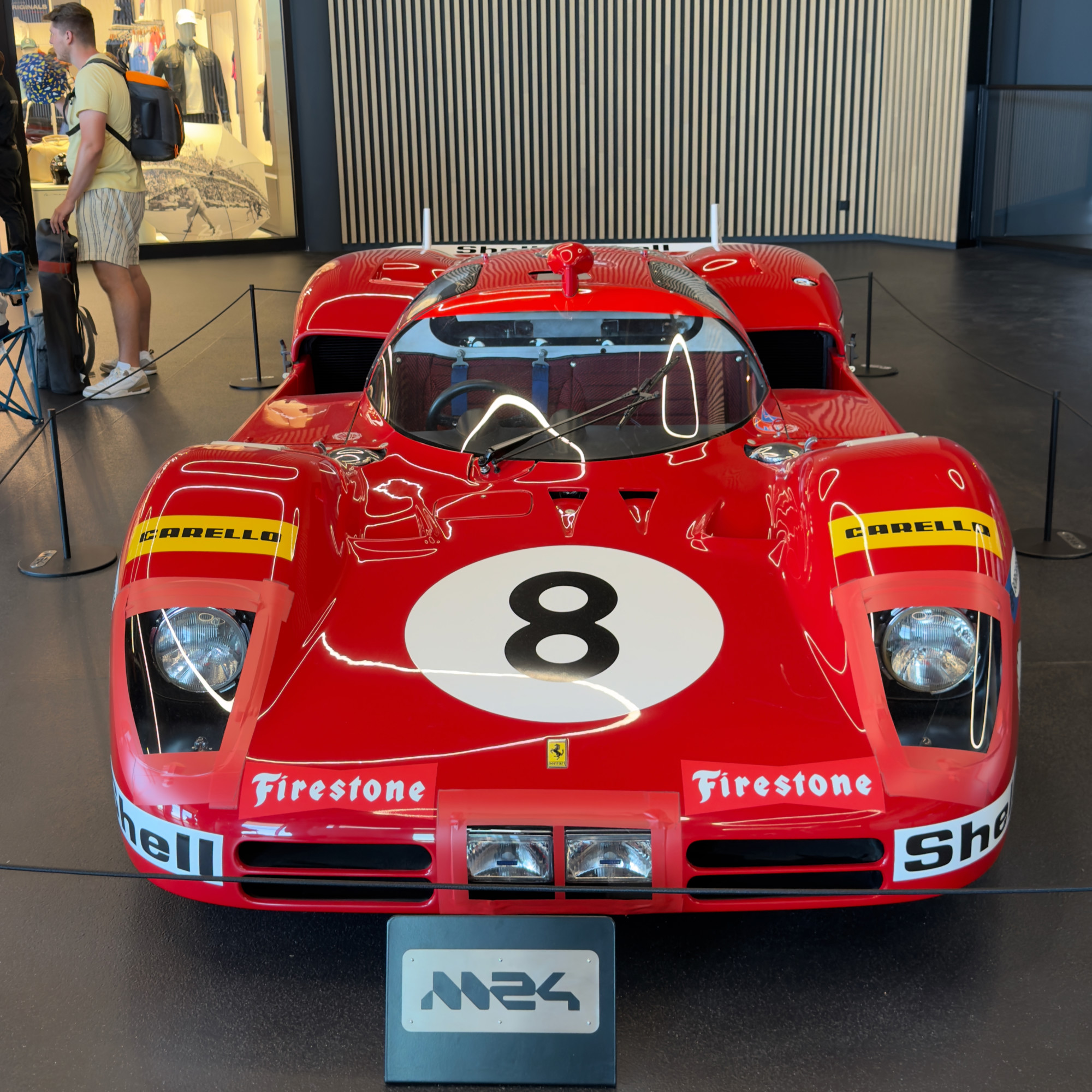
Although time only allowed a brief walk around, the museum immediately impressed us. Its displays draw heavily from the collection of Richard Mille, co-founder of the famous watch manufacturer and a major supporter of historic motorsport.
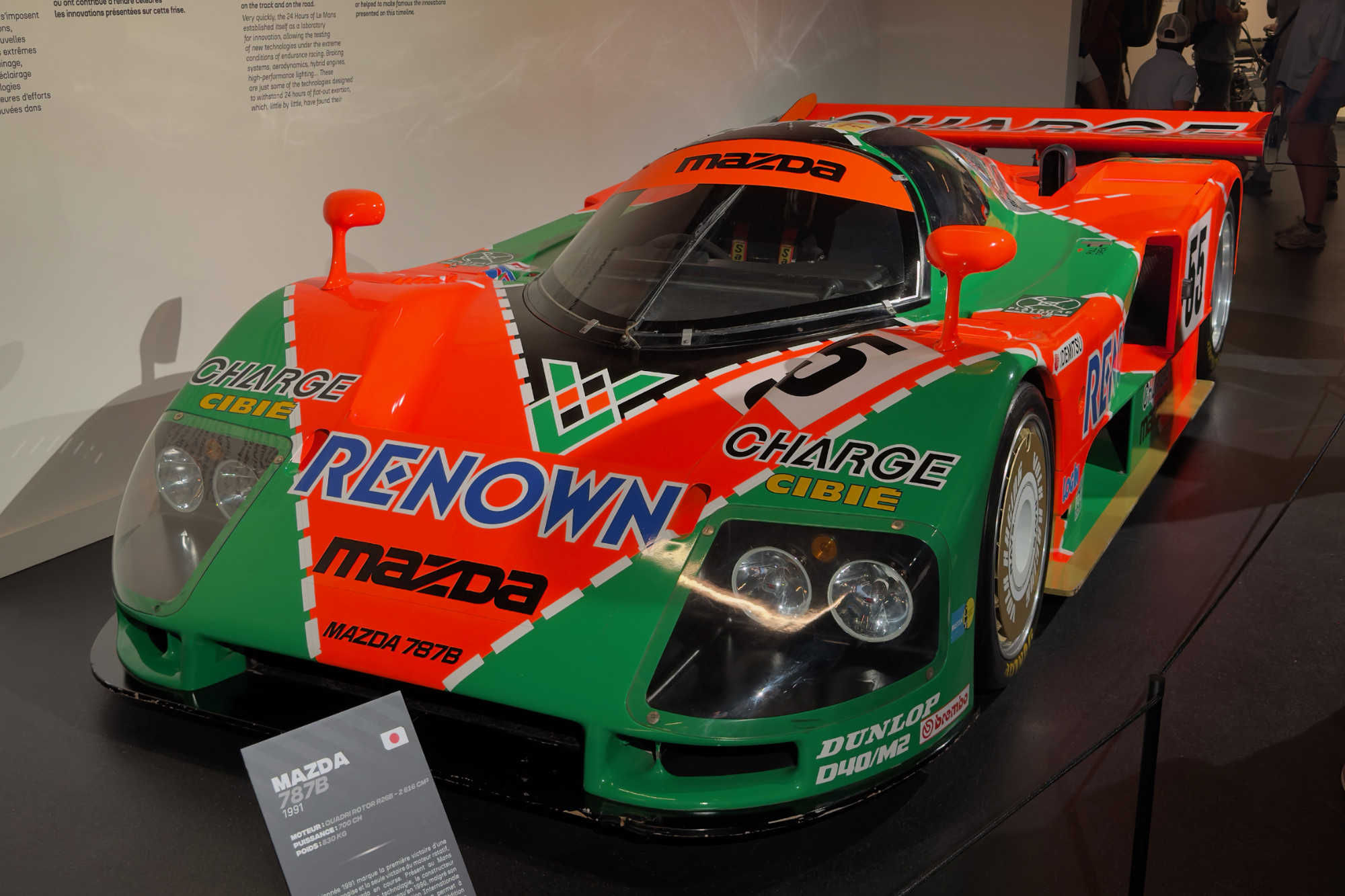
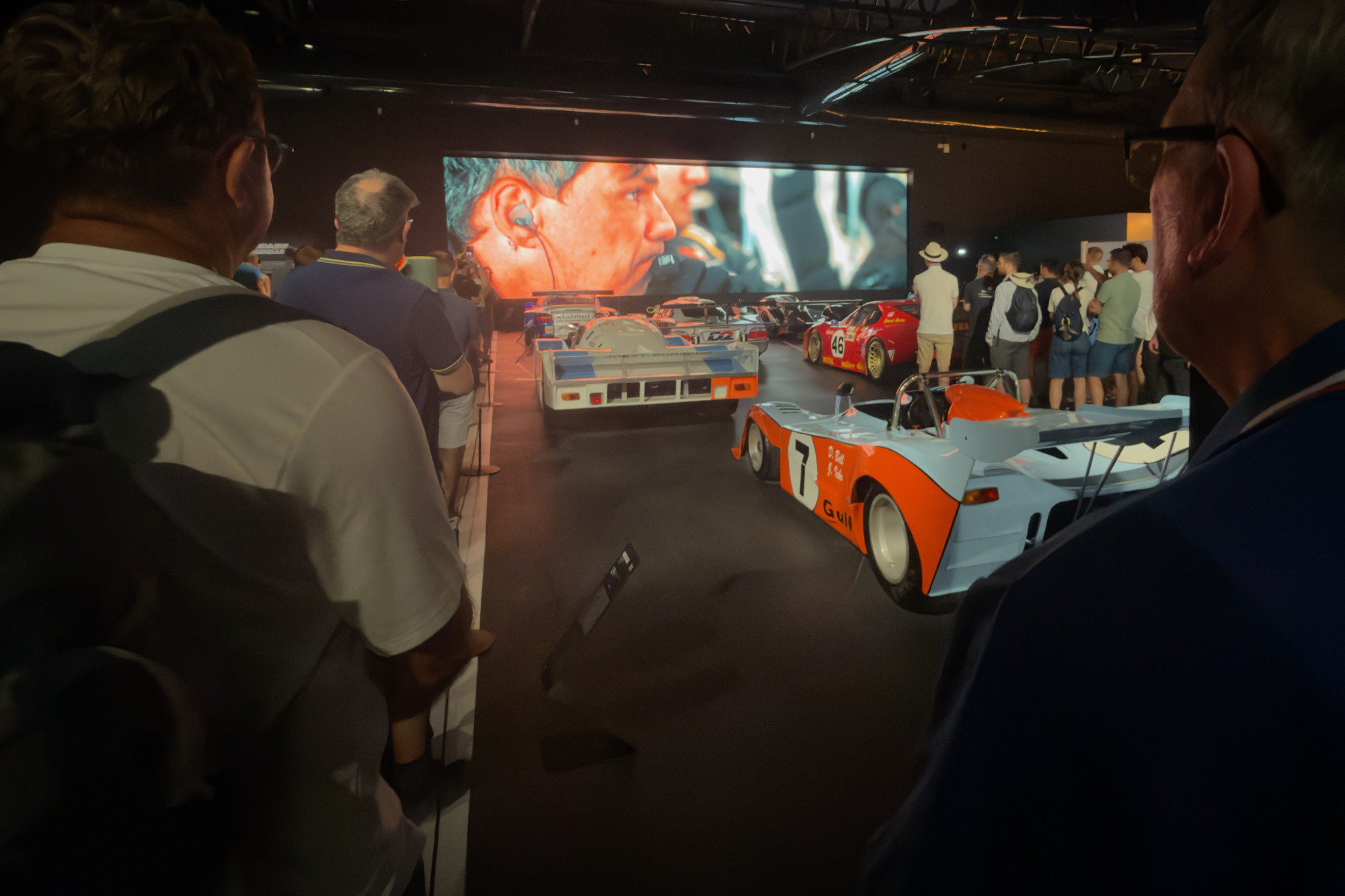
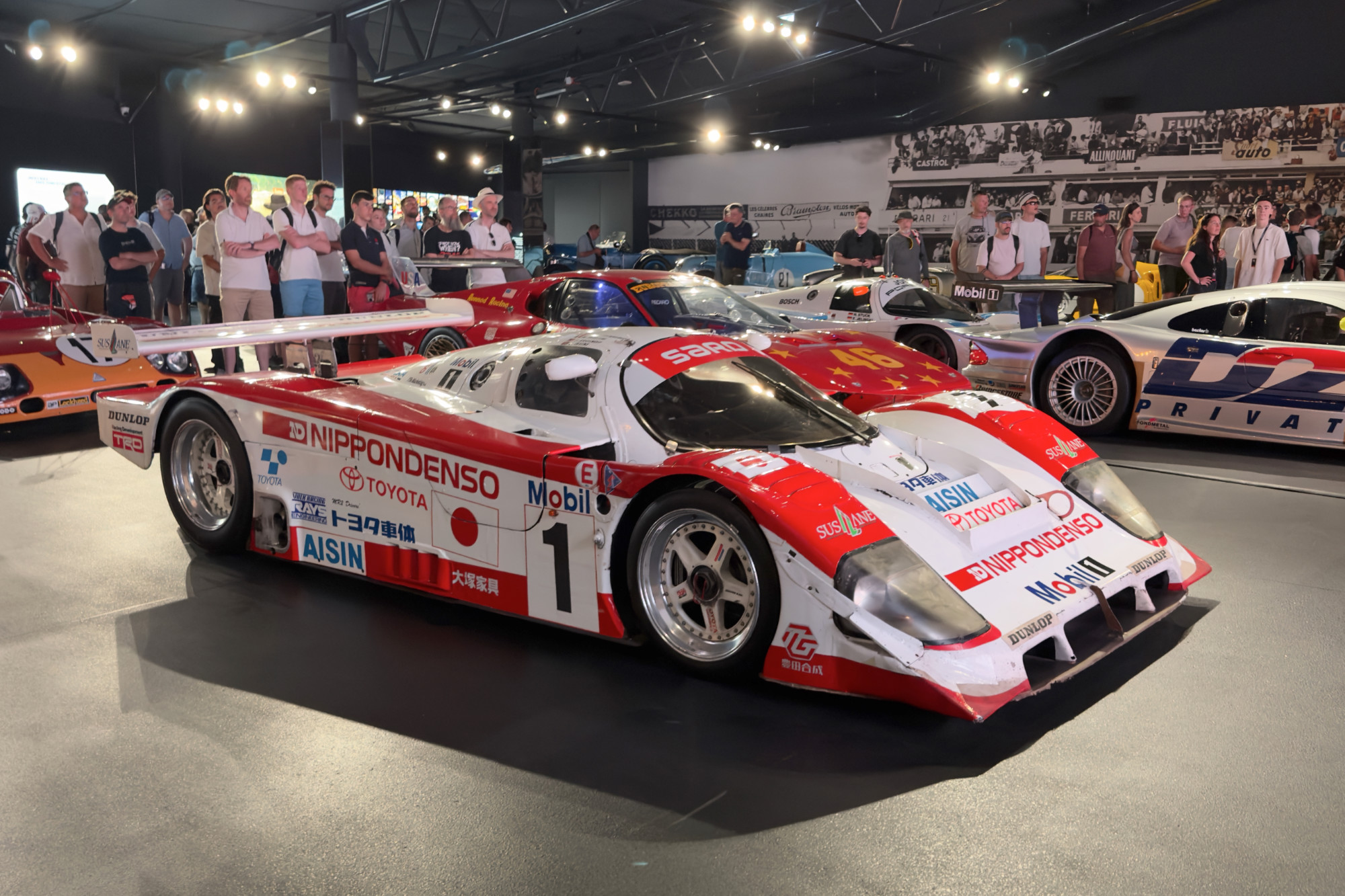
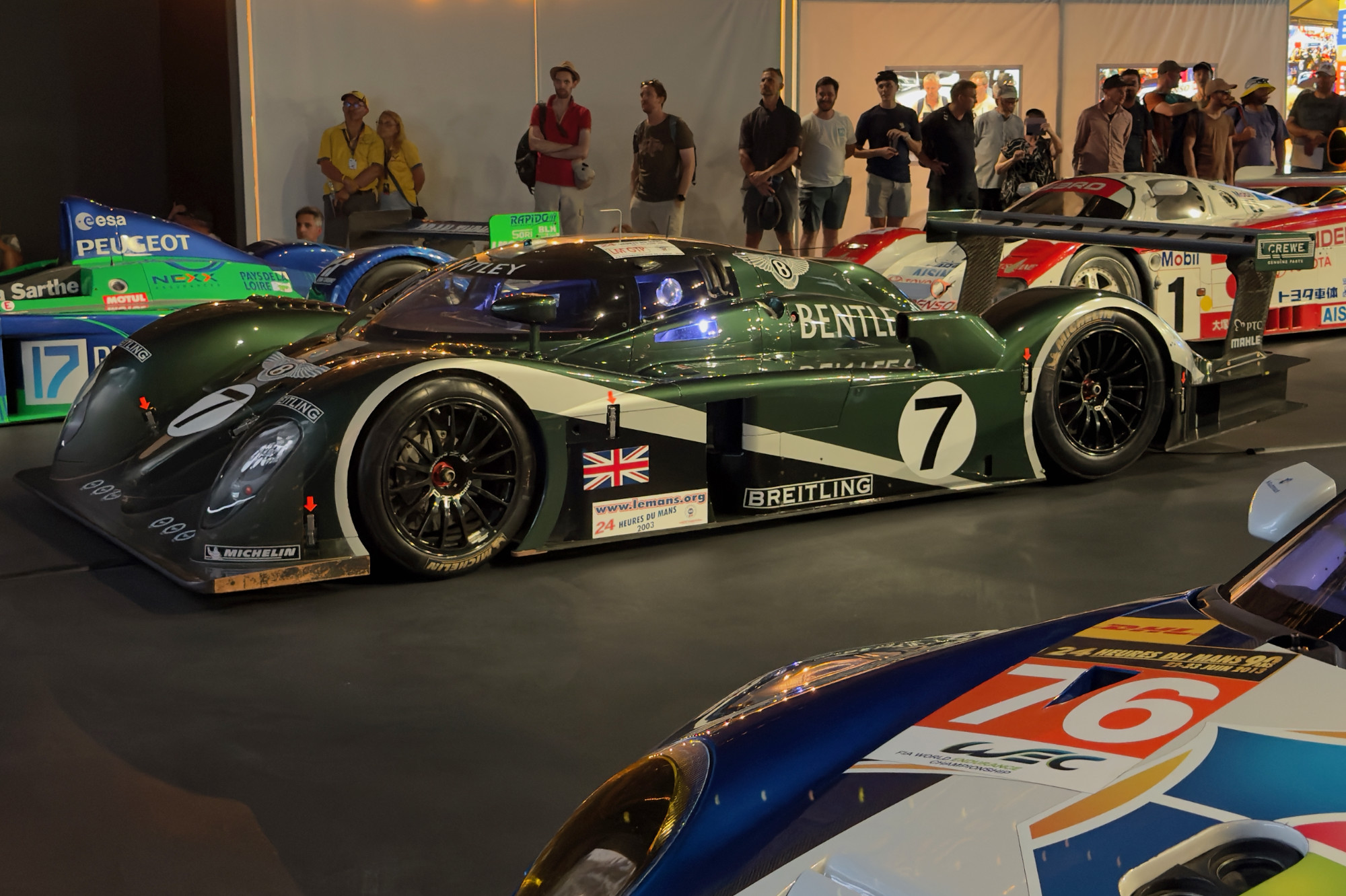
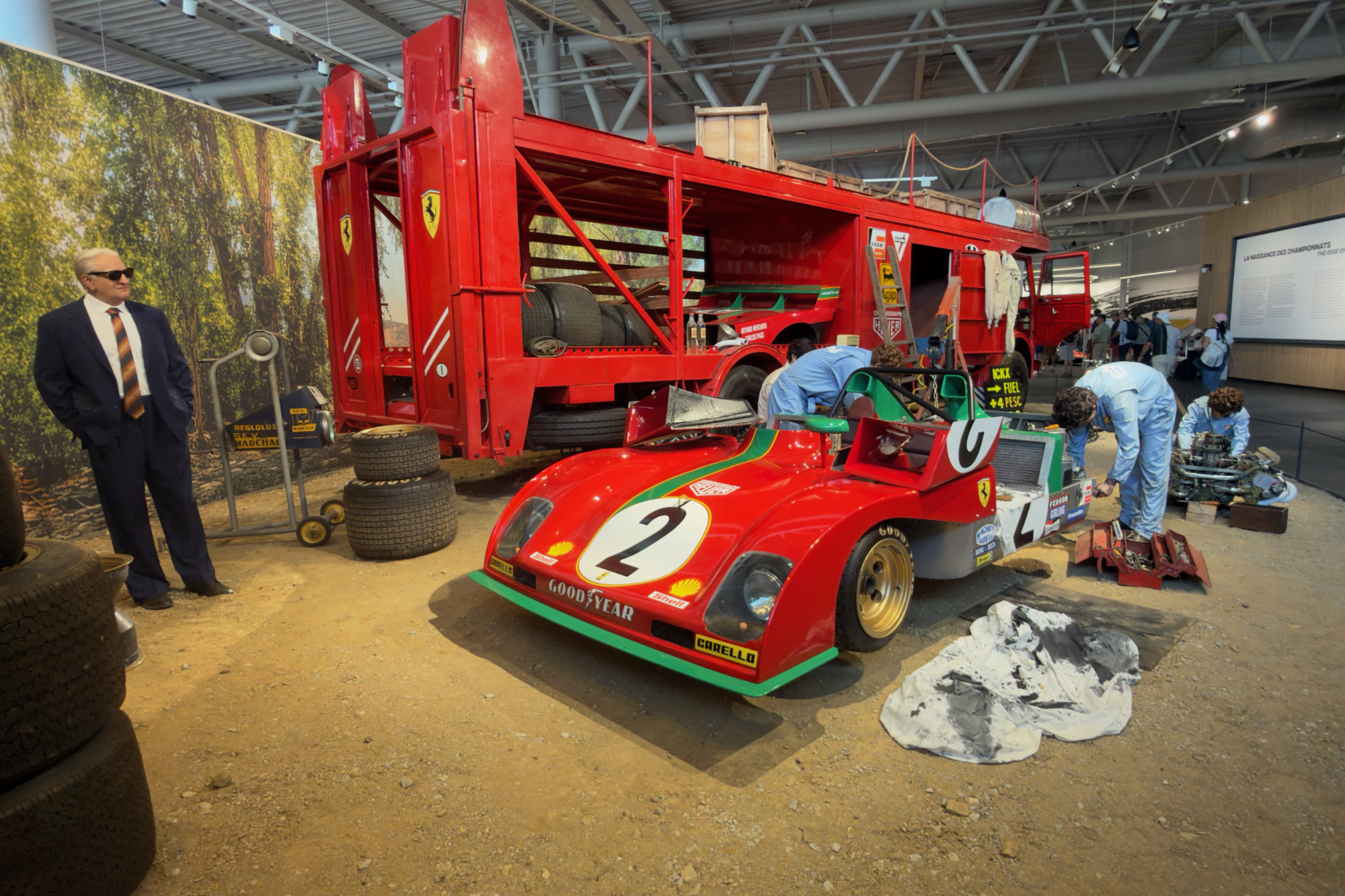
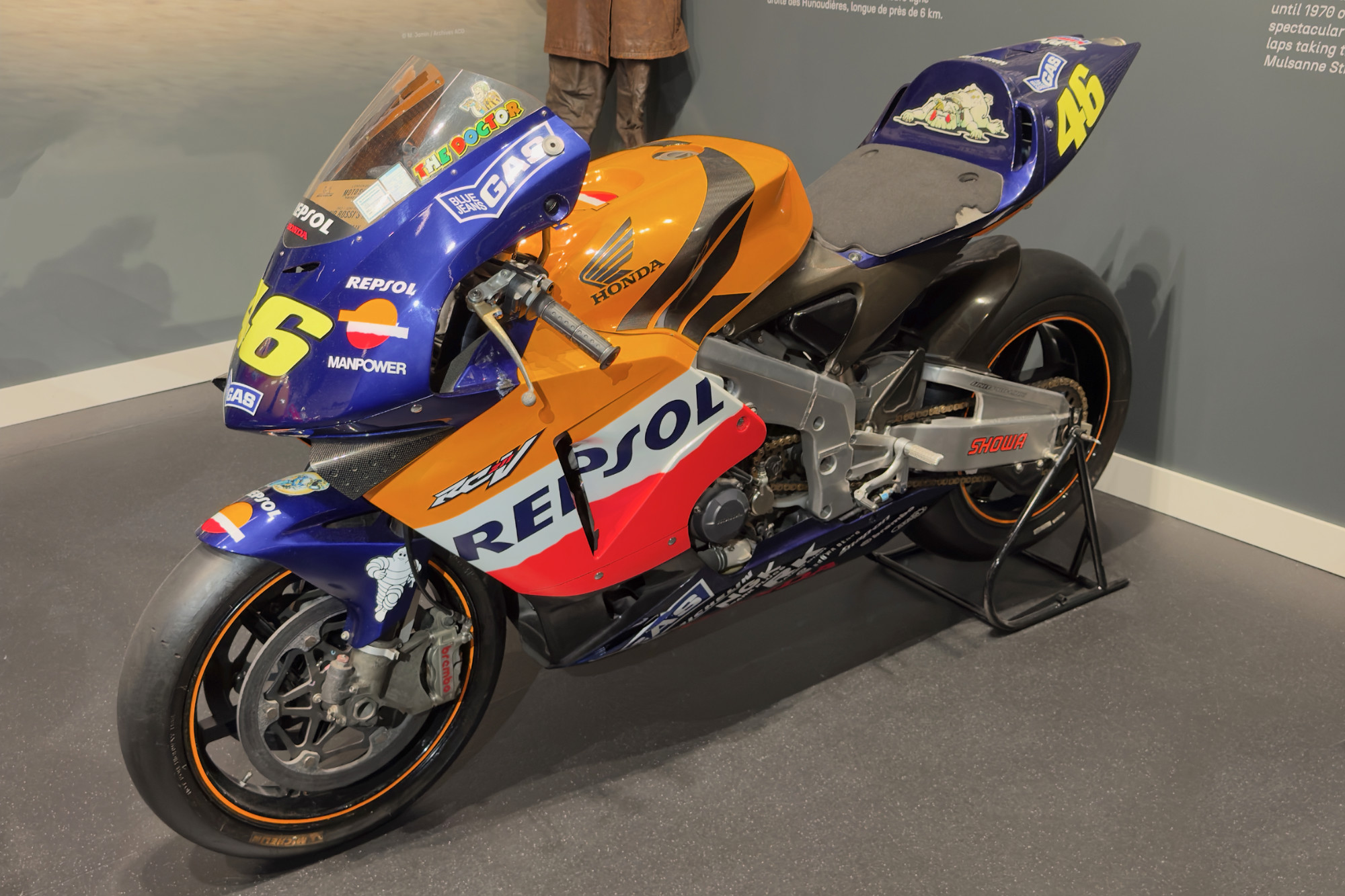
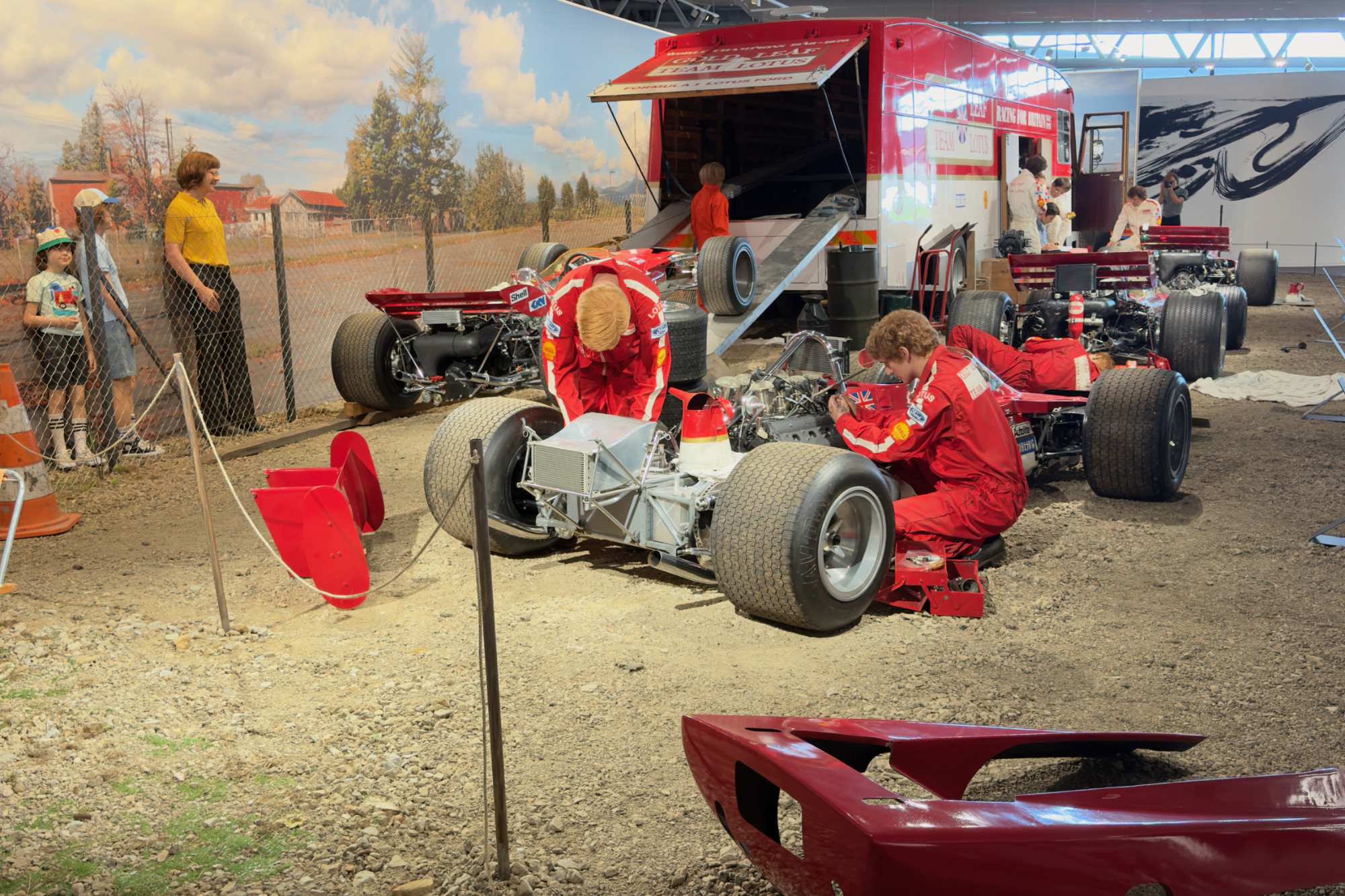
Alongside beautifully presented exhibits, visitors can enjoy immersive video displays and dedicated areas celebrating Ferrari and Lotus, while several motorcycles acknowledge the Bugatti Circuit’s MotoGP heritage.
Museums, Mountains and Motorsport – Final Thoughts
I don’t usually consider myself a museum enthusiast. I’d much rather see racing cars and motorcycles in full flight than standing still. However, this trip proved that the right museums can offer every bit as much enjoyment. Each venue combined history, engineering and storytelling in different ways, making them worthwhile stops between some spectacular roads and unforgettable scenery.
For anyone planning a European road trip with even the slightest interest in cars, motorsport or automotive history, these destinations deserve serious consideration.
Museums, Mountains and Motorsport – Photographer’s Notes
Every photograph from this trip was captured using an iPhone 17 Pro, which proved more than capable throughout the journey. A few wide-angle images show slight perspective distortion, but the excellent lighting—particularly inside the Museo Nazionale dell’Automobile—made photography straightforward. For travel photography where carrying a full camera kit isn’t practical, the iPhone delivered consistently impressive results.