



Le Mans 24 Hours 2026: A First-Time Photographer’s Guide
Le Mans 24 Hours
22 June 2026

Visiting the Le Mans 24 Hours is something every motorsport photographer should experience at least once. In this report, we take you along on our journey as Le Mans newcomers attending the 94th running of this historic race.
Le Mans Essentials
The first requirement for attending Le Mans is securing a ticket. These are highly sought-after, so it pays to research when sales open. Several ticket options cater to different budgets, from basic admission to premium hospitality packages.
The recommended way to purchase tickets is directly through the Automobile Club de l’Ouest (ACO). Various travel companies also offer packages that include accommodation, camping, hospitality access, and other benefits. Before booking, check whether the package includes race admission, as some do not.
We chose a week-long pass, which is slightly more expensive than a weekend ticket but offers greater flexibility for planning. As usual with most ticket sales these days, you need to download an app. Your ticket will appear in the app a few weeks before the event.
One thing to remember is that at other large events using digital tickets, poor phone signal can cause problems. A screen grab can be helpful. However, at Le Mans, a reliable 5G signal was available throughout the week, allowing us to check in and out of the circuit with the added benefit of uninterrupted messages and phone calls.
Accommodation near the circuit can be difficult to find because many regular visitors book a year in advance. Expanding your search radius often reveals reasonably priced options. We chose accommodation around 30 minutes from the track, which proved to be a good balance between convenience and cost.
For the truly dedicated fan, there is always the race-day option: drive overnight, spend the entire event at the circuit, stay awake through the night, and drive home after the chequered flag falls. While possible, it was a little too extreme for us.
Le Mans Parking
Parking is the second essential part of planning your visit. When purchasing your ticket, you can choose from several official car parks located around the circuit.
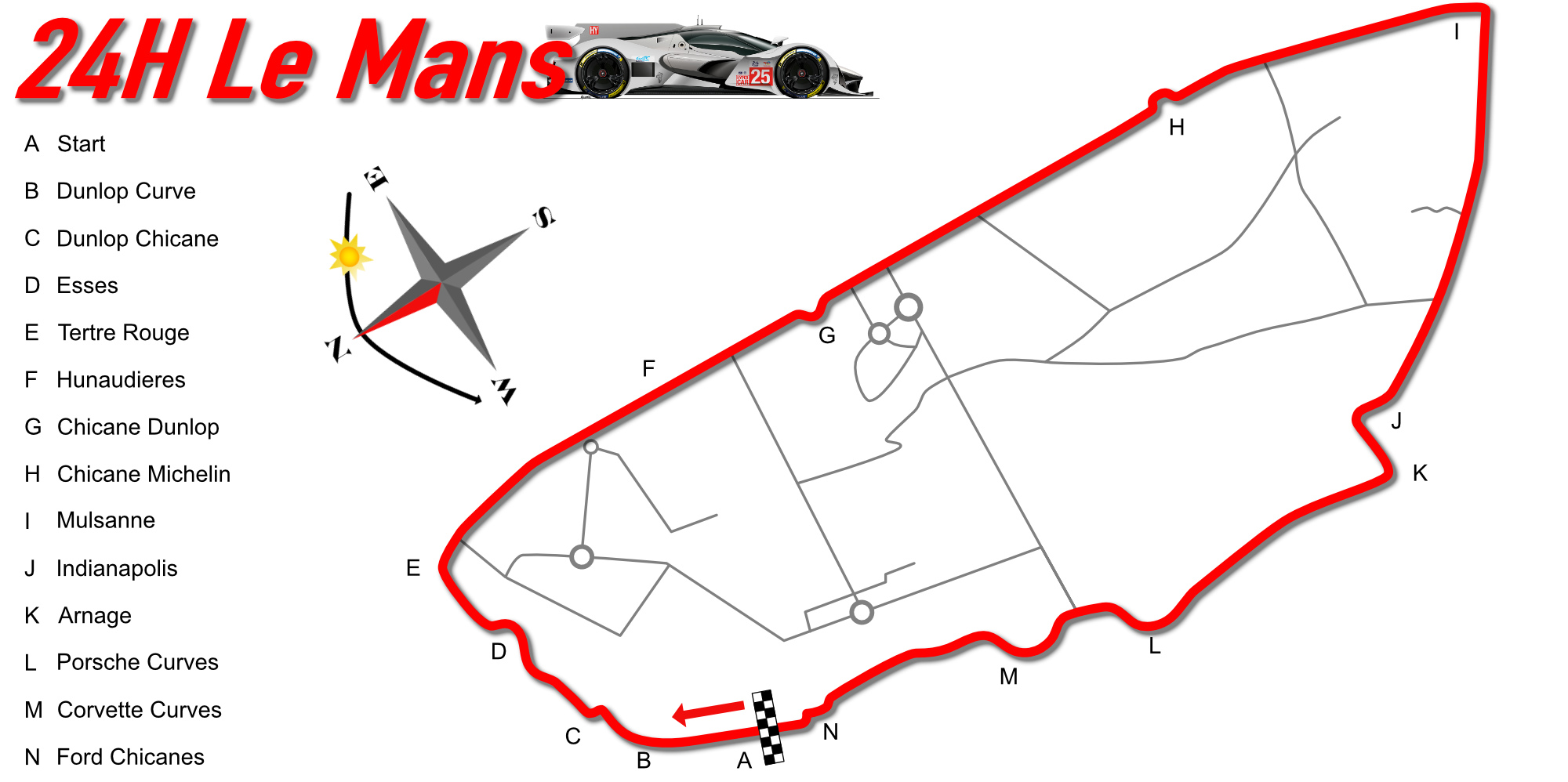
The largest parking area, Quest is near the main entrance. We selected Arnage, situated beside the famous corner complex of the same name. Regardless of which car park you choose, free shuttle buses connect most locations around the circuit.
One important tip: check the bus schedules carefully during practice sessions and race weekend. Some services stop surprisingly early after the race finishes. Around an hour after the chequered flag, buses from the main entrance to certain outlying car parks can stop operating.
Alternative transport options include trams and buses from Le Mans city centre. Free public parking is also available on a first-come, first-served basis. Reserved parking simply places you closer to the circuit entrances and transport services.
Amateur Motorsport Photography at Le Mans
As keen motorsport photographers making our first visit to Le Mans, we wanted to maximise our time trackside. Although we have previously attended events with media accreditation, we approached this trip as spectator photographers.
Shooting from behind the safety fencing presented a challenge, but experiencing the atmosphere as fans formed part of the appeal. After an overnight drive from the UK, we arrived on Wednesday afternoon. Following check-in at our accommodation, we headed straight to the circuit for free practice.
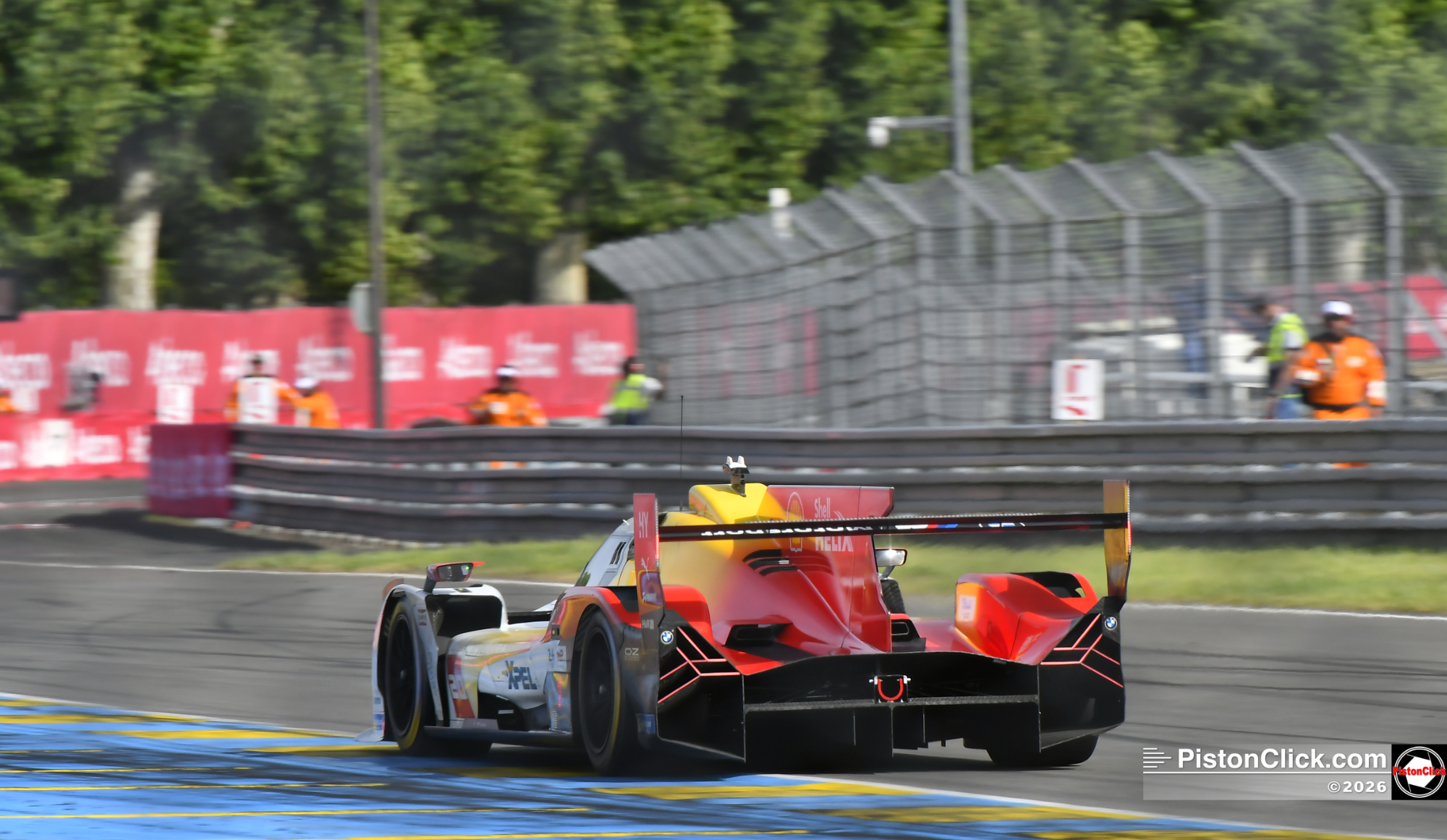
Le Mans offers numerous opportunities for photographers. While safety fencing can sometimes obstruct shots, plenty of locations around the circuit allow clean images with careful positioning. Patience often rewards photographers willing to wait for a clear gap in the crowd.
The scale of the venue also means you can continually discover new viewpoints throughout the week.
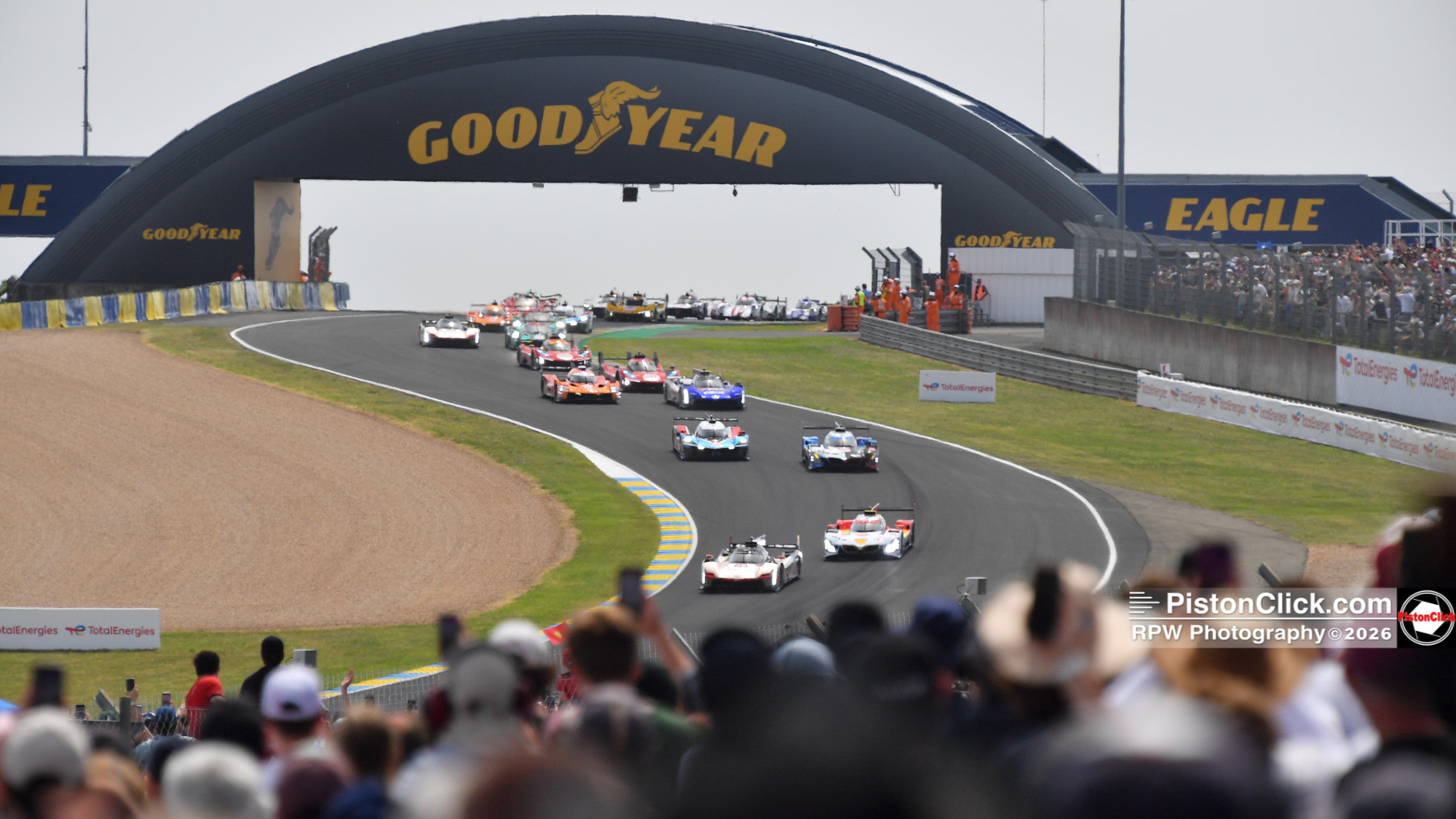
The History of the Le Mans 24 Hours
To understand what makes Le Mans so special, it helps to appreciate its history.
The 24 Hours of Le Mans first took place in 1923 near the French city of Le Mans. Unlike traditional races focused solely on speed, the event tested reliability, durability, efficiency, and endurance over a full 24-hour period.

Throughout the 1920s and 1930s, the race became a showcase for automotive innovation. Following a pause during World War II, Le Mans returned in 1949 and quickly attracted major manufacturers from around the world.
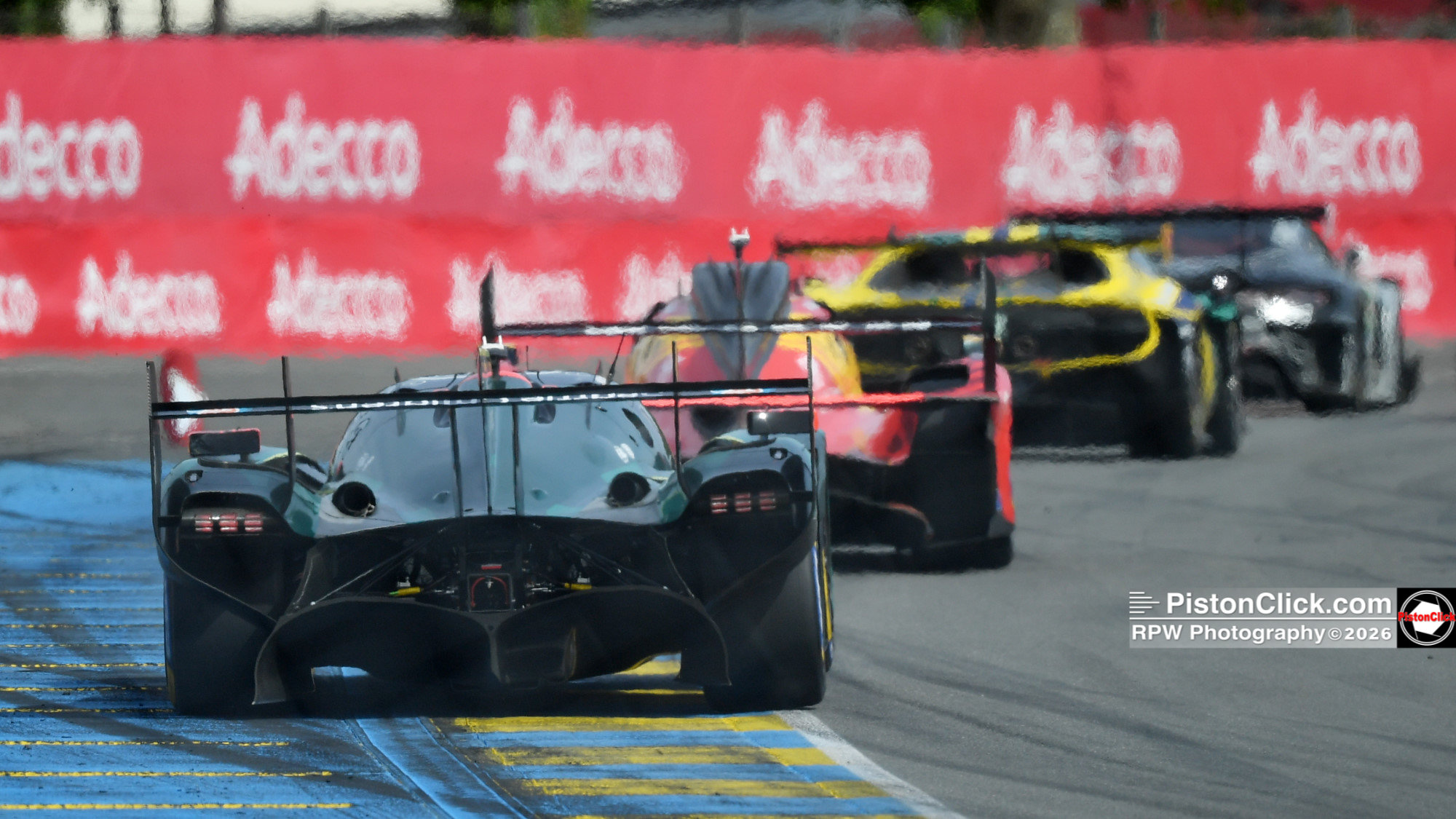
One of the darkest moments in motorsport history occurred during the 1955 race when a catastrophic accident claimed the lives of more than 80 spectators and driver Pierre Levegh. The tragedy prompted significant safety improvements that shaped motorsport for decades.
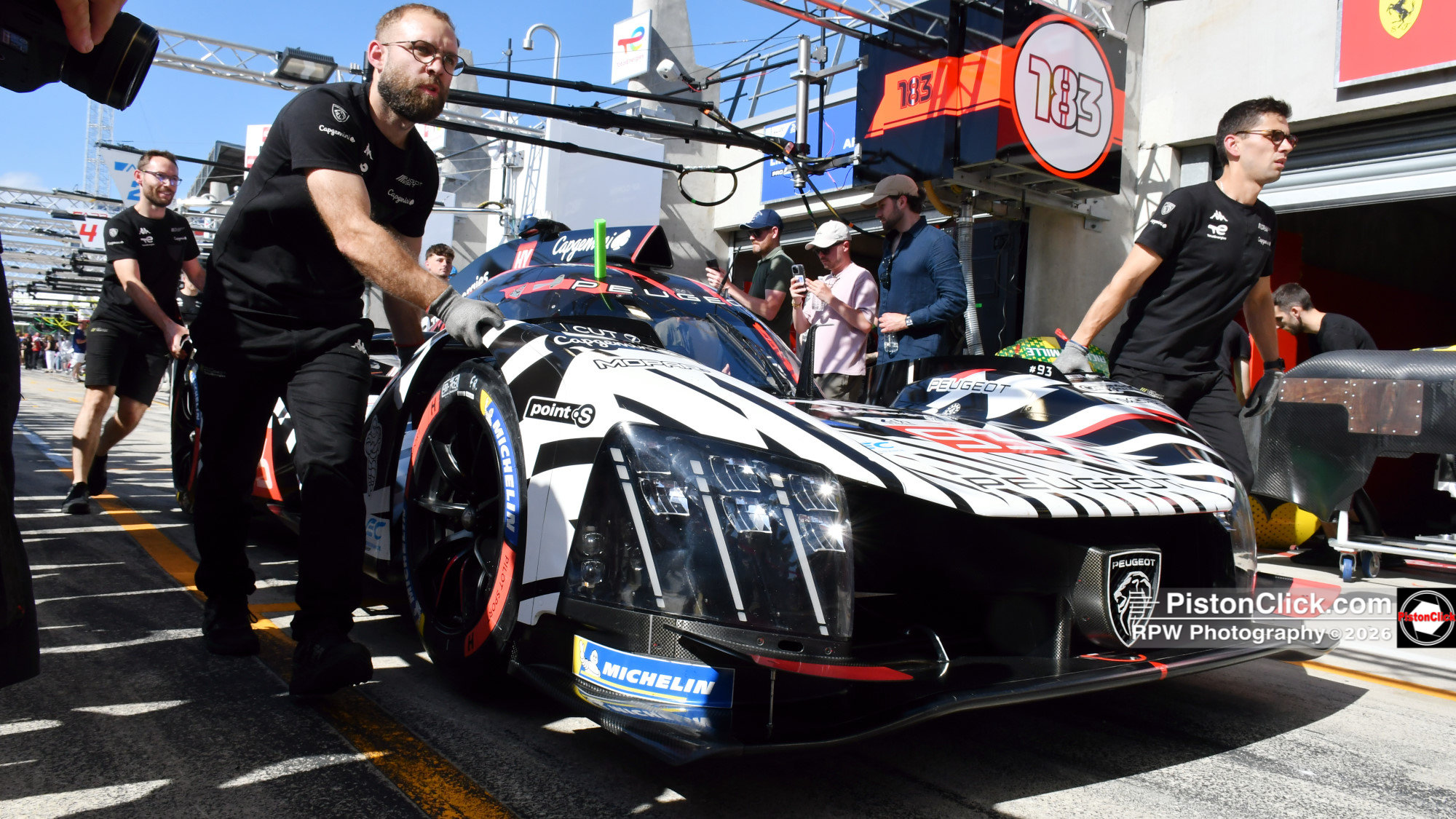
The 1960s delivered the legendary Ford versus Ferrari rivalry, culminating in Ford’s historic victory in 1966. During subsequent decades, Porsche established itself as the most successful manufacturer in Le Mans history.
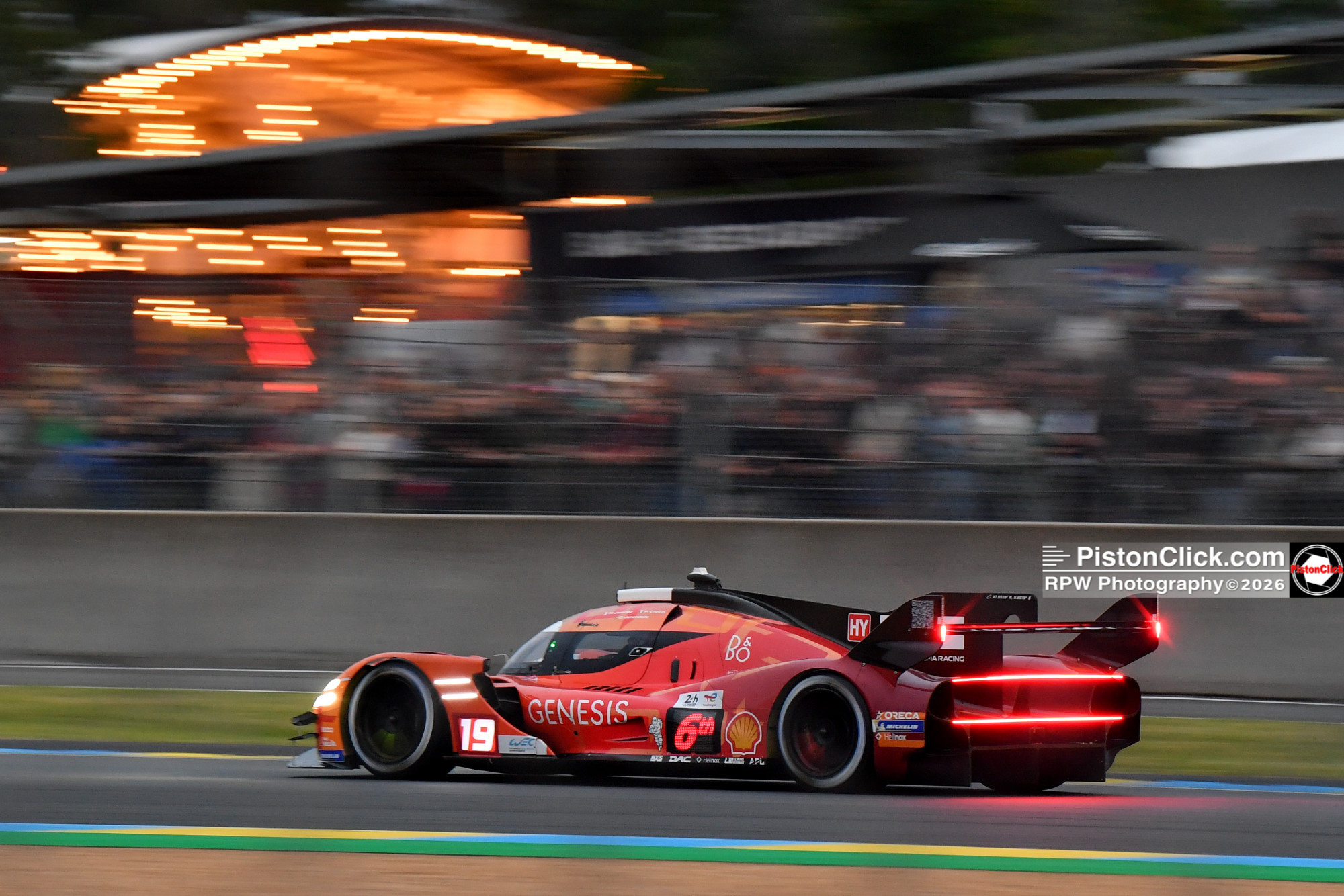
Today, Le Mans remains one of the world’s most prestigious races and continues to drive technological innovation through hybrid and Hypercar development.
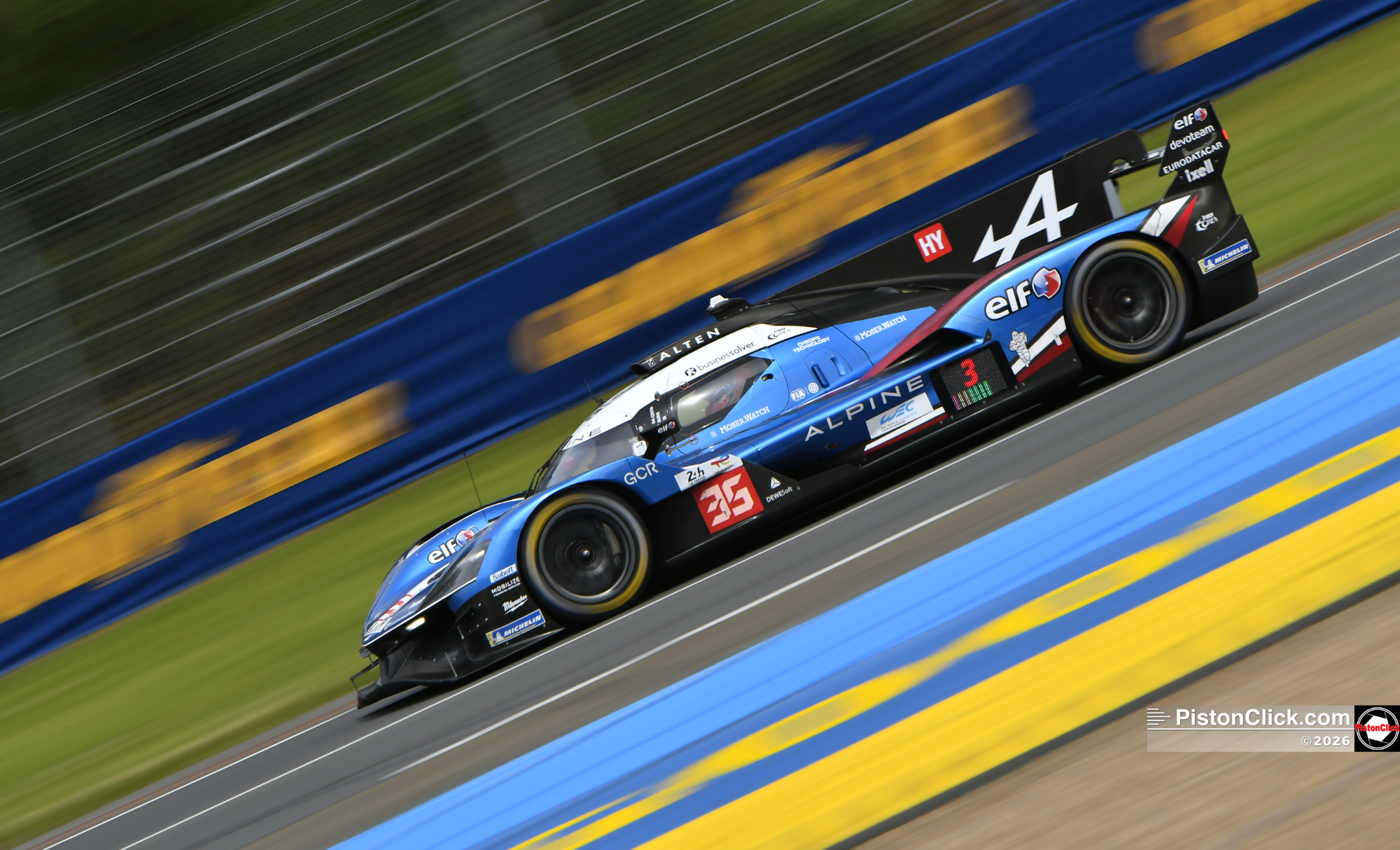
The event also forms part of motorsport’s unofficial Triple Crown. To achieve it, a driver must win the Monaco Grand Prix, the Indianapolis 500, and the 24 Hours of Le Mans. Only Graham Hill has completed this remarkable feat, although drivers such as Fernando Alonso and Juan Pablo Montoya have won two of the three events.
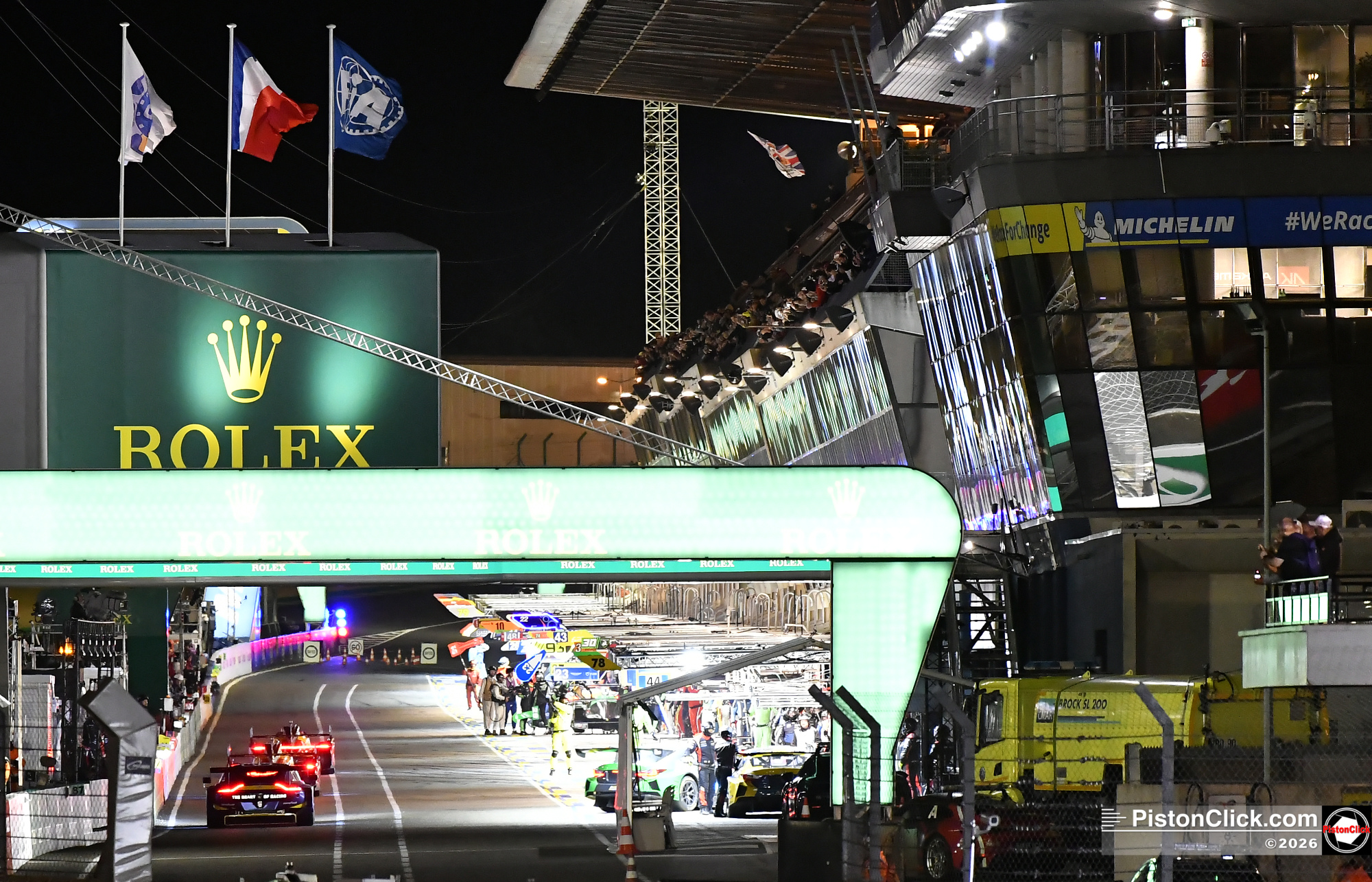
The 94th Running of the Le Mans 24 Hours
Le Mans 24 Hours Hypercar (LMH and LMDh)
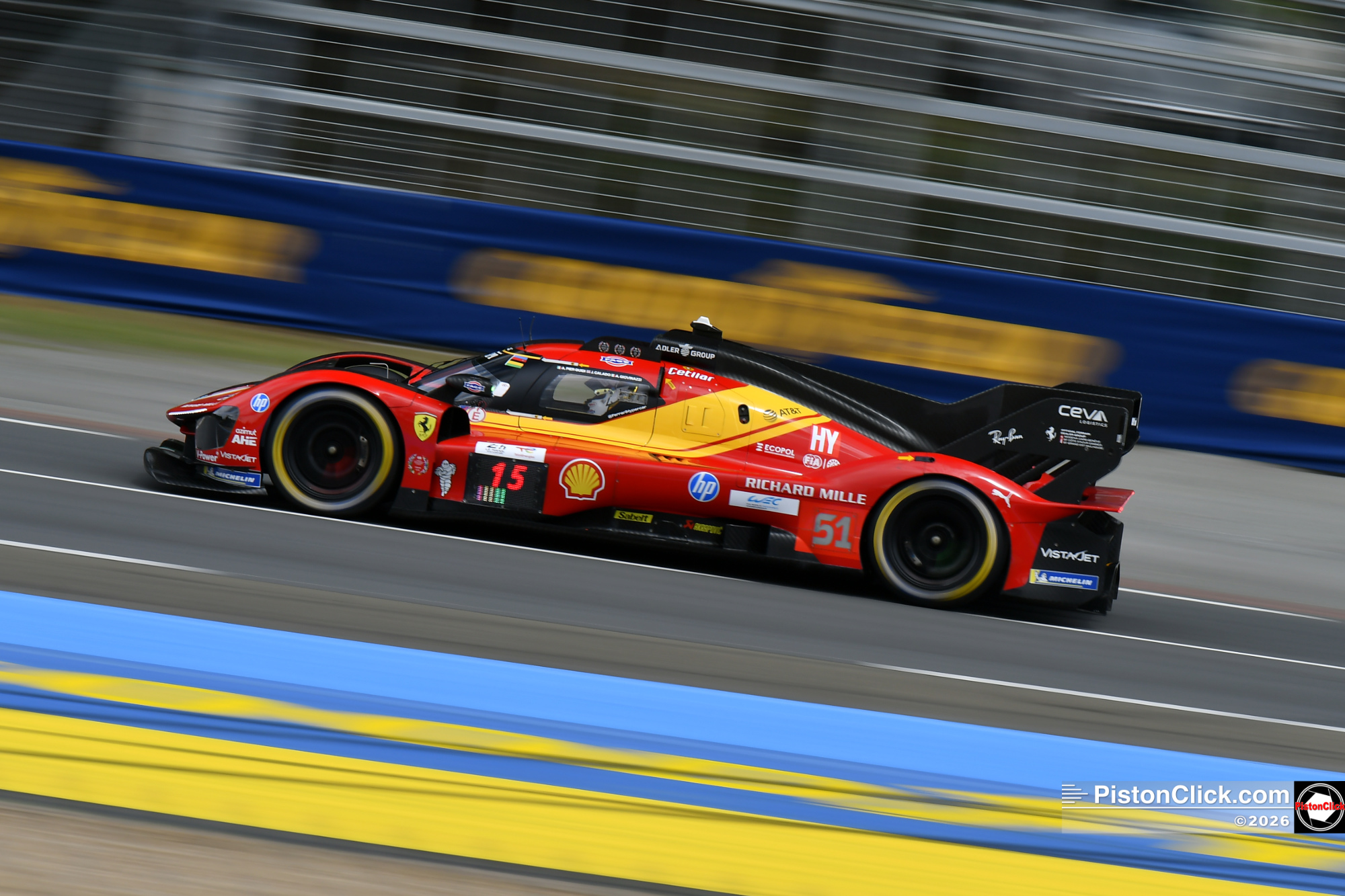
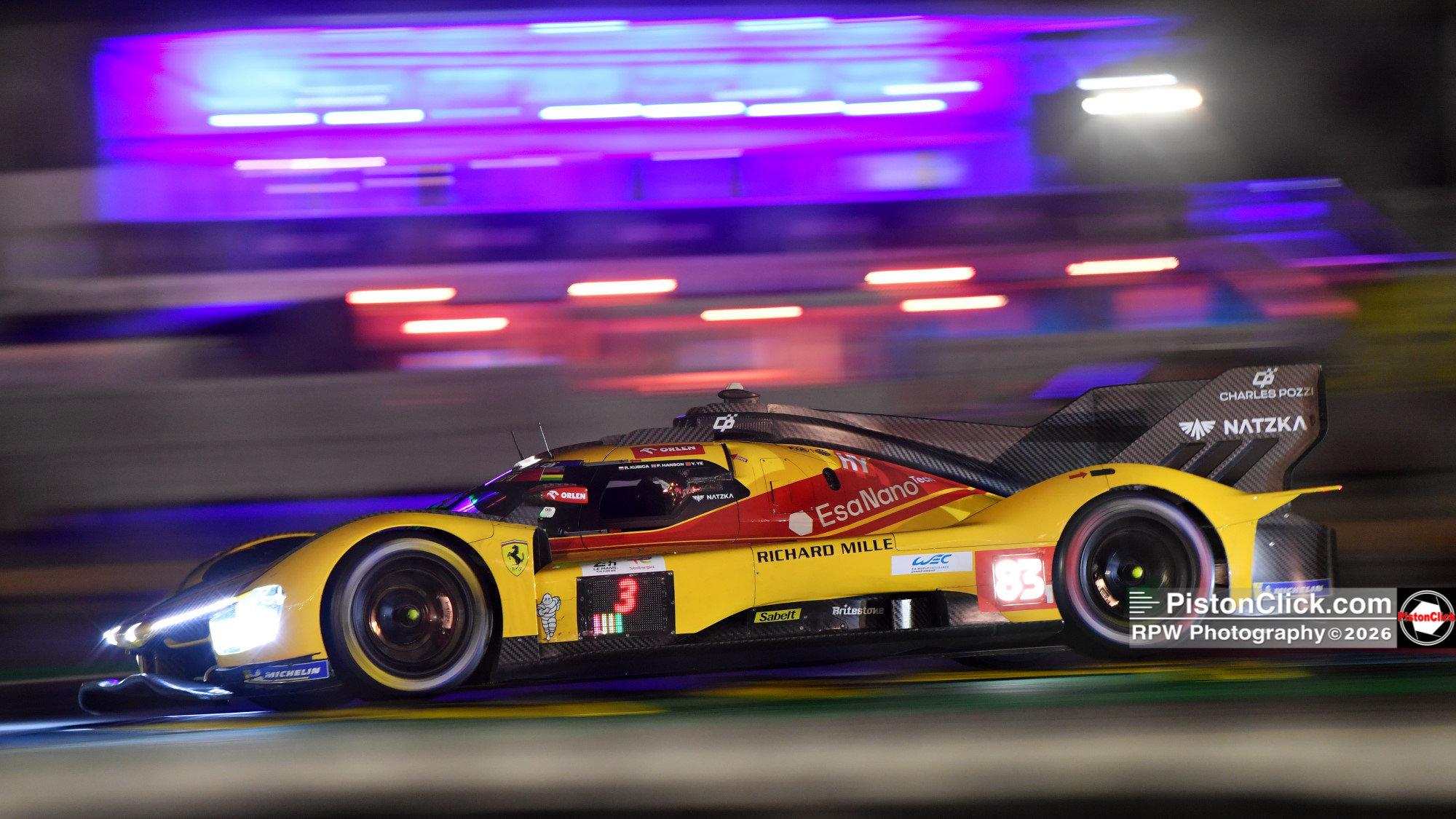
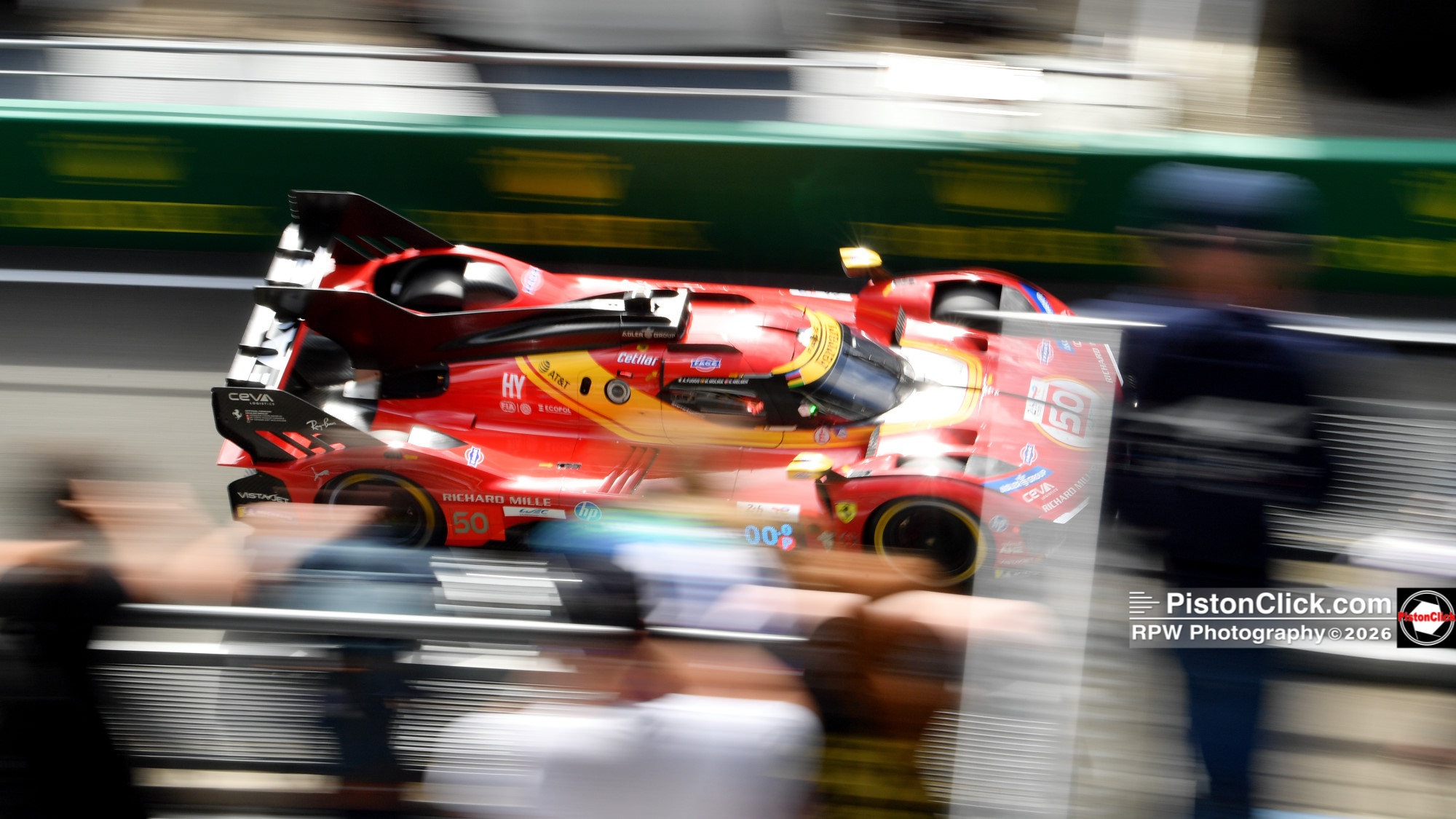
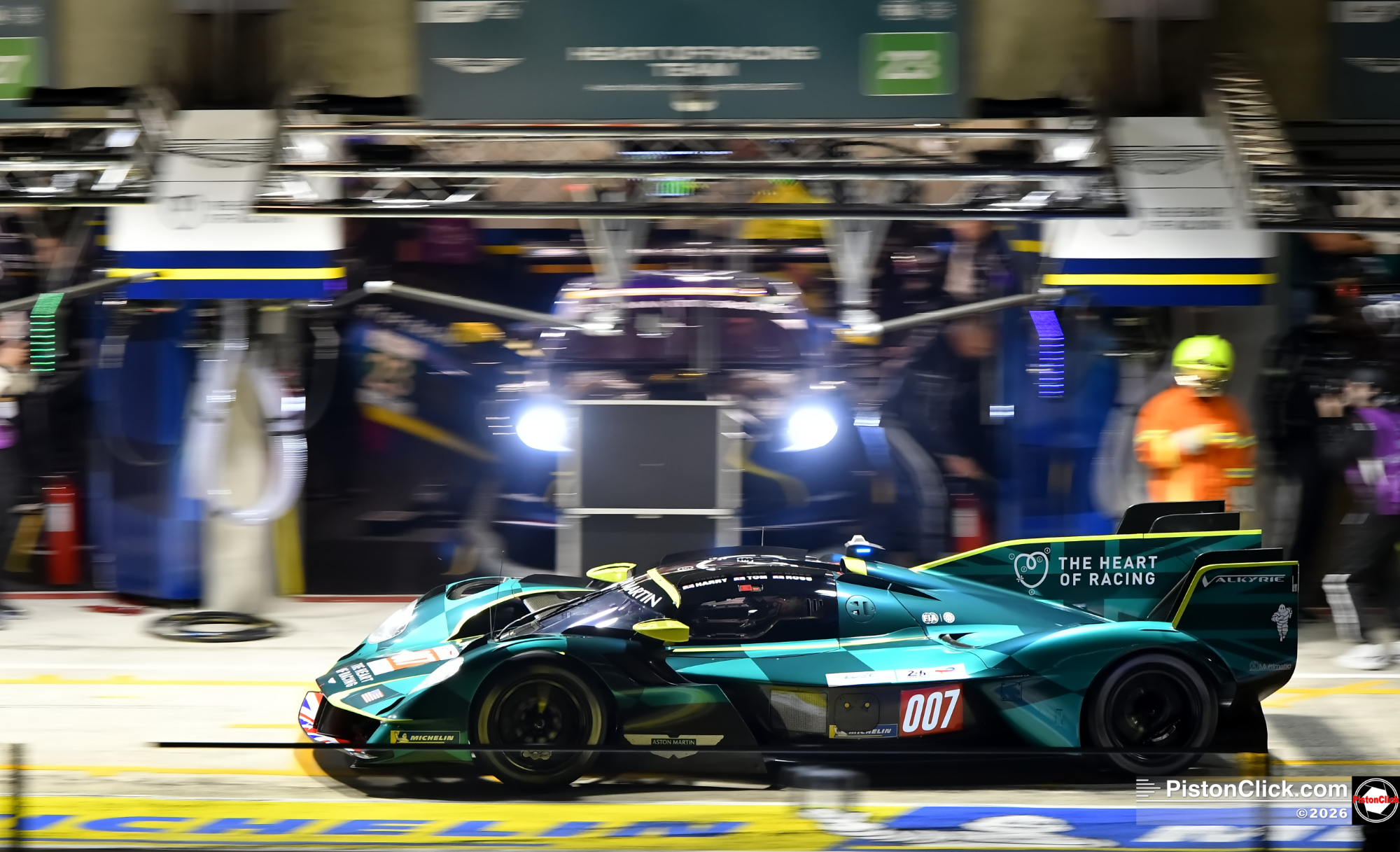
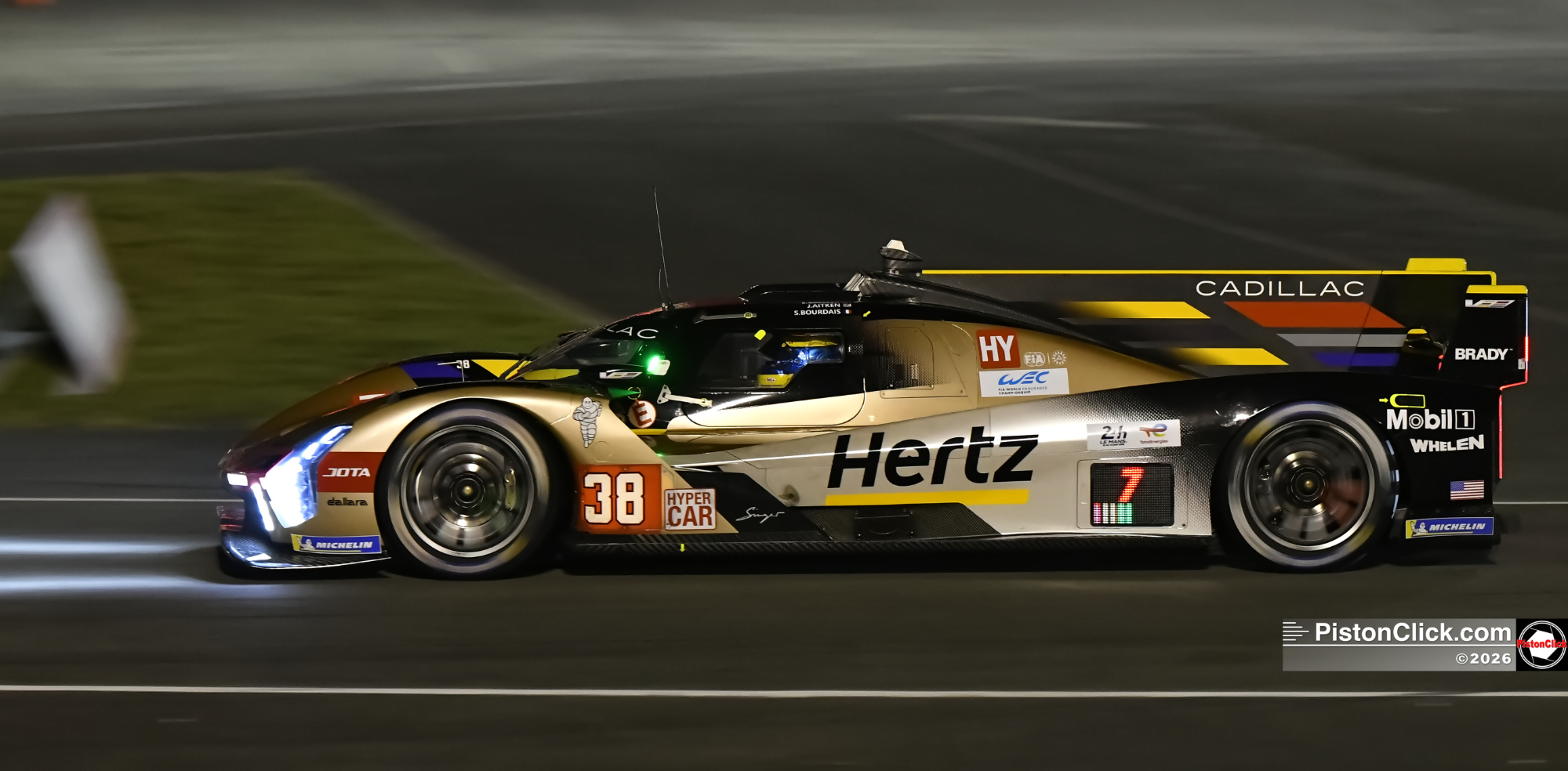
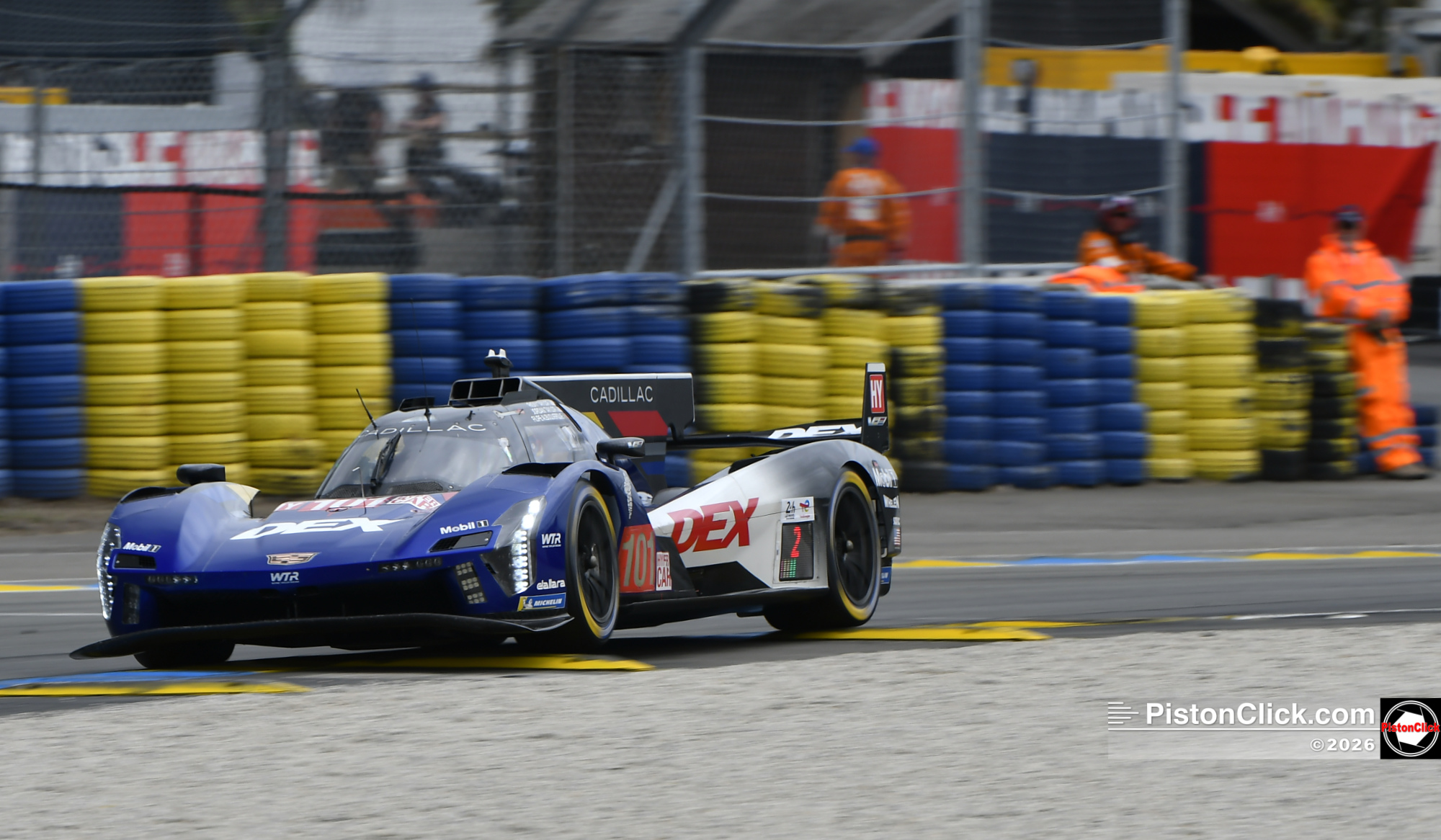
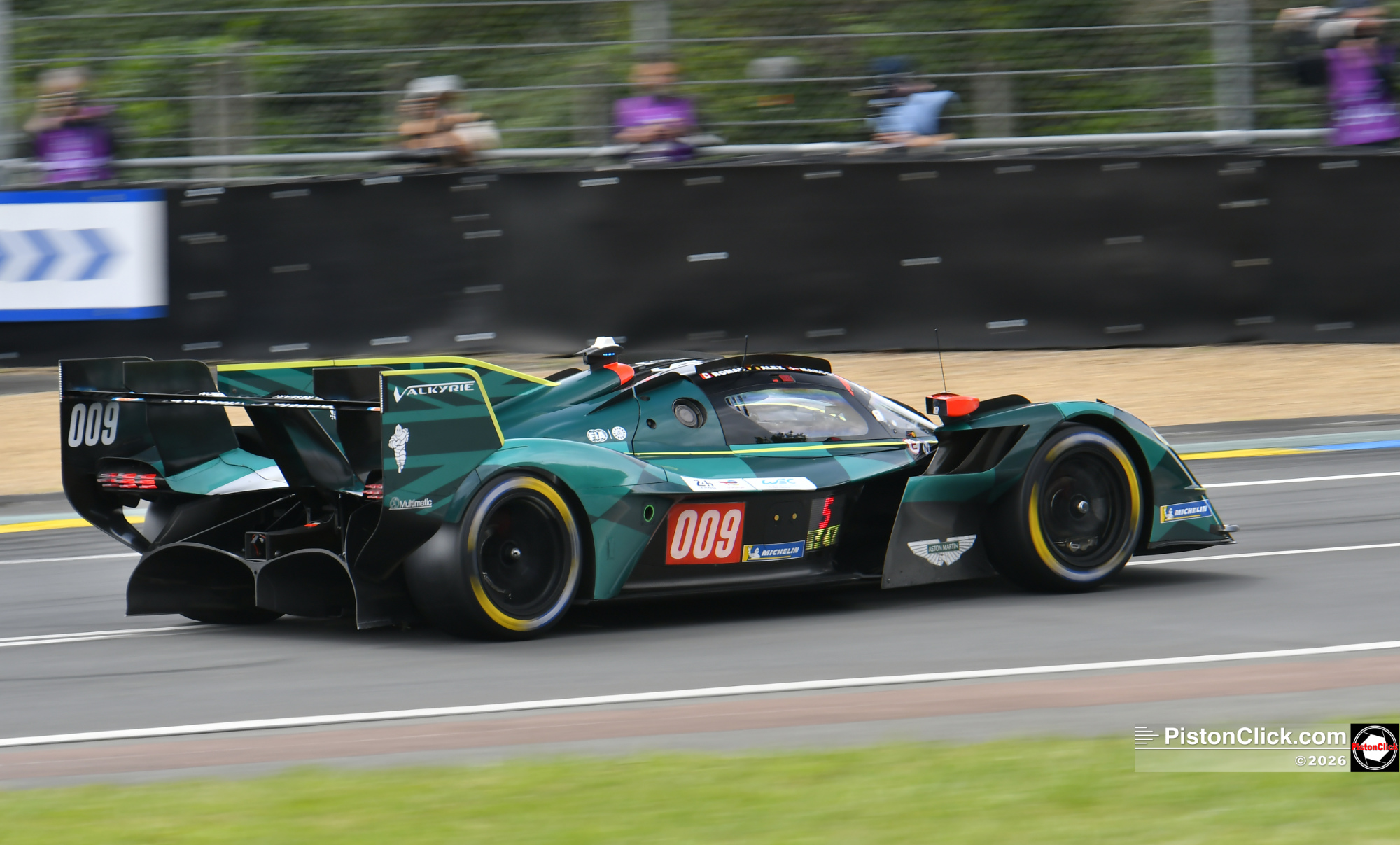
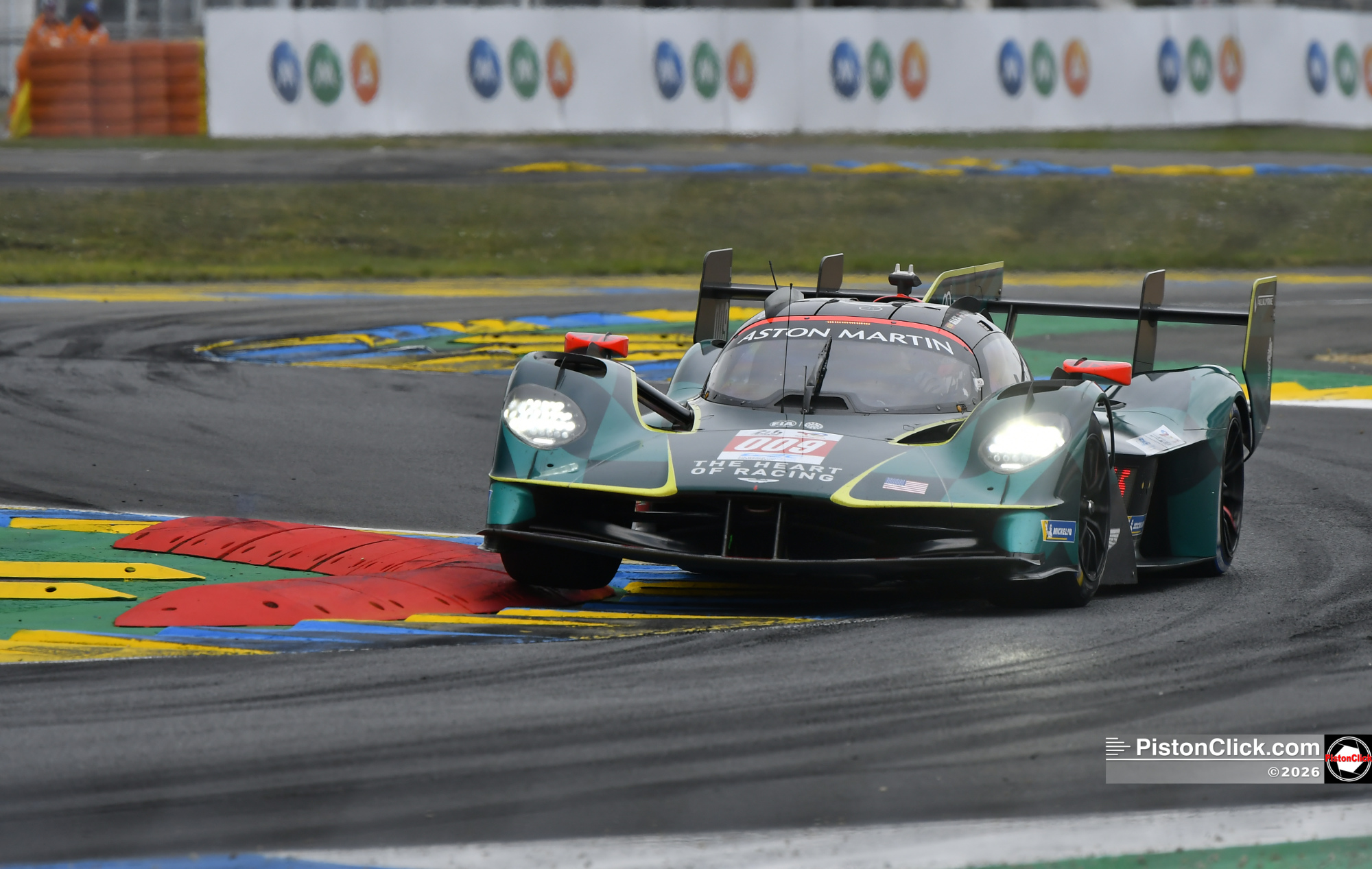
The Hypercar category once again served as the headline class at Le Mans. These cars were the main reason I made the journey. Nothing quite compares to seeing them in person. The high-pitched scream of the Aston Martin contrasts dramatically with the thunderous rumble of the Cadillac. Each manufacturer has its own distinctive sound and visual identity.
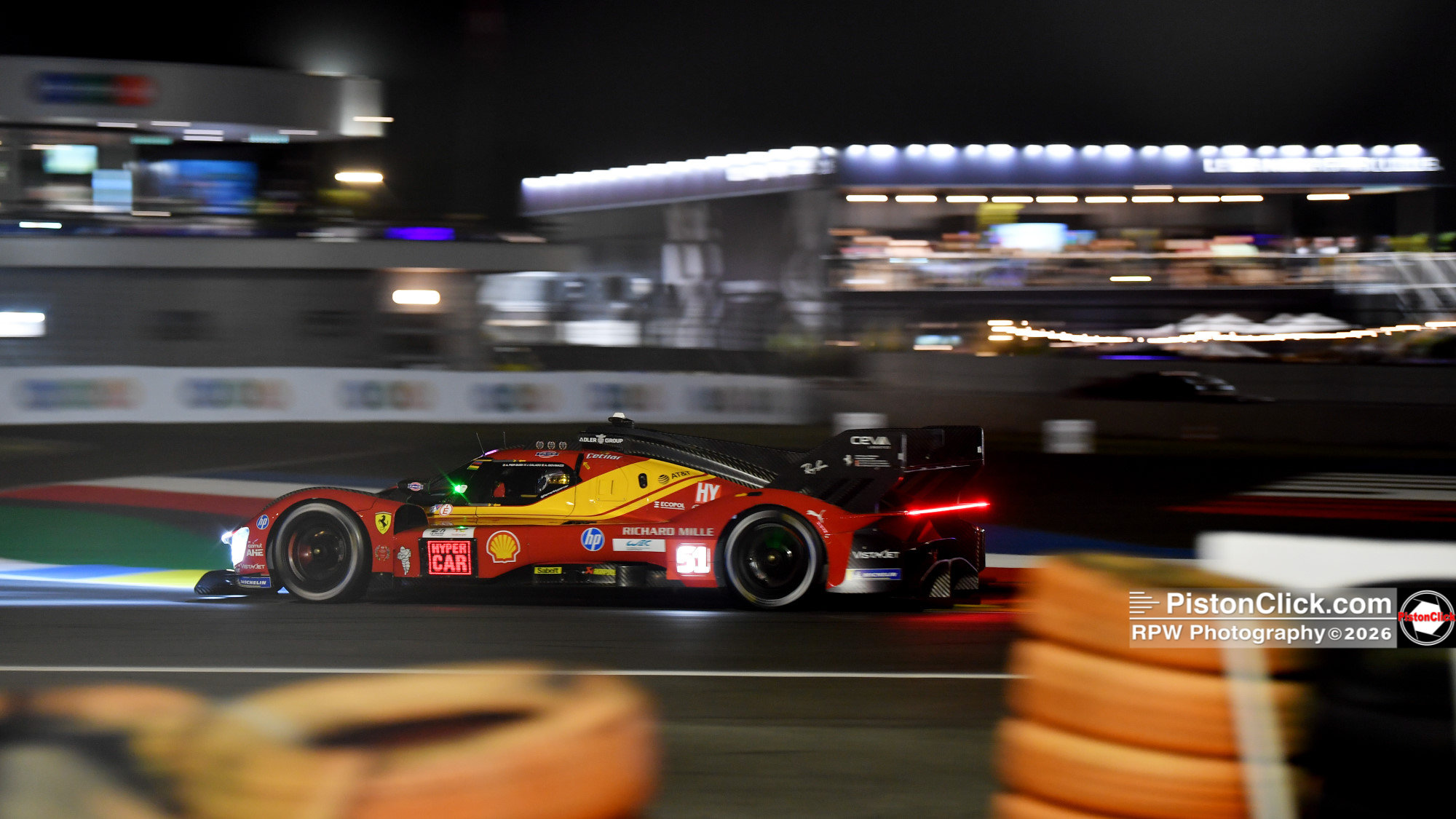
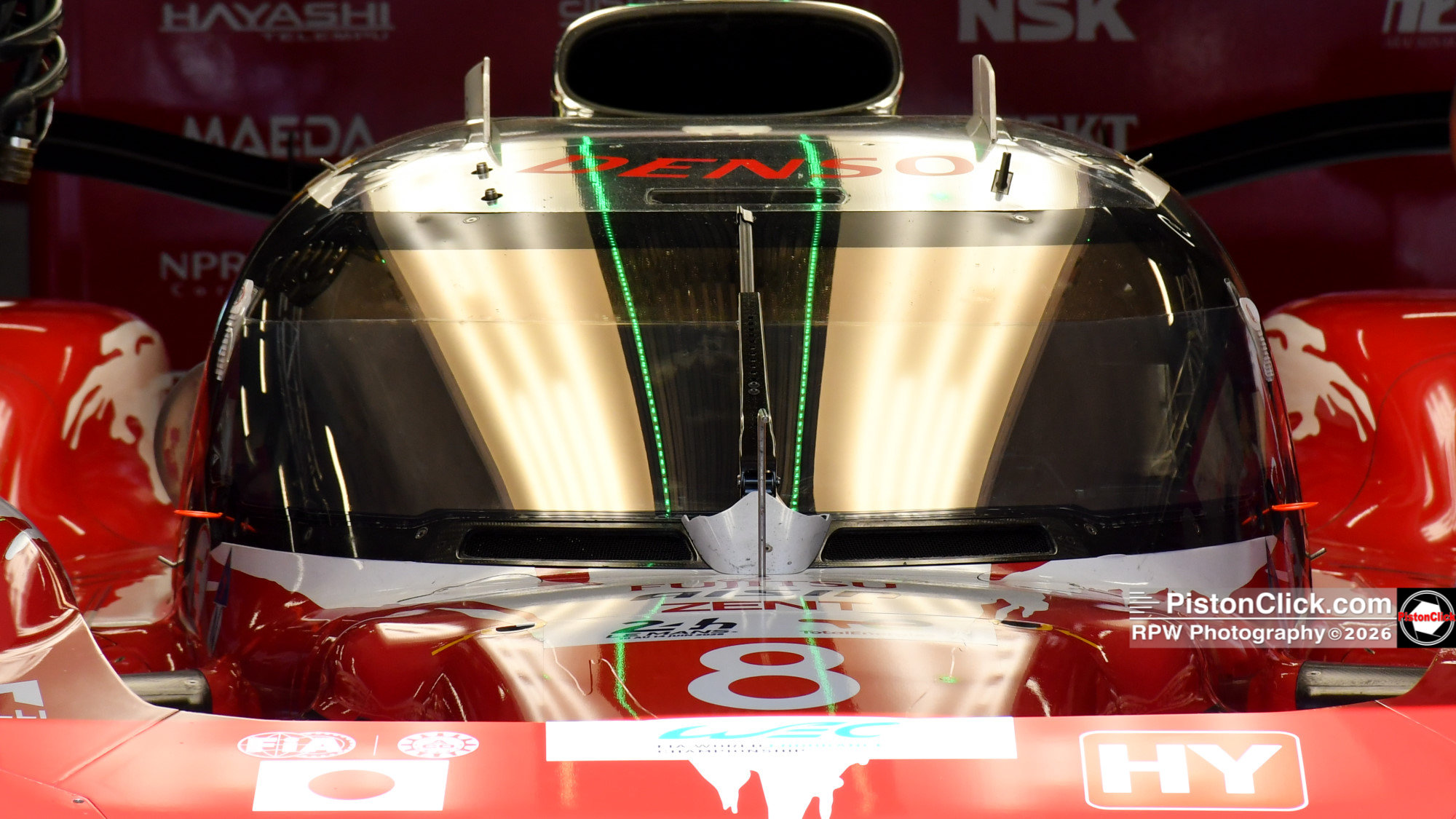
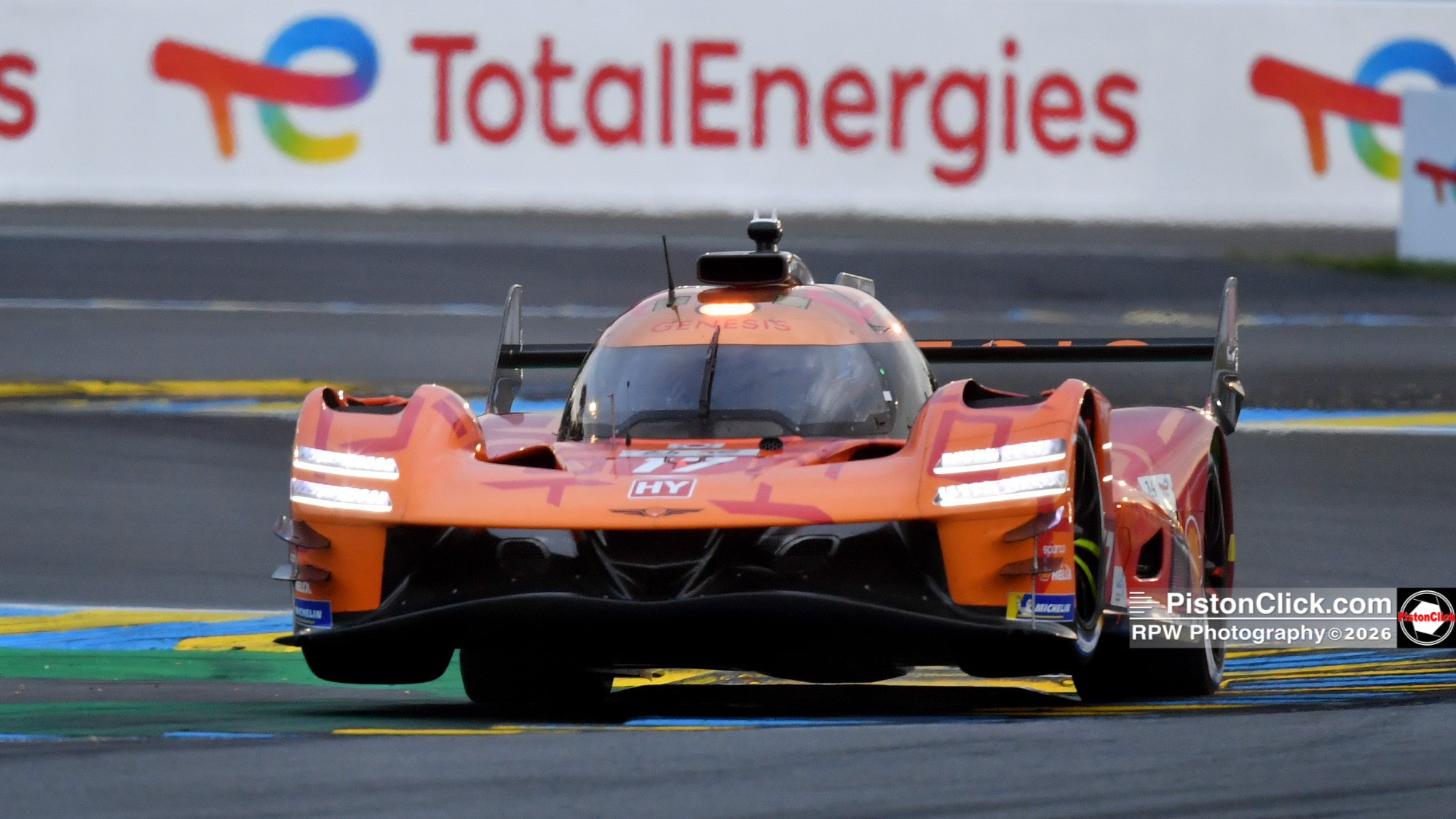
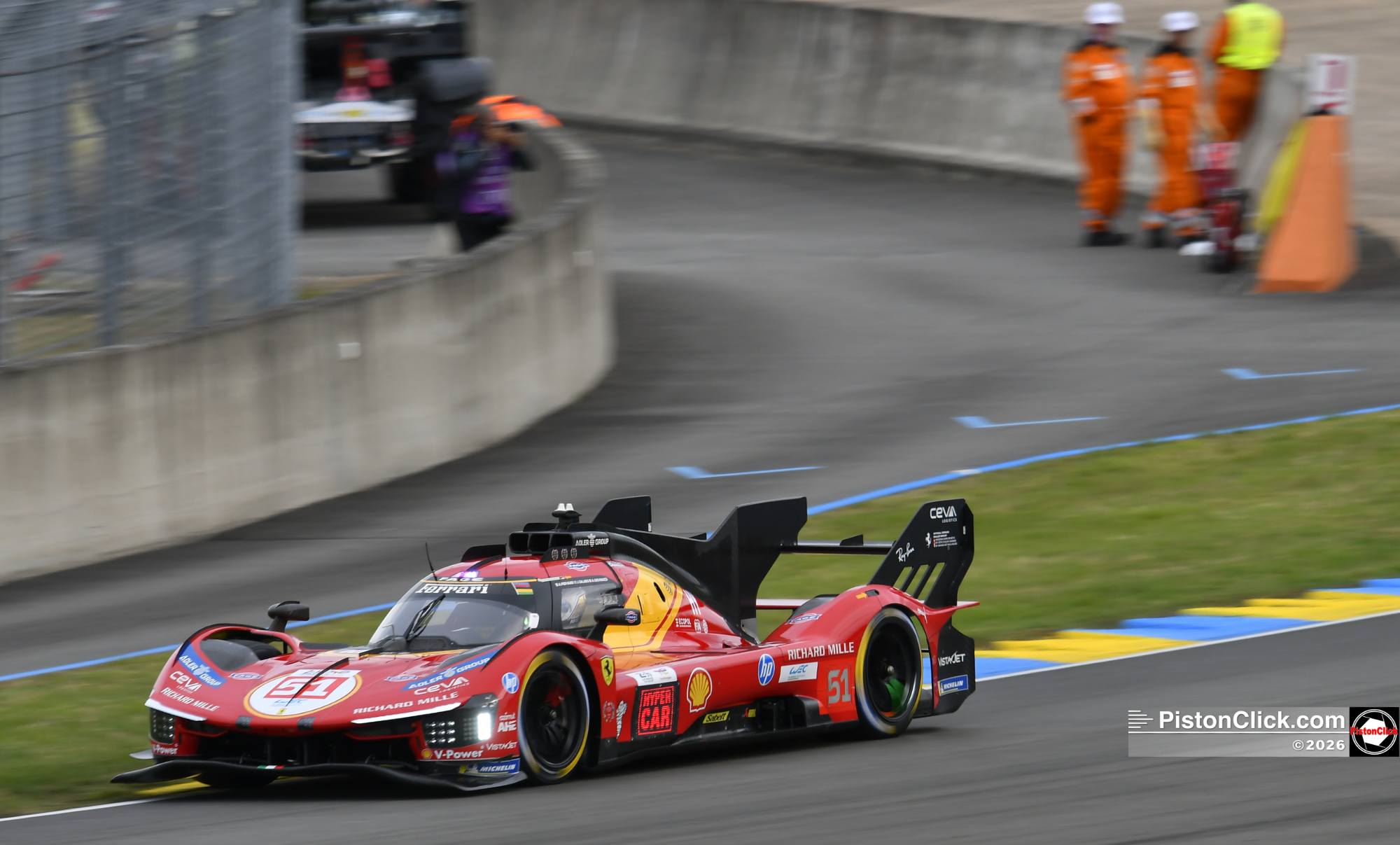
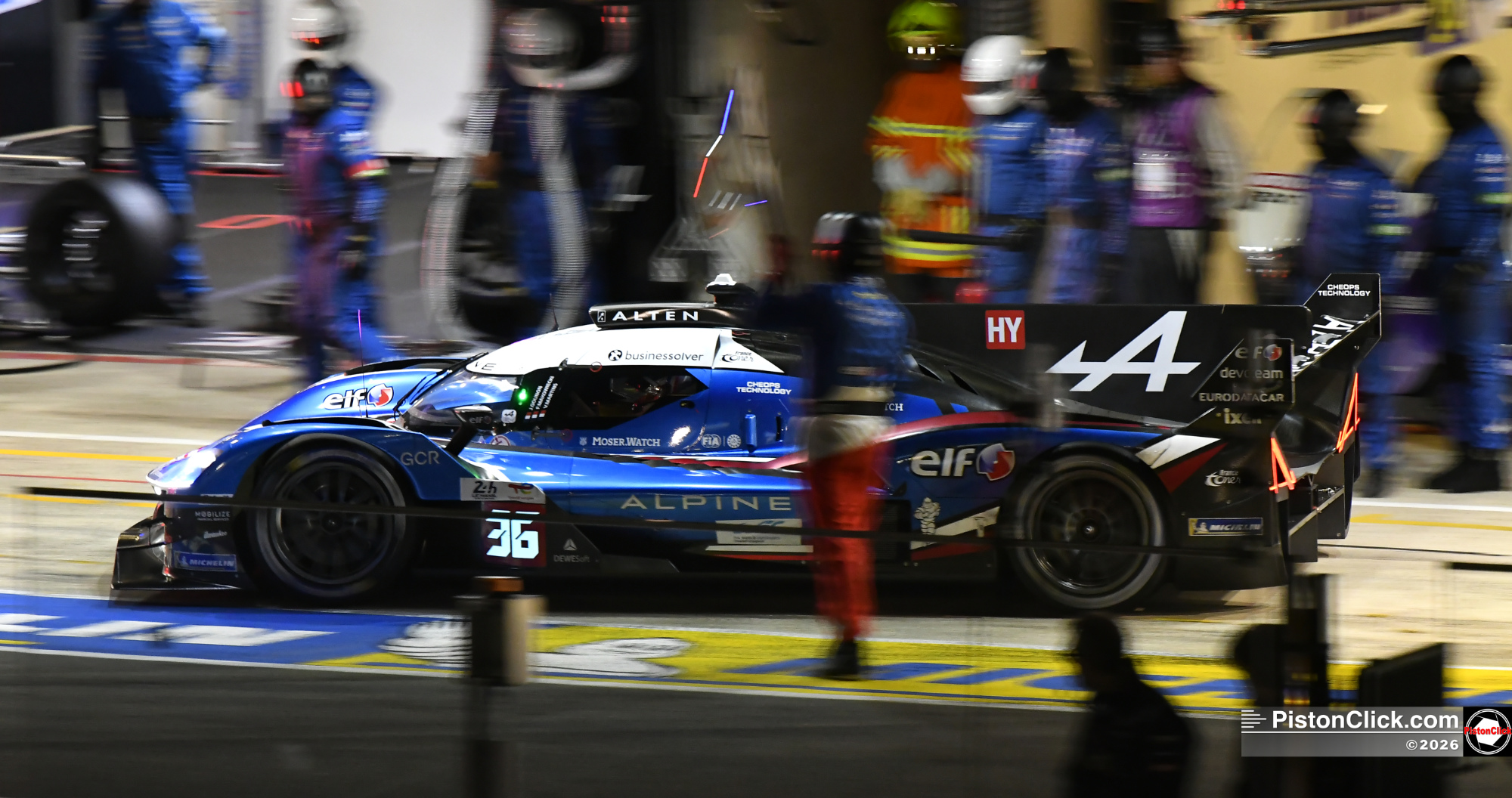
The Hypercar class featured manufacturers including Toyota, BMW, Cadillac, Alpine, Ferrari, Aston Martin, and Genesis. Their presence highlighted what many fans describe as a new golden era for endurance racing.
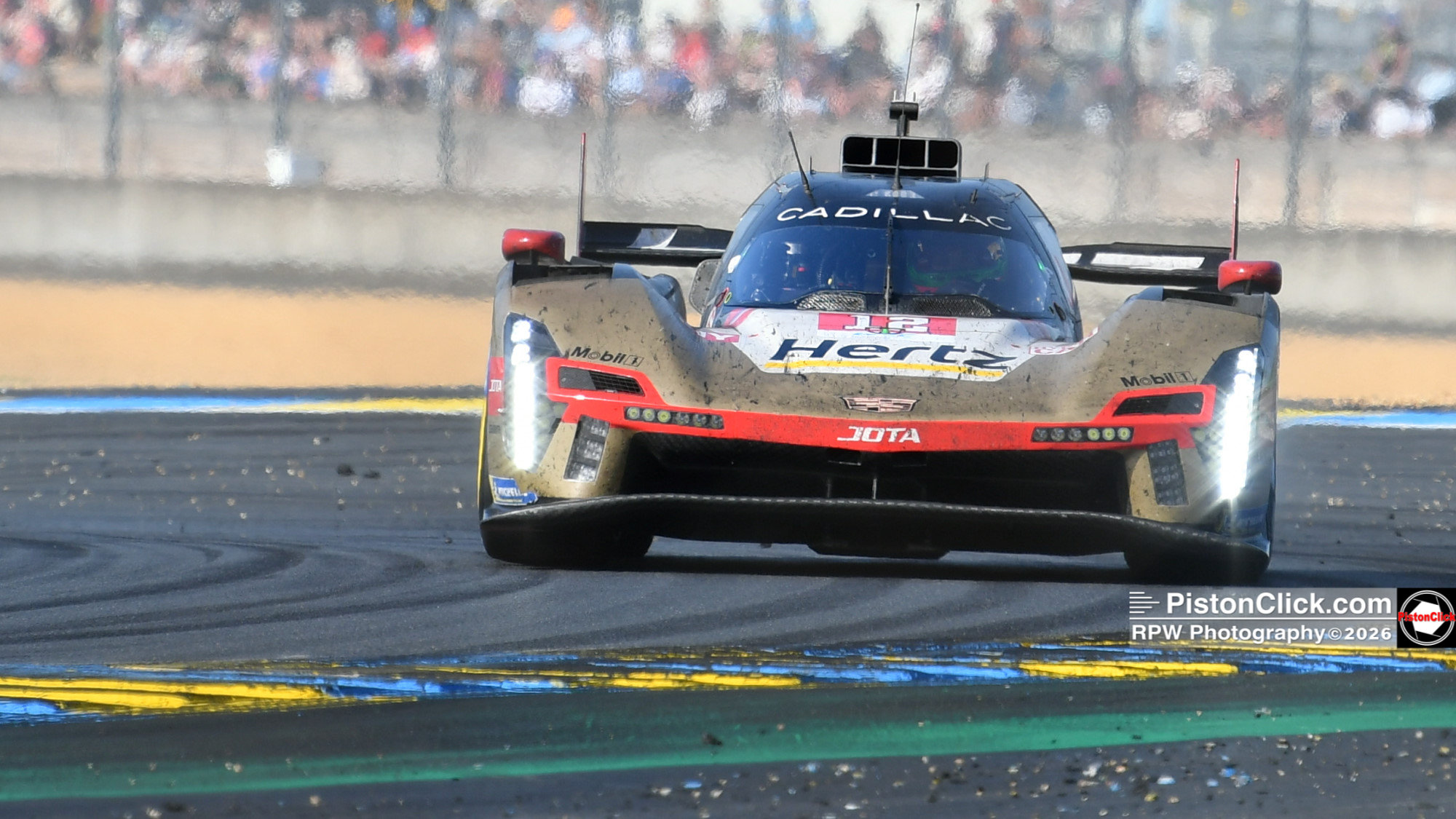
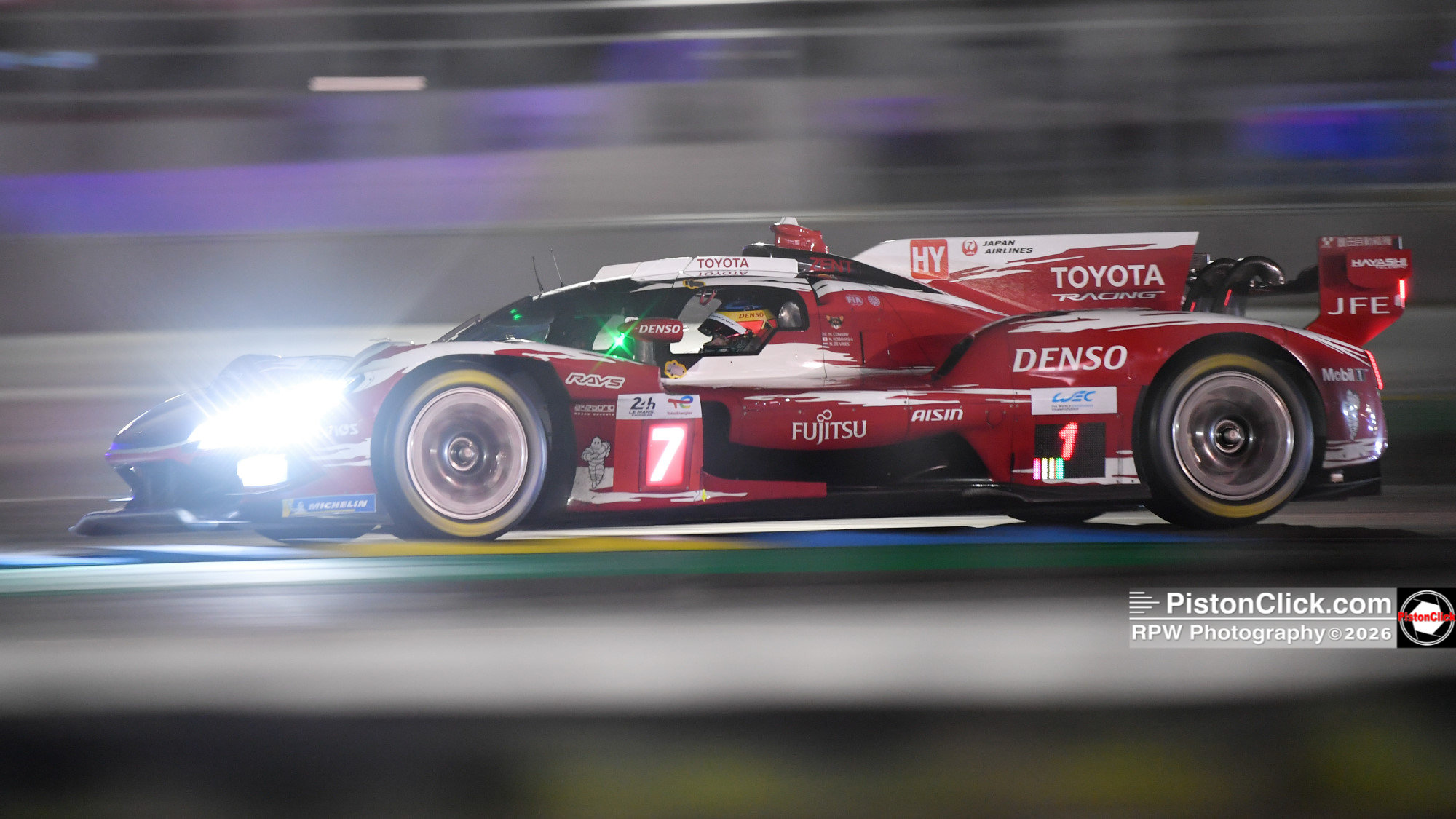
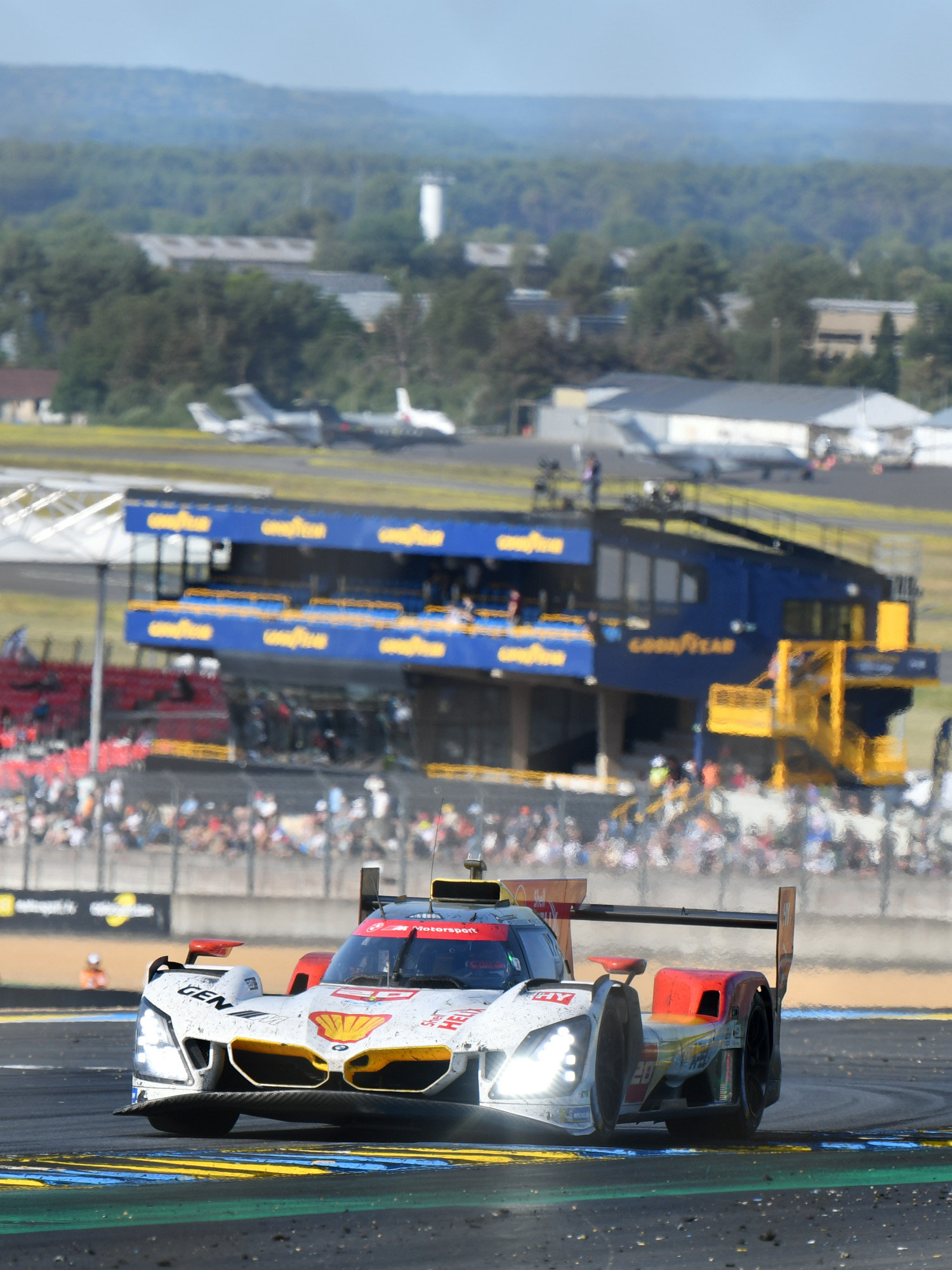
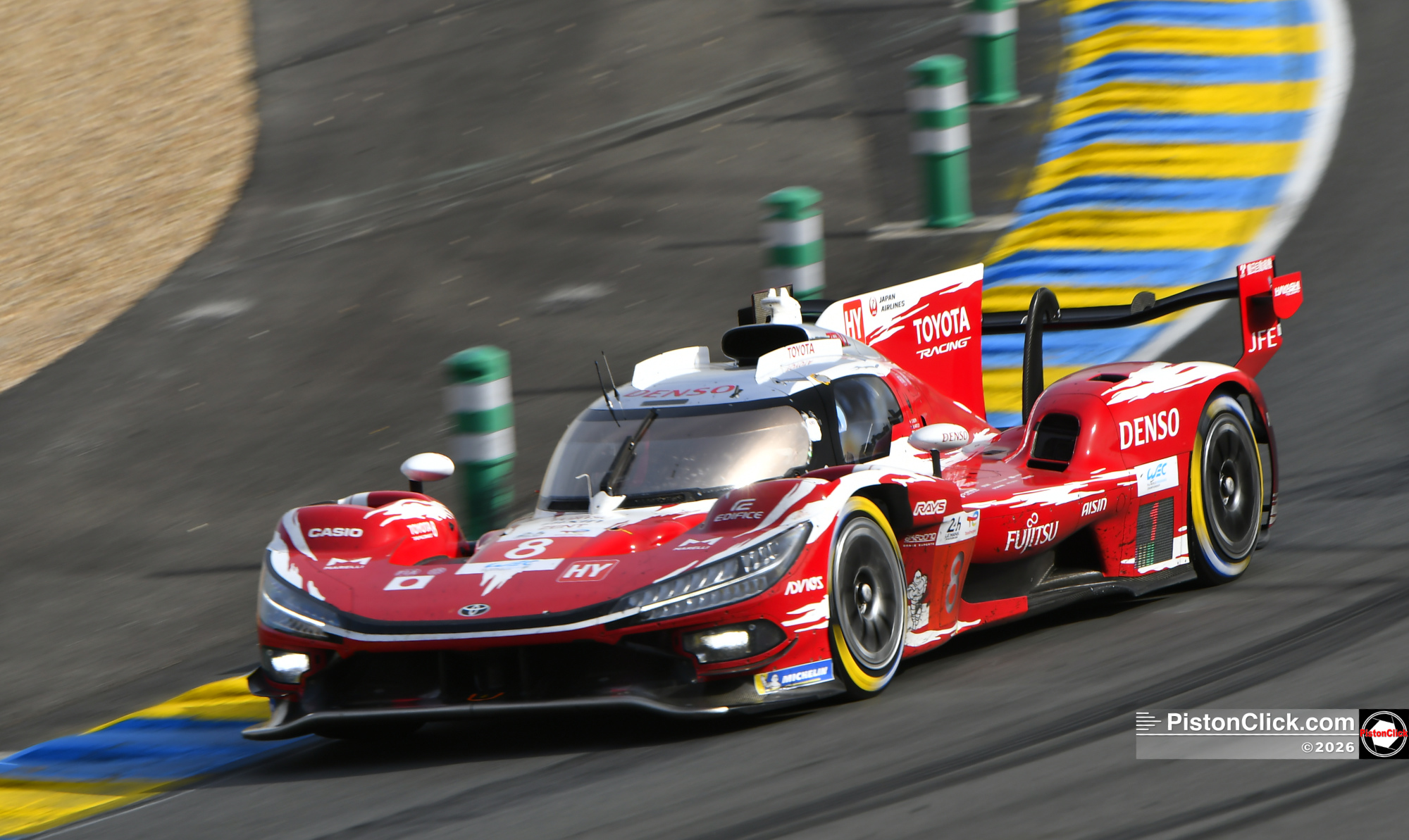
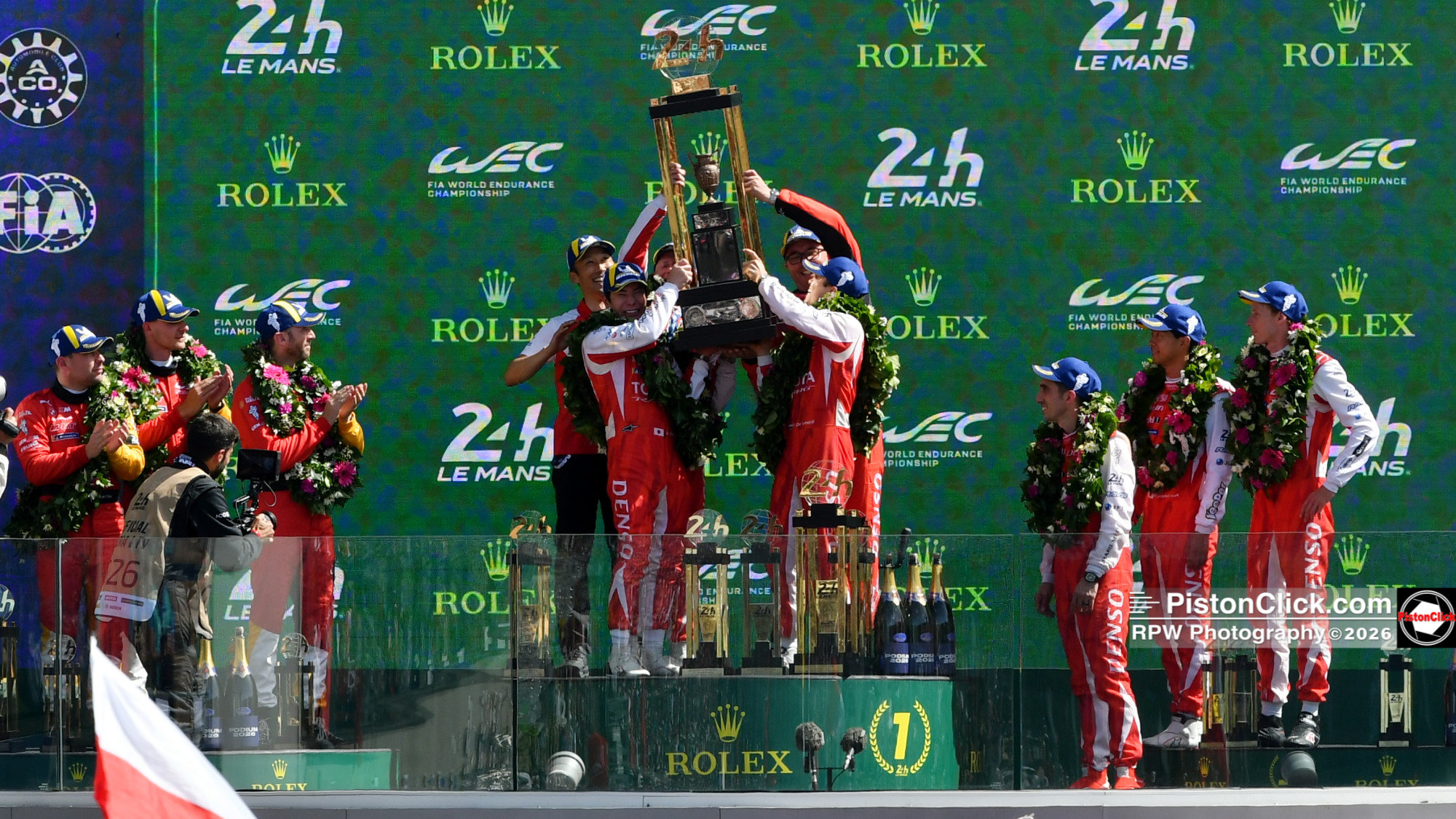
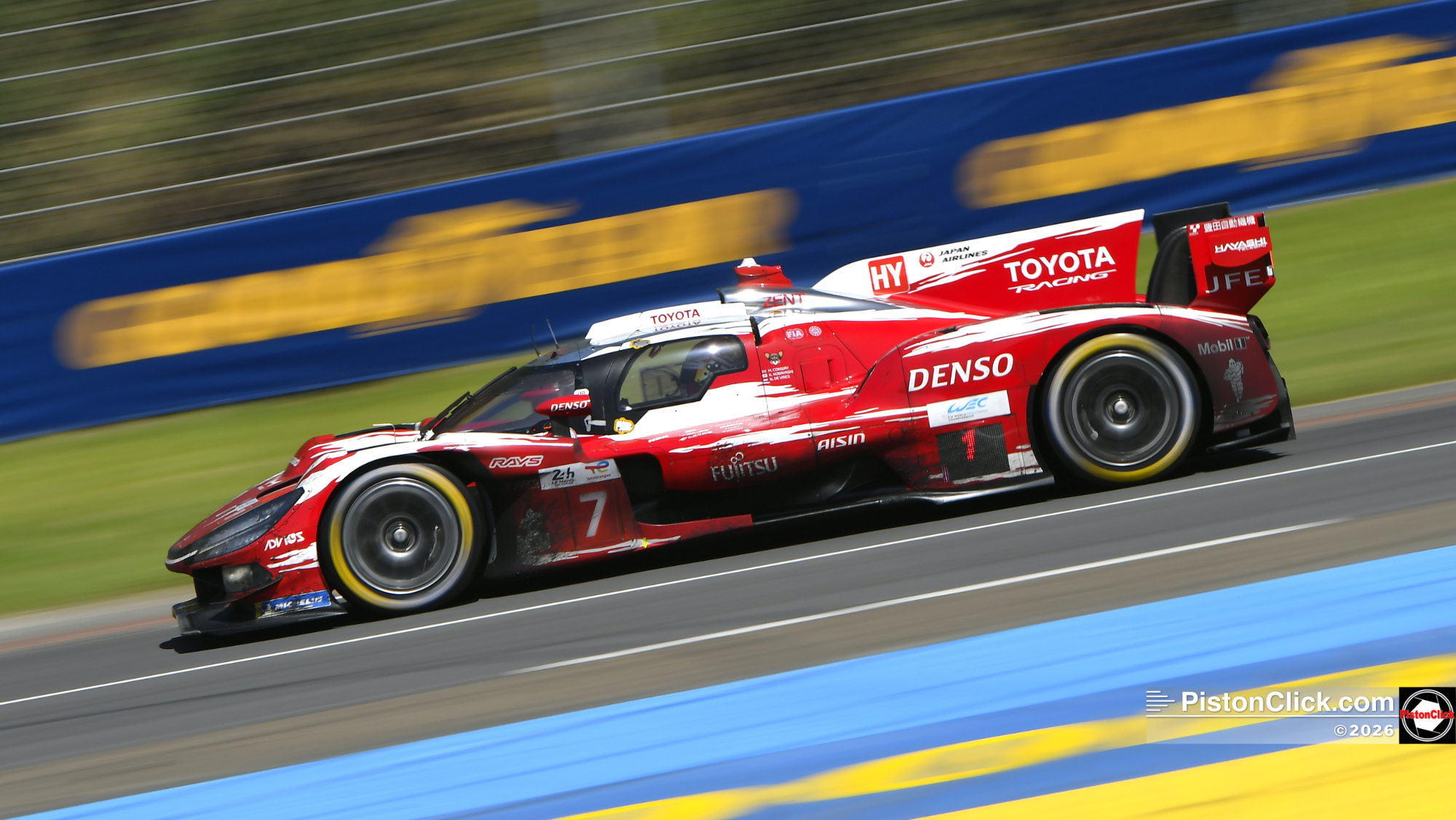
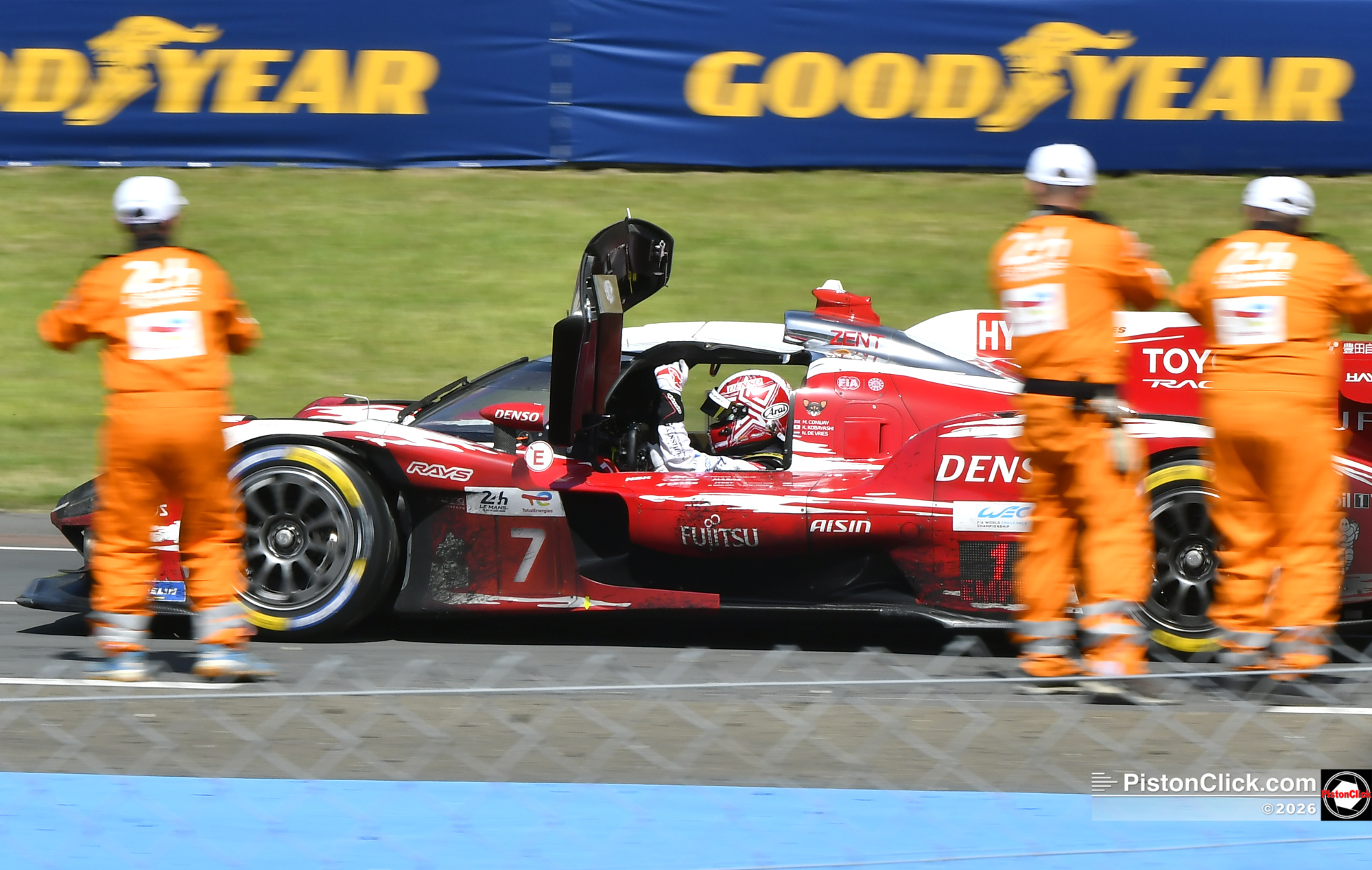
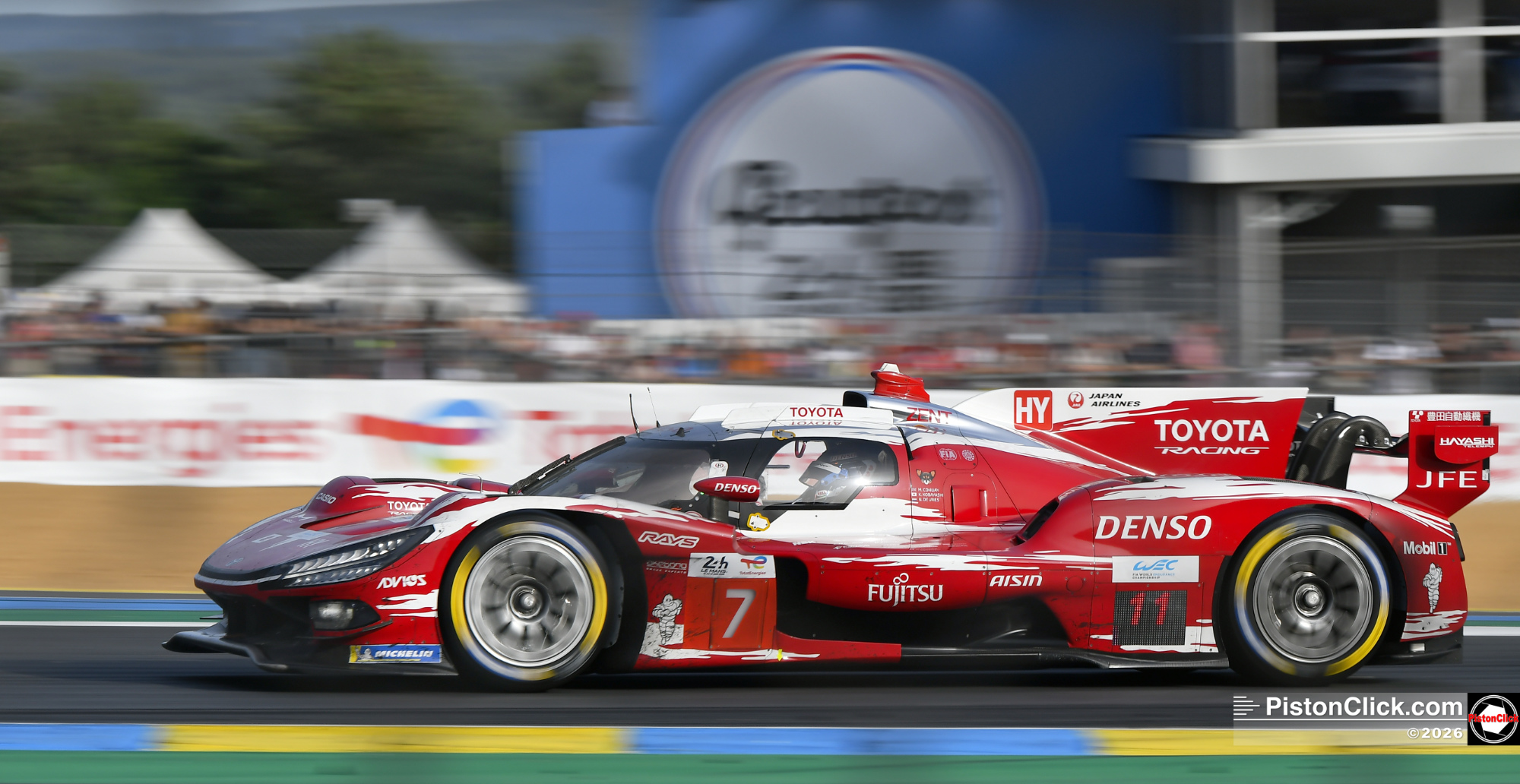
The battle for overall victory remained fiercely contested throughout the race. Toyota eventually secured victory with the #7 Toyota, but BMW and Cadillac pushed them hard until the closing hours.
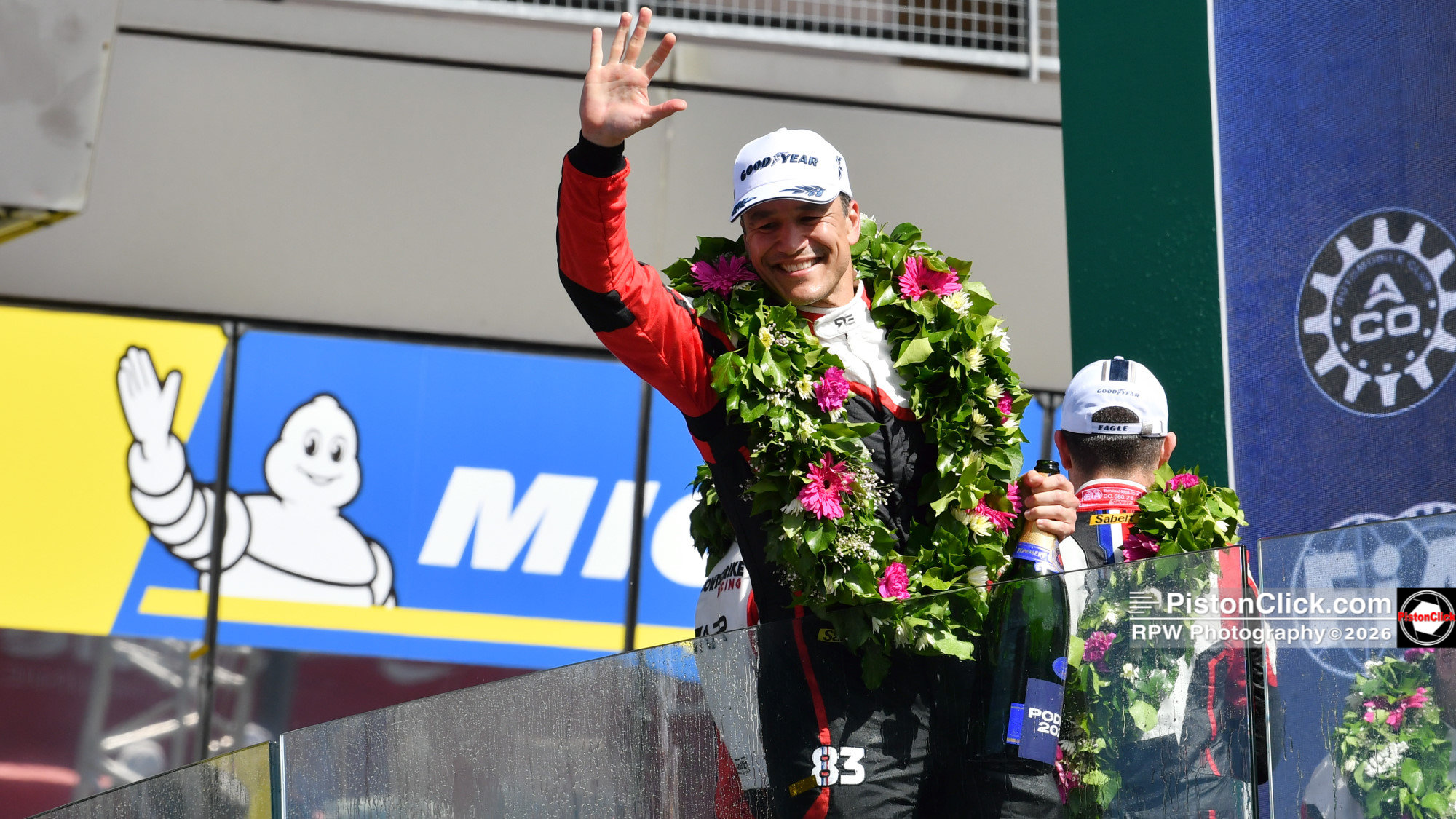
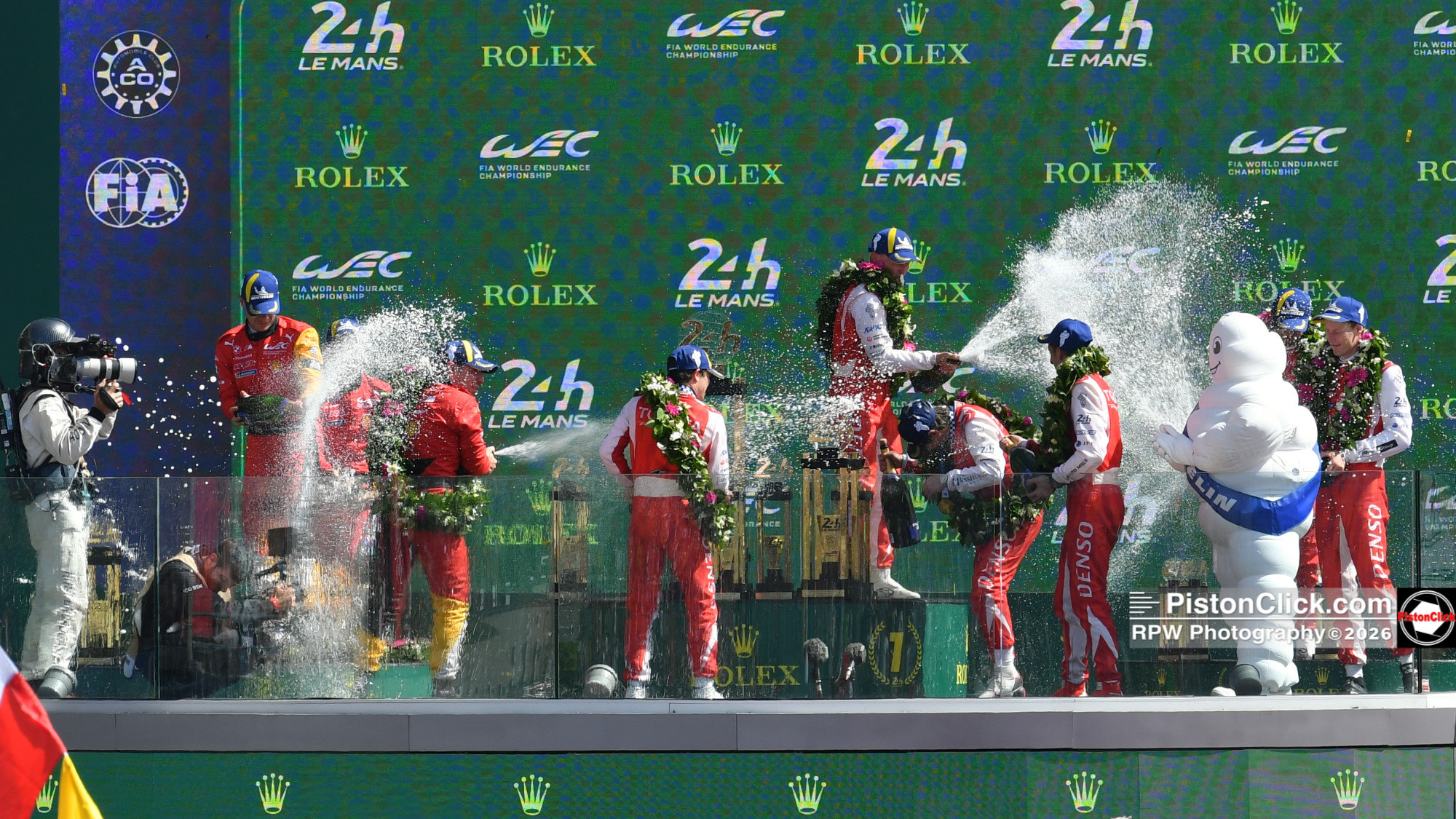
When the chequered flag finally fell, the top seven cars had completed 381 laps. The winning #7 Toyota, driven by Mike Conway, Kamui Kobayashi, and Nyck de Vries, crossed the finish line just 10.913 seconds ahead of the #20 BMW M Team WRT entry. The #8 Toyota completed the podium in third place.
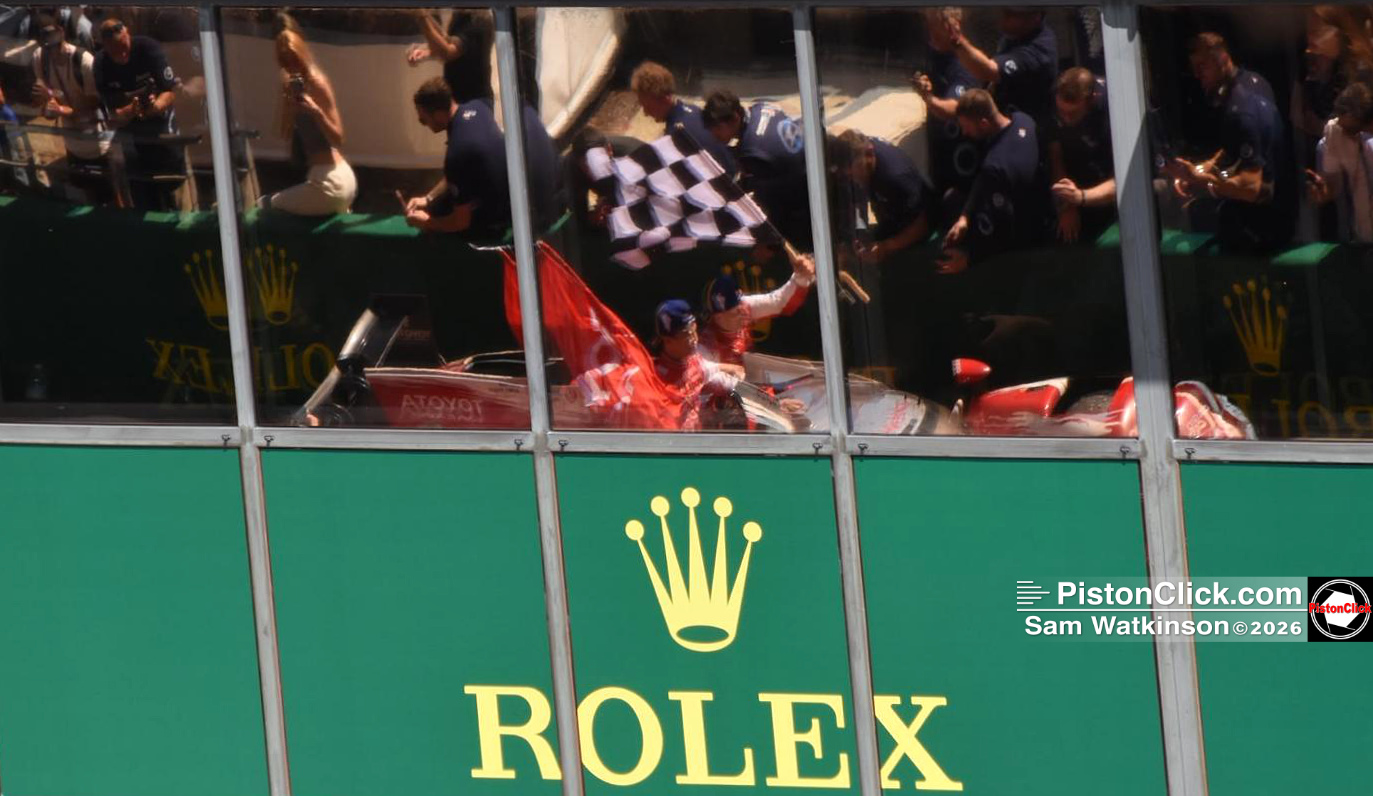
Hearing hundreds of thousands of fans celebrate at the finish created a moment I will never forget.
Le Mans 24 Hours LMP2
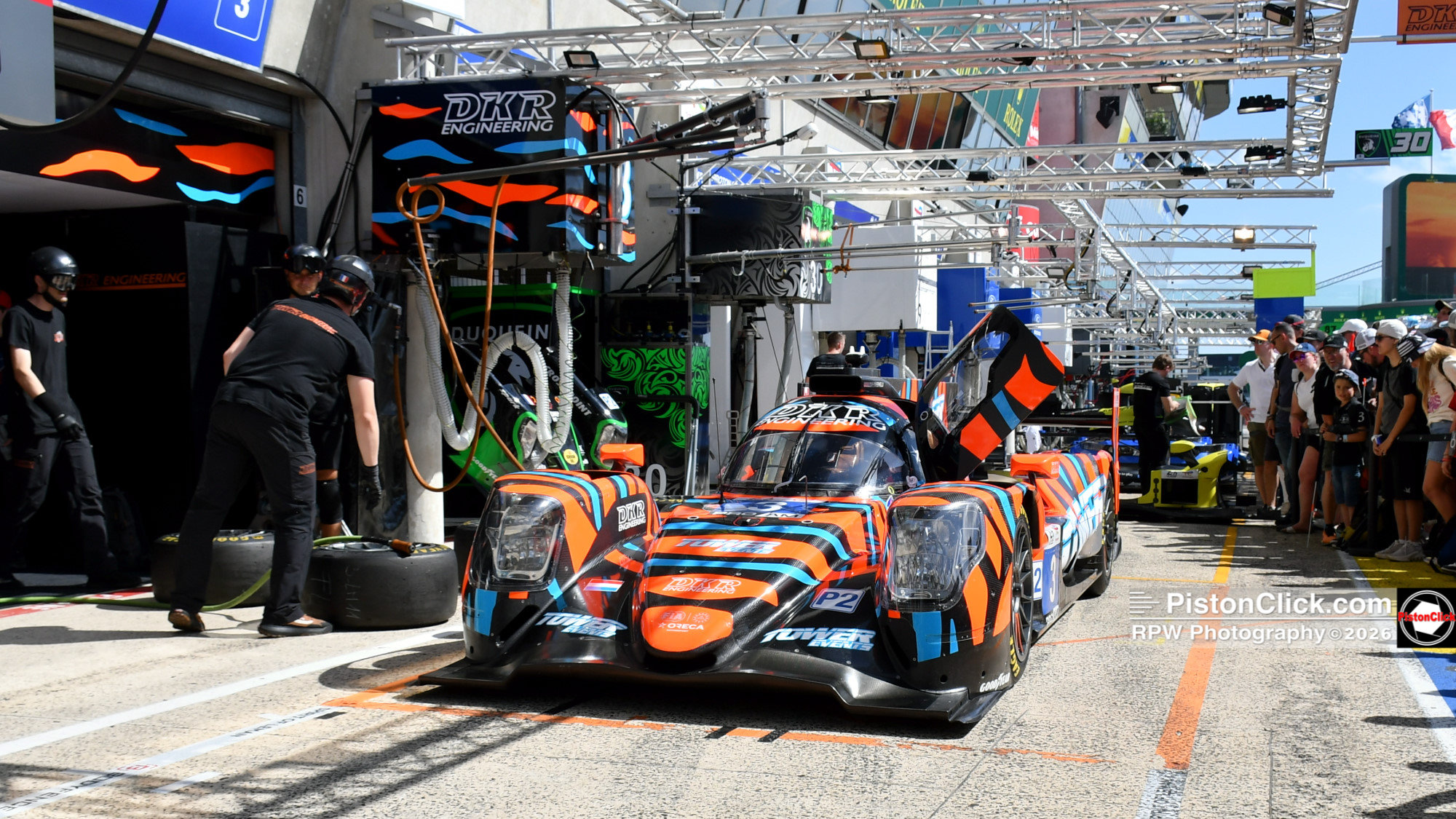
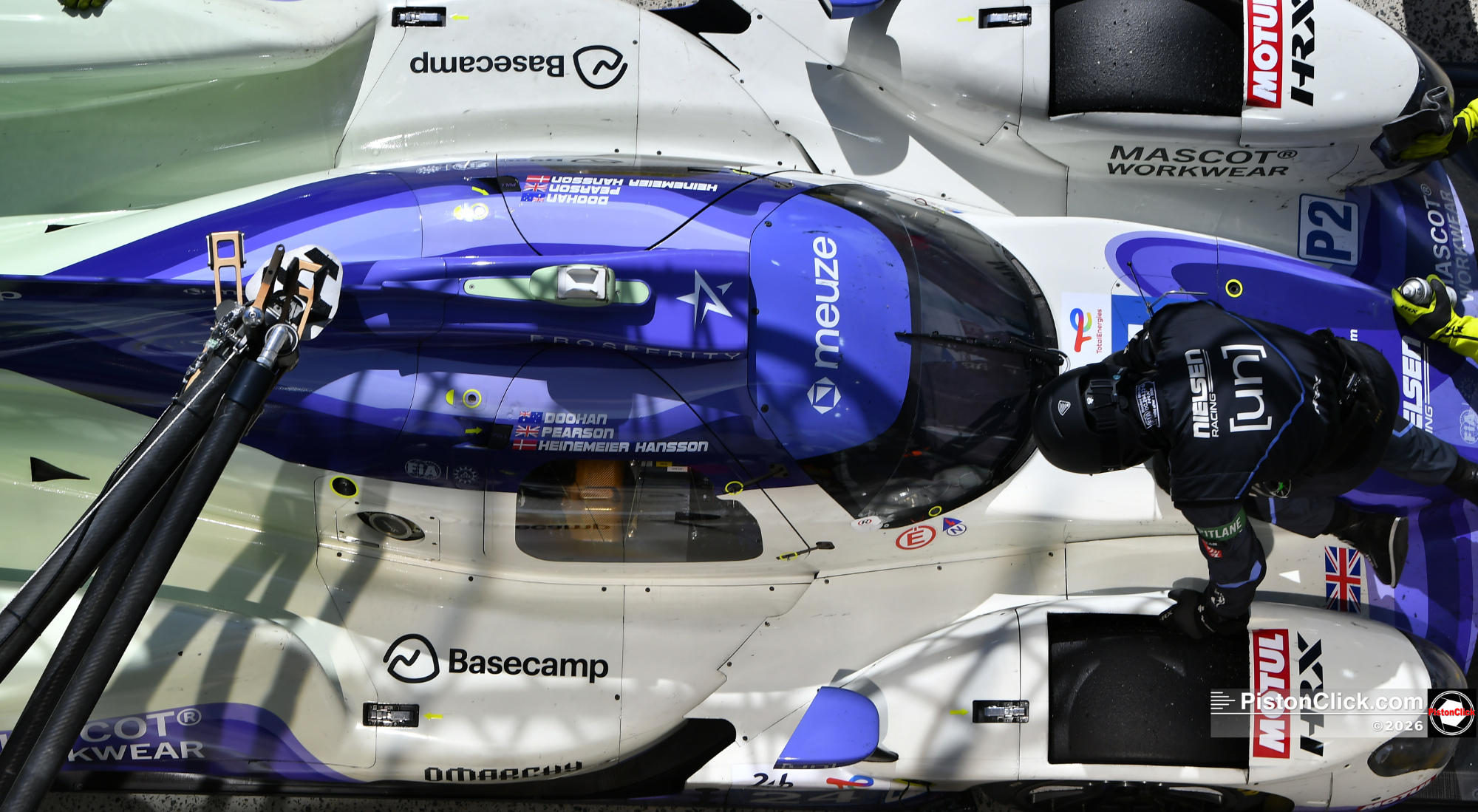
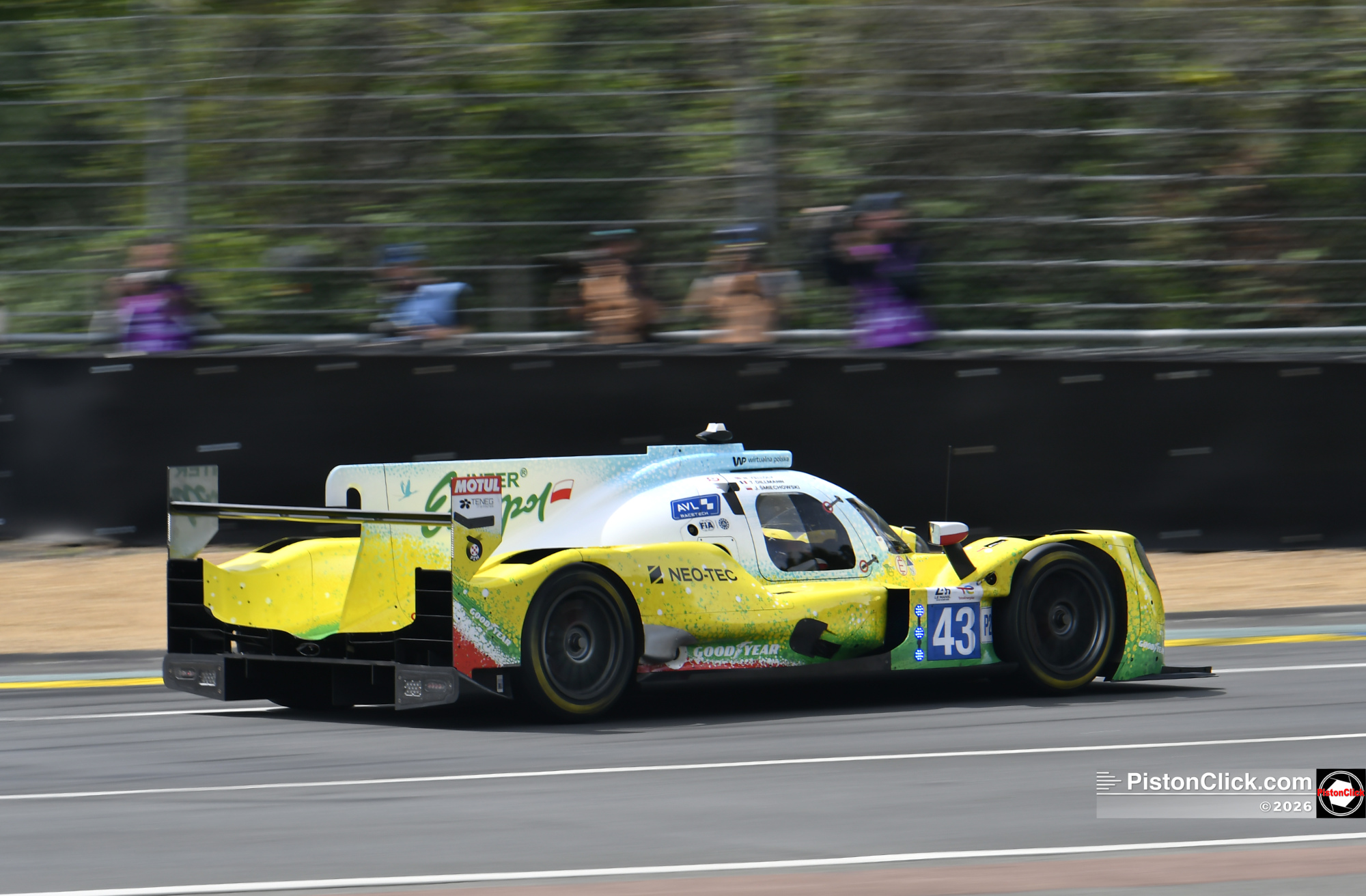
LMP2 continues to provide the backbone of endurance racing. The class featured close competition between teams running identical Oreca 07-Gibson chassis. Success depended heavily on consistency, pit-stop execution, and strategy.
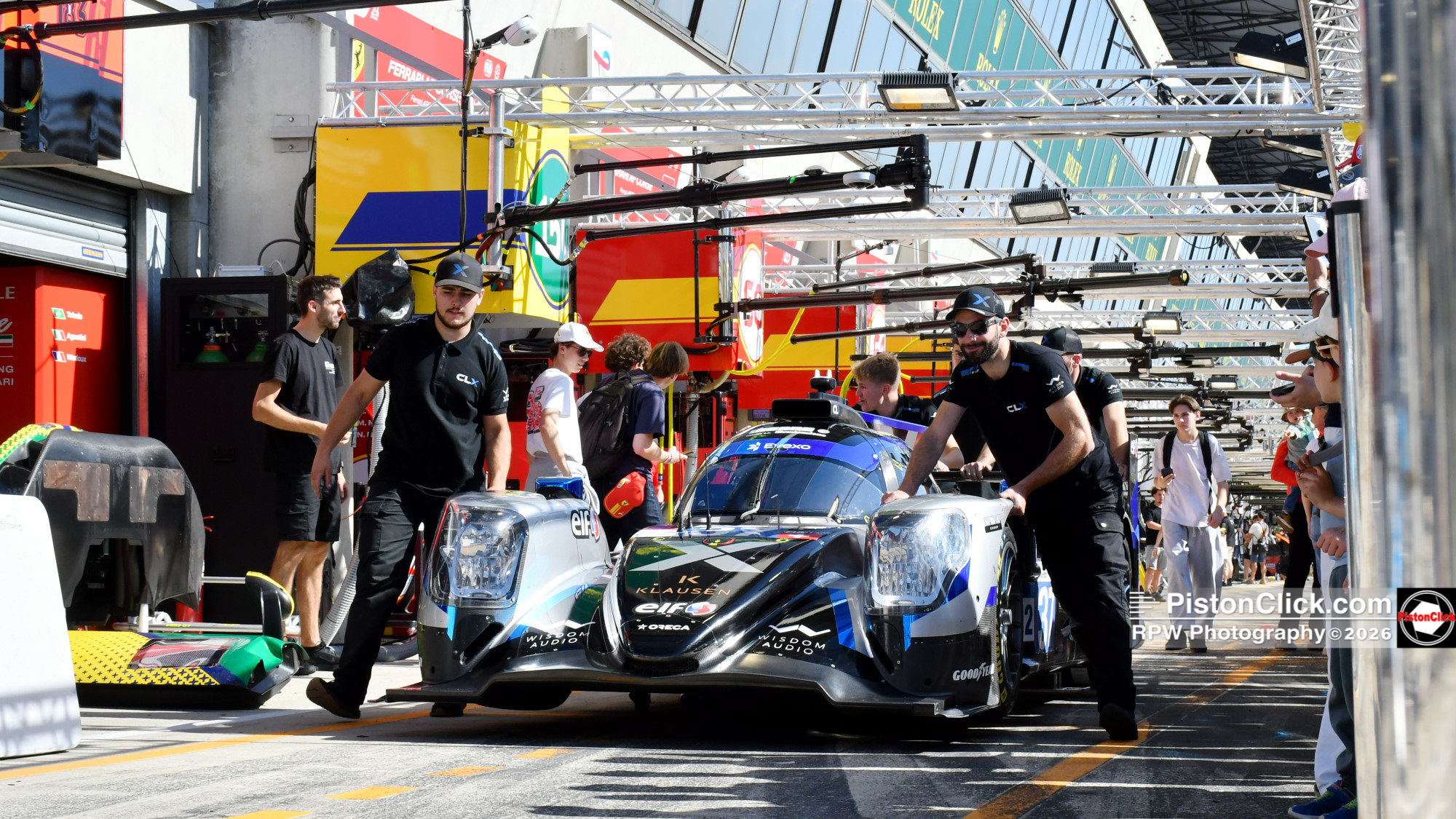
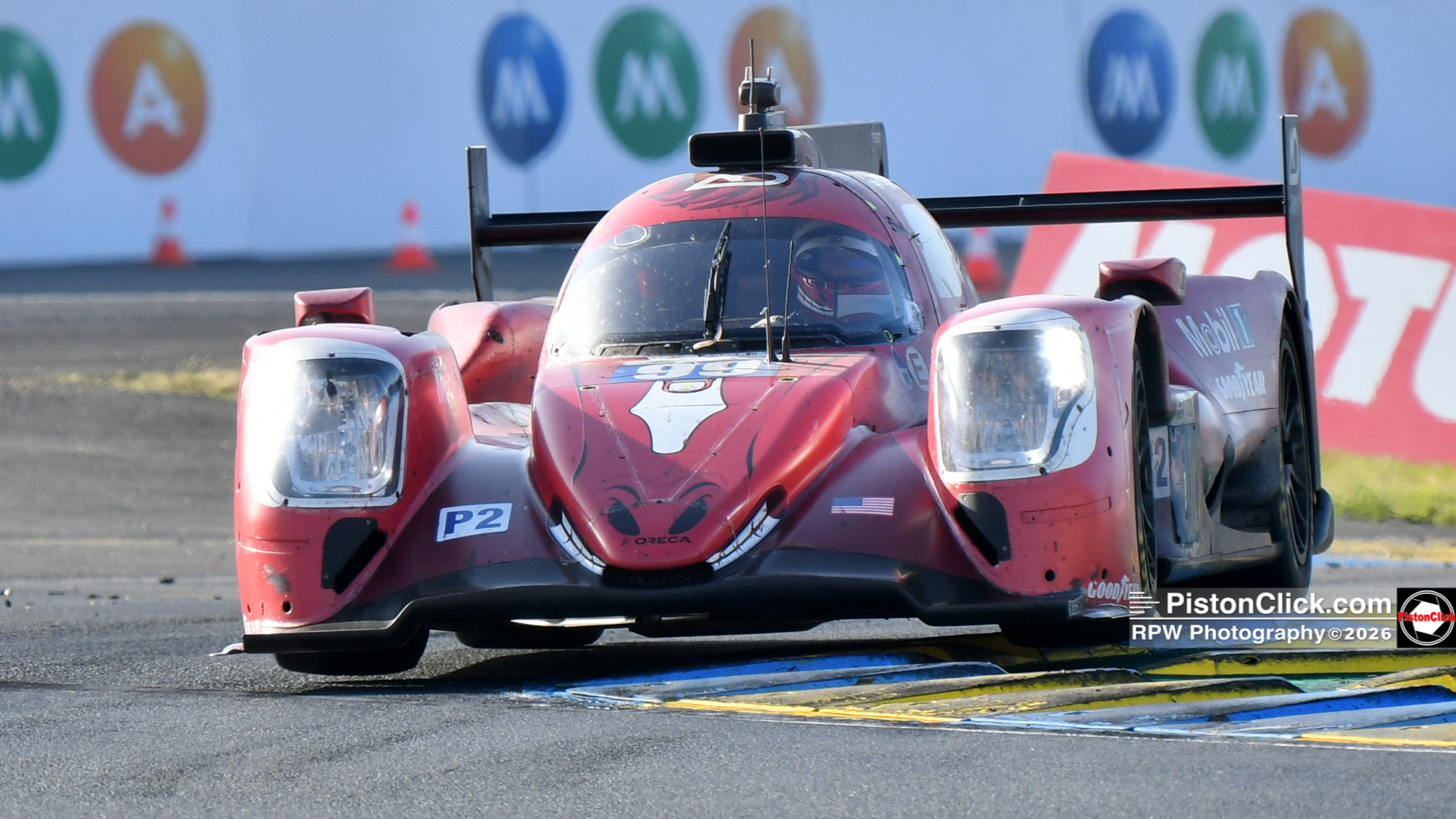
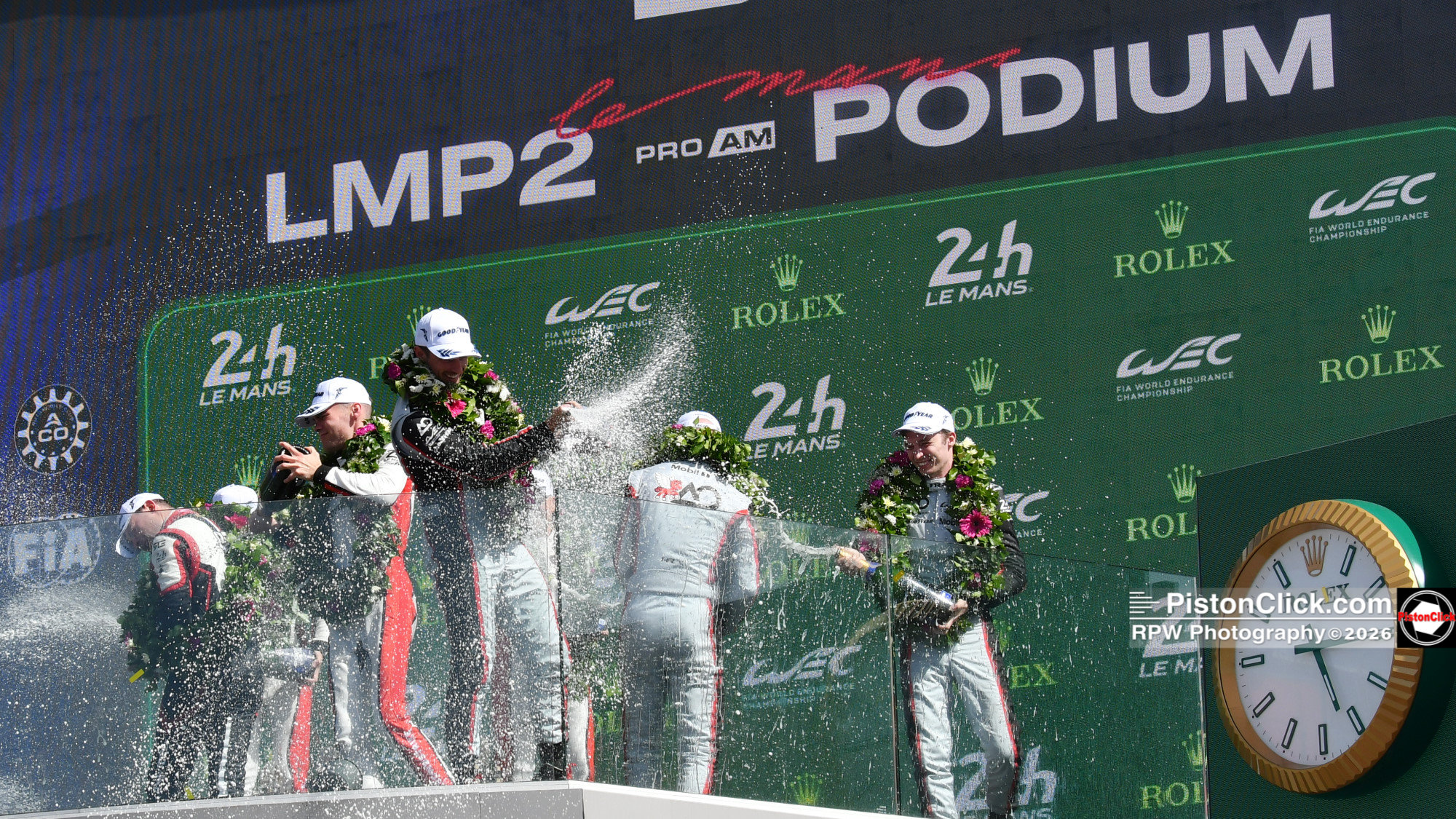
Inter Europol Competition’s #43 entry claimed victory after a faultless performance. The team capitalised on setbacks suffered by early leaders Duqueine and maintained a strong pace throughout the event.
Le Mans 24 Hours LMGT3
The LMGT3 category brought production-based sports car racing to the world’s biggest endurance stage.
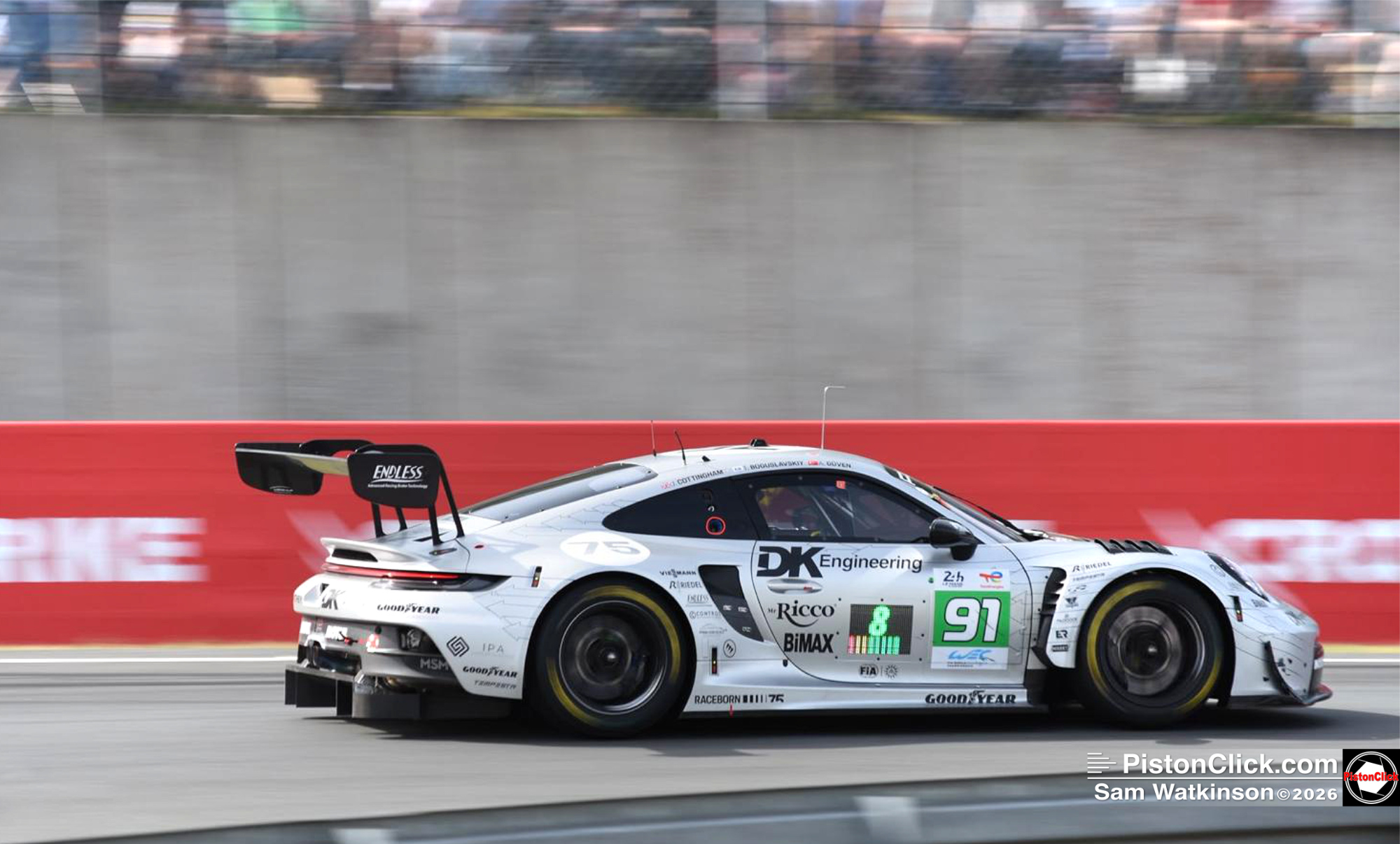
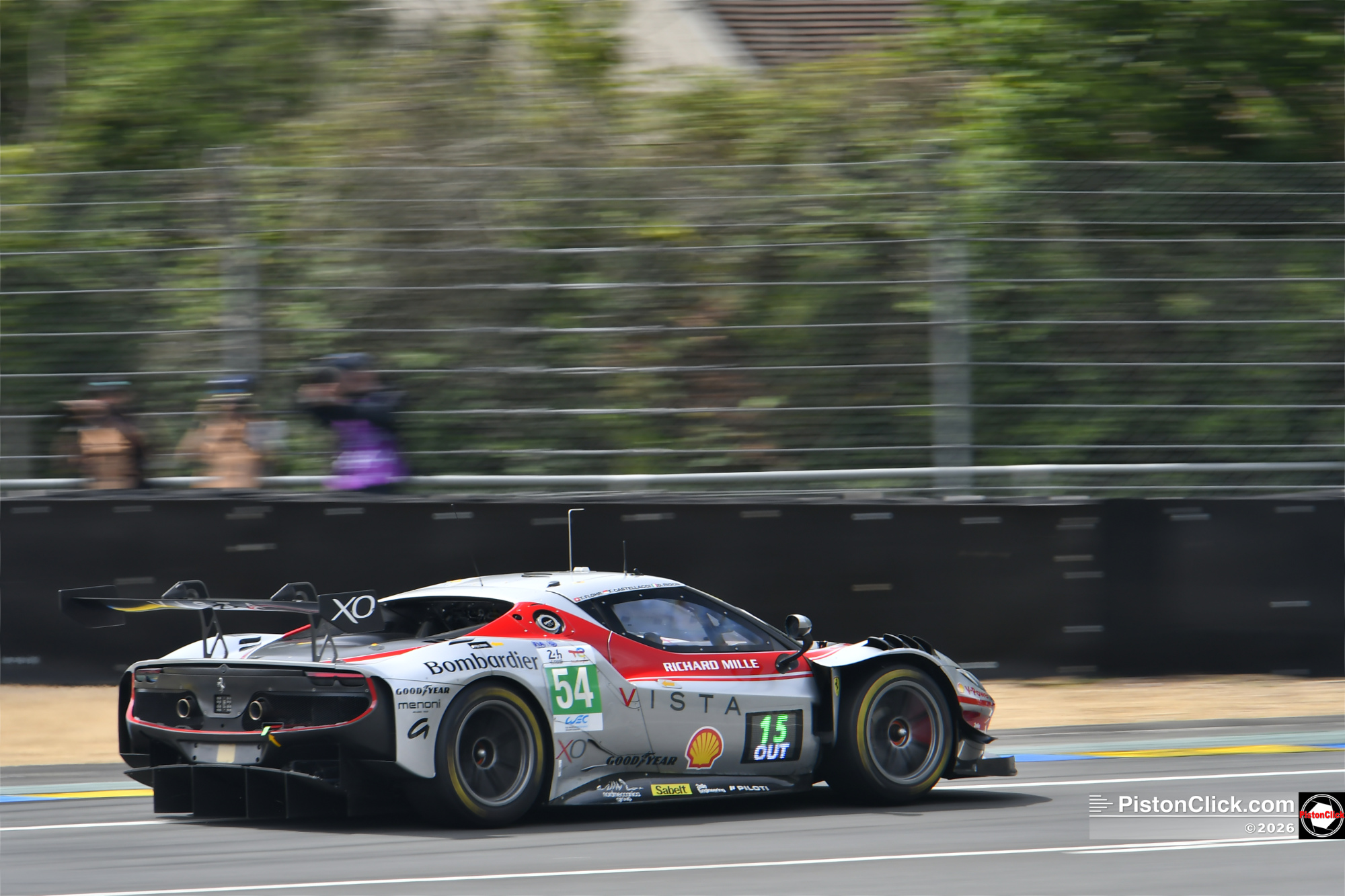
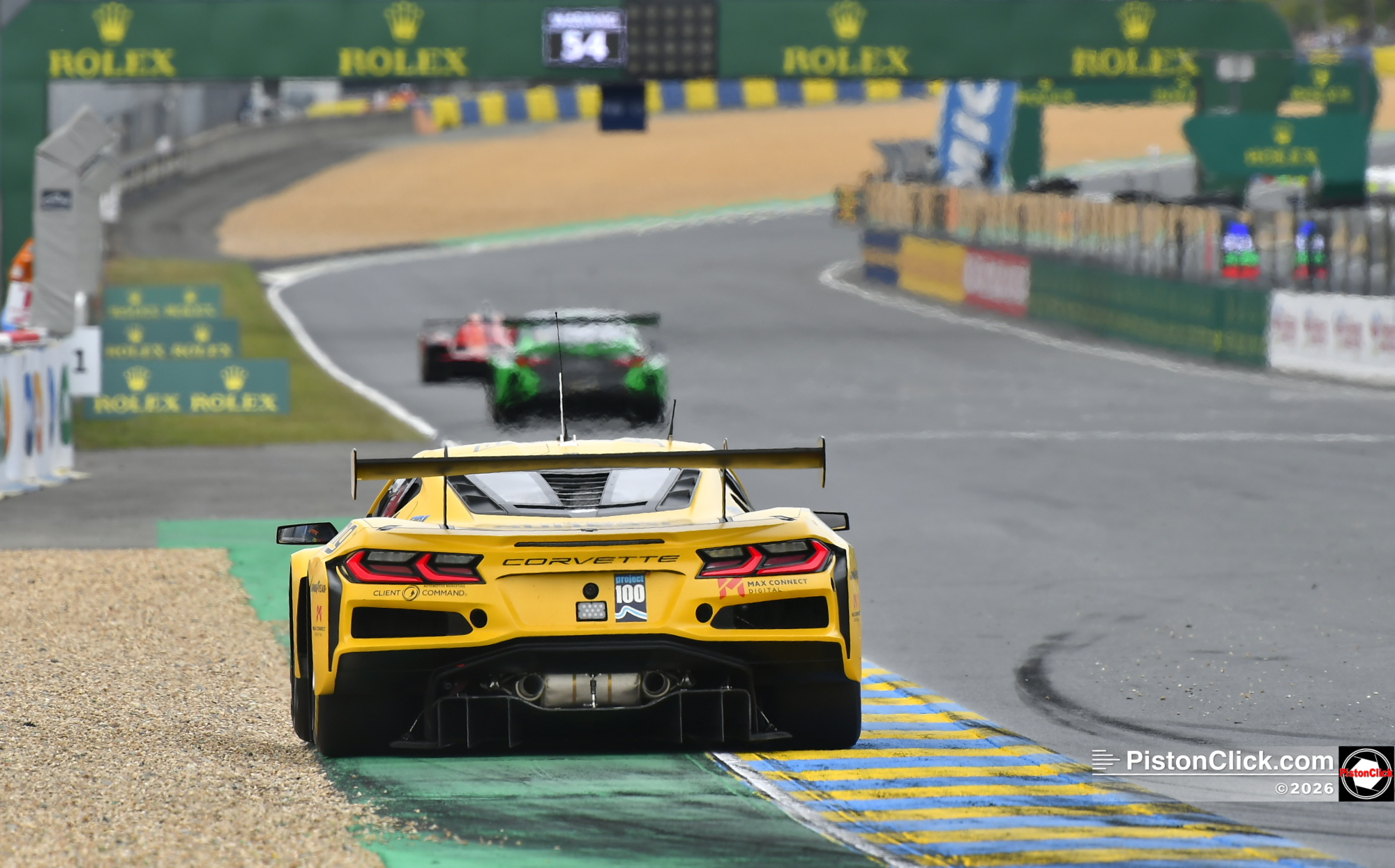
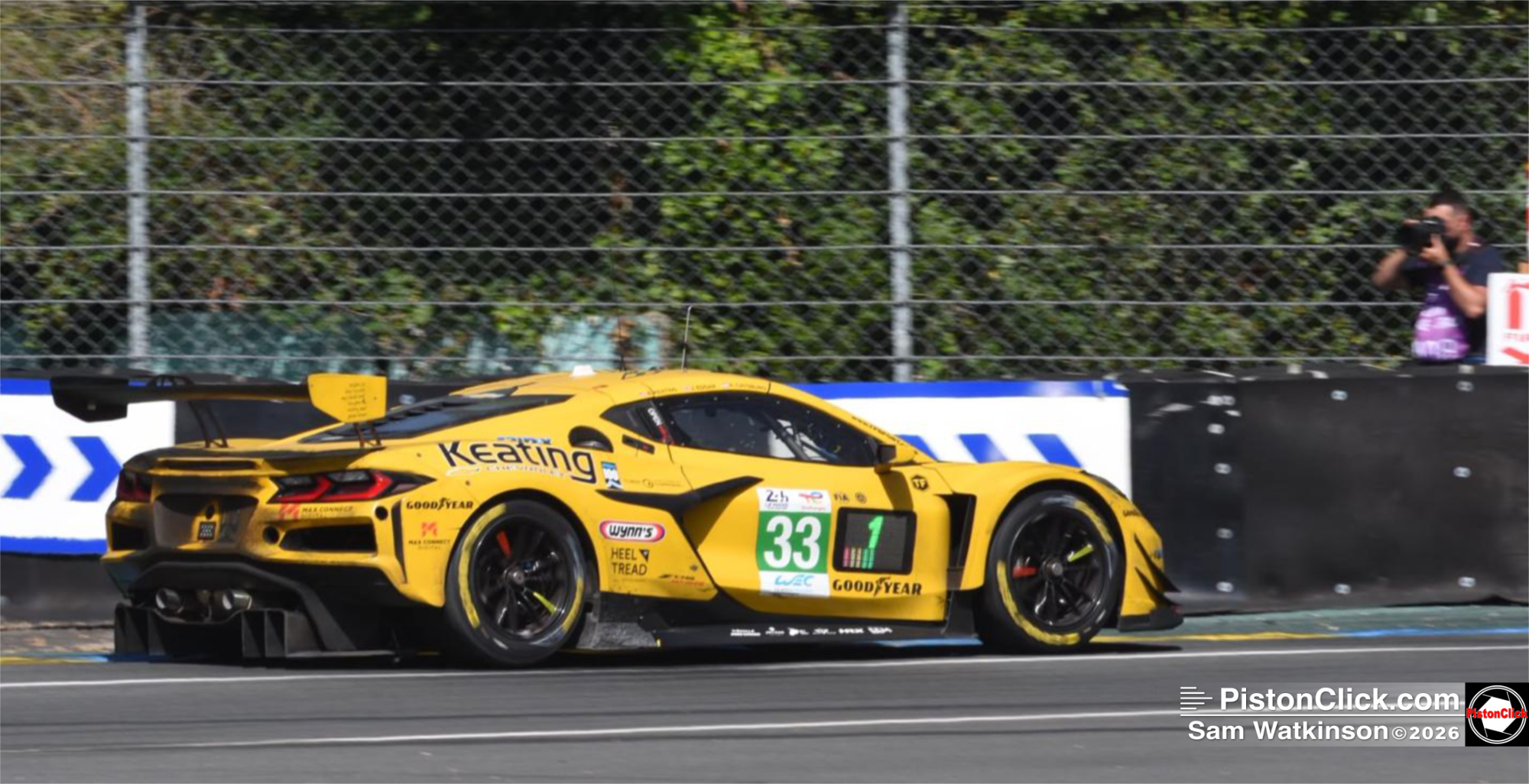
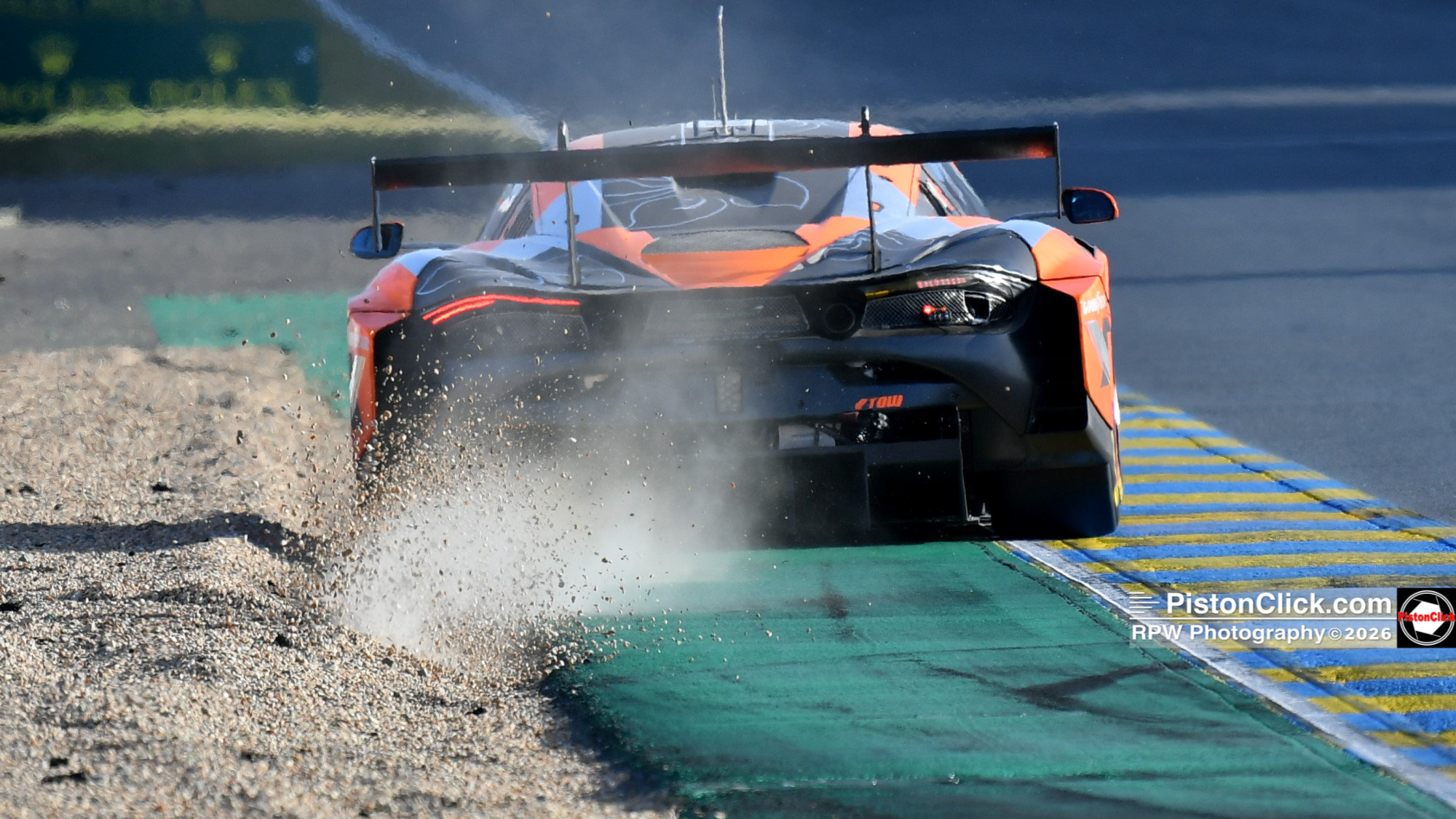
Corvettes, Aston Martins, Porsches, Ferraris, and Lexus machines battled continuously throughout the race, delivering some of the closest racing on the circuit.
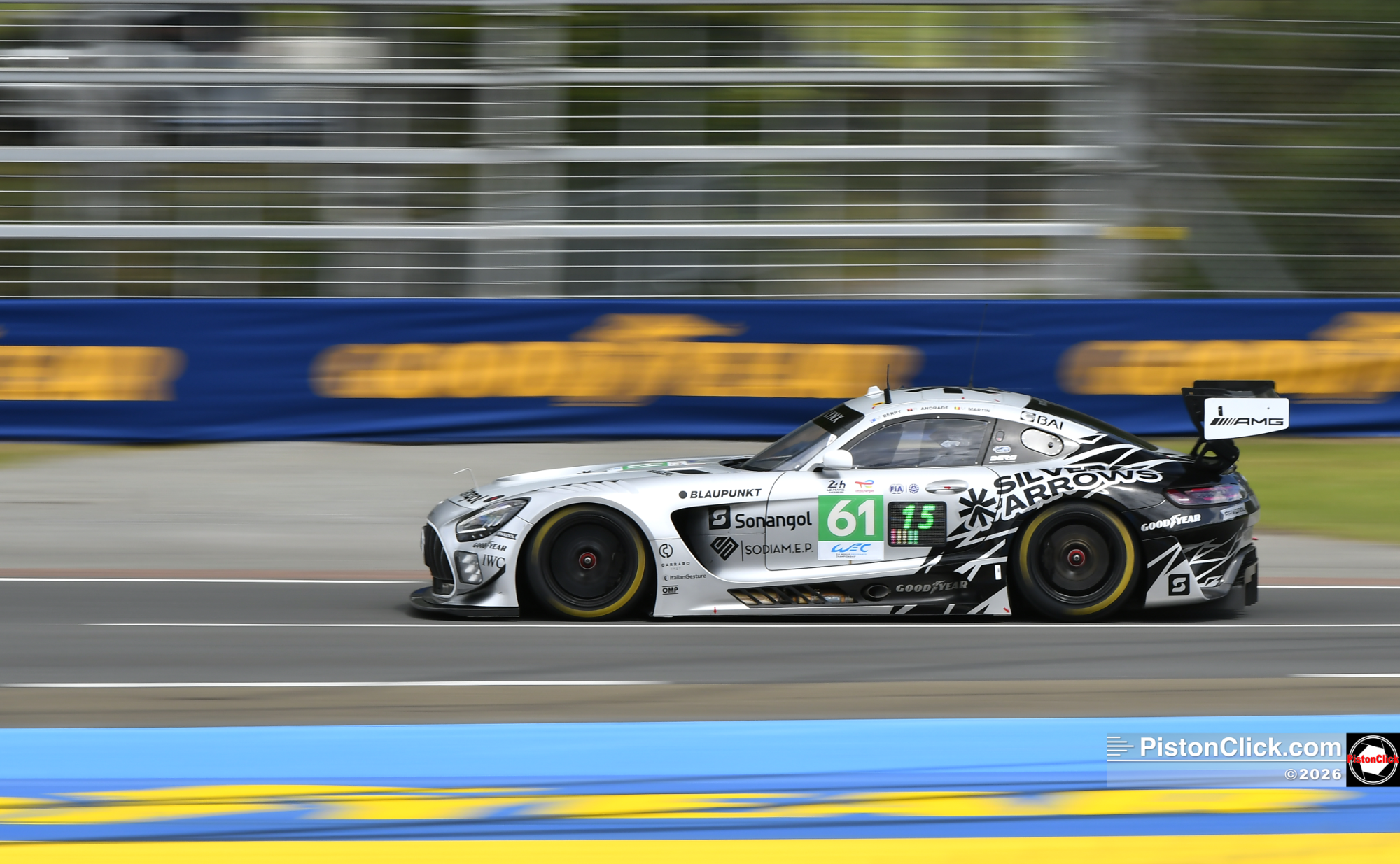
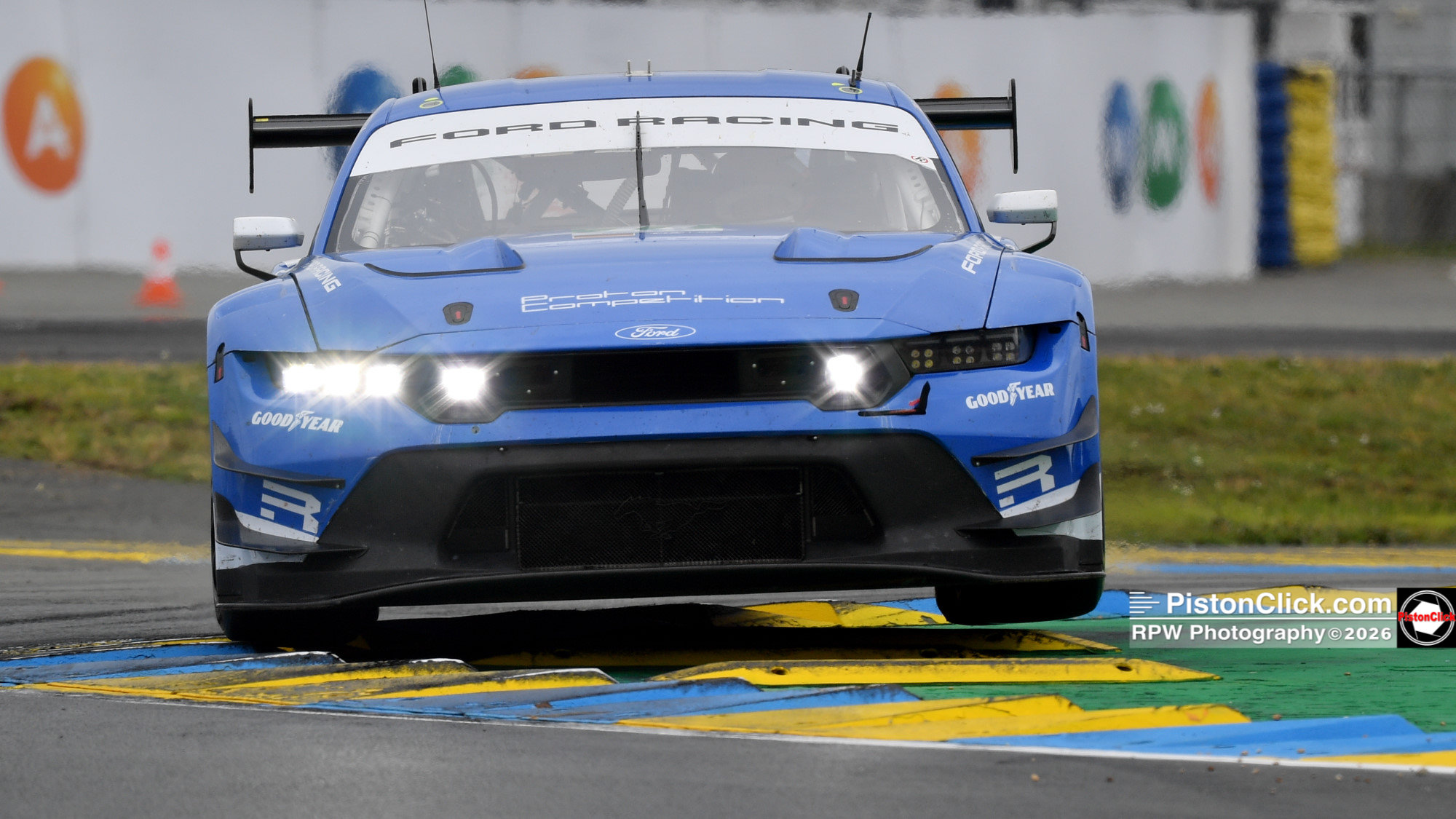
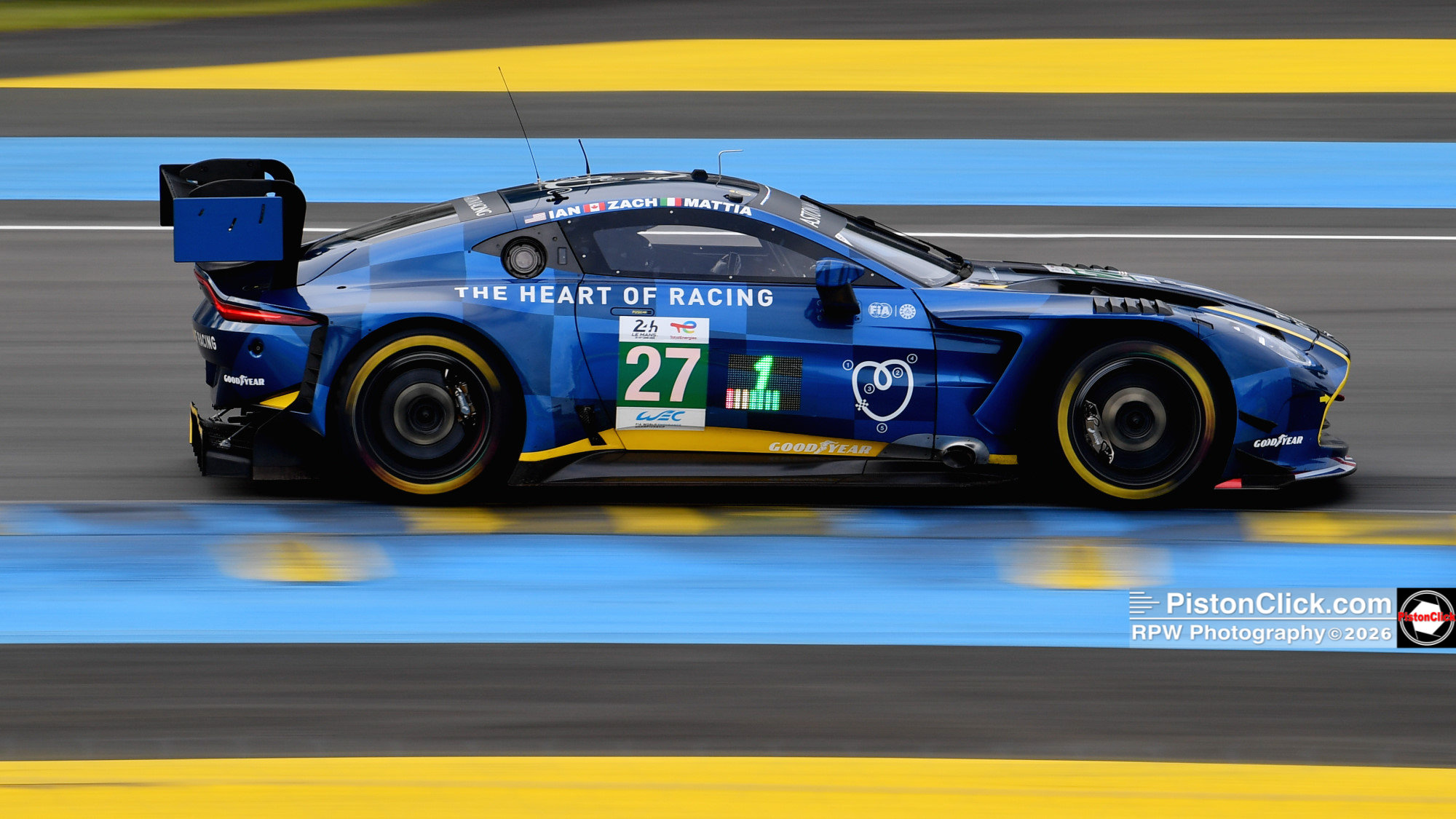
A late-race Safety Car compressed the field and created a dramatic finish. TF Sport’s #33 Corvette ultimately emerged victorious, demonstrating both reliability and speed in one of the most competitive GT fields seen at Le Mans in recent years.
Le Mans 2026: Final Thoughts
As an event, Le Mans is difficult to beat for spectator photographers. The race exceeded every expectation I had before arriving. Building a strong portfolio proved easier than anticipated thanks to the variety of viewpoints available around the circuit.
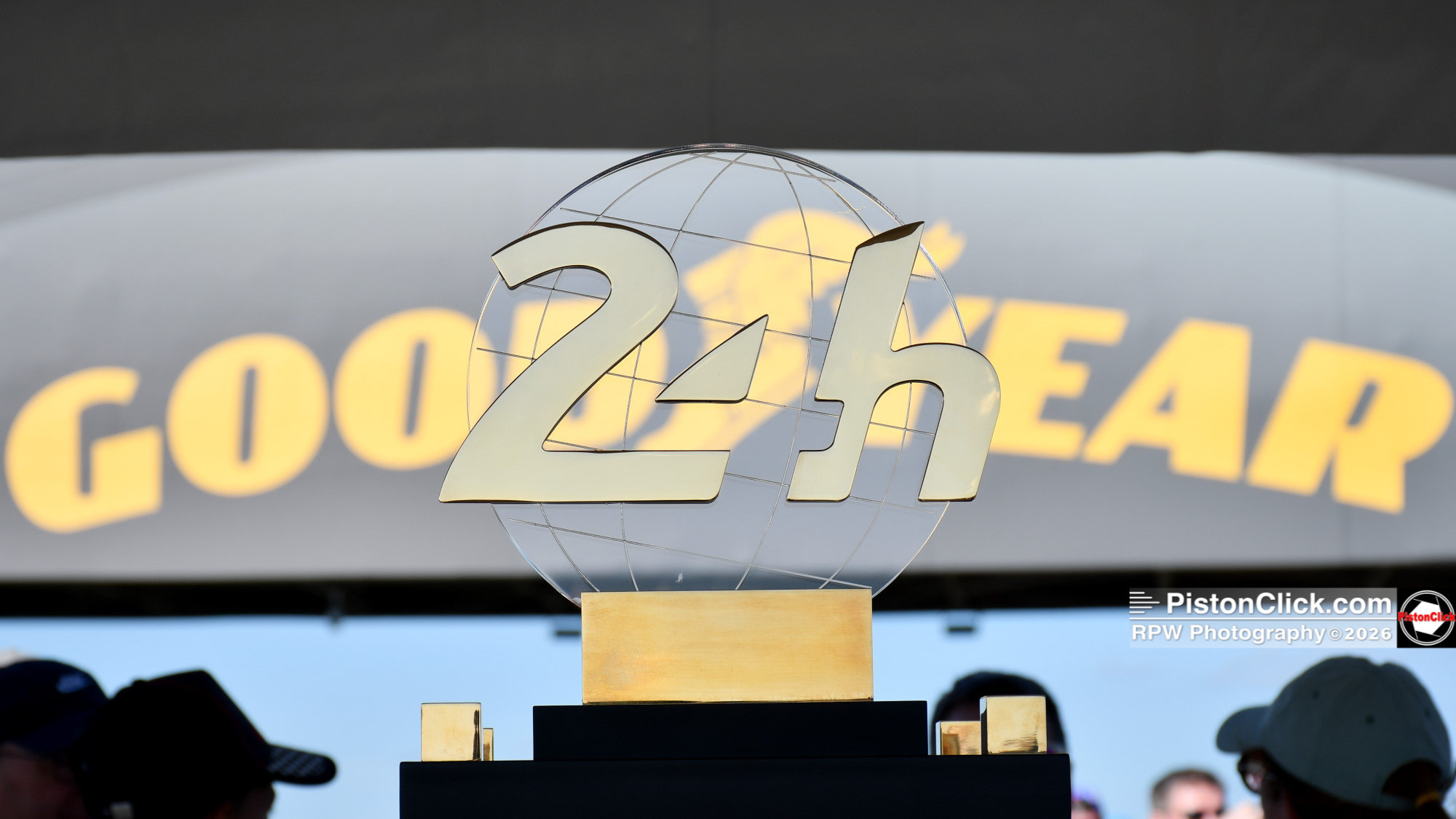
The heat presented the biggest challenge. Heat haze affects many photography locations, especially across the large expanses of tarmac. Often, the only solution is to move closer to the action.
High temperatures also took a toll on spectators. Throughout the week, French emergency services remained busy assisting fans affected by the heat. Taking advantage of water stations and finding shade whenever possible became essential.
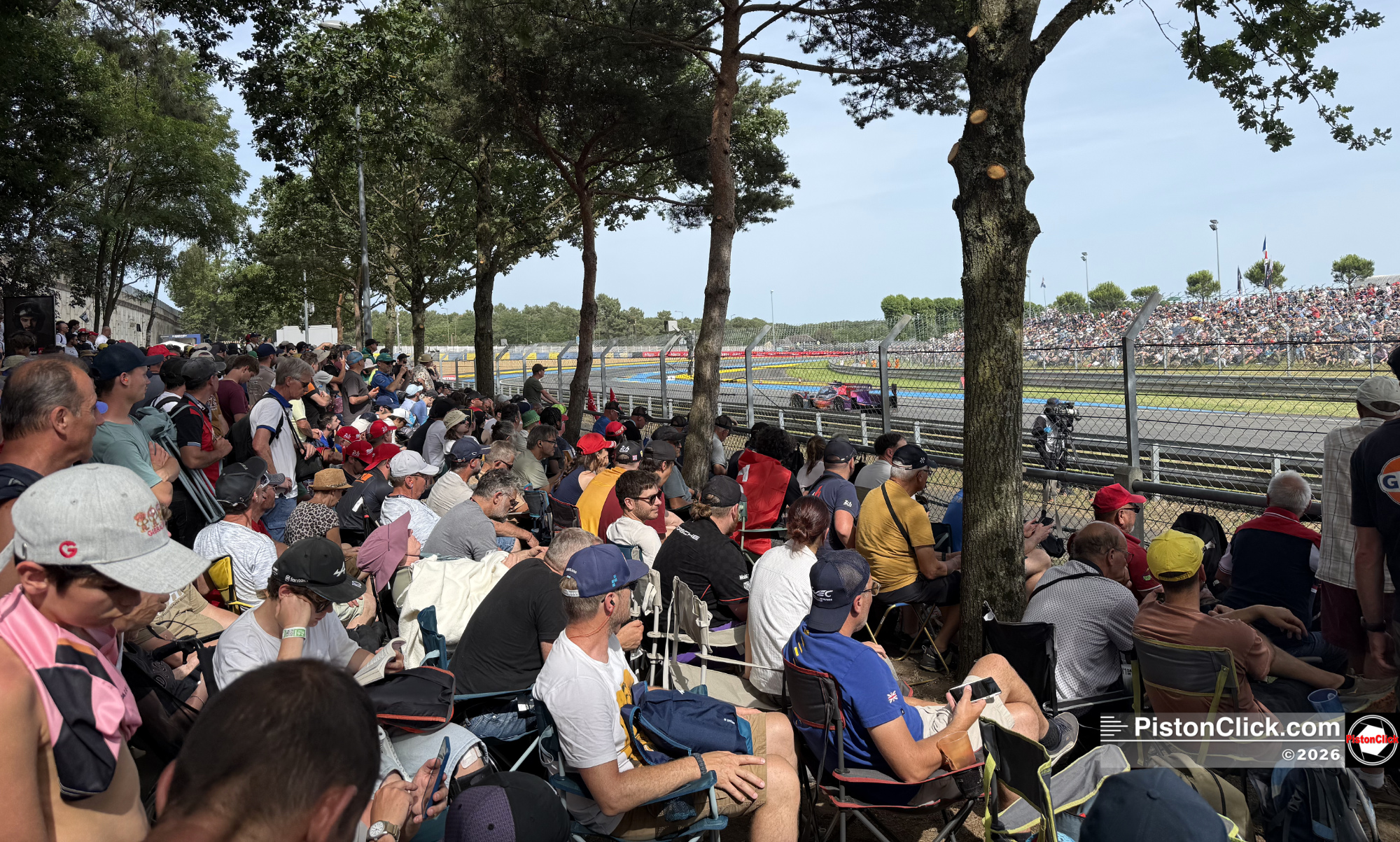
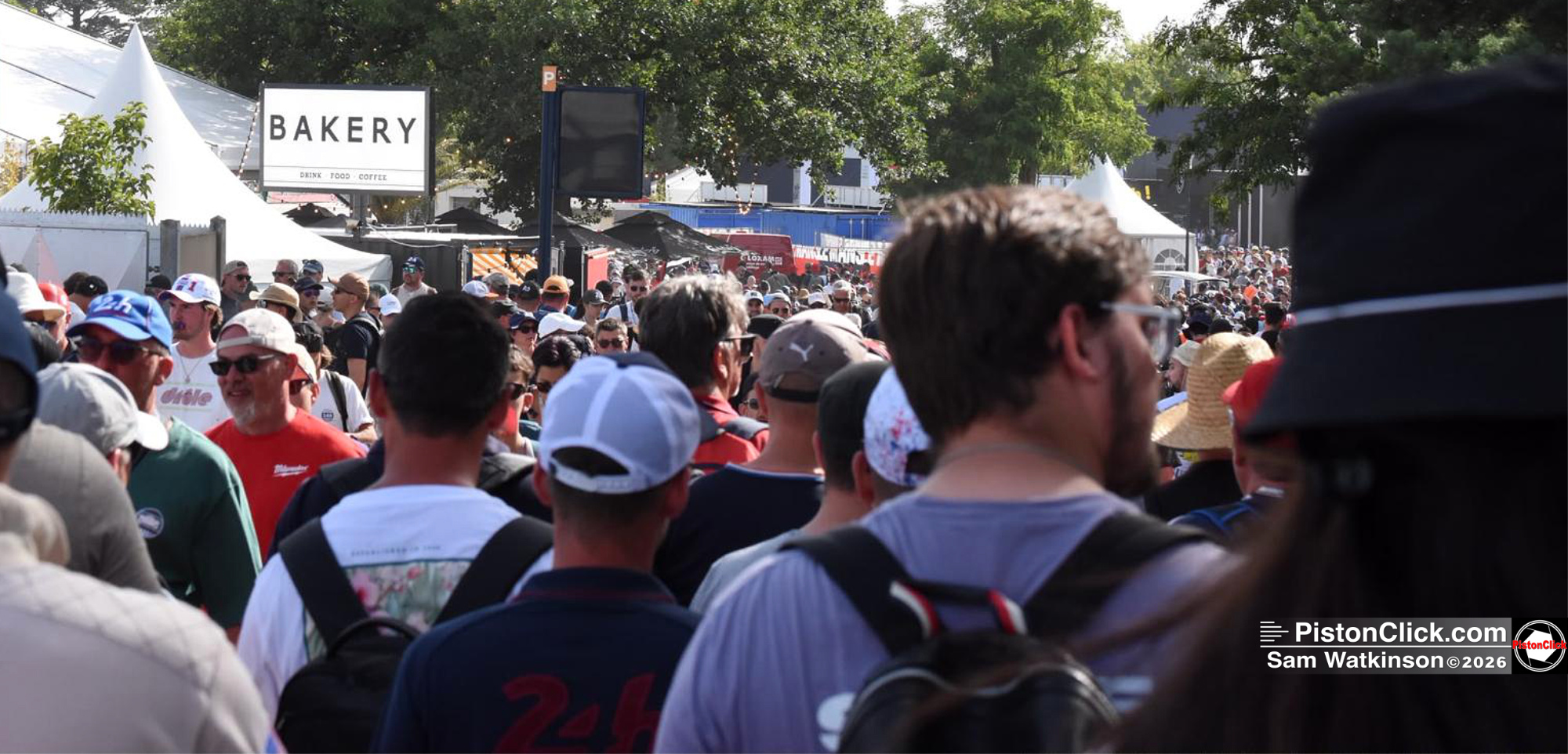
The crowds were equally impressive. More than 350,000 passionate and knowledgeable fans created an atmosphere unlike anything I had previously experienced.
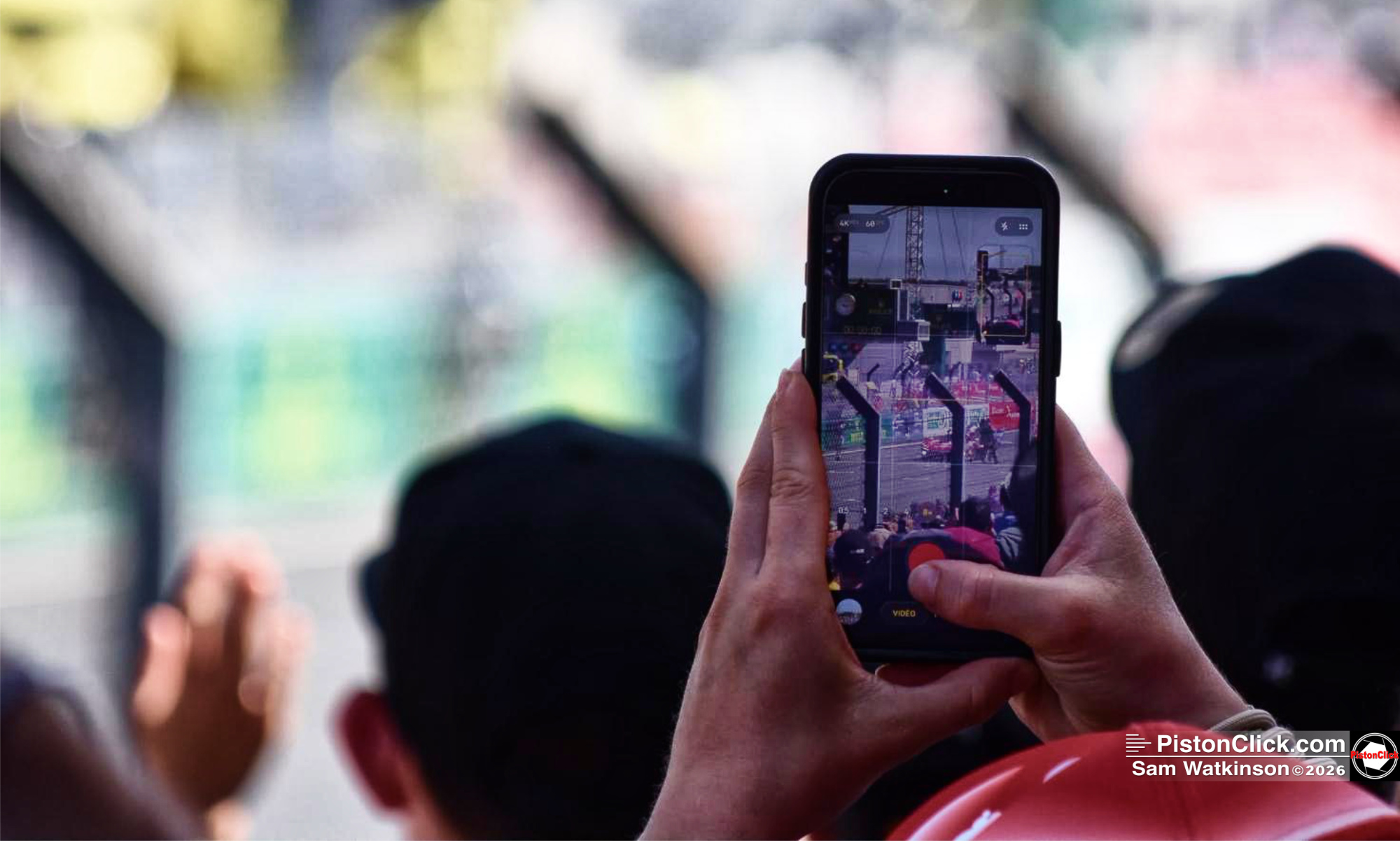
Despite the attendance figures, obtaining good photographs remained surprisingly achievable with patience and careful positioning. A small step stool can be invaluable at popular viewing areas.
Is Le Mans Worth Visiting?
As a first-time visitor, I was curious how the modern event compared with previous editions. David, another member of our team, has attended Le Mans for more than 30 years. His biggest observation was how much more corporate the event has become. After experiencing it myself, I agree.
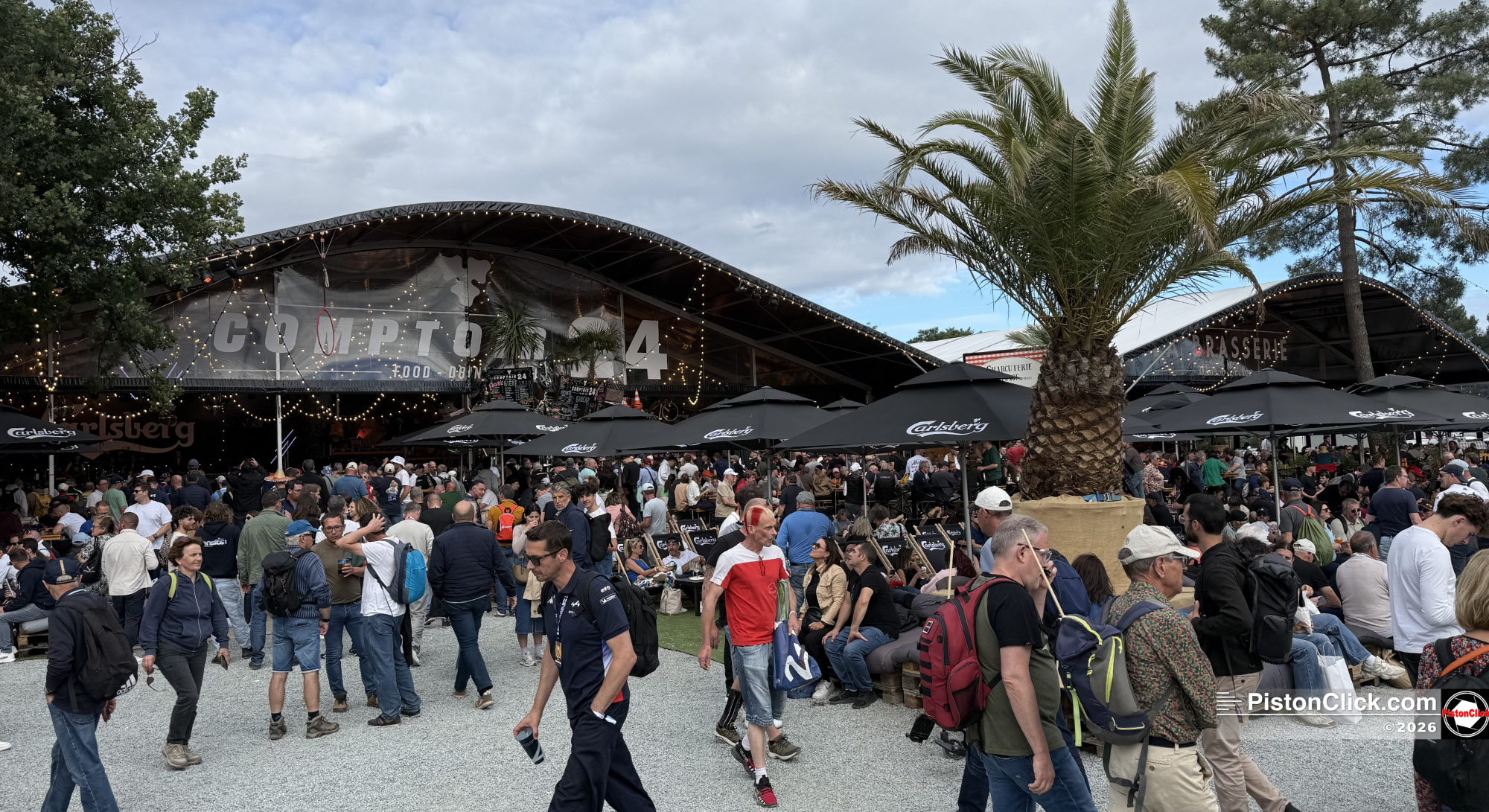
Large hospitality and retail villages now occupy significant areas of the circuit. While impressive, they often face inward, making it difficult to watch the race while exploring them.
After 24 Hours, as the race drew to a close, I made my way to Arnage while my colleagues photographed the podium celebrations. I chose Arnage as my final location mainly as I didn’t fancy the 5km walk back along the busy roads to the car park. I’ve mentioned the free buses stopped running one hour after the end of the race. Considering the organisers were aware of the extreme heat, warnings continually popped up on my phone, I found the lack of transportation rather puzzling.
My shooting buddies decided to walk along the track which would be open after the race back to the car park. This route is only 2km but with the not-so-helpful security and some dubious directions it took them some time to get back.
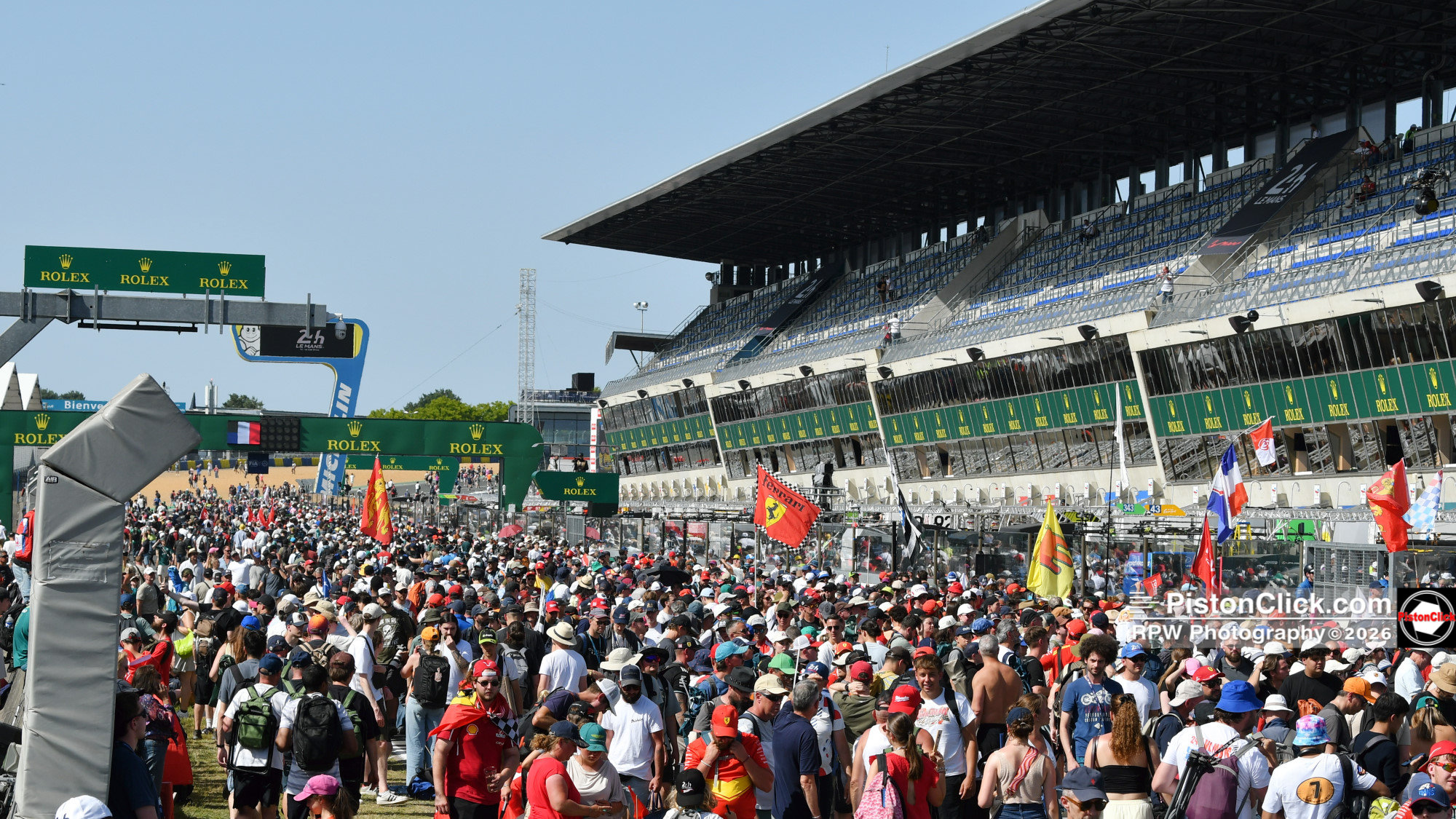
Sitting beneath the trees and sheltering from the intense heat, I watched circuit workers begin dismantling barriers and transforming the race circuit back into public roads. Reflecting on the experience, the racing itself remains extraordinary. The history, atmosphere, and spectacle combine to create something truly unique.
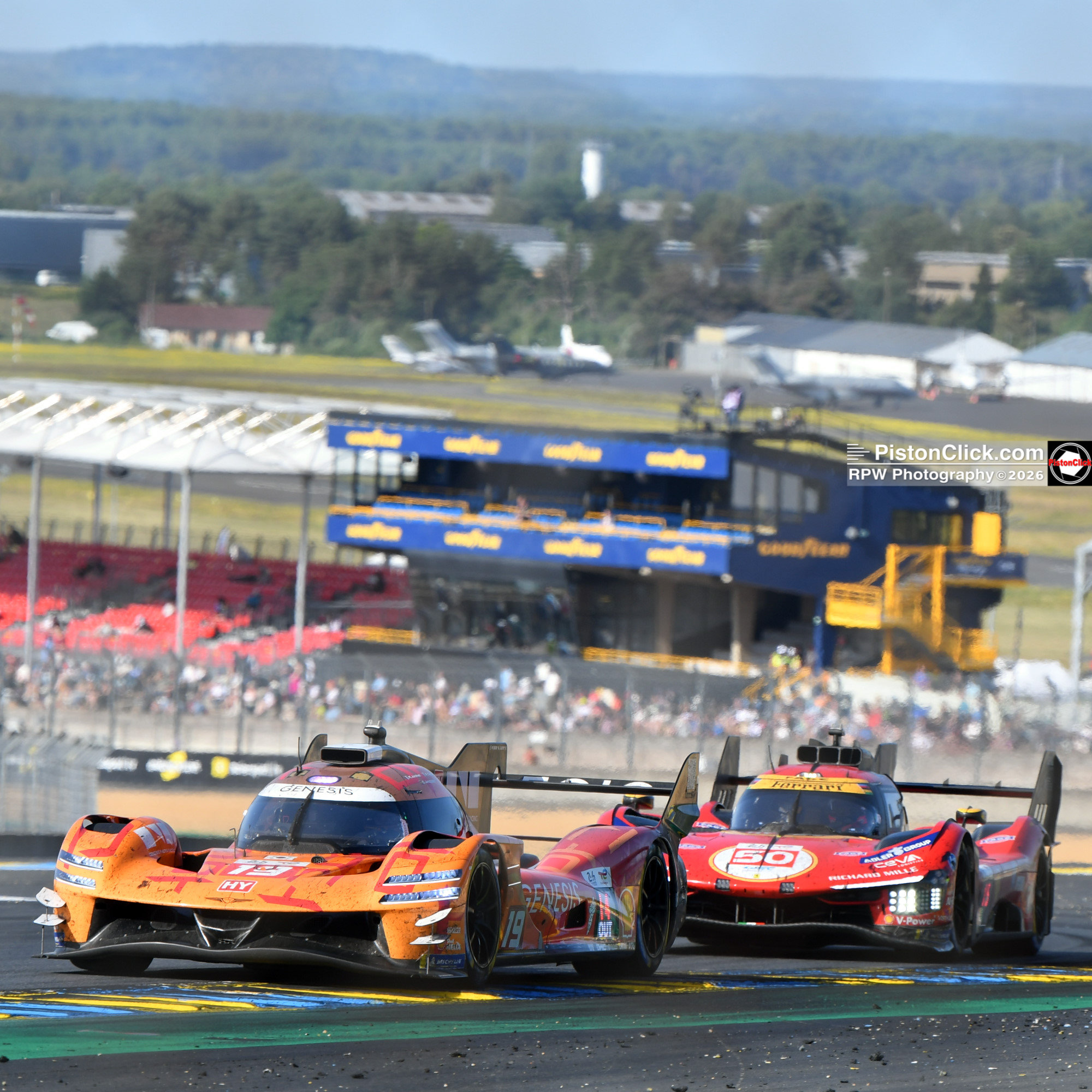
For any motorsport enthusiast or photographer, Le Mans deserves a place on the bucket list. After attending the 2026 race, I can confidently say it stands as one of the highlights of my motorsport photography journey.
Thanks to RPW Photography and Sam Watkinson for their images used in this report.
