


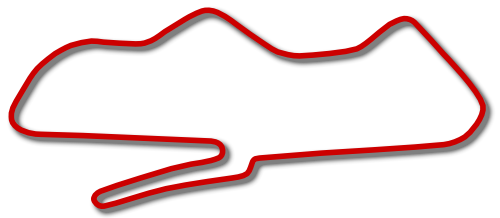
Donington Park Test Day – 28 May 2026
Report by Graham Atkinson
12 May 2026
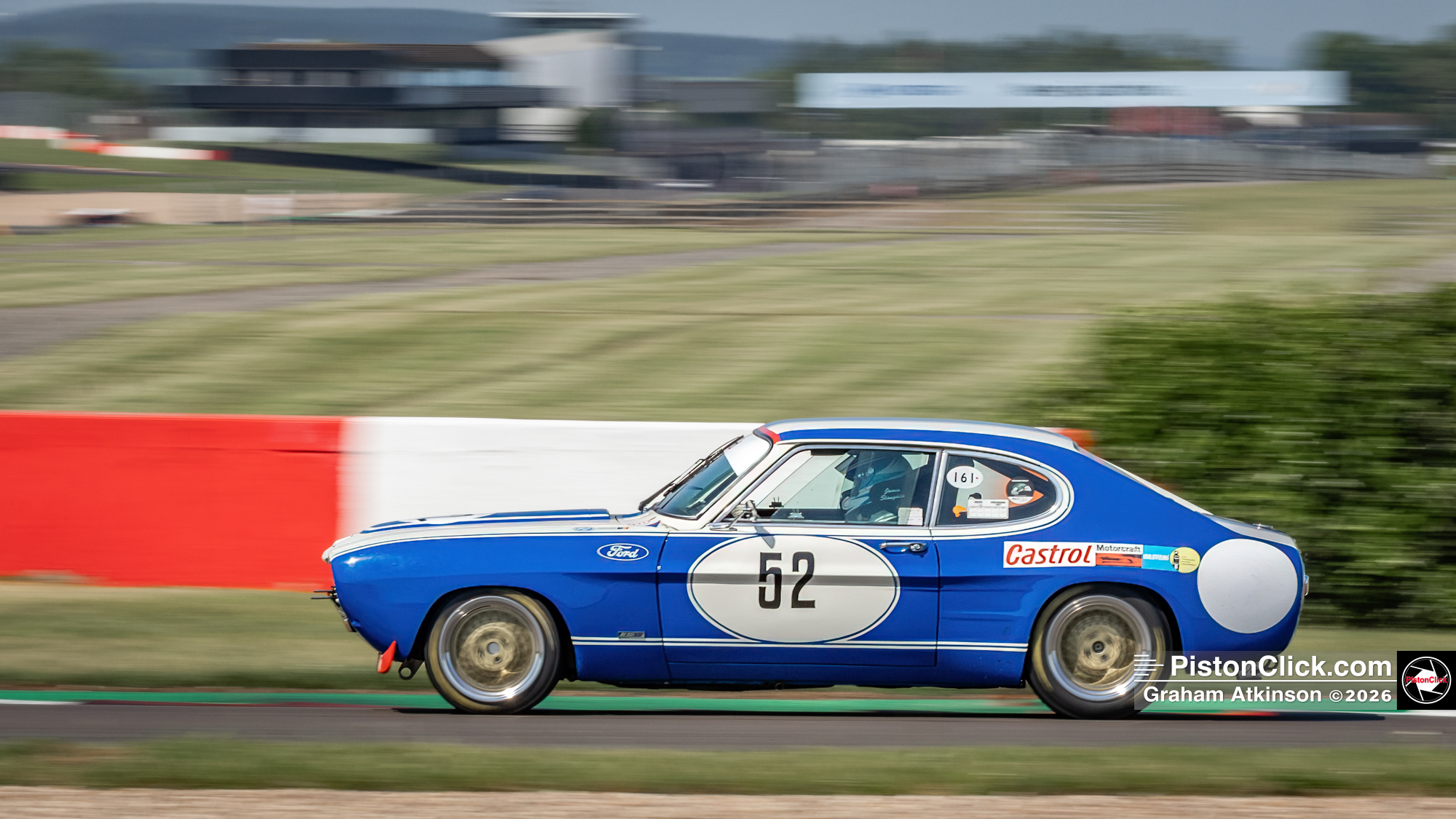
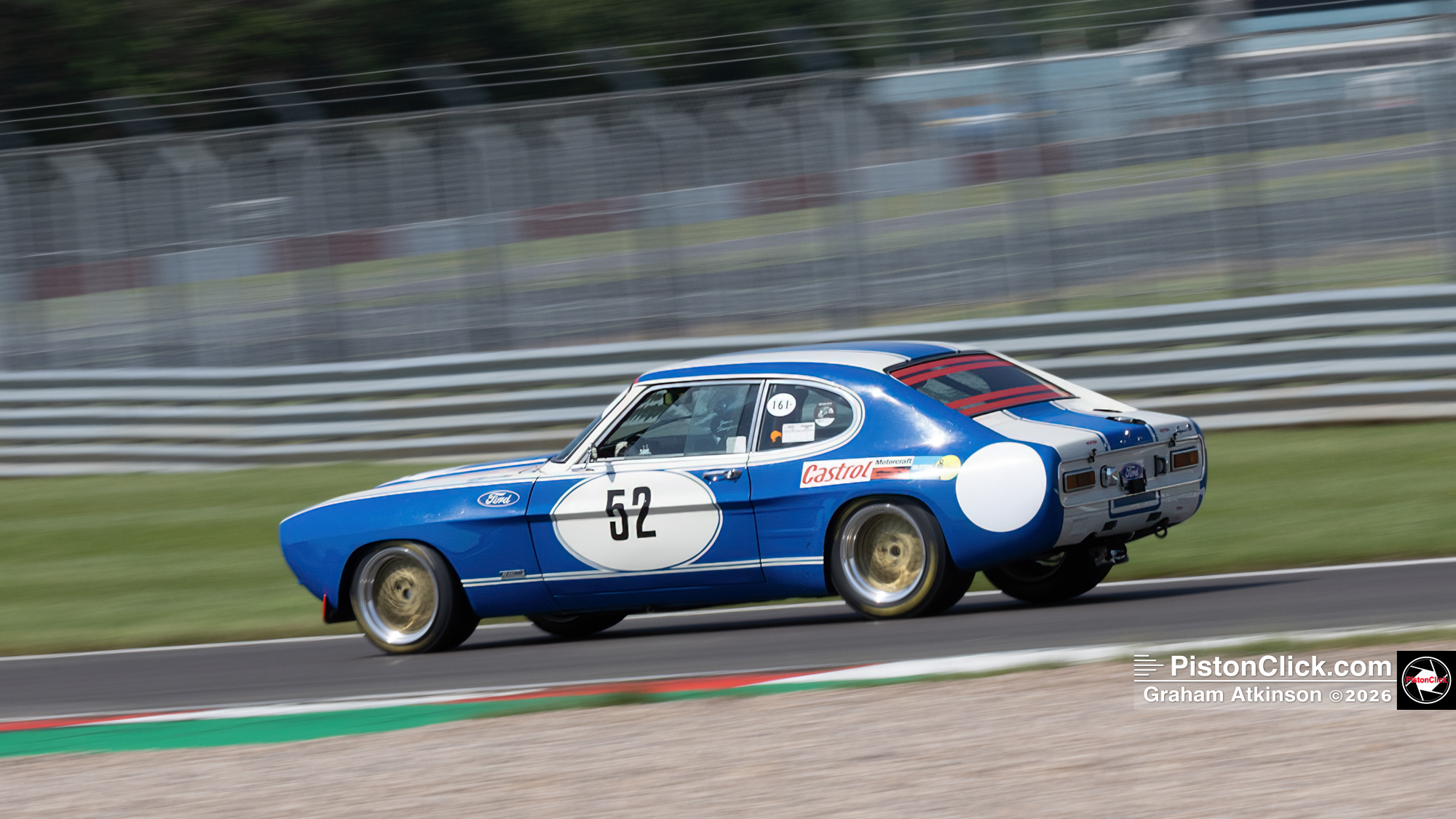
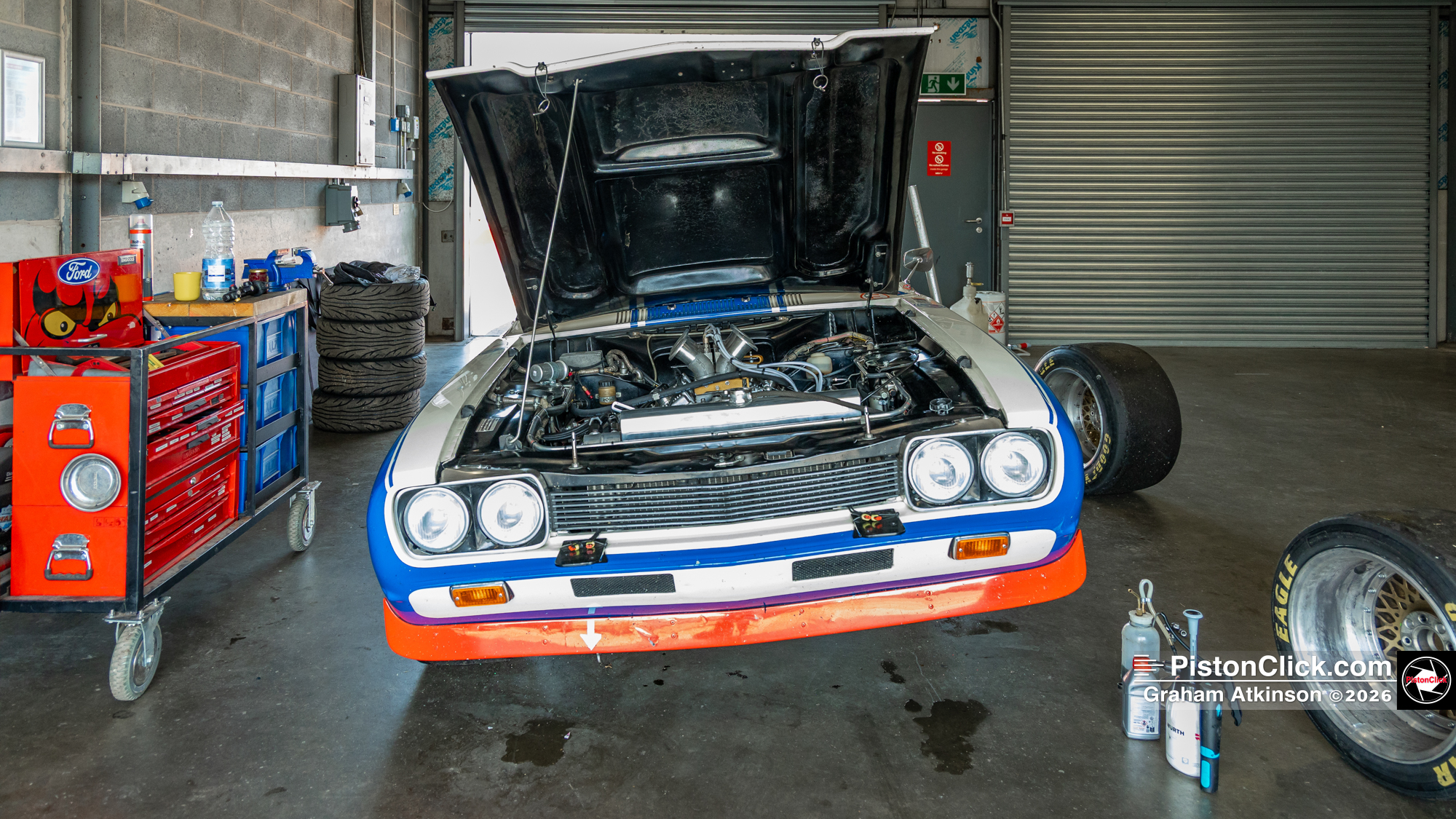
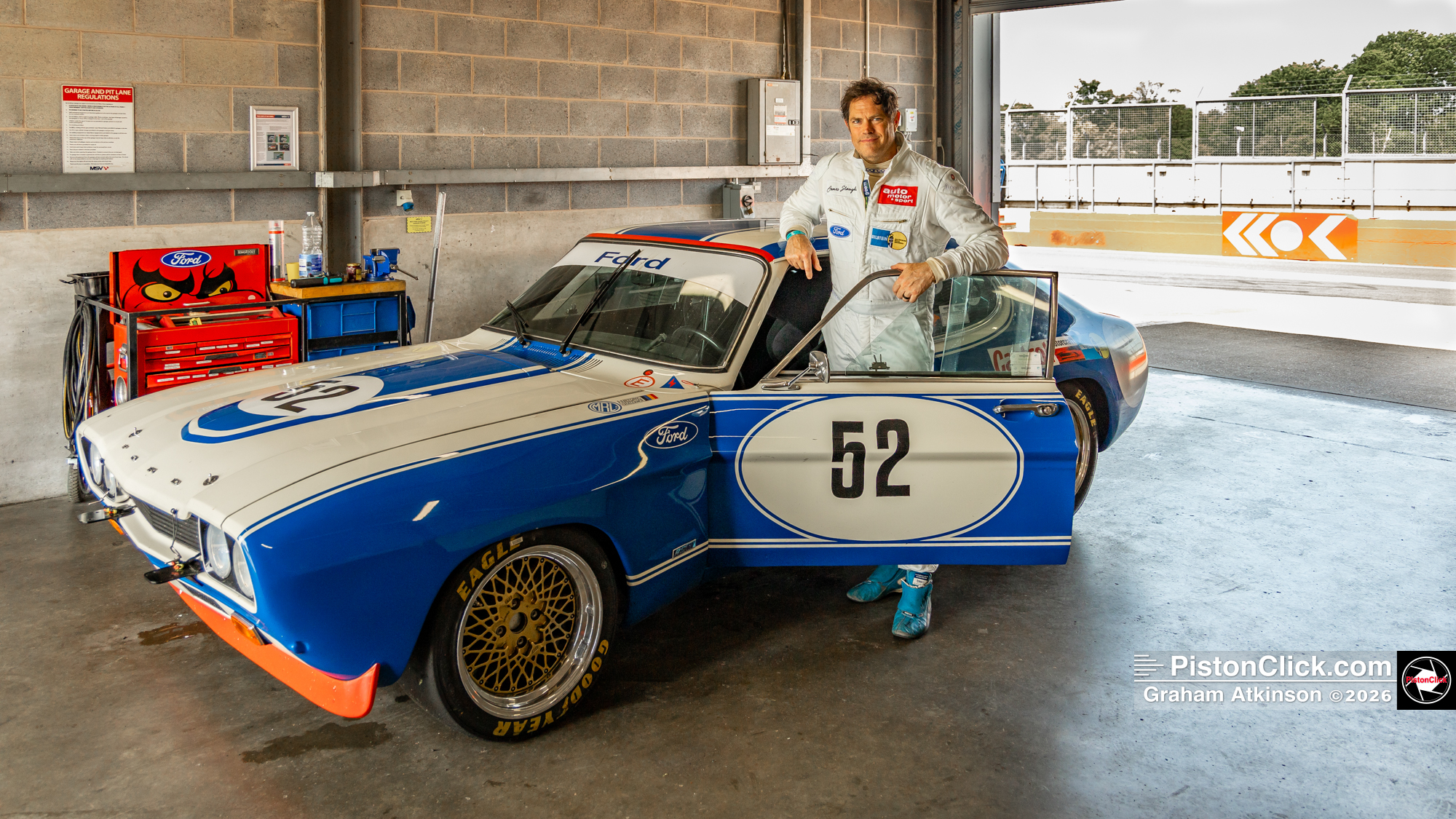
Ex-Works 1972 Ford Capri RS2600
Back at Donington for yet another test day, but today I put myself under a bit of pressure. I only had until shortly after lunch before another appointment, so it was always going to be touch and go as to what I could uncover in just half a day. Still, let’s see what we came up with.
In the early 1970s, Ford set its sights on the 1972 European Touring Car Championship and built three Cologne works Ford Capri RS2600s. This car is one of those three. One of the other works cars now sits in a museum, while another is believed to be in the United States, leaving this completely original example as the only surviving racing version still in active use.
Touring Car Championship
The Capri enjoyed an extraordinary 1972 season. It won eight of the nine championship rounds, securing the European Touring Car Championship and helping Jochen Mass claim the drivers’ title. The success didn’t stop there. With Hans-Joachim Stuck behind the wheel, the Capri won nine of ten races to take the Deutsche Rennsport Meisterschaft (DRM) title. To complete an exceptional year, Ford entered two cars at the Le Mans 24 Hours, where they finished first and second in the Touring class.
The car then moved to Spain, where Prince Jorge de Bagration raced it to victory in the 1973 Spanish Touring Car Championship. It later arrived in the UK, where Nick Whiting campaigned it briefly during the 1976 season before shipping it to Australia. There, it spent roughly two decades on display at the York Motor Museum.
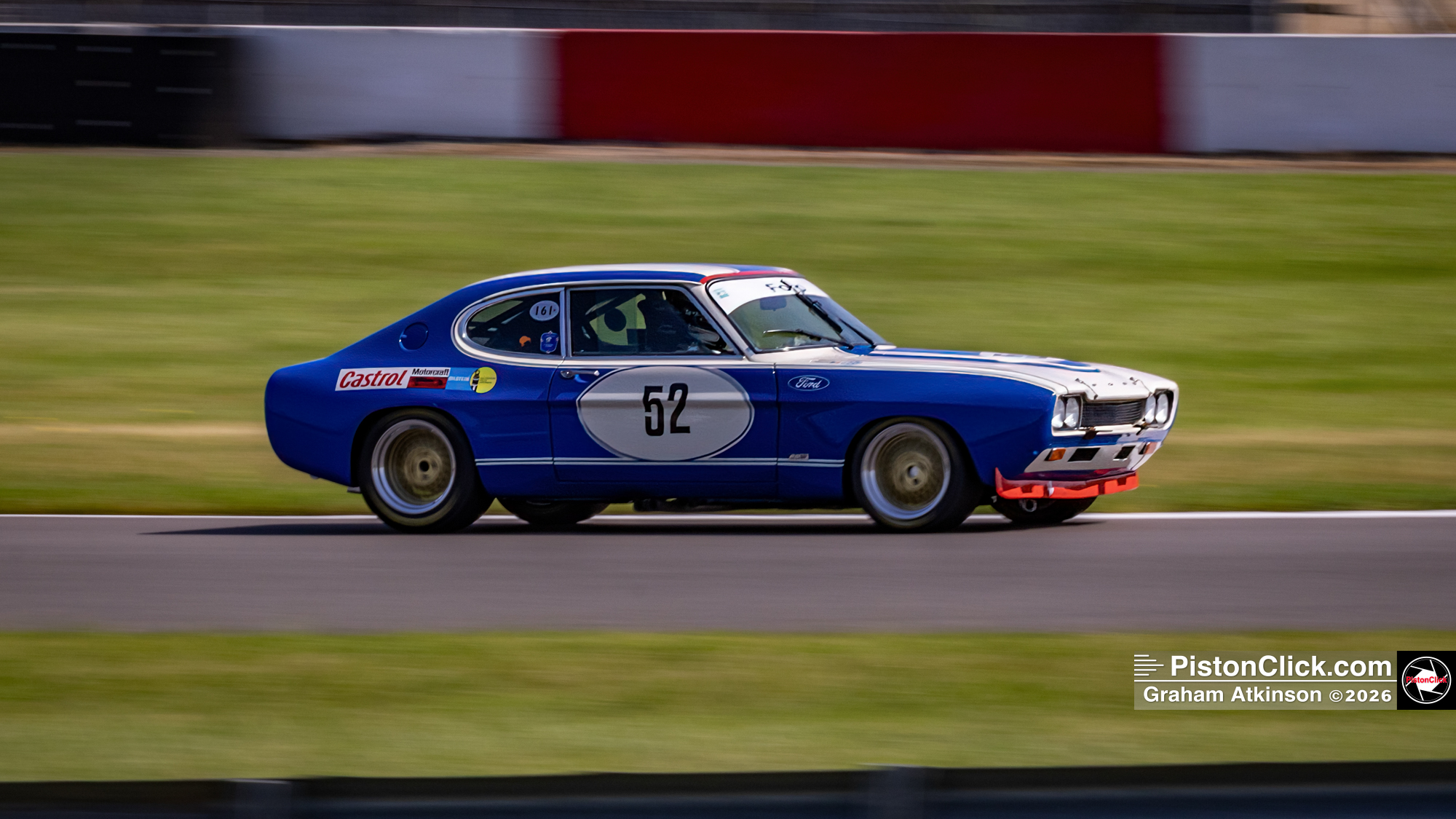
The Capri eventually found a new owner in New Zealand. Remarkably, it remained untouched, still containing the oil and fluids from more than twenty years earlier. A careful five-year restoration followed, with specialists preserving almost every original component. Apart from fluid lines and modern FIA safety equipment, the car retains its original parts, making it arguably the most original works Group 2 RS2600 in existence.
Preserving a Unique Piece of Ford Racing History
Current owner and driver James Slaughter purchased the car in February this year. His immediate goal is to shake the car down and resolve the inevitable issues that appear after such a long period of inactivity.
“The main problem at the moment is the brake master cylinder,” James explained. “It keeps letting us down, but we’ll get to the bottom of it soon.”
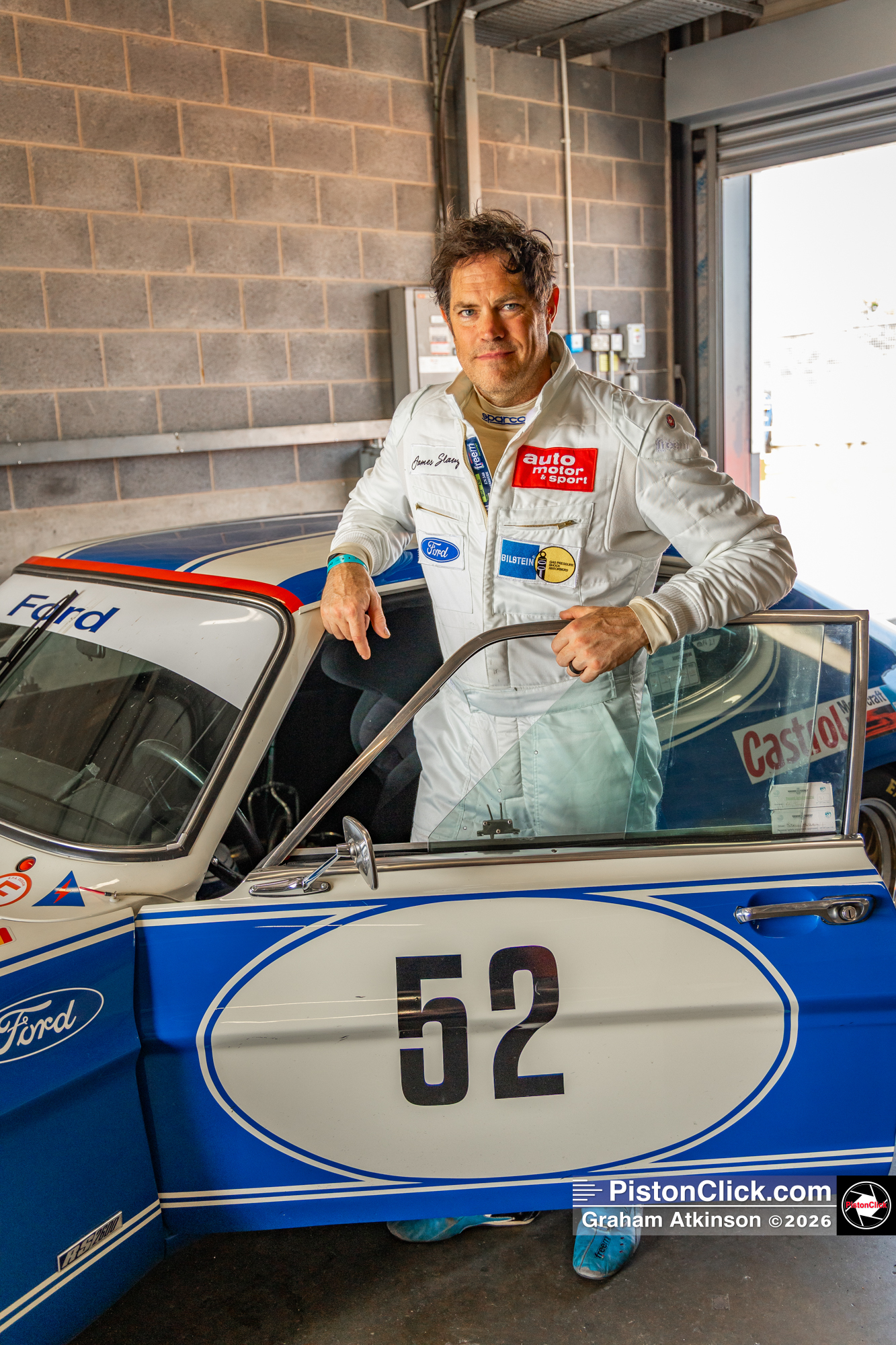
James spoke passionately about preserving the car’s originality. To protect its priceless history, he removed the original works engine and placed it in a glass display case within his private museum. He then commissioned Rick of Rickwood Motorsport, who maintains the car, to build a replacement engine using period-correct components and original specifications.
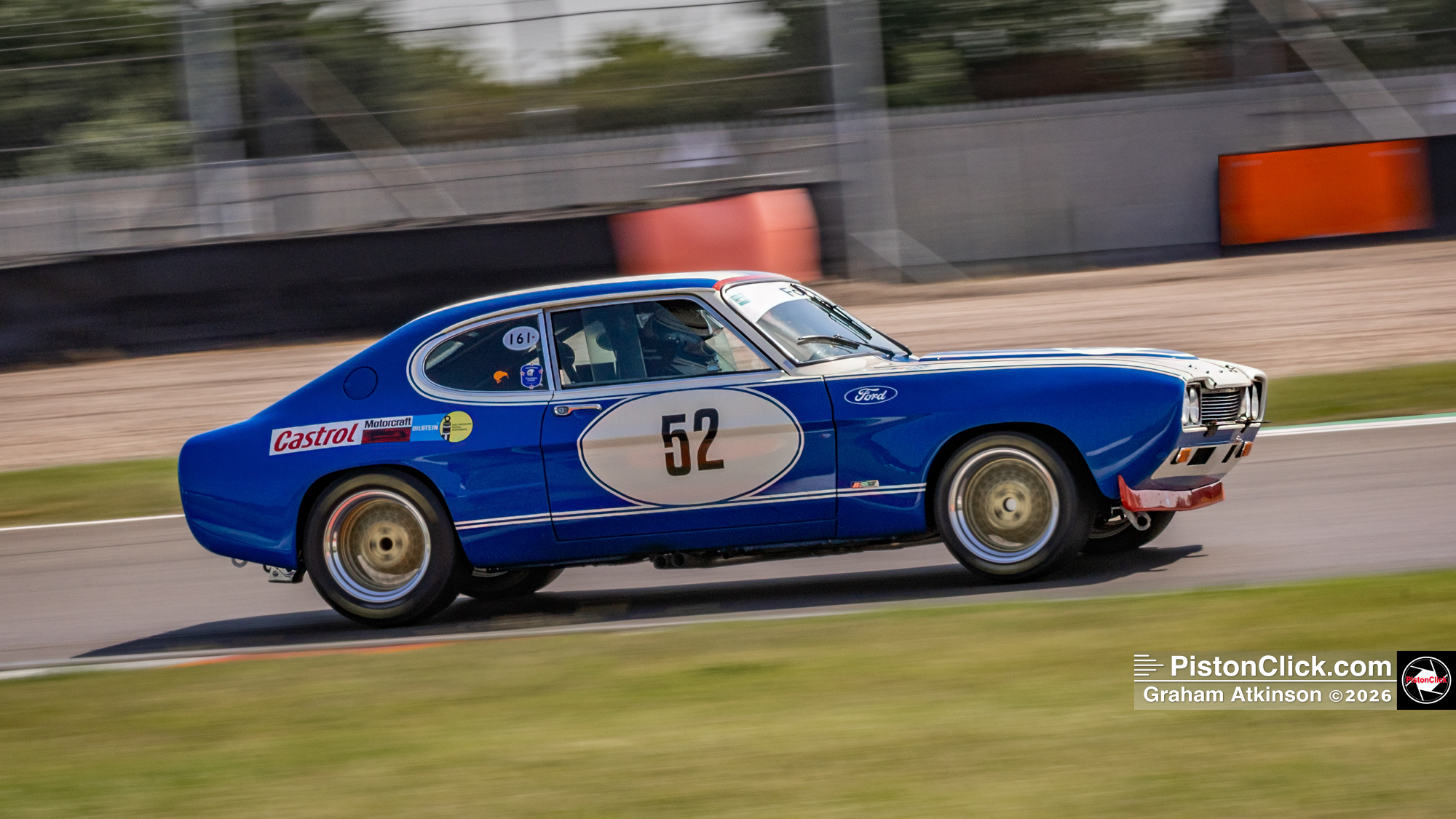
The new engine allows James to race the car in the Historic Touring Car Championship without risking damage to the original powerplant. At any point in the future, he can reinstall the works engine and return the car to exactly the specification in which it left the factory.
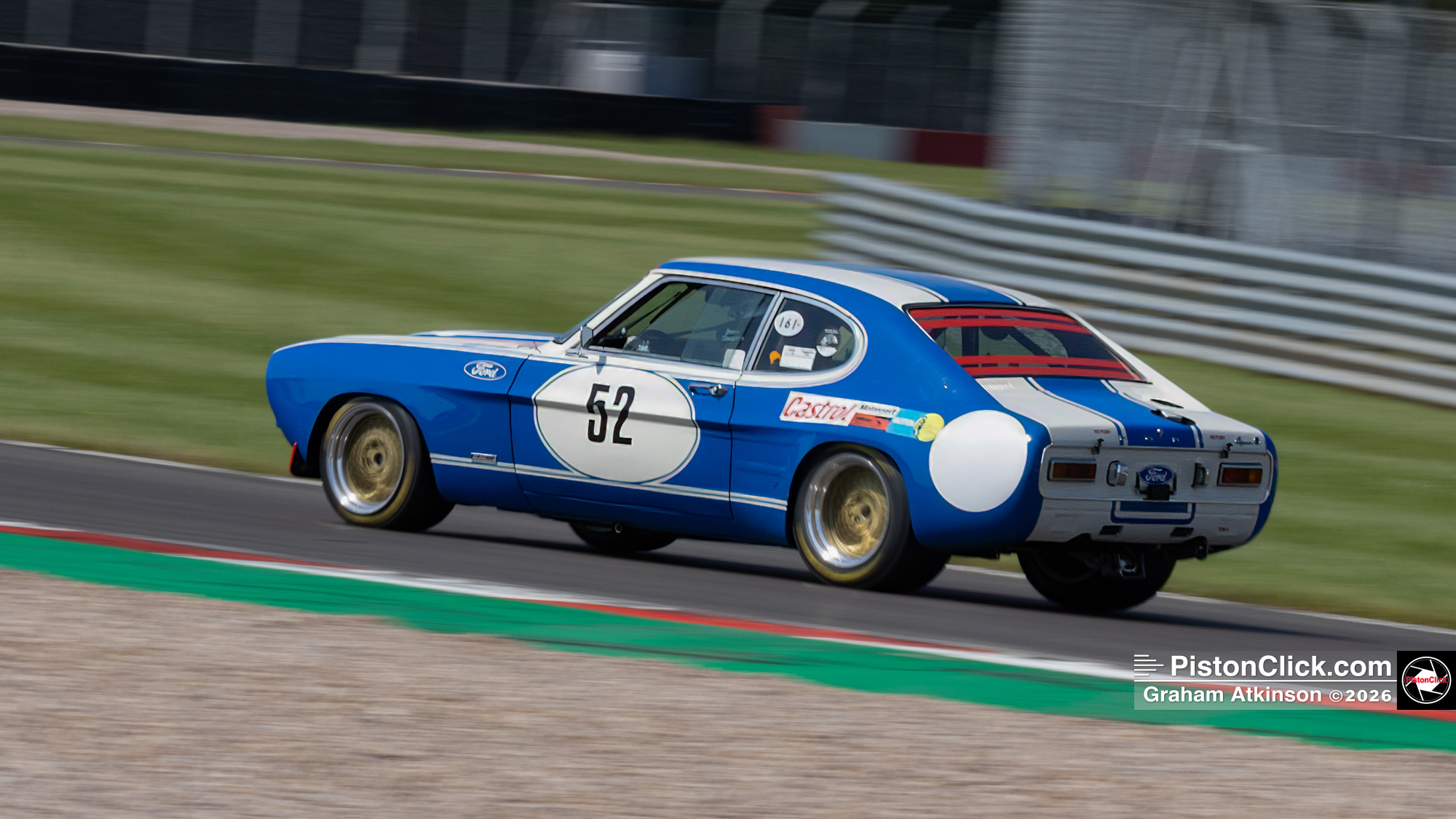
Ford Capri RS2600 – The Future
His long-term ambition is to prepare the Capri for prestigious endurance events such as the Le Mans Classic and Spa Classic. However, due to the car’s age classification, eligibility will not come until 2028, making the replacement engine an essential part of those plans.
James’ motorsport journey began in childhood while watching his father, Dick Slaughter, compete in rallying throughout the 1970s and beyond. Dick enjoyed considerable success, including a championship-winning campaign.
After a rugby career came to an end, James looked for another outlet for his competitive energy. That opportunity arrived when he experienced a passenger ride in a Mk1 Ford RS2000.
“After that drive in the RS2000, I’ve never looked back,” he said. “When I’m racing, it’s like I’m on a different planet, and it’s brilliant.”
That experience launched his own rallying career in BRC events before he moved into the historic rally scene, which he still enjoys occasionally today. In 2018 he transitioned into circuit racing through MRL Racing Legends, competing in a Group 1 car from 2022 onwards. Since then, he has expanded into a collection of high-horsepower historic racing machinery.
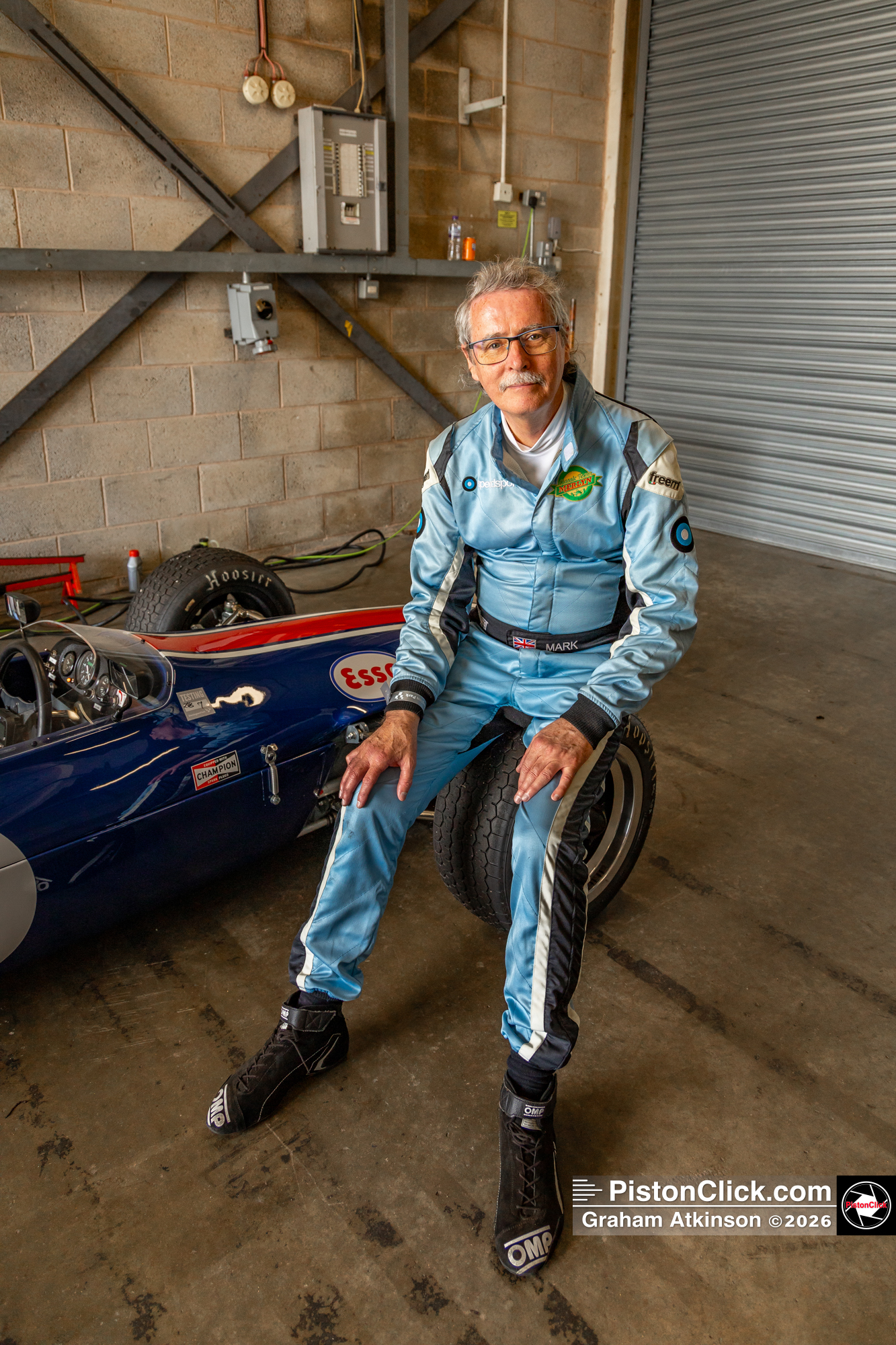
Mark Carter and the Titan Mk3
Another fascinating character I met during the day was Mark Carter and his Titan Mk3. Mark, who lives in Dorchester, didn’t begin racing until his late fifties when he finally had the disposable income to pursue his passion.
“Never too late to start. Live your dreams,” he told me.
His racing career began in Caterhams and Historic Formula 4 before progressing to Formula Junior machinery, including a Lotus and a Brabham BT6.
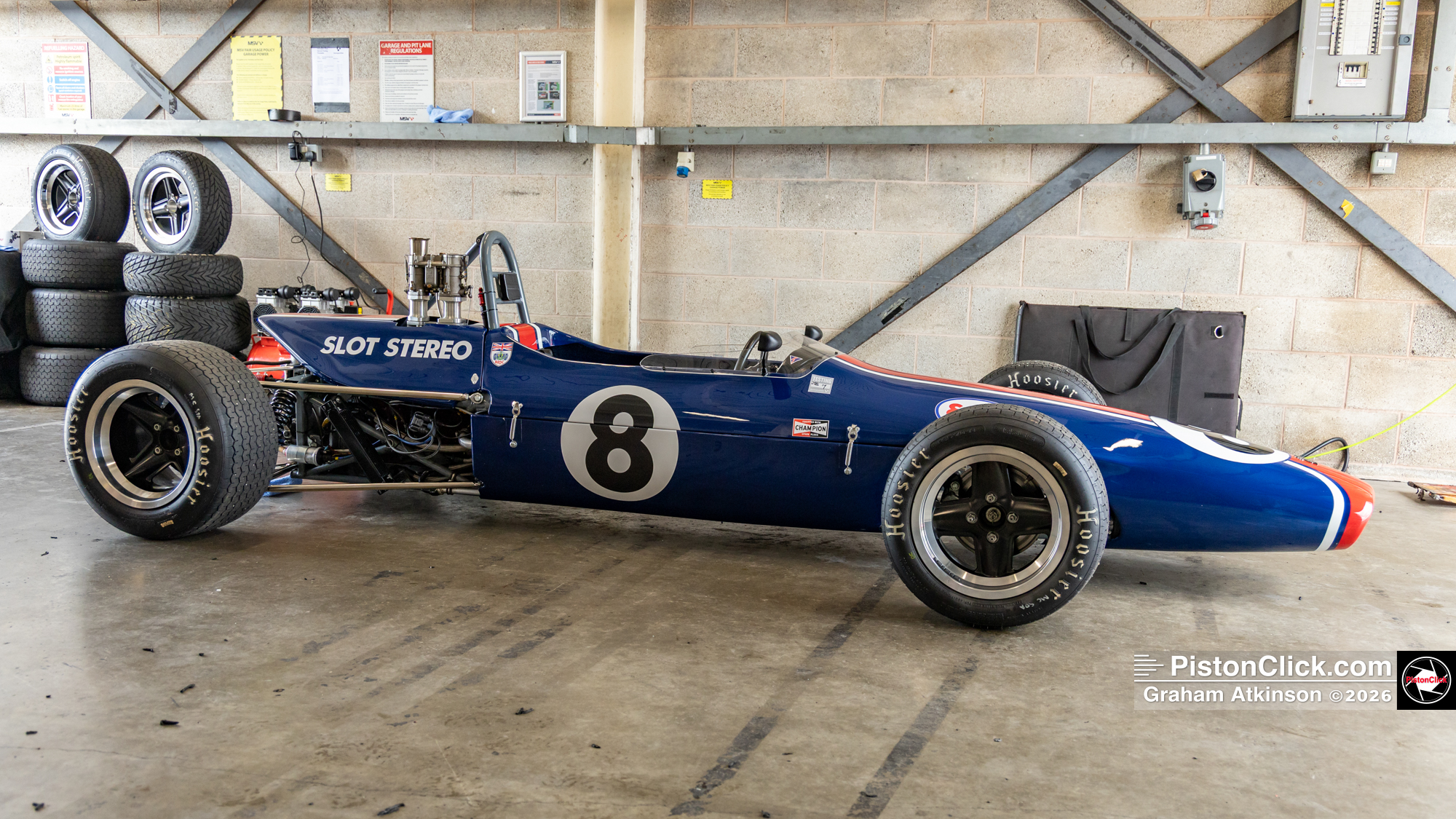
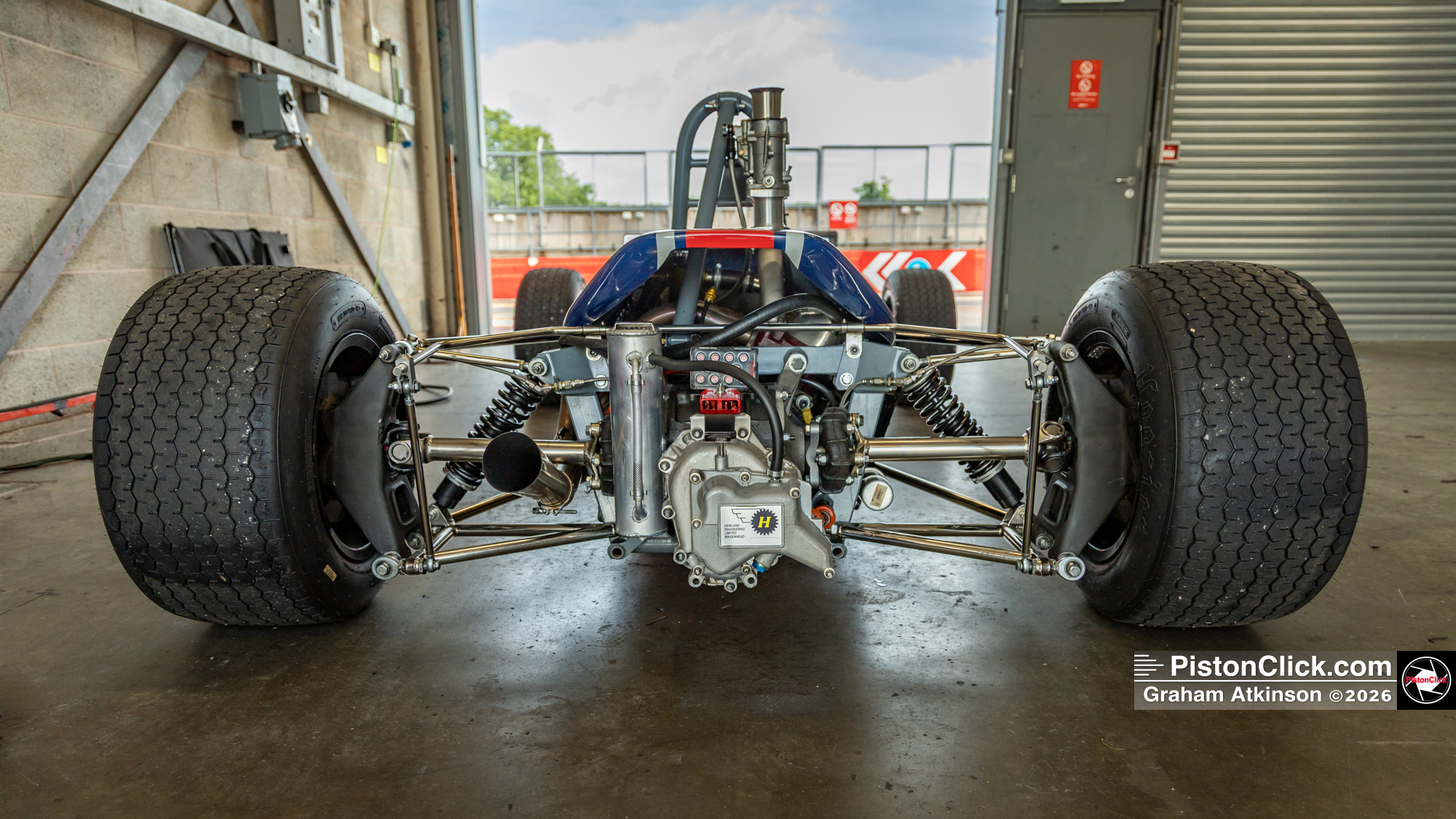
Among his proudest achievements is winning his first race at the Castle Combe Autumn Classic at the age of 67. He also finished third in the UK Historic Formula 3 Championship and fourth in the European standings while driving a Chevron B15.
His current objective is simple: another race win.
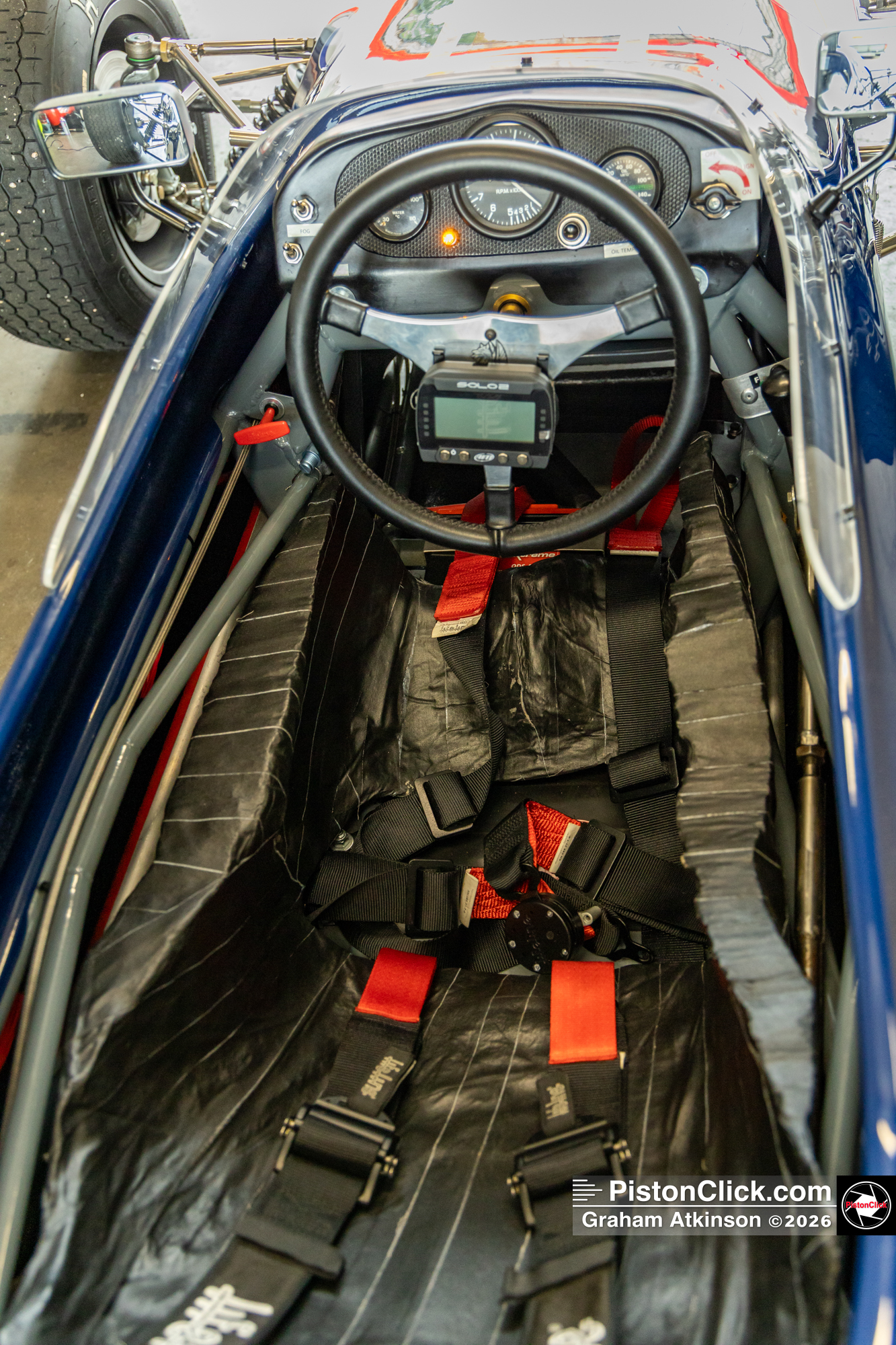
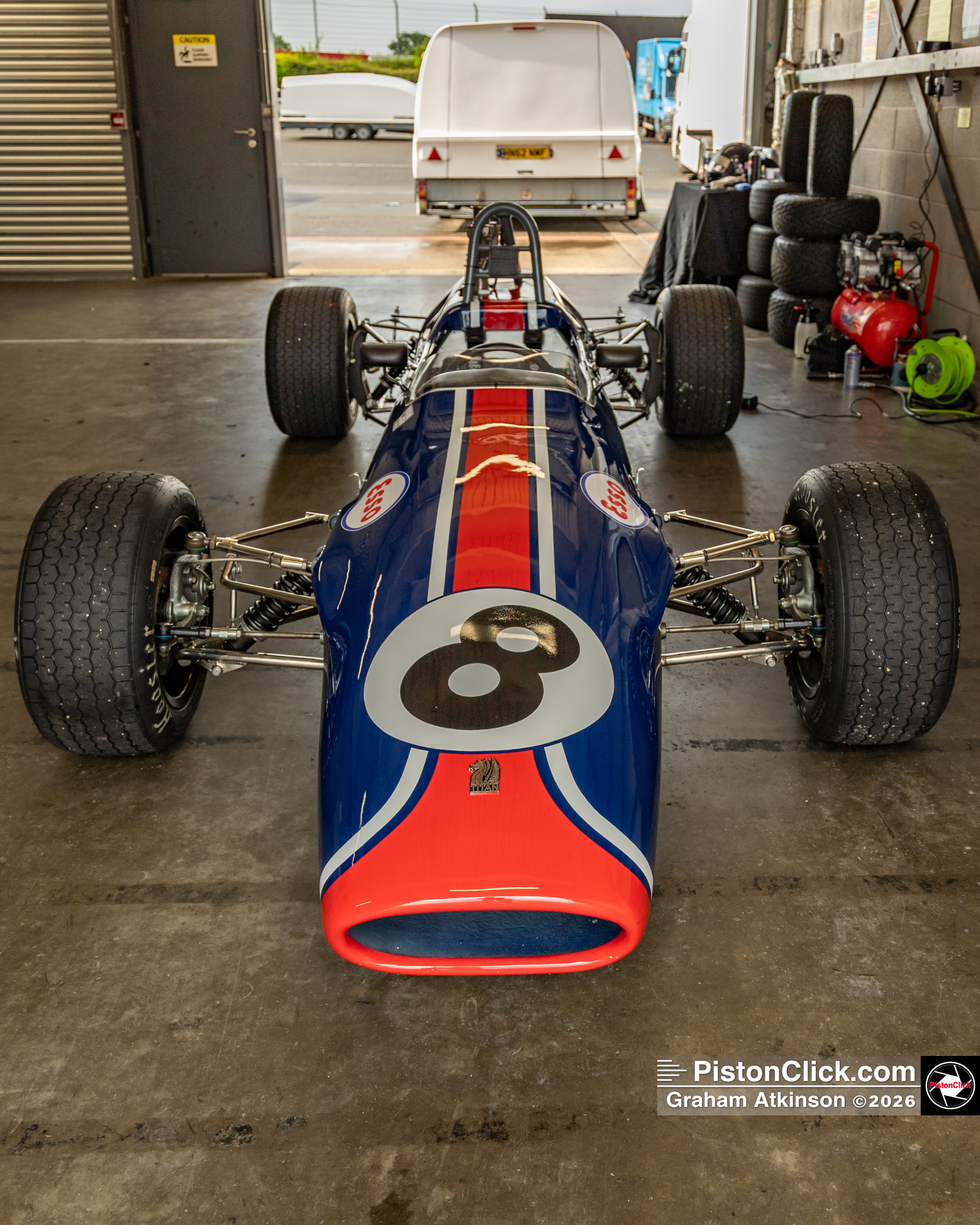
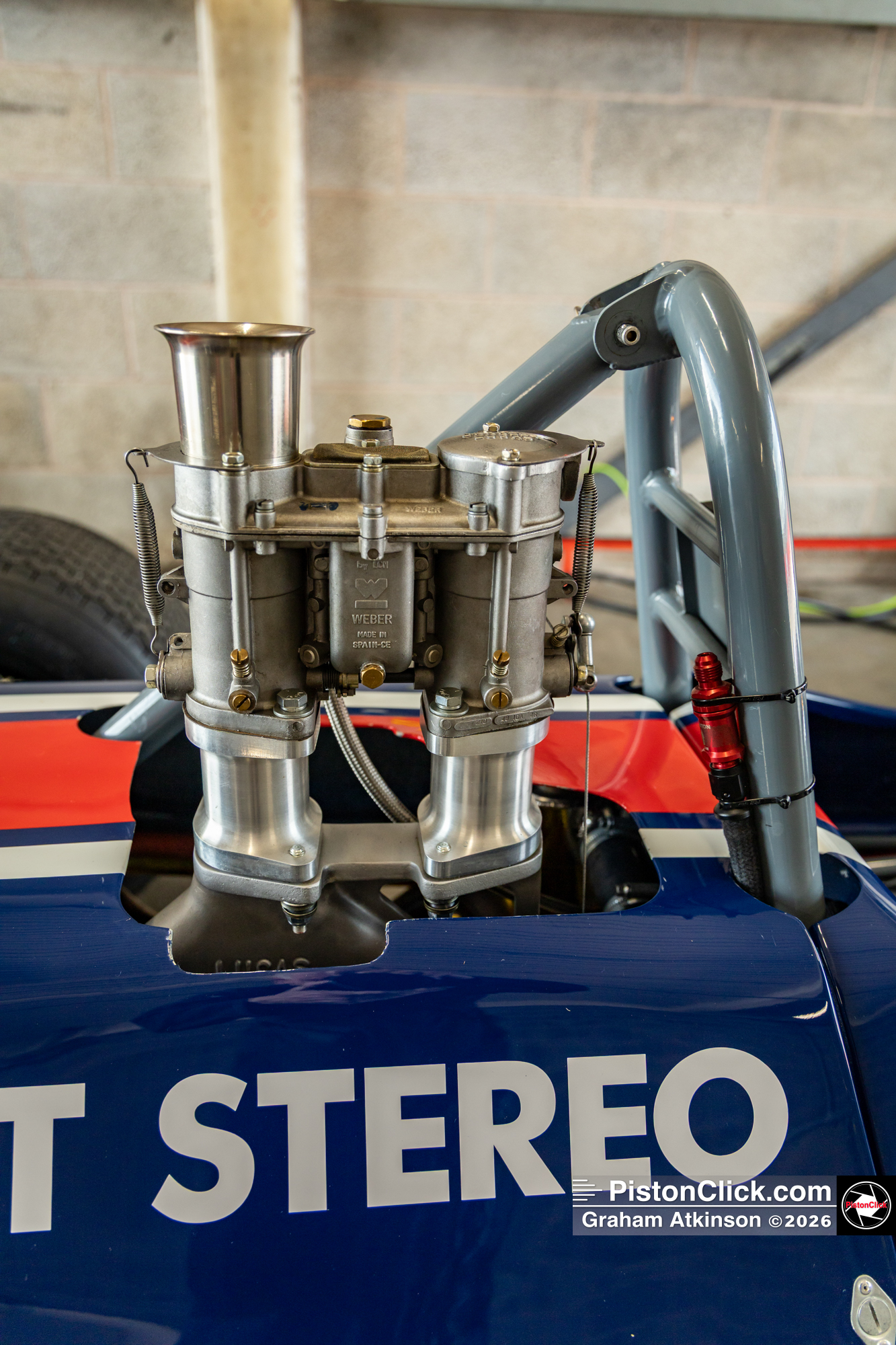
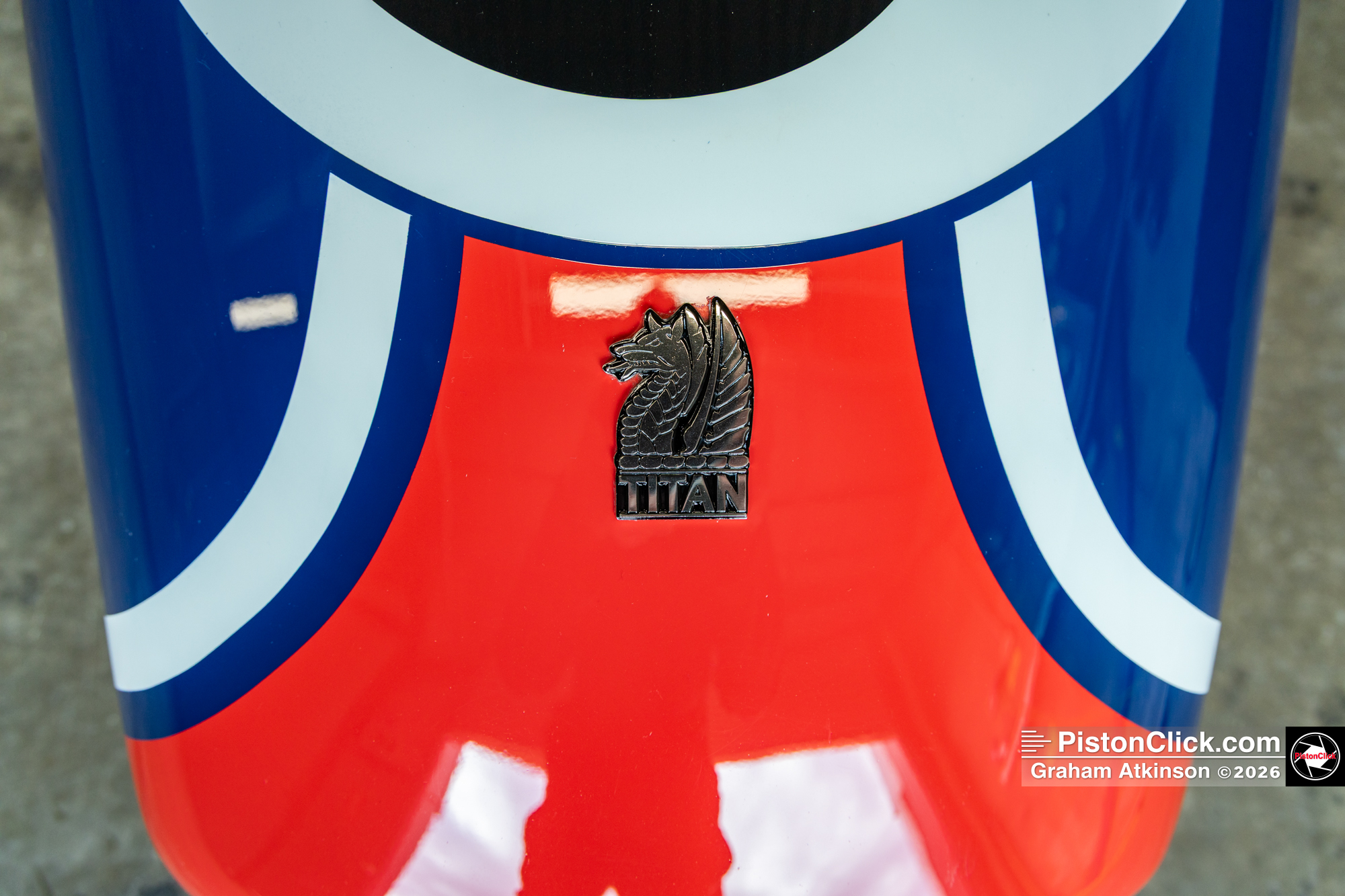
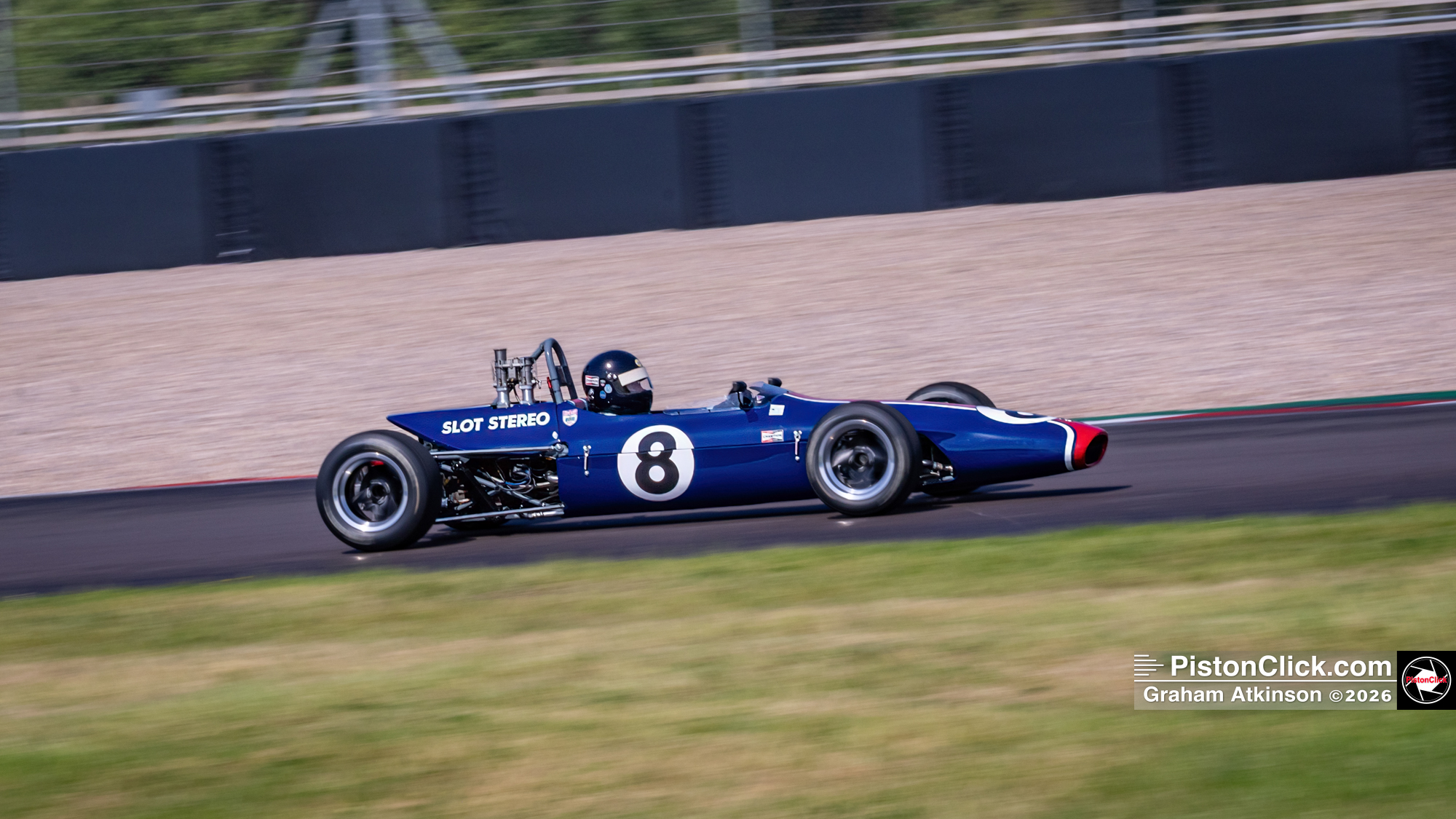
This season, Mark races with Speedsport Historic Racing, based at Silverstone and managed by Michael O’Brien, with Jack Cooper serving as mechanic. Their Titan Mk3, designed by Roy Thomas of Charles Lucas Engineering, features a Ford-Cosworth MAE engine and Hewland gearbox.
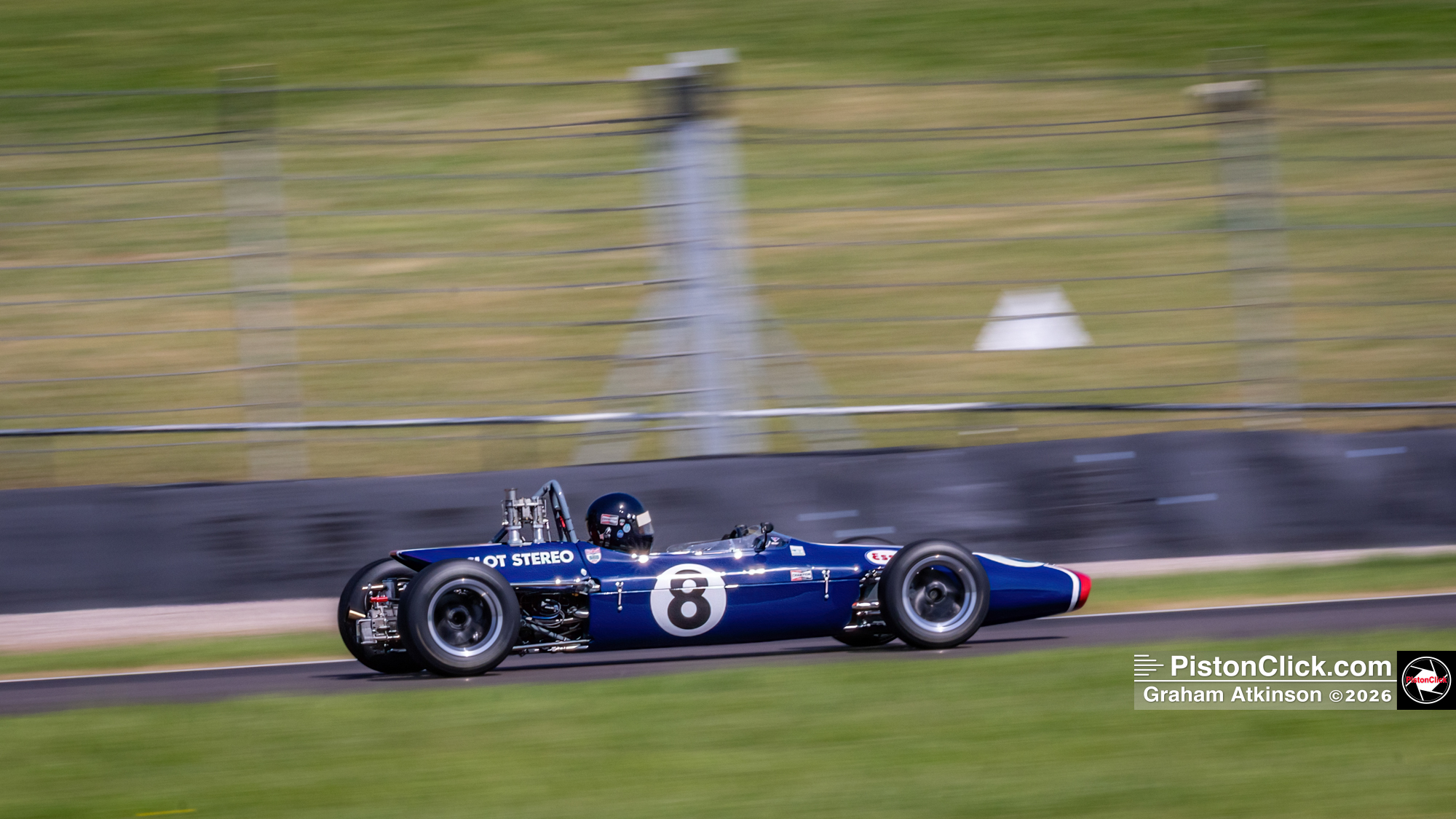
The car debuted at Silverstone in 1967, and only four examples were ever built.
Their 2026 calendar includes appearances at Donington Park, Brands Hatch, Castle Combe for the HSCC 60th Anniversary meeting, Oulton Park’s Gold Cup featuring the Jackie Stewart Trophy, and Silverstone for the Julia O’Brien Trophy.
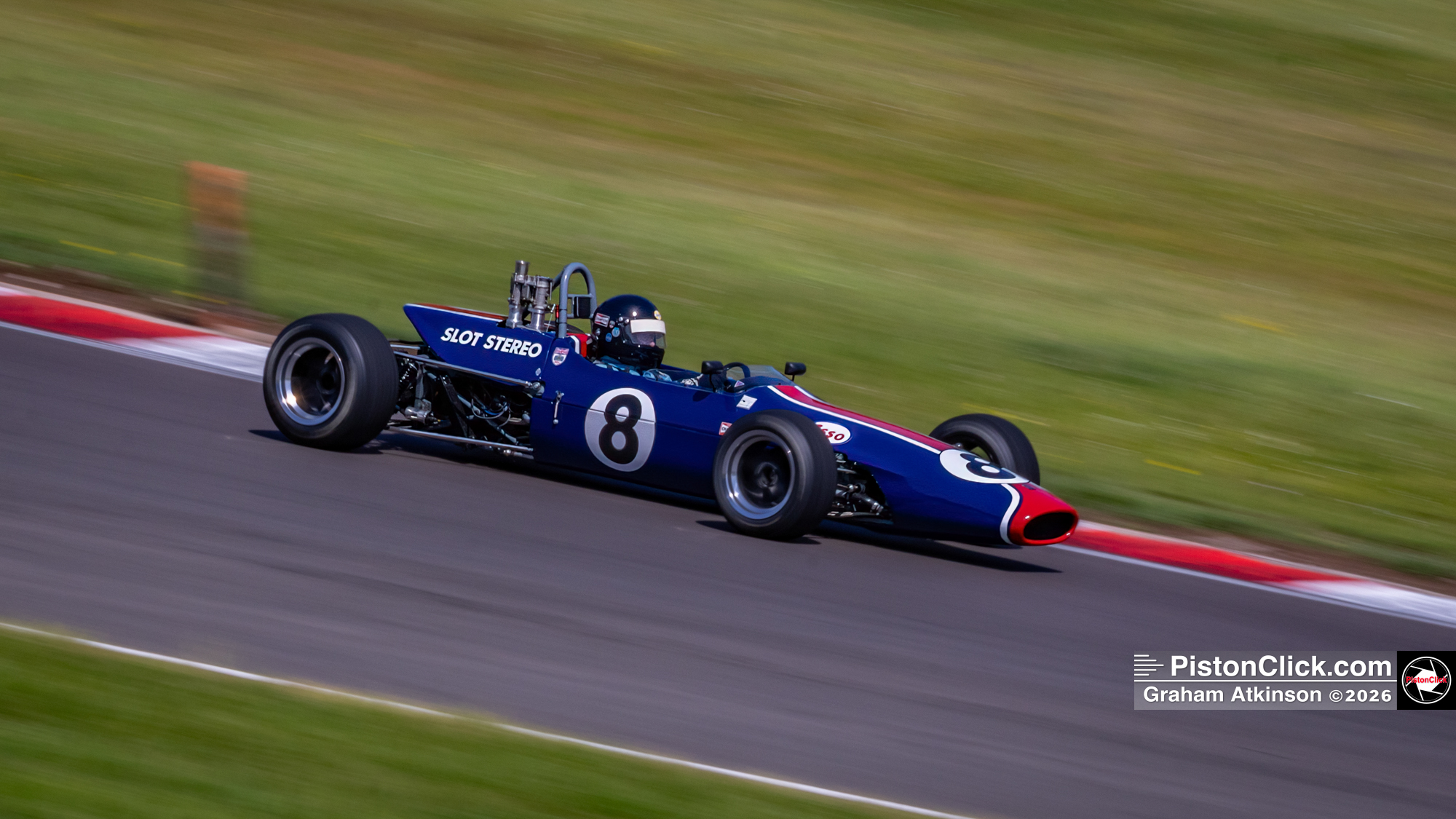
For someone who started racing later in life, Mark certainly has a busy schedule ahead.
A Brief Encounter with a Le Mans Ferrari
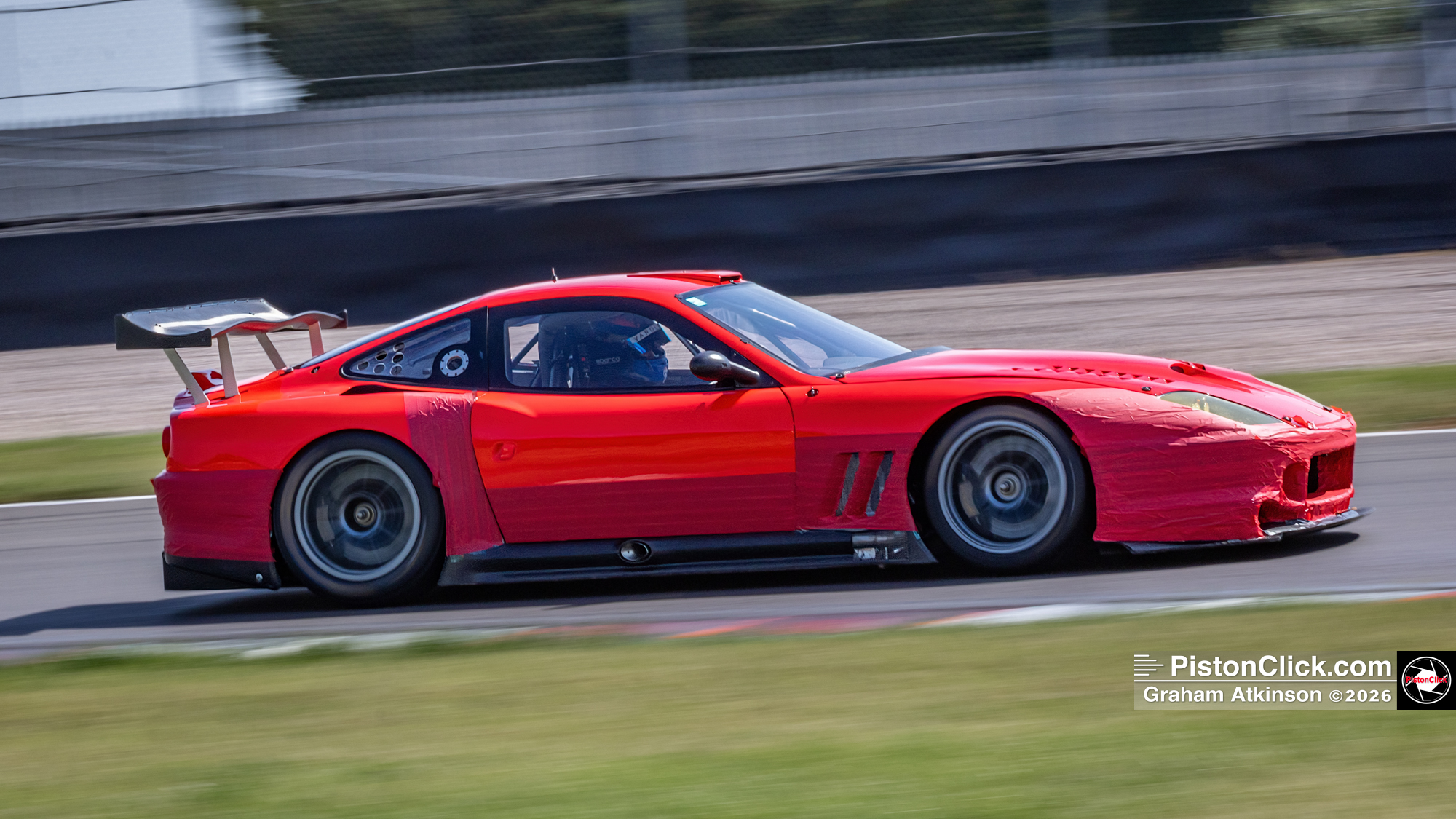
While speaking with James Slaughter earlier in the day, he asked whether I had seen the car in the neighbouring garage. When I replied that I hadn’t, he told me it was the Ferrari 550 GTS Maranello raced by Colin McRae at the 2004 Le Mans 24 Hours, where it finished an impressive third in the GTS class. Naturally, I went to investigate.
Unfortunately, time beat me. By the time I reached the garage, the car was already out on track, and I had to leave before it returned, so I never got the opportunity to speak with the driver.
However, I did manage to capture my only photograph of the day earlier that morning. The Ferrari looked rather worse for wear, with what appeared to be red protective tape covering much of the lower half of the bodywork.
Initially, I wondered whether it concealed sponsor logos, but photographs from the race meeting two days later showed the tape removed and the car presented in immaculate condition. That leads me to believe the tape served simply to protect the paintwork during testing.
Then again, when a car carries an estimated value of around £9 million, you would probably take every precaution possible.