



Private Test Day for Maureen and The Ferrari Breadvan
Report by Graham Atkinson
12 May 2026
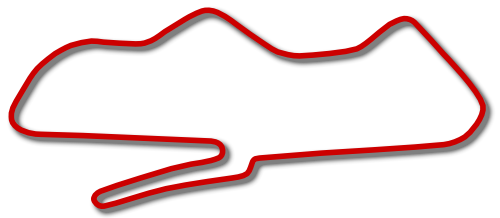
Back at Donington Park on Thursday for another private test day ahead of the May Bank Holiday Donington Historic Festival, where nearly 200 historic racing cars will battle it out across three packed days of competition.
Even today, before the full race weekend crowds arrive, the paddock was already overflowing with white marquees housing the major car clubs, race teams, and hospitality units, leaving barely enough room to move around. Not every entrant was present for testing, so I can only imagine the atmosphere during the festival itself. Sadly, I wouldn’t be there for the full event.
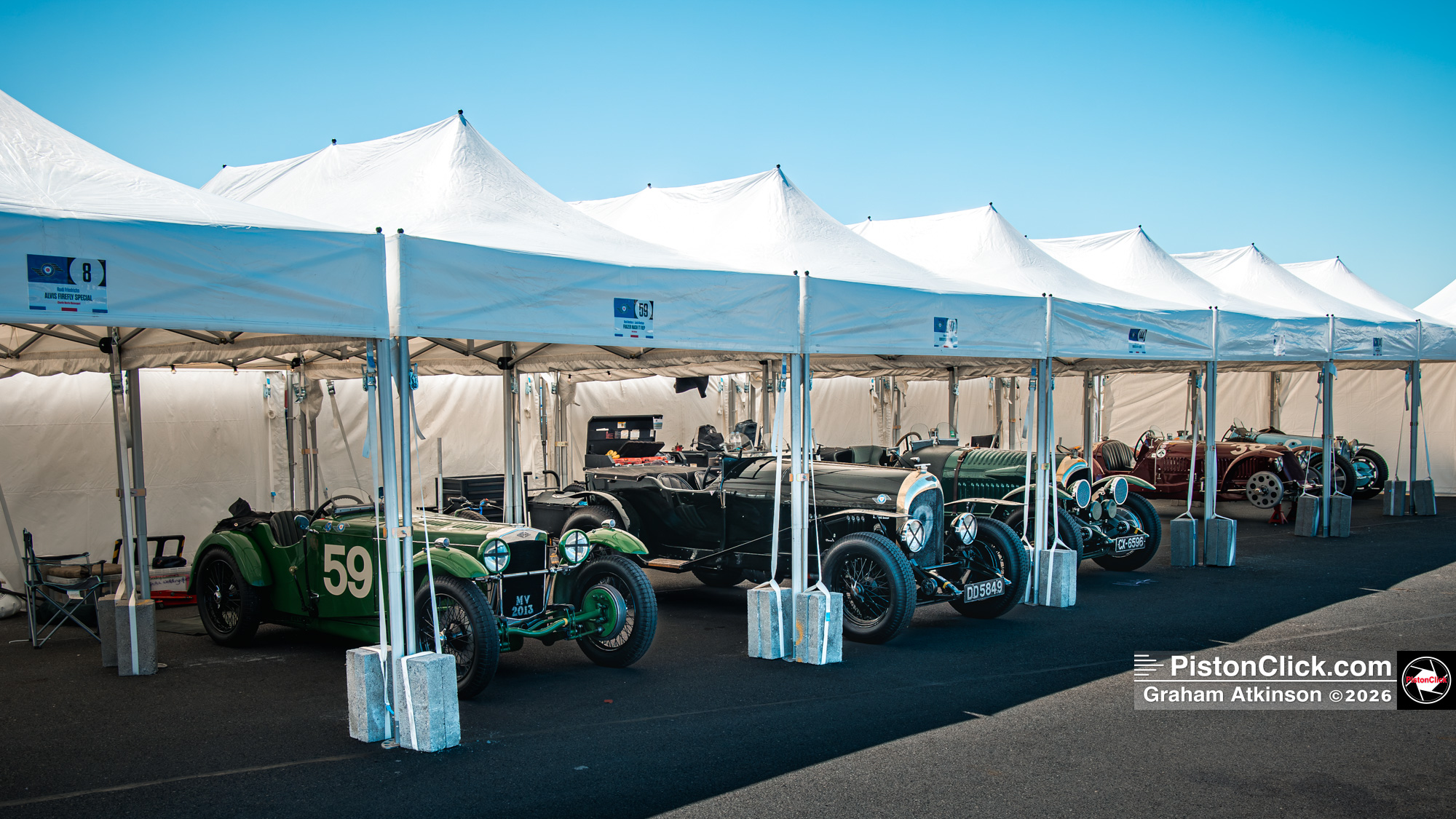
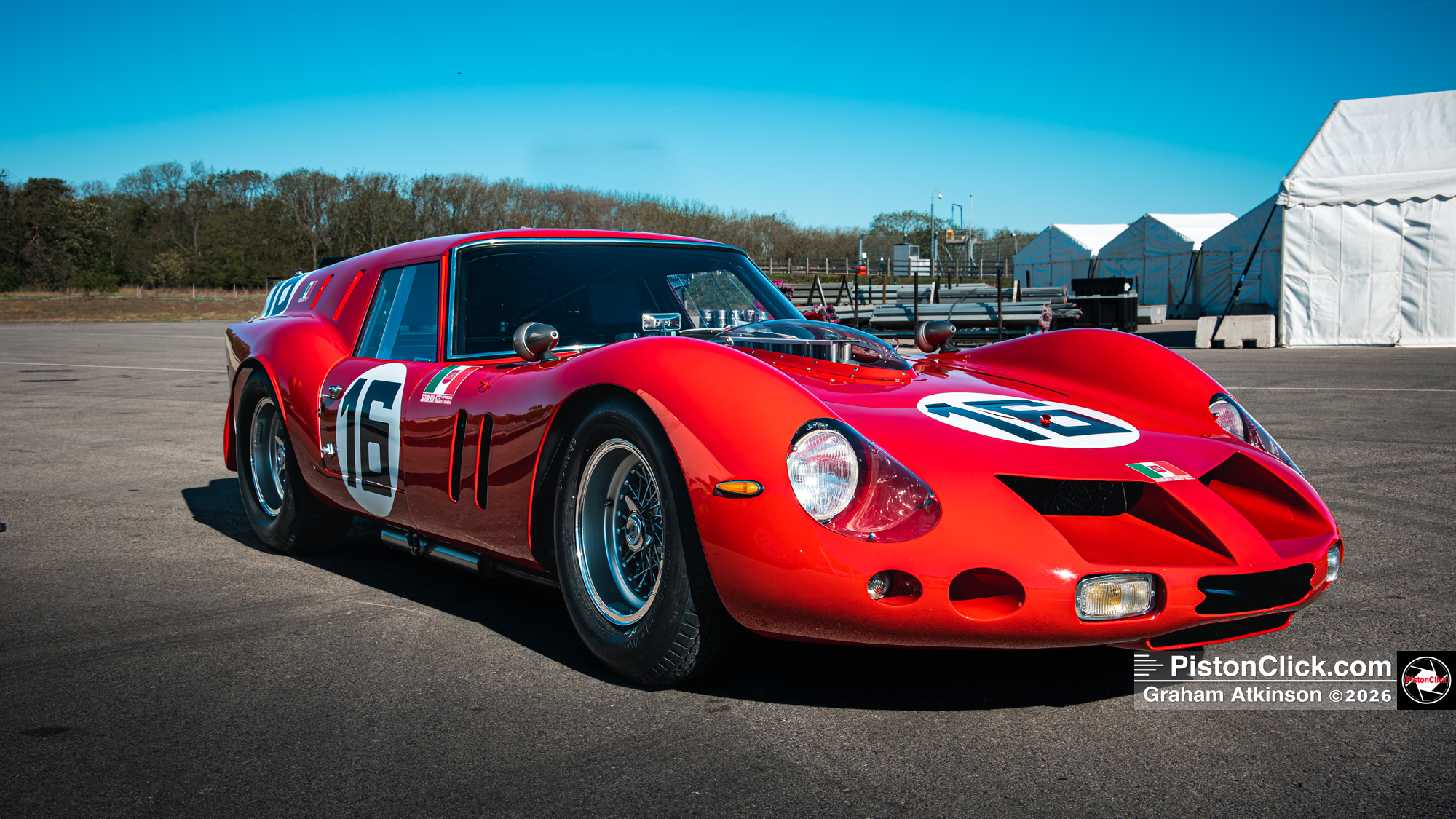
This time I picked out two very different cars to feature — both completely unfamiliar to me before today. One of them, as it turns out, is among the most famous historic racing Ferraris ever created, with books and countless articles written about it. I’m slightly ashamed to admit I had never even seen it before.
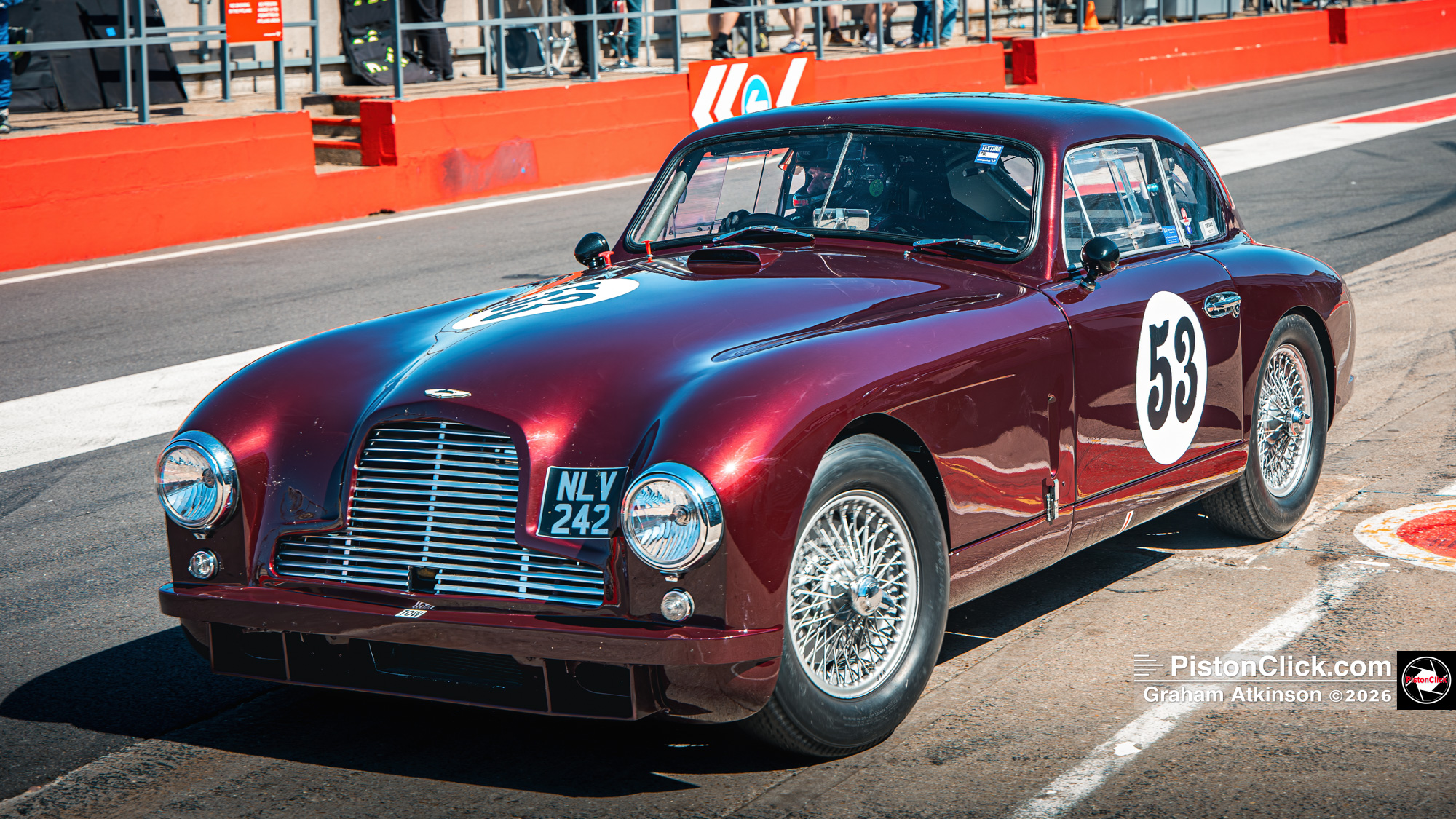
But first, let’s look at the 1952 Aston Martin DB2.
The Story Behind “Maureen” — The Aston Martin DB2
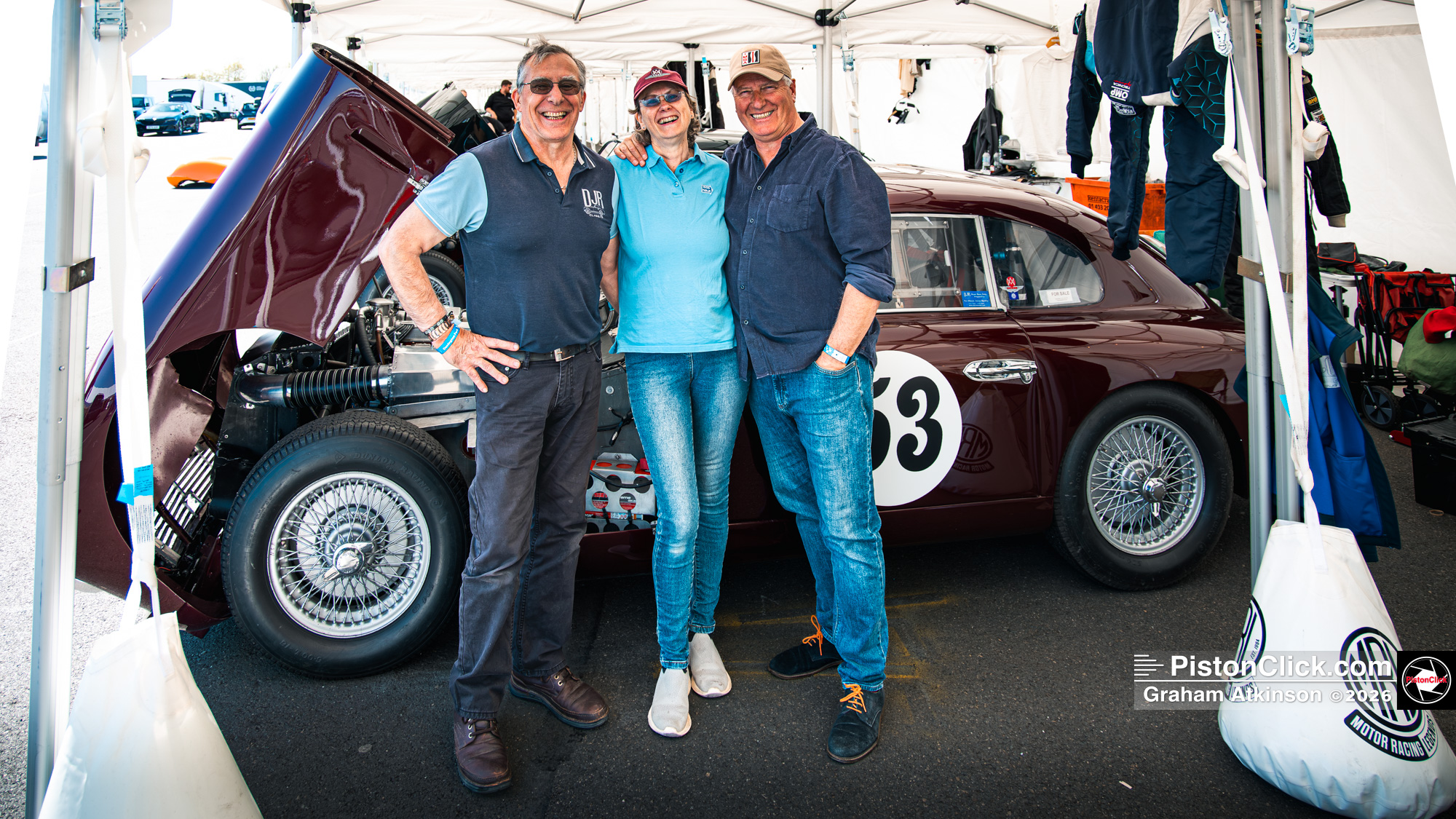
David and Anne Reed jointly own the car with Peter Snowdon, although the story really starts with David’s father, a farmer who bought the family’s first Aston Martin DB2 MkII while David was still a teenager.
Together they restored the car over several years, and in 1975 David’s father purchased another DB2 MkI which they transformed into a highly competitive racer. The family campaigned the car successfully for the next nine years.
David later bought his own DB2 MkI to race, eventually selling it to fund the purchase of a DB2 Drophead DHC. Someone had already started restoring the car before abandoning the project, so David finished the restoration and went on to race it extensively.
Over the years David has owned, restored, sold, and raced numerous classic Aston Martins, developing a strong reputation both as a driver and builder of historic racing cars. He eventually moved away from farming and into the motor trade, first working for Wren Classics before establishing his own business, DJR Classics, with his wife Anne.
Anne herself enjoyed a successful motorsport career, competing in sprint events for more than 20 years and circuit racing for 18 years, although she now leaves most of the driving duties to David and their daughter Hannah.
Peter Snowdon, the other co-owner and co-driver, is also highly respected within historic motorsport circles. He became Historic Touring Car Champion in both 1997 and 1998, has enjoyed victories in numerous events since 1984, and has also worked as a racing instructor since 1998. Many fans will additionally recognise him as a commentator, frequently covering Le Mans and other major historic events.
From Barn Find to Championship Winner
Unlike the previous restorations, David wanted this project to be different — a genuine “basket case” he could turn into an uncompromising race car while still complying fully with historic racing regulations.
Through a friend, he acquired a genuine barn-find 1952 Aston Martin DB2 which, judging by the original photographs they kindly showed me, looked little more than scrap.
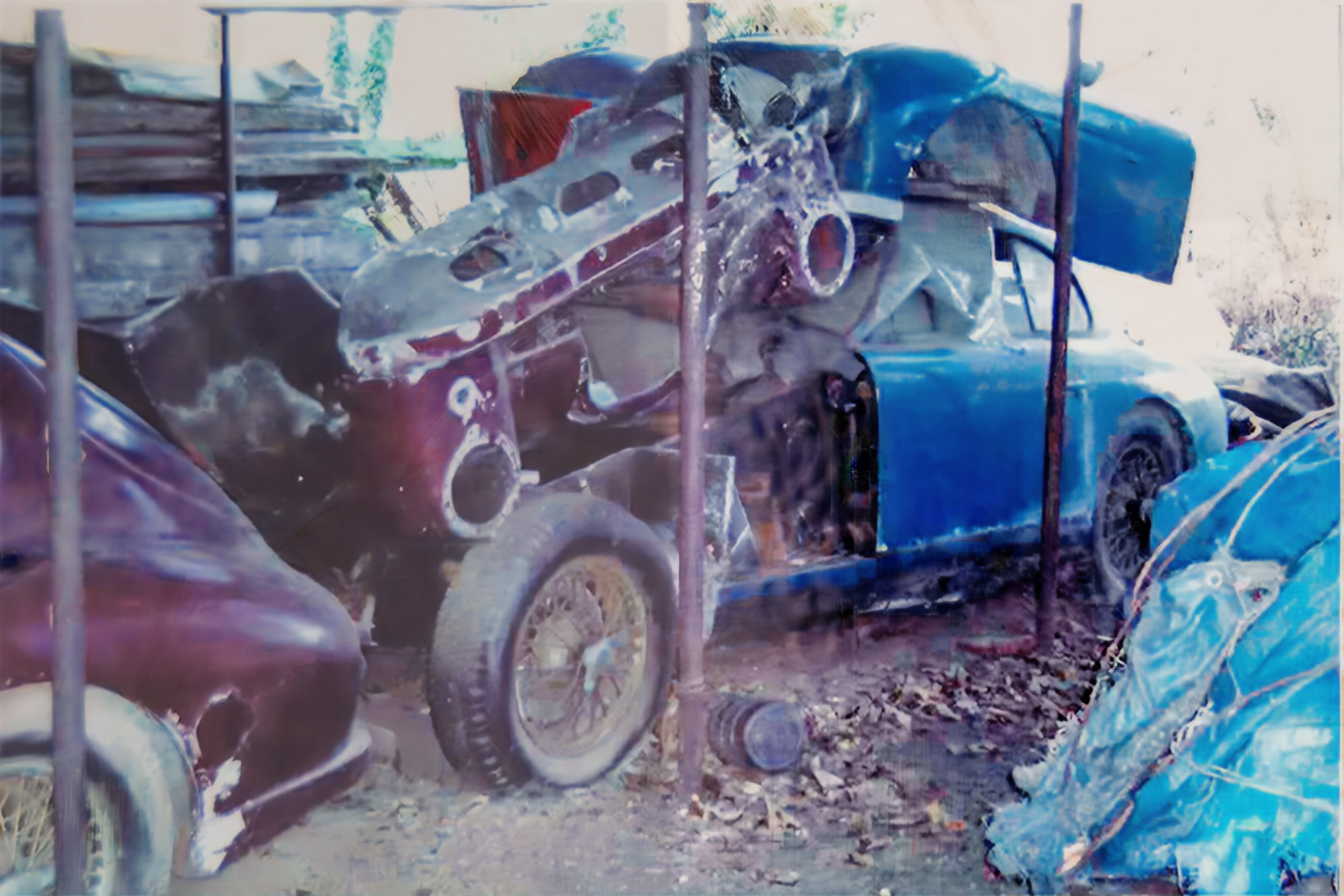
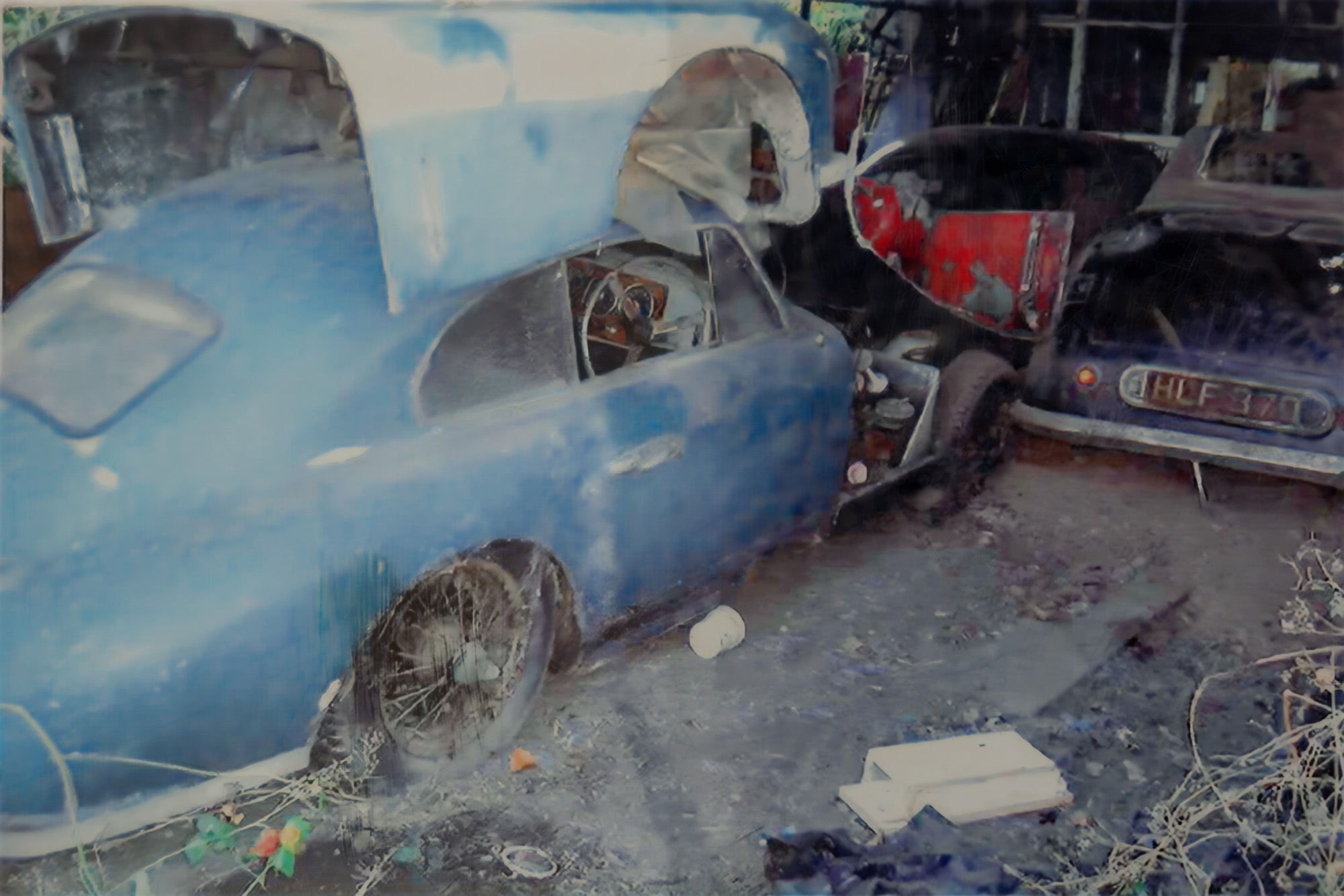
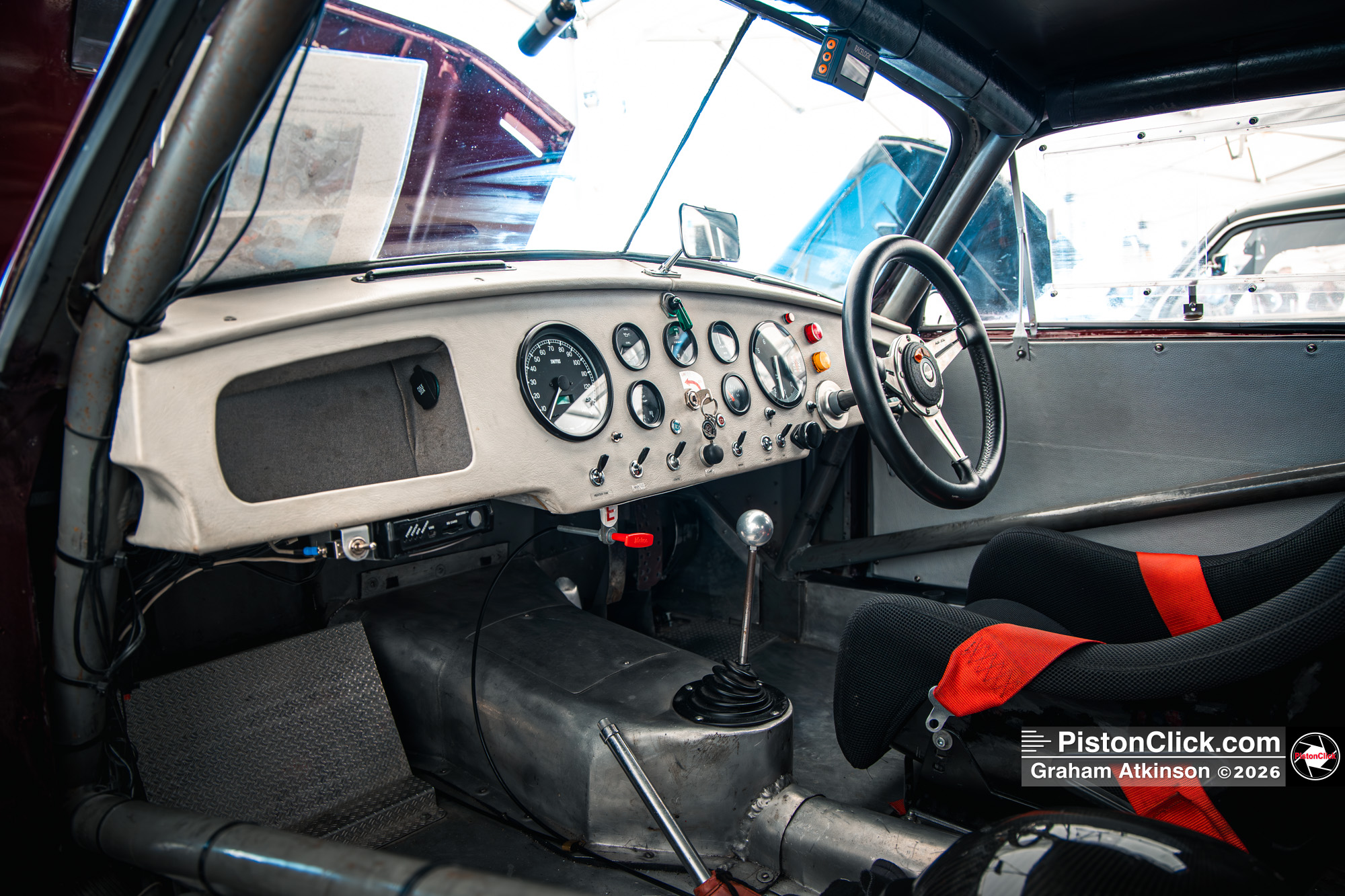
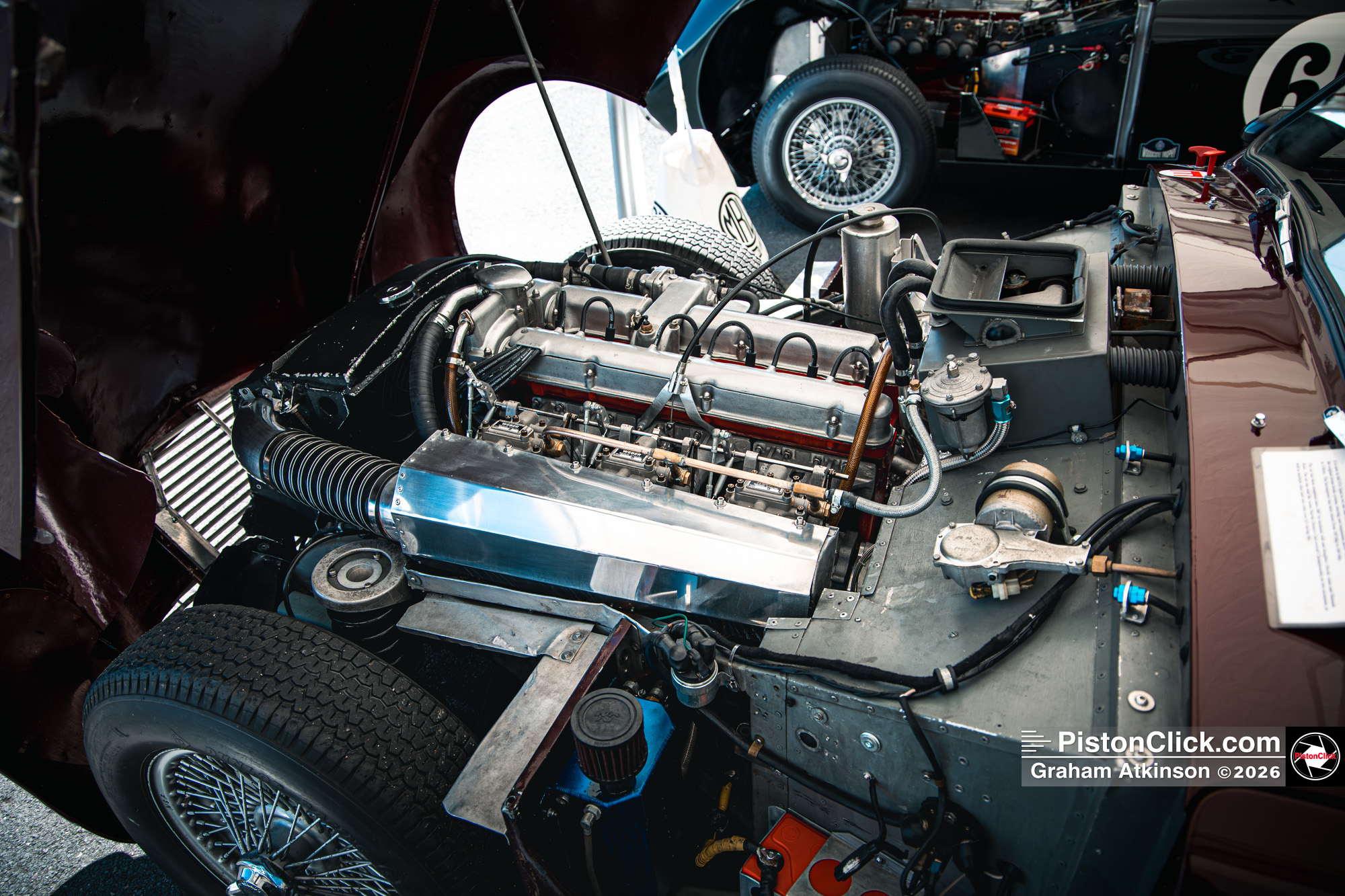
Powered originally by a 2.6-litre engine, the car was upgraded during restoration to full 3.0-litre specification. David rebuilt the car to period-correct racing regulations, fitting a close-ratio gearbox, limited-slip differential, and upgraded running gear all appropriate to the era.
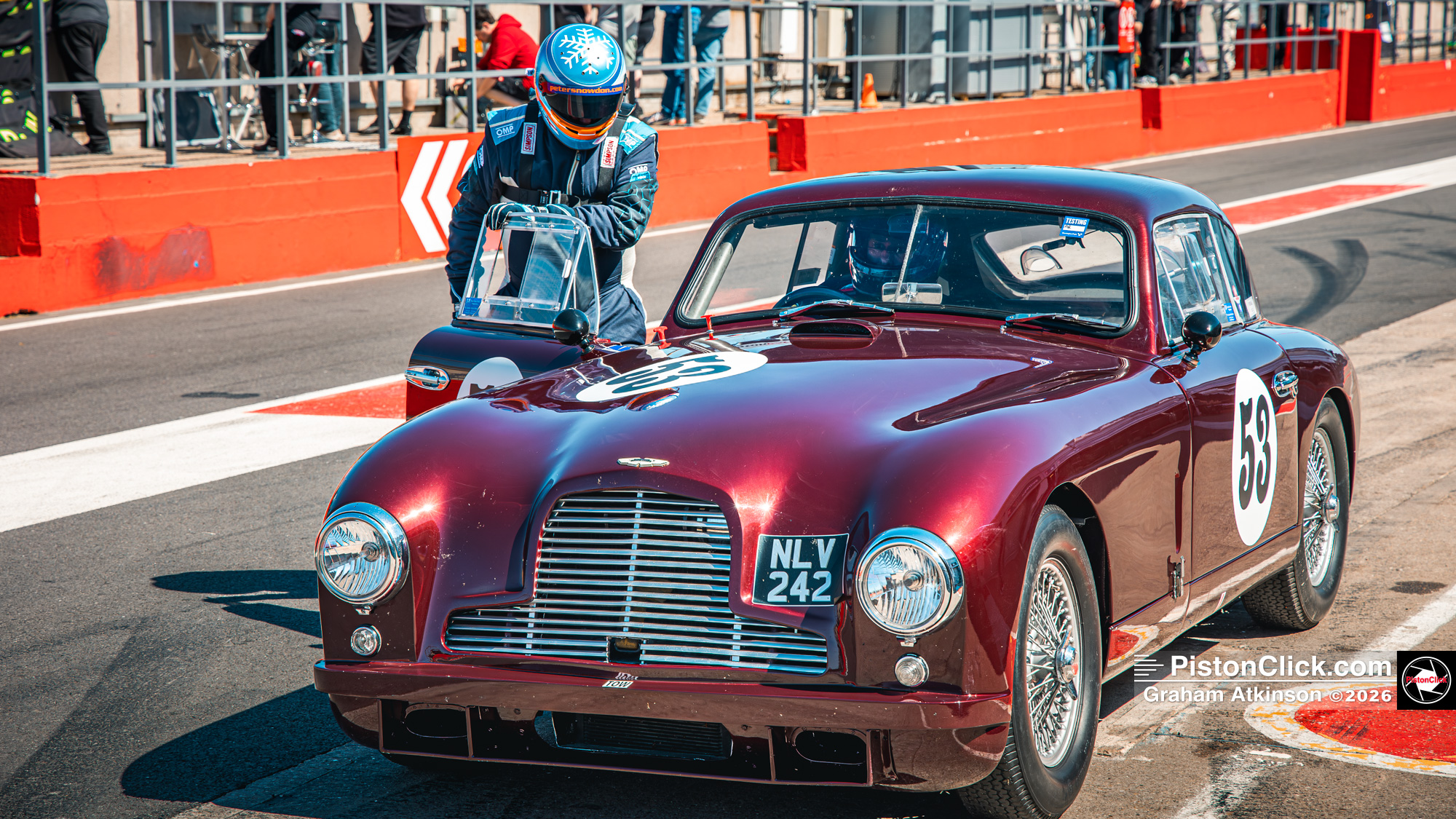
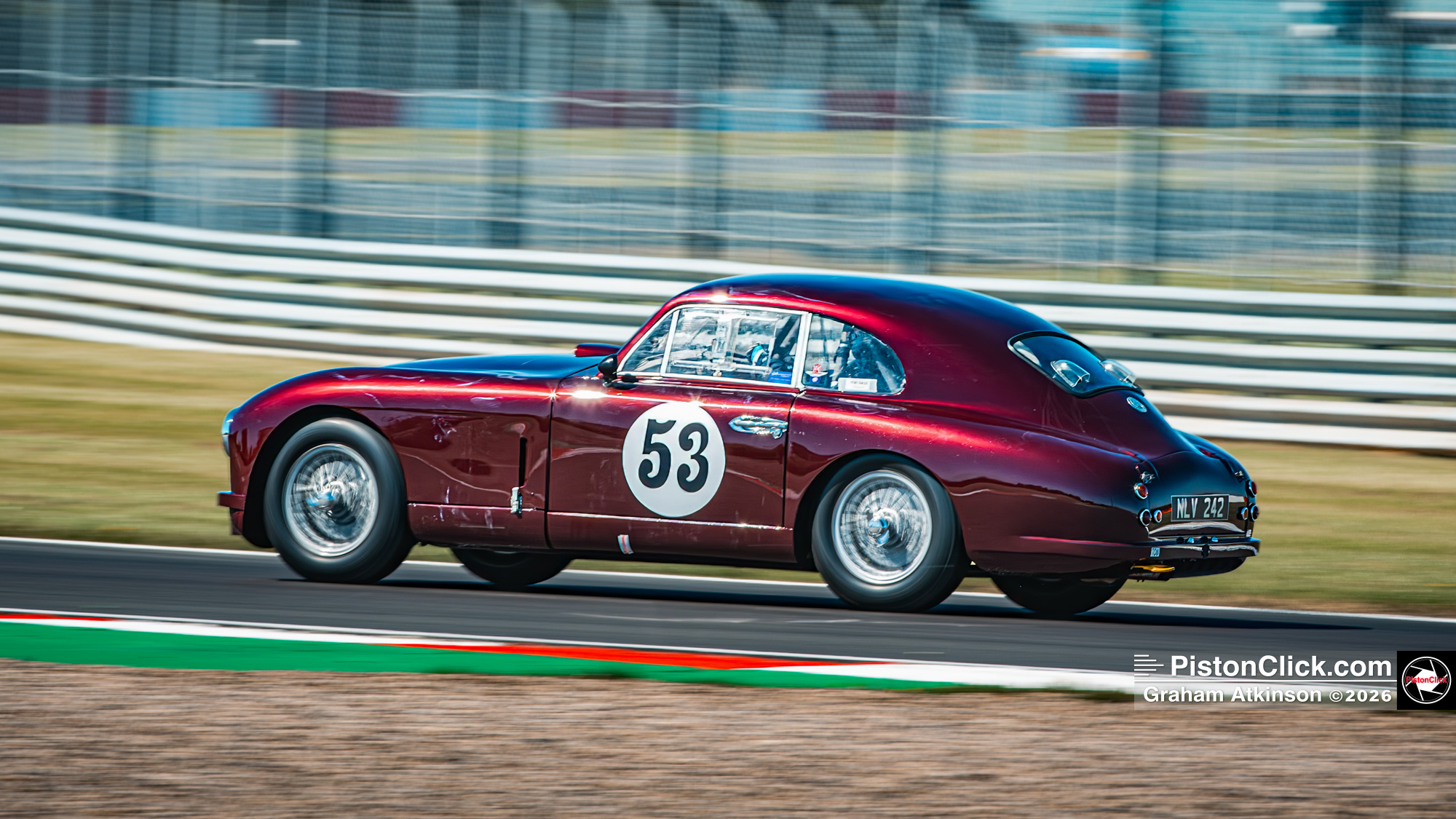
The car also changed colour from blue to maroon — and that is where its nickname originated.
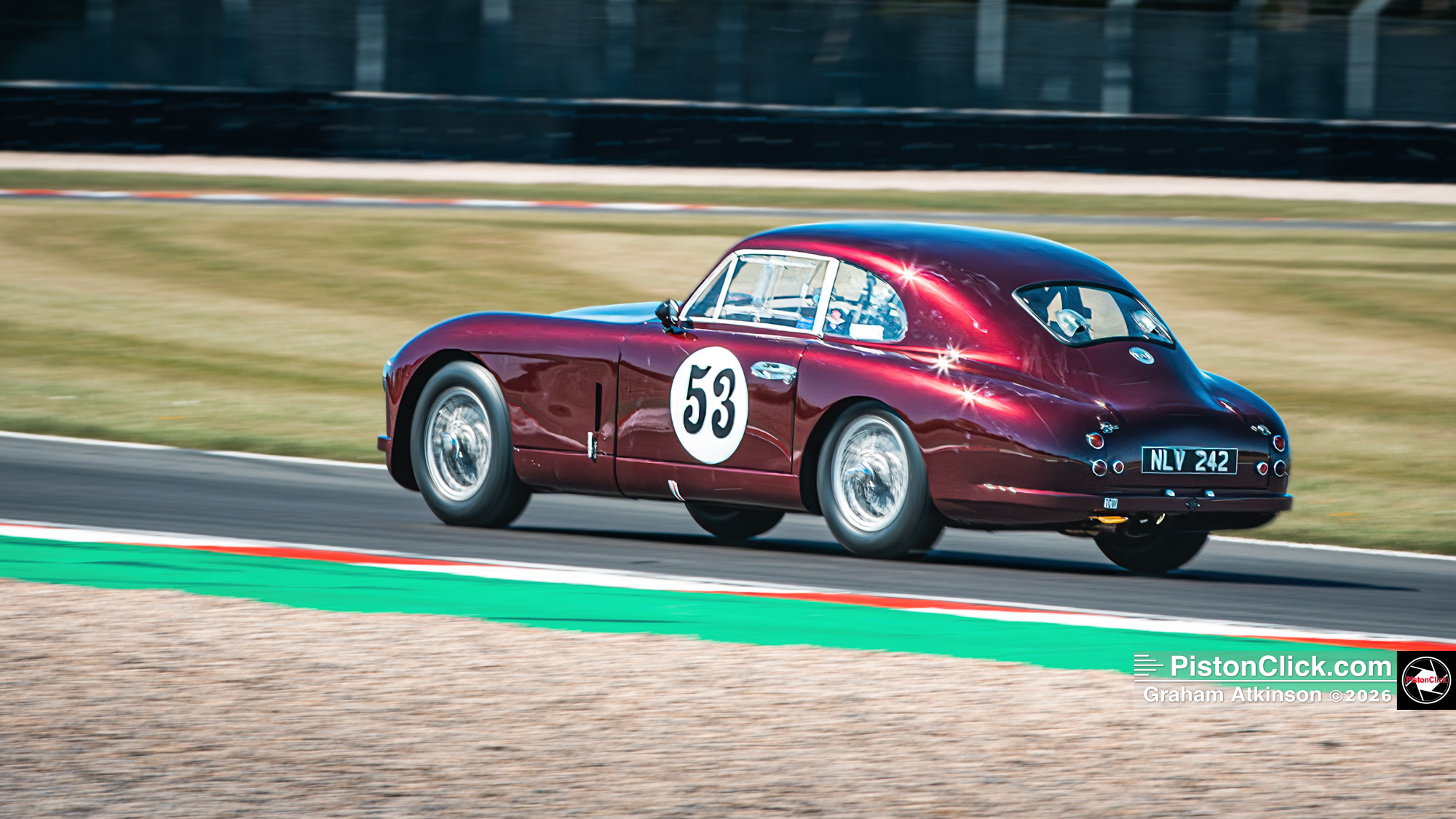
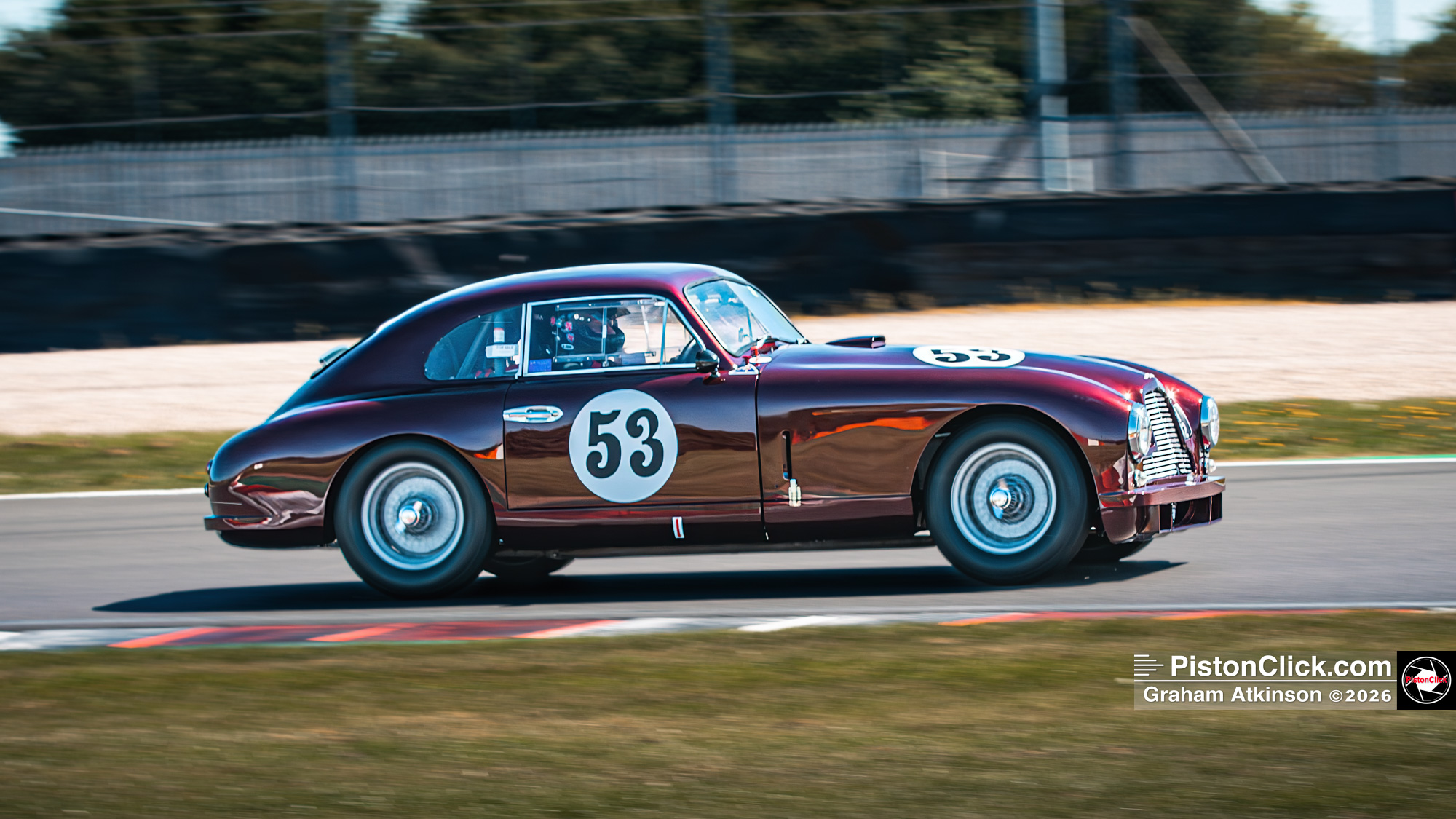
Peter Snowdon began referring to the car as “Maureen”, inspired by its maroon paintwork. Anne, apparently, dislikes naming cars, although she admits she cannot help laughing whenever Peter enthusiastically announces “Maureen” over the circuit commentary.
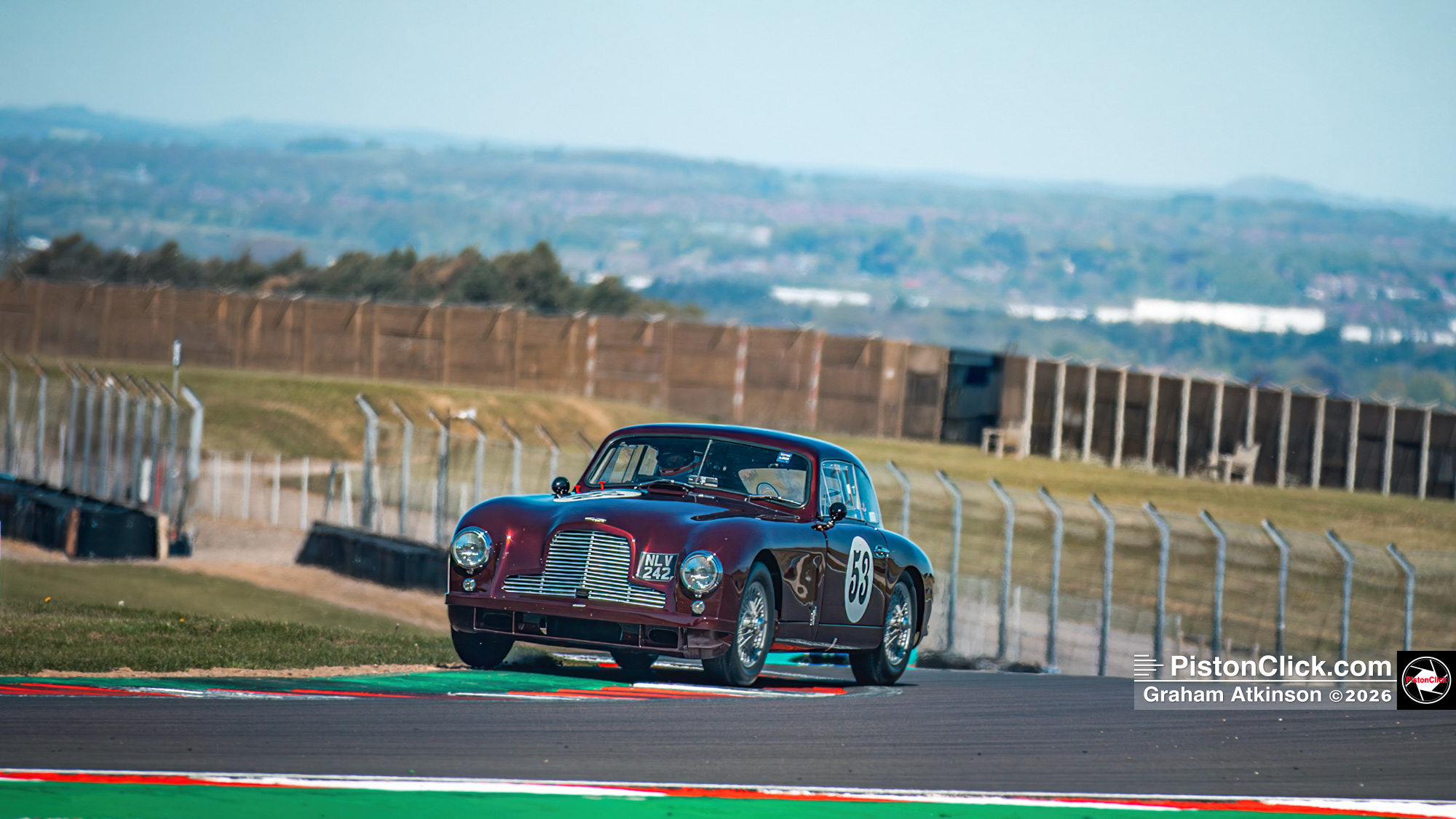
The results have justified all the effort. To date, the car has won the Aston Martin Owners Club overall championship twice and finished runner-up once. Alongside circuit racing, the team regularly competes in sprint events and hill climbs.
When I asked David whether he treated such a beautifully restored car with sympathy on track, his answer was immediate:
“I am competitive and push the car to its limits.”
That’s exactly how these cars should be used? Unfortunately Anne Reed contacted us just before we published this report. “After 49 years, it’s time to hang up the circuit racing boots, and put the 1952 Aston Martin DB2 up for sale .” So if you are looking for a “Maureen” in your life drop us a line and we will pass the message on.
The Ferrari Breadvan — One of Motorsport’s Greatest Rebel Cars
Then there was The Breadvan.
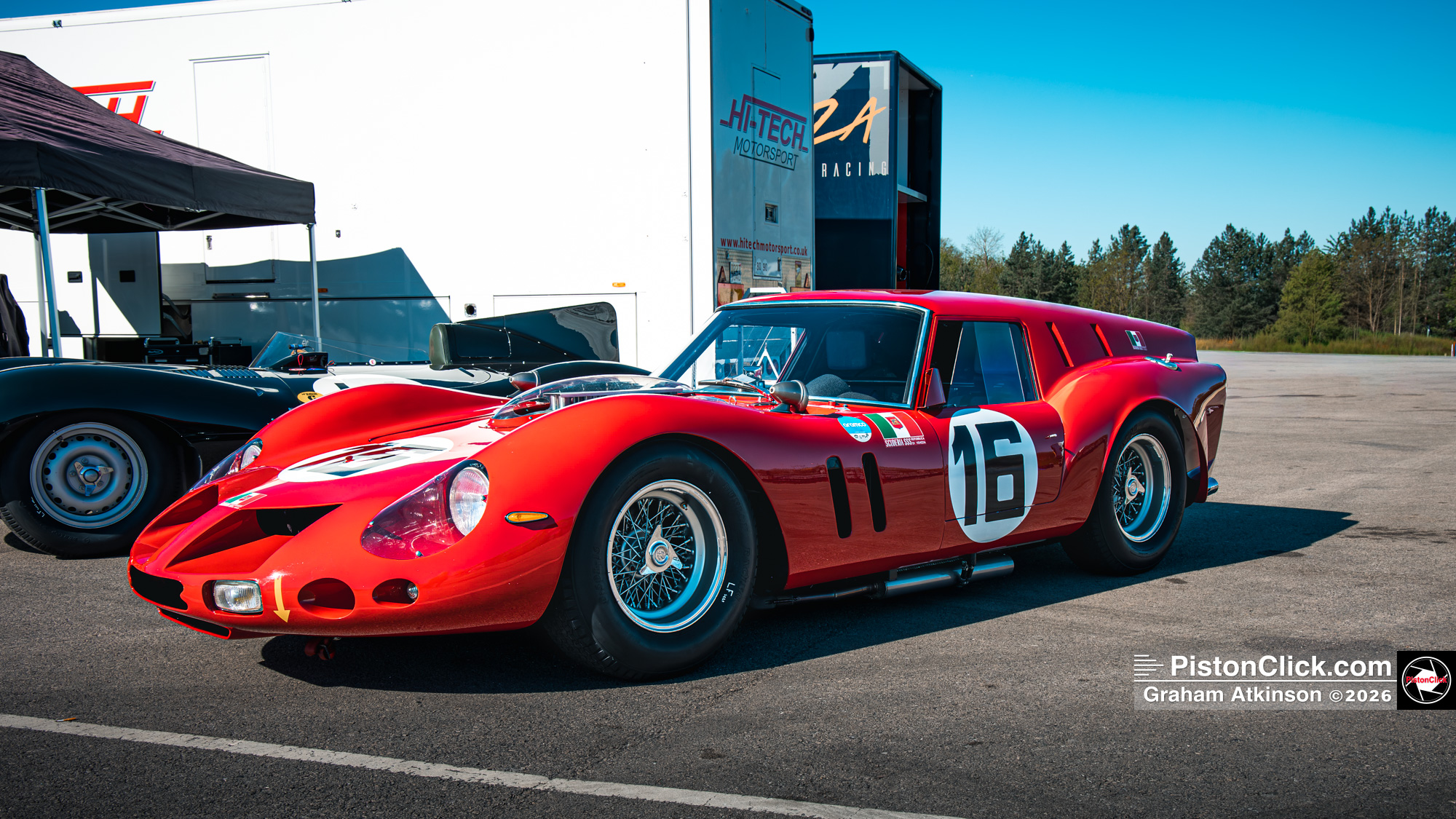
For many enthusiasts, simply mentioning the name is enough. Yet until today I knew virtually nothing about it. Thankfully, current owner Martin Halusa was kind enough to spend time explaining the remarkable history behind one of the most famous Ferraris ever built. The Ferrari Breadvan.
The story begins in 1961 with a major falling-out inside Ferrari itself.
Laura Ferrari, who handled sales for the company, became involved in a heated argument with a factory employee and reportedly slapped him across the face. The incident proved the final straw for several senior Ferrari engineers and managers, including Giotto Bizzarrini and Carlo Chiti, who confronted Enzo Ferrari and demanded he keep Laura away from the factory.
Ferrari reportedly paused for only a moment before pointing toward the door. So they left. Among those departing was reigning Formula One World Champion Phil Hill.
The group soon formed a new company — ATS (Automobili Turismo e Sport) — but they needed funding. They approached Count Giovanni Volpi, wealthy owner of Scuderia Serenissima Republica di Venezia and one of Ferrari’s biggest customers. Volpi agreed to support them.
Unfortunately for Ferrari, Enzo soon discovered his former employees were now working for Volpi. Furious, he immediately cancelled Volpi’s order for two new Ferrari 250 GTOs and refused any future business. Volpi was enraged.
However, he already owned a 1961 Ferrari 250 GT SWB “SEFAC Hot Rod” specification car, chassis 2819GT, previously raced briefly by Olivier Gendebien. Volpi handed the car to Bizzarrini and his team with a simple request:
Build me something capable of beating Ferrari at Le Mans.
How The Ferrari Breadvan Was Born
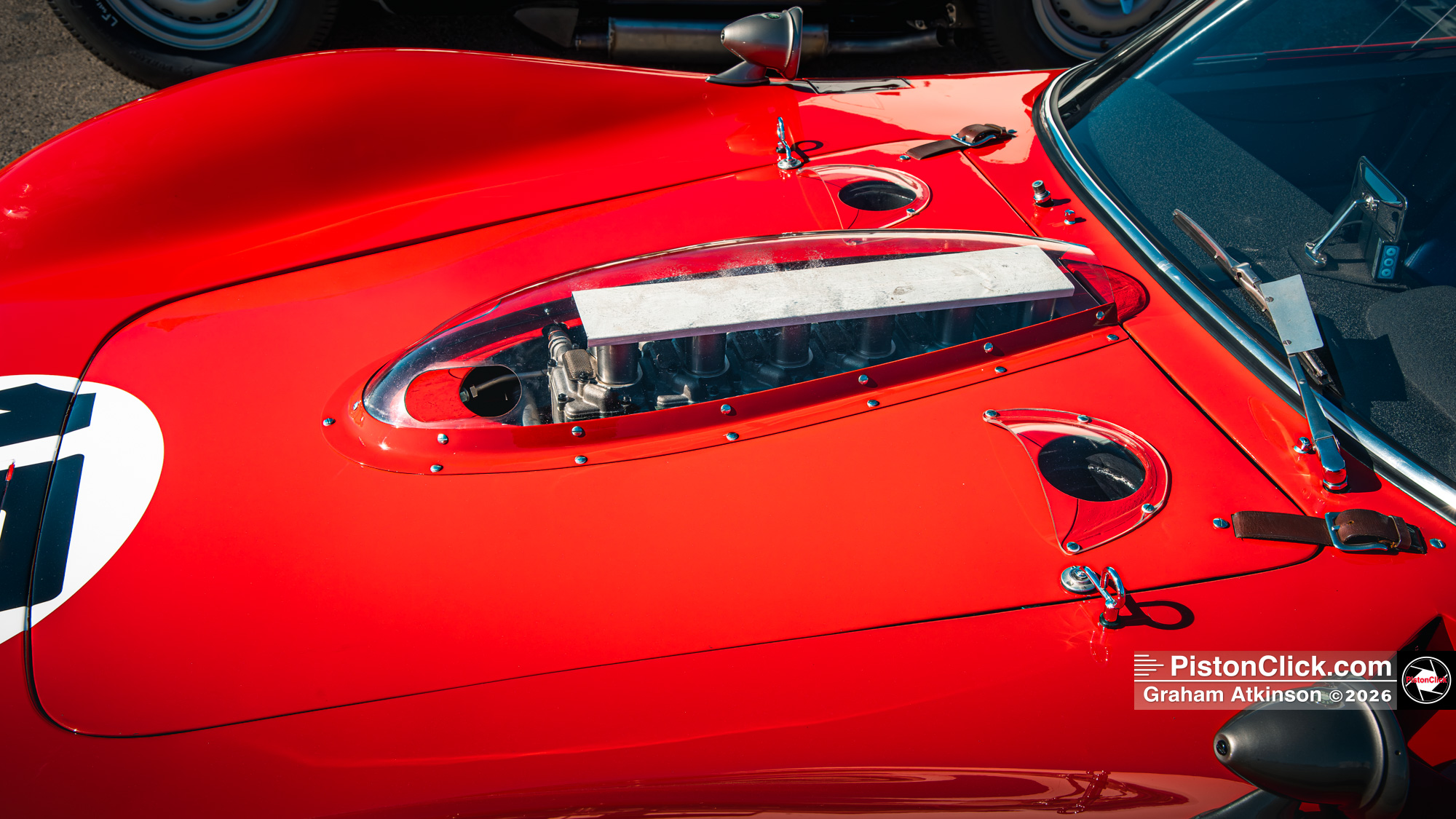
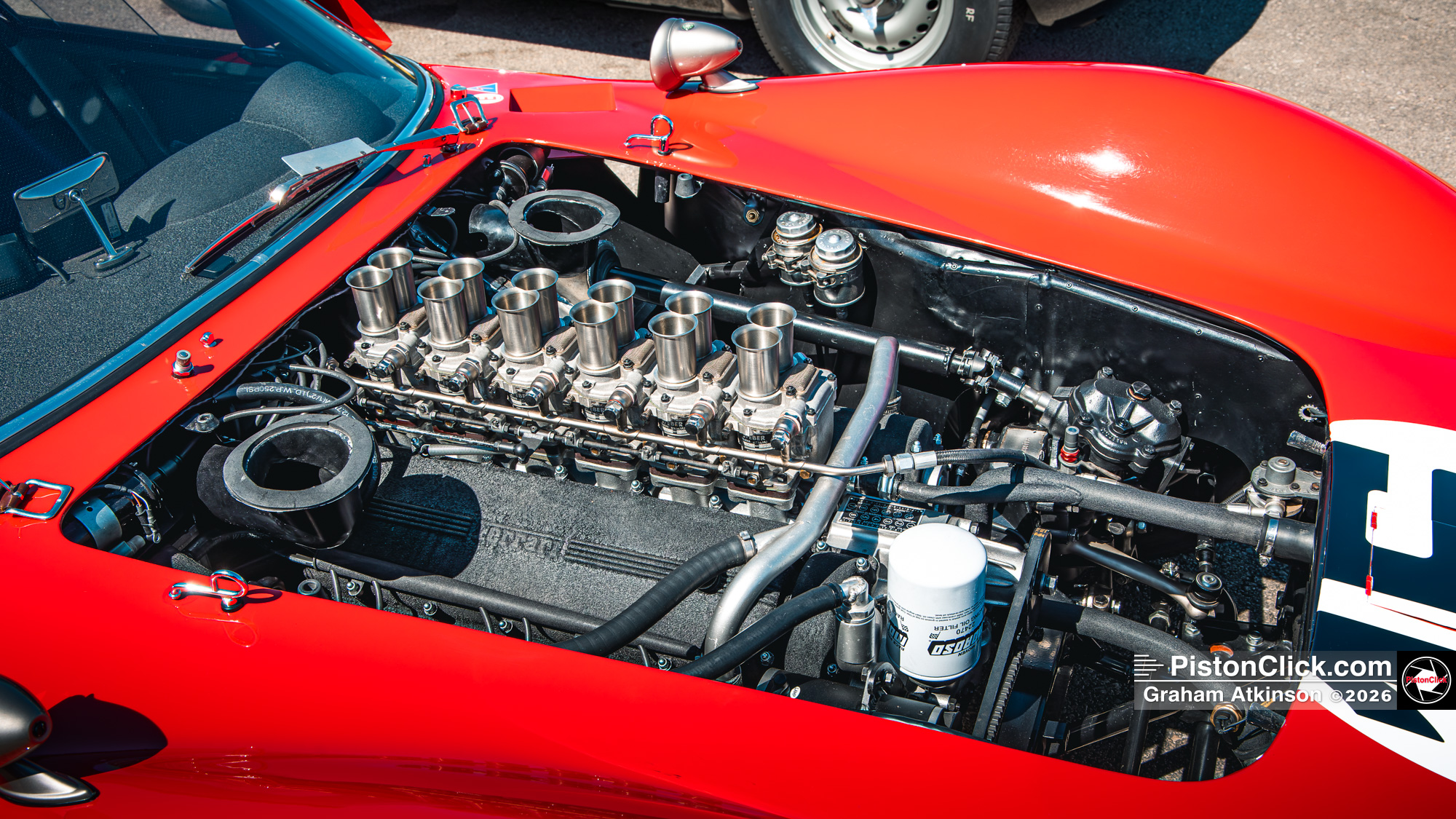
The original bodywork was removed and later fitted to another chassis. The engineering team then completely reworked the car mechanically. The engine received dry-sump lubrication, allowing it to sit lower and further back in the chassis by approximately 12 centimetres. The original carburettors were replaced with six twin-choke Weber units, increasing power output to around 300bhp.
The only significant limitation was the gearbox. Unlike the Ferrari 250 GTO, the Ferrari Breadvan retained the older four-speed transmission rather than a newer five-speed setup. Aerodynamics became the real breakthrough.
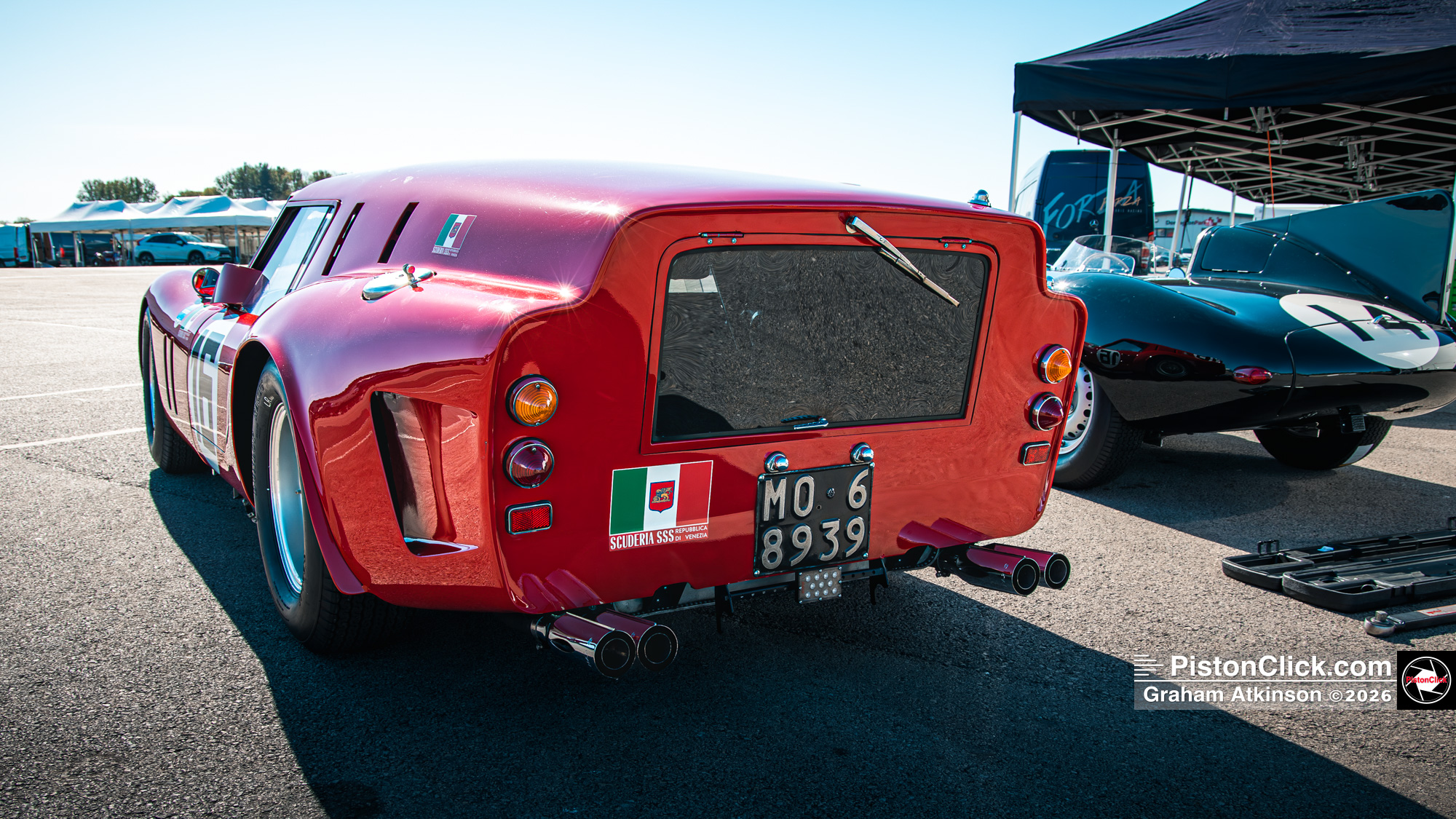
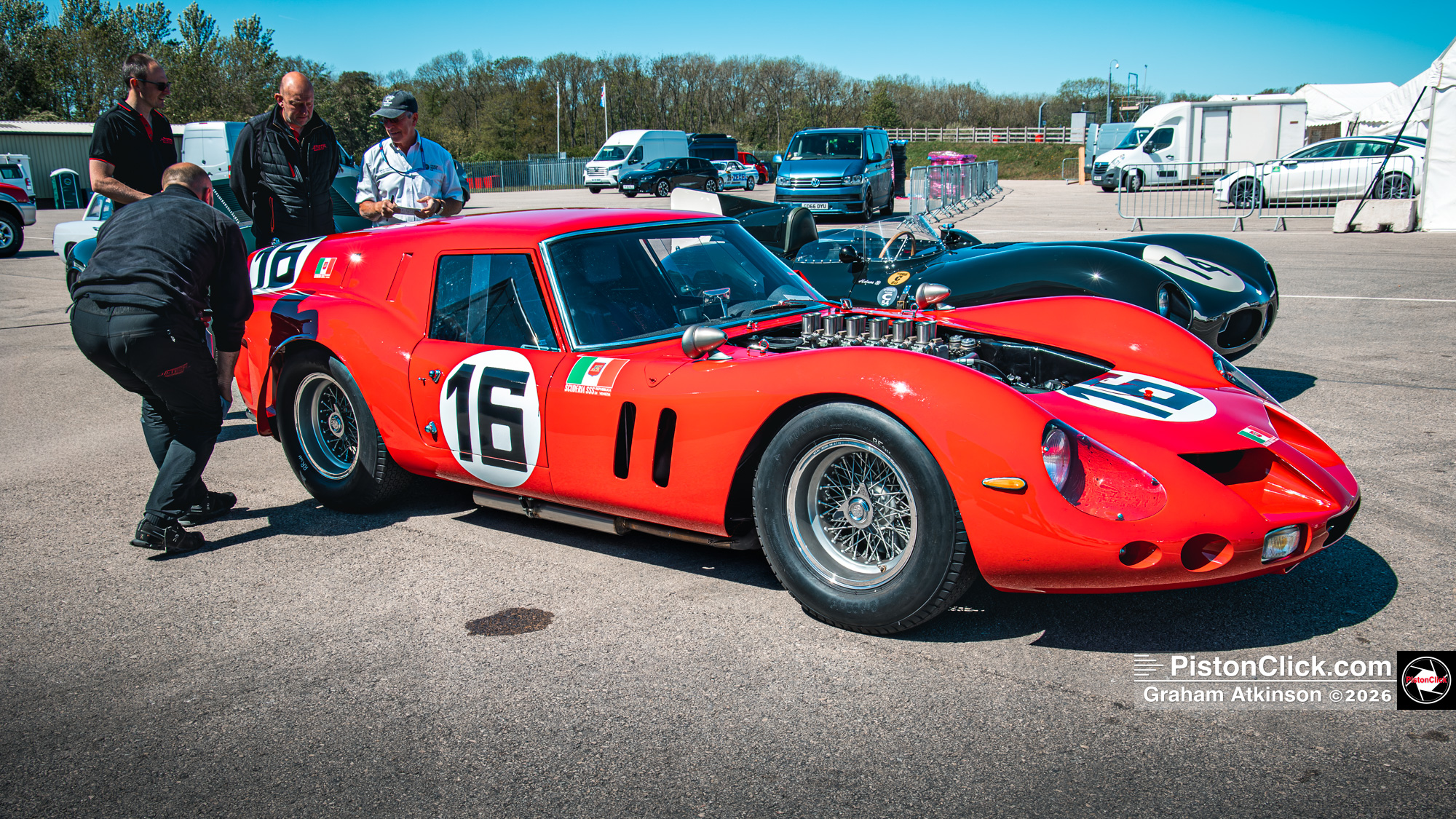
Although wind tunnels were still rare at the time, Bizzarrini realised Ferrari’s rounded rear bodywork created turbulence that dragged the car back at high speed. He extended the roofline and chopped the rear off vertically, cutting drag and increasing top speed significantly.
The unusual design increased top speed by roughly 5mph. It may not have been conventionally beautiful, but it worked — and the same aerodynamic principle continues to influence race car design today. They completed the car in less than three months, and when finished it weighed around 100kg less than the Ferrari 250 GTO.
French journalists nicknamed it “La Camionette” — meaning “little truck” — while the British press gave it the far more memorable name that survives today:
The Ferrari Breadvan.
Racing Glory, Scandal and Survival
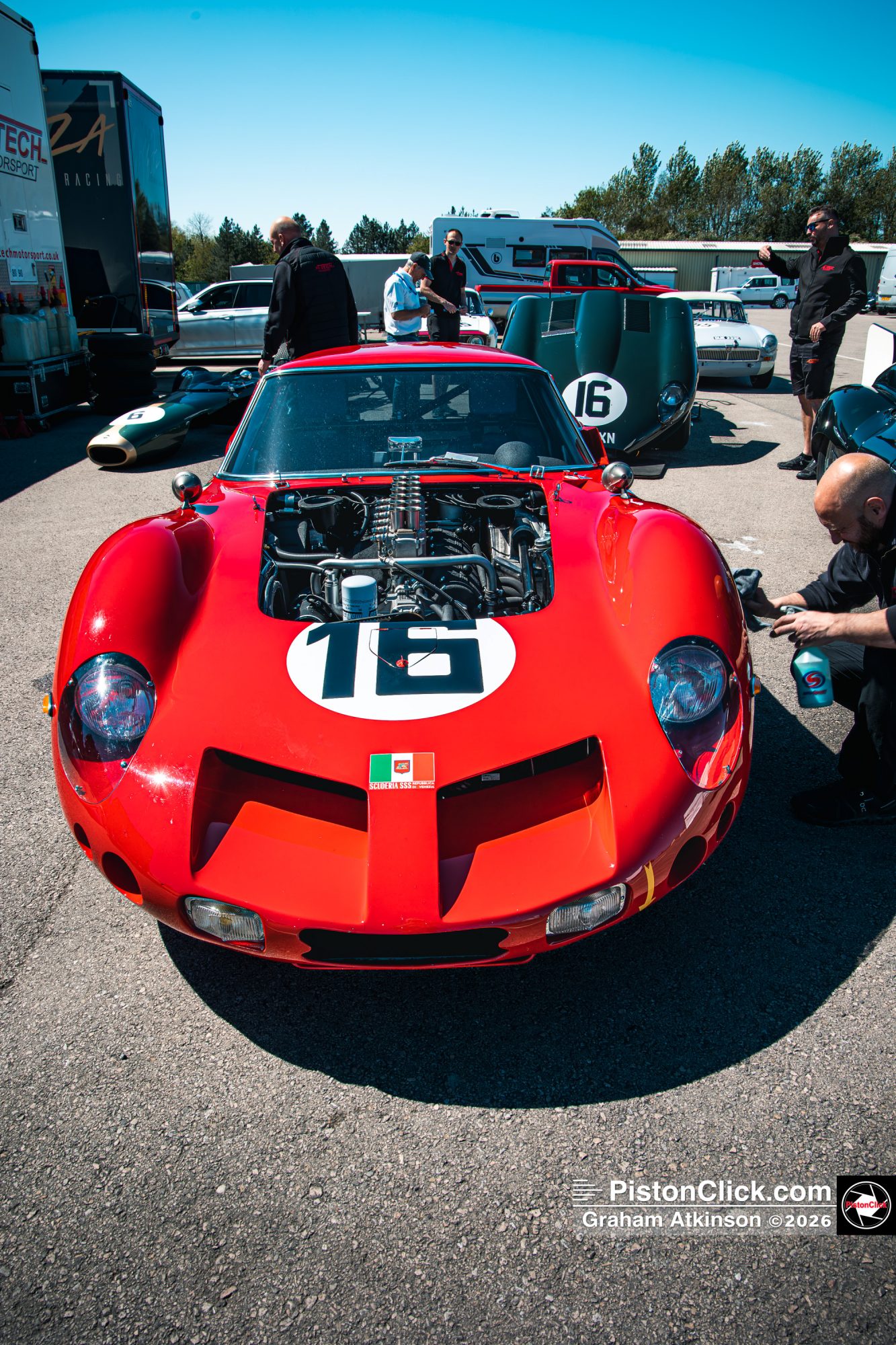
Before the 1962 Le Mans race, Volpi removed all Ferrari badges from the car and replaced them with Serenissima emblems. Enzo Ferrari attempted repeatedly to have the car banned, insisting it was no longer a true Ferrari. He nearly succeeded.
Eventually the “Ferrari” Breadvan was permitted to race as a prototype, although it almost failed scrutineering once again because it lacked a rear window wiper. In desperation, the team borrowed one from a Land Rover and fitted it overnight.
Once the race began, the Breadvan immediately proved competitive, outpacing the Ferraris and leading its class comfortably before a driveshaft failure forced retirement while running seventh overall. Demonstrating that Ferrari could indeed be challenged.
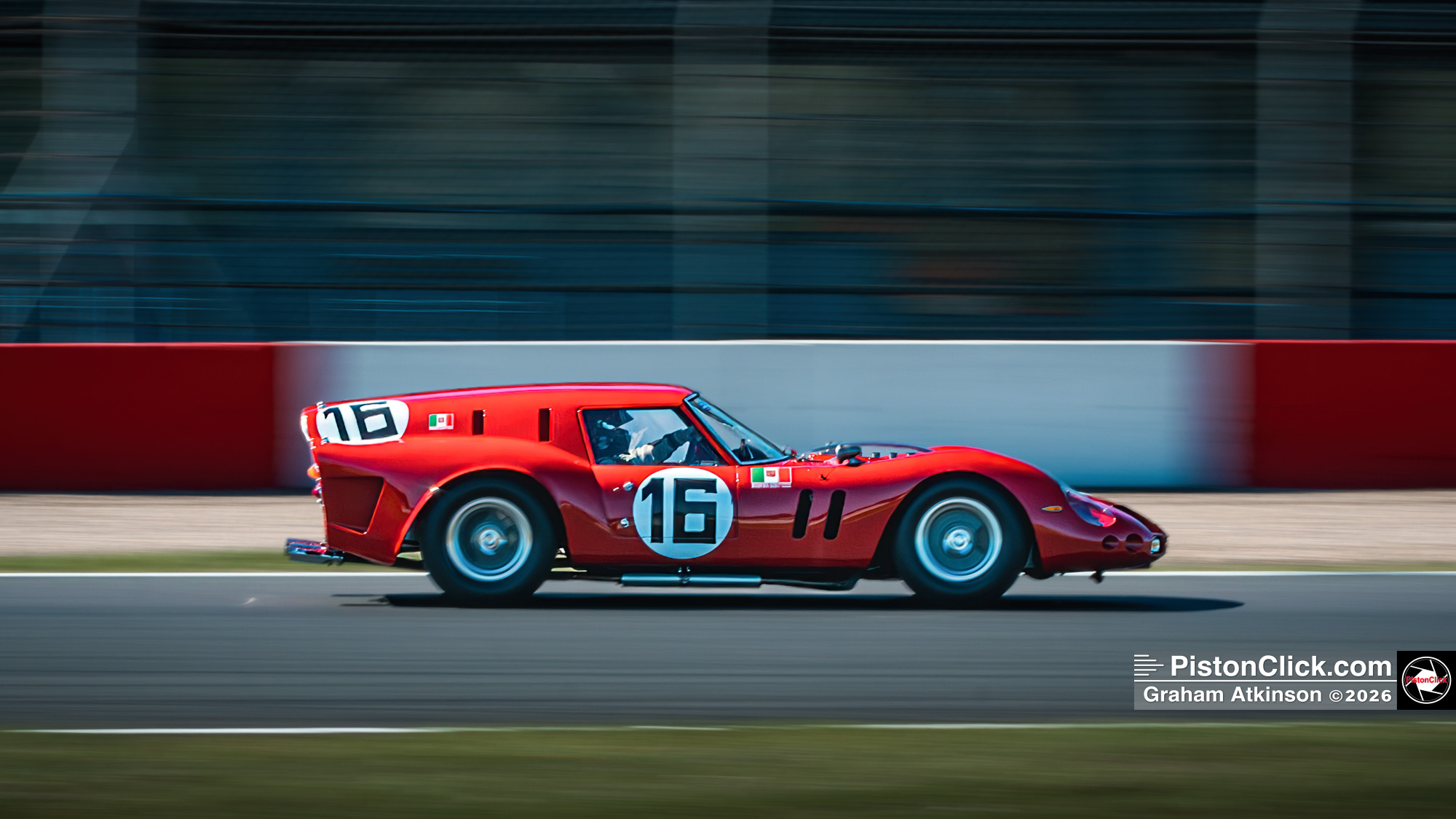
The Breadvan raced only four more times in 1962, winning two class victories, securing another podium finish, and setting a lap record at the Ollon-Villars hill climb. Afterwards, Count Volpi occasionally used the car as personal transport.
One story tells of Fiat boss Gianni Agnelli borrowing the car for a long overnight drive before joking that it resembled a hearse and ought to be painted black. Supposedly, a chauffeur attempted exactly that but ran out of paint halfway through. Whether true or not, it remains part of Breadvan folklore.
Another colourful chapter saw German filmmaker Gunter Sachs — famously married to Brigitte Bardot — reportedly arrested after a high-speed chase through France while driving the Breadvan to St Tropez with another man’s wife in the passenger seat. Unsurprisingly, the newspapers loved it.
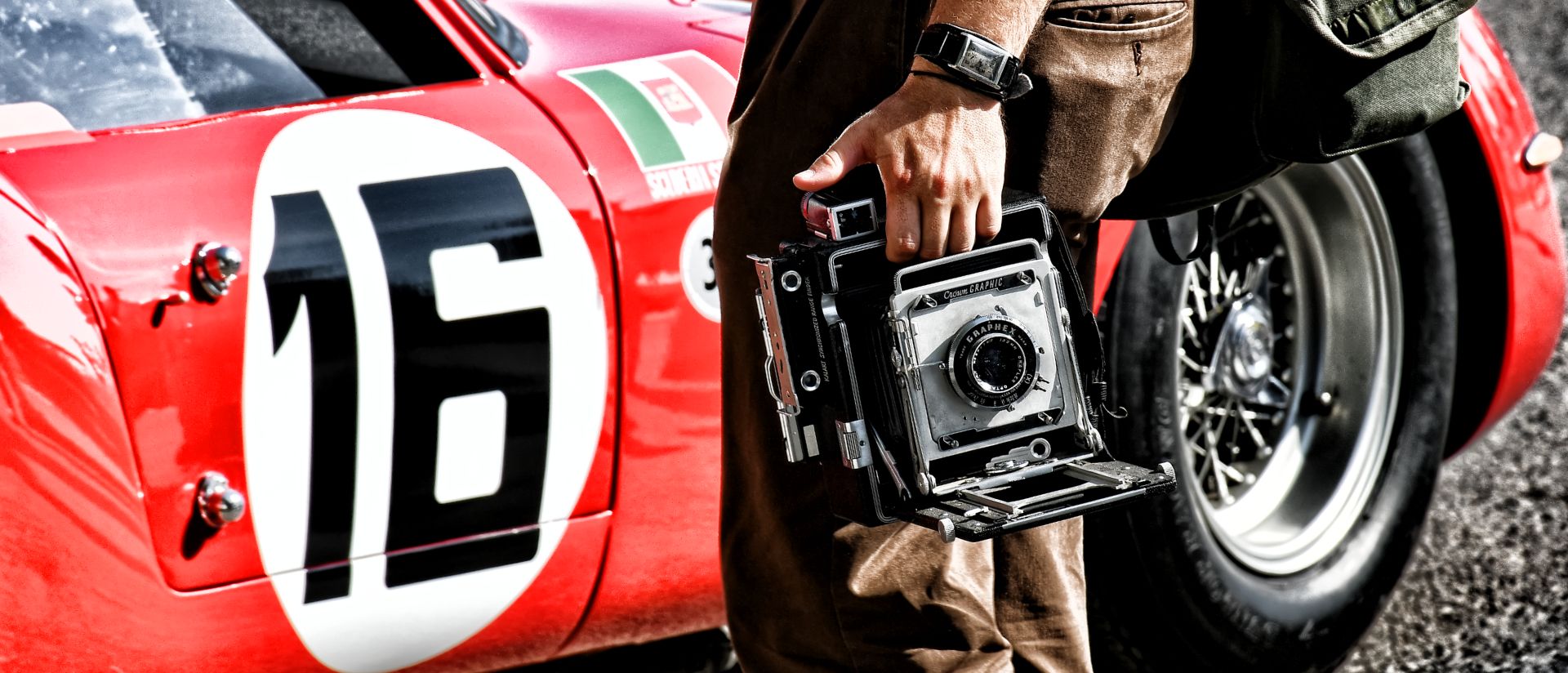
A $30 Million Survivor Still Racing Today
The Ferrari Breadvan passed through several owners over the years, underwent multiple restorations, and eventually returned to its original Ferrari red.
For more than 20 years the car has belonged to Austrian businessman Martin Halusa, now based in Switzerland. It forms part of the remarkable Halusa Collection alongside machines including a Jaguar D-Type, Bugatti 35C, Alfa Romeo 8C 2300, Ferrari 212 Export Berlinetta, Ferrari 512 M and several other extraordinary historic racers.
Despite the Breadvan’s uniqueness and enormous value, Martin and his four sons continue to race it hard. That commitment has not come without consequences.
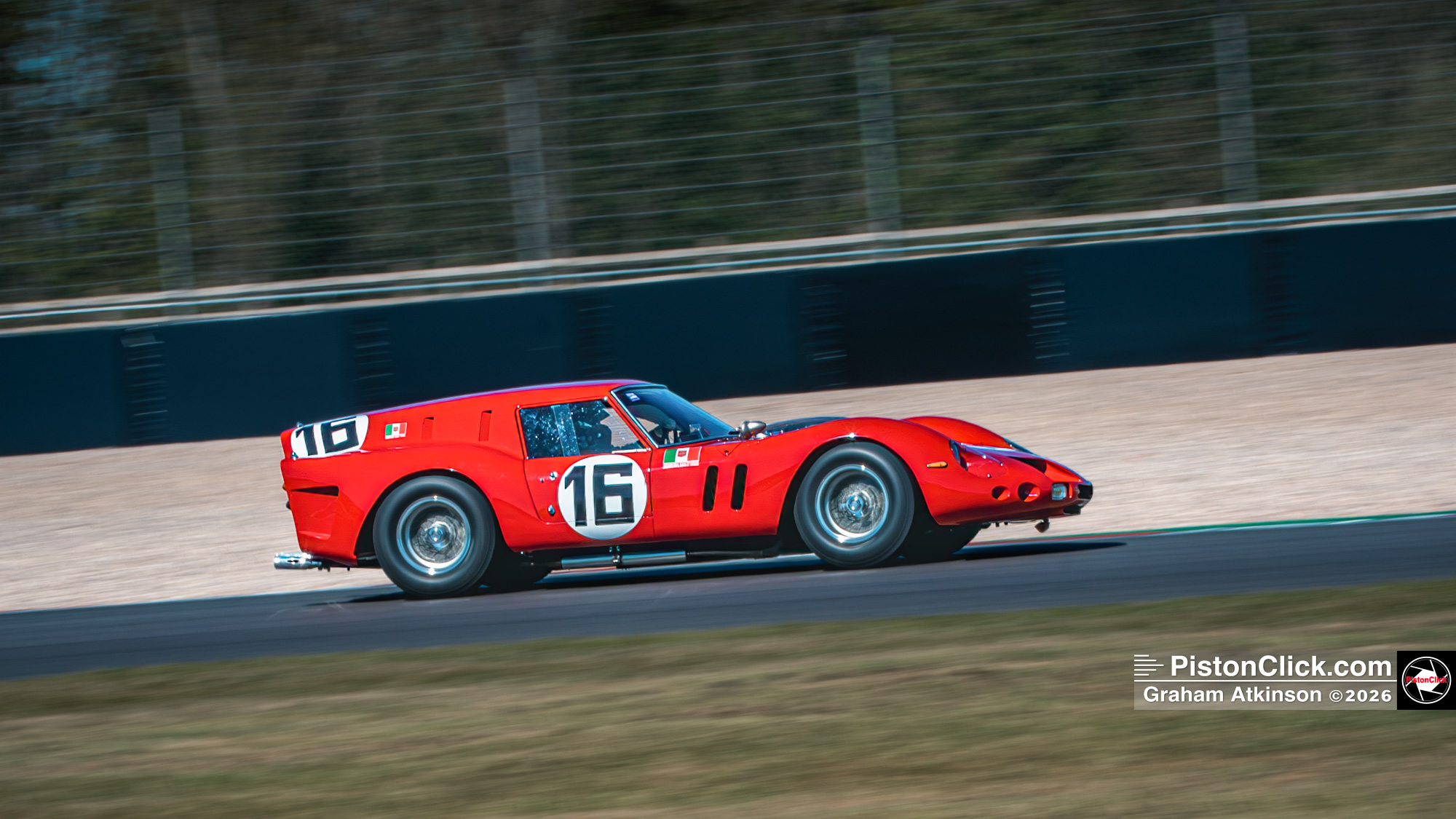
In 2015 the car was heavily damaged following a collision with a Shelby Daytona Cobra at Goodwood. Then, in 2022, Lukas Halusa crashed heavily during the Le Mans Classic, sending the Breadvan hard into the tyre barriers and leaving it looking virtually destroyed.
Fortunately, back at the workshop, engineers found that the chassis and mechanical components had survived surprisingly well, with most of the impact absorbed by the bodywork. Against all odds, restoration work began immediately.
Given the car’s estimated value — now believed to exceed $30 million — the enormous repair costs were justified. Just 11 months later, the Breadvan returned triumphantly to competition at the Goodwood Revival.
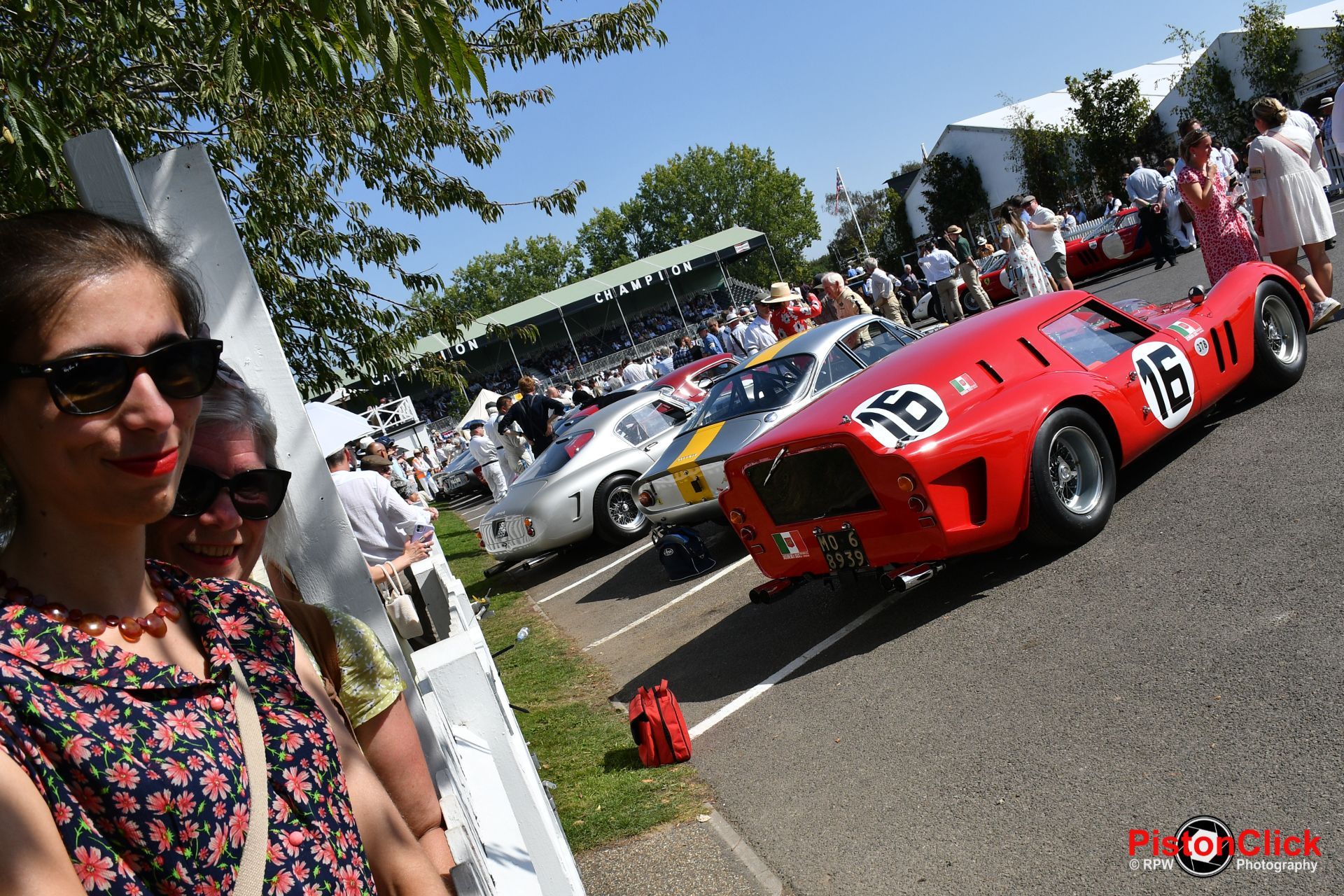
What a machine, and what a history. As Martin himself admitted, I’ve only scratched the surface of the stories surrounding this extraordinary car.

