


Skegness Raceway – A Lifetime in BriSCA Stock Car Racing
Report by Graham Atkinson Photography
5 April 2026

A Good Friday Tradition at Skegness Raceway
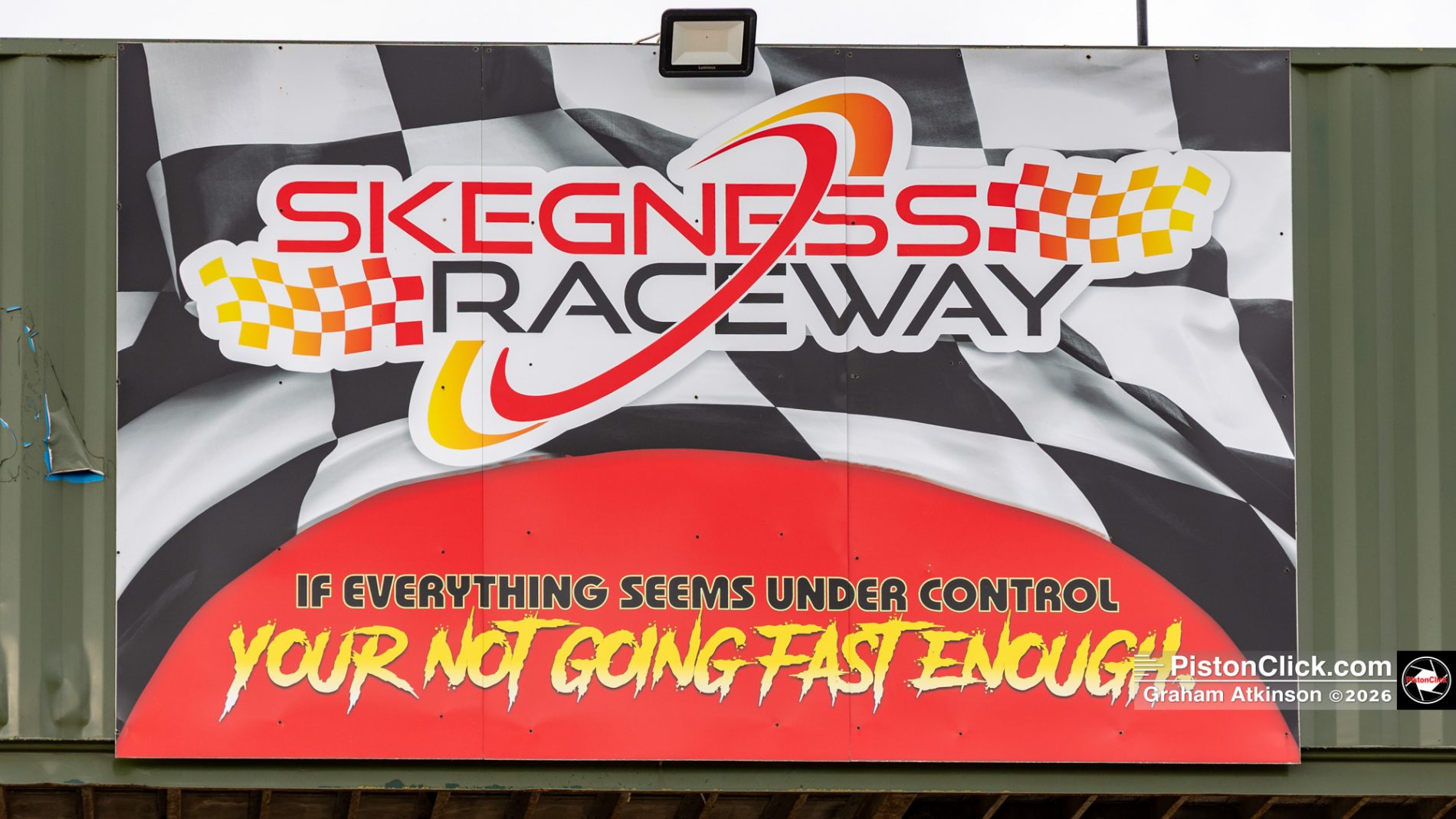
If everything seems under control… you’re not going fast enough.
On a Good Friday evening, we find ourselves once again at Skegness Raceway, almost 72 years to the day since BriSCA stock cars first roared into life in the UK. That historic first meeting took place at NewCrossStadium on 16 April 1954, where the sport was modestly described as a “seven-day wonder.”
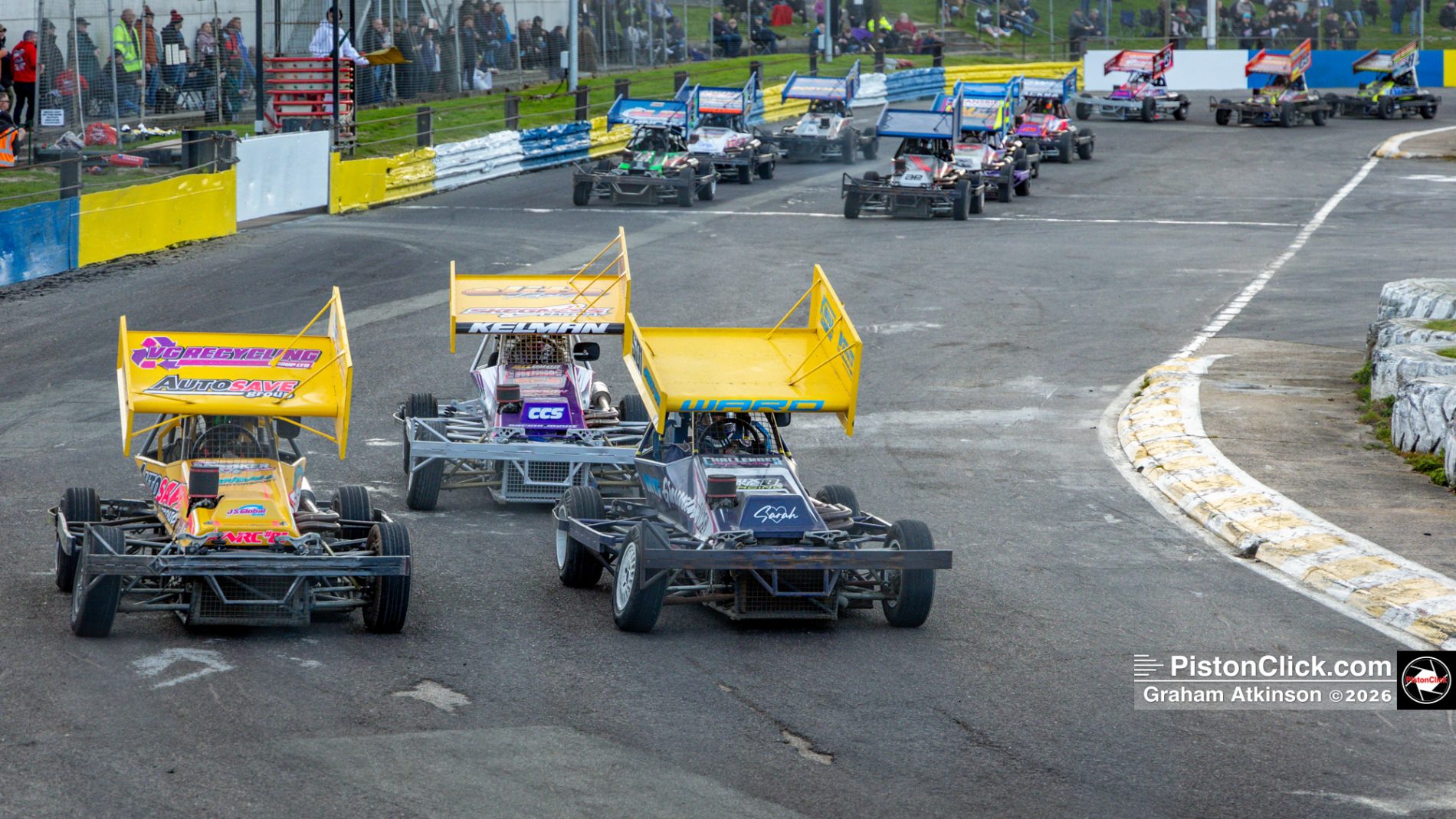
Of course, it turned out to be anything but. Within just six months, stock car racing had spread rapidly across the country, reaching venues such as Long Eaton Stadium, not far from where I grew up. I can proudly say I was there at that very first meetin. However, being just six months old and lying in a pram, my memories are understandably a little hazy.
From Road Cars to Race Legends
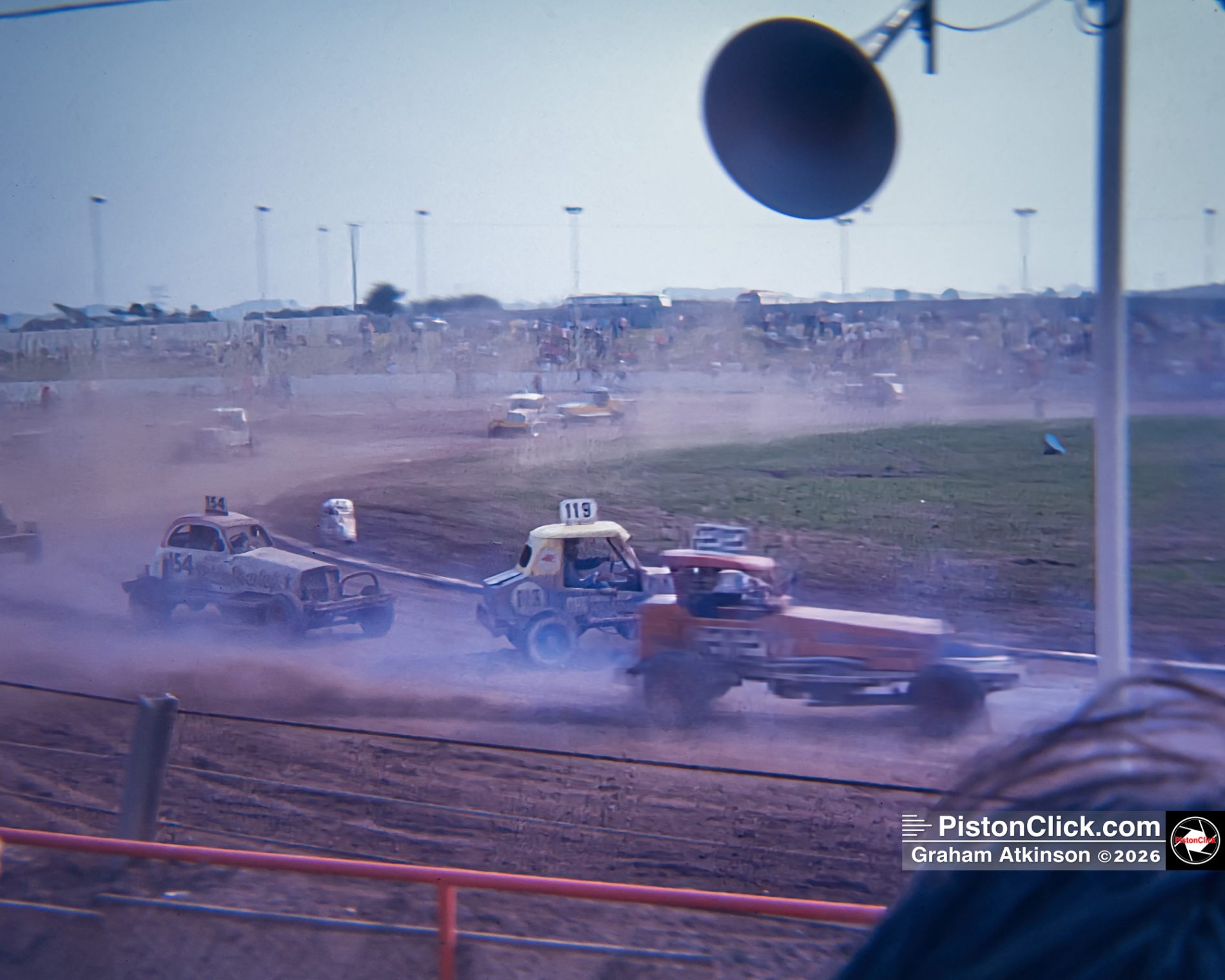
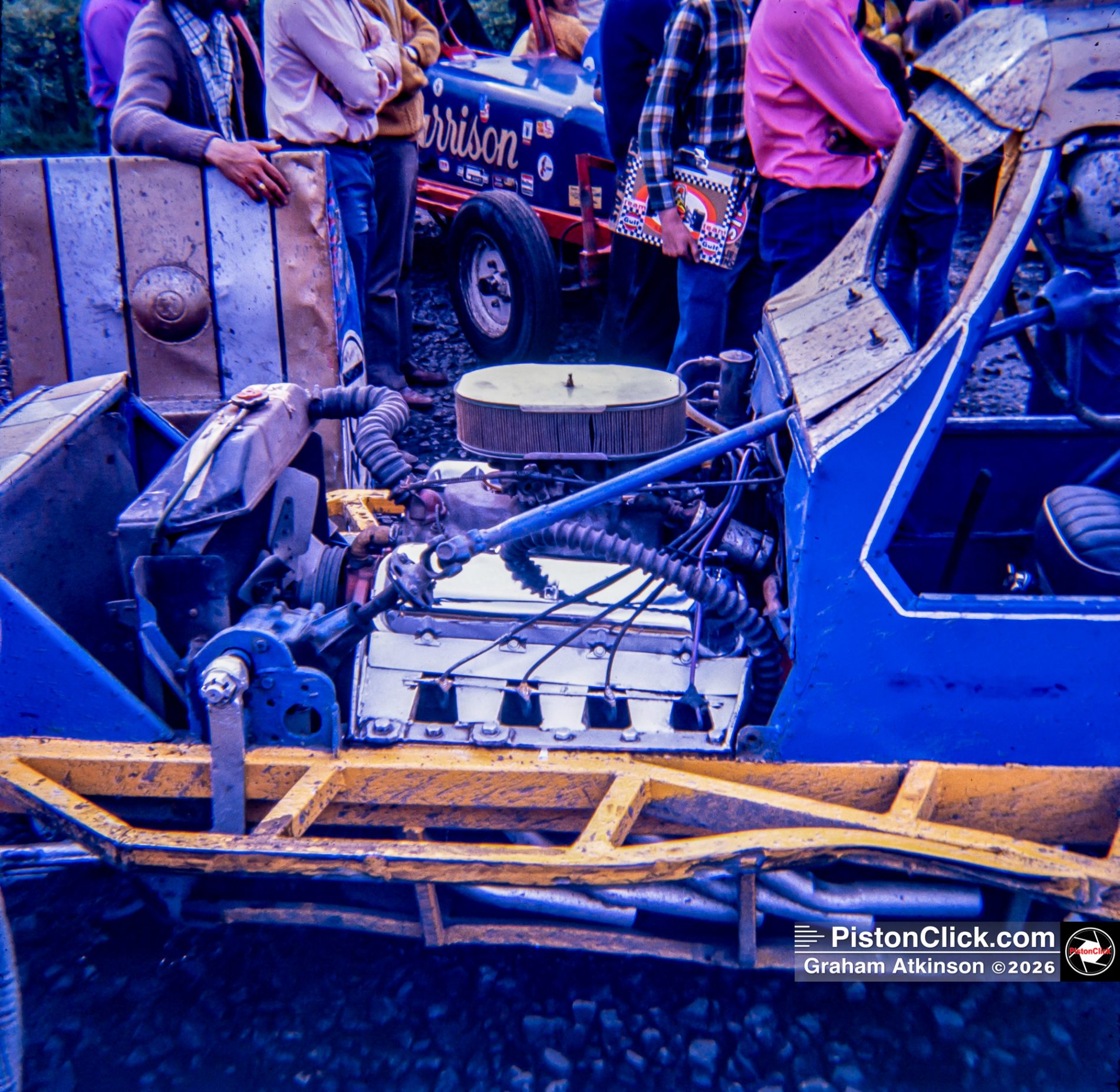
In those early years, stock cars really were “stock.” They began life as ordinary saloon cars, most of them American models fitted with large V8 engines. Many were driven by American GIs still stationed in Britain after the war, looking for excitement in their spare time.
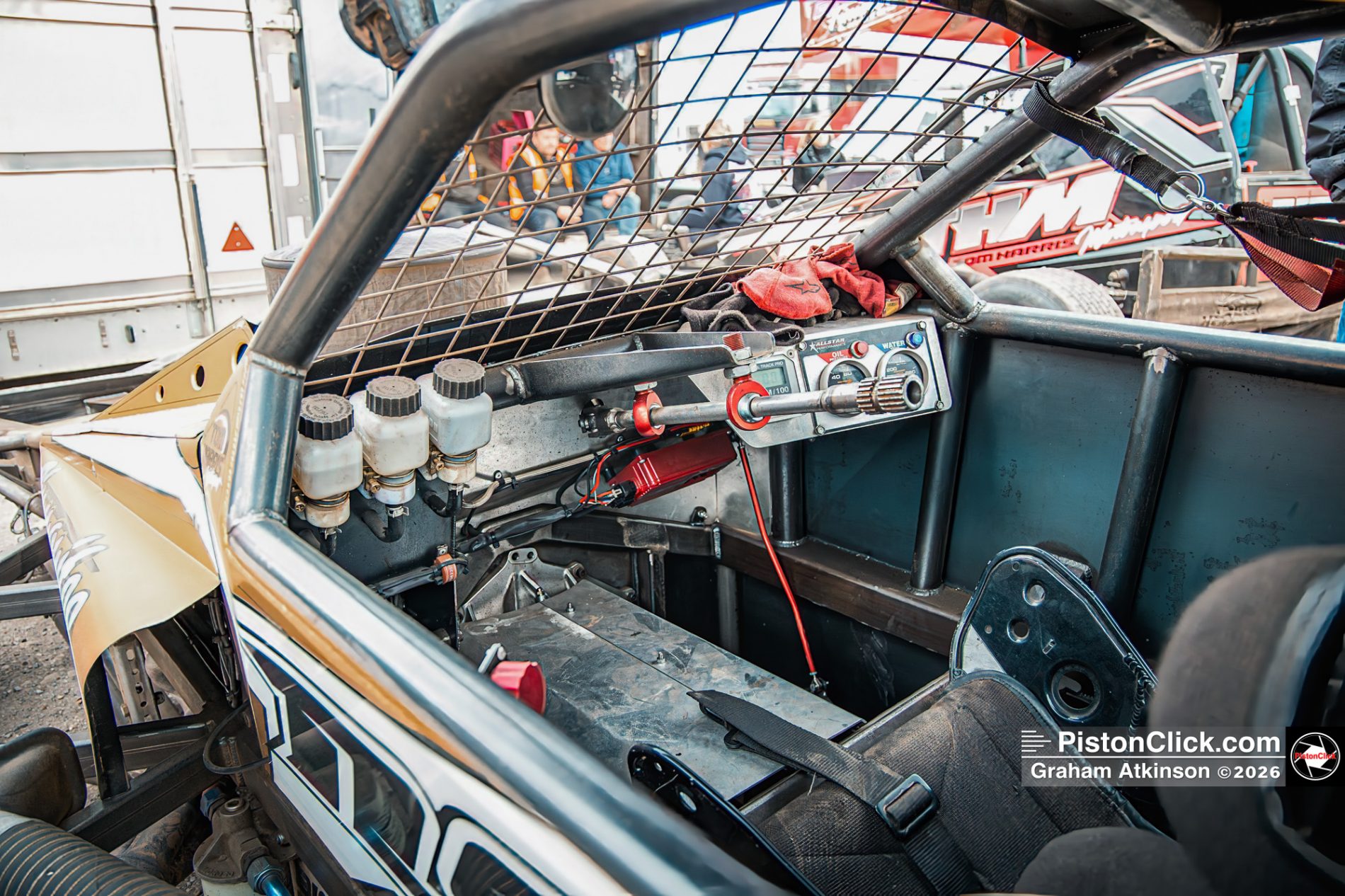
The modifications were simple but effective. Glass, lights, and anything fragile were stripped away, while sturdier bumpers and basic roll cages were fitted. The result was something completely new to British audiences—raw, noisy, and thrilling in a way that hadn’t been seen before.
Even the direction of racing had its roots in those early days. Stock cars ran anticlockwise, just as they did in the United States. With drivers sitting on the left-hand side of left-hand-drive cars, it provided a little more protection from the safety fence. Although modern cars now position the driver centrally, the anticlockwise tradition remains.
The Evolution of the Sport
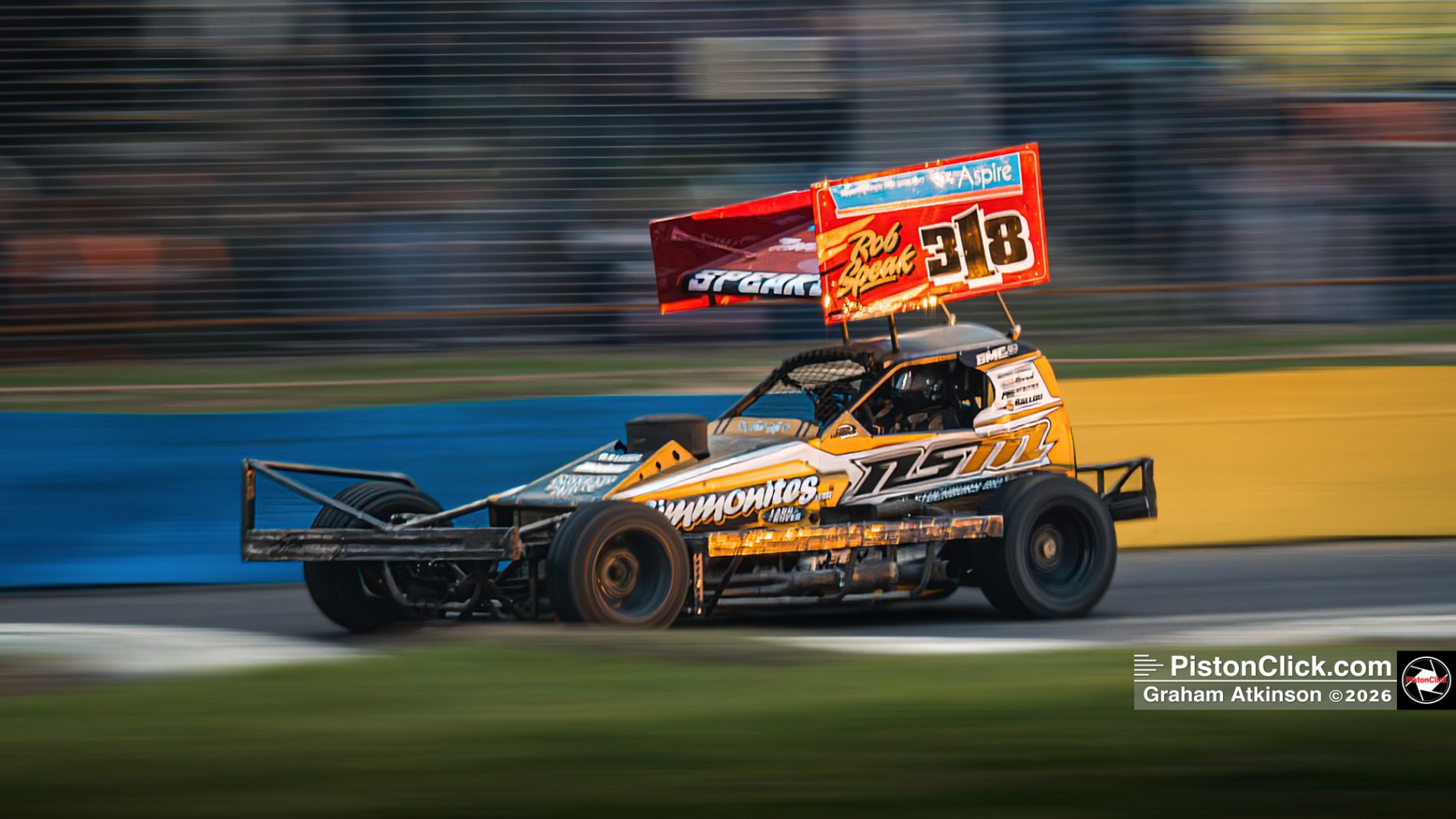
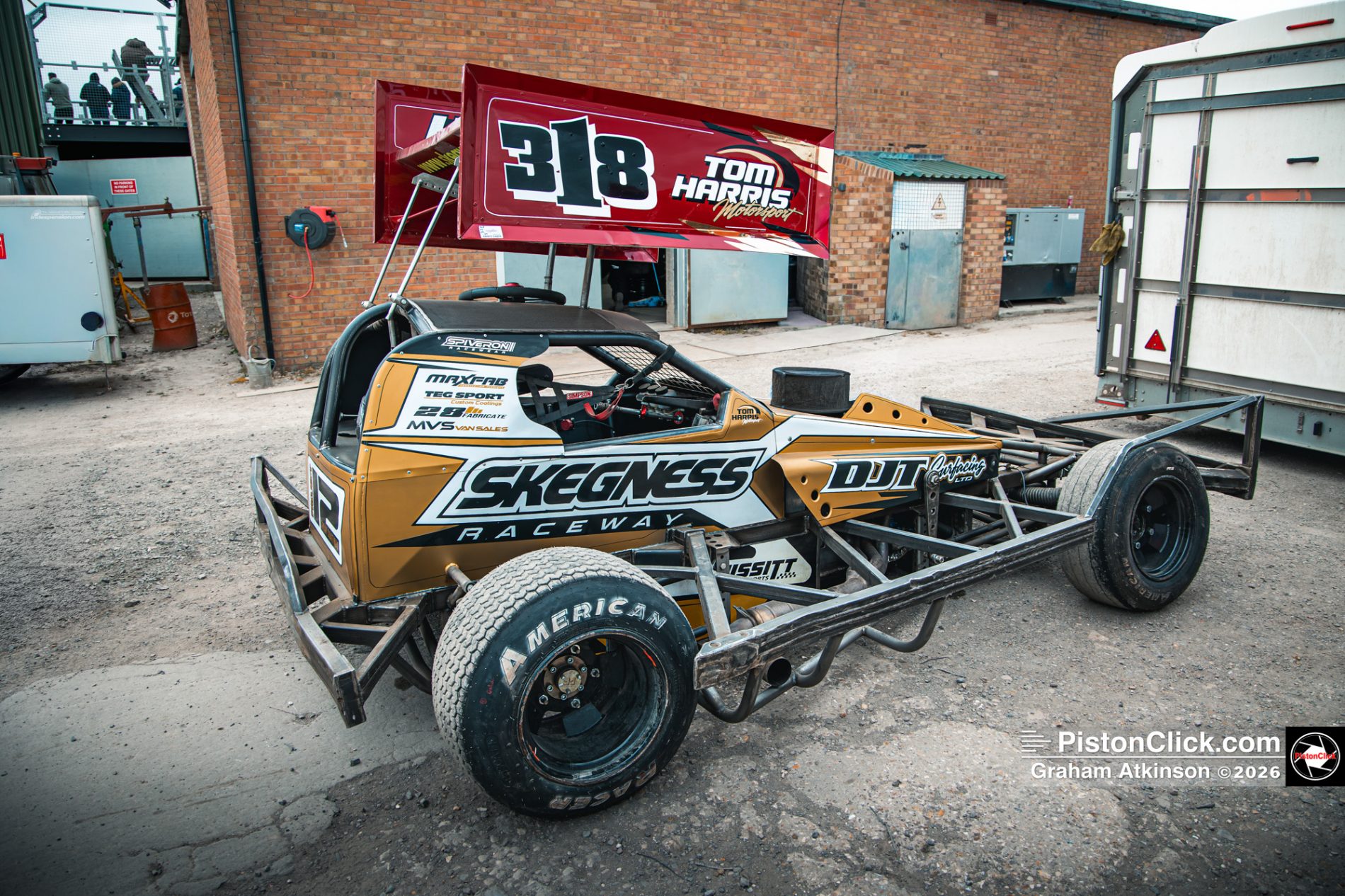
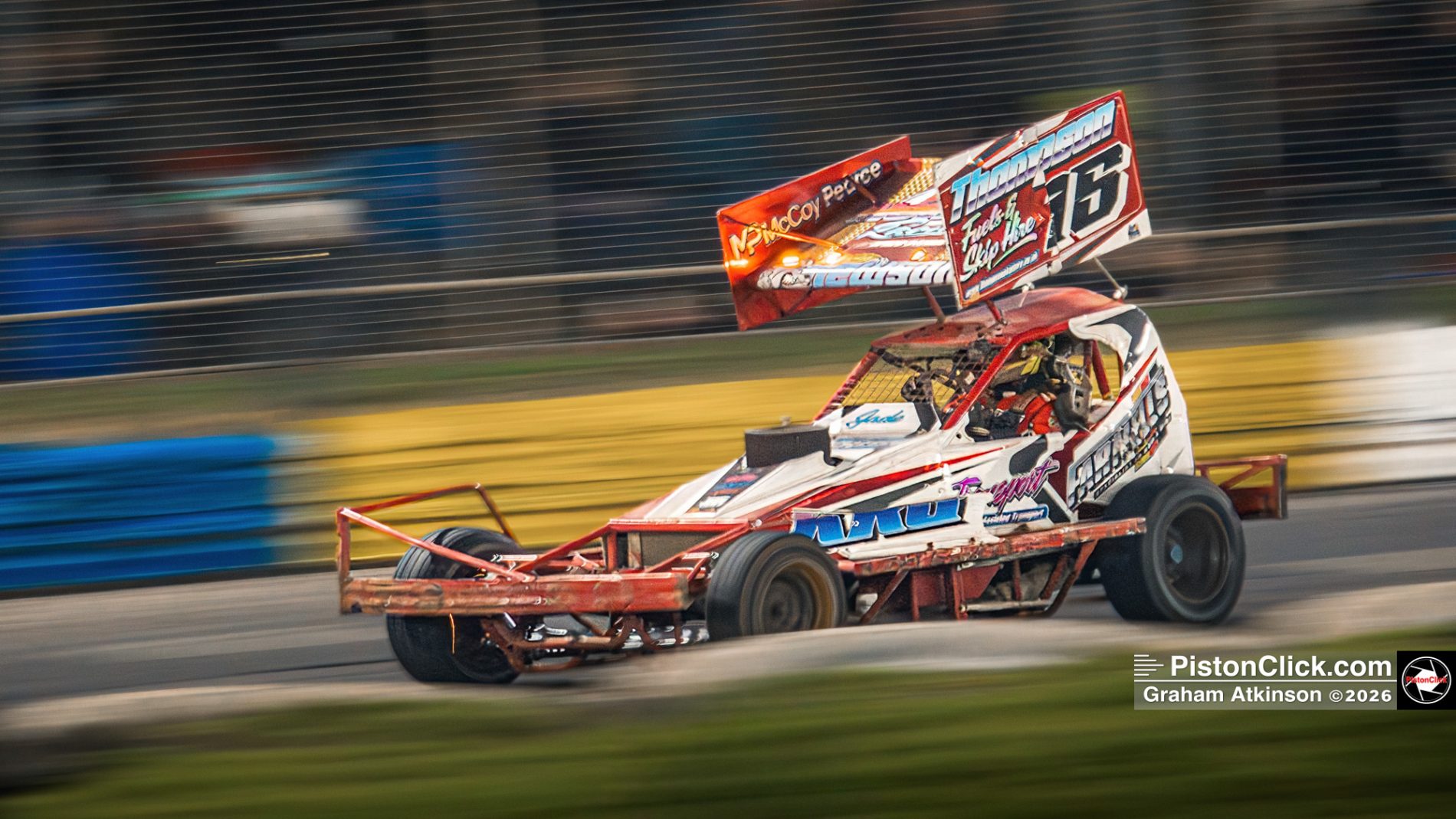
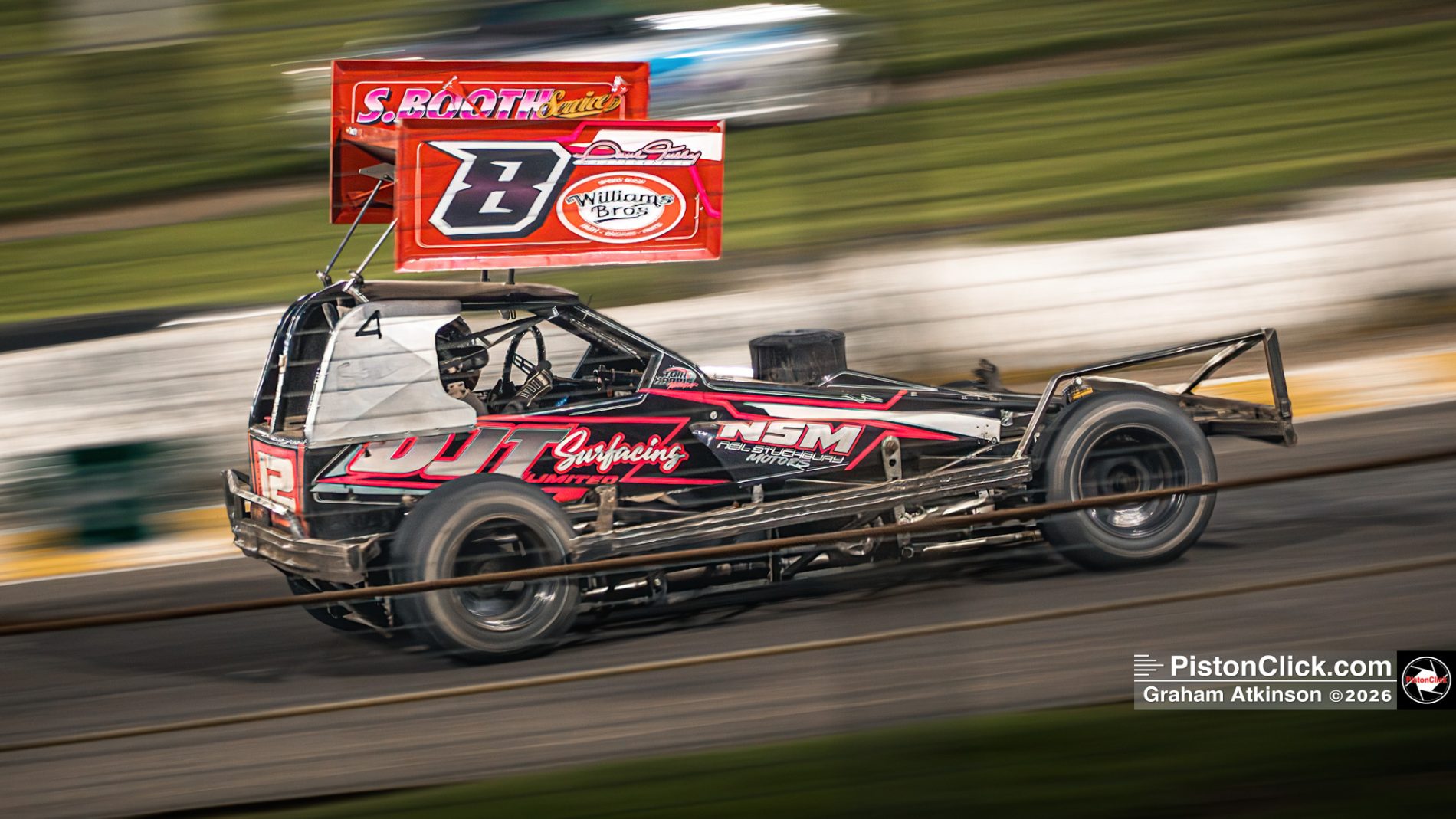
As the 1960s arrived, stock cars began to evolve rapidly. What started as modified road cars soon became purpose-built racing machines, designed specifically for the demands of short oval racing. Despite all the technological changes over the decades, one rule has remained unchanged: engines must be naturally aspirated.
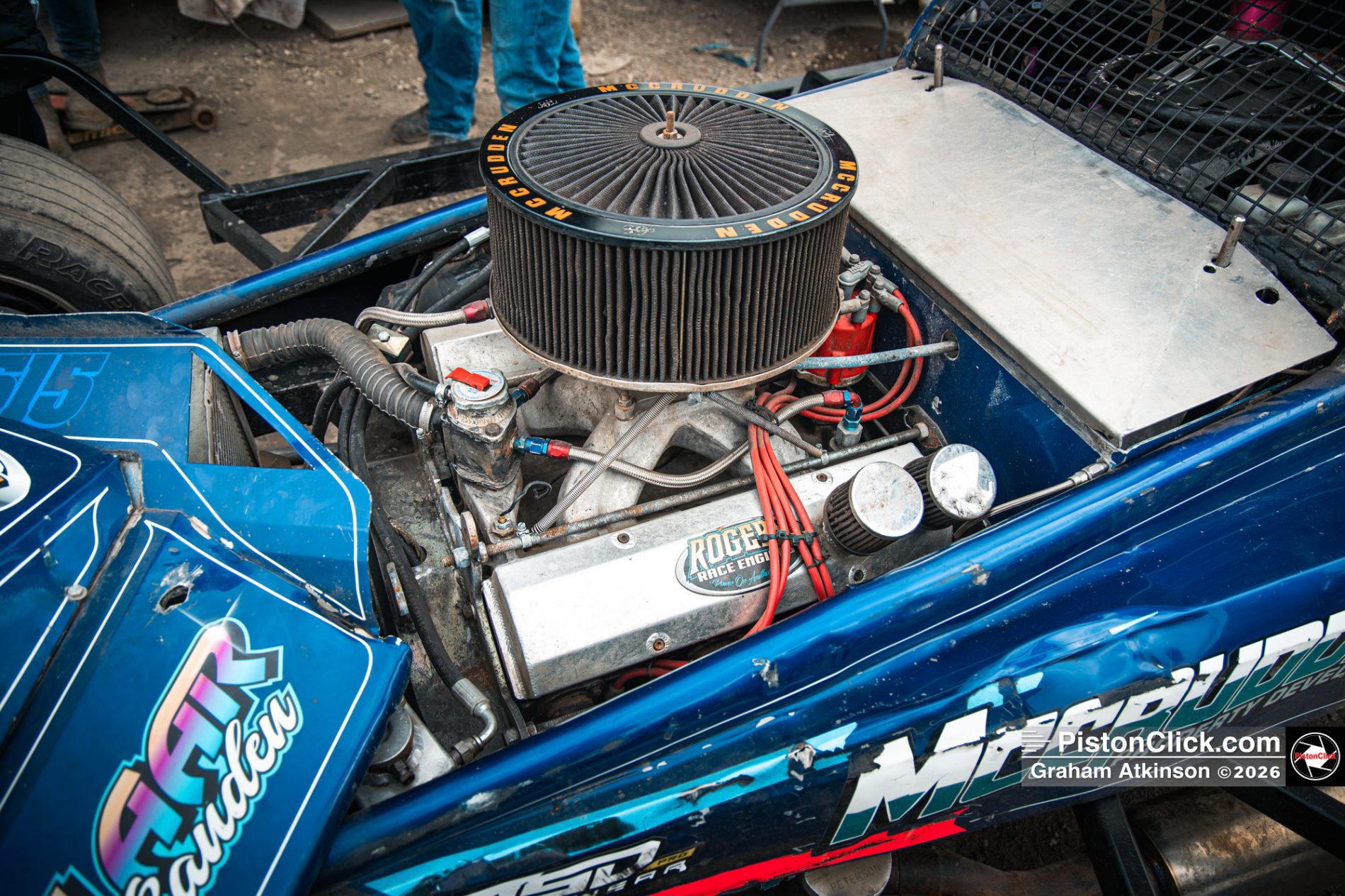
This has helped preserve the raw character of the sport. The thunder of a V8 engine is still at the heart of stock car racing, whether it’s the once-dominant 7.4-litre big block or the more commonly used and highly tunable 5.7-litre small block seen today. There are no hybrid systems here—just pure power, noise, and mechanical ingenuity.
My Own Racing Story
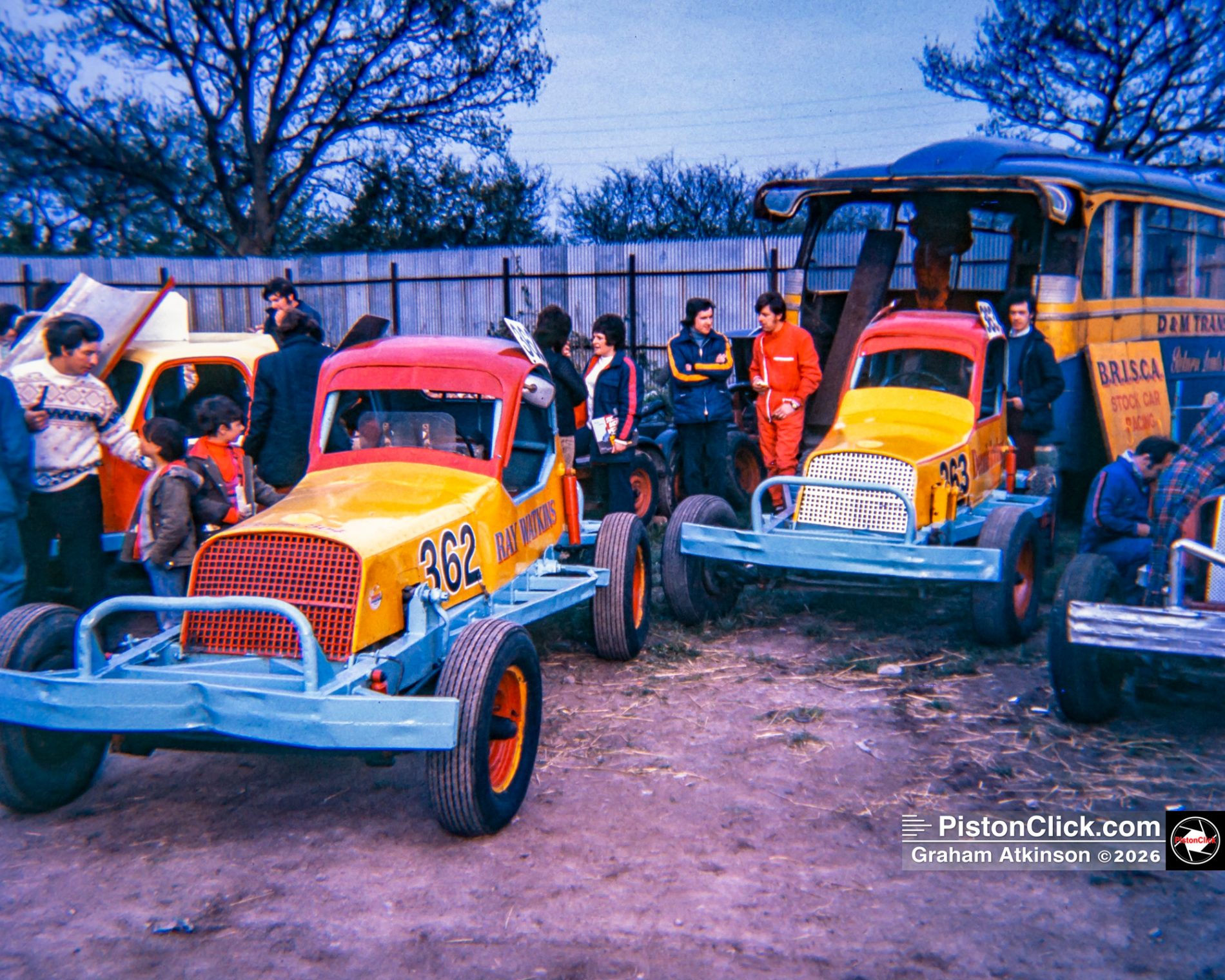
My own journey into stock car racing came through family connections. I started watching my cousin Dennis Irving and his racing partner Ray Watkins compete at the top level. They were both “red grade” drivers, the elite tier in a grading system that rewards performance by pushing the best drivers further back on the grid. It’s a system that guarantees excitement, as the quickest drivers have to fight their way through the field.
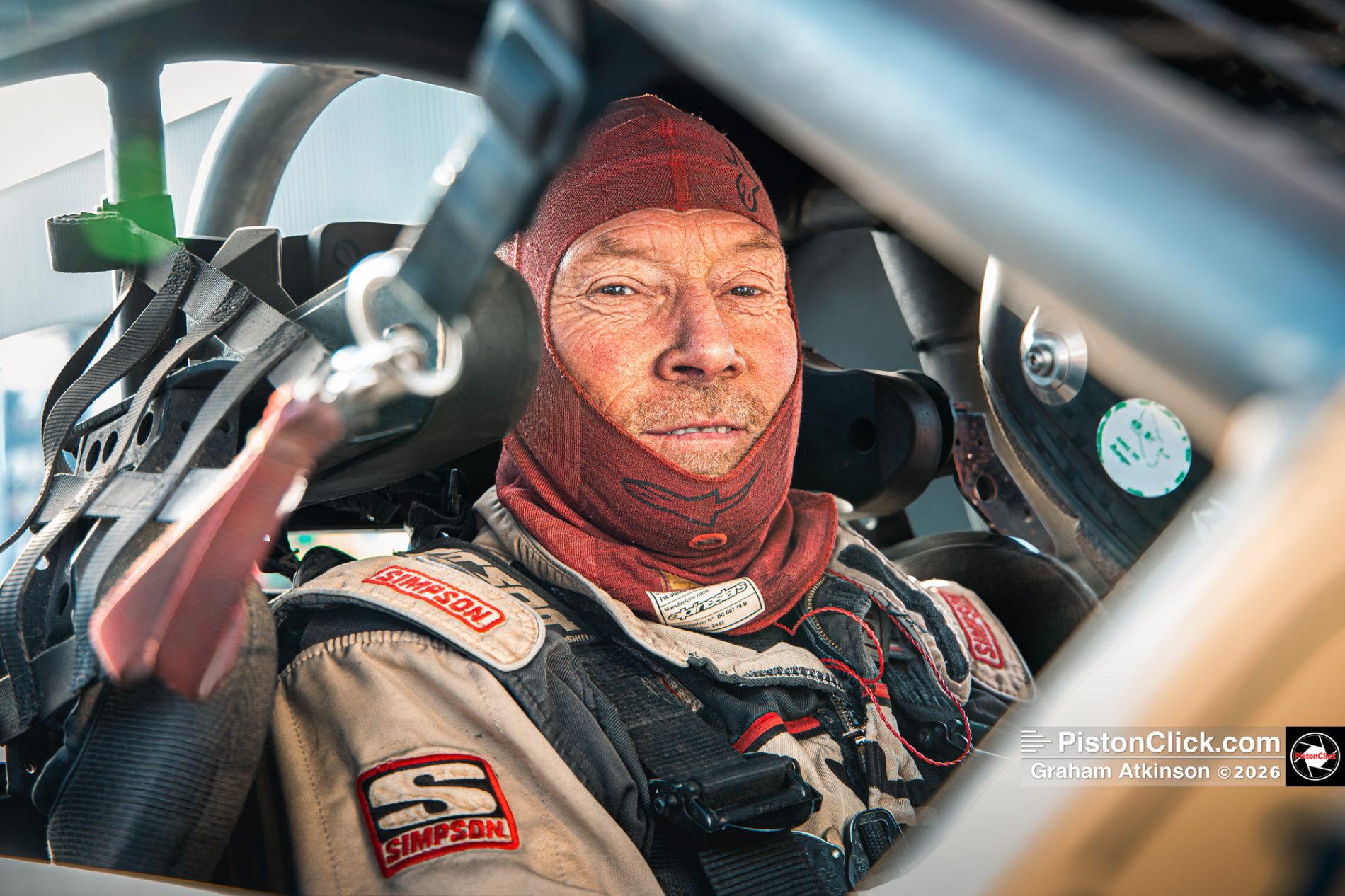
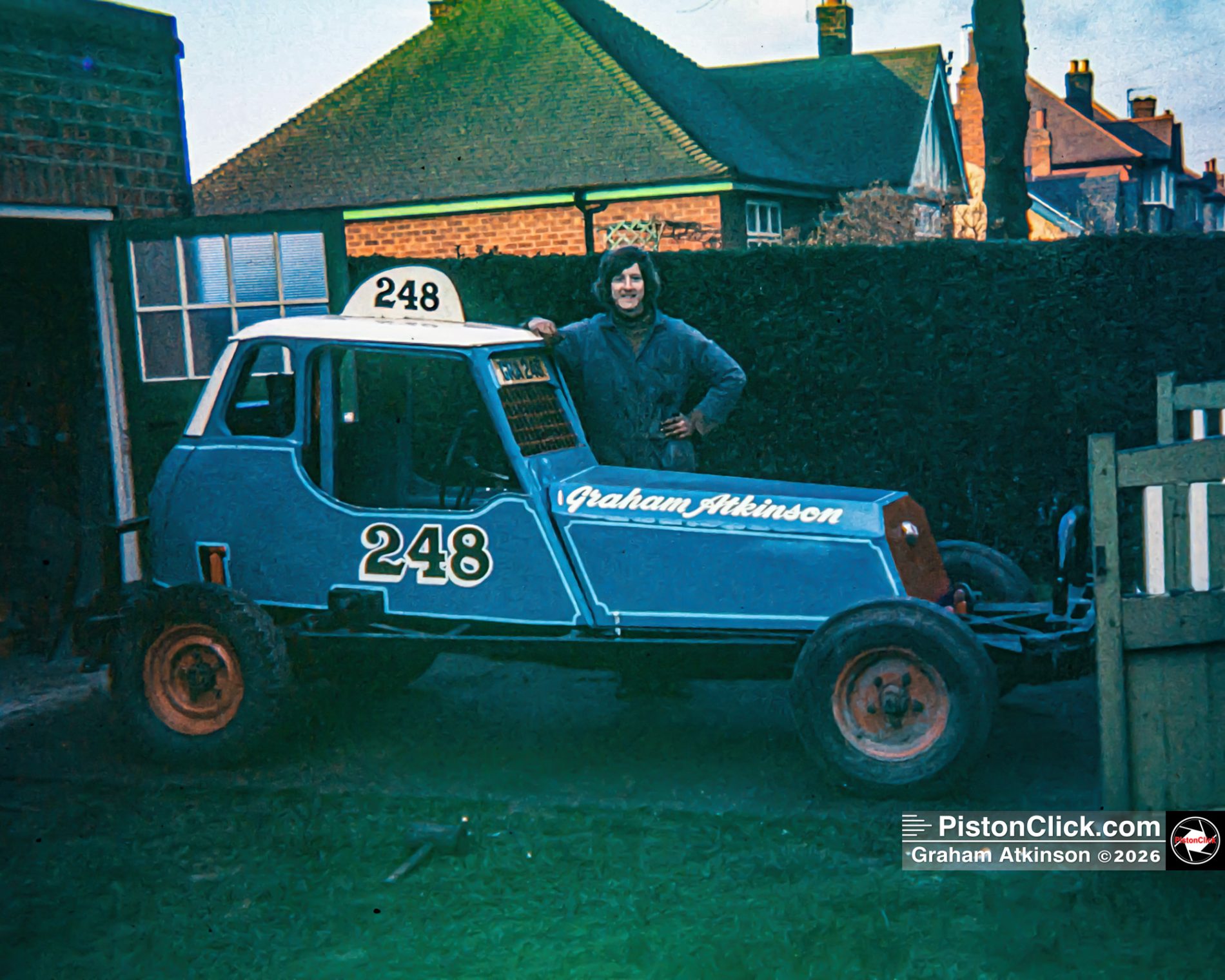
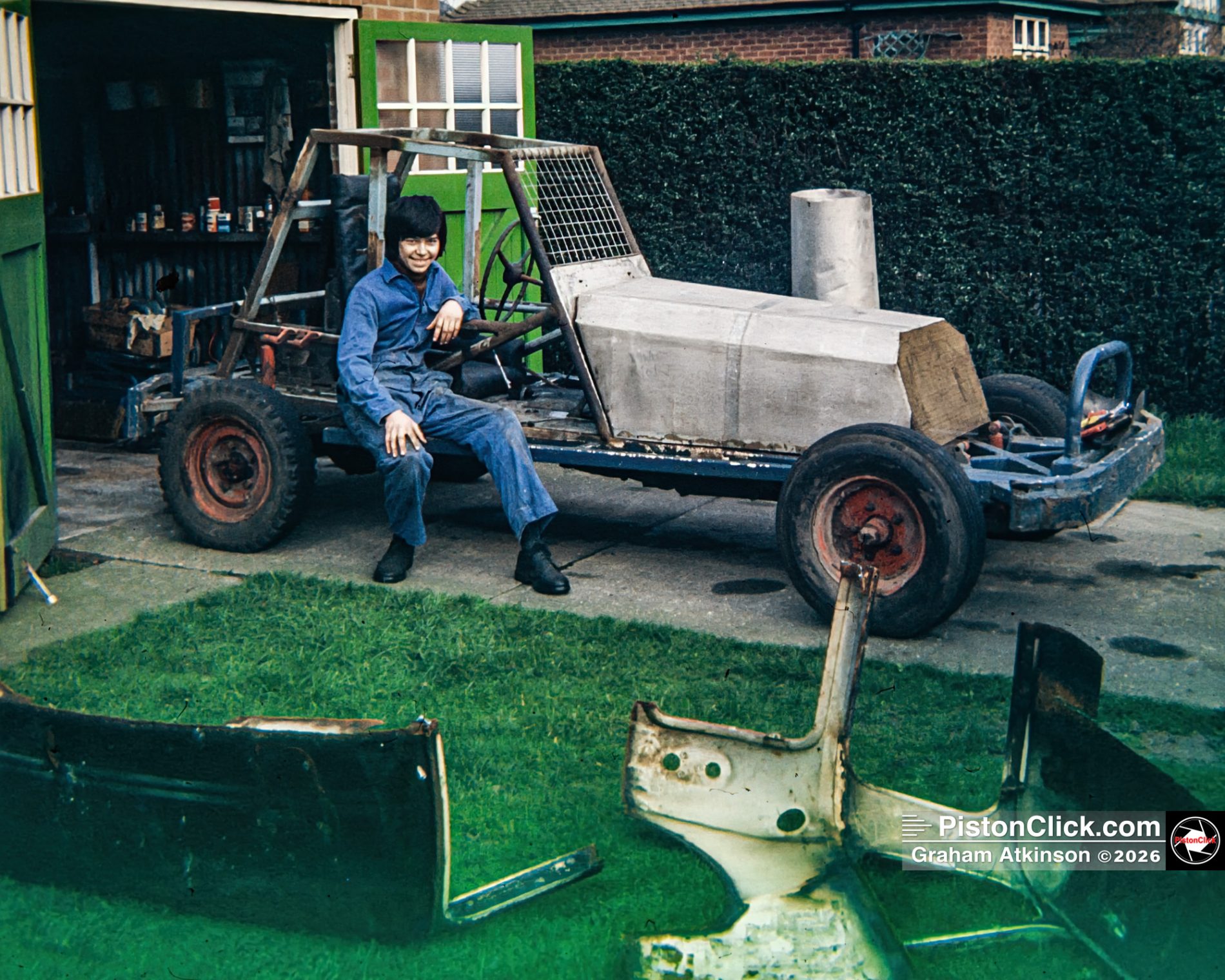
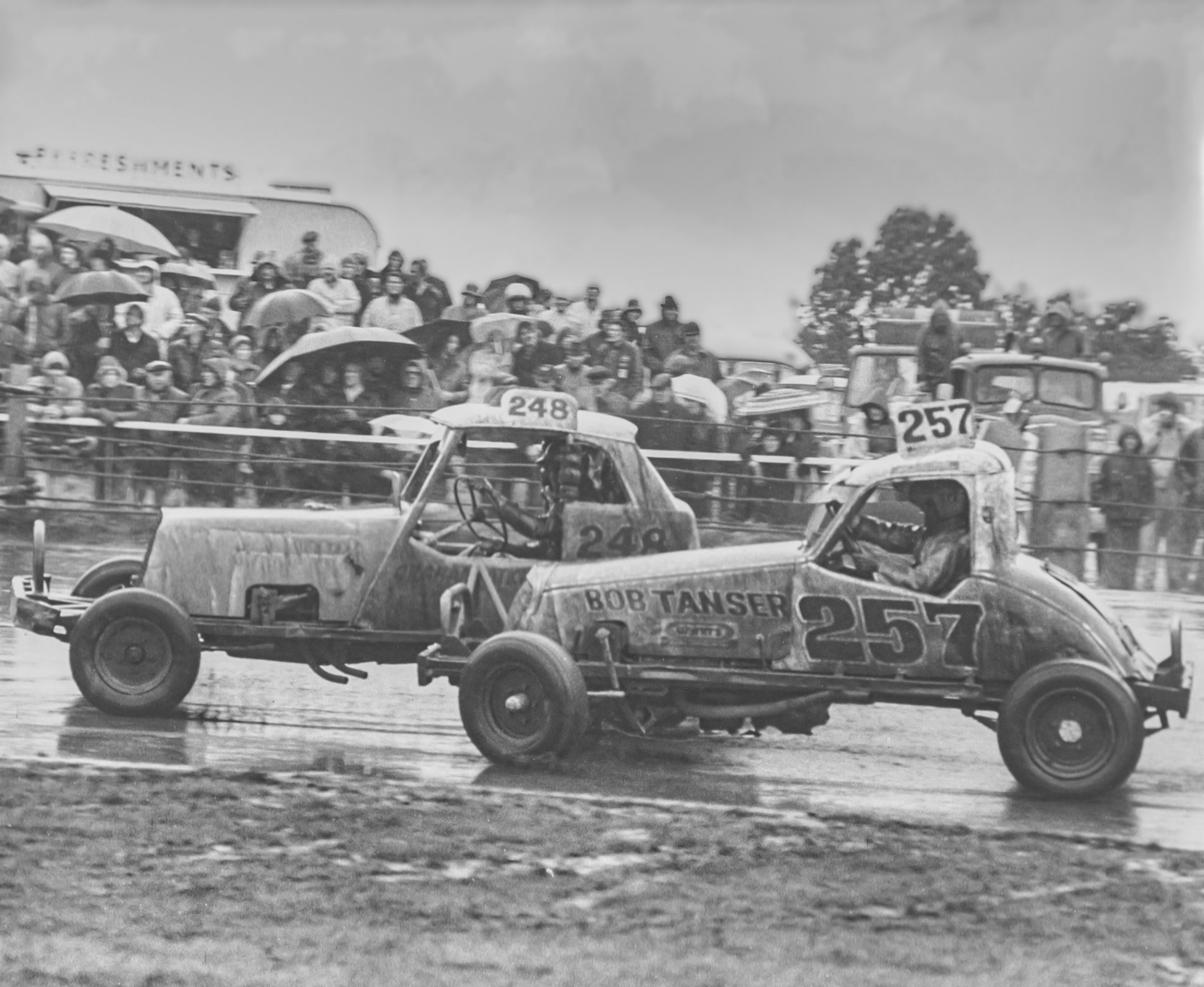
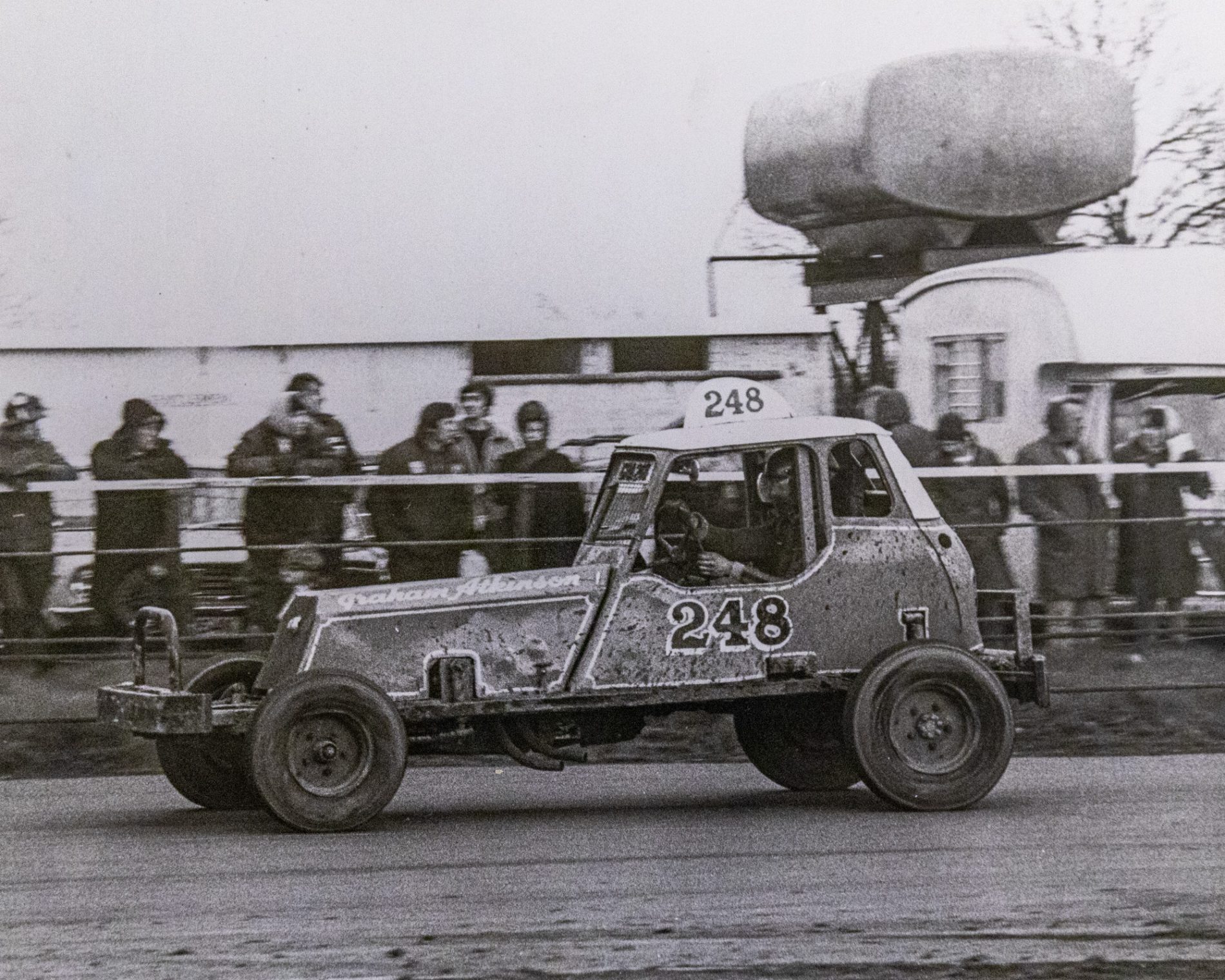
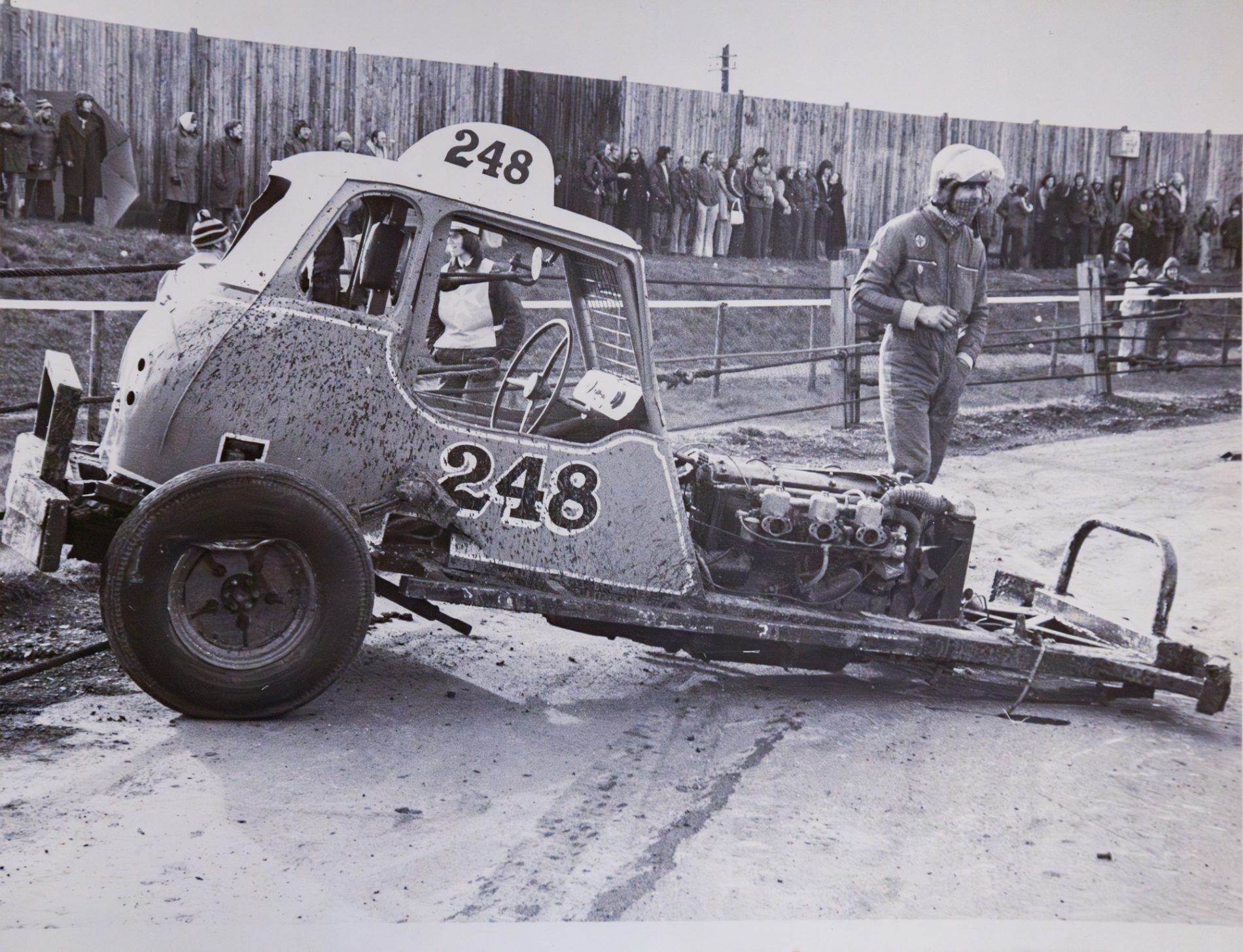
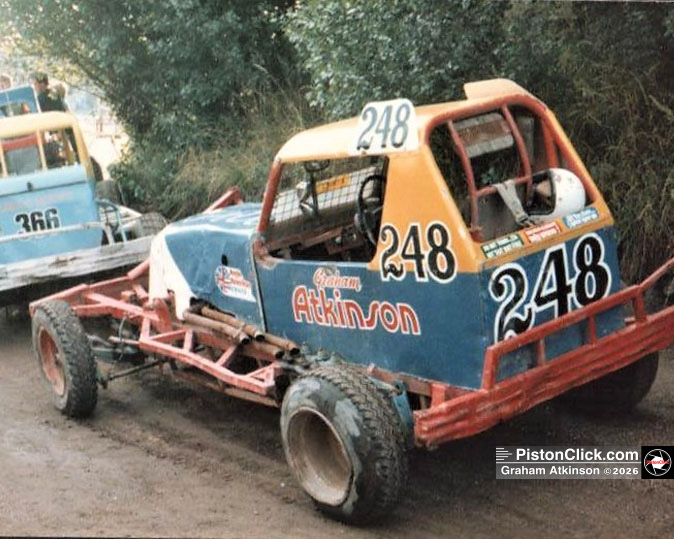
Inspired by what I saw, I bought my first car in 1974 and raced under the number 248 until 1988. To call it a glittering career would be stretching the truth somewhat. Like many in the sport, I was balancing racing with the realities of everyday life—supporting a family, paying a mortgage, and making do with what I could afford.
I was what you’d call a budget racer. While others had the resources to build top-level machines, I competed as often as I could, enjoying the experience for what it was. Success may have been limited, but the enjoyment certainly wasn’t.
A First Race I’ll Never Remember
One memory that stands out—ironically for all the wrong reasons—was my very first meeting. My car, freshly prepared, sat proudly on a trailer behind my dad’s Transit van as we headed to the track.
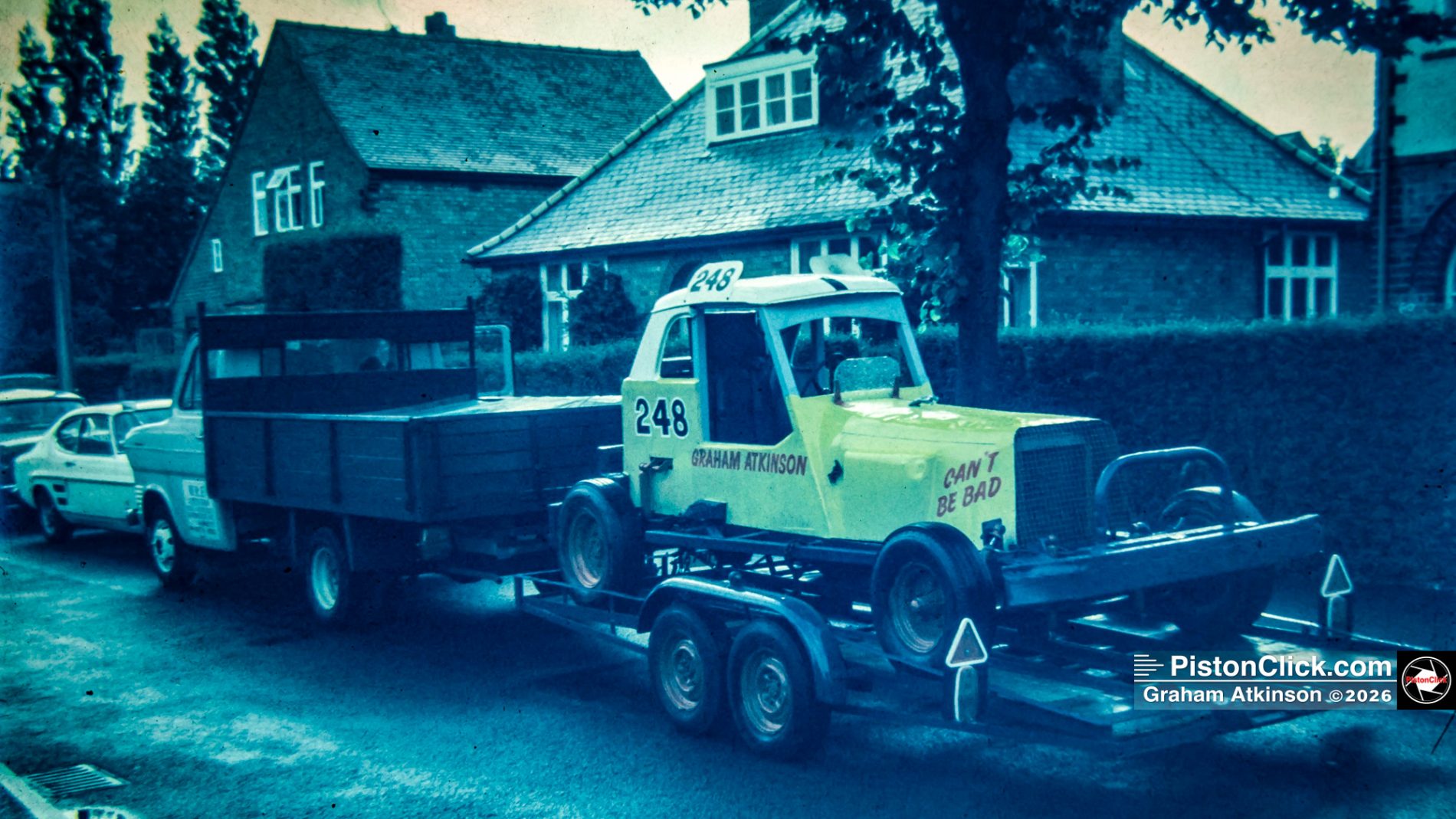
That evening, I was introduced to the harsher realities of stock car racing in dramatic fashion. I was driven hard into the fence, hit my head on the roll bar, and suffered severe concussion. Although I somehow managed to finish the race, I have absolutely no recollection of it.
My mum’s reaction was simple: she thought it should have knocked some sense into me and made me give it up. Looking back, she may well have been right—but I carried on regardless.
The Thrill of Race Day
Race meetings today follow a well-established format that builds excitement throughout the evening. Drivers compete in a series of heats, with the best performers progressing through to the Grand Final. Those who fall short are given another chance in a consolation race, ensuring that the final features a full and competitive grid.
The night typically concludes with a Grand National race, open to all drivers, often producing some of the most entertaining moments of the meeting.
Icons of the Golden Era
The years when I was racing are often referred to as the Golden Era of stock cars, and it’s easy to see why. One of the standout figures of that time was Stuart Smith, whose dominance set the standard for others to follow.
Frankie Wainman was hot on his heels, a driver whose success and personality made him a fan favourite. Their rivalry became legendary, dividing supporters into loyal camps and adding an extra layer of excitement to every race.
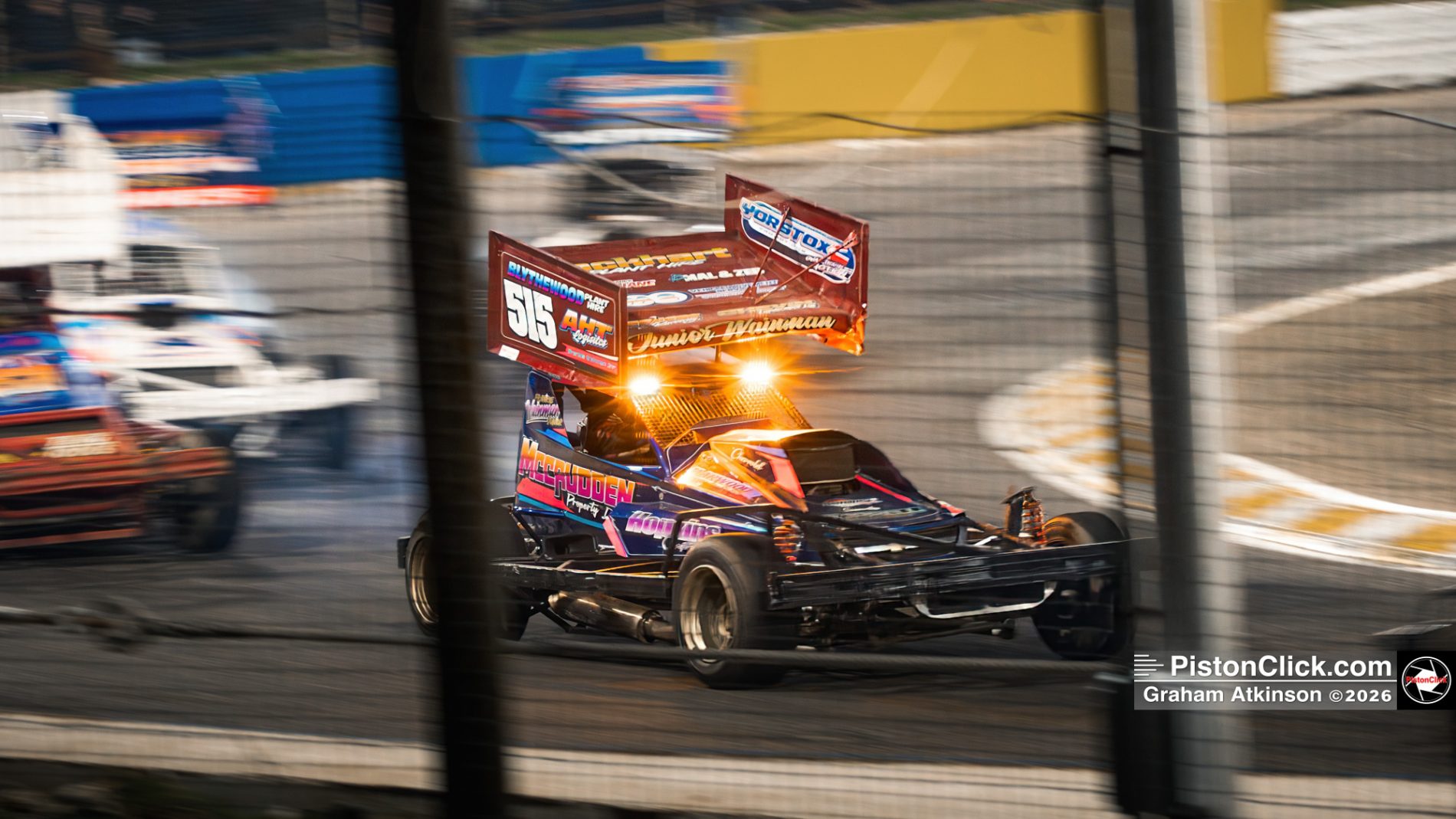
The Wainman name has since become a dynasty within the sport. Frankie Wainman Jr made an immediate impact as a teenager, building his own car and quickly establishing himself as a champion. Daniel Wainman, his brother, followed a similar path, and now even the next generation is continuing the family tradition.

More Than Just Contact Racing
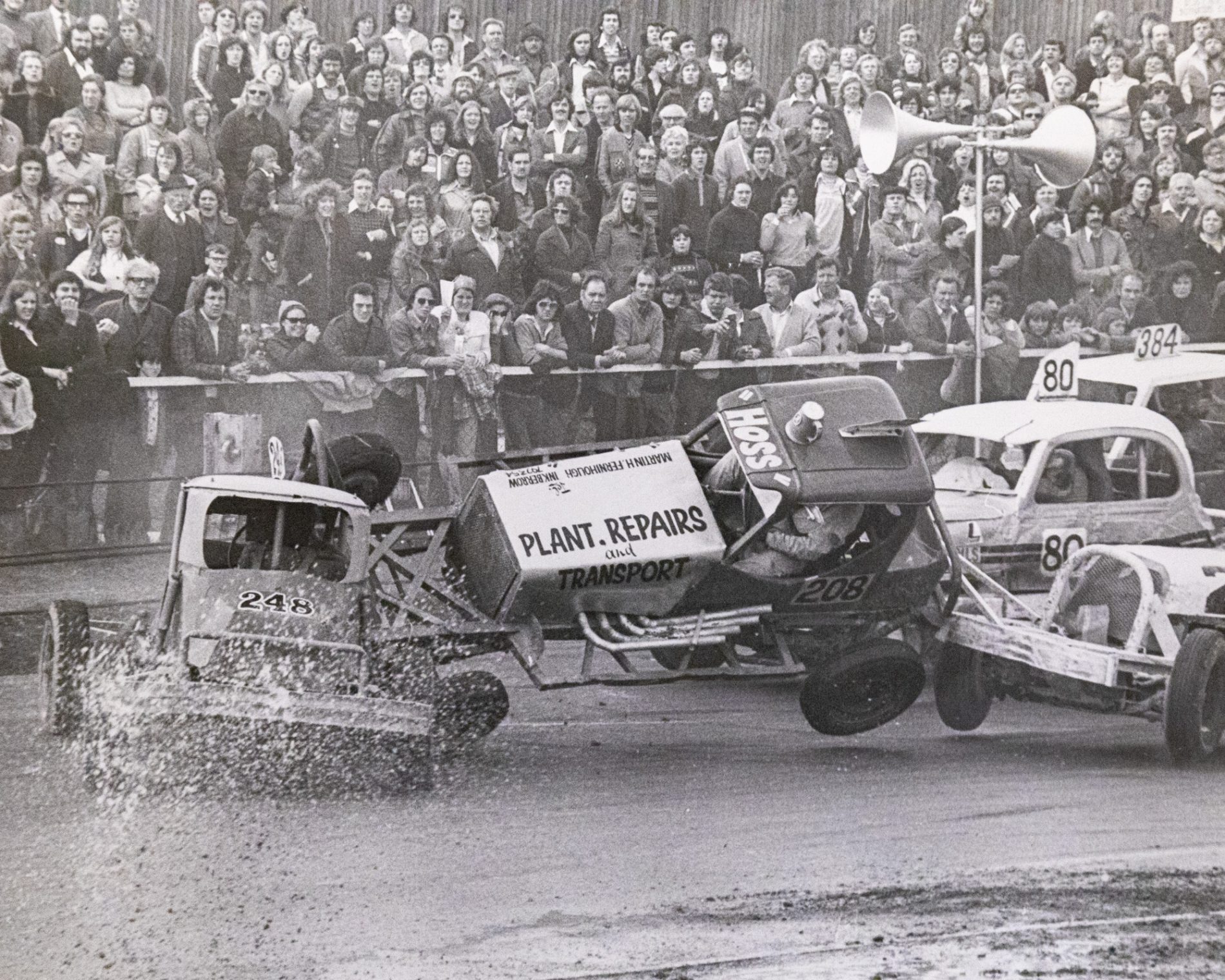
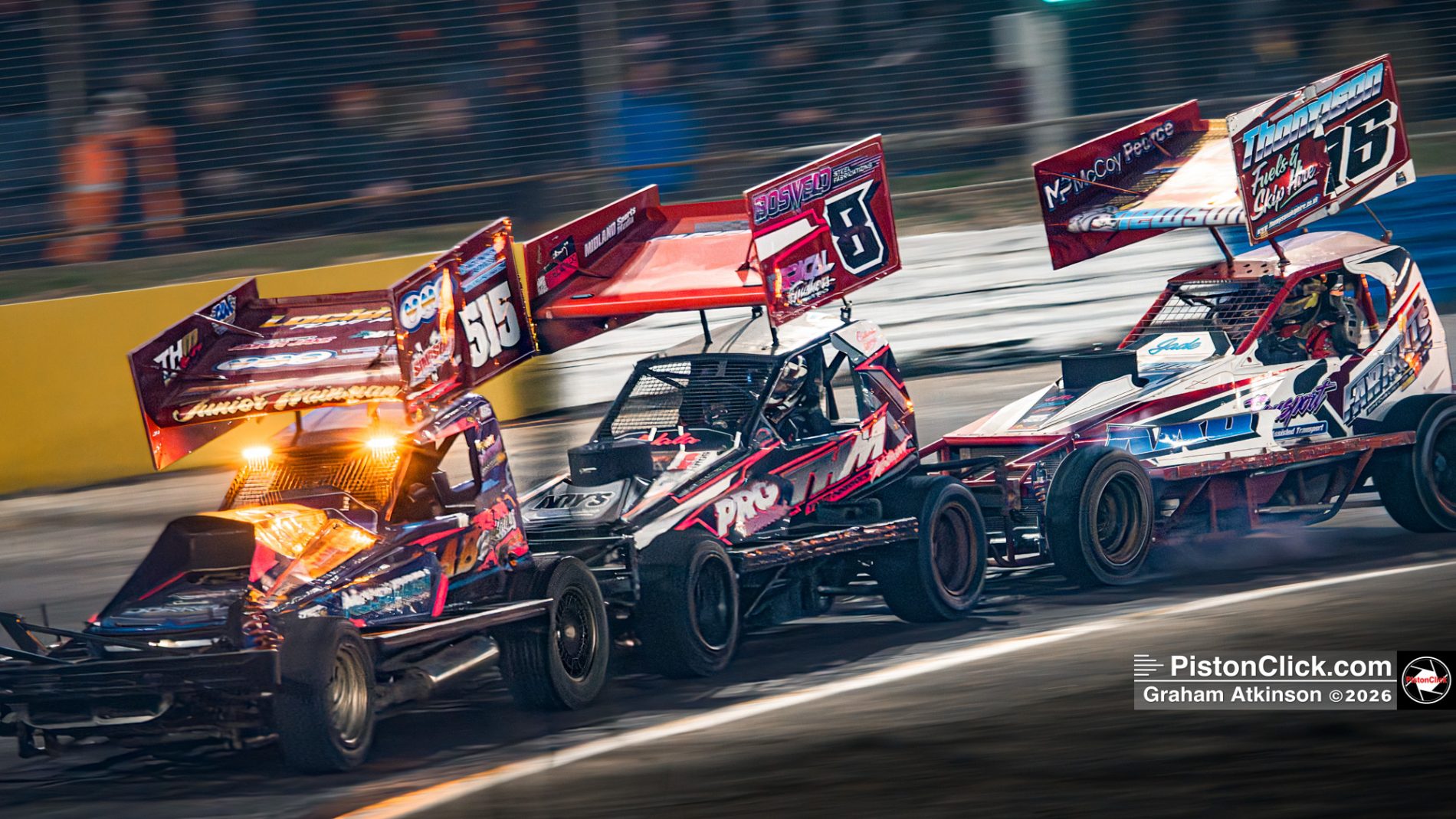
Stock car racing is sometimes dismissed as nothing more than “bash and crash,” but that couldn’t be further from the truth. While contact is part of the sport, it requires skill, judgement, and precision. The best drivers know exactly how to use their bumpers to unsettle a rival without putting themselves out of the race.
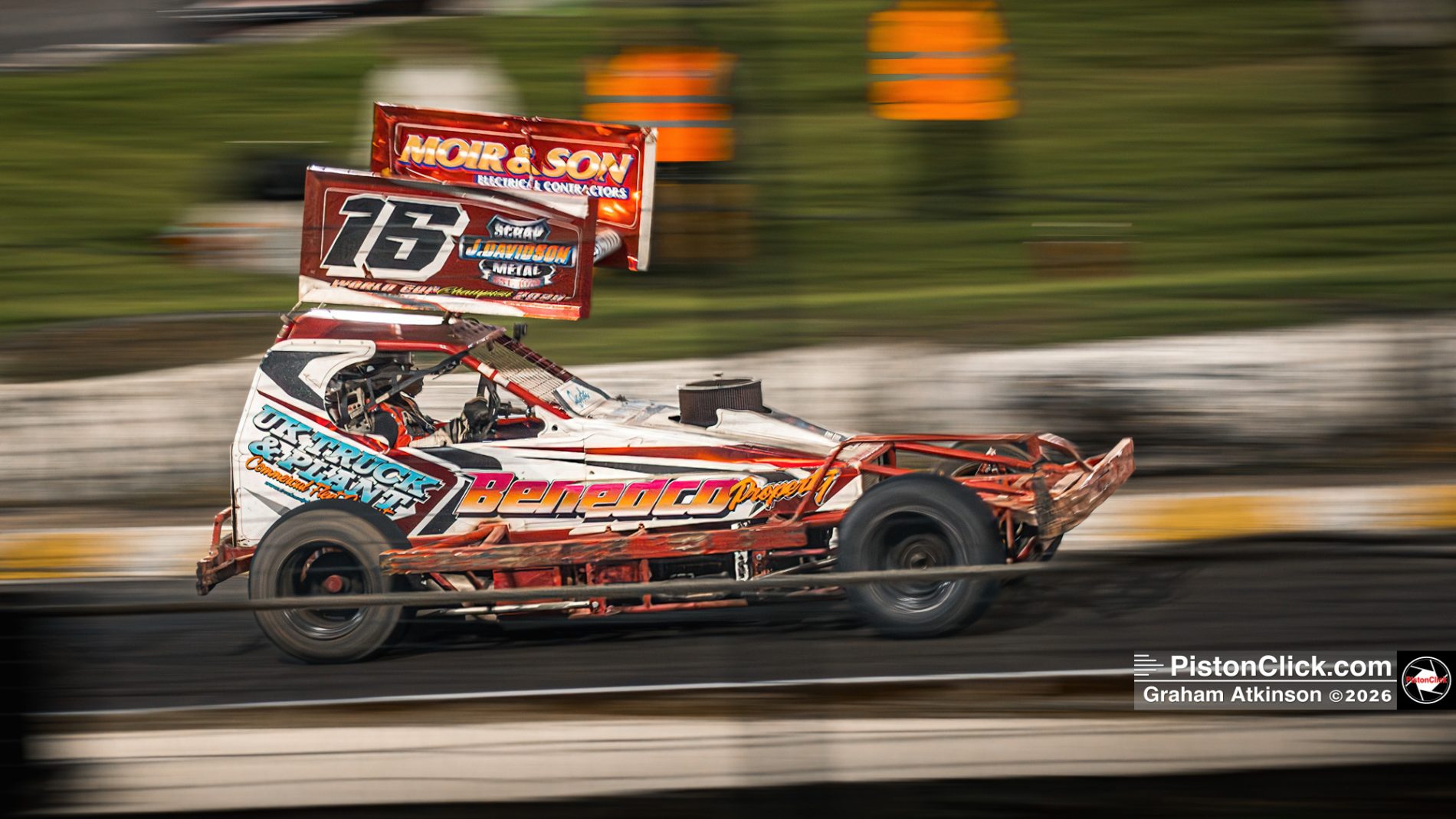
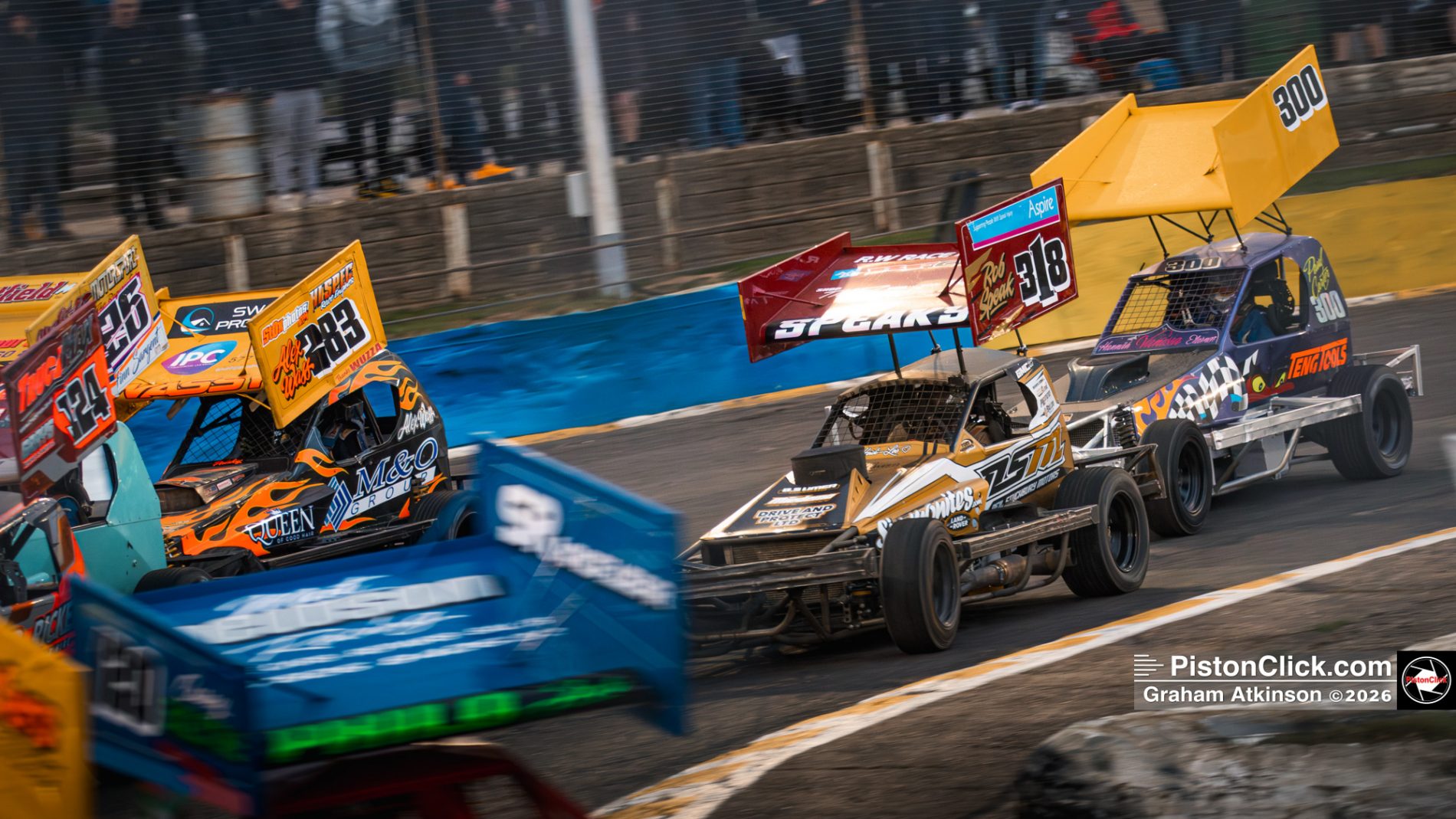
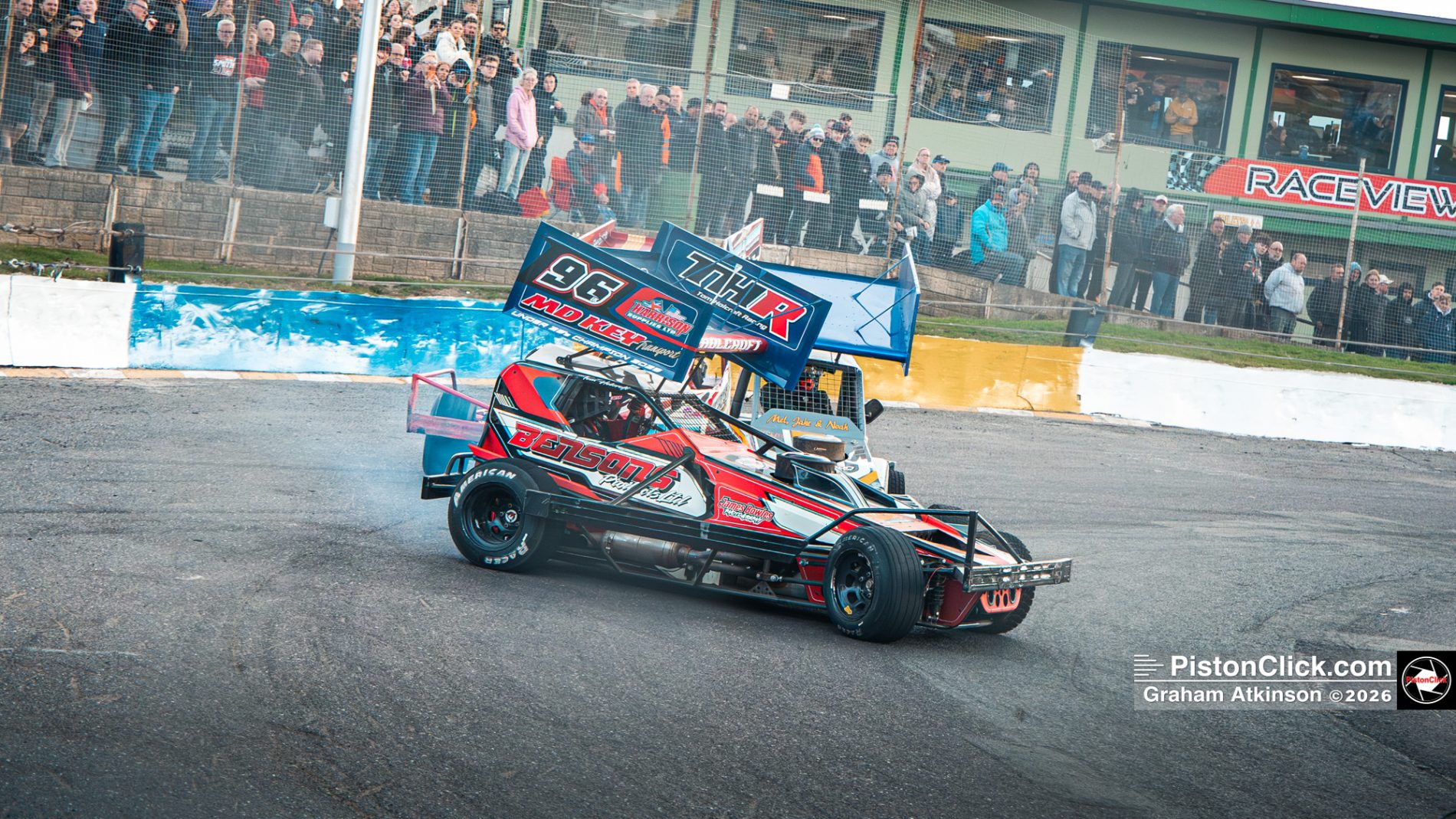
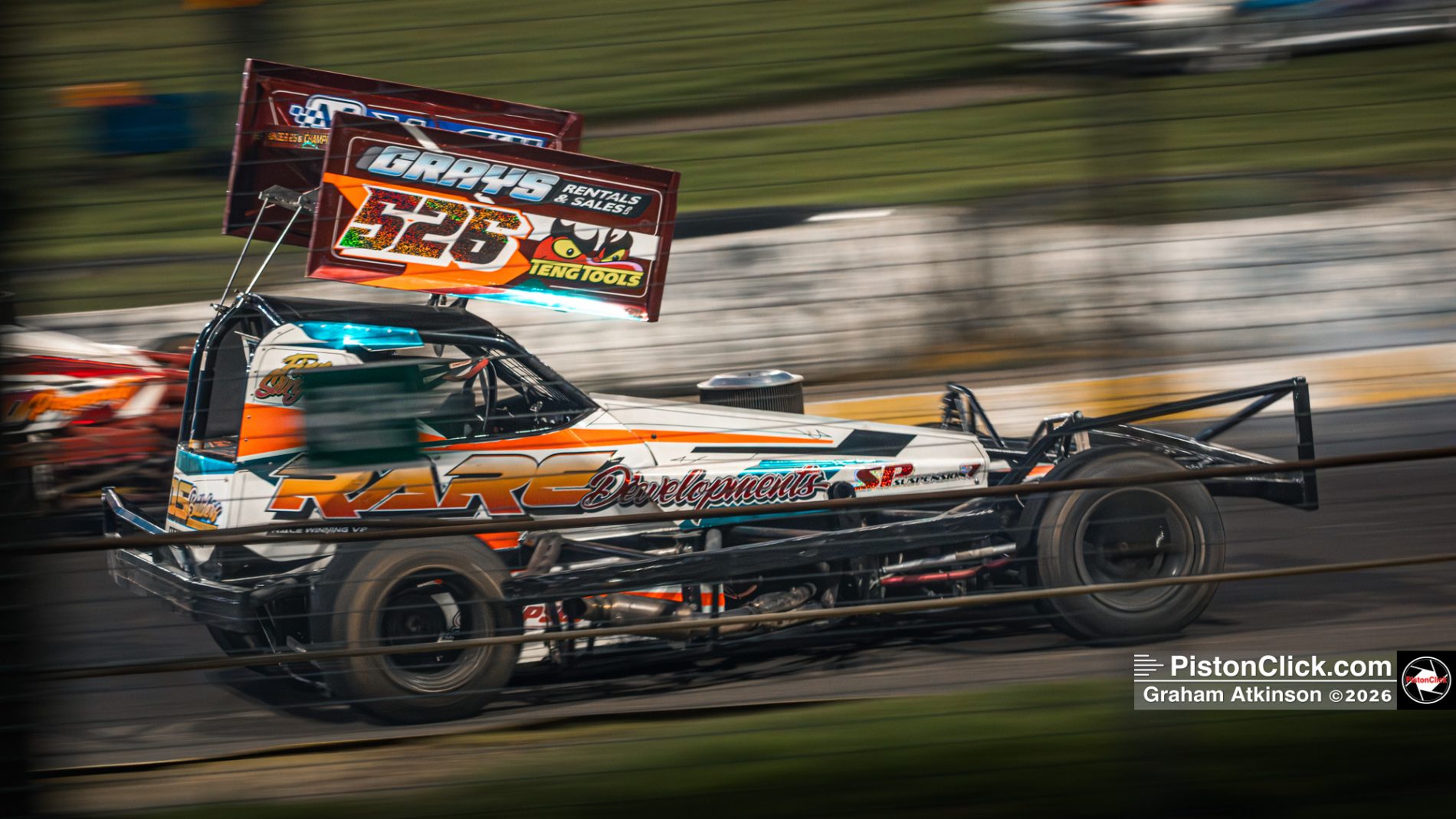
With cars so evenly matched, races often build to dramatic conclusions. It’s not unusual for a faster driver to catch the leaders only in the closing laps, setting up a decisive final corner where everything is on the line. Sometimes it results in a perfectly executed pass; other times, both cars end up out of contention. Either way, the crowd loves it.
Why You Should Experience It
Stock car racing may not always receive the recognition it deserves, but for those who experience it, there’s nothing quite like it. The atmosphere, the noise, the close racing, and the unpredictability all combine to create something special.
If you’ve never been, why not head down to Skegness Raceway or your nearest track and see it for yourself? Just don’t be surprised if it gets under your skin.
Because once you’ve experienced stock car racing… it has a habit of staying with you.